SCIENCE94% credibility
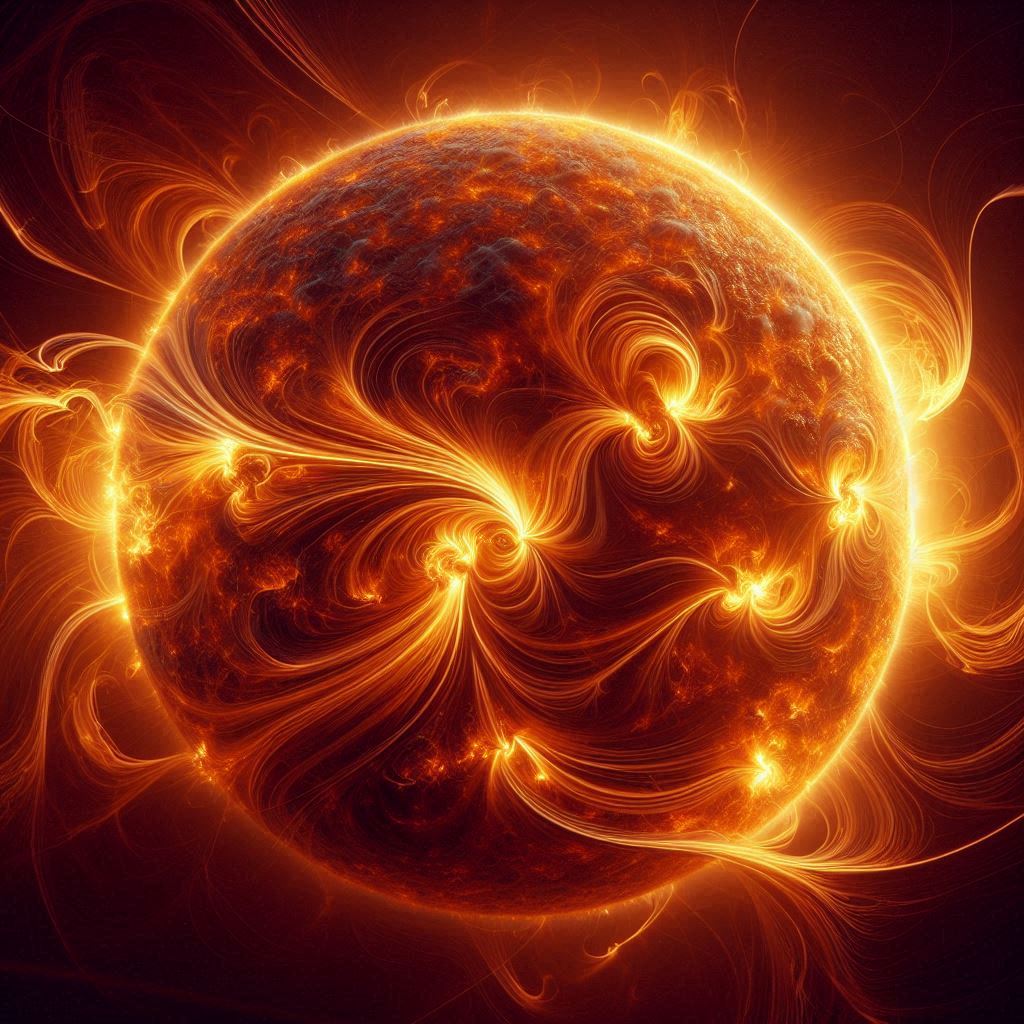
New Insights into Solar Flares from ESA's Solar Orbiter Mission
ESA's Solar Orbiter reveals new insights into solar flares, showing their chaotic origins and implications for space weather forecasting.
2 min read

ESA's Solar Orbiter reveals new insights into solar flares, showing their chaotic origins and implications for space weather forecasting.

Explore how China is mining old landfills for energy as waste-to-energy plants face shortages. A look at urban planning and sustainability efforts.
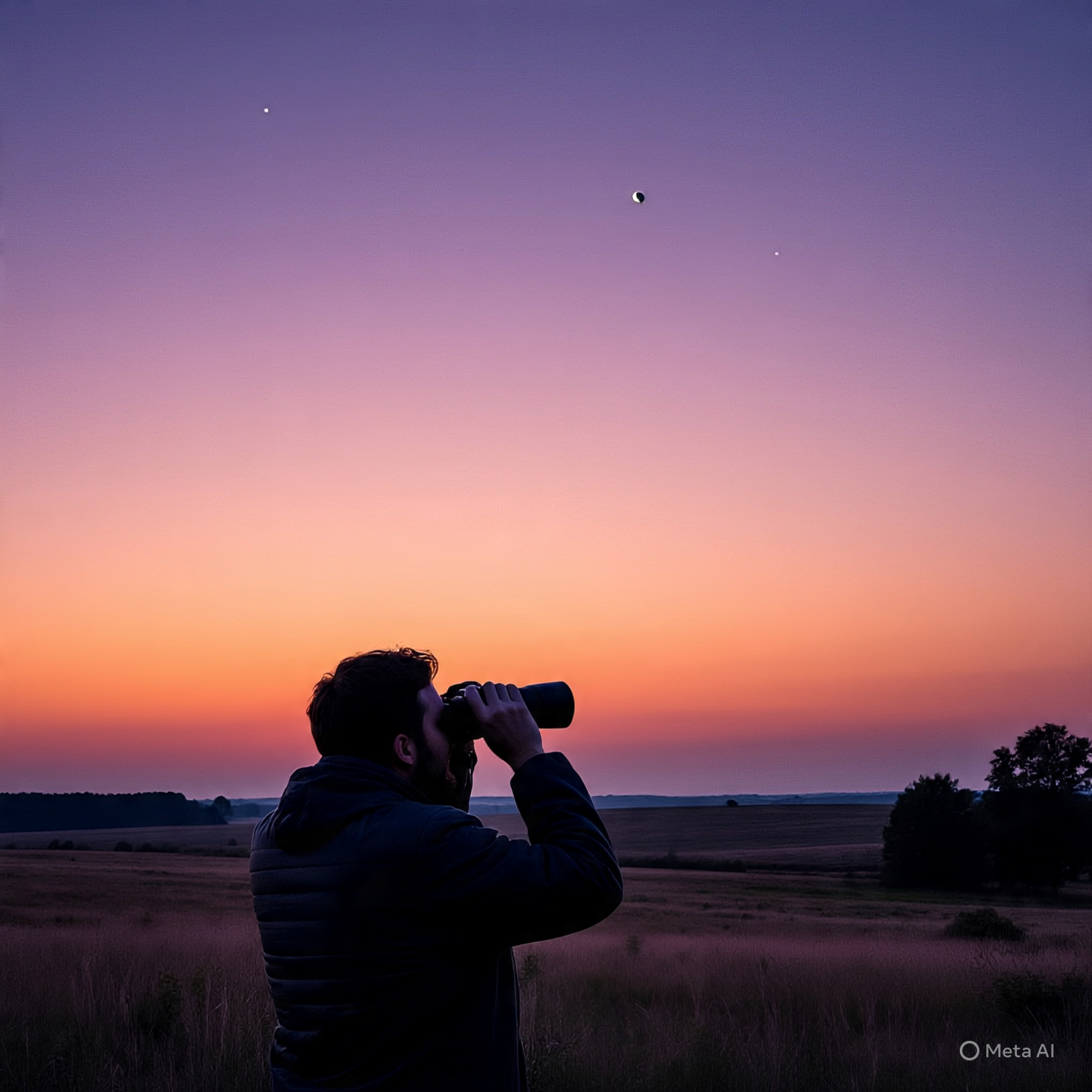
This weekend, skywatchers can witness a rare alignment of six planets in the night sky, including Mercury, Venus, Jupiter, Saturn, Uranus, and Neptune.
A recent study of a double burial in Italy uncovers genetic links between a mother and daughter, shedding light on ancient human life and care.

Researchers identify a new toad species, Adhaerobufo wokomungensis, in Guyana's highlands, highlighting the region's rich biodiversity and conservation needs.

A new study highlights how wood burning for heat increases indoor air pollution, posing risks to children's health, especially in rural areas.

A new study reveals bonobo Kanzi's ability to engage with imagination, challenging perceptions of cognitive boundaries between humans and apes.
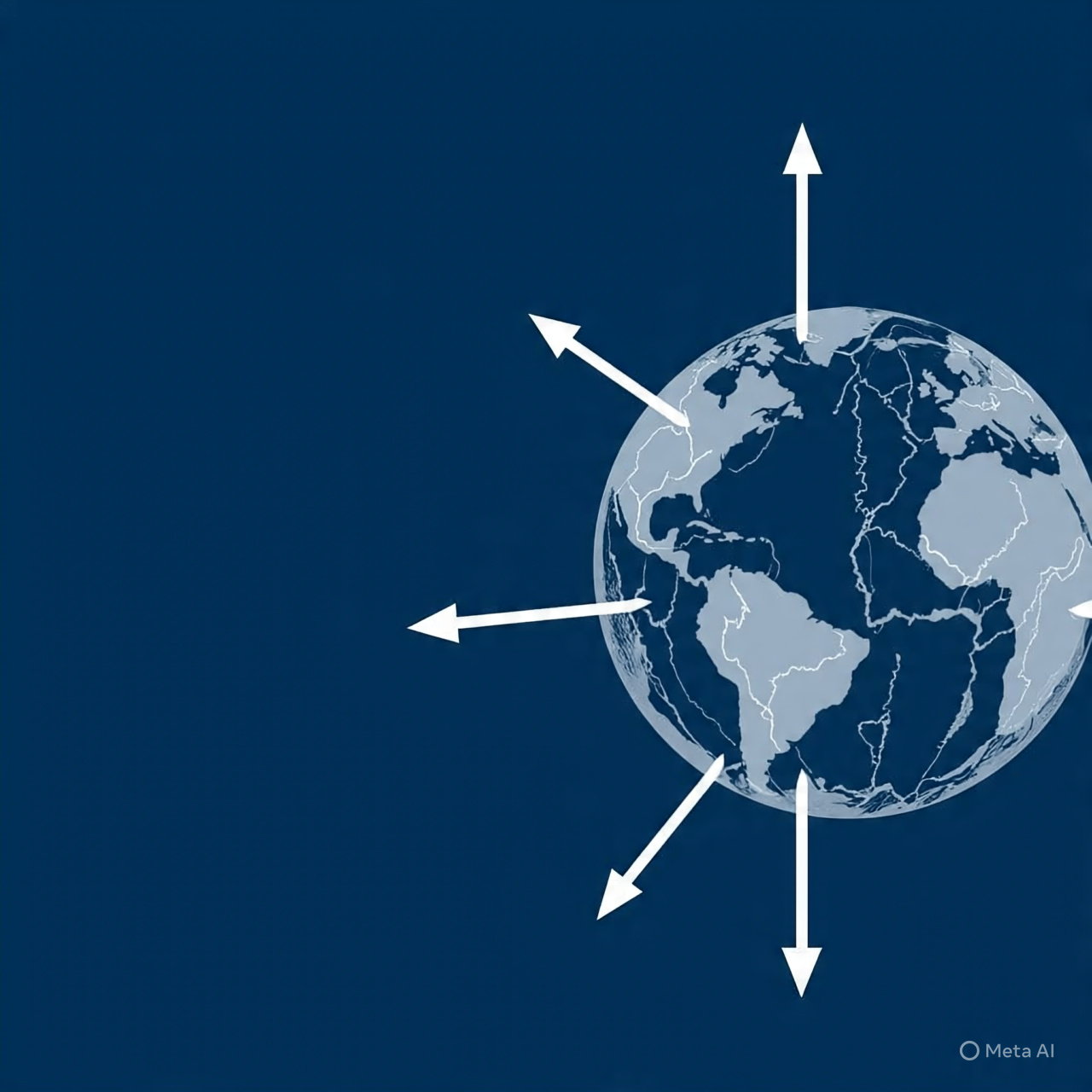
New research reveals tectonic plate movements play a crucial role in Earth's climate, influencing carbon cycles and atmospheric changes over geological time.
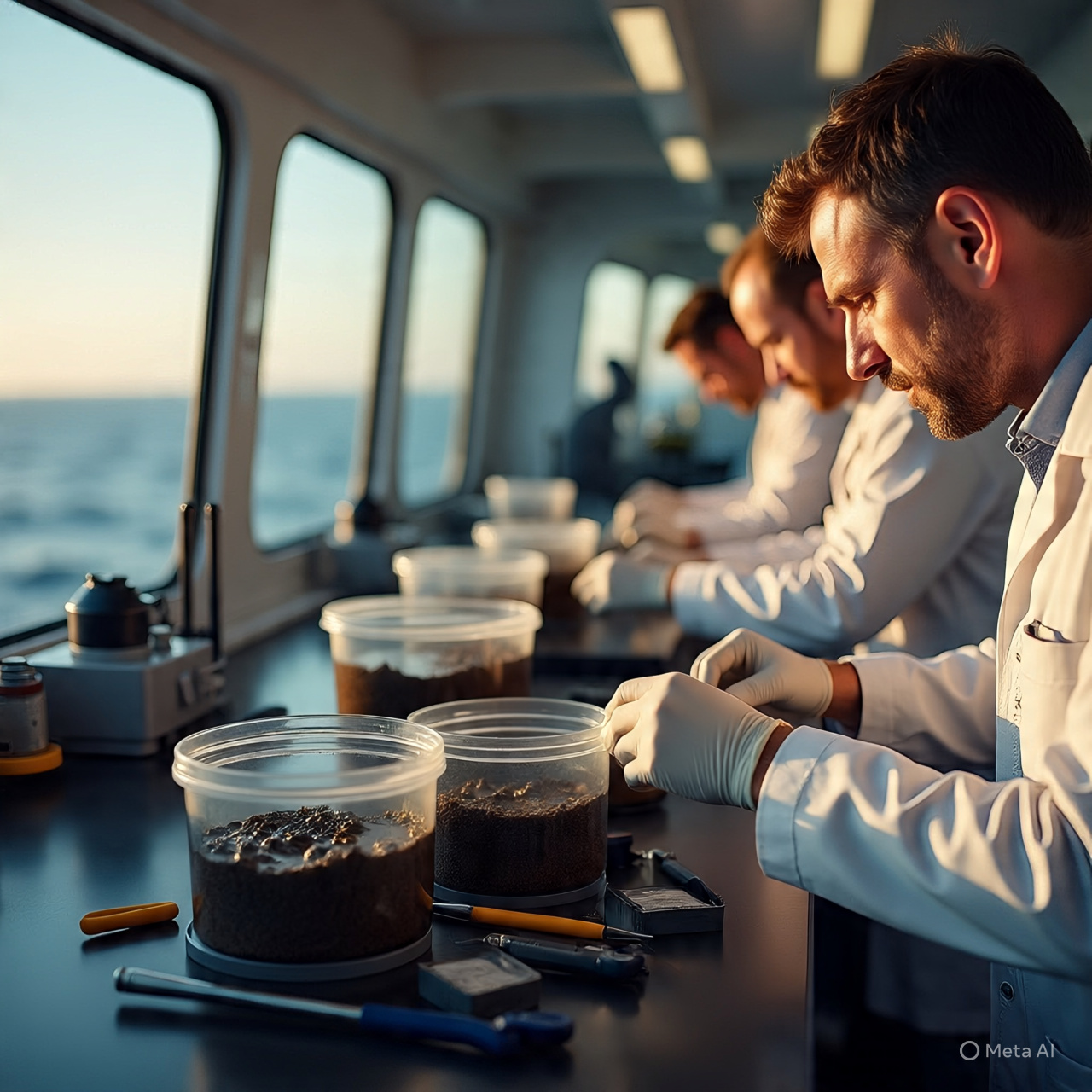
Japan successfully tests deep-sea mining operations, extracting rare metals from the Pacific Ocean, crucial for technology and environmental studies.

New findings on Tyrannosaurus rex reveal its dynamic life stages, altering perceptions of its ecological role and resilience in prehistoric ecosystems.

NASA has identified a massive starless cloud, revealing insights into the early stages of star formation and the conditions that precede stellar birth.

Voyager 2's brief encounter with Uranus in 1986 revealed unexpected solar influences, reshaping our understanding of the ice giant's magnetic environment.
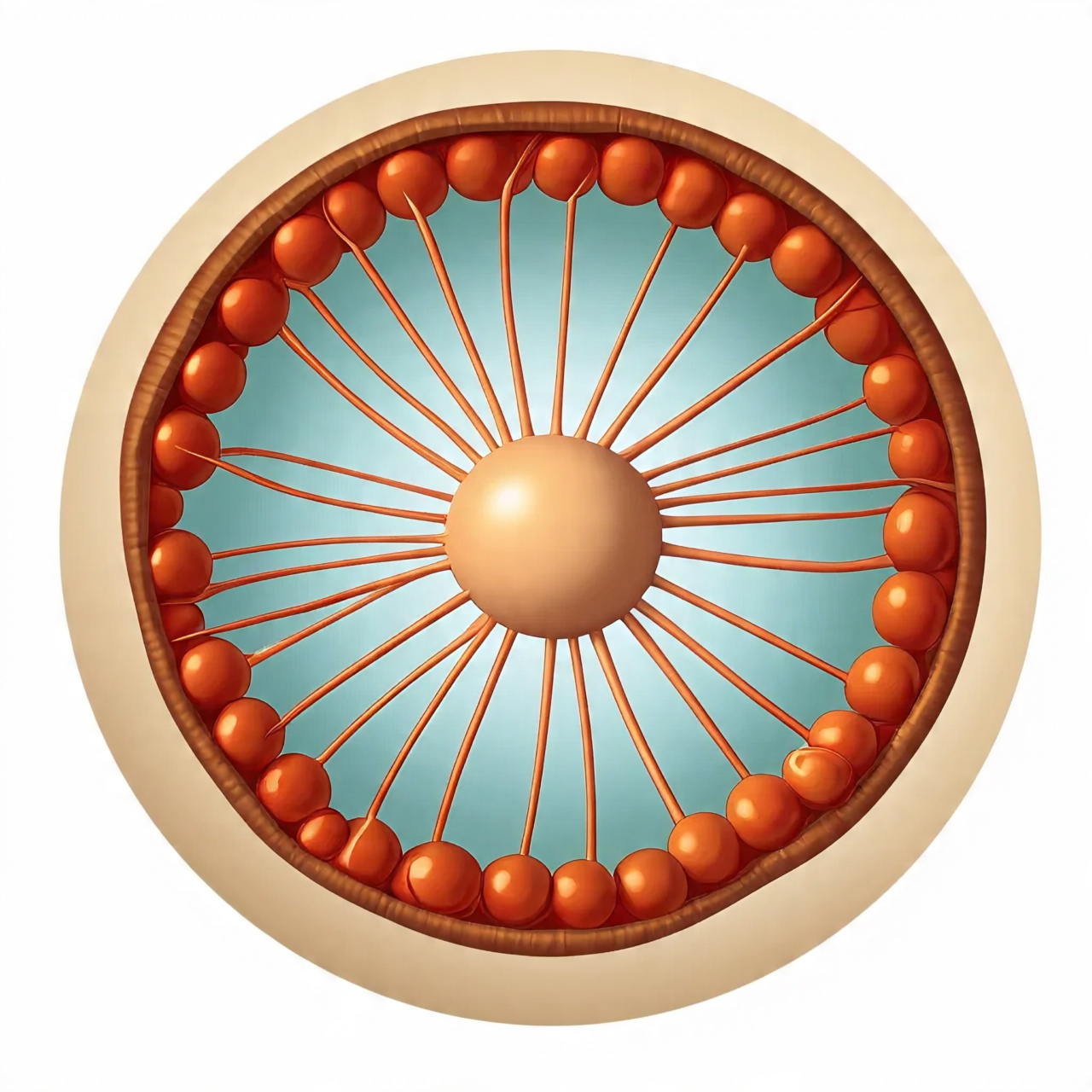
Explore how egg cells are meticulously assembled from within, revealing the intricate roles of actin and microtubules in early life development.

Discover how spider silk transforms from liquid to a strong, elastic fiber through unique molecular processes, inspiring innovations in materials science.
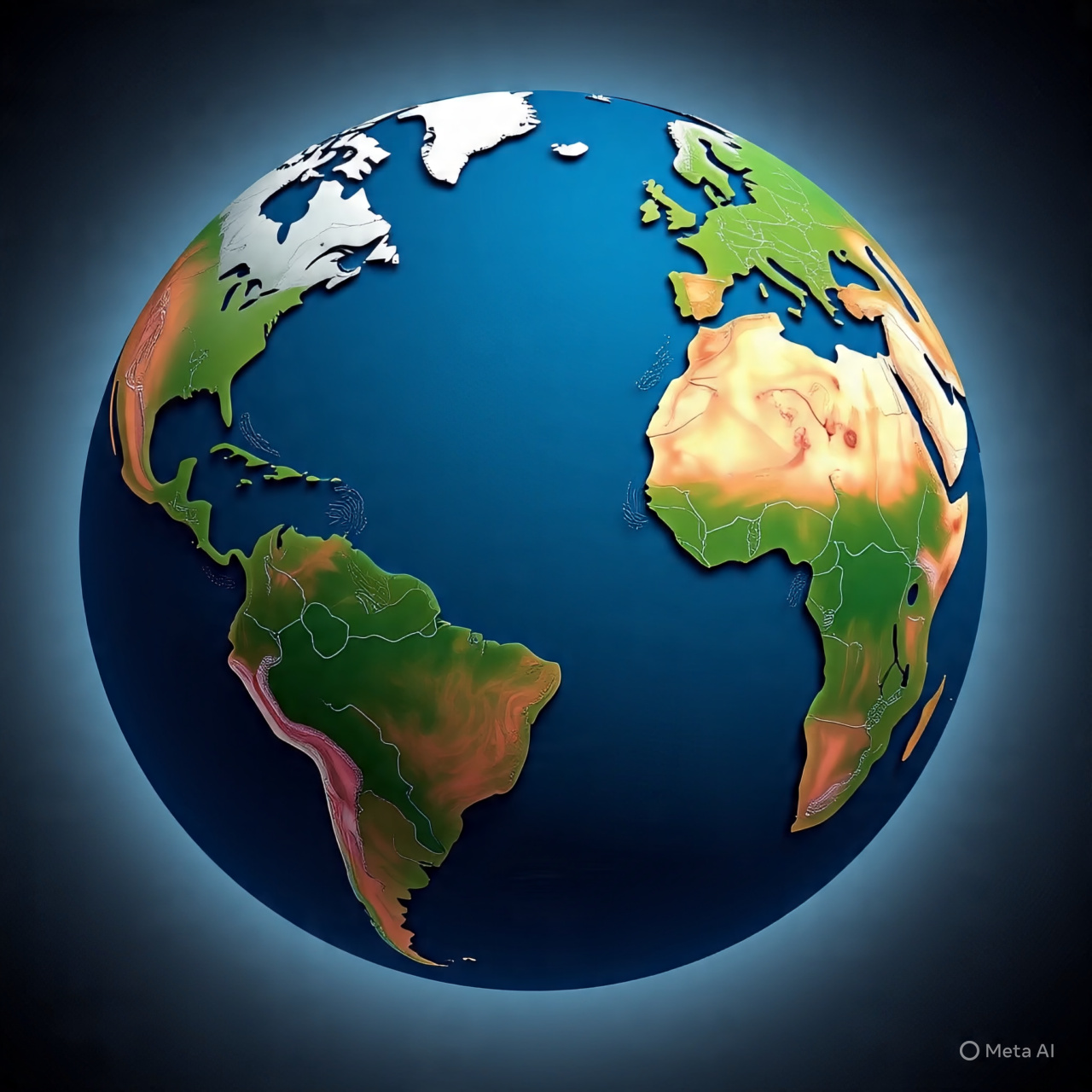
New research reveals how Earth's tectonic movements influence climate by altering ocean currents and carbon cycles, reshaping our understanding of climate history.
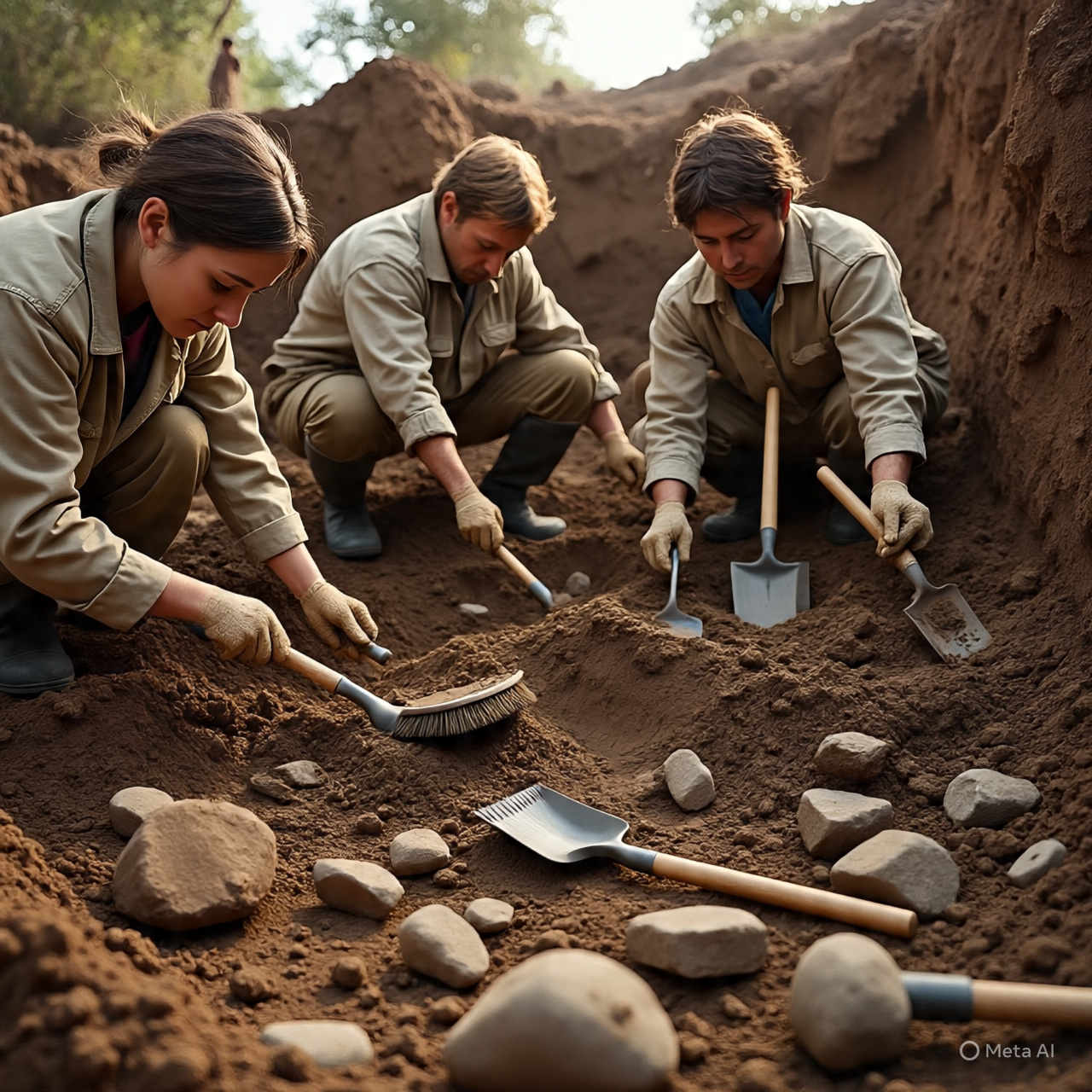
Discover how newly unearthed fossils, dating back 773,000 years, illuminate the complex journey of human evolution and ancestry.
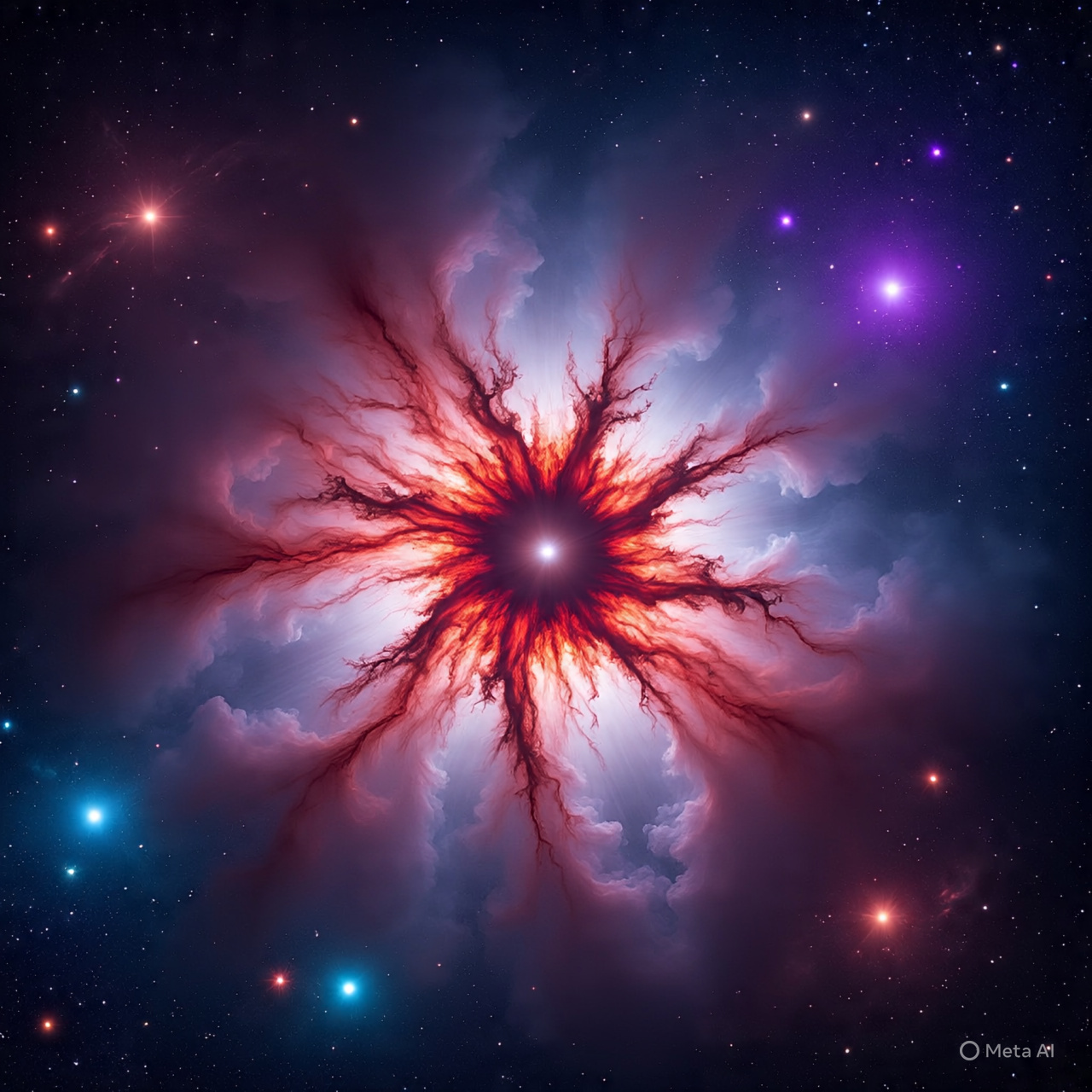
Astronomers witness a red supergiant star's dramatic changes, revealing insights into stellar evolution and the processes leading to supernovae.
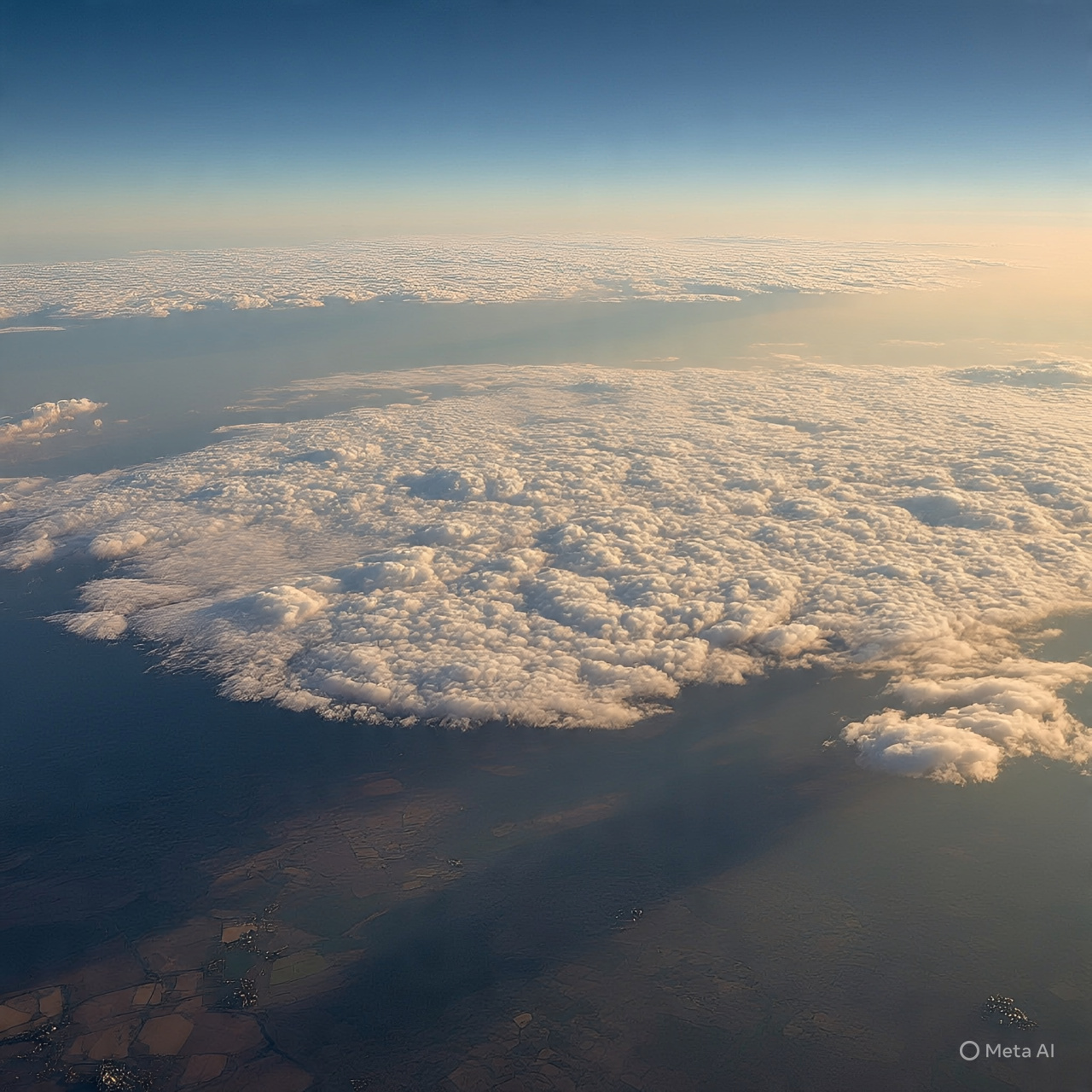
A new study by JAXA enhances understanding of cloud formation, improving climate models and weather forecasts, with implications for agriculture and disaster preparedness.
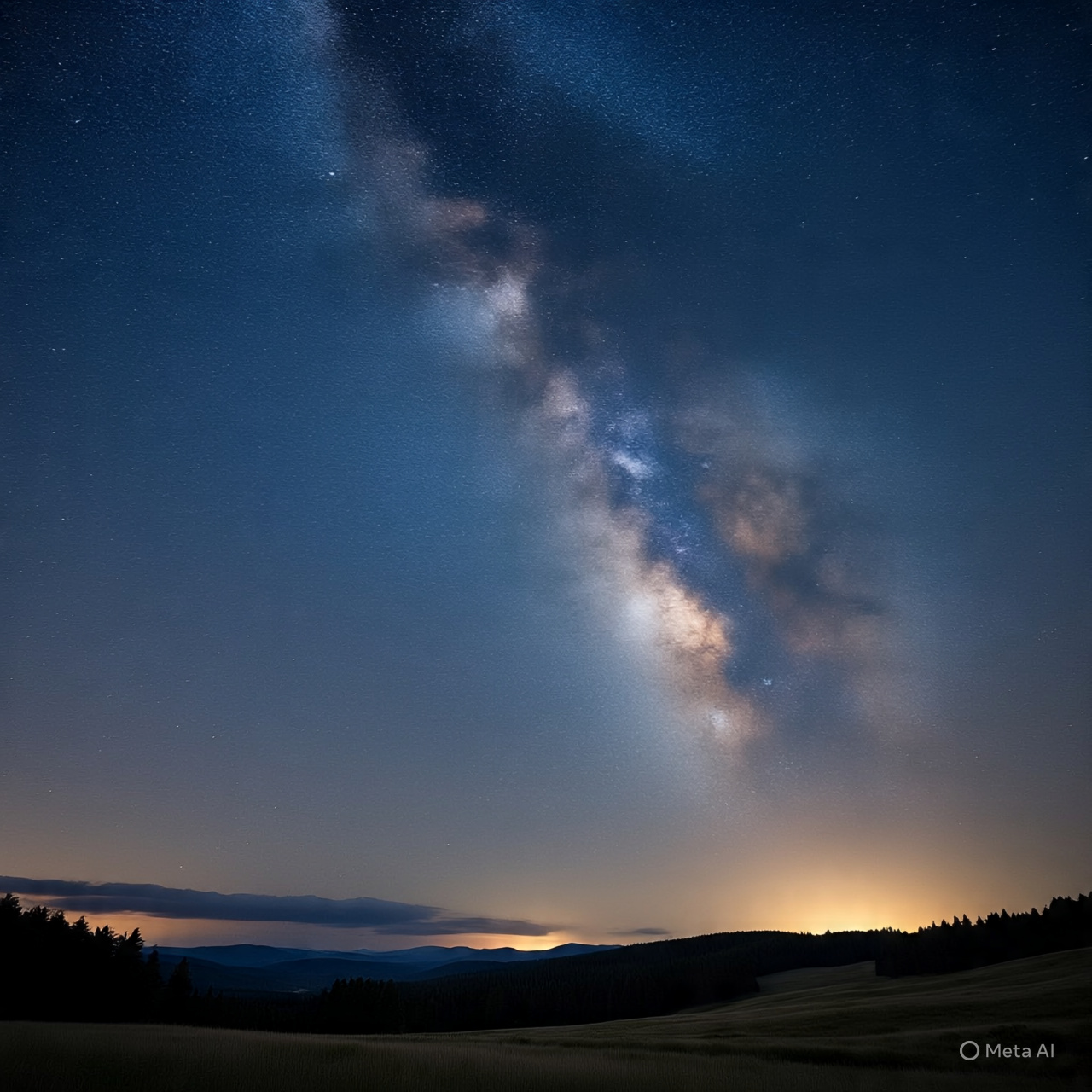
Discover the meteor showers of 2026, their origins, and when to watch these stunning celestial displays lighting up our night skies.

Explore the significance of preflight quarantine for NASA's Artemis II mission, ensuring astronaut health and focus before their journey to the Moon.
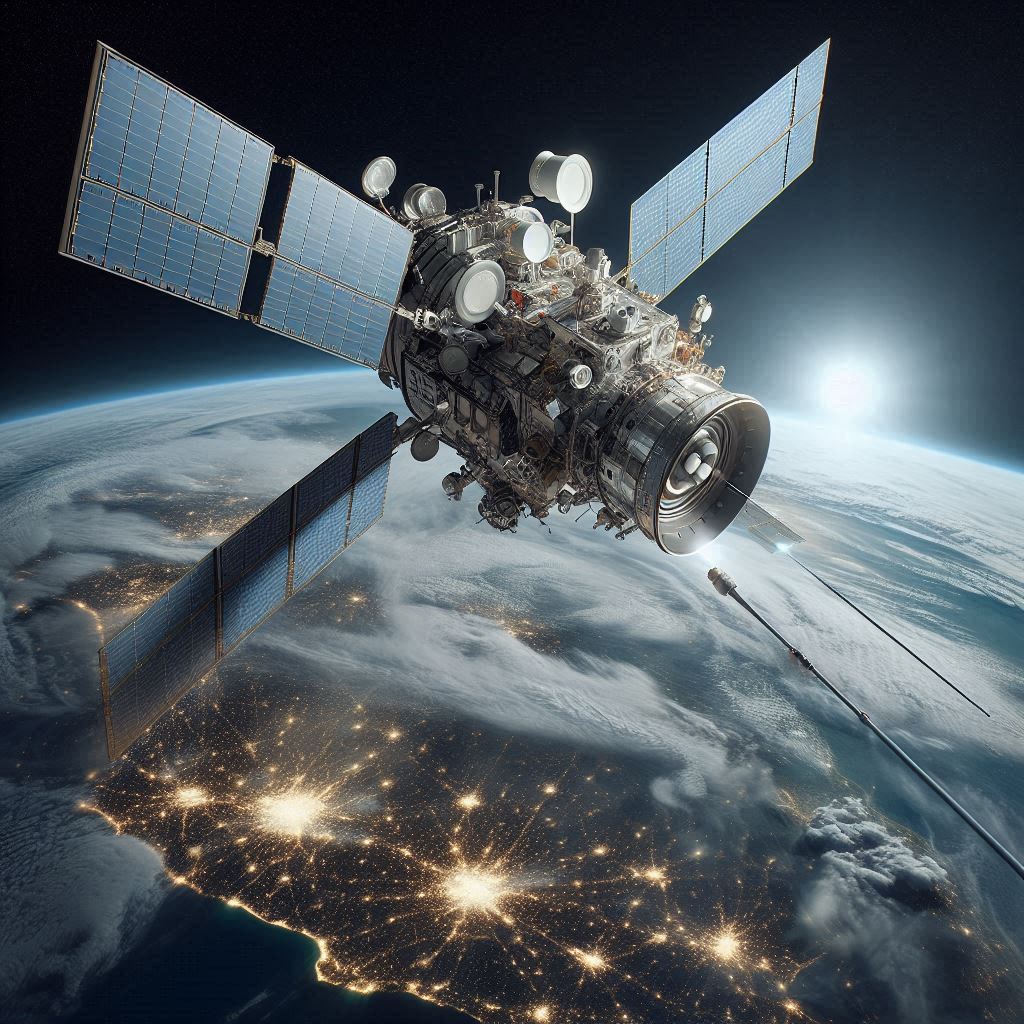
The EarthCARE satellite, launched by JAXA and ESA, reveals new insights into cloud dynamics, enhancing our understanding of climate and weather patterns.

Discover how sea lavender contributes to carbon sequestration in salt marshes, enhancing climate balance and showcasing nature's subtle solutions.
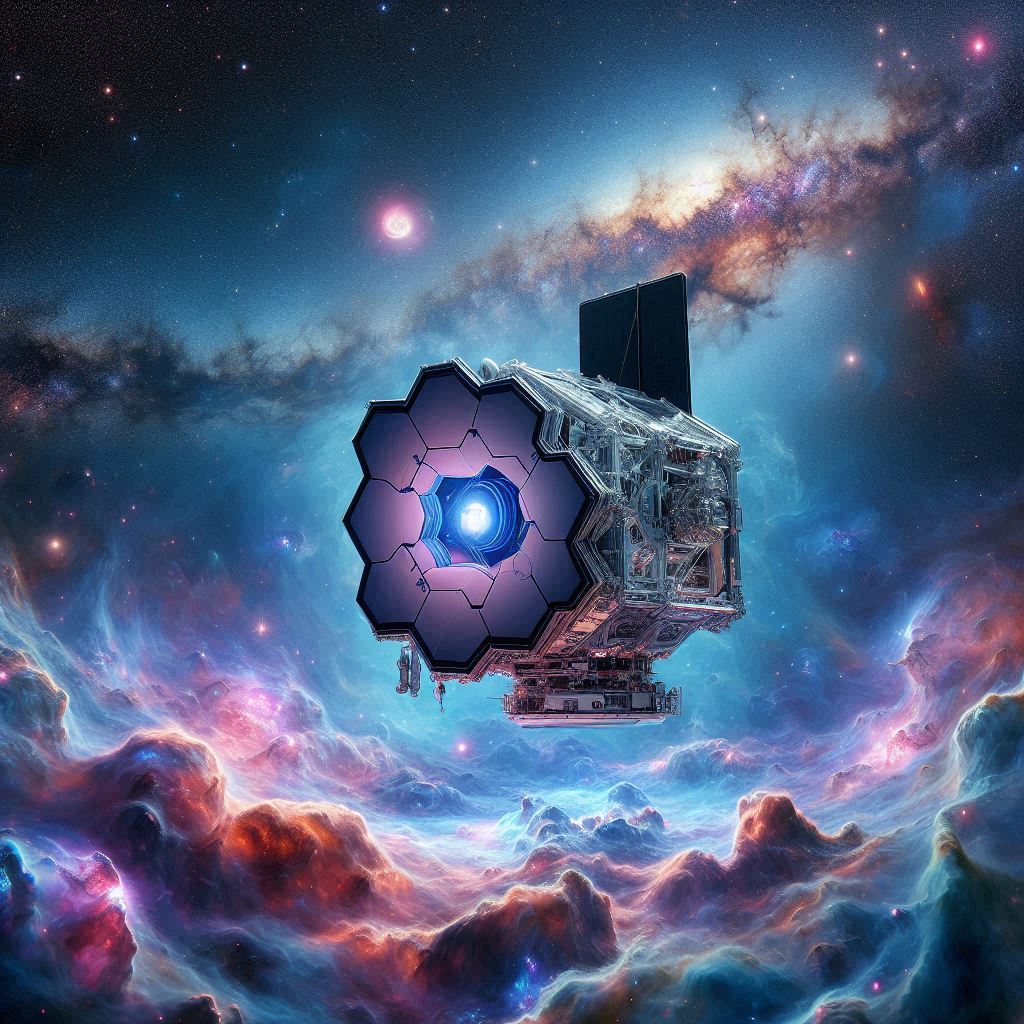
Discover how the James Webb Space Telescope found complex organic molecules in the Large Magellanic Cloud, hinting at life's cosmic origins.
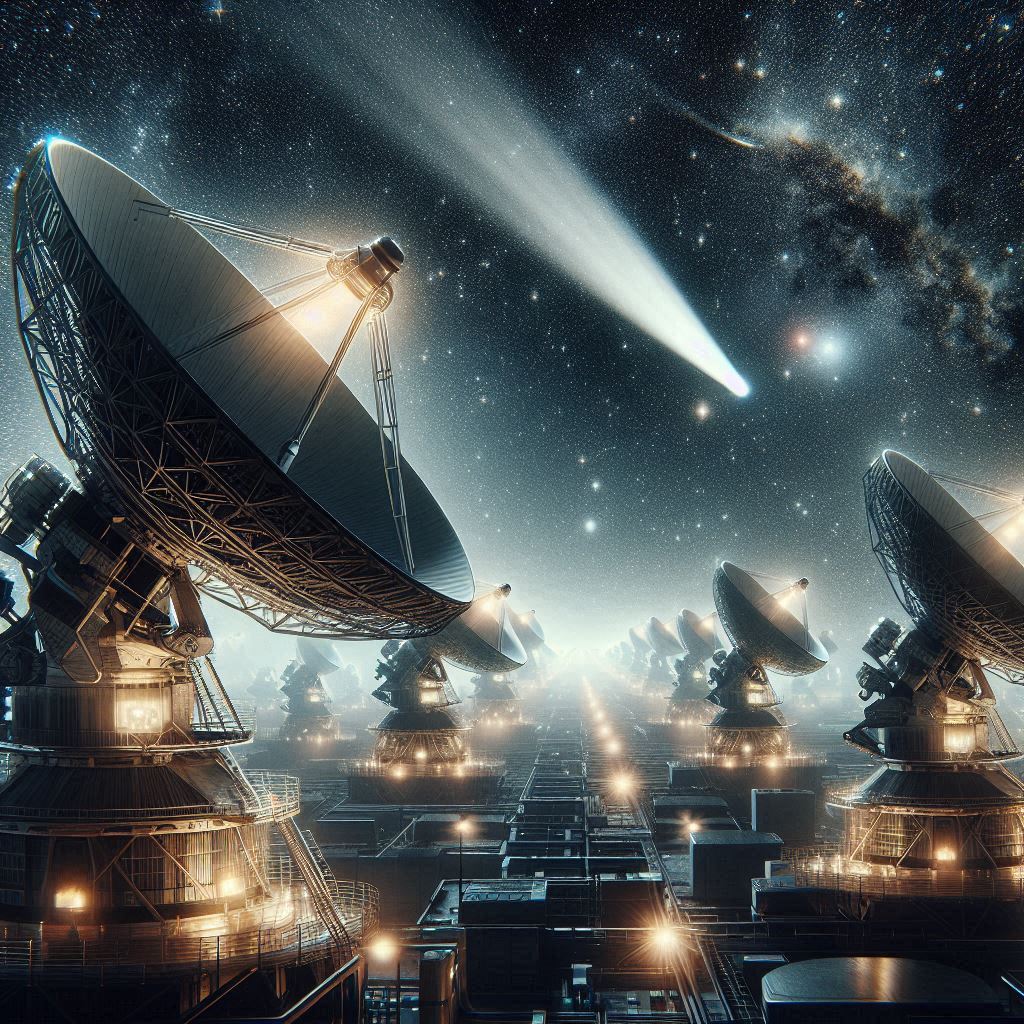
Comet 3I/ATLAS dazzles as it departs our solar system, revealing secrets of its interstellar origins and chemical makeup through advanced observations.