Hackers Heat French Supermarket Fridges to 50°C in Unprecedented Cyberattack
Hundreds of French supermarkets were hit after hackers manipulated refrigeration systems, warming some units to 50°C and spoiling fresh and frozen food.

Hundreds of French supermarkets were hit after hackers manipulated refrigeration systems, warming some units to 50°C and spoiling fresh and frozen food.

Hackers remotely manipulated supermarket refrigeration controls, heating some units to 50°C and spoiling fresh and frozen food worth millions of euros.

Hackers reportedly manipulated refrigeration controls at hundreds of French supermarkets, warming some units and forcing stores to discard potentially spoiled food.

Korea Aerospace Industries flew its AAP drone alongside an FA-50, demonstrating close formation flight as a step toward crewed-uncrewed teamwork.

Samsung forecast third-quarter operating profit of 107.4 trillion won, about $80.17 billion, as demand for AI memory chips surged and prices climbed.

Germany’s startup scene is expanding rapidly, with artificial intelligence attracting founders as traditional industries face economic and structural pressure.

German robotics startup RobCo reached a $1 billion valuation and is expanding its US presence while keeping core manufacturing operations in Germany.

German manufacturing continued expanding in September, supported by rising production and new orders, while demand linked to technology investment offered additional opportunities.

Argentine mobility startup Autonomy raised $8 million to expand its vehicle rental-to-ownership model for app-based drivers, with plans to grow its fleet substantially.

The IMF said AI infrastructure investment is helping keep global growth near 3%, while warning that the technology could reshape jobs and widen economic gaps.

Singapore's prime minister warned that the AI boom would not last forever, urging the country to use the opportunity to build capabilities and better jobs.

Indonesia is promoting the Kura-Kura Bali Special Economic Zone as a regional AI and semiconductor research hub, supported by cooperation with China’s Tsinghua University.

Indonesia discussed potential creative-industry agreements with the Hollywood Chamber of Commerce during a forum in Los Angeles held October 5–8, 2026.

Ukraine struck Yandex data centers three times in four days, disrupting services across Russia and neighboring countries as Kyiv widens its campaign against Russian tech infrastructure.

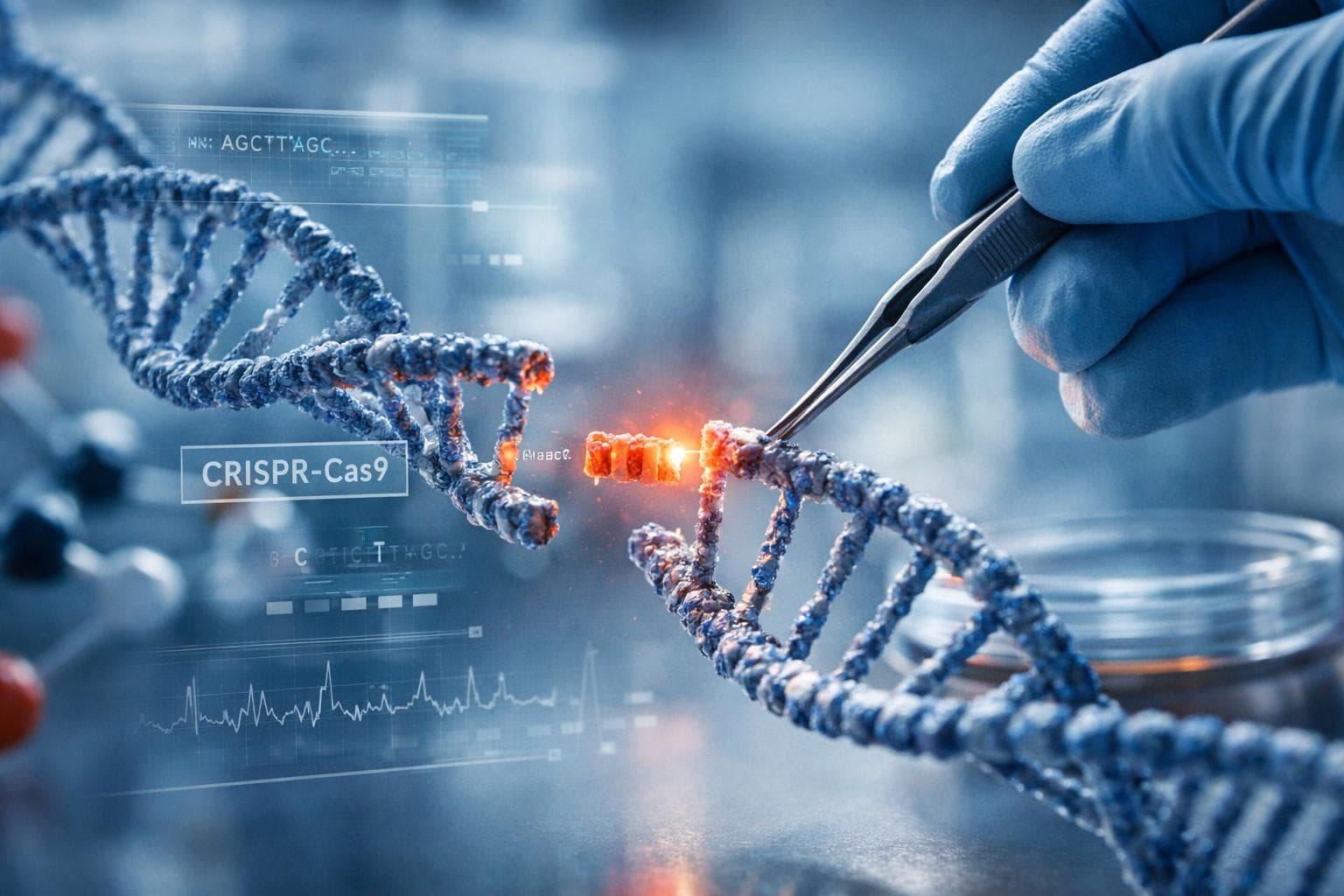
What if a child could be born without the genetic condition that affected generations of their family? Advances in CRISPR gene editing are bringing scientists closer to correcting the DNA changes responsible for certain inherited diseases. Treatments are already moving beyond laboratory experiments, with gene-editing therapies offering new options for people living with serious blood disorders. But the technology raises a much bigger question: could humanity eventually prevent inherited diseases before birth, extend healthy lifespans or even enhance human abilities? The science is advancing, but the path from treating disease to redesigning future generations is filled with technical challenges, ethical dilemmas and difficult questions about who gets to define a “better” human.
.jpg&w=3840&q=75)
Humanity is returning to the Moon, but this time the ambition extends far beyond planting a flag. NASA's Artemis programme aims to establish the foundations for a sustained human presence on the lunar surface, opening new opportunities for scientific discovery, technological development and eventually crewed missions to Mars. Following the successful Artemis II crewed lunar flyby in April 2026, the programme is moving towards a new series of increasingly complex missions, including orbital tests of commercial lunar landers and a planned return to the lunar surface in 2028. Yet building a lasting presence on another world presents enormous challenges. From surviving extreme temperatures and radiation to extracting water ice and constructing habitats, Artemis could become the beginning of a new era of space exploration—or a test of how much humanity is willing to invest in reaching beyond Earth.

An overnight drone strike in Russia sparked fires at the Sasta machine-tool plant and an adjacent Yandex data center, causing power outages and operational shutdowns. Authorities are investigating.

Tokenisation could transform how financial assets are issued, owned, traded and settled. From government bonds and investment funds to claims on real-world assets, programmable digital tokens may help modernise financial infrastructure. But the technology's future will depend on legal rights, reliable settlement, investor protection and whether real-world adoption catches up with the ambition.

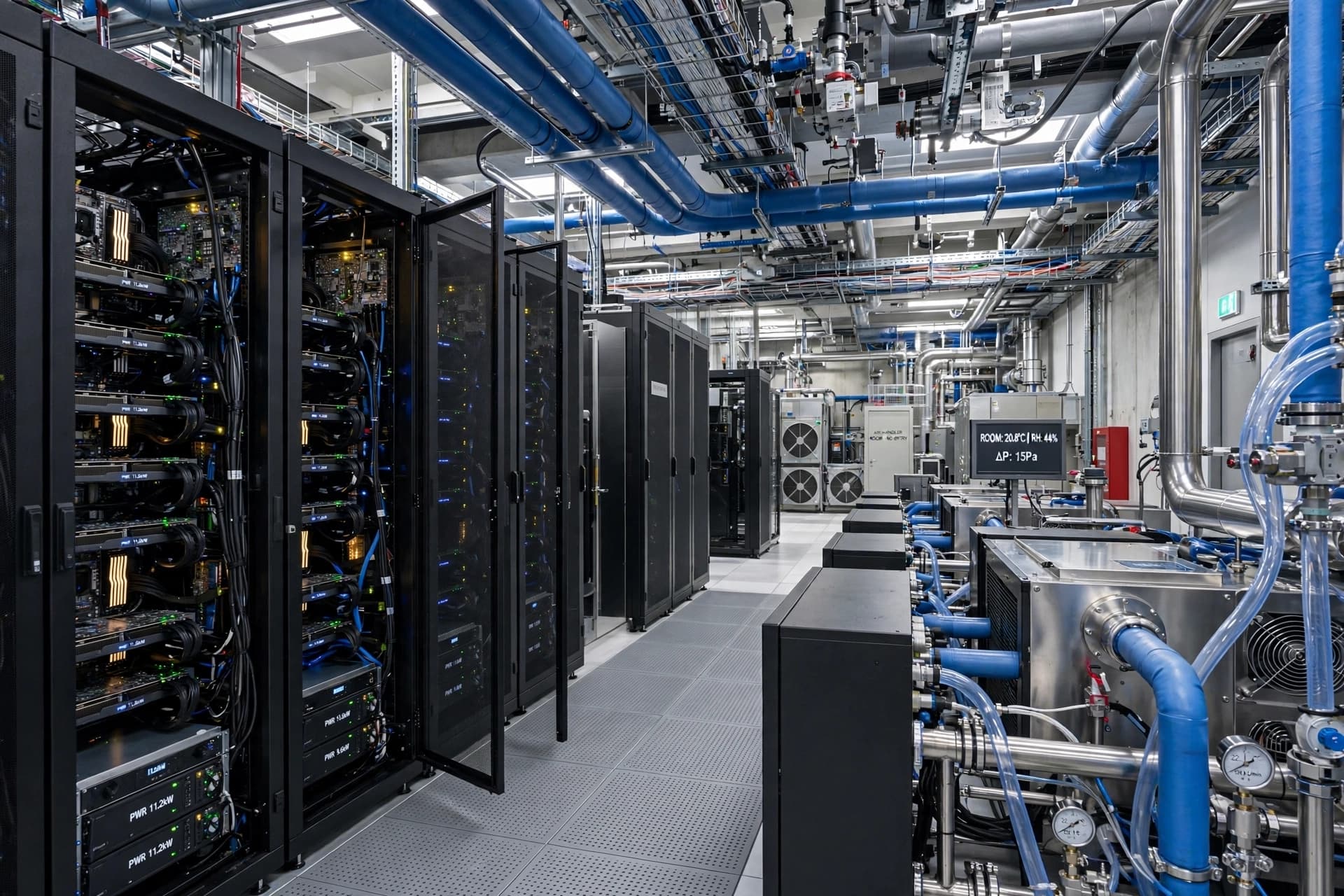
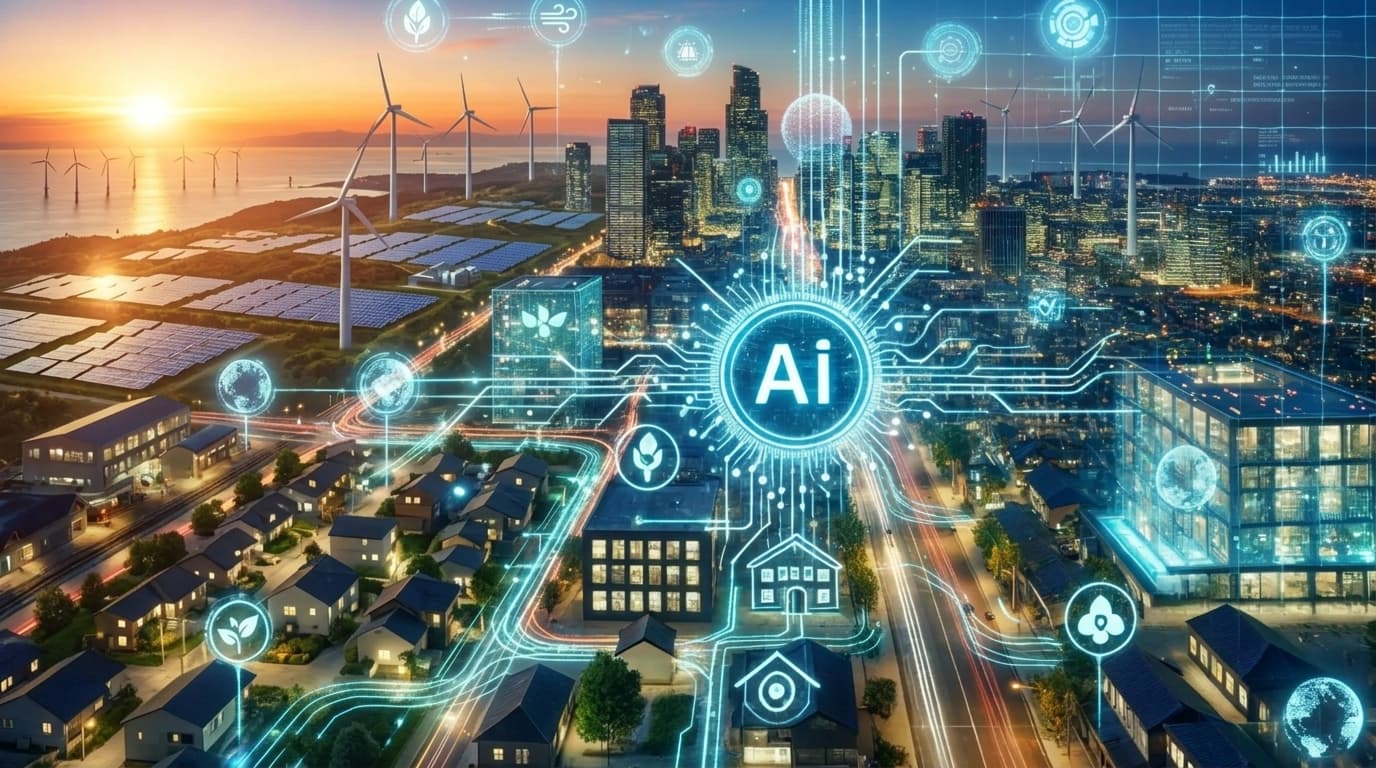
Artificial intelligence is driving a global race to build data centres, advanced chips and computing infrastructure. But every new AI system depends on something physical: electricity. The International Energy Agency estimates that data-centre electricity consumption could nearly double between 2025 and 2030. The challenge is finding affordable, reliable and sustainable ways to power AI while balancing grid constraints, investment risks and growing energy demand. [1]

The EIA expects lower winter energy costs for most gas and propane users, while heating-oil households face higher bills.

Paramount Skydance finalized its $110 billion acquisition of Warner Bros Discovery, creating a major new Hollywood entertainment group.

Growing demand for artificial intelligence is placing energy availability, data-centre infrastructure and long-term investment at the center of Britain's technology debate.

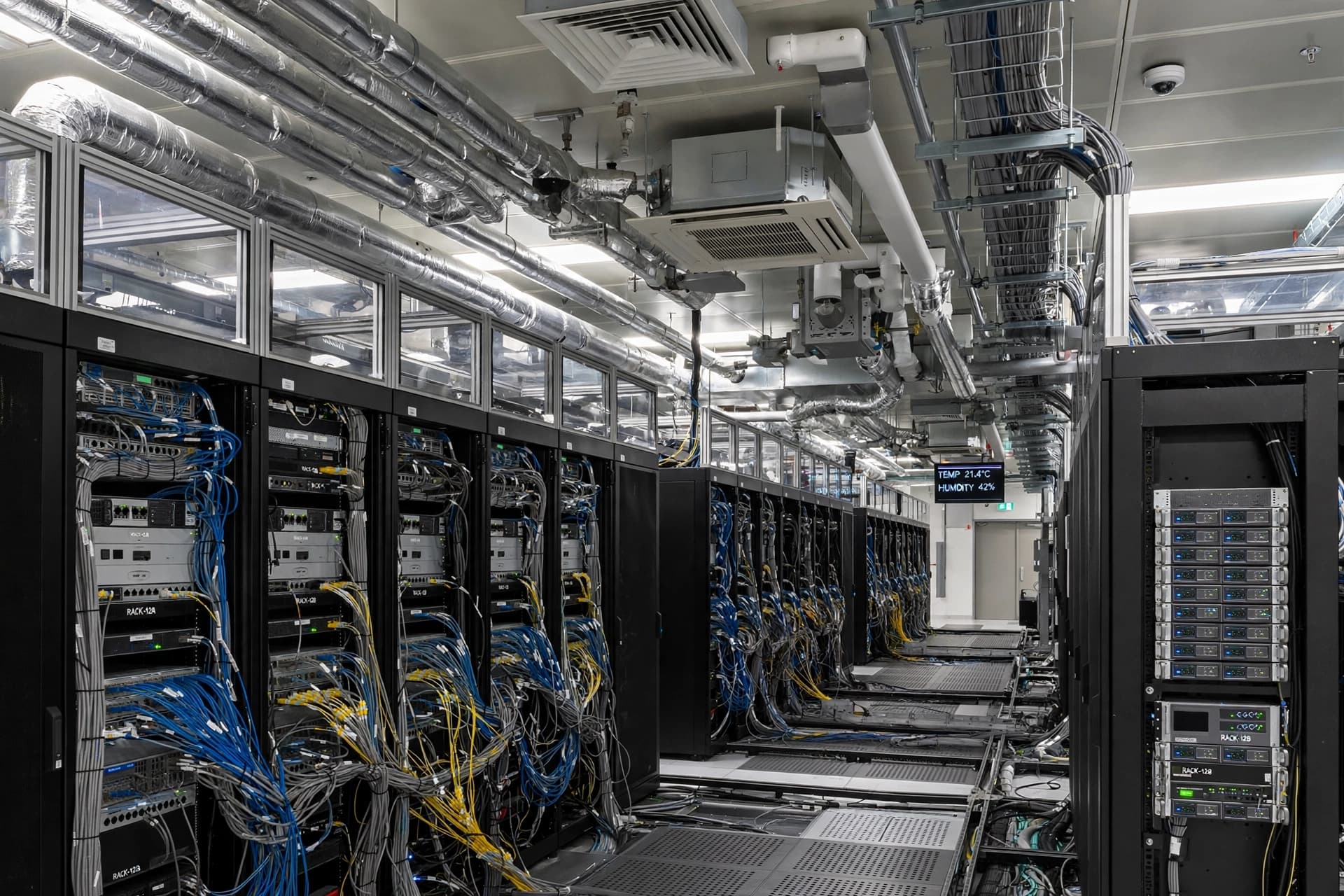
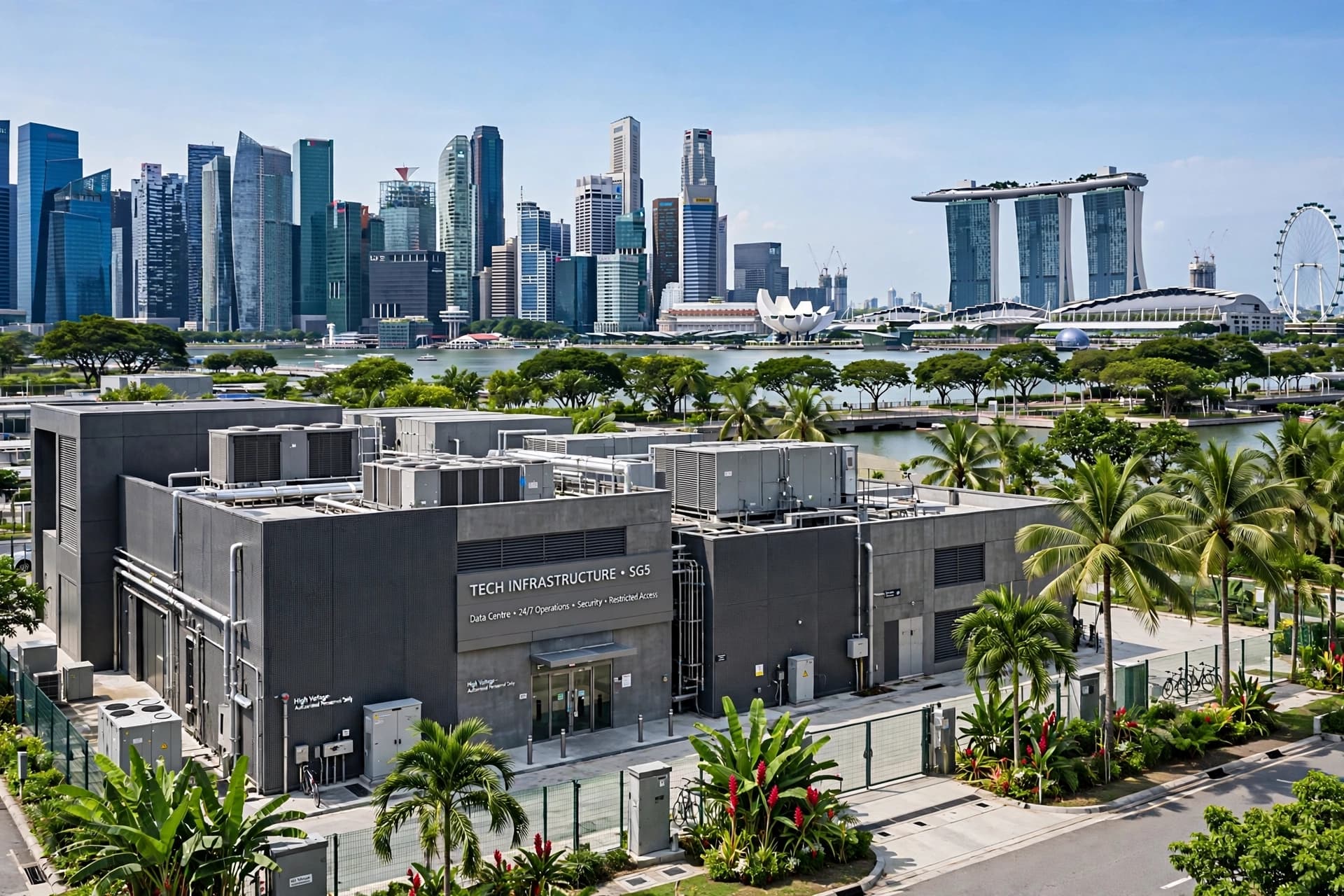
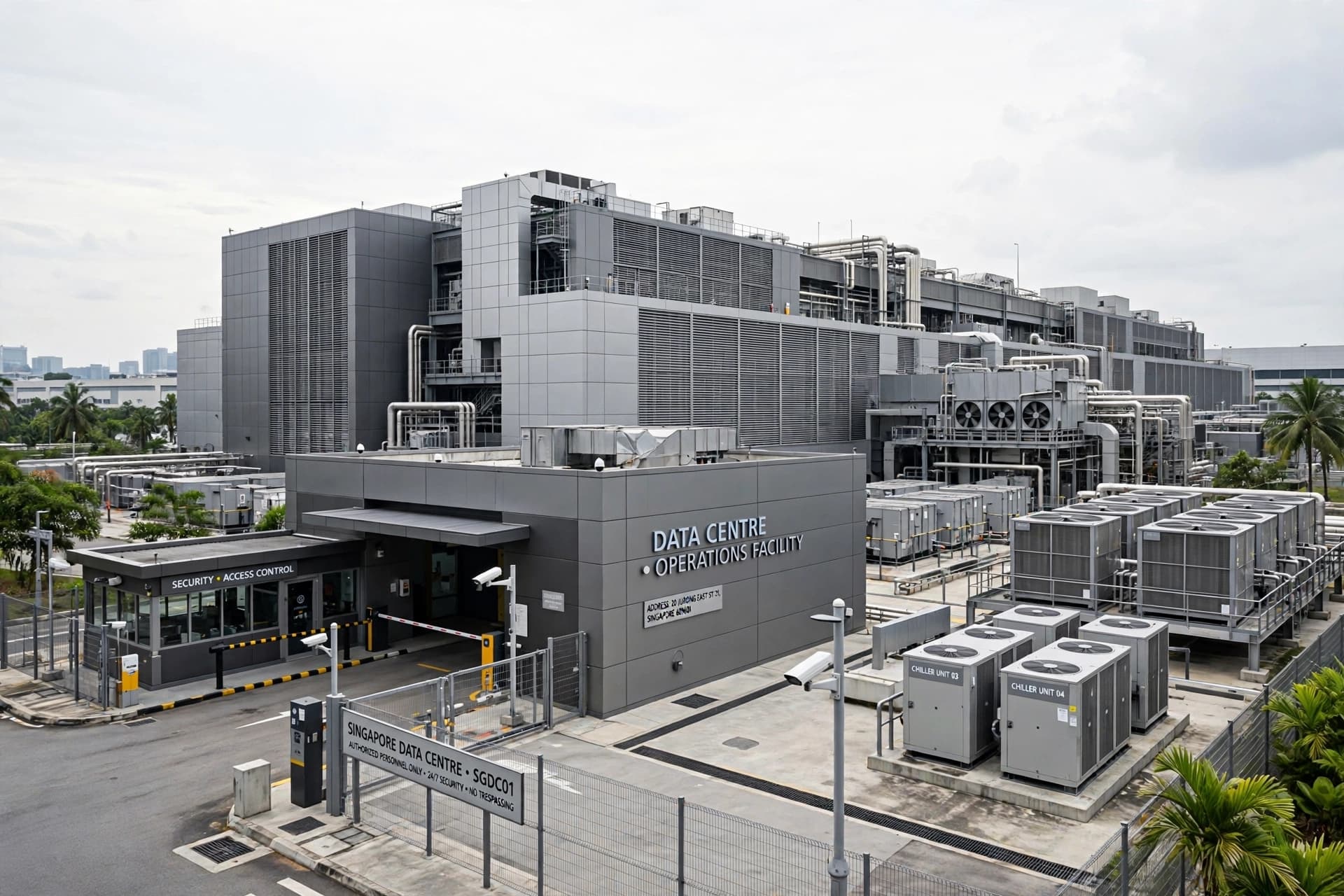
Singapore passed its Digital Infrastructure Bill on October 7, introducing stricter security, resilience and energy-efficiency requirements for major data centres and digital infrastructure providers.

Singapore’s data centres are preparing for stricter security, resilience and energy-efficiency requirements as the government strengthens oversight of digital infrastructure.