Clouds have always resisted certainty. They gather, drift, dissolve—shaping weather while remaining difficult to predict with precision. From the ground, they appear intuitive, almost familiar. From above, they become complex systems of motion, heat, and invisible boundaries that govern how the planet breathes.
A new study by the Japan Aerospace Exploration Agency has shed fresh light on the dynamics of cloud formation and behavior, offering insights that could sharpen climate models and improve long-term weather forecasting. By analyzing atmospheric data with advanced observation techniques, researchers have begun to clarify how clouds evolve, interact with radiation, and influence Earth’s energy balance.
At the heart of the research is a closer look at microphysical processes—how tiny droplets and ice particles form, merge, and dissipate within cloud systems. These processes, though small in scale, carry outsized influence. They determine how much sunlight is reflected back into space, how heat is retained, and how precipitation ultimately reaches the ground.
For decades, clouds have represented one of the largest sources of uncertainty in climate projections. Their dual role—cooling the planet by reflecting sunlight while also trapping heat—has made them notoriously difficult to model. The JAXA study moves the field toward greater clarity, refining how these opposing effects are represented in simulations.
The implications extend beyond academic models. More accurate representations of cloud dynamics can improve forecasts of extreme weather, sharpen assessments of climate sensitivity, and inform policy decisions tied to agriculture, disaster preparedness, and infrastructure planning. What begins as satellite data and equations eventually filters into daily life, shaping how societies anticipate risk.
In decoding the subtle language of clouds, the research underscores a broader truth about climate science: progress often comes not through sweeping revelations, but through patient refinement. By understanding what happens within drifting layers of vapor high above the surface, scientists inch closer to understanding the planet itself—one system, delicately connected, becoming just a little less opaque.
AI Image Disclaimer
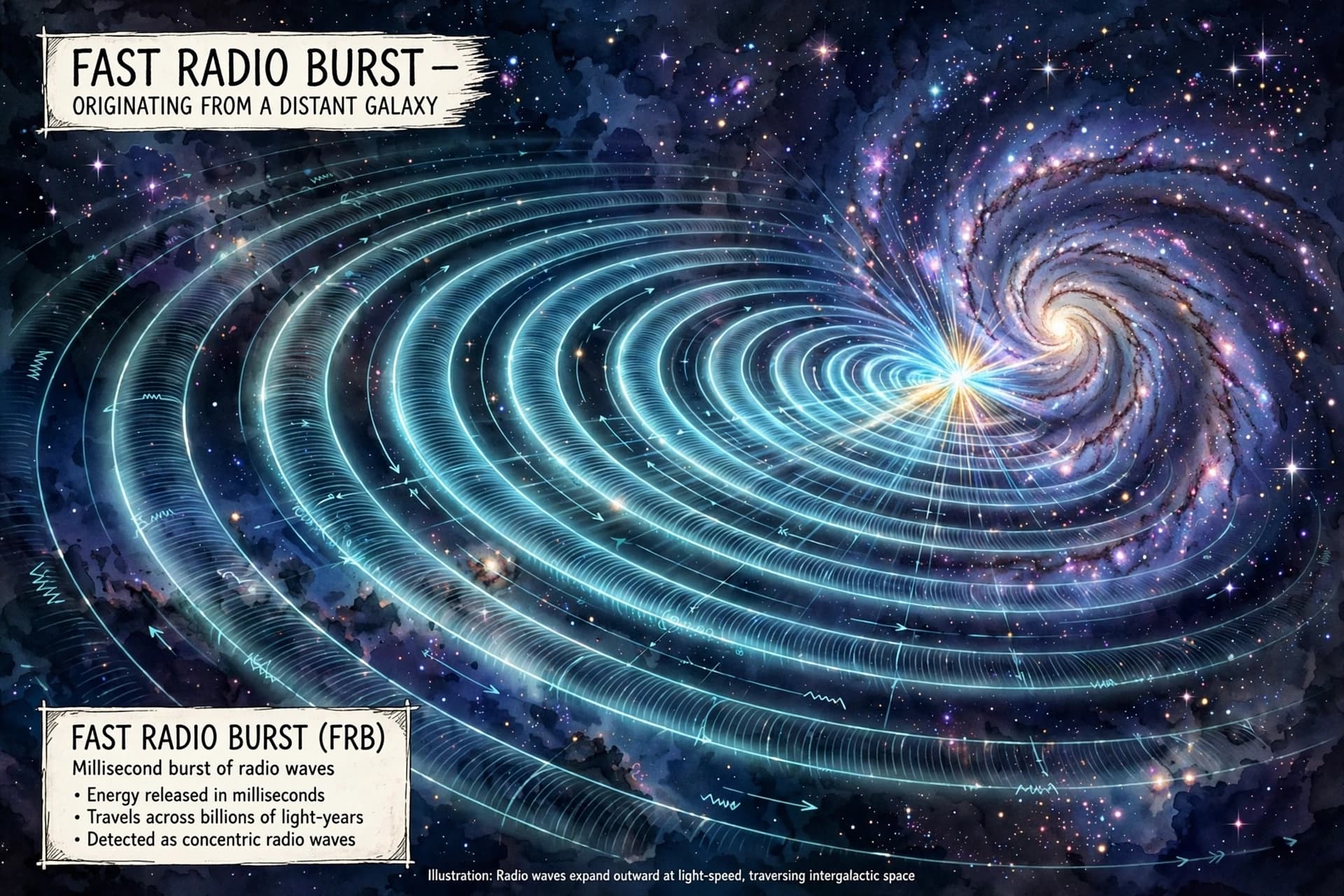
Visuals are AI-generated and serve as conceptual representations.
Sources
Japan Aerospace Exploration Agency Nature Climate Change Journal of the Atmospheric Sciences NASA Earth Observatory World Meteorological Organization
Published by Banx Network. This article is part of the Banx decentralized media programme, powered by the BXE token on the XRP Ledger.