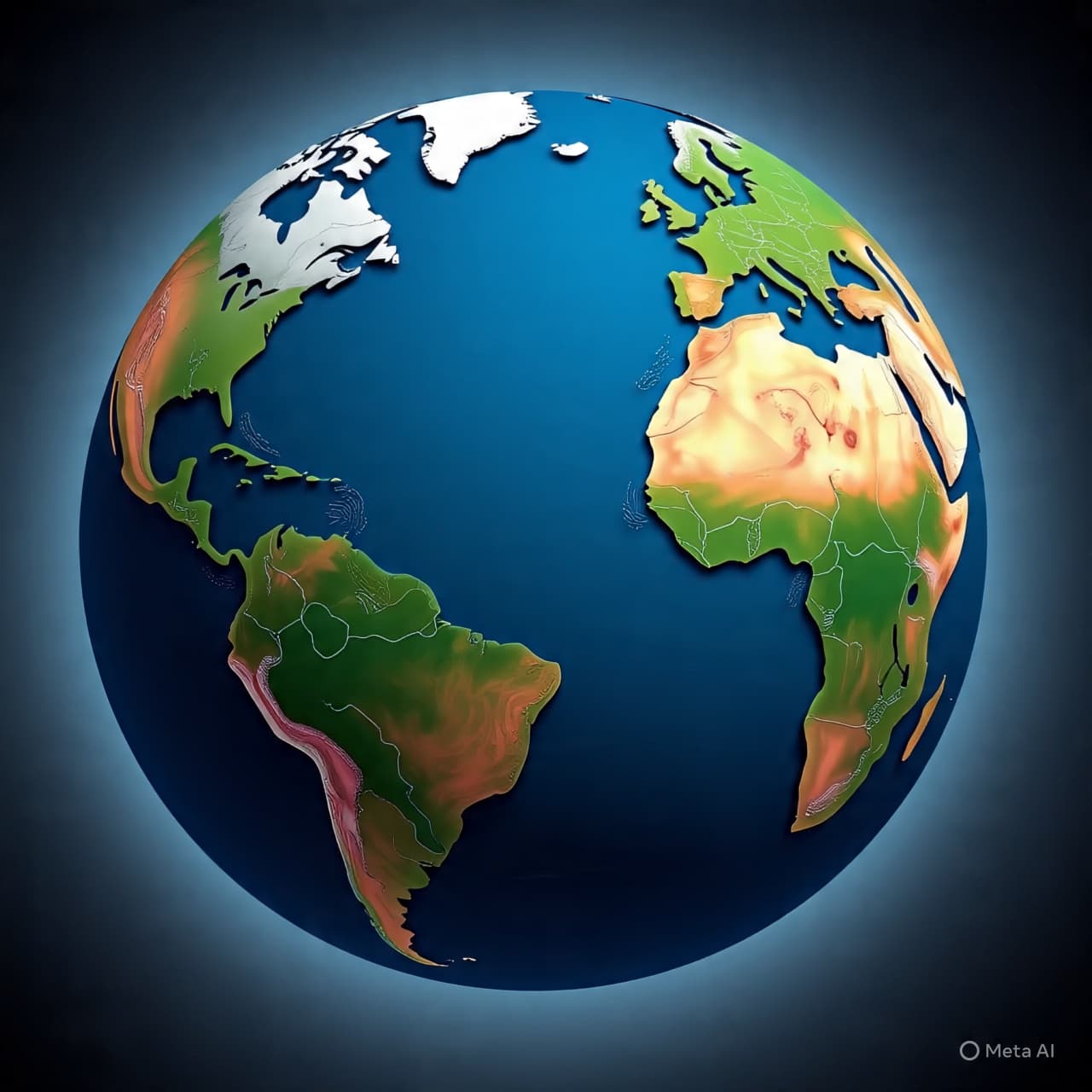
The ground beneath our feet feels steady, unremarkable, a backdrop to weather and seasons rather than a participant in them. Yet Earth’s surface is never truly still. Plates drift, mountains rise and erode, oceans open and close. Over immense spans of time, this quiet motion has been shaping the planet’s climate more forcefully than scientists once understood.
New research suggests that the slow choreography of Earth’s crust plays a larger role in regulating global temperatures than previously assumed. As continents shift and collide, they rearrange ocean currents, alter wind patterns, and expose fresh rock to the atmosphere. These processes influence how carbon moves between air, land, and sea, subtly steering the climate long before human history begins.
One of the key mechanisms lies in weathering. When tectonic forces push mountains upward, newly exposed rock reacts with rain and carbon dioxide, locking greenhouse gases away in mineral form. Over millions of years, this acts as a planetary thermostat, drawing carbon from the atmosphere and cooling the climate. Earlier models treated this effect as slow and predictable. New evidence suggests it can be far more dynamic, responding quickly to changes in uplift, erosion, and rainfall.
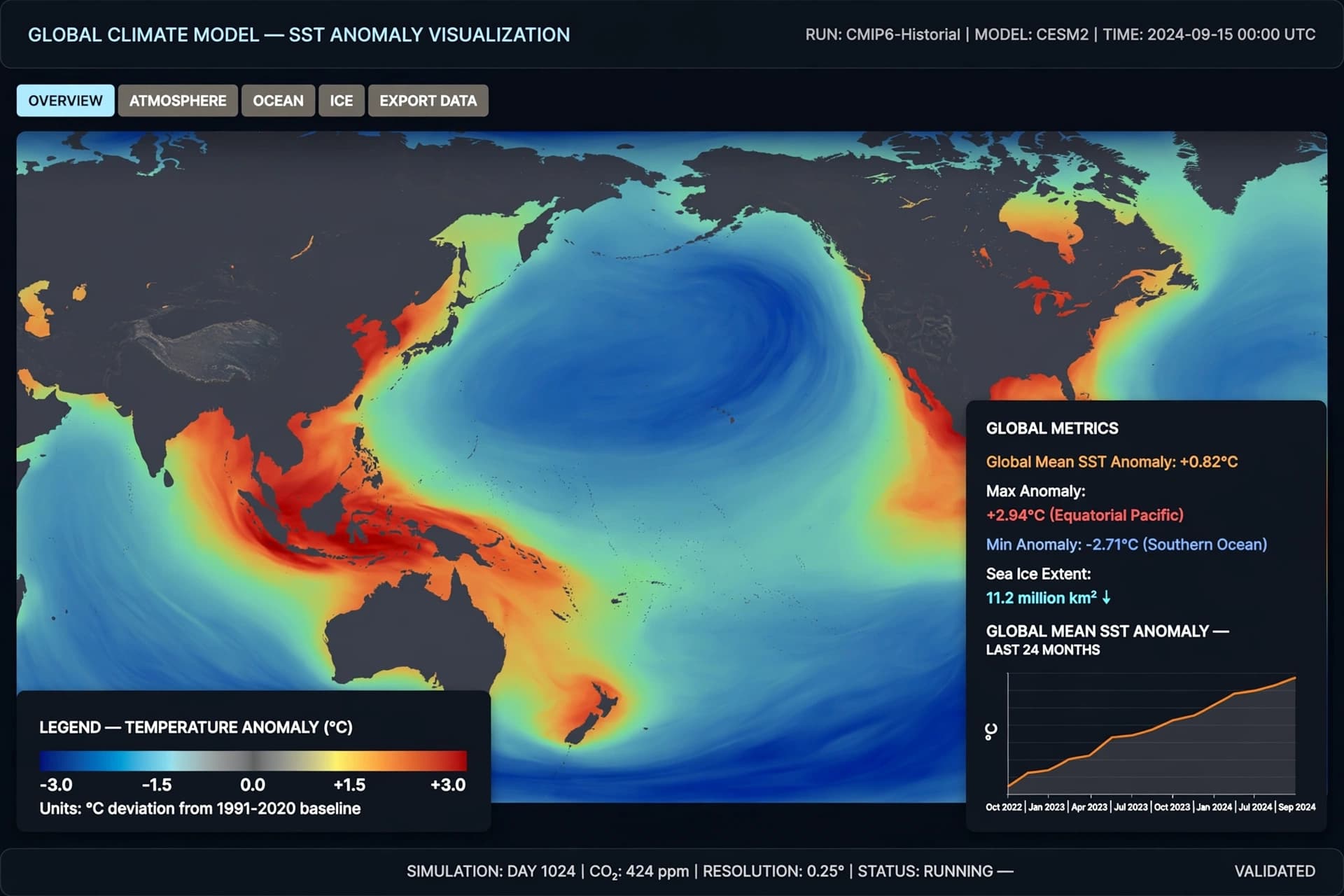
The movement of continents also reshapes the oceans, which carry heat around the globe. When landmasses block or open seaways, currents reorganize. Warm water may be redirected toward the poles or trapped in the tropics, amplifying or softening temperature extremes. Geological records show that some major climate shifts coincided not with changes in the Sun or biology, but with the reconfiguration of Earth’s surface itself.
What emerges is a picture of climate not as an isolated atmospheric system, but as a deep, interconnected process. The solid Earth, oceans, and air operate together, each responding to the others across vastly different timescales. Ice ages, warm periods, and long-term cooling trends may owe as much to tectonic motion as to volcanic activity or orbital cycles.
This perspective does not diminish the role of modern human-driven climate change, which is unfolding at a pace far faster than tectonics can counterbalance. Instead, it deepens the context. By understanding how Earth has regulated itself in the past, scientists can better distinguish between slow natural rhythms and abrupt disruptions.
Seen this way, the planet’s surface becomes more than scenery. It is an active agent, quietly bending climate over millions of years through motion so gradual it escapes daily notice. In recognizing this influence, researchers are refining the long story of Earth’s climate—one written not only in air and water, but in stone that is always, imperceptibly, on the move.
AI Image Disclaimer
Illustrations were created using AI tools and are not real photographs.
Sources
Nature Geoscience Science National Science Foundation U.S. Geological Survey University of Cambridge
Published by Banx Network. This article is part of the Banx decentralized media programme, powered by the BXE token on the XRP Ledger.