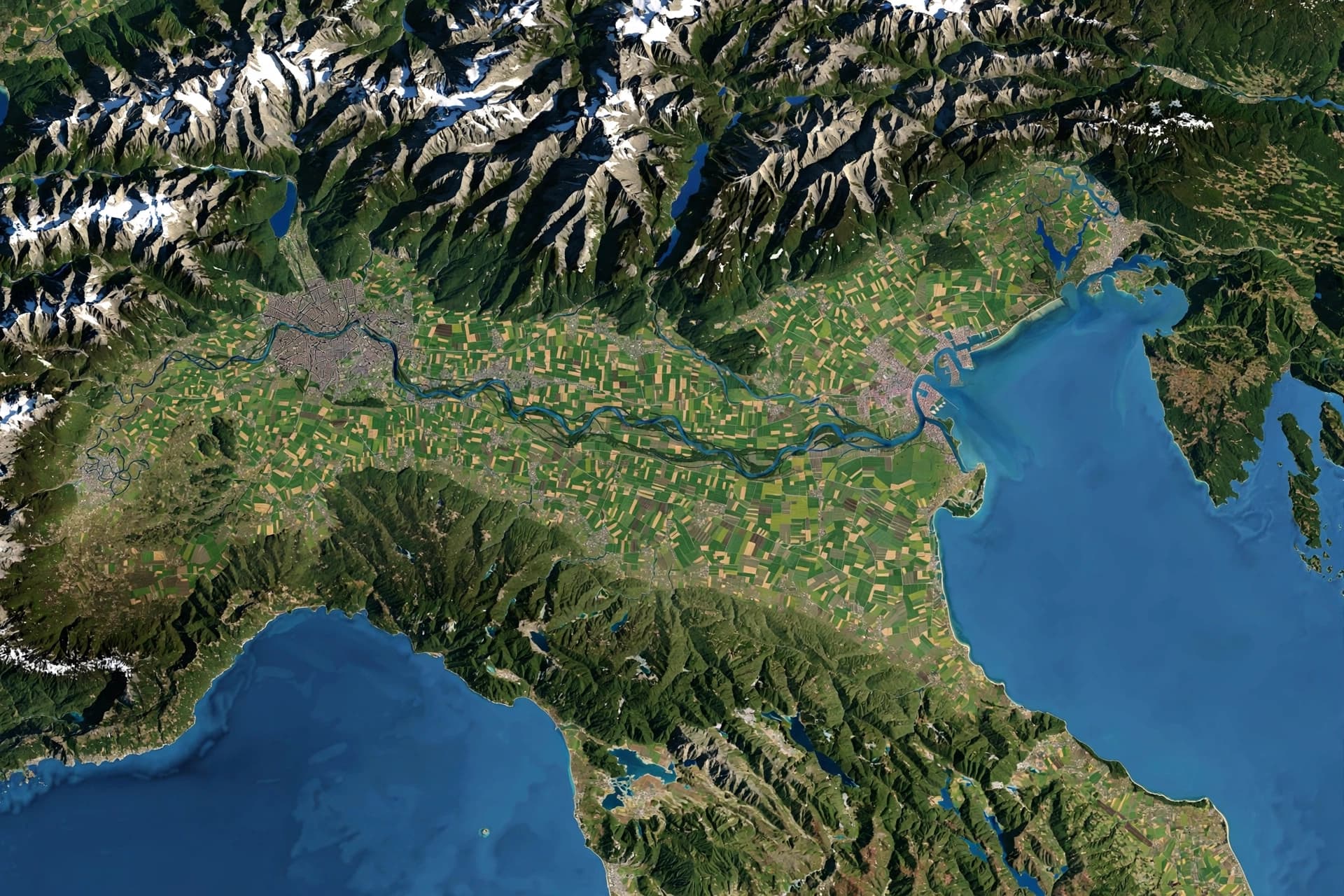
Our planet’s climate — its rhythms of warmth and chill, its cycles of ice ages and greenhouse eras — has long been influenced by many factors we understand only gradually. For decades, scientists have rooted explanations for major climate swings in changes to atmospheric carbon dioxide and other well-studied processes. But a new study suggests that the way Earth’s surface itself moves has an even bigger role in shaping climate than we previously knew — revealing a deeper connection between the slow movement of tectonic plates and the long-term health of our atmosphere.
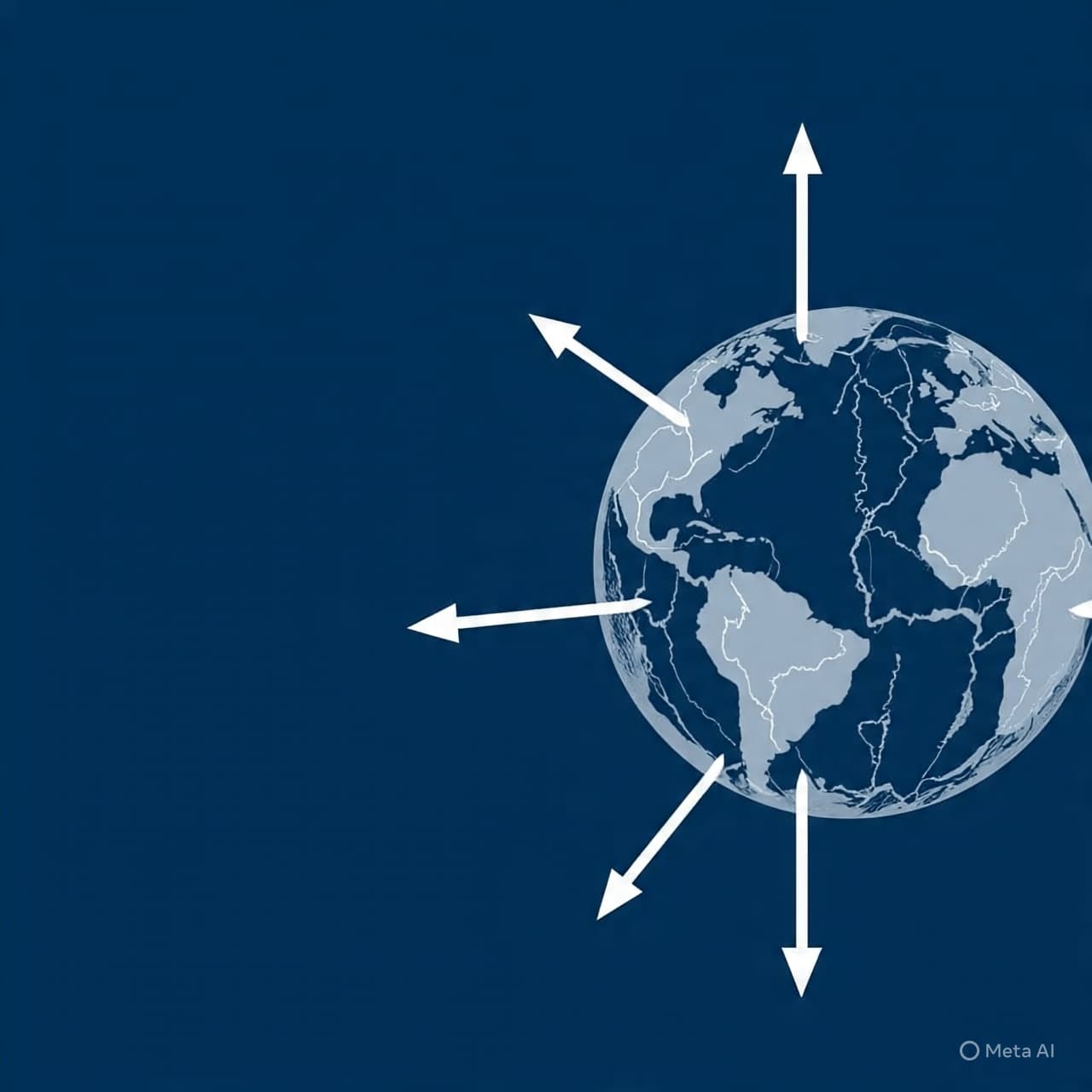
Earth’s rigid outer shell, composed of shifting tectonic plates, isn’t just responsible for earthquakes, mountains and volcanoes. It also helps carry carbon-rich sediments across the globe in a vast geological cycle known as the deep carbon cycle. Over hundreds of millions of years, carbon locked deep in rocks moves with the seafloor, sinks into the planet’s interior at boundaries where plates converge, and is released back into the atmosphere through volcanic activity. In the past, most scientists focused on volcanic arcs as the main source of ancient carbon emissions. But that view is being revised.
Recent research shows that mid-ocean ridges and continental rifts — places where plates pull apart — have contributed much more carbon to the atmosphere than once thought. These spreading regions help recycle vast amounts of carbon-rich material from deep sea sediments, giving a more nuanced picture of how Earth’s interior and surface shape the climate we experience above.
In simpler terms, Earth’s climate is influenced not just by what happens in the air, but by how carbon circulates through the planet’s crust and mantle over geological time. During periods when more carbon is released than trapped, the planet warmed; when sequestration into ocean sediments dominated, the climate cooled. This balance helped usher in greenhouse periods millions of years ago, as well as icehouse phases long before humans ever walked the Earth.
The discoveries also illuminate why classic models that linked volcanic emissions almost exclusively to atmospheric change may be incomplete. Volcanic emissions did indeed shape Earth’s climate in more recent geological history, particularly after certain ocean life evolved to trap carbon in sediments. But in earlier eras, the slow dance of tectonic plates — pulling apart here, colliding there — played a bigger part in deciding whether carbon stayed buried or returned to the atmosphere.
What emerges from this research is a richer understanding of Earth as a system — one where the movement of continents and the recycling of deep-sea sediments are as much a part of climate’s story as the air we breathe. In a world focused on short-term climate change, these findings remind us that long-term planetary forces have always shaped — and continue to shape — the climate backdrop against which life evolved and thrived.
AI Image Disclaimer Visuals are created with AI tools and are not real photographs.
Sources
• New research on how tectonic plate movements affect Earth’s long-term climate.
Published by Banx Network. This article is part of the Banx decentralized media programme, powered by the BXE token on the XRP Ledger.