Eight Feet of Water, and No Map for What Comes Next
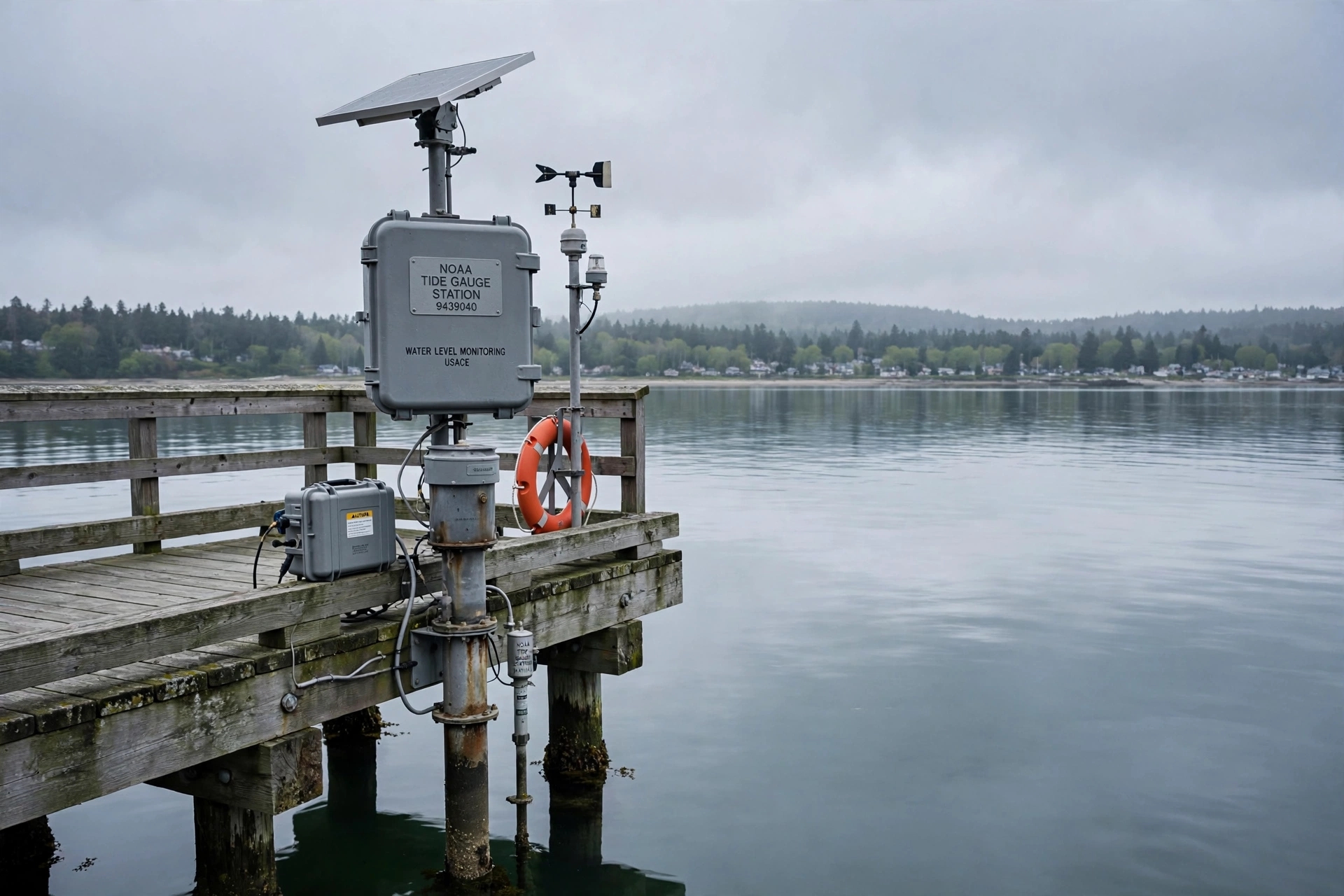
California experienced some of its highest tides on record this week as king tides, a strong El Niño, and incoming swells converged, prompting evacuations and flood warnings in coastal communities.

California experienced some of its highest tides on record this week as king tides, a strong El Niño, and incoming swells converged, prompting evacuations and flood warnings in coastal communities.

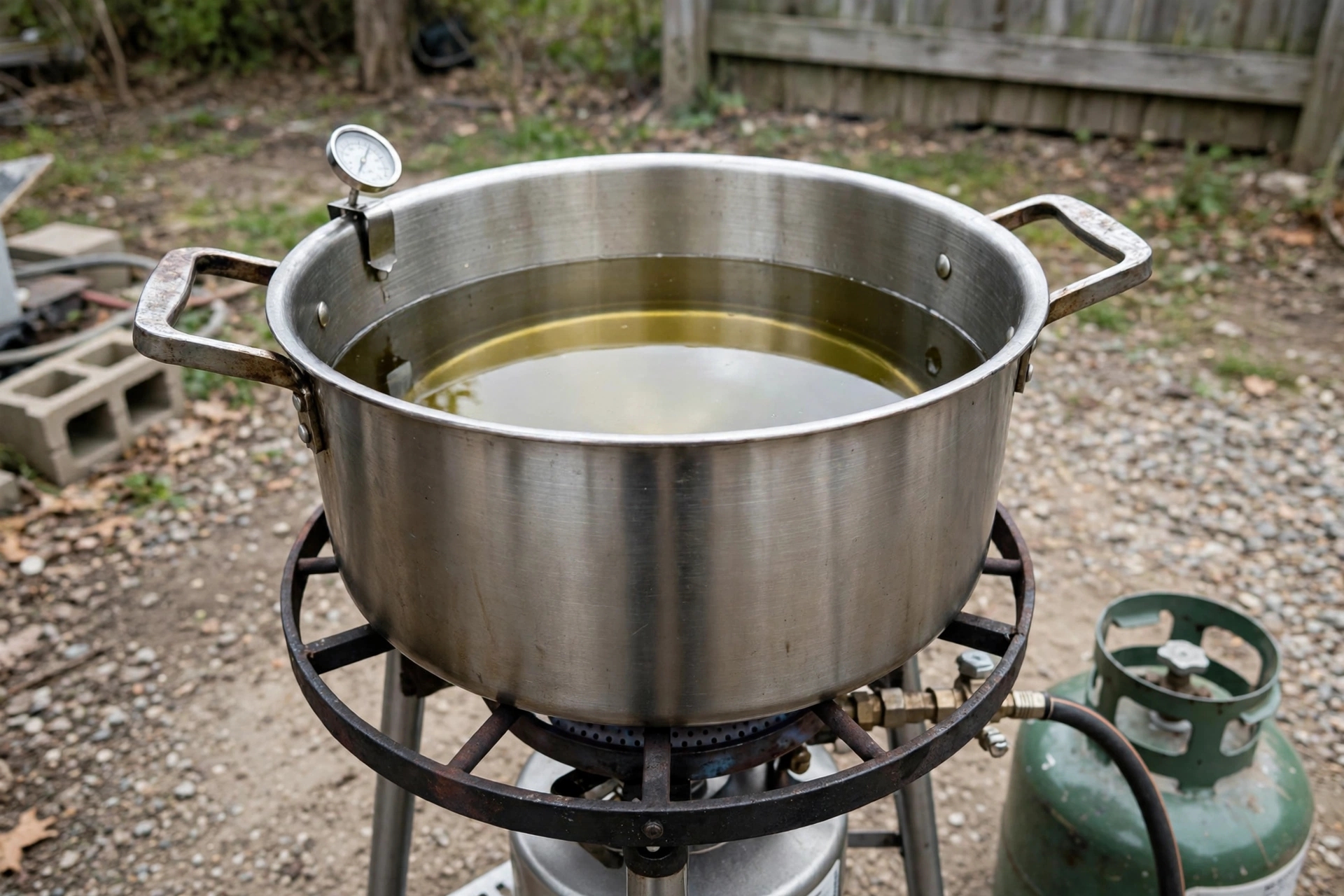
Learn how improper turkey frying can lead to explosive disasters. Understand the science behind it and how to safely deep-fry your Thanksgiving turkey.

A 400-year-old lock from the Ann Francis ship has been opened using CT scanning, revealing its code 'ANCE' and sparking curiosity about its past.

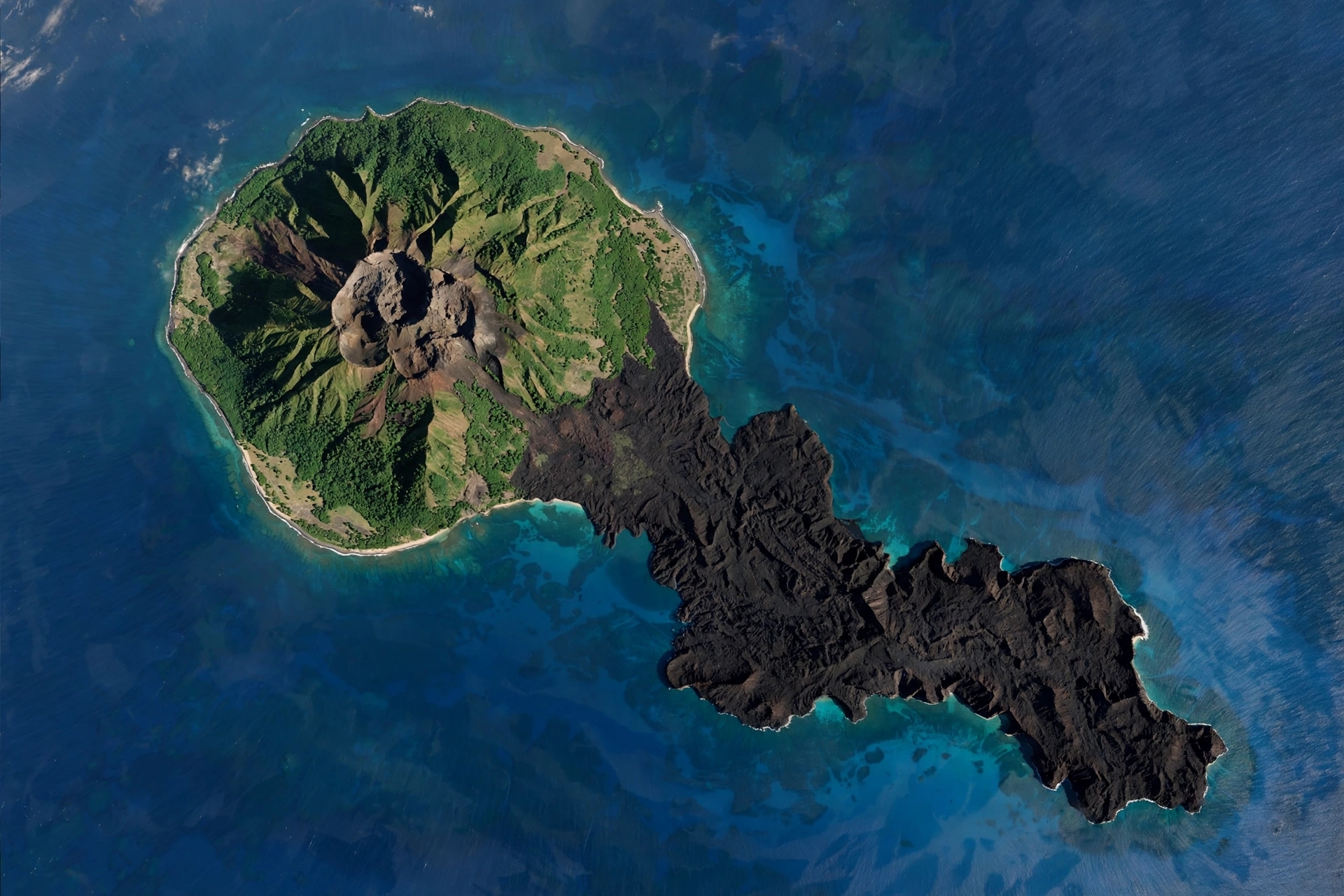
Iwo Jima's coastline has expanded due to a recent volcanic eruption, raising questions about the longevity of this new land amid oceanic forces.

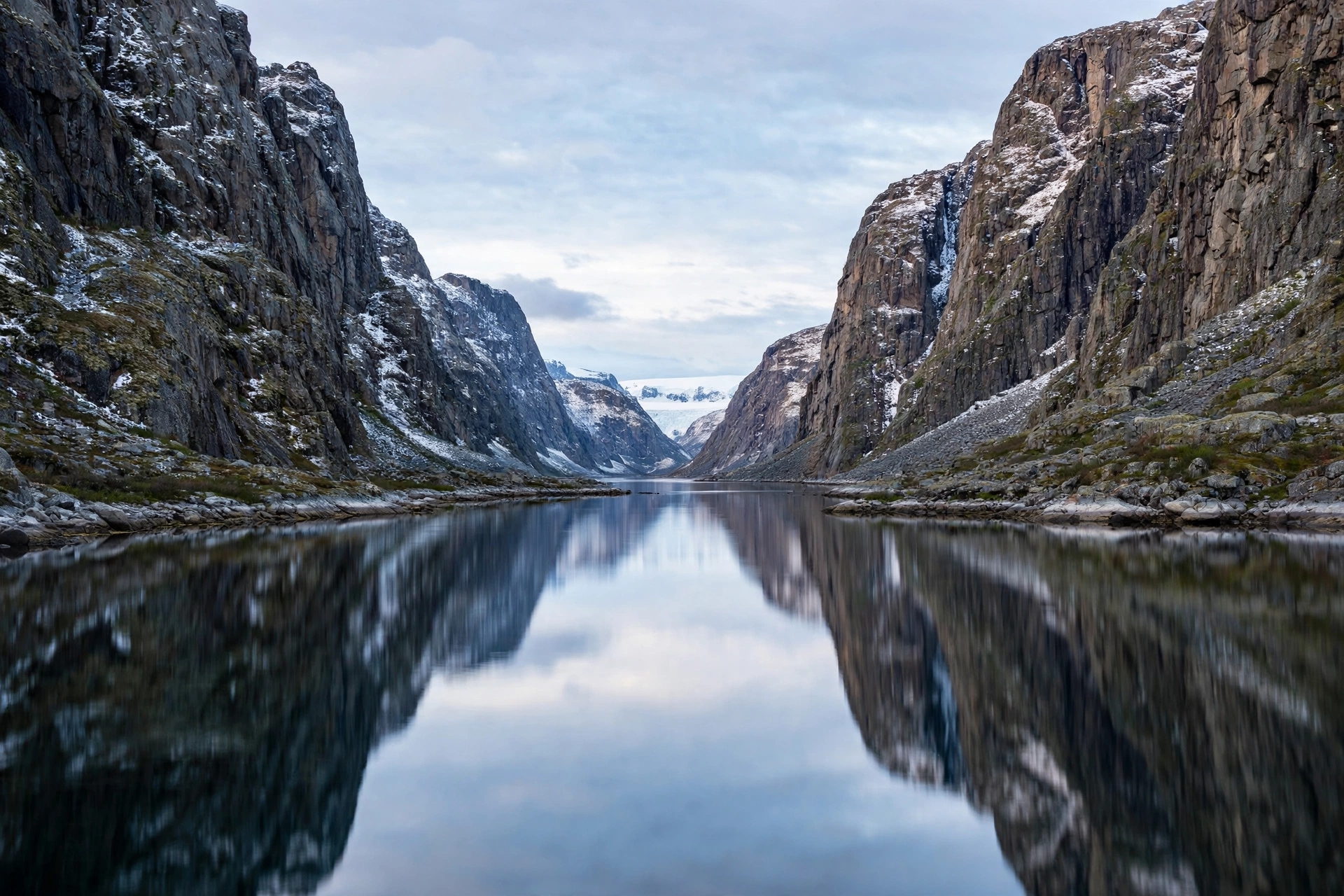
A recent Greenland landslide generated a unique seiche wave, detected globally. Discover the science behind this unprecedented geological event.

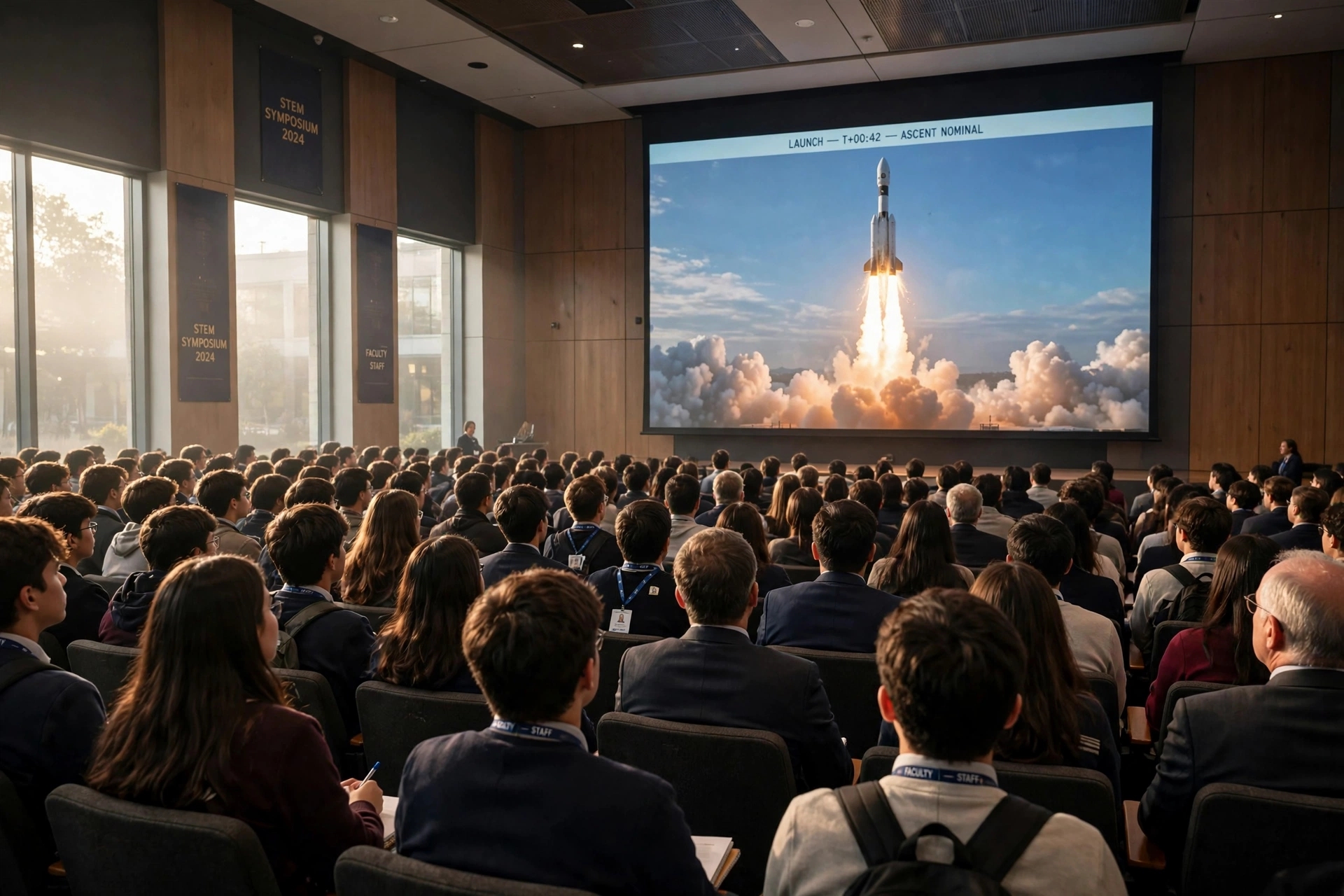
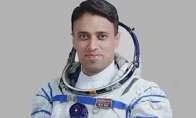
Muhammad Zeeshan Ali becomes Pakistan's first astronaut, marking a historic moment for the nation in space exploration and international cooperation.

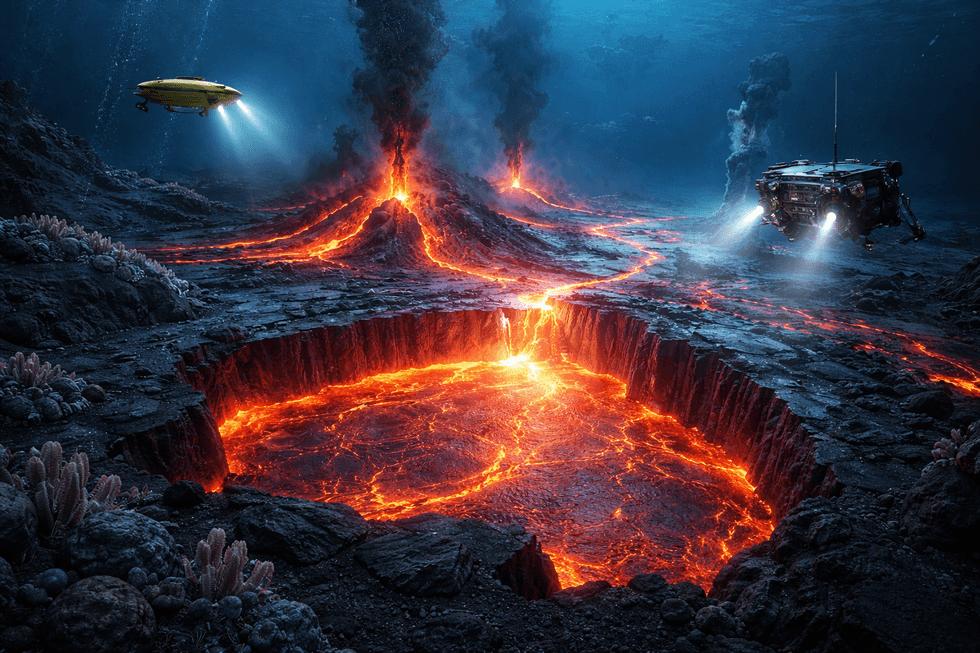
Explore the hidden underwater volcanoes of the Atlantic, their eruption risks, potential tsunami threats, and their role in marine ecosystems.

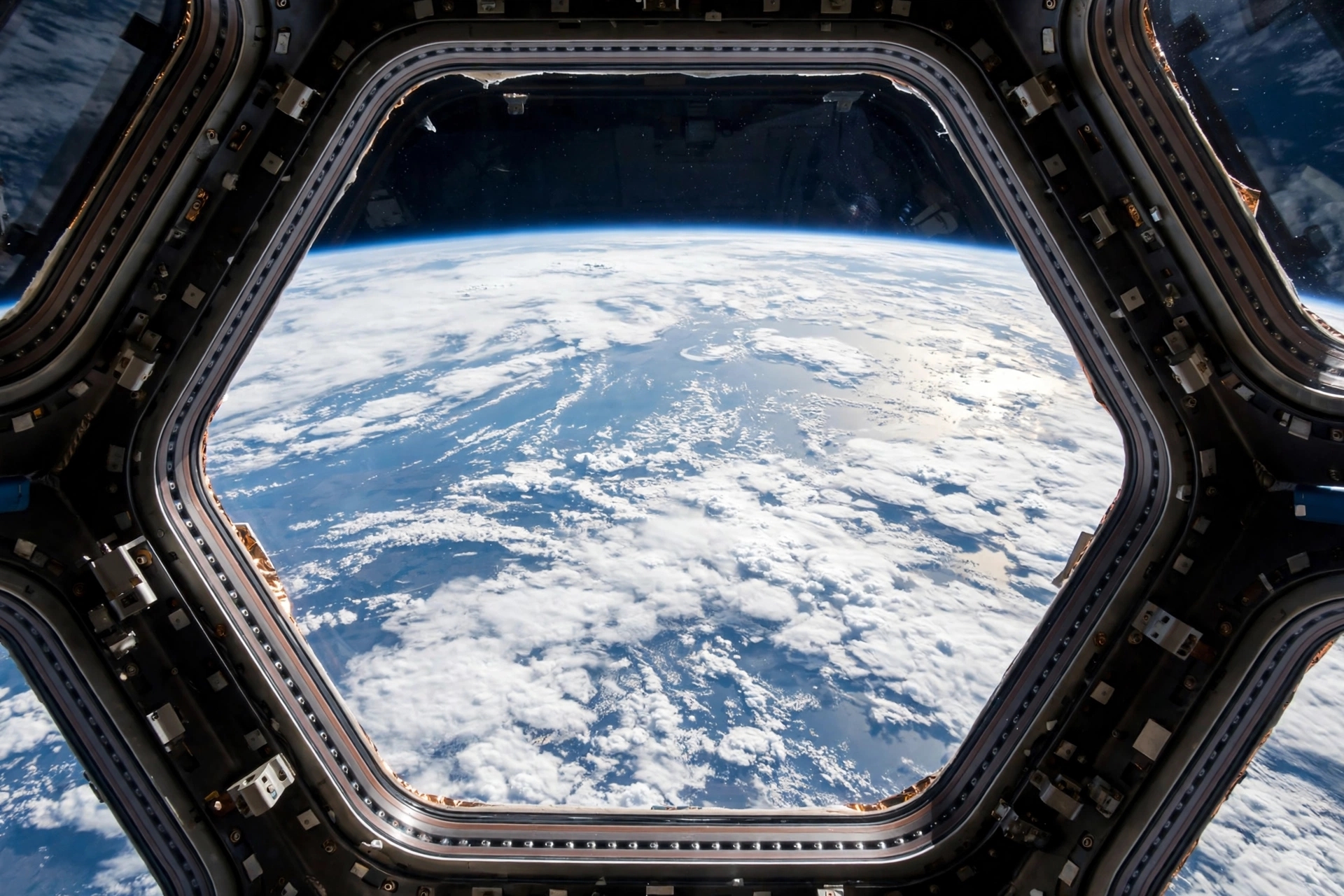
Canadian astronaut Joshua Kutryk welcomed his daughter from the ISS, highlighting the emotional distance and unique challenges of space parenthood.

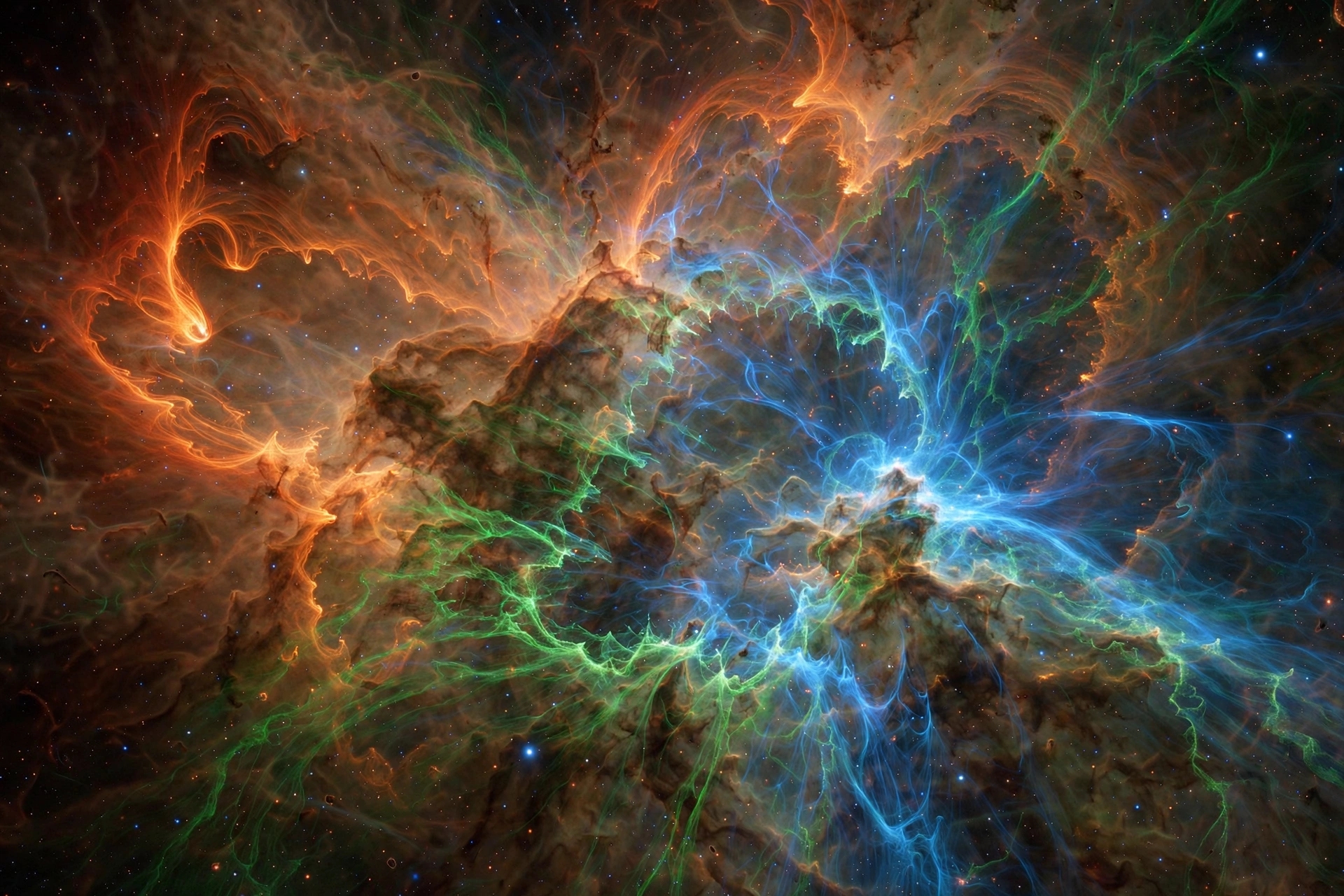
Astronomers use James Webb Space Telescope to uncover the dust's memory of Cassiopeia A, revealing insights into the star's final hours before its supernova explosion.

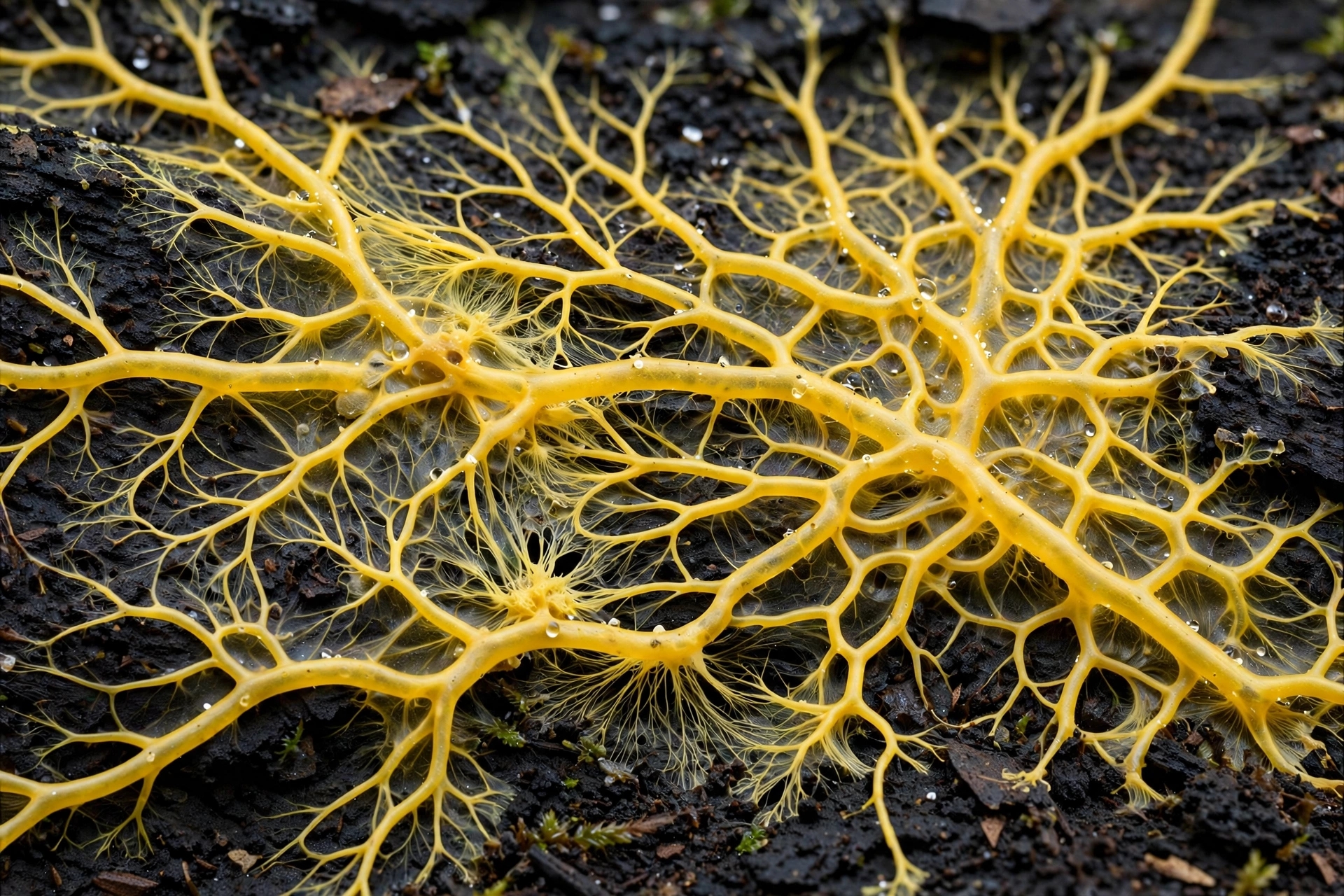
Discover how slime molds exhibit problem-solving abilities without a brain, revealing insights into intelligence and physics in biological systems.

A new study suggests a potential planet, dubbed Planet X2, may exist beyond Neptune, influencing the orbits of distant Kuiper Belt objects.

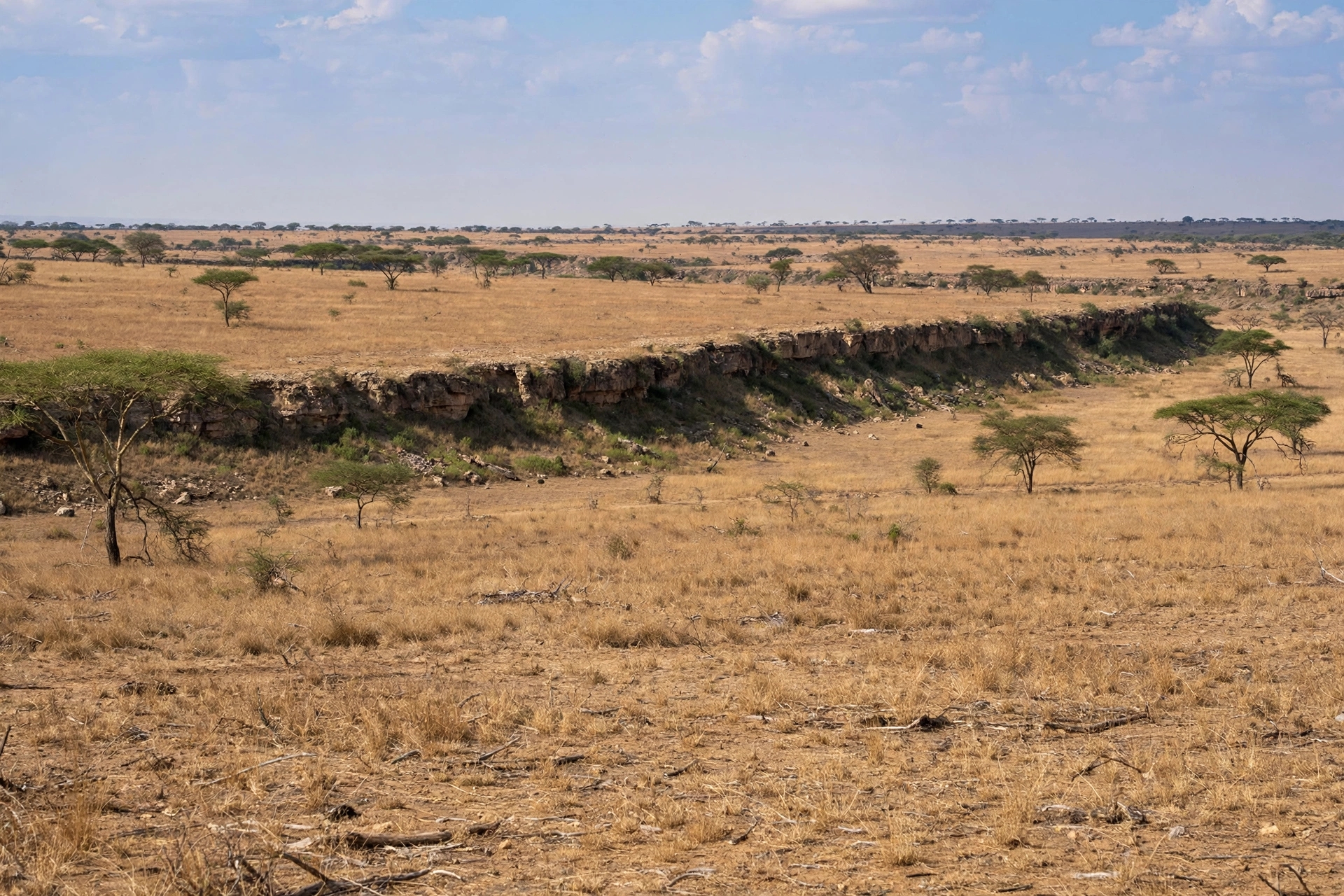
A recent study reveals the reactivation of the Khurutshe Fault in Botswana's Kalahari Craton, challenging long-held geological assumptions about stability.

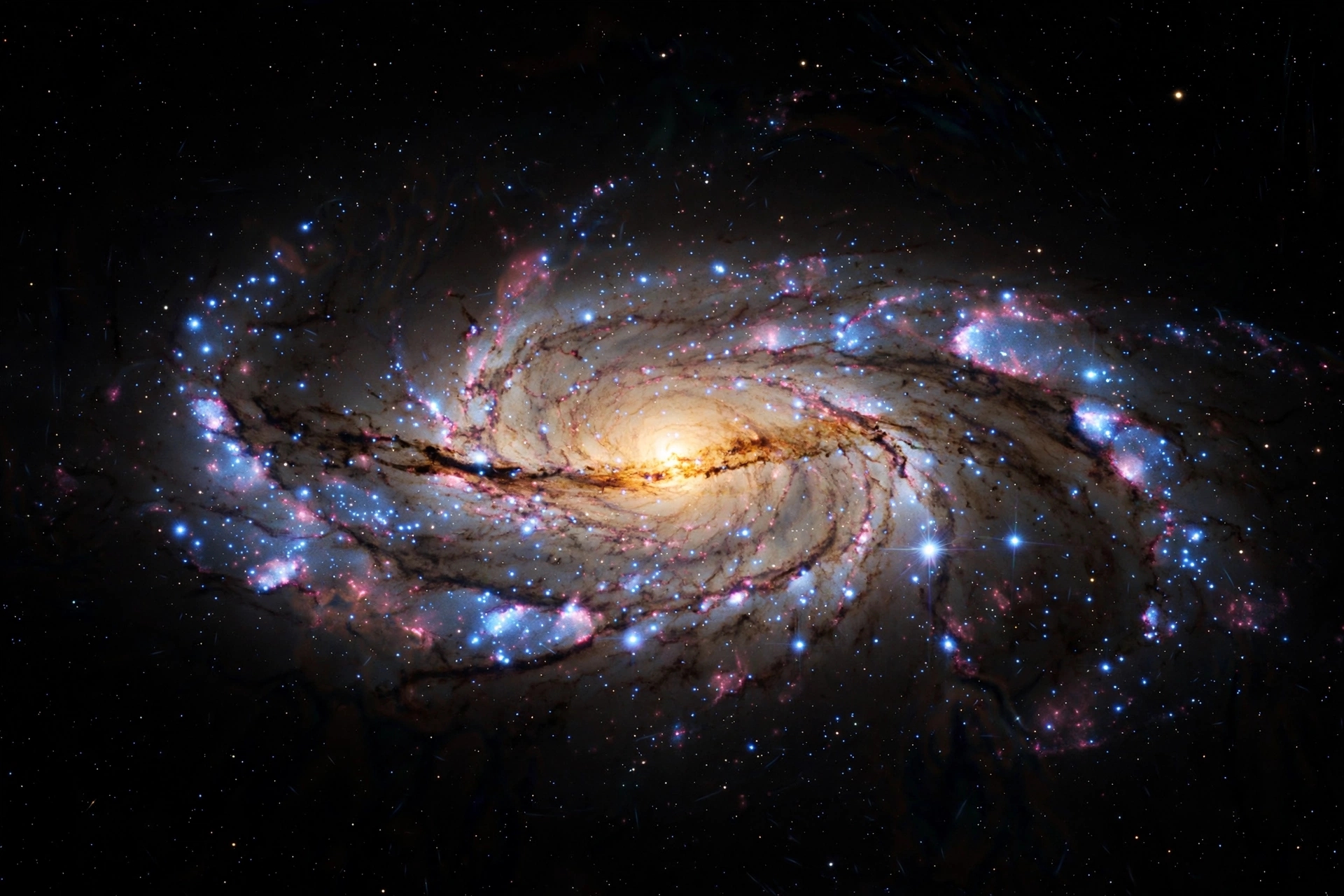
A new Hubble image of NGC 4394 offers insights into the Milky Way's structure and star formation processes in dense galaxy clusters.

A new study reveals how tectonic plate activity millions of years ago led to significant sea level drops, reshaping our understanding of Earth's geological history.

The Euclid space telescope, designed for dark matter mapping, unexpectedly discovers a comet, showcasing its versatility and the nature of scientific exploration.

A surprising discovery of a unique stellar system, Welopōʻai, challenges existing models of stellar evolution, revealing unexpected cosmic dynamics.

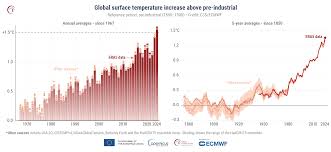
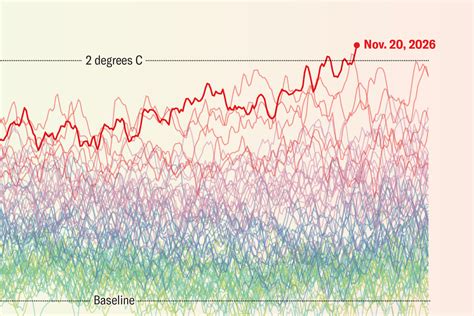
On November 20, 2026, global temperatures reached 2.12°C above preindustrial levels, marking a record daily anomaly linked to climate change and El Niño.

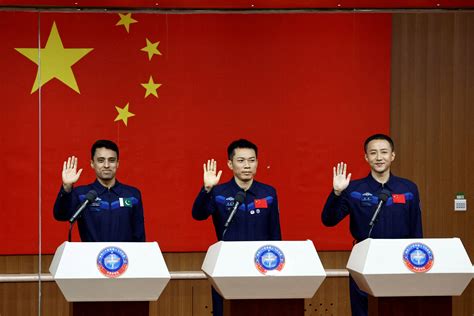
Muhammad Zeeshan Ali becomes the first foreign astronaut to visit China's Tiangong space station, set to launch aboard Shenzhou-24 for five days of research.

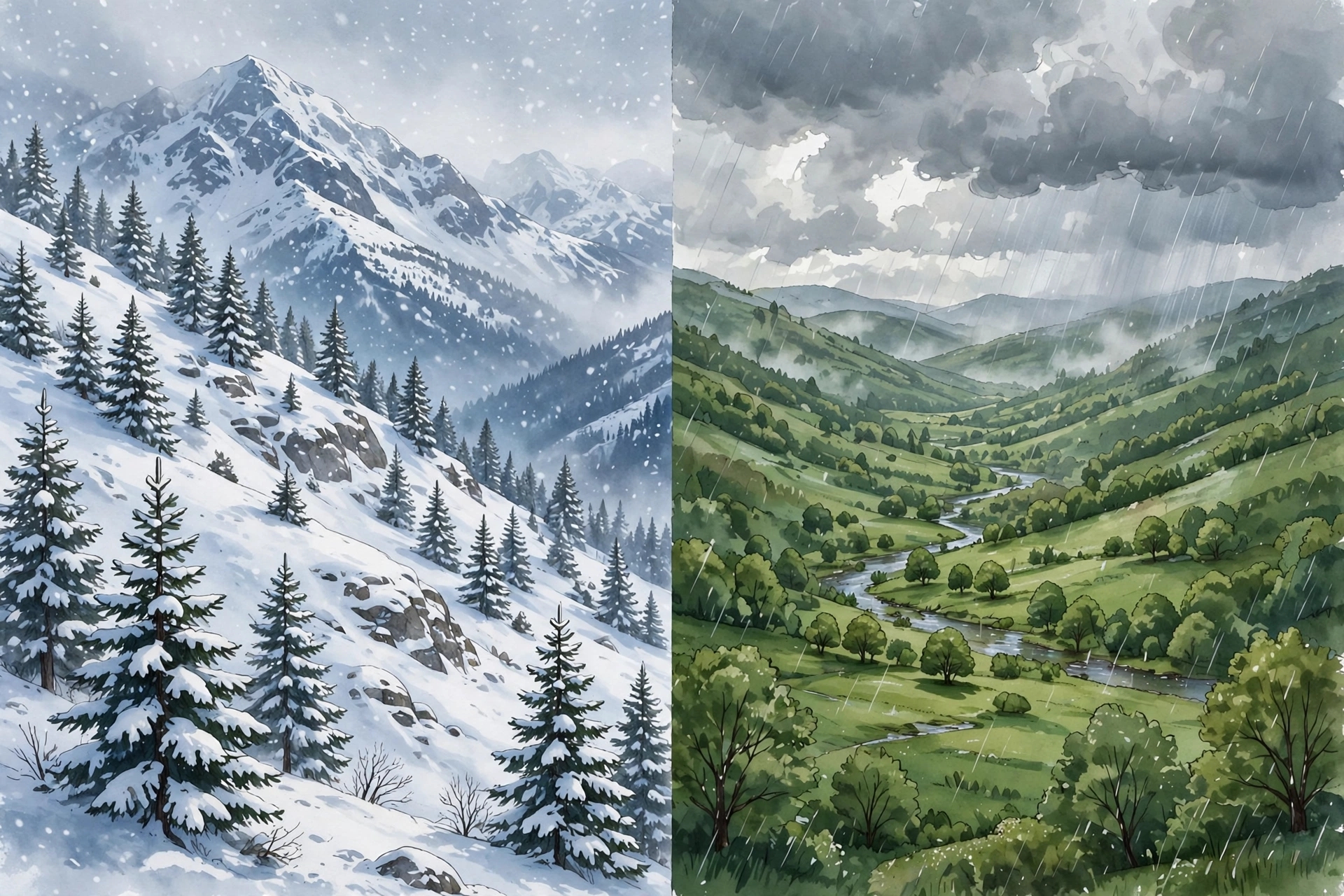
The 2026 Super El Niño is set to impact winter weather across the U.S. Learn how it will affect temperatures and snowfall in your region.

As climate change warms eastern Turkey, Van cats struggle to adapt. Experts highlight the need for conservation amid rising temperatures and changing habitats.

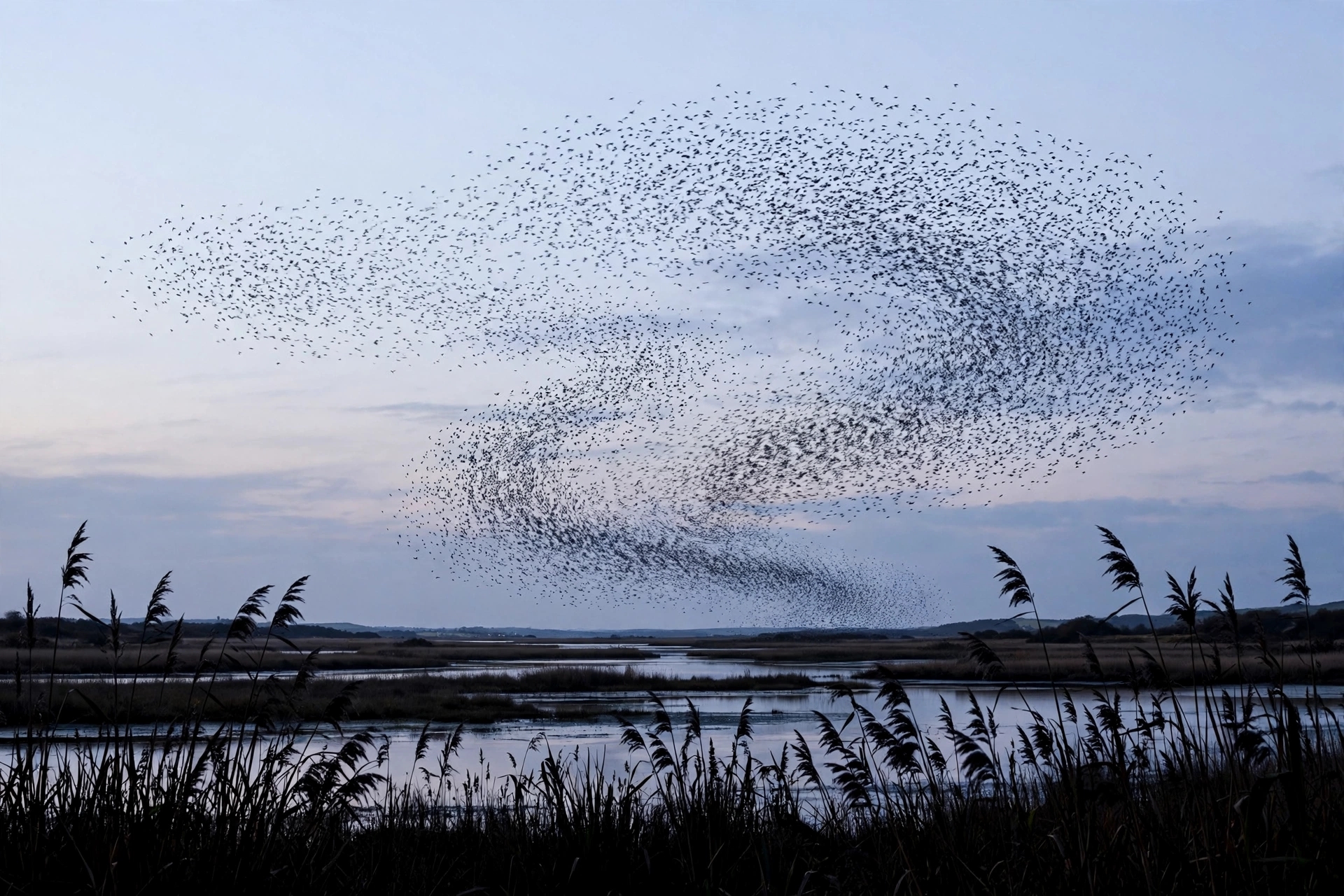
Explore the stunning phenomenon of starling murmurations and the ongoing survey by researchers at the University of Gloucester to understand their dynamics.

China's Shenzhou-24 mission will carry Pakistani astronaut Muhammad Zeeshan Ali to the Tiangong space station, marking a historic joint spaceflight.

On November 20, 2026, Earth experienced its hottest day on record, with temperatures 2.12°C above preindustrial levels, driven by climate change and El Niño.

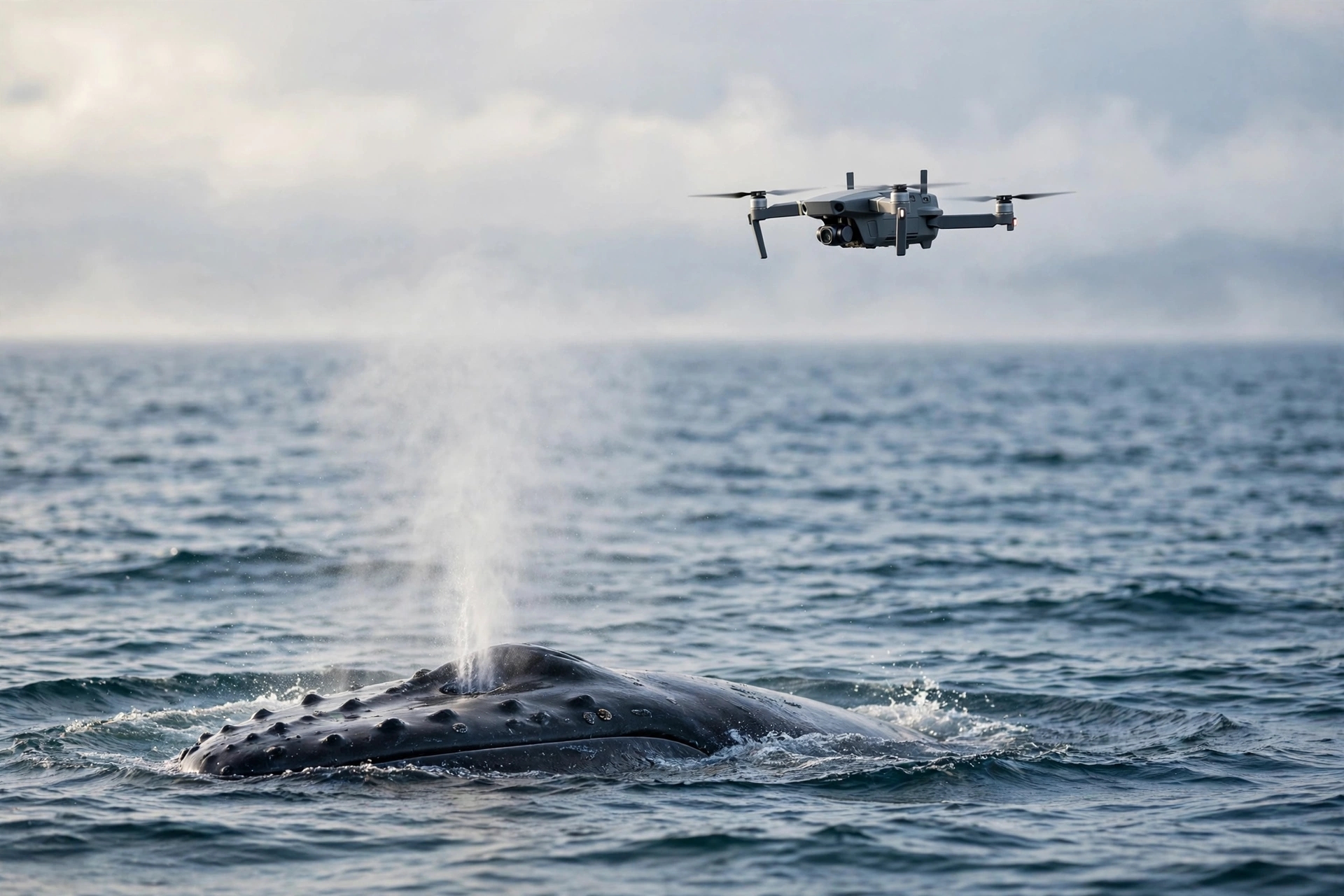
Researchers have successfully sequenced a whale genome using drone-captured breath samples, marking a significant advancement in marine conservation methods.