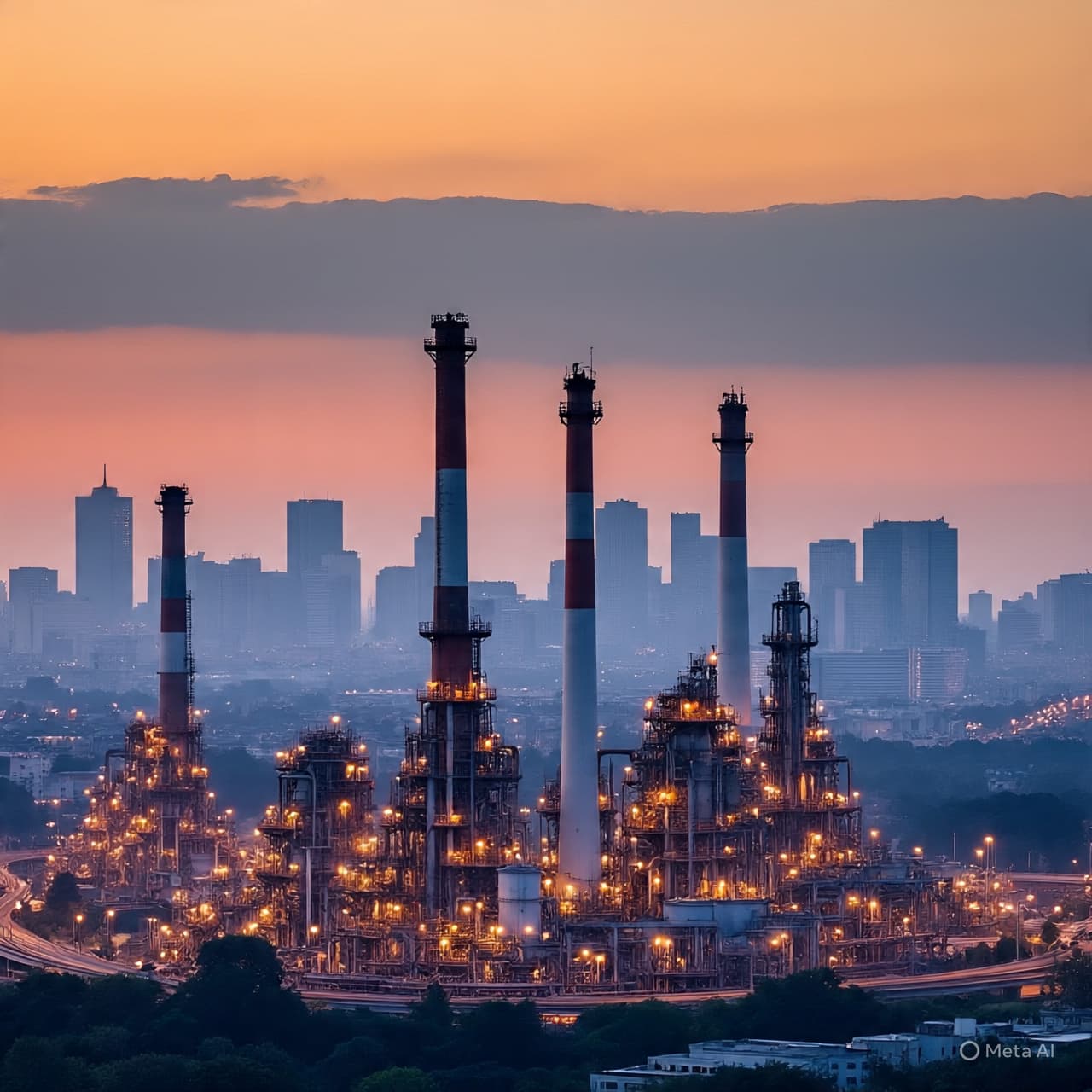
In the quiet hum of a city at dusk, where the smell of incense from a nearby temple mixes with the faint scent of distant industry, one might never imagine the quiet struggles beneath the surface — the invisible currents of waste, energy, and human ambition. Across China, thousands of waste-to-energy incineration plants rise like steel sentinels, each a monument to progress and the promise of a cleaner world. Yet, as these furnaces burn steadily, the very thing that fuels them — municipal waste — has begun to run scarce. It is a paradox of abundance, a testament to both planning and overreach, where the hands that built so much now find themselves reaching back into the earth for more.
In recent years, China has constructed more than 1,000 waste incineration plants, designed to transform the country’s immense urban refuse into electricity. These facilities were intended as solutions to overflowing landfills and the pressing demands of a growing population. But rapid expansion, combined with more effective recycling programs and waste reduction efforts, has created an unexpected problem: too little waste to keep the plants operating at full capacity. Some incinerators now operate below 70 percent efficiency, and in a strikingly unusual turn, operators are beginning to excavate old landfill sites to reclaim material that can be fed back into the furnaces. (ecoticias.com)
This effort to mine the past for fuel is not merely a technical adjustment but a symbolic reflection of modern China’s balancing act. Infrastructure that once promised effortless solutions now demands careful orchestration, a choreography between what cities produce and what their furnaces require. In some regions, waste is purchased or transported from afar to sustain operations, while old landfill sites are partially dismantled to maintain the rhythm of energy production. It is a quiet, laborious process, almost poetic in its circularity: yesterday’s refuse reborn as today’s power, all under the watchful gaze of a population learning to live with both efficiency and restraint. (en.people.cn)
Experts observe that this phenomenon underscores a broader lesson in urban planning and environmental management. China’s “zero-waste city” ambitions, its dedication to a circular economy, and its investment in renewable energy have created a delicate equilibrium between supply, demand, and sustainability. The overcapacity in incineration plants is not a failure, but a consequence of success: better recycling, waste sorting, and public participation have reduced the volume of trash available, leaving technology to adapt. (FT)
As the nation looks ahead to 2026, the process of extracting fuel from former landfills may continue, a testament to human ingenuity and the layered complexity of urban ecosystems. Landfills, once seen as the final resting place of society’s discarded remnants, are being reconsidered as resources in a landscape increasingly defined by sustainability. The scene is neither dramatic nor alarming; it is quiet, methodical, and reflective — a world in which waste becomes energy, old becomes new, and human planning dances with the rhythms of nature and necessity.
AI Image Disclaimer “Illustrations were produced with AI and serve as conceptual depictions.”
✨ 5 Editorial-Rhetorical Title Options When Yesterday’s Trash Becomes Tomorrow’s Flame: China’s Waste Paradox Mining the Past to Power the Present: The Silent Life of Landfills Steel Giants and Empty Furnaces: Reflections on China’s Waste Dilemma From Refuse to Renewal: How Old Landfills Feed Modern Cities The Quiet Alchemy of Waste: Turning Landfills into Energy in 2026
Published by Banx Network. This article is part of the Banx decentralized media programme, powered by the BXE token on the XRP Ledger.