SCIENCE89% credibility
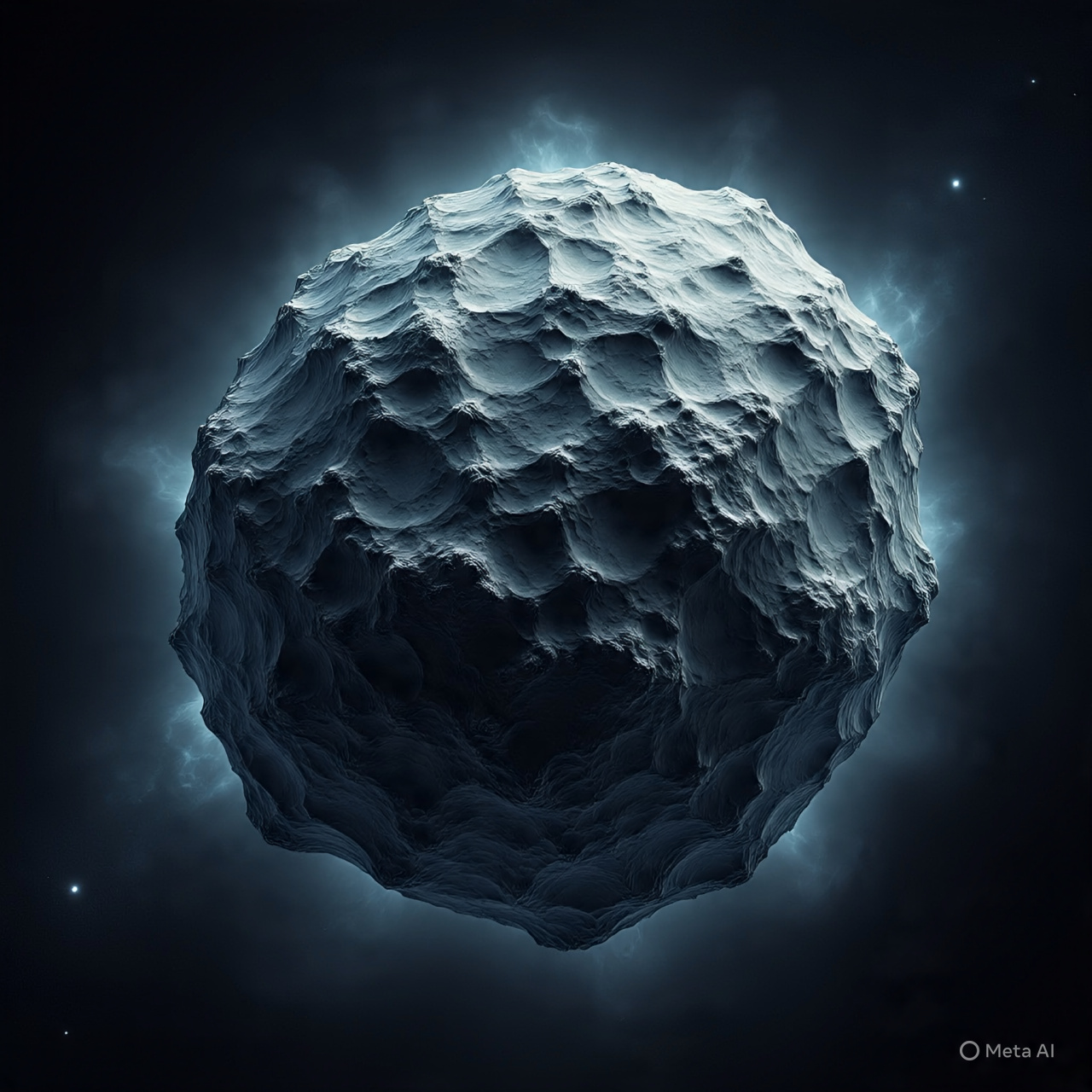
Asteroid Bennu Reveals Insights Into Life's Cosmic Origins
Asteroid Bennu's samples reveal organic molecules crucial for life, suggesting that life's building blocks may have originated beyond Earth.
2 min read

Asteroid Bennu's samples reveal organic molecules crucial for life, suggesting that life's building blocks may have originated beyond Earth.
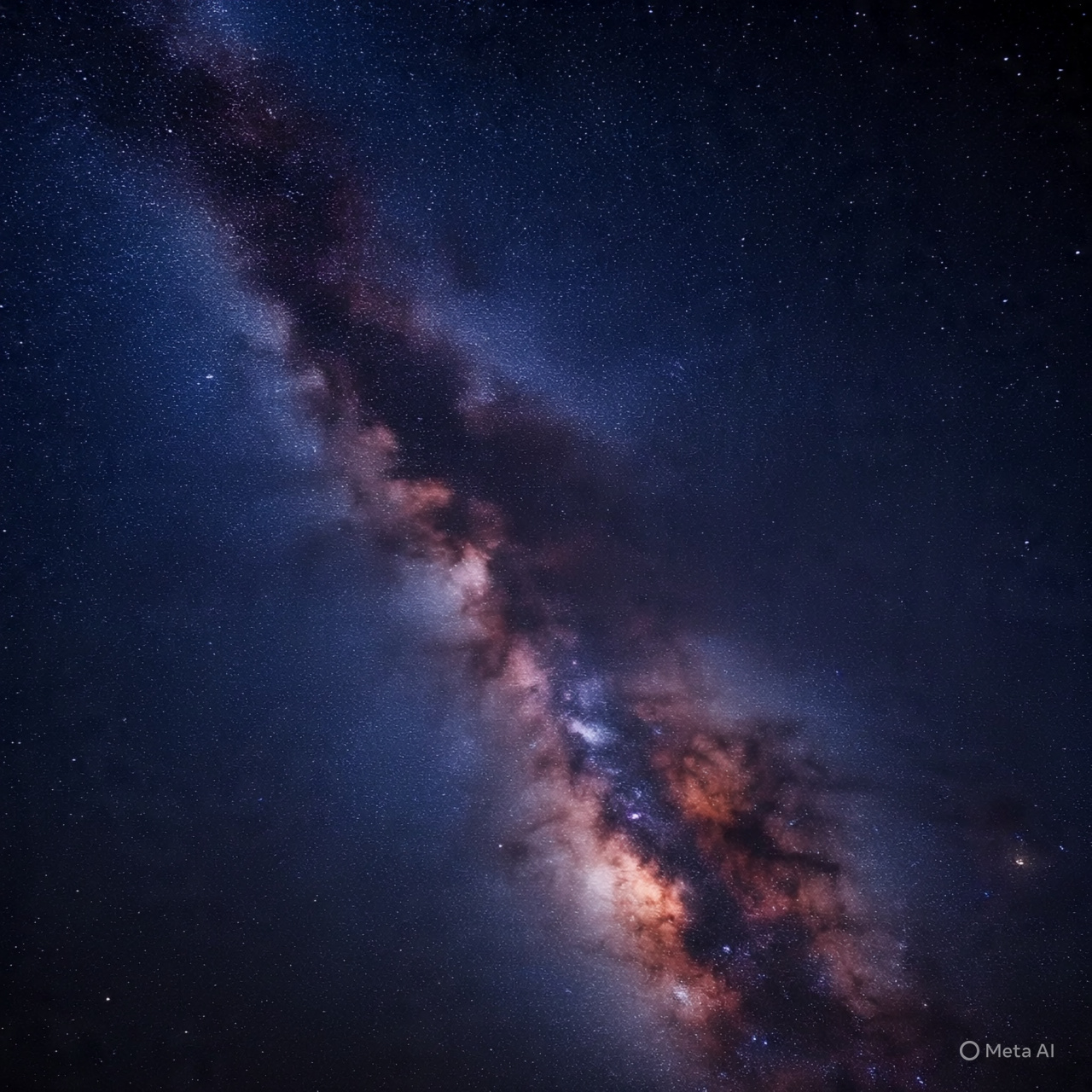
Researchers have detected a possible pulsar near the Milky Way's center, offering insights into gravity and the supermassive black hole's influence.

Discover how mixed-species bird flocks enhance survival through cooperation, showcasing the beauty of nature's shared movement and diversity.
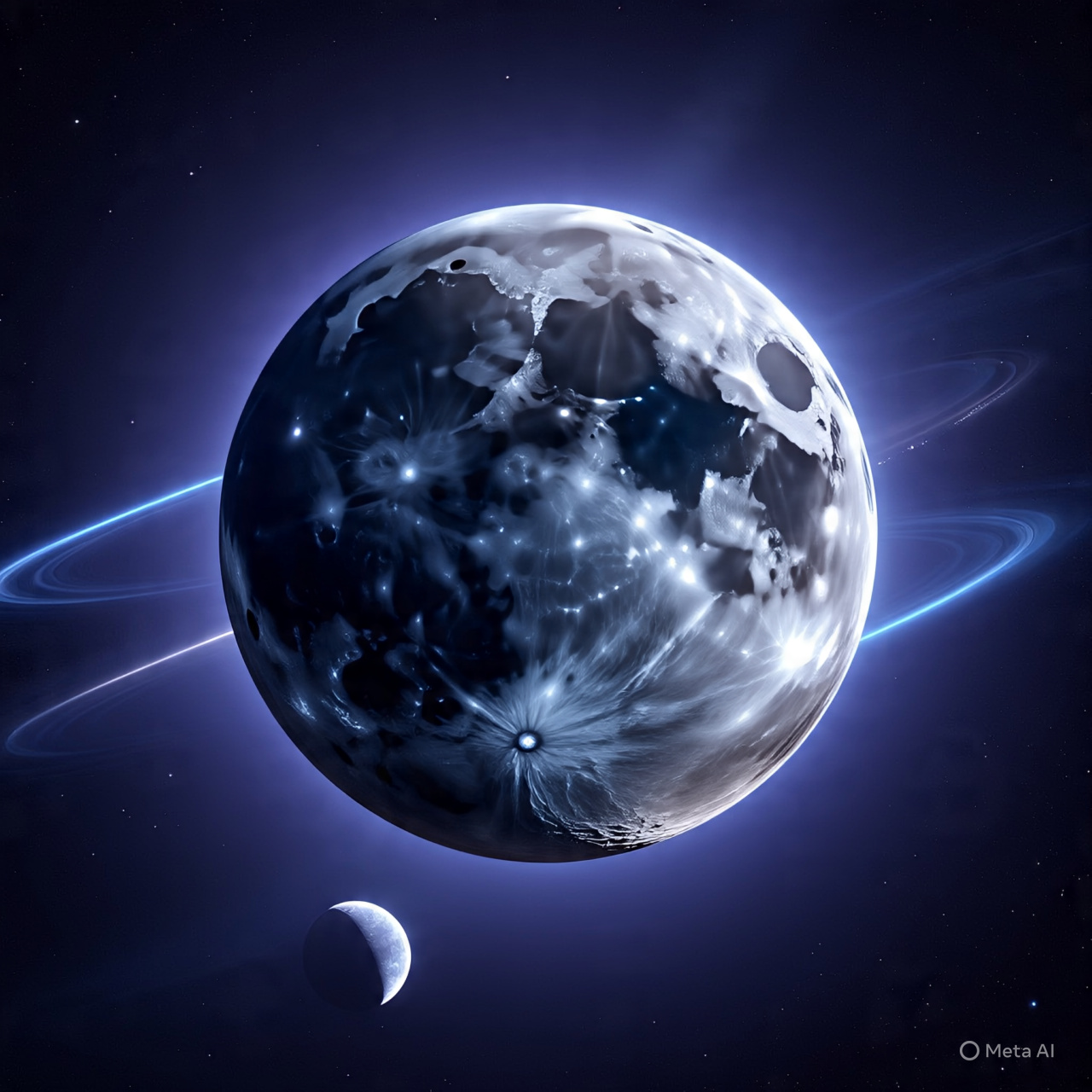
Discover how Enceladus, Saturn's icy moon, influences electromagnetic waves in its magnetosphere, reshaping our understanding of planetary interactions.

NASA's Artemis II mission will carry 'avatar' chips to study human health in space, revealing insights into the effects of radiation and microgravity.

Nova Scotia officials are working to recover a sunken tidal turbine in the Bay of Fundy, facing challenges of cost, feasibility, and environmental safety.
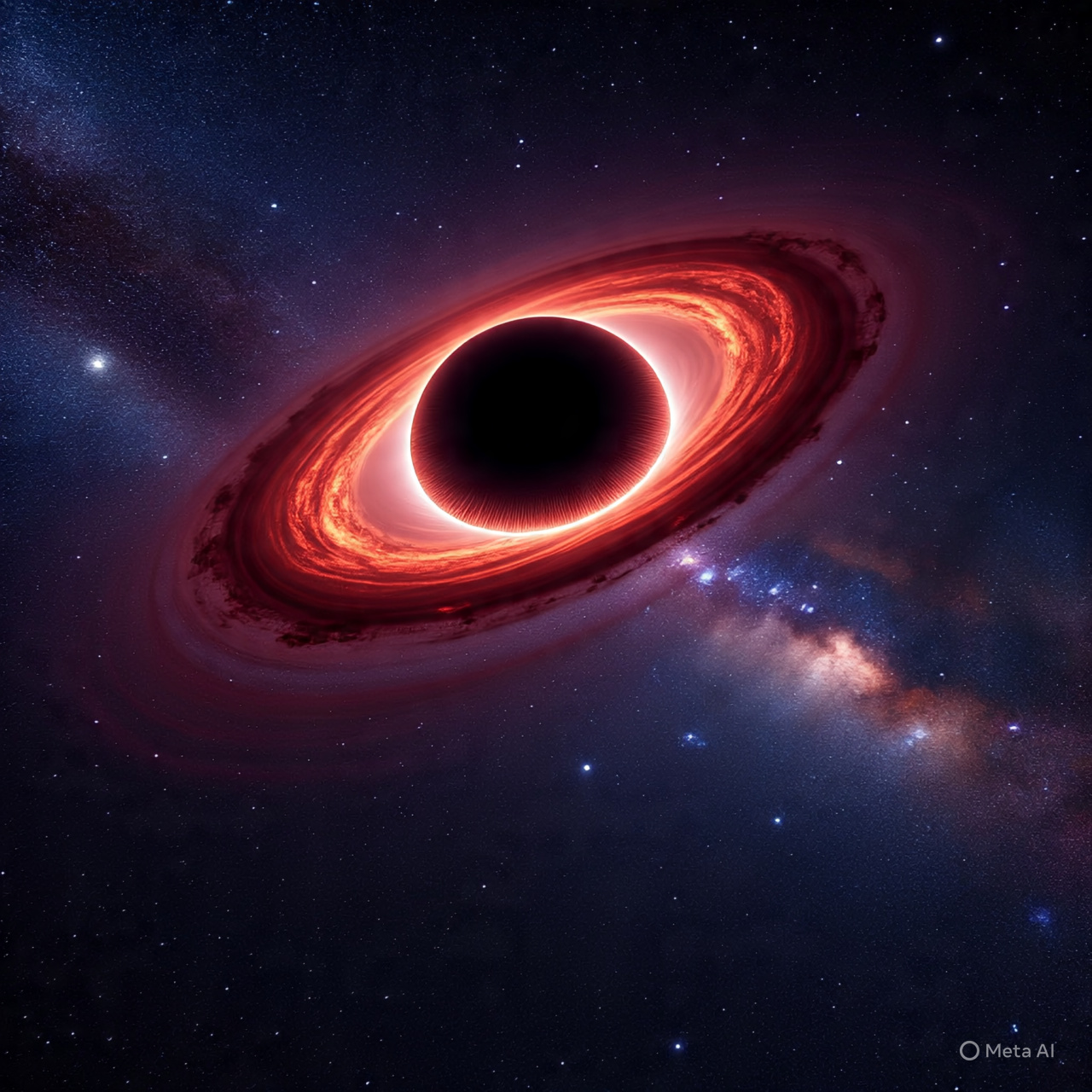
Discover how the James Webb Space Telescope's 'Little Red Dots' reveal insights into the birth of black holes in the early universe, challenging existing theories.
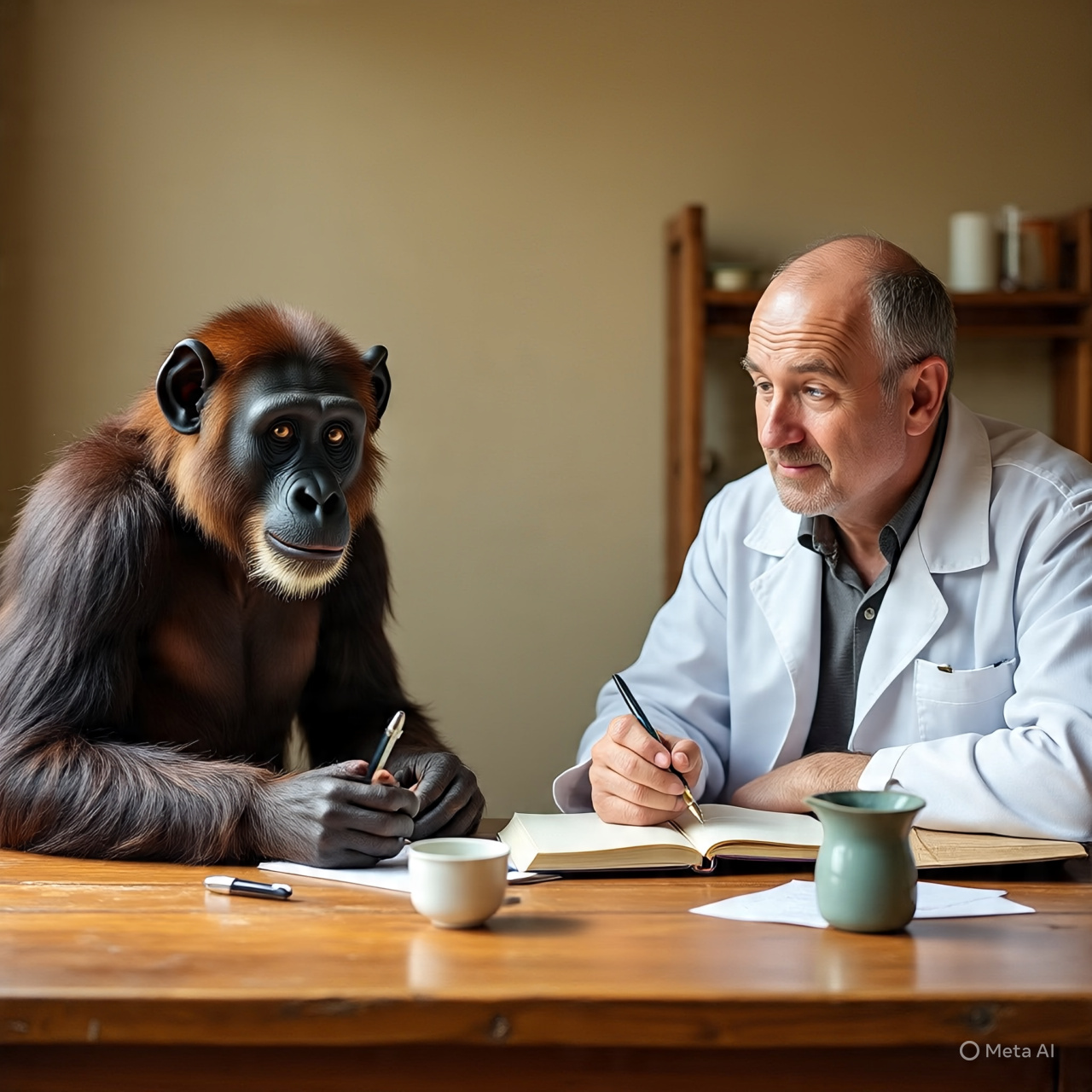
A groundbreaking study reveals bonobo Kanzi's ability to engage in imaginative play, suggesting that imagination may not be unique to humans.
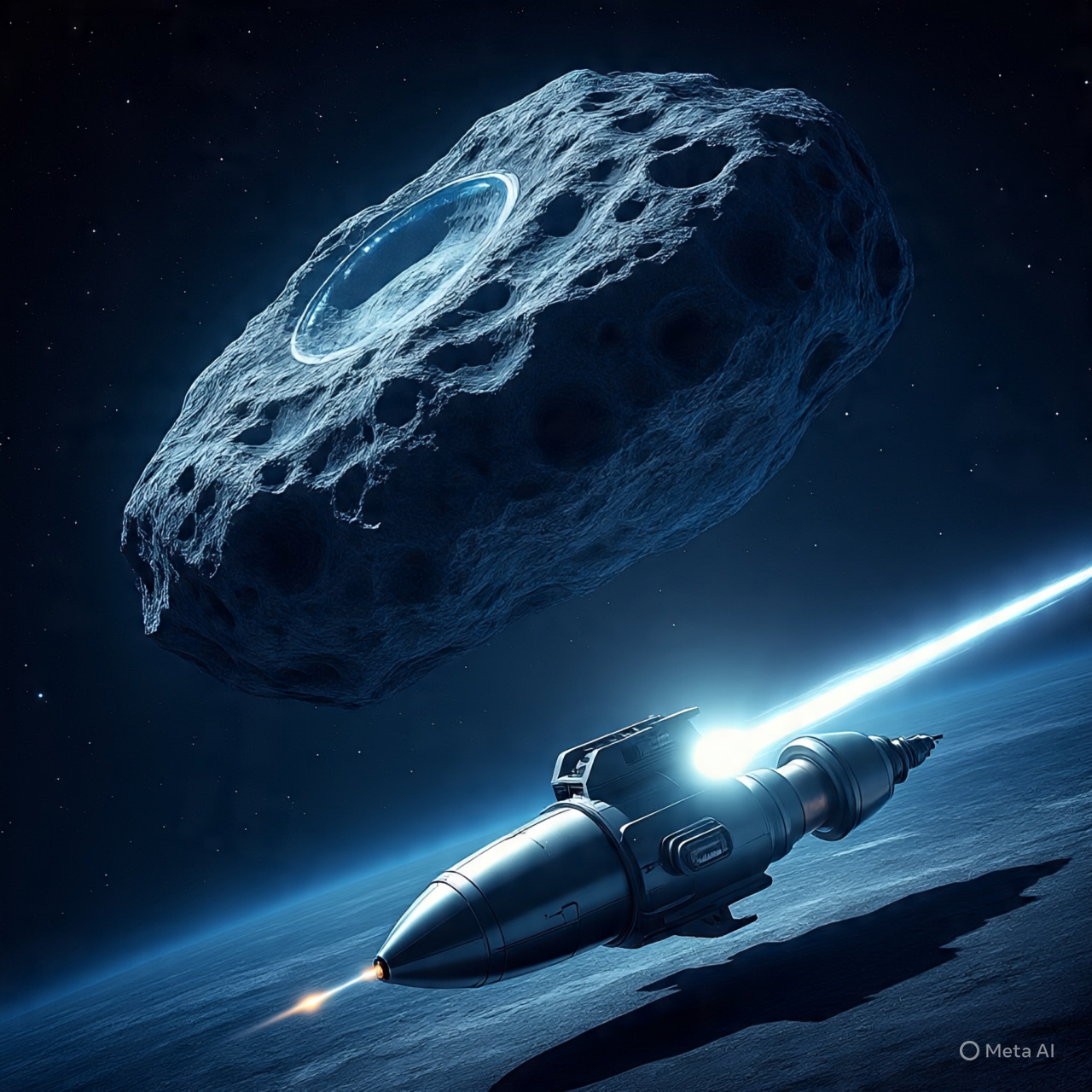
Explore the potential of nuclear tools as a last resort in planetary defense against asteroids, highlighting recent research and expert opinions.

UC Berkeley scientists unveil COF-999, a groundbreaking material that captures carbon dioxide from the air faster than traditional methods, offering new climate solutions.
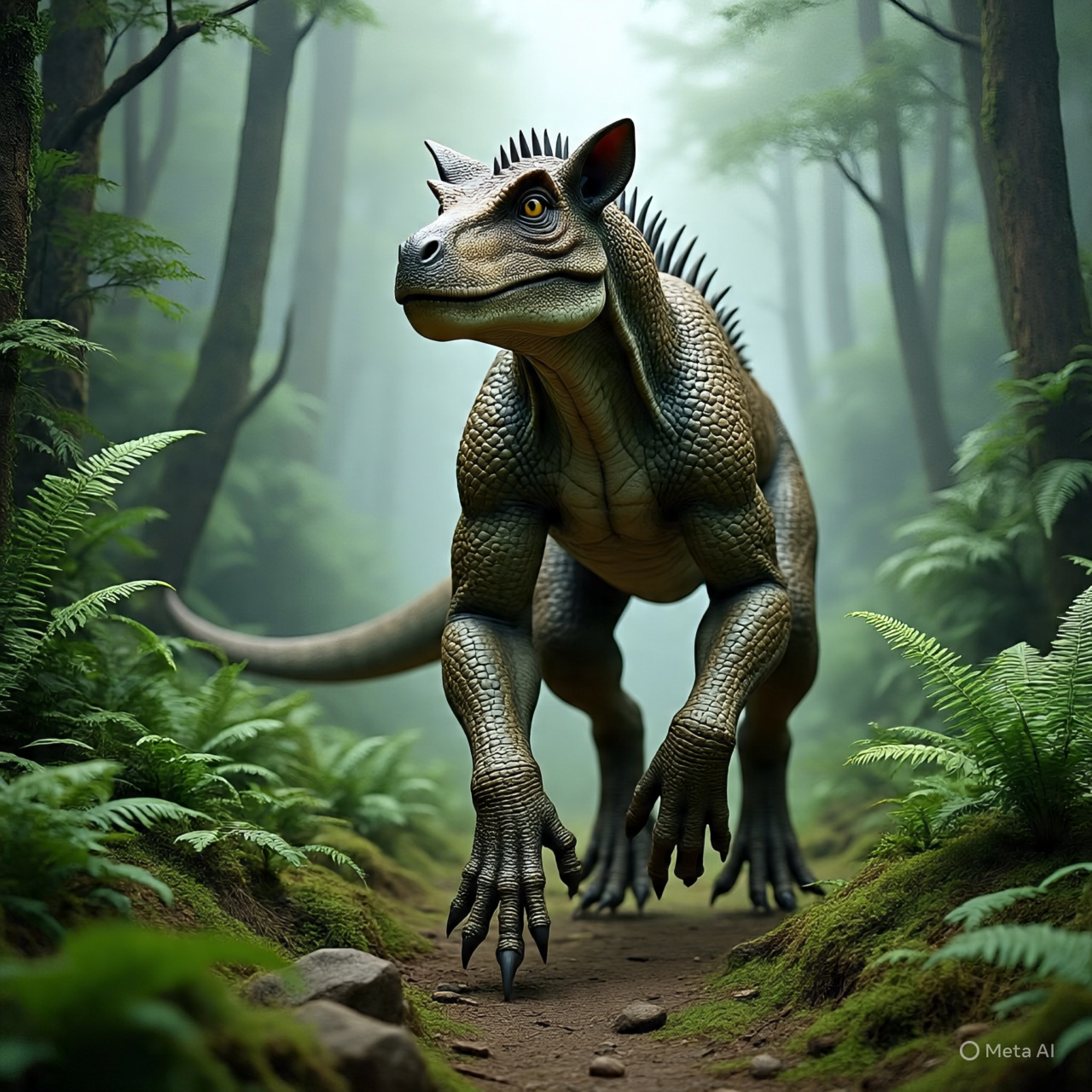
Researchers unveil Haolong dongi, the spiny dragon dinosaur, revealing new insights into dinosaur skin and integument diversity from ancient China.
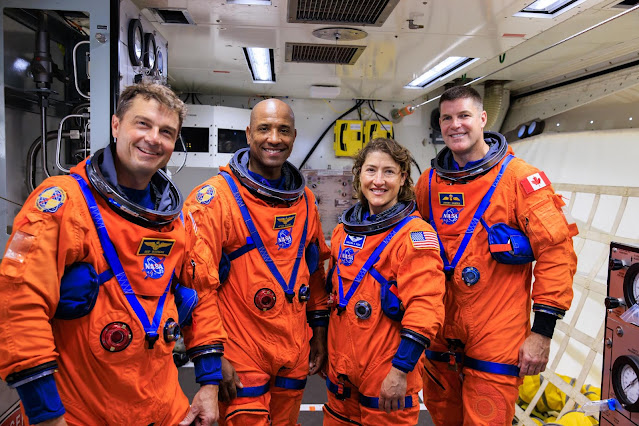
NASA's Artemis II mission will send four astronauts beyond Earth orbit to the Moon in March 2026, marking a new era of space exploration and diversity.

Explore the phenomenon of touch starvation, its effects on emotional well-being, and ways to reconnect in a world increasingly defined by distance.
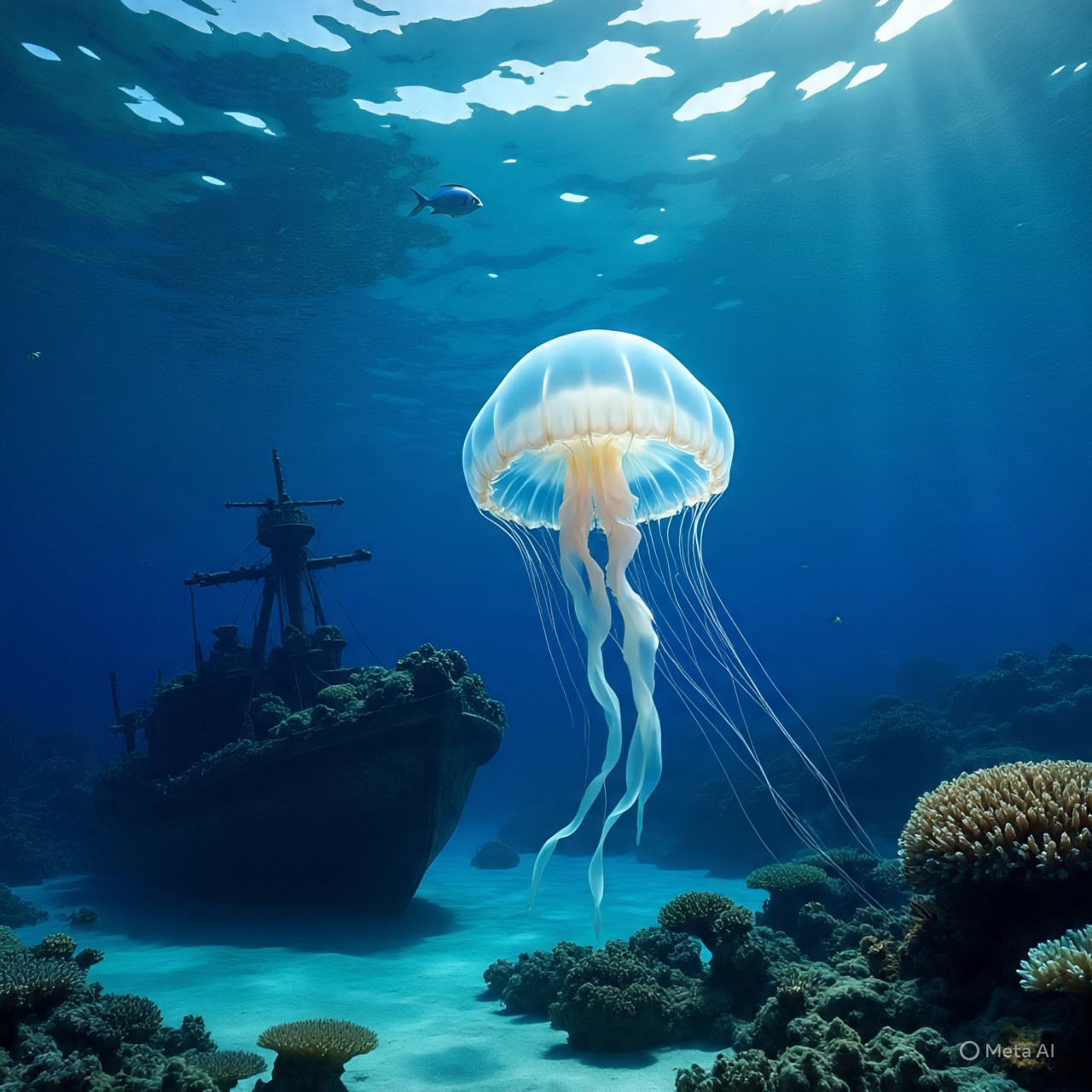
A recent expedition off Argentina captured footage of a giant phantom jellyfish, unveiling the mysteries of the deep ocean and its vibrant ecosystems.
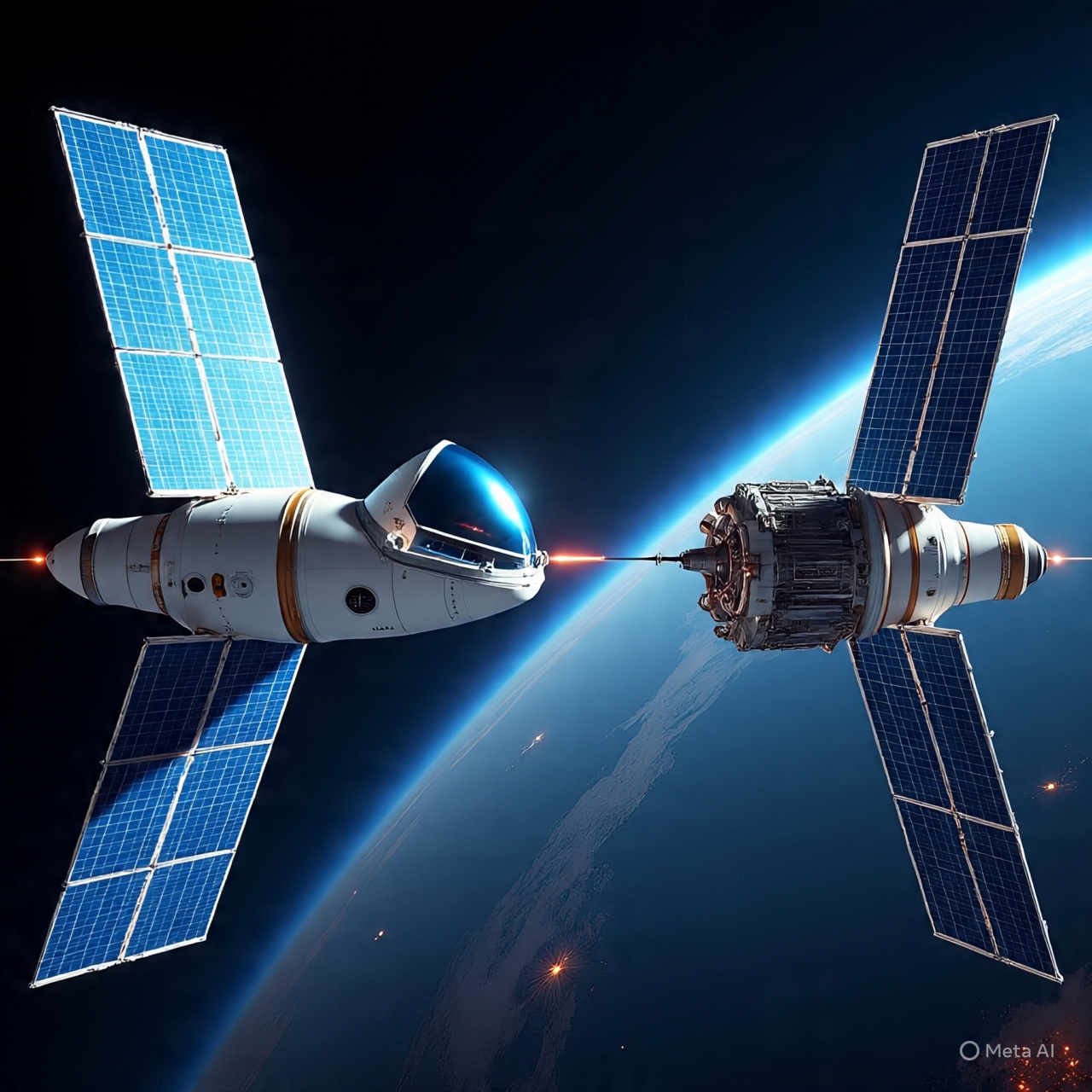
Crew-12, featuring astronauts from NASA and ESA, is set to launch early on February 11, 2026, restoring the ISS crew to full capacity after a medical issue.

A recent study shows bonobo Kanzi's ability to distinguish between real and imaginary objects, suggesting deeper cognitive skills in non-human primates.
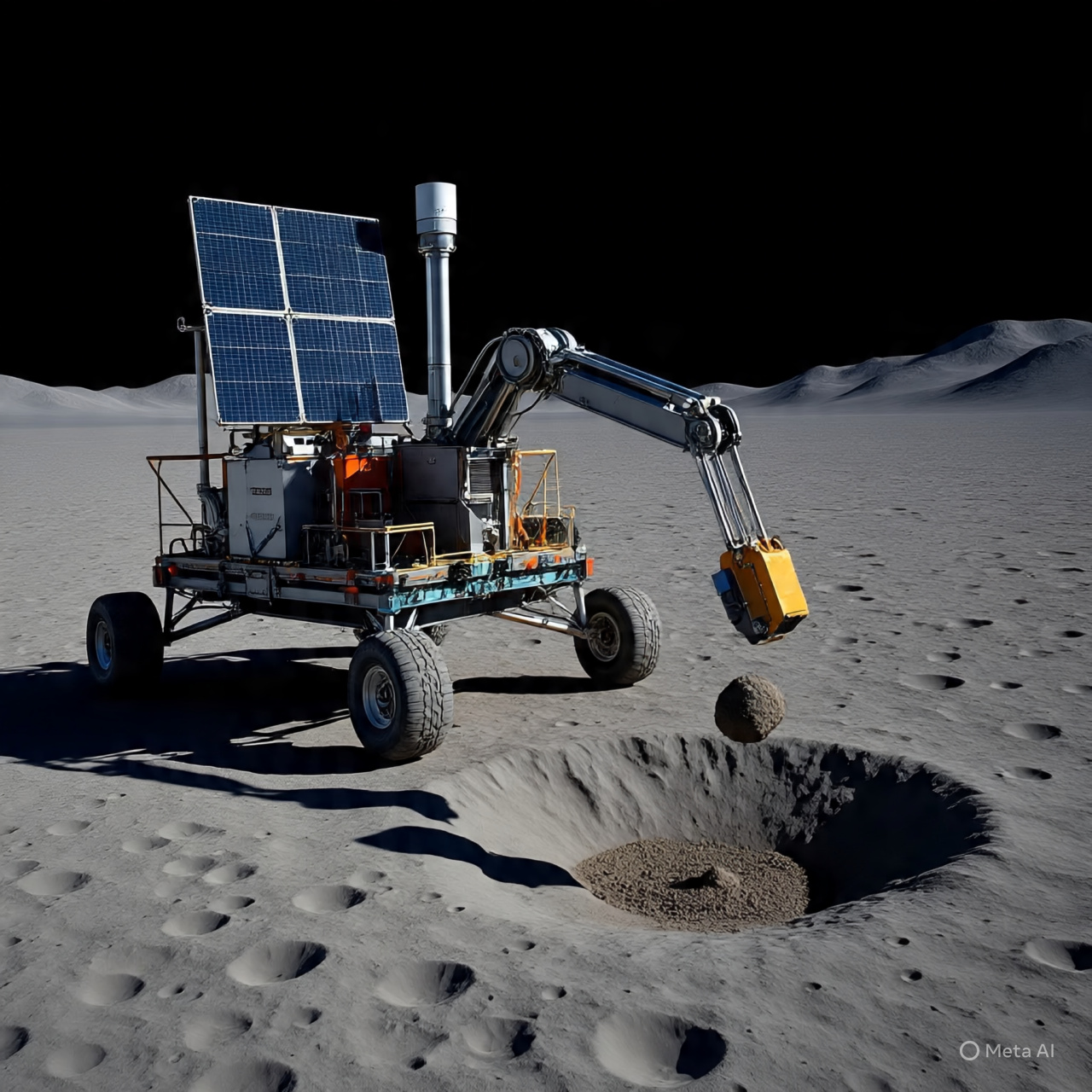
China's Chang’e-6 mission returns lunar samples, revealing a unified timeline for the Moon's geological history and insights into ancient volcanic activity.

Explore how elastosome technology enhances EGF delivery for improved anti-aging effects, bridging science and skincare innovation.
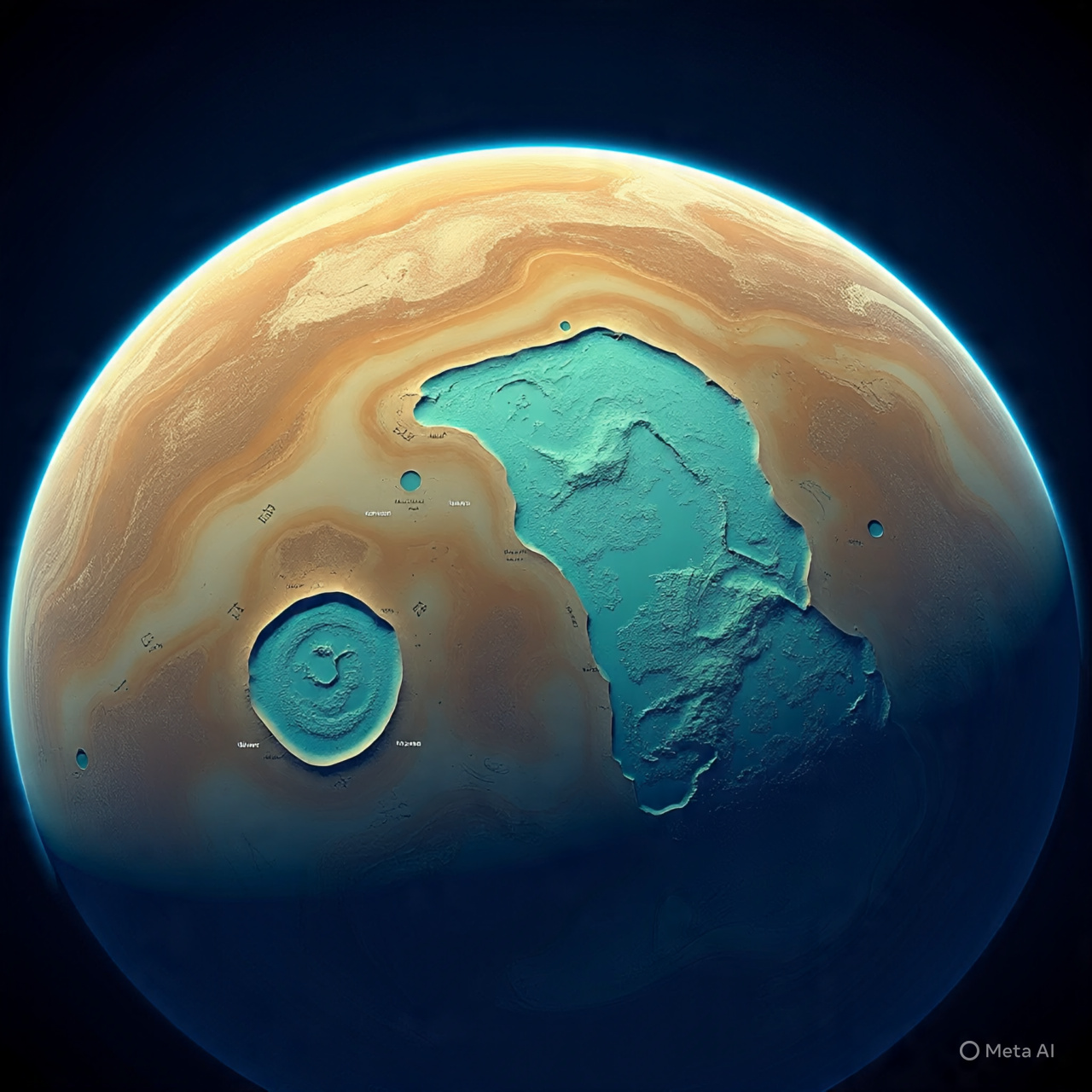
Recent studies suggest Venus may contain vast lava tubes beneath its surface, challenging perceptions of the planet's harsh environment and geological history.

Researchers in China uncover four new species of springtails, enhancing our understanding of biodiversity in forest ecosystems and the role of soil organisms.
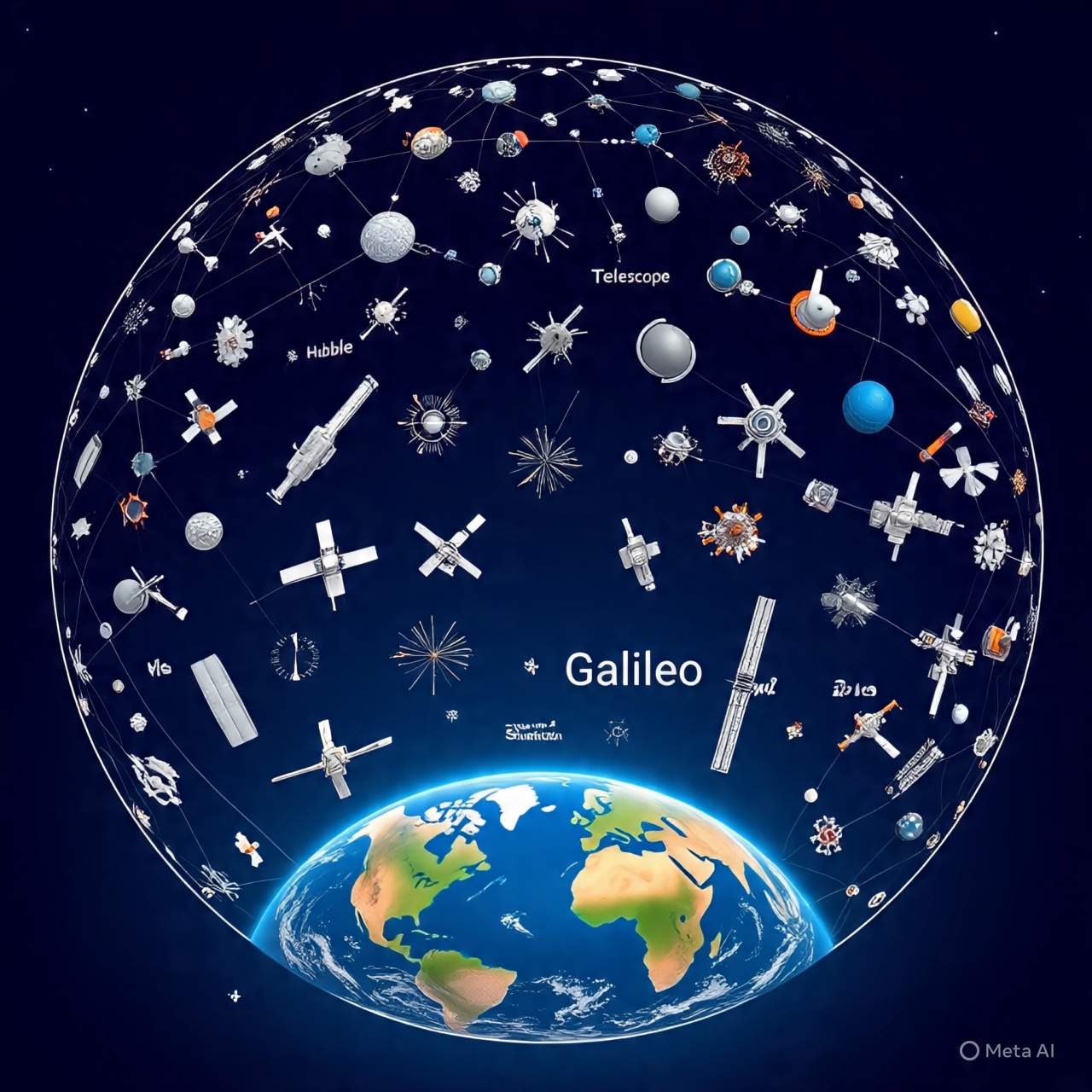
Explore how the rise of satellite megaconstellations threatens the clarity of space telescope observations and what can be done to mitigate the impact.
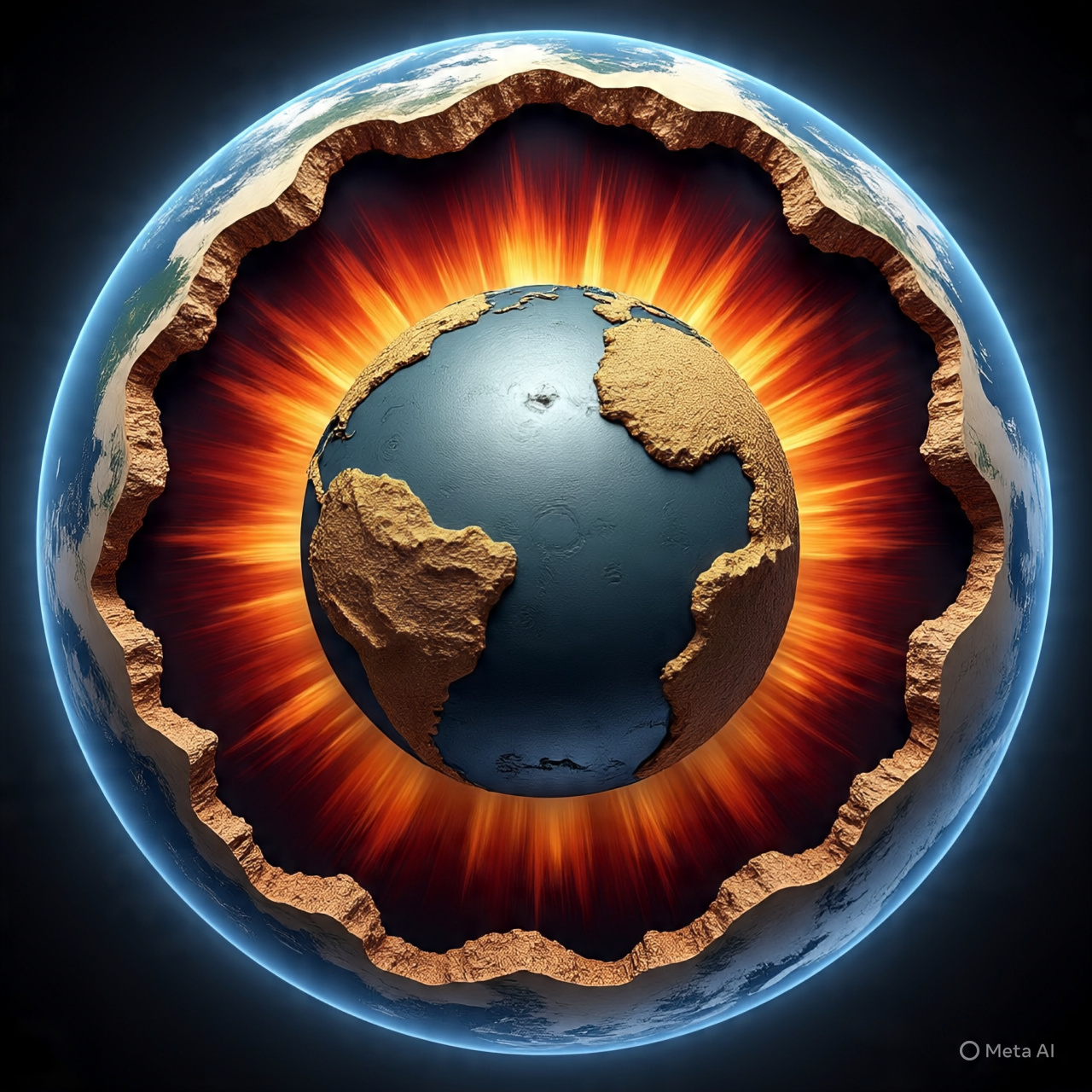
Deep, ancient regions of hot rock near Earth’s core have steered the planet’s magnetic field for hundreds of millions of years, linking deep heat flow with long-term magnetic patterns.
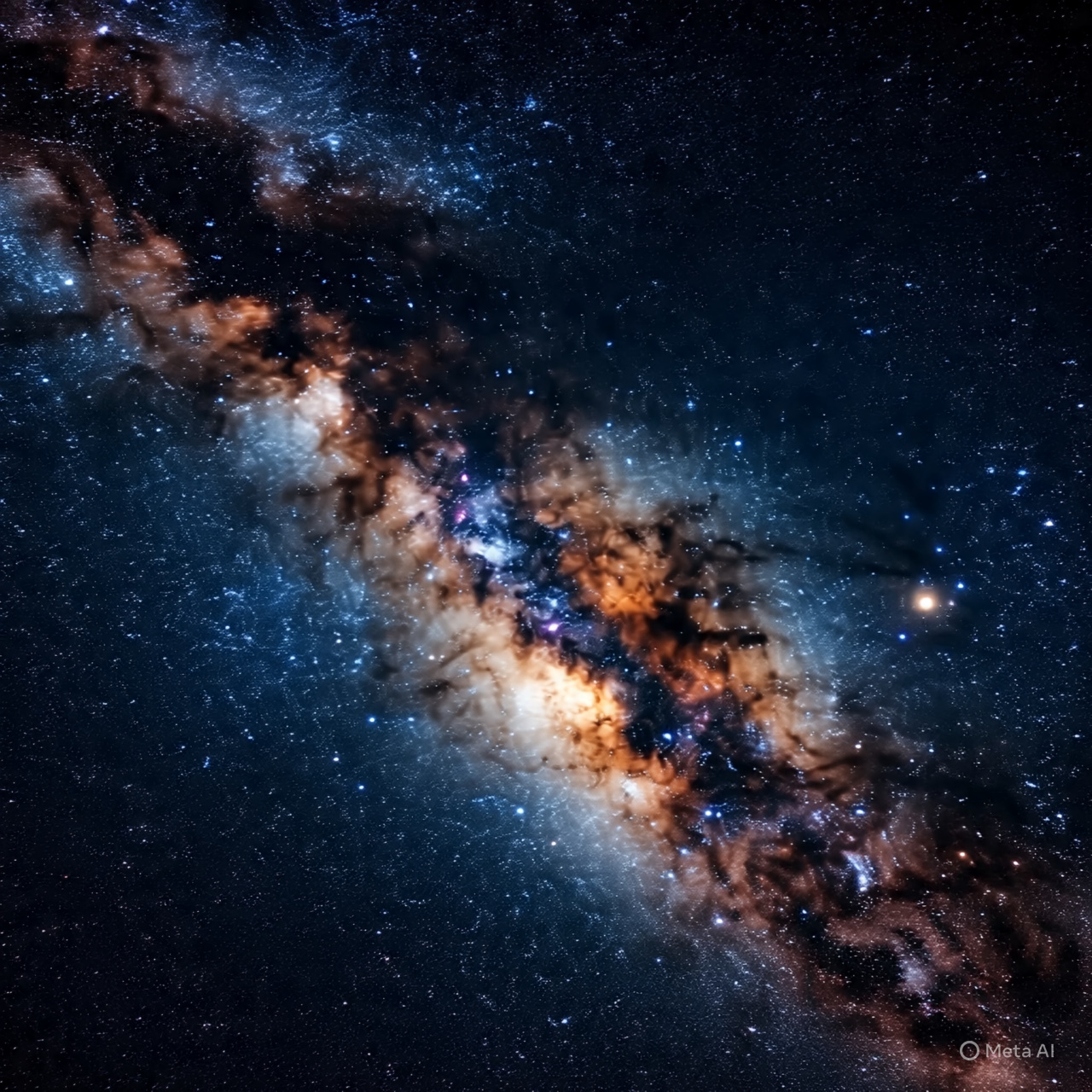
Scientists debate whether the Milky Way's center is a black hole or a dark matter core, reshaping our understanding of galactic dynamics.
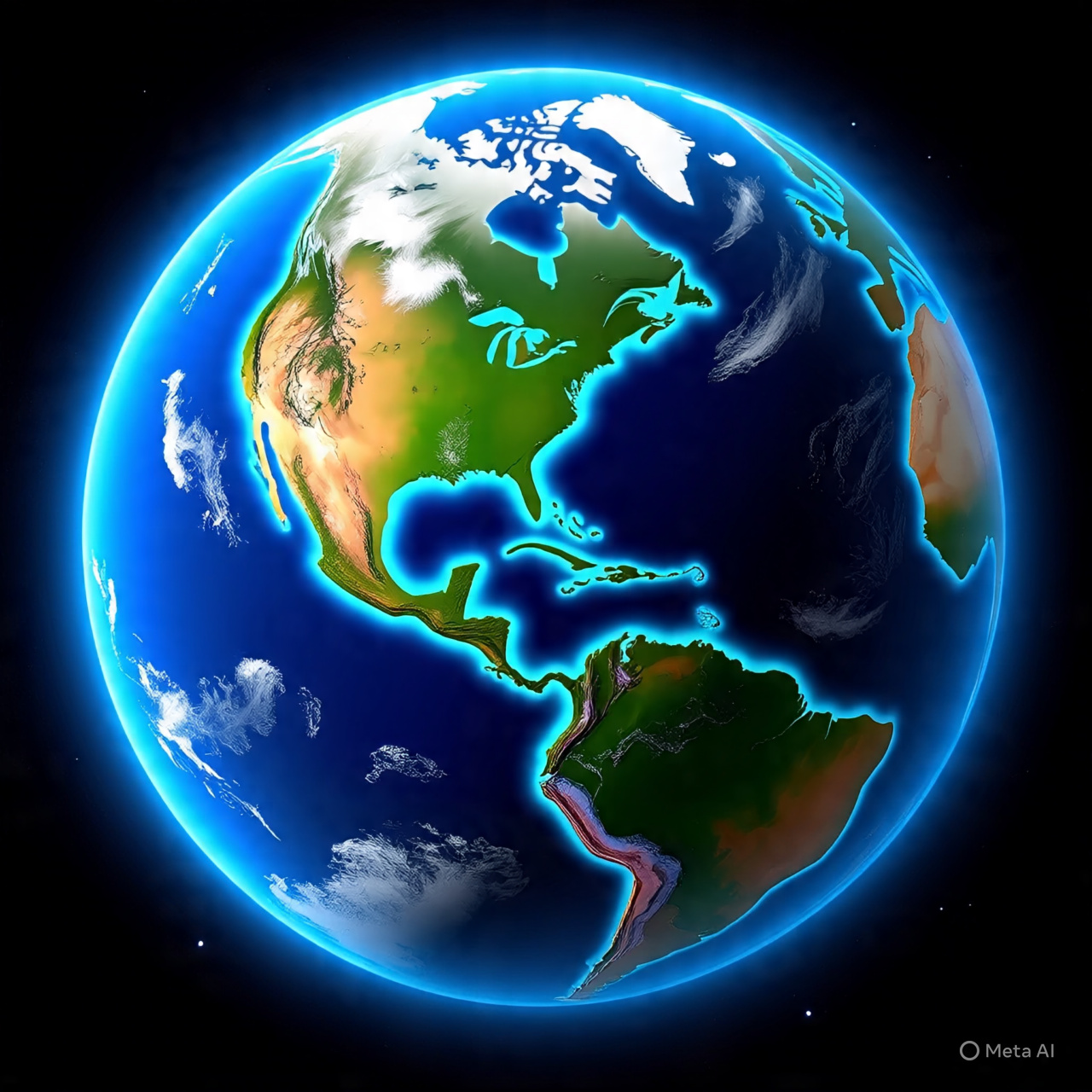
NASA scientists discover a correlation between Earth's magnetic field strength and atmospheric oxygen levels, revealing insights into our planet's ancient history.