
SCIENCE99% credibility
Singapore Prepares for Total Lunar Eclipse on March 3, 2026
On March 3, 2026, Singapore will witness a total lunar eclipse. Join the Science Centre for a public viewing event celebrating this celestial phenomenon.
2 min read

On March 3, 2026, Singapore will witness a total lunar eclipse. Join the Science Centre for a public viewing event celebrating this celestial phenomenon.
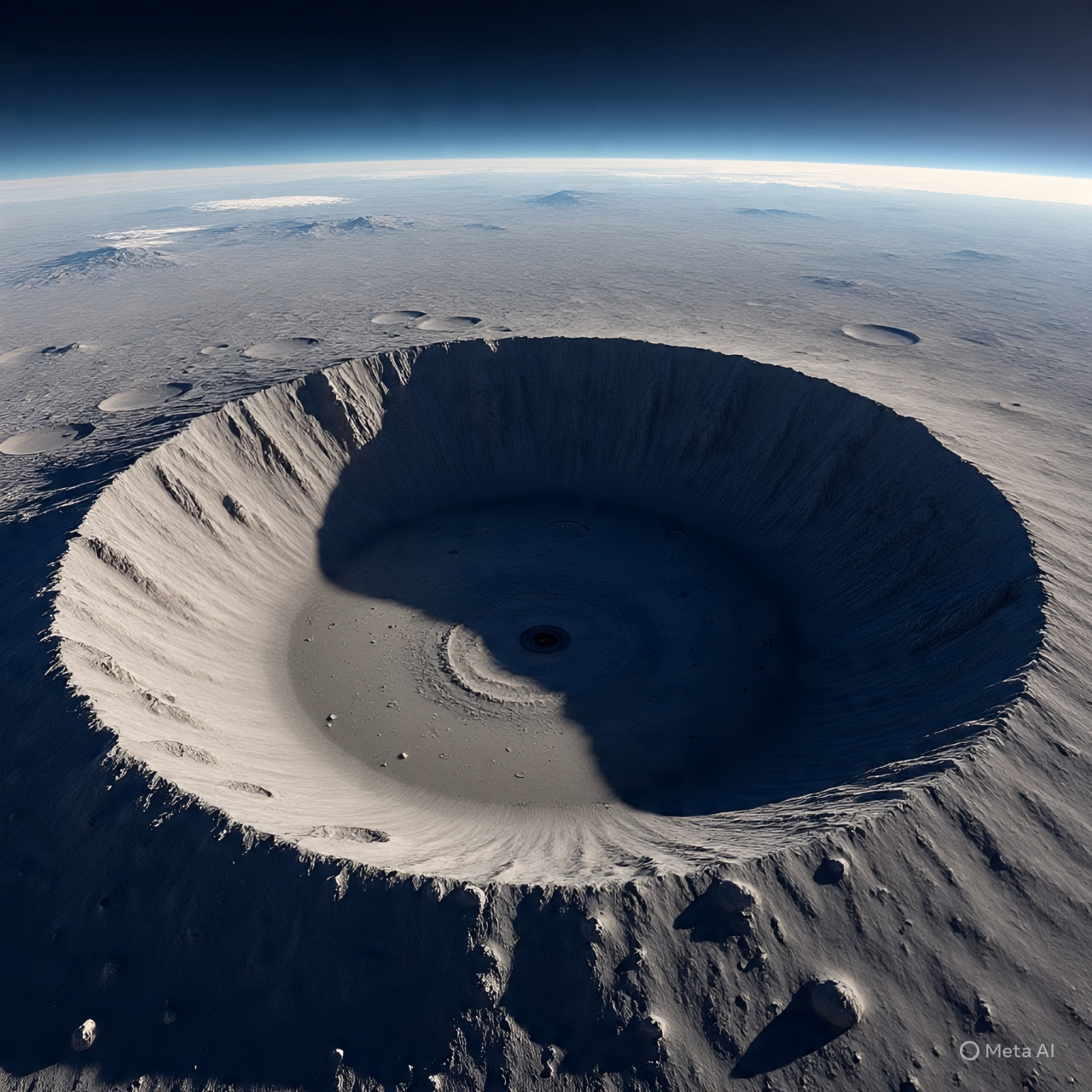
The Chang’e-6 mission returns samples from the Moon's far side, revealing new insights into lunar history and impact cratering rates across both hemispheres.
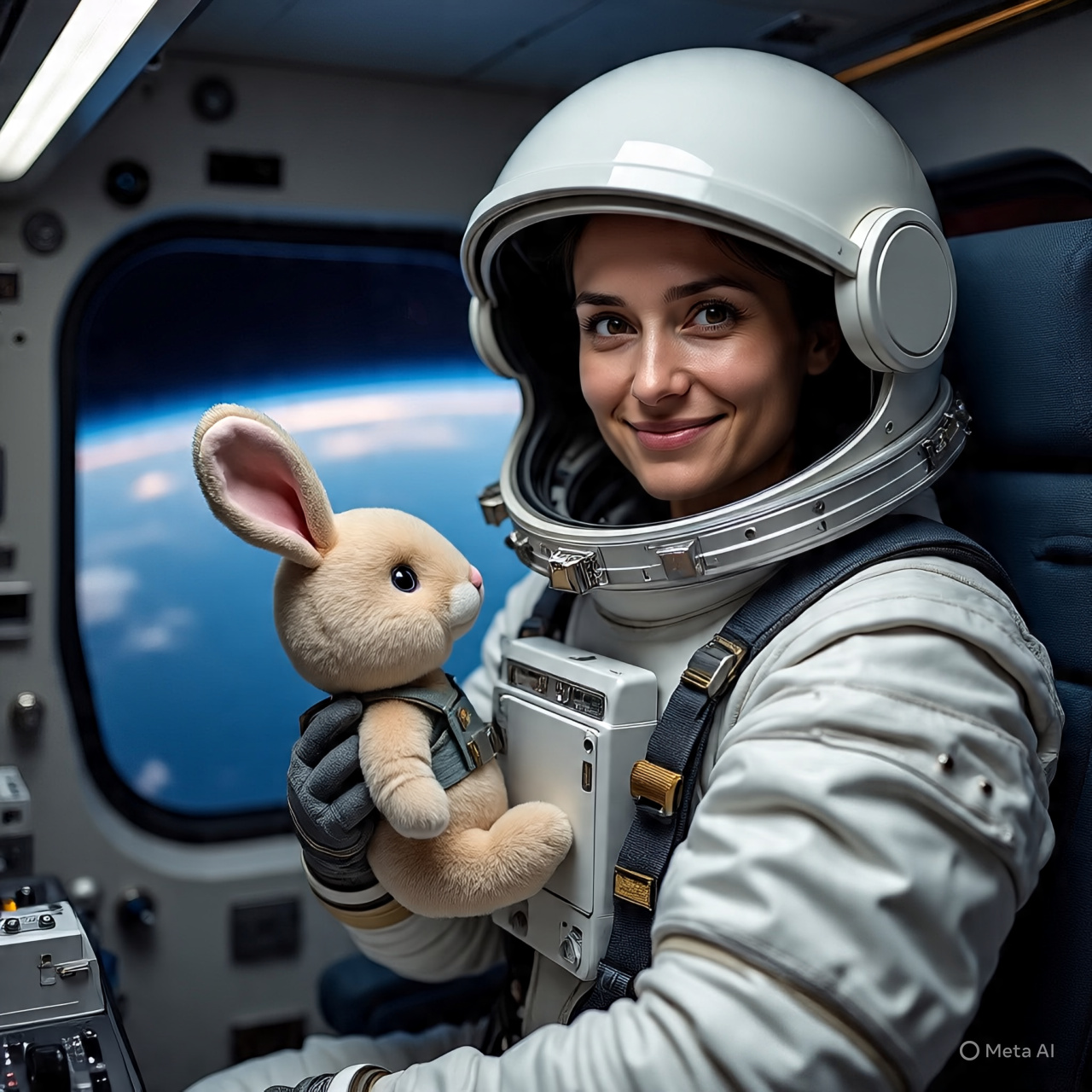
Astronaut Jessica Meir brings her child's stuffed rabbit on the SpaceX Crew-12 mission, symbolizing love and connection across the cosmos.
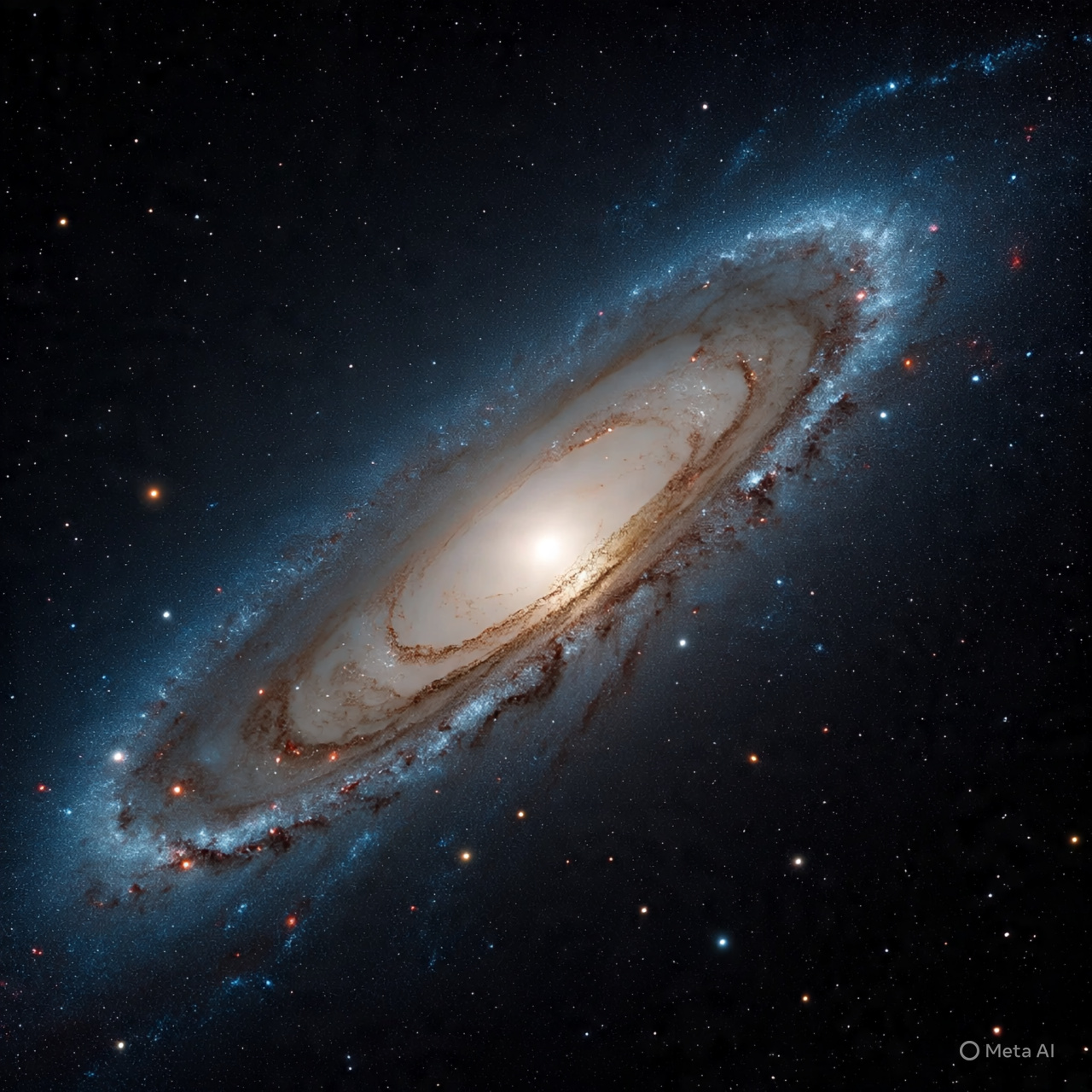
The James Webb Space Telescope reveals an unexpected abundance of hydrocarbons in a nearby ultra-luminous galaxy, challenging our understanding of cosmic chemistry.
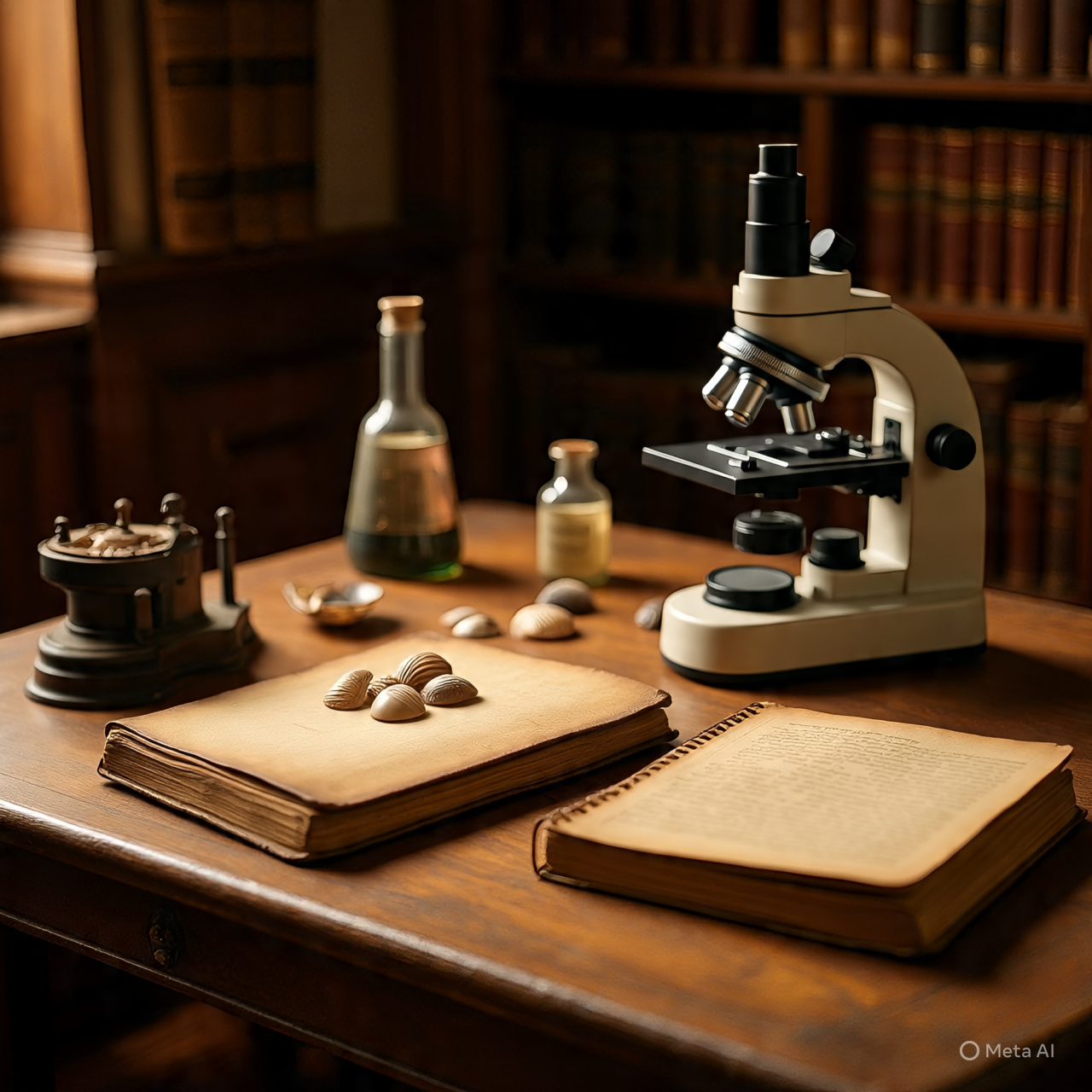
Scientists use lasers to uncover hidden insights from Charles Darwin's specimens, merging modern technology with historical discovery in a groundbreaking study.
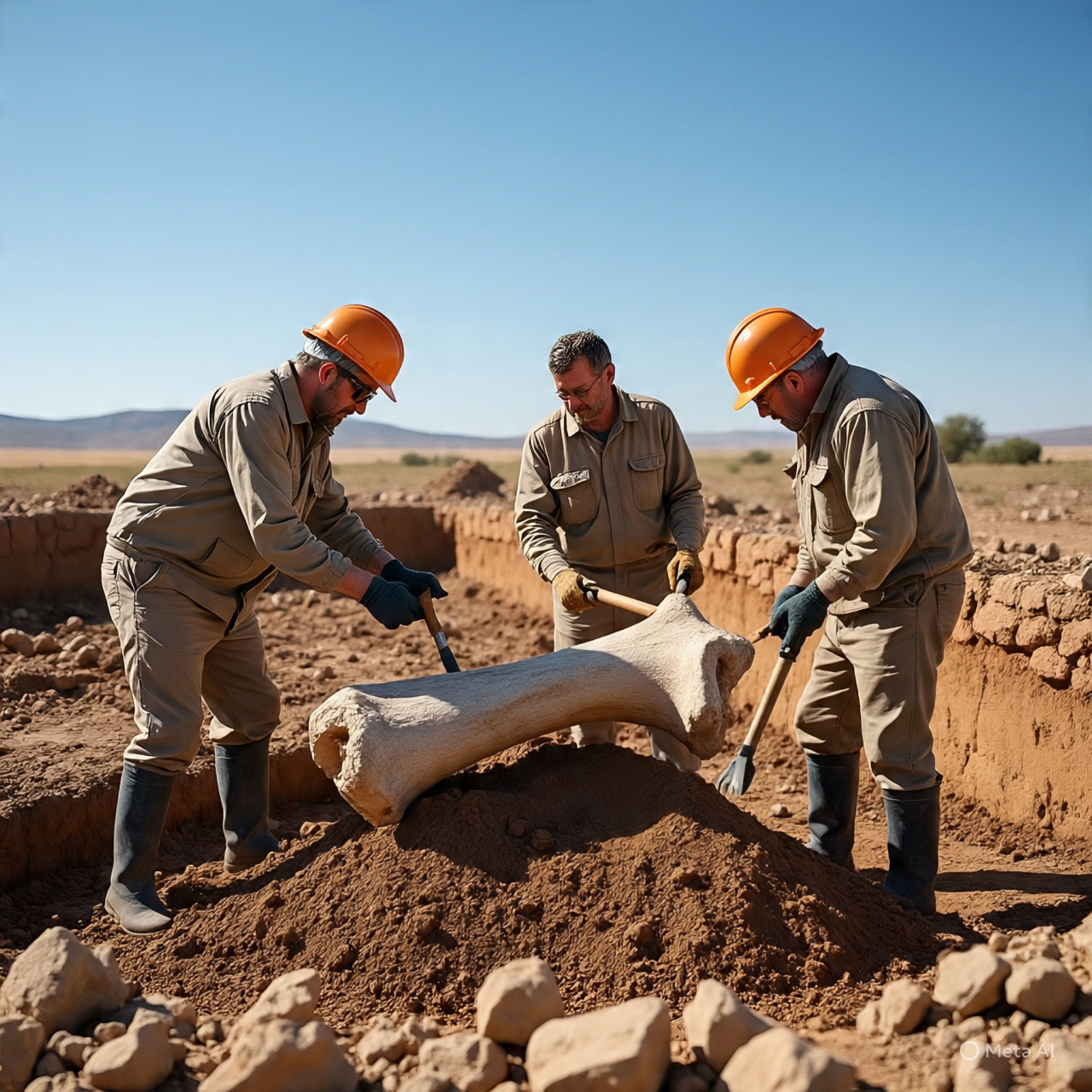
A newly discovered elephant bone in Spain reveals insights into the use of war elephants during the Punic Wars, bridging ancient history and modern reflection.
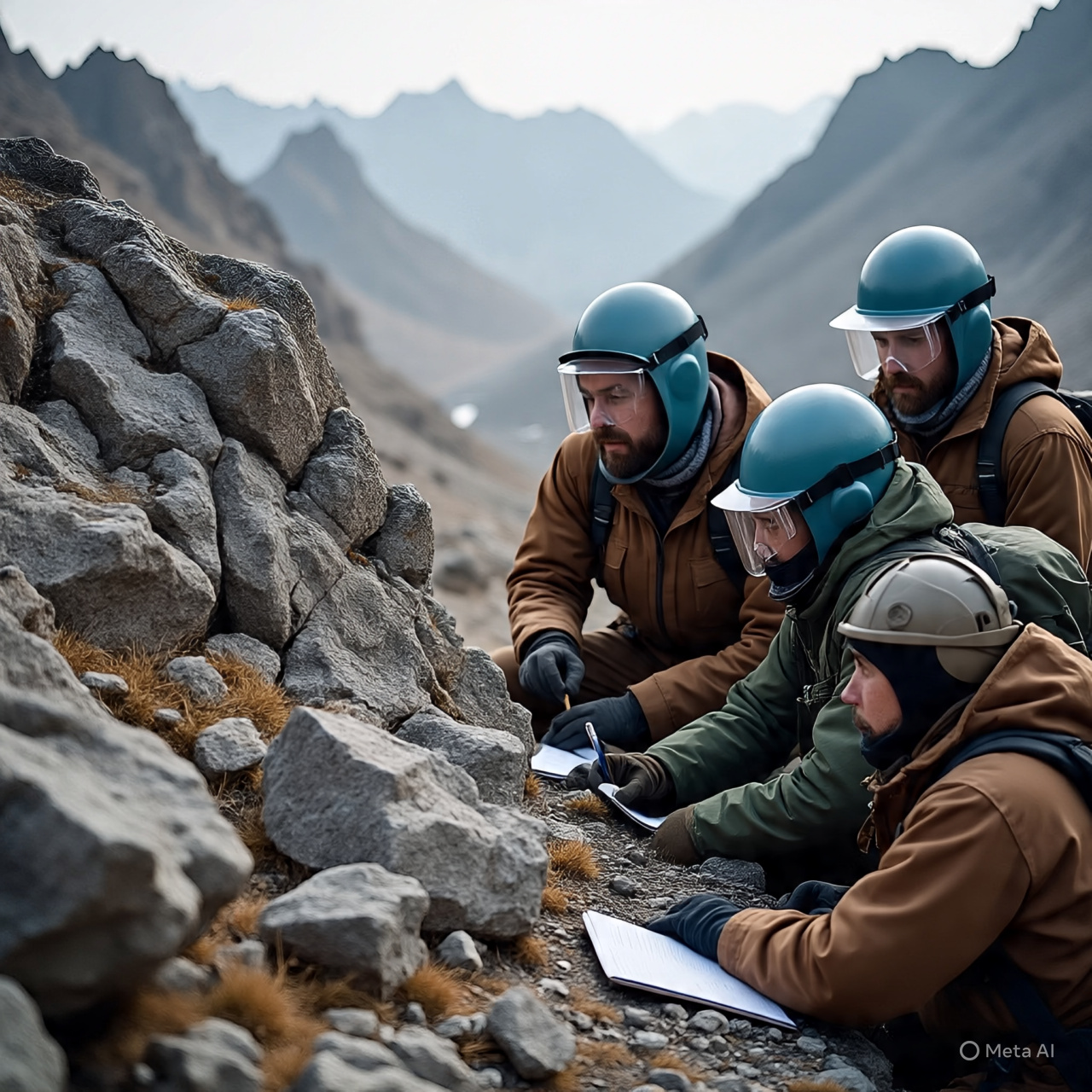
A groundbreaking discovery of natural hydrogen on the Qinghai-Xizang Plateau offers new possibilities for clean energy and environmental sustainability.

Learn about critical updates to Social Security benefits for 2026, including earnings limits and potential future cuts affecting retirees' financial stability.

A recent study uncovers evidence of climate cycles during the Snowball Earth period, revealing Earth's resilience even under extreme glaciation.
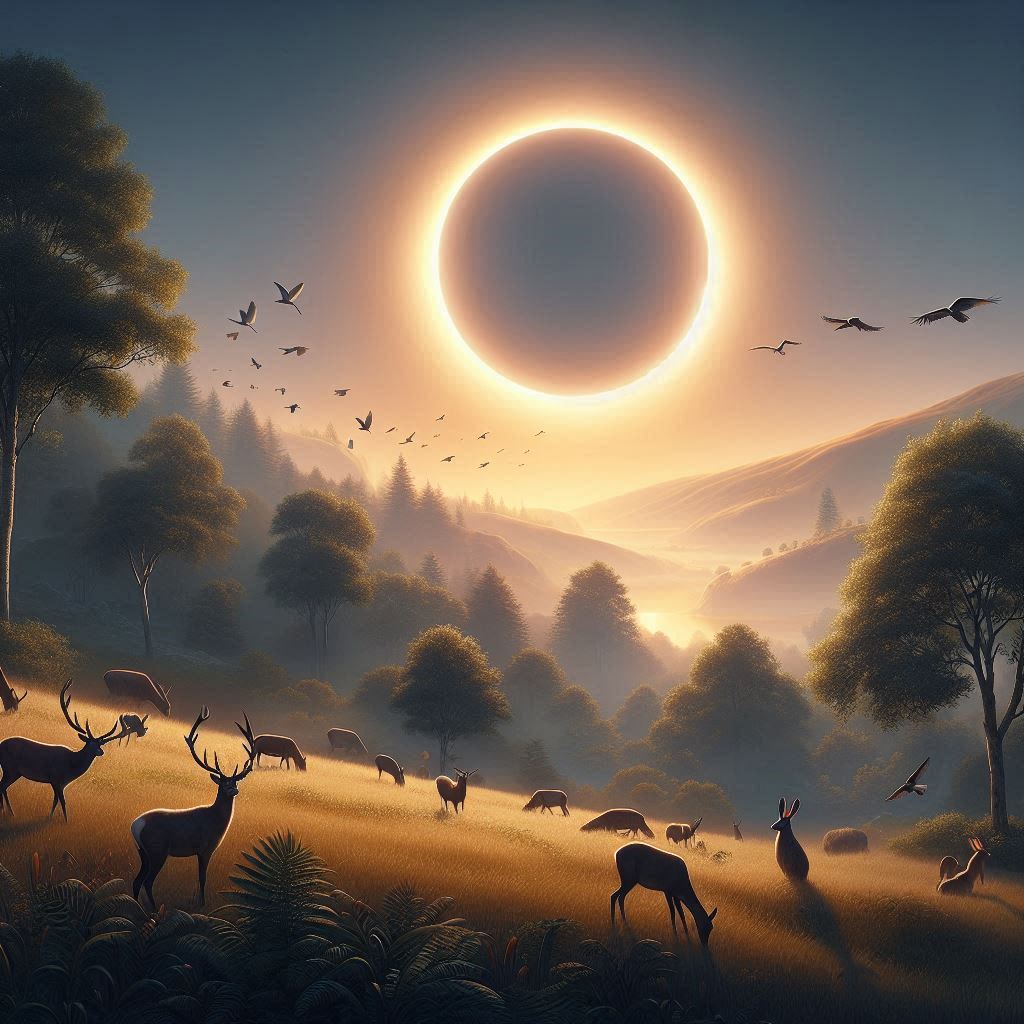
Explore how animals respond to annular solar eclipses, revealing insights into their behavior and the impact of changing light conditions on nature.
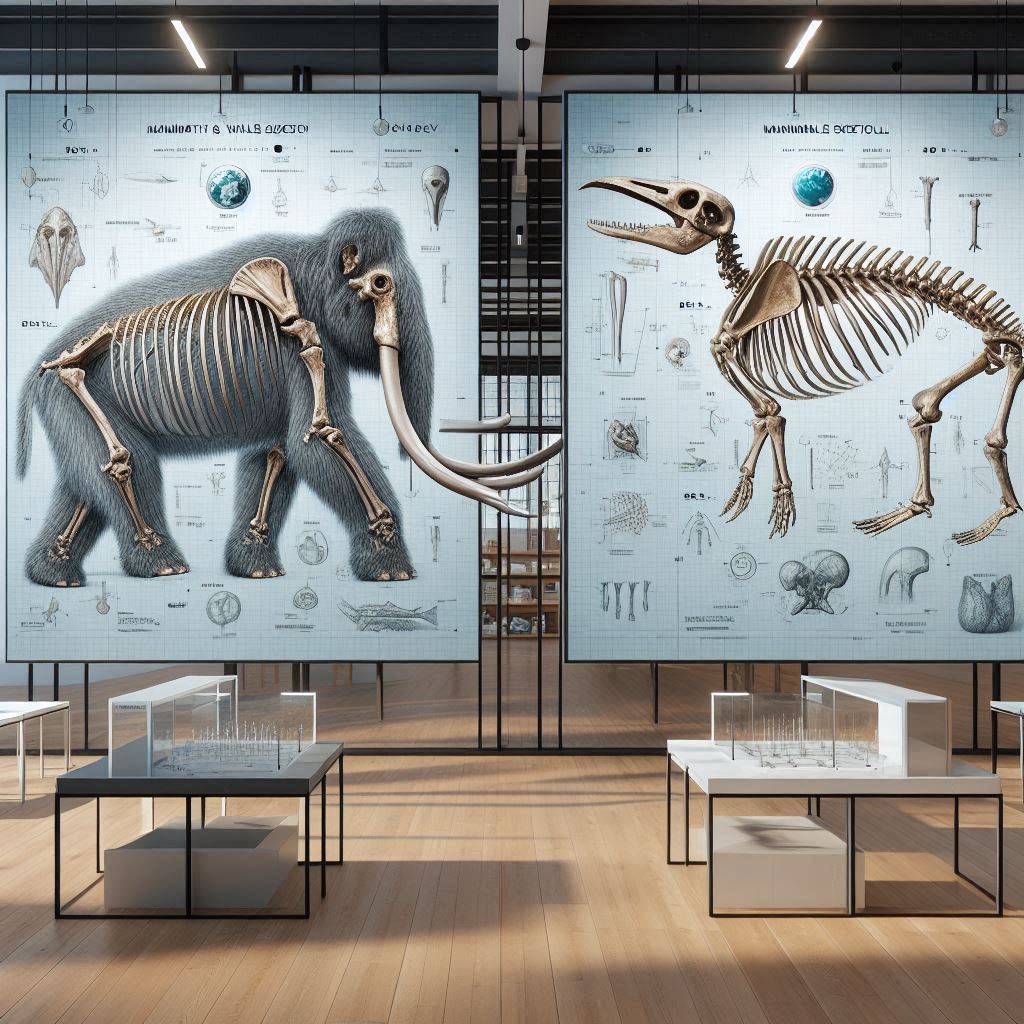
Recent research reveals that bones once thought to belong to a mammoth are actually from a giant whale, reshaping our understanding of ancient marine life.
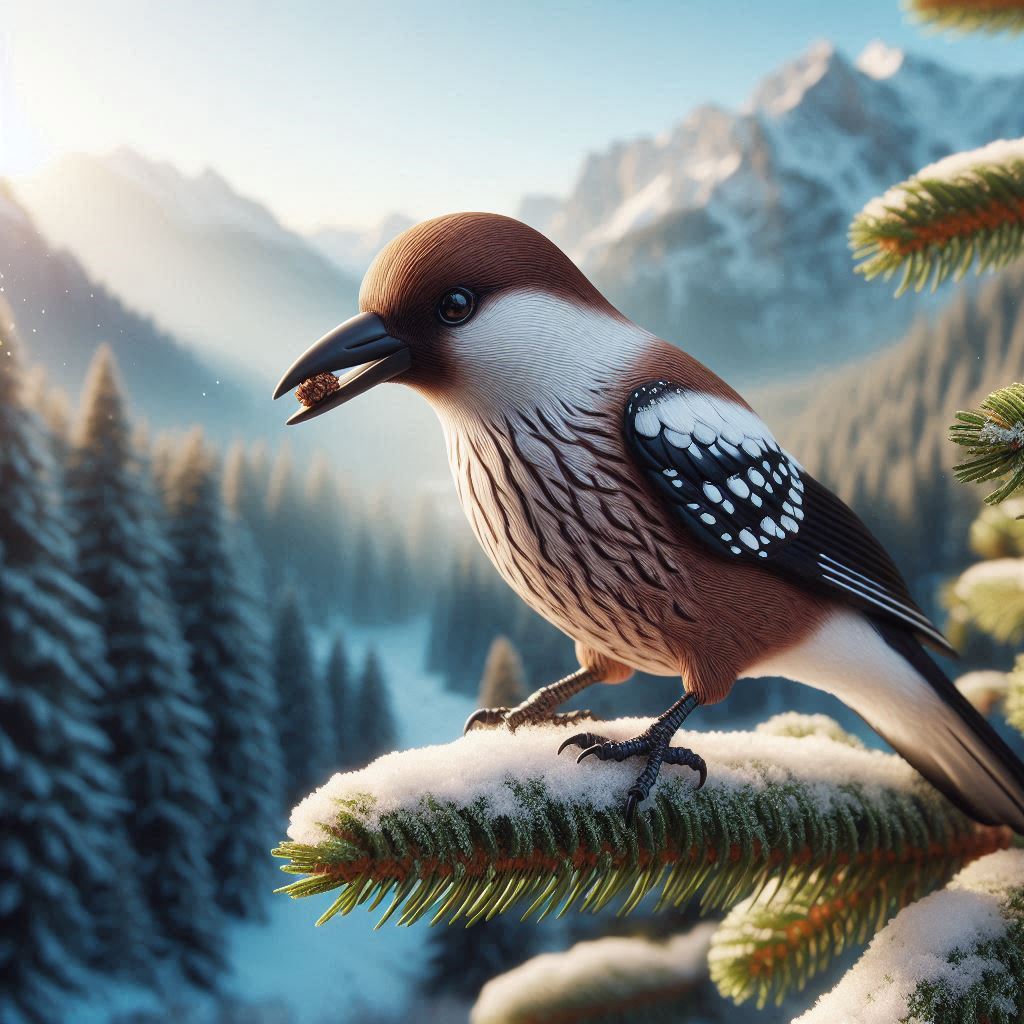
Discover how nutcracker birds play a vital role in pine forest ecosystems by harvesting and dispersing seeds, shaping landscapes for future generations.
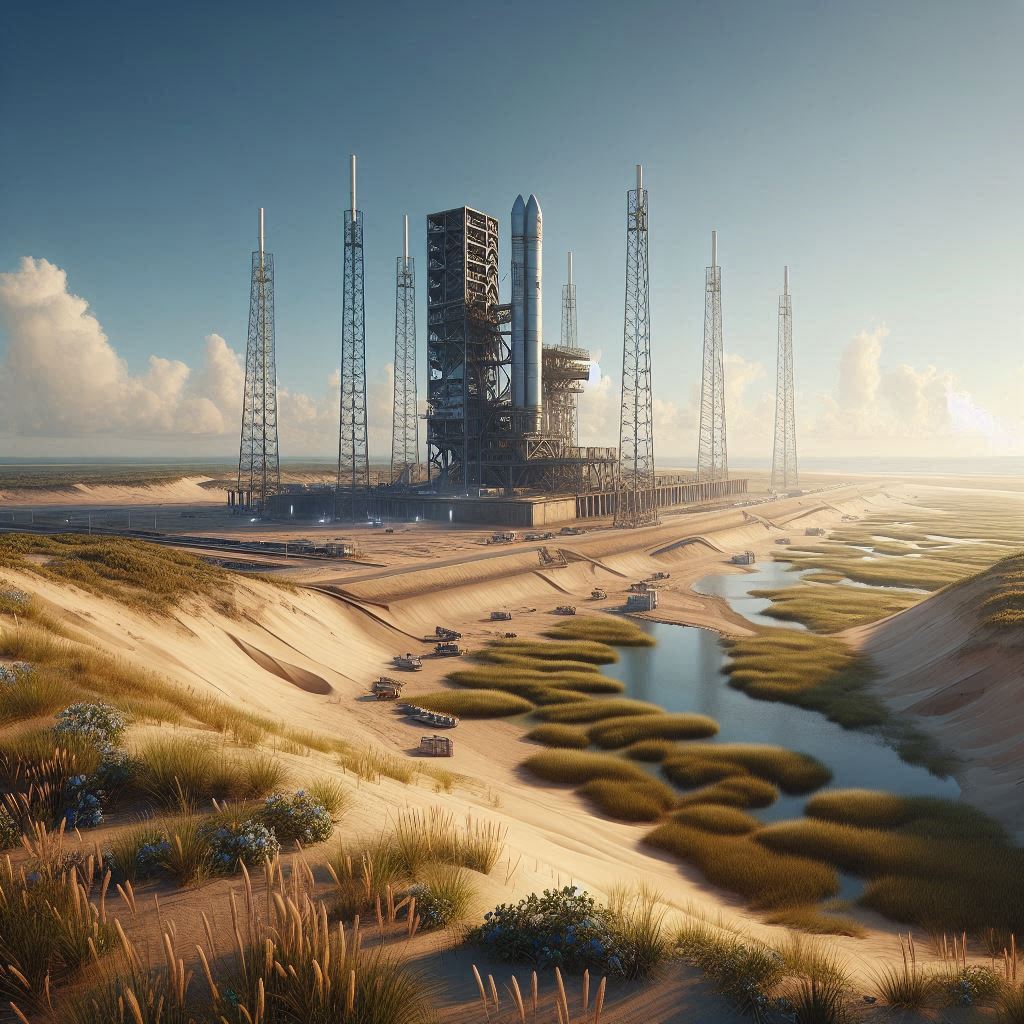
SpaceX's Starbase is set to double its operational footprint, indicating a long-term commitment to space exploration and economic growth in the region.
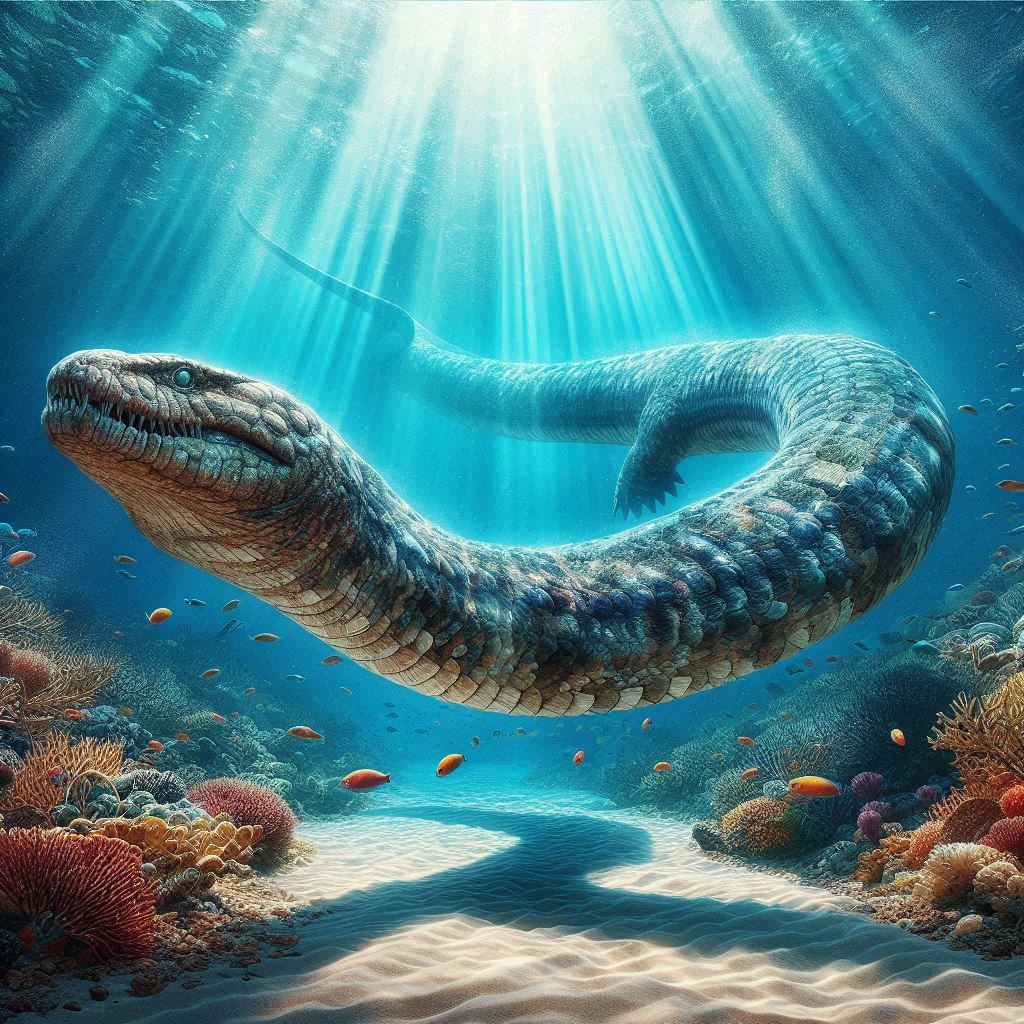
Discover Palaeophis colossaeus, the longest sea snake ever, revealing insights into prehistoric marine life and climate adaptation over 40 million years ago.
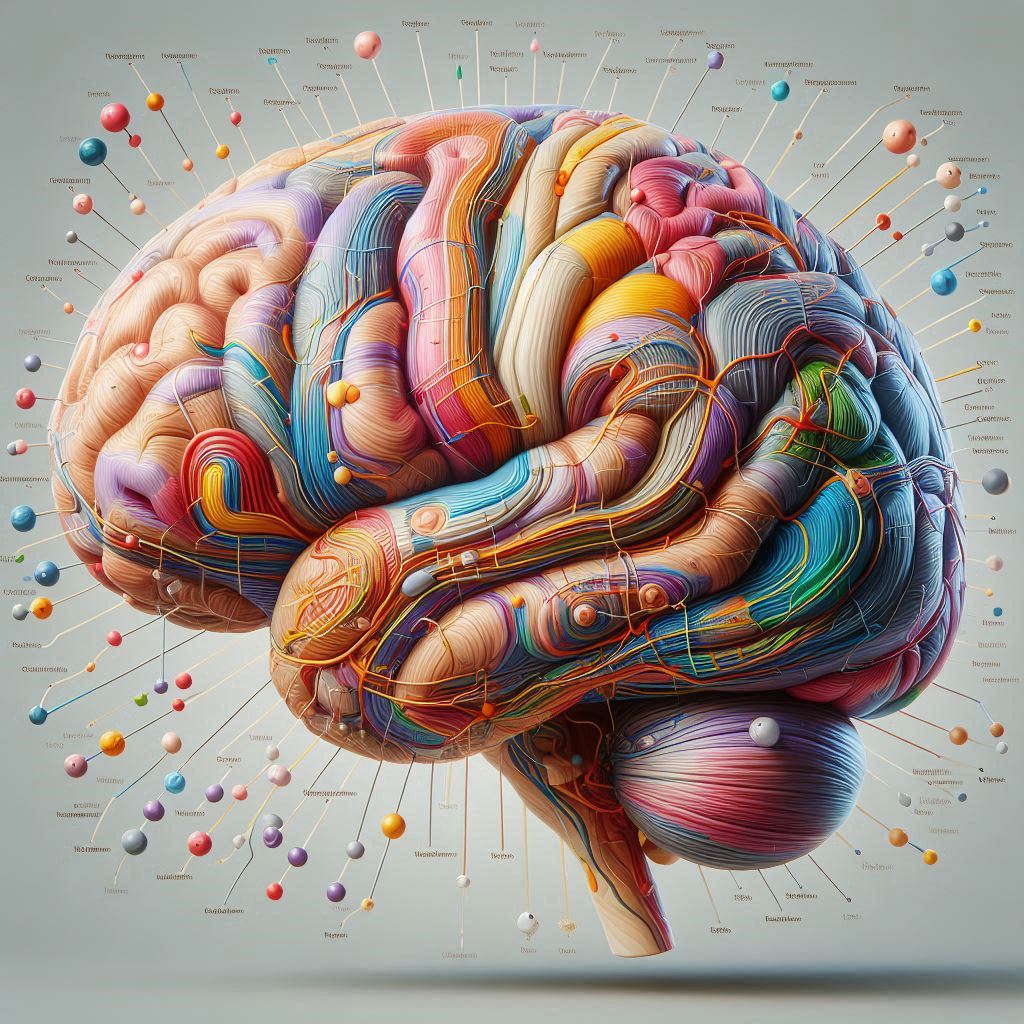
A new brain map offers insights into Parkinson's disease, revealing complex neural networks and potential for earlier diagnosis and personalized treatment.

Discover how astronauts aboard the ISS experience the Super Bowl, connecting with Earth through delayed broadcasts and shared traditions.
The Andromeda Galaxy is drifting toward the Milky Way due to gravitational forces, promising a cosmic collision in billions of years. Learn more about this event.
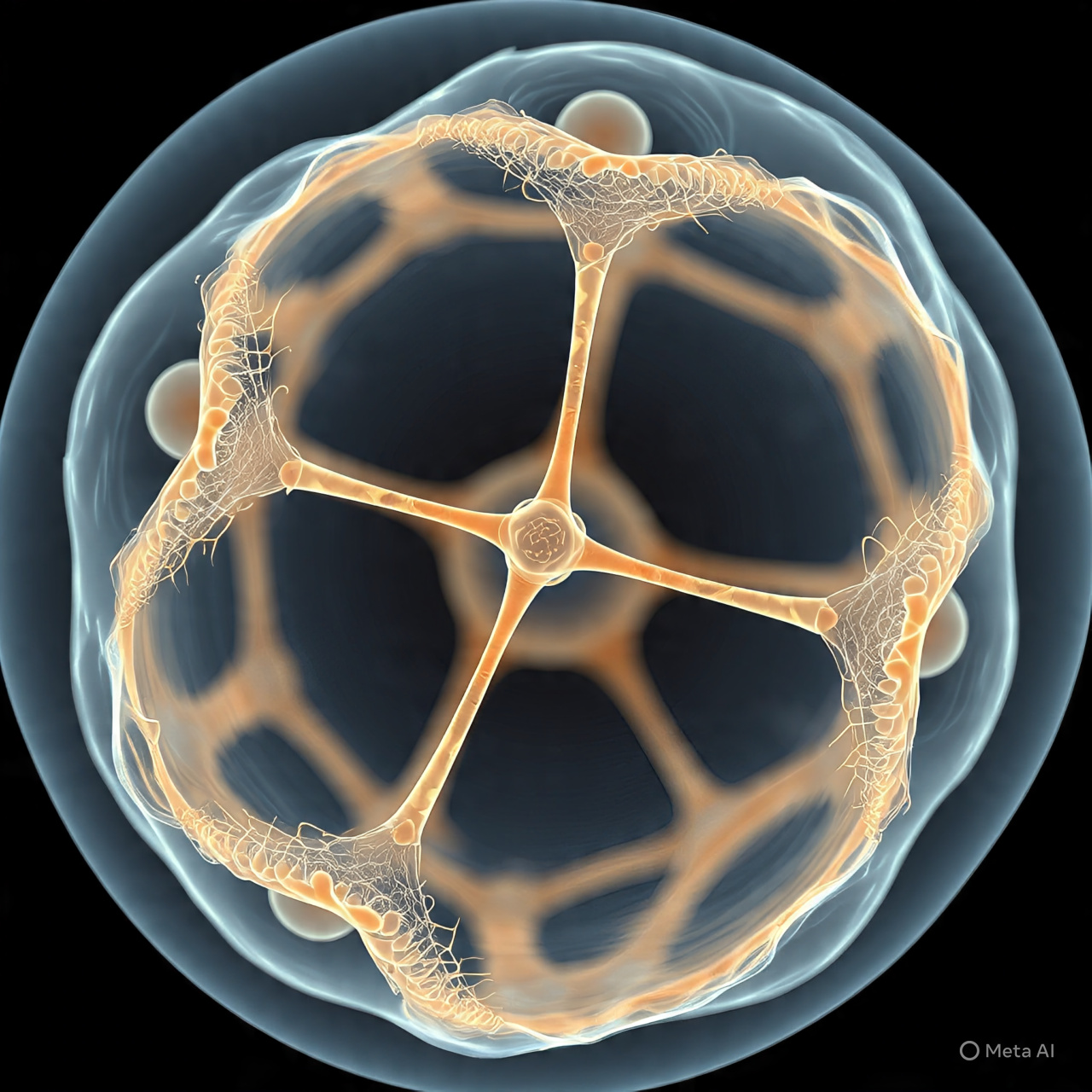
Explore how actin filaments and microtubules collaborate in the complex process of egg formation, showcasing nature's intricate cellular choreography.
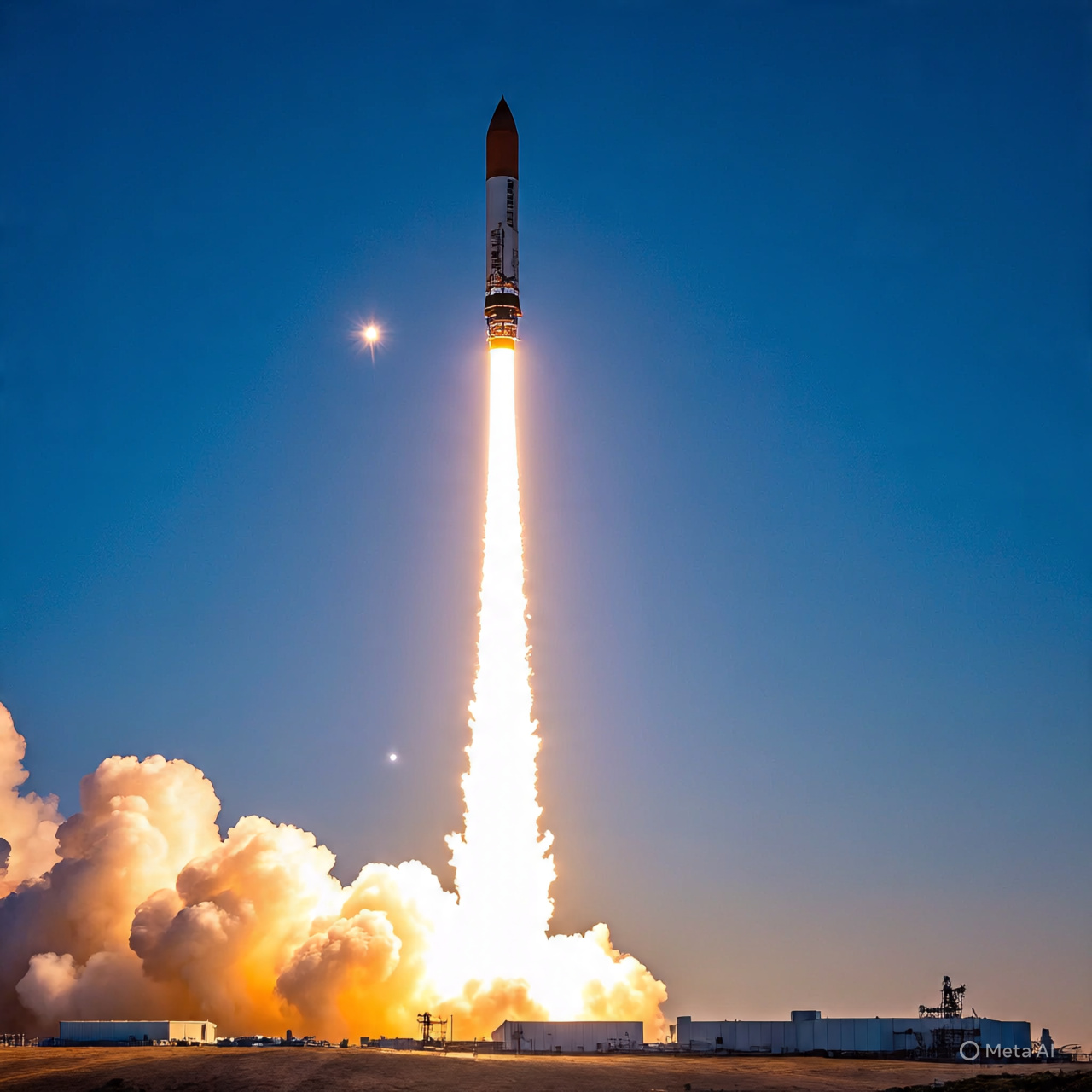
SpaceX resumes Falcon 9 launches, sending Starlink satellites into orbit to enhance global internet connectivity, especially in underserved regions.
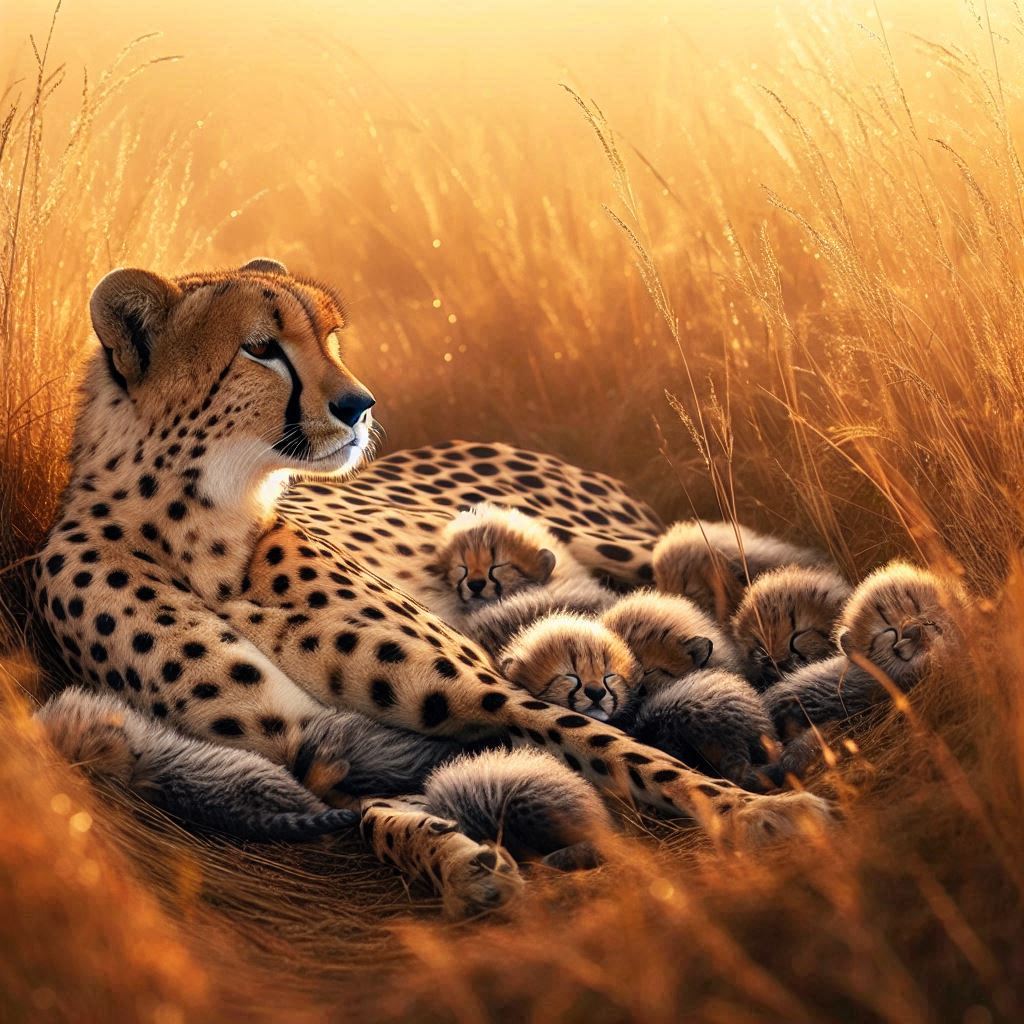
Aasha, a Namibian cheetah, gives birth to five cubs in Kuno National Park, marking a hopeful milestone in India's conservation efforts for the species.

This Saturday night, heightened geomagnetic activity may allow the northern lights to be visible across parts of the U.S., offering a rare celestial display.
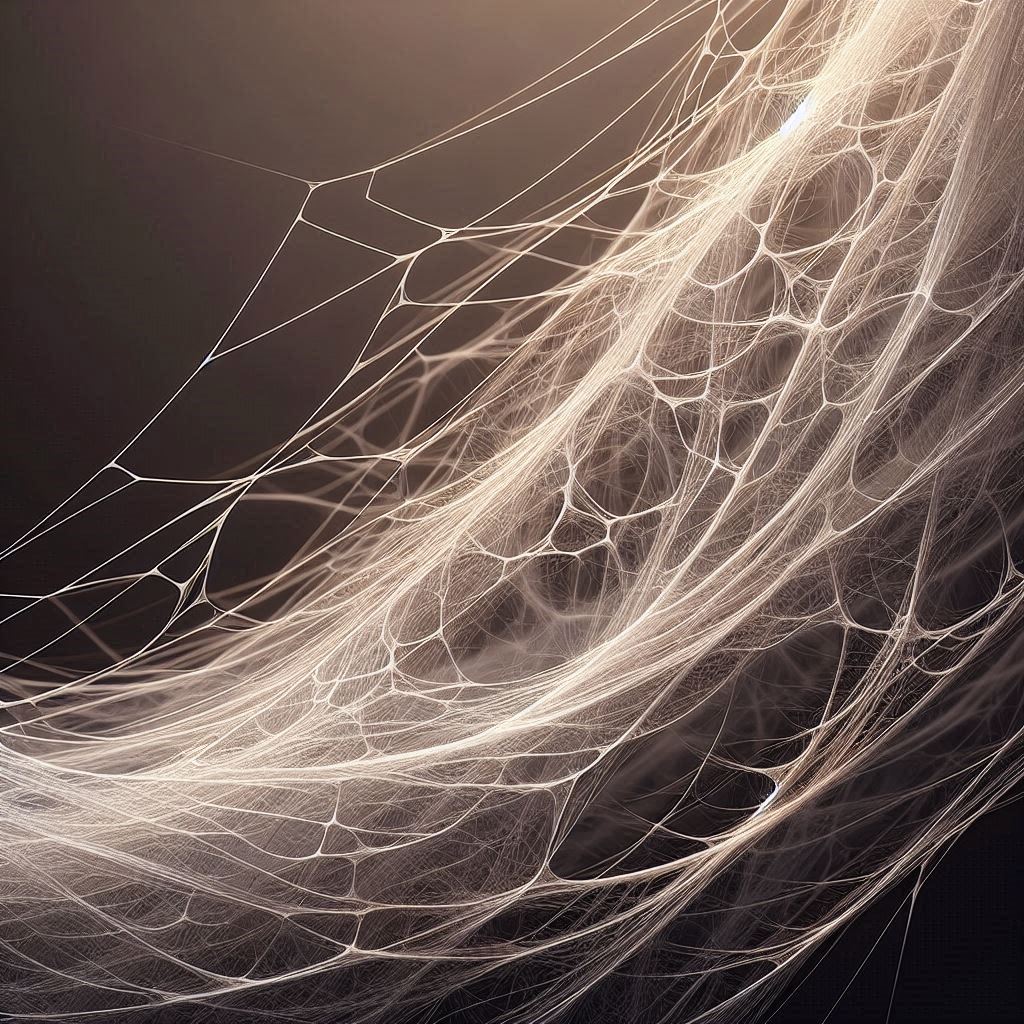
Discover the remarkable strength of spider silk, its molecular secrets, and potential applications in medicine and engineering. Learn how nature inspires innovation.
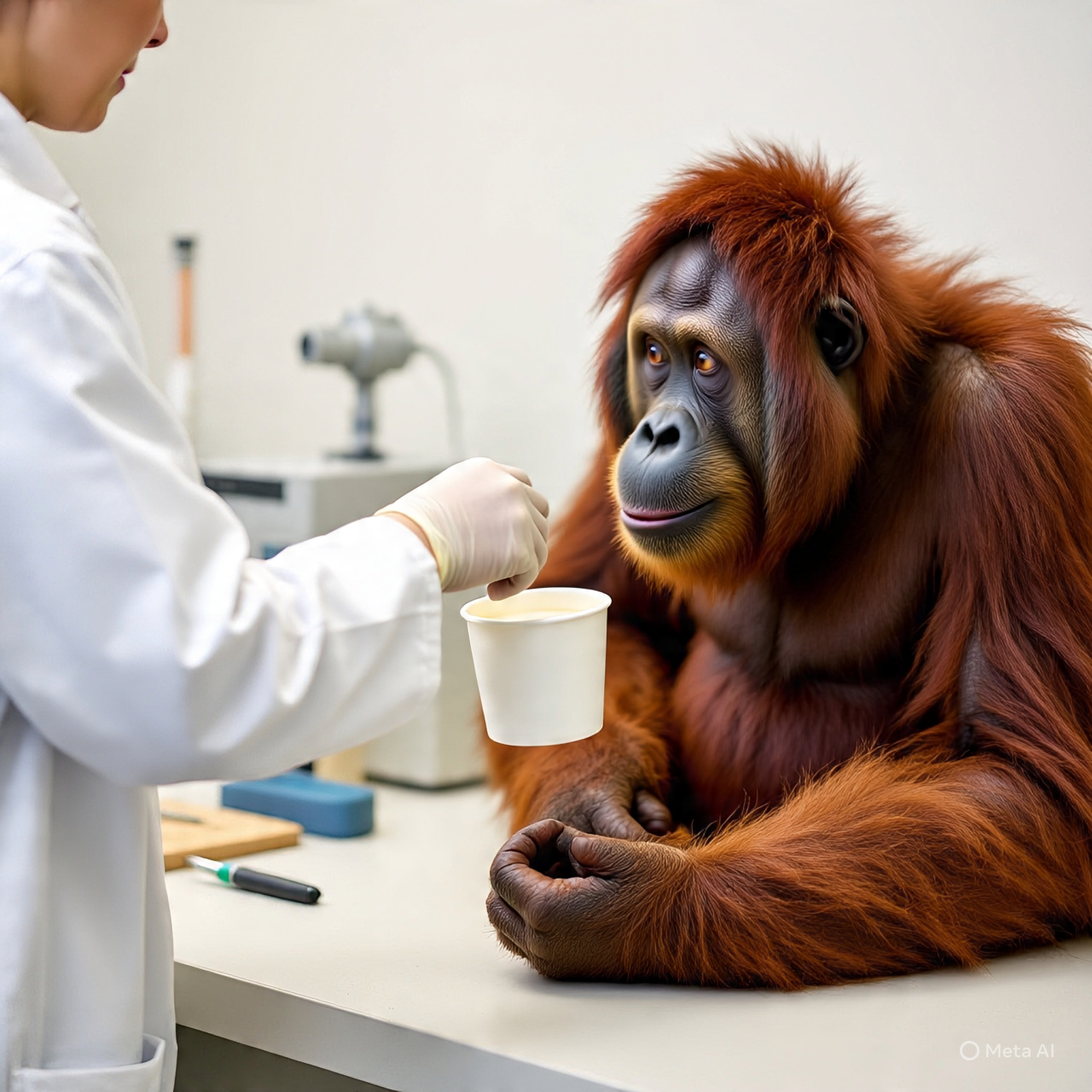
Researchers investigate whether apes can engage in pretend play, exploring implications for animal cognition and the evolutionary roots of imagination.

Researchers uncover how actin filaments and microtubules work together to shape and organize egg cells, impacting fertility and embryonic development.