
SCIENCE79% credibility
How Marine Viruses Sustain Ocean Ecosystems and Biodiversity
Explore the crucial role of marine viruses in regulating ocean ecosystems, nutrient cycling, and maintaining biodiversity in the deep sea.
3 min read

Explore the crucial role of marine viruses in regulating ocean ecosystems, nutrient cycling, and maintaining biodiversity in the deep sea.
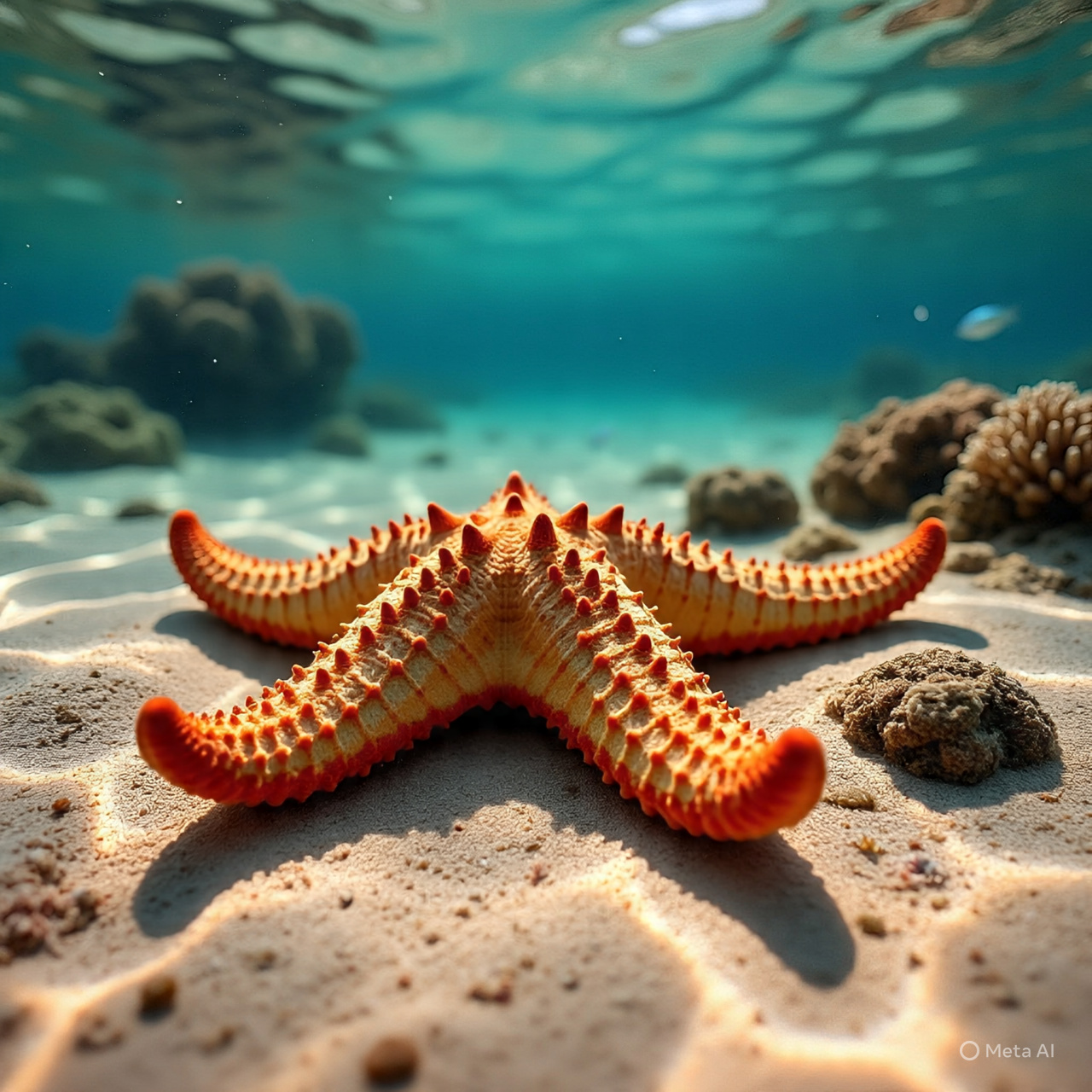
Discover how starfish coordinate movement and regenerate limbs without a brain, revealing a unique form of intelligence through decentralized nerve networks.
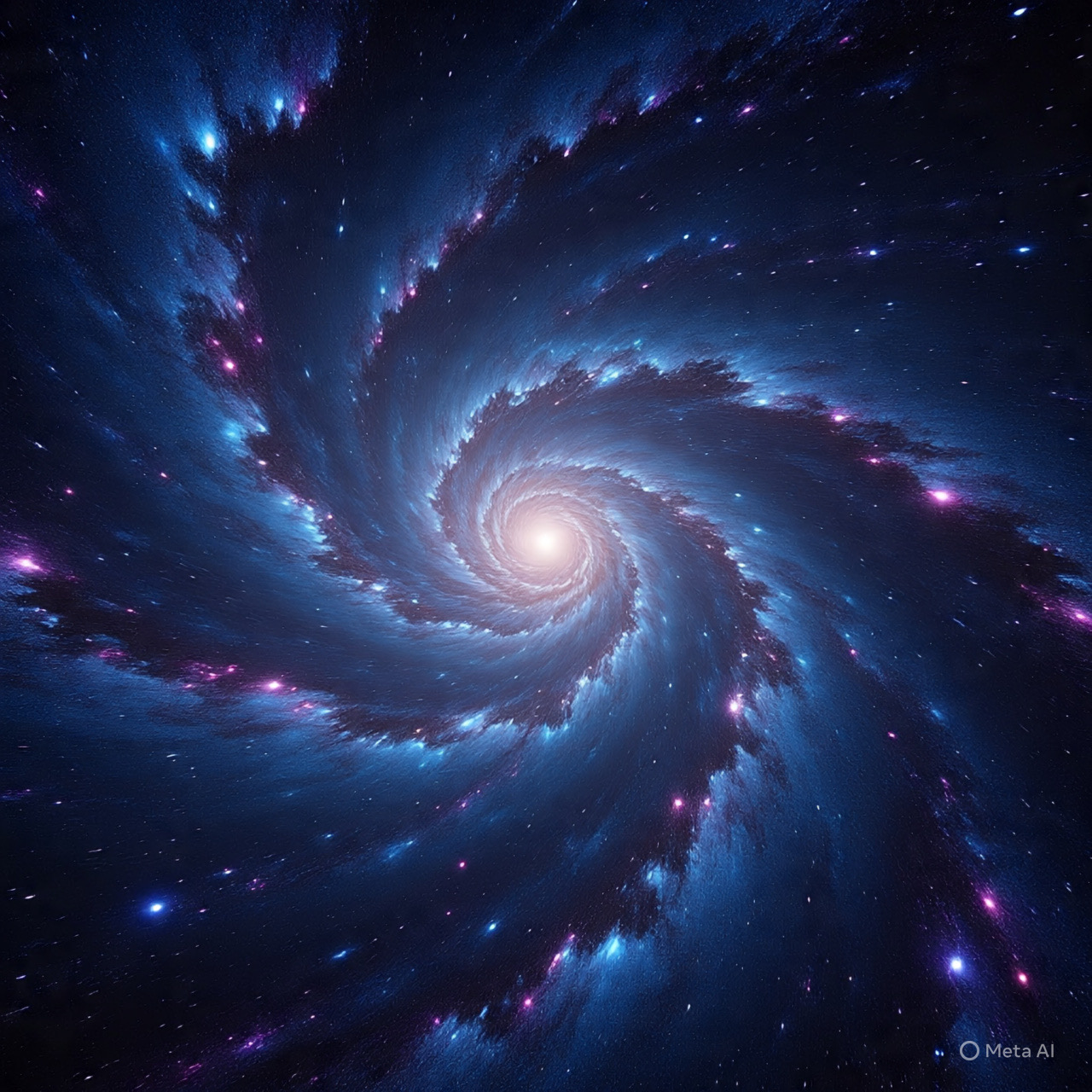
A bold scientific theory questions whether a traditional black hole truly dominates the Milky Way’s center, reopening debate about the nature of gravity and unseen cosmic objects.
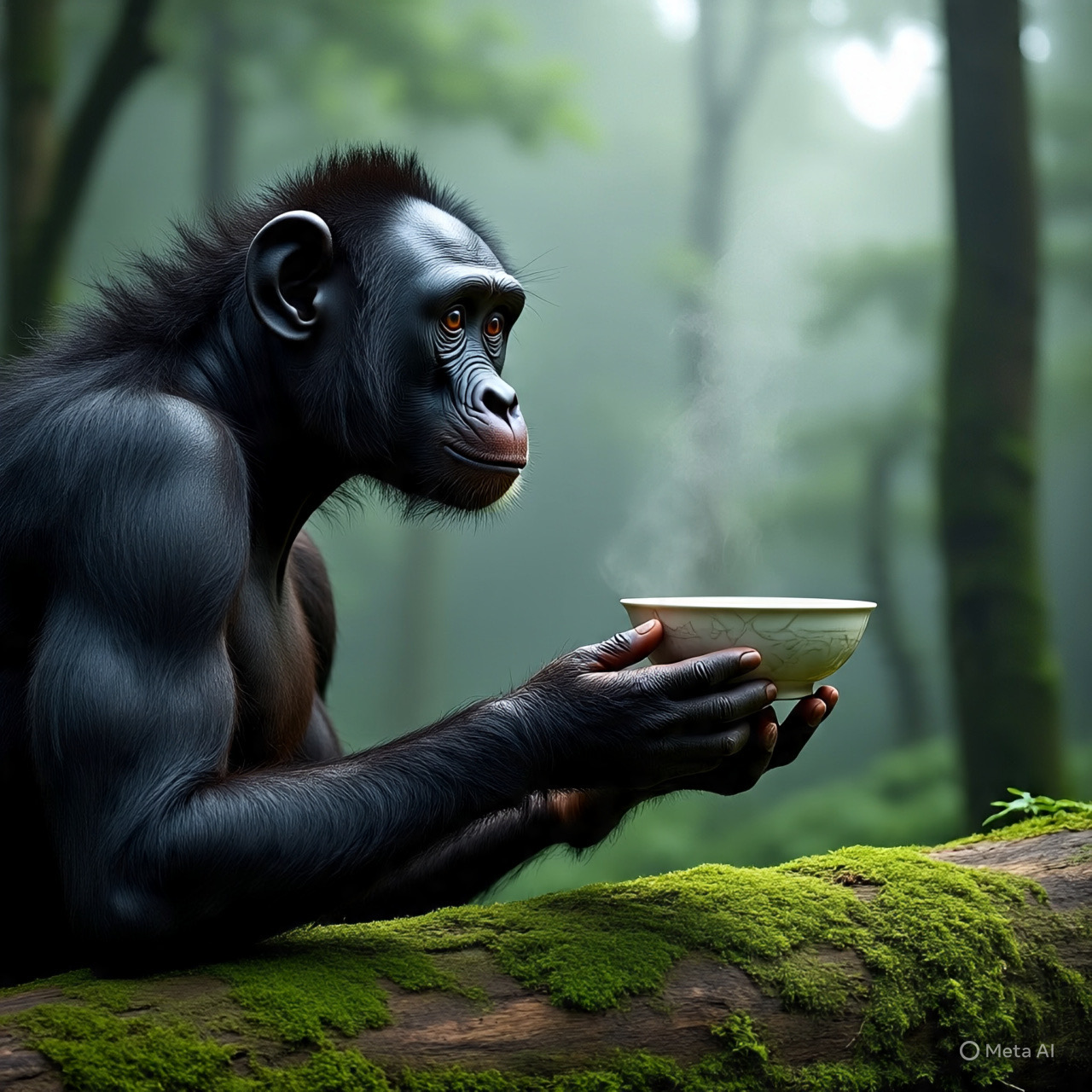
New research reveals that great apes possess the ability to engage in pretend play, suggesting deeper cognitive abilities and shared narratives with humans.

In Fukushima, resilient microbes thrive in abandoned spaces, showcasing nature's adaptability and offering insights for science and biotechnology.
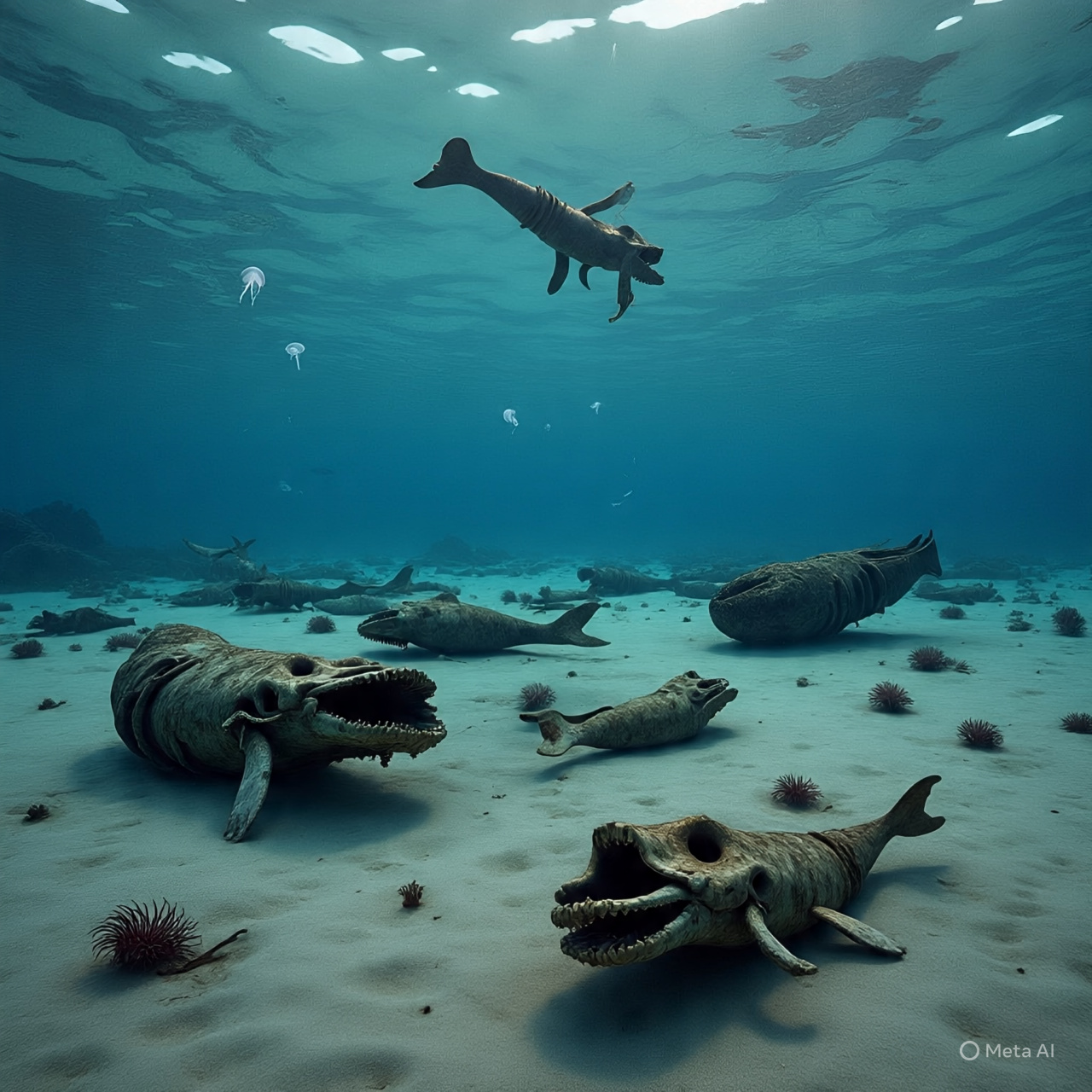
The disappearance of zombie worms from the ocean floor raises concerns about marine ecosystems and the impacts of climate change on deep-sea life.
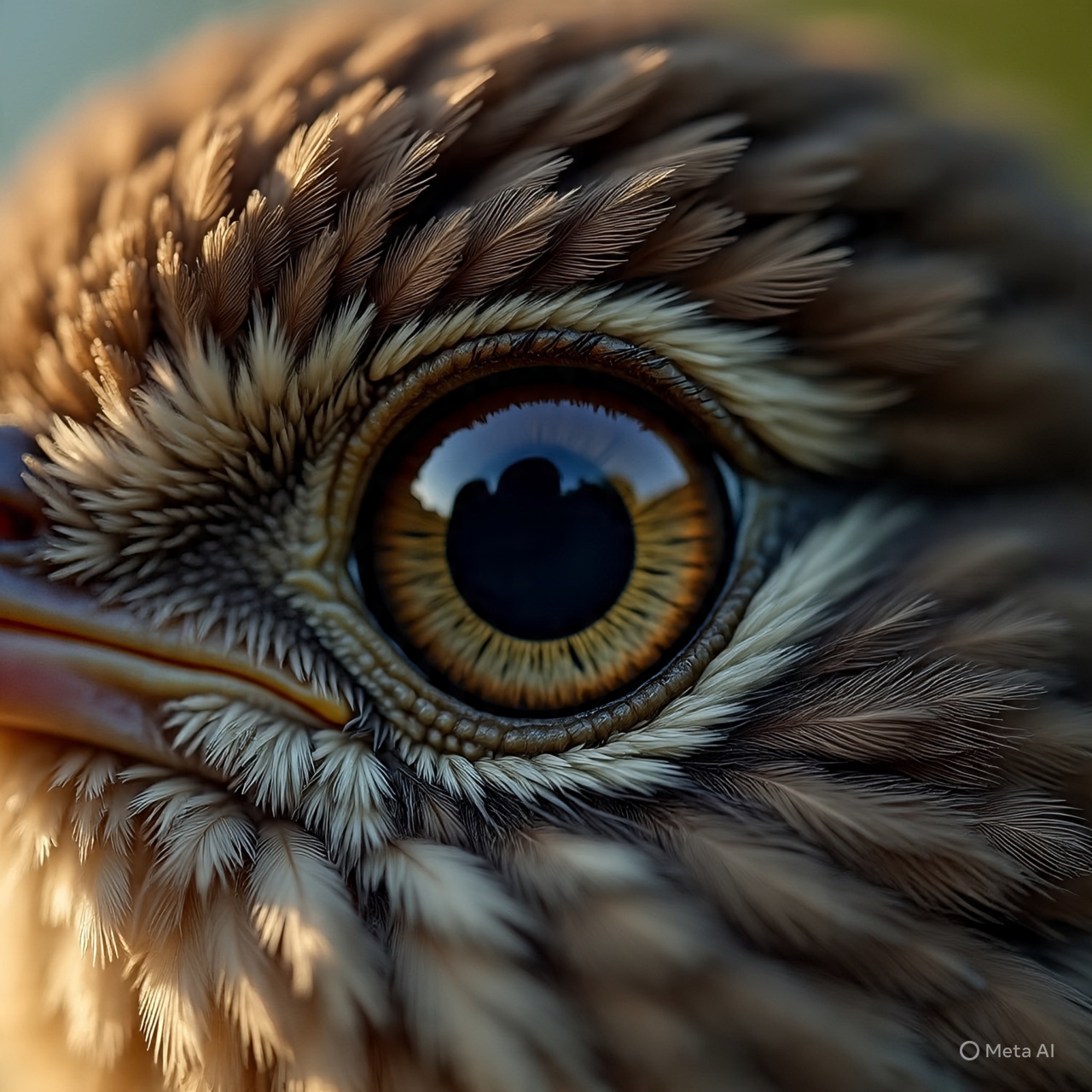
Scientists uncover a unique structure in bird eyes that enhances vision by minimizing blood cells, revealing nature's evolutionary ingenuity.
A giant virus discovered in a Japanese pond challenges our understanding of life's origins, hinting at evolutionary secrets hidden in its genome.

A rare Galapagos seabird has been spotted in California after a remarkable 3,000-mile journey, raising questions about wildlife migration patterns.
Discover how a unique fungus in Chernobyl adapts to radiation, converting gamma rays into energy and challenging our understanding of survival in extreme conditions.

A Russian missile strike on an animal shelter in Ukraine has resulted in numerous casualties among animals, prompting outrage from local officials and animal welfare advocates.

A groundbreaking study reveals a mother-daughter relationship in ancient remains, shedding light on genetic disorders and human compassion from 12,000 years ago.

A recent Welsh study highlights how wood burners increase indoor air pollution, affecting children's health and emphasizing the need for better ventilation.
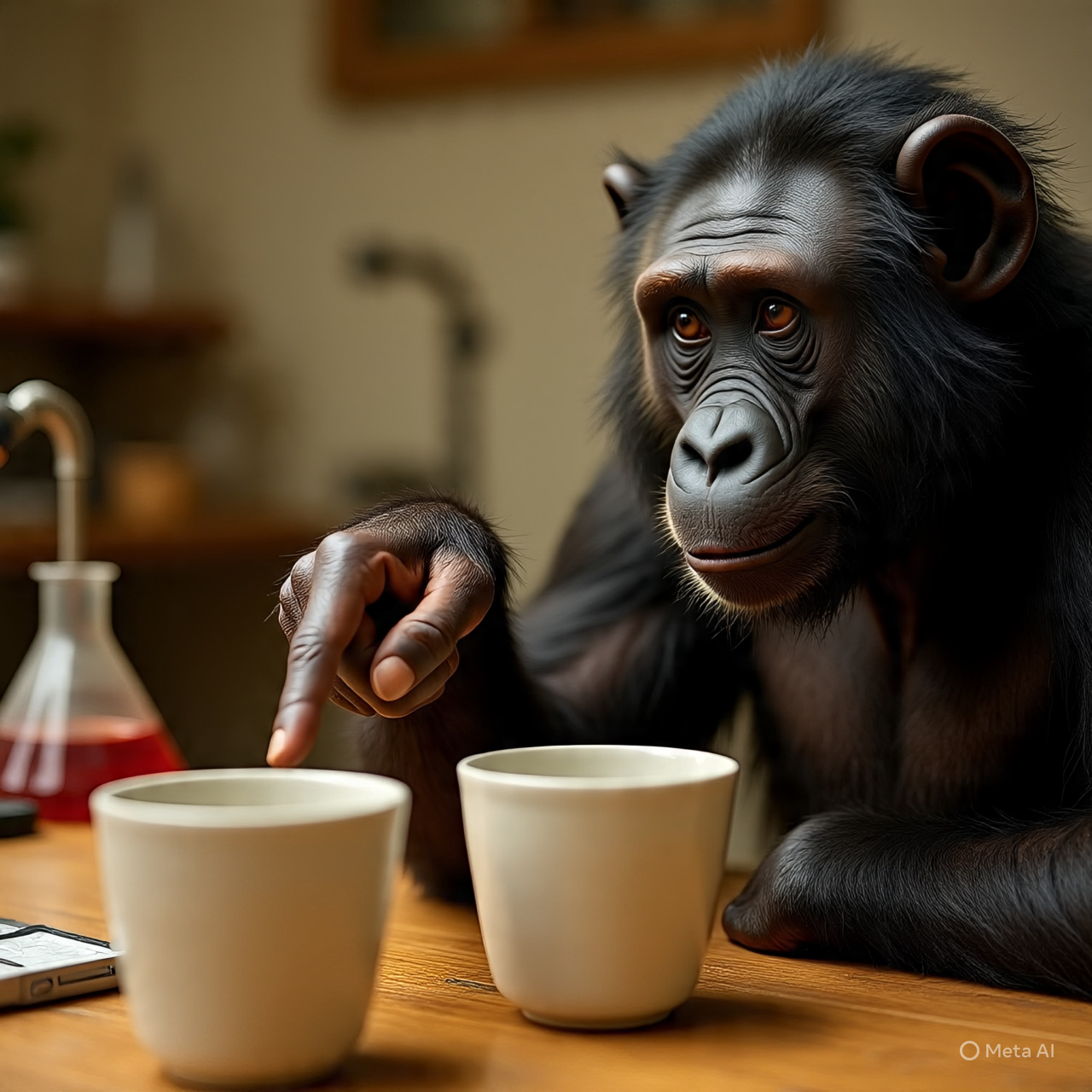
New research investigates whether bonobos can engage in imaginative play, challenging our understanding of cognition in non-human species.
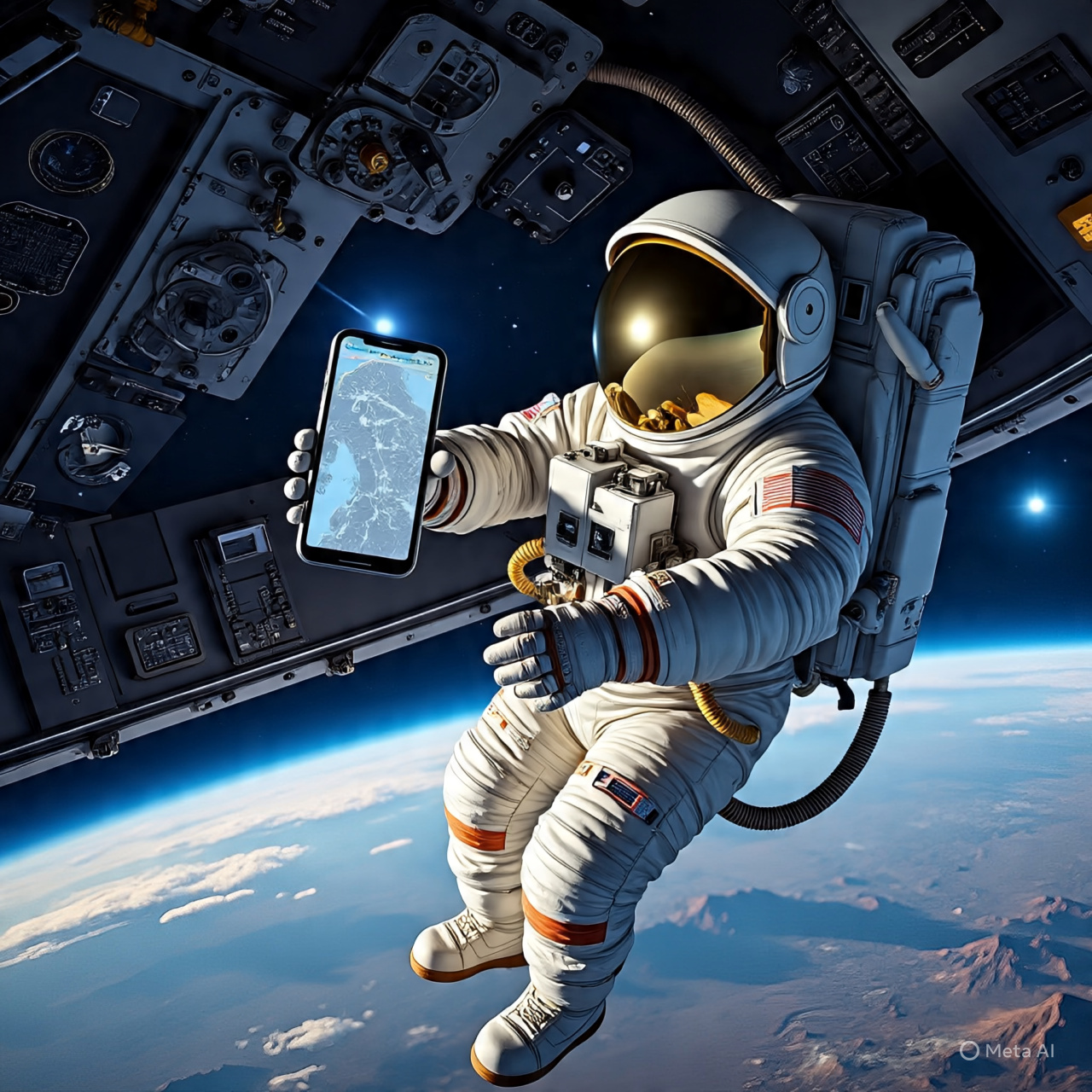
NASA allows astronauts to use smartphones on missions, enhancing documentation of space exploration. Discover how this shift impacts future journeys.
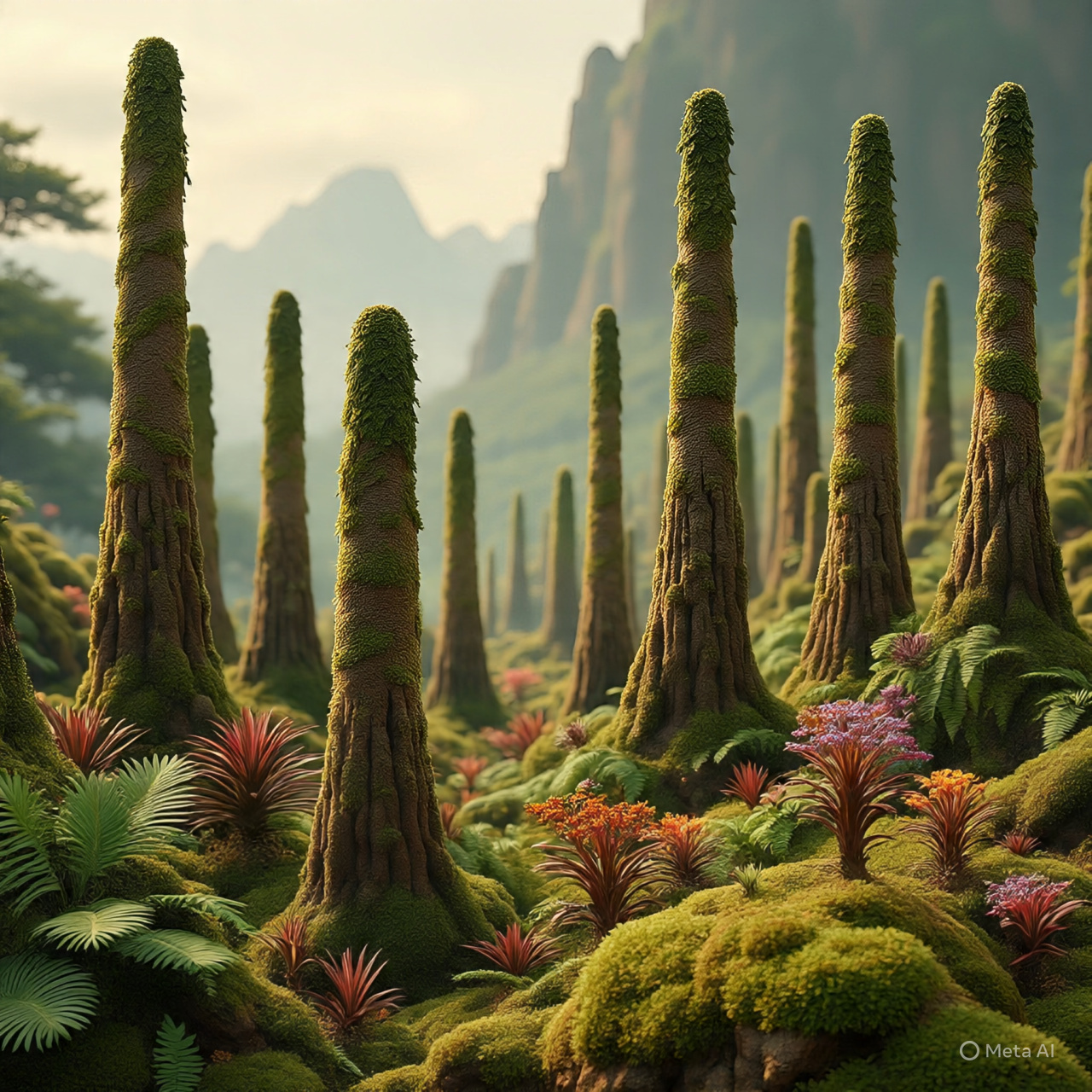
Discover Prototaxites, a towering prehistoric organism that challenges our understanding of early life on Earth and its role in ancient ecosystems.
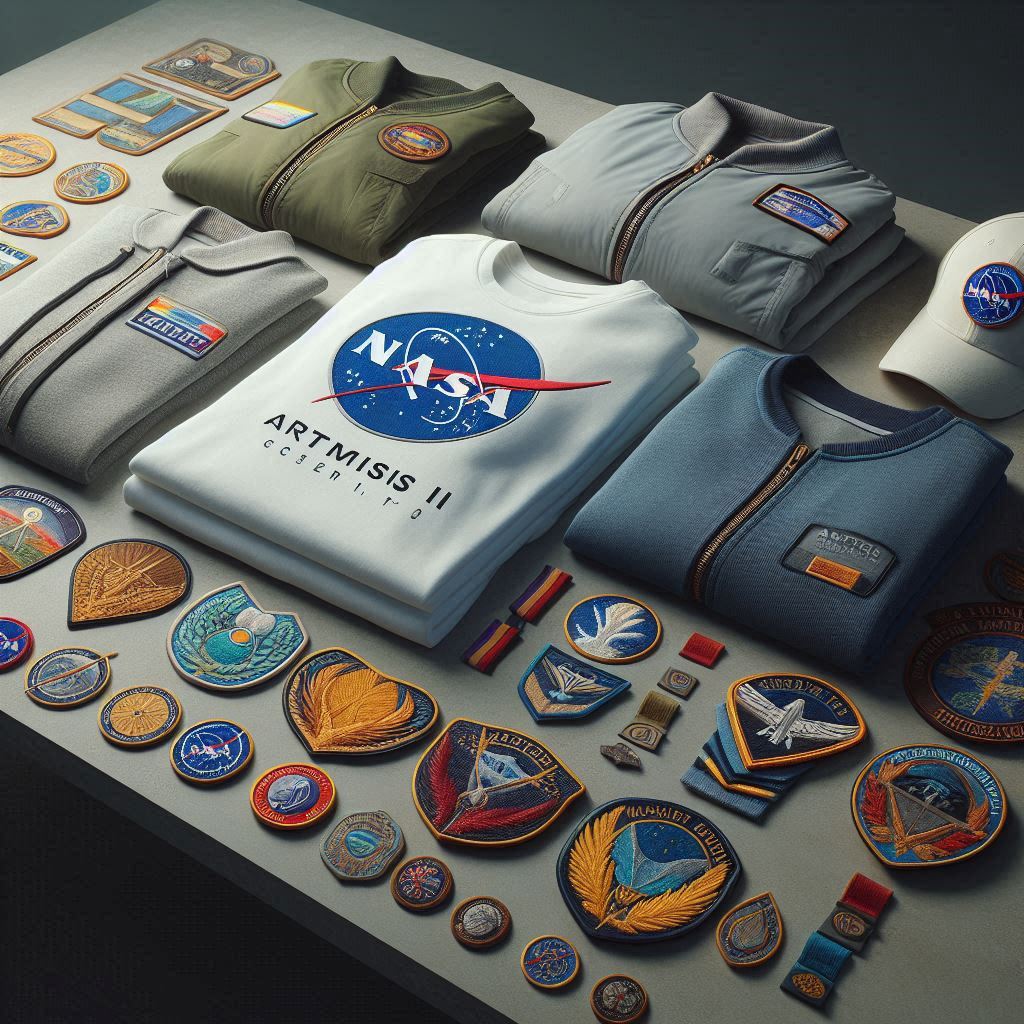
Explore how Artemis II gear embodies human hope and engineering, connecting us to the Moon through thoughtful design and symbolism.

Discover how ancient Scottish rocks provide insights into climate cycles during Snowball Earth, revealing a dynamic planet beneath the ice.

A newly discovered comet raises questions about its potential visibility in daylight. Astronomers monitor its brightness and trajectory for updates.

A heightened alert for the Northern Lights suggests they may be visible in 21 U.S. states this week, offering a rare celestial spectacle.
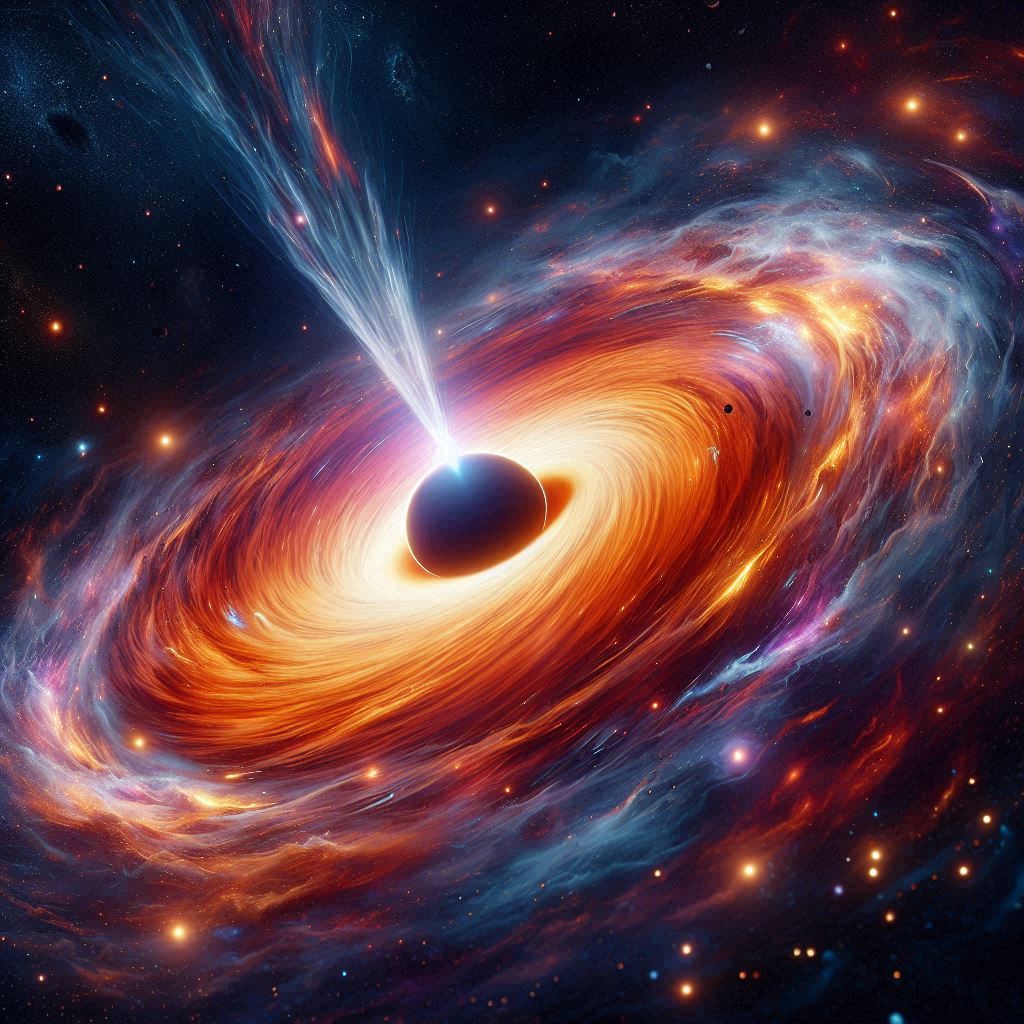
A newly detected high-energy neutrino raises questions about black holes and cosmic phenomena, challenging existing astrophysical theories.

A burial pit over 1,100 years old has been discovered near Wandlebury Country Park, revealing skeletons with signs of violence, shedding light on early medieval life.
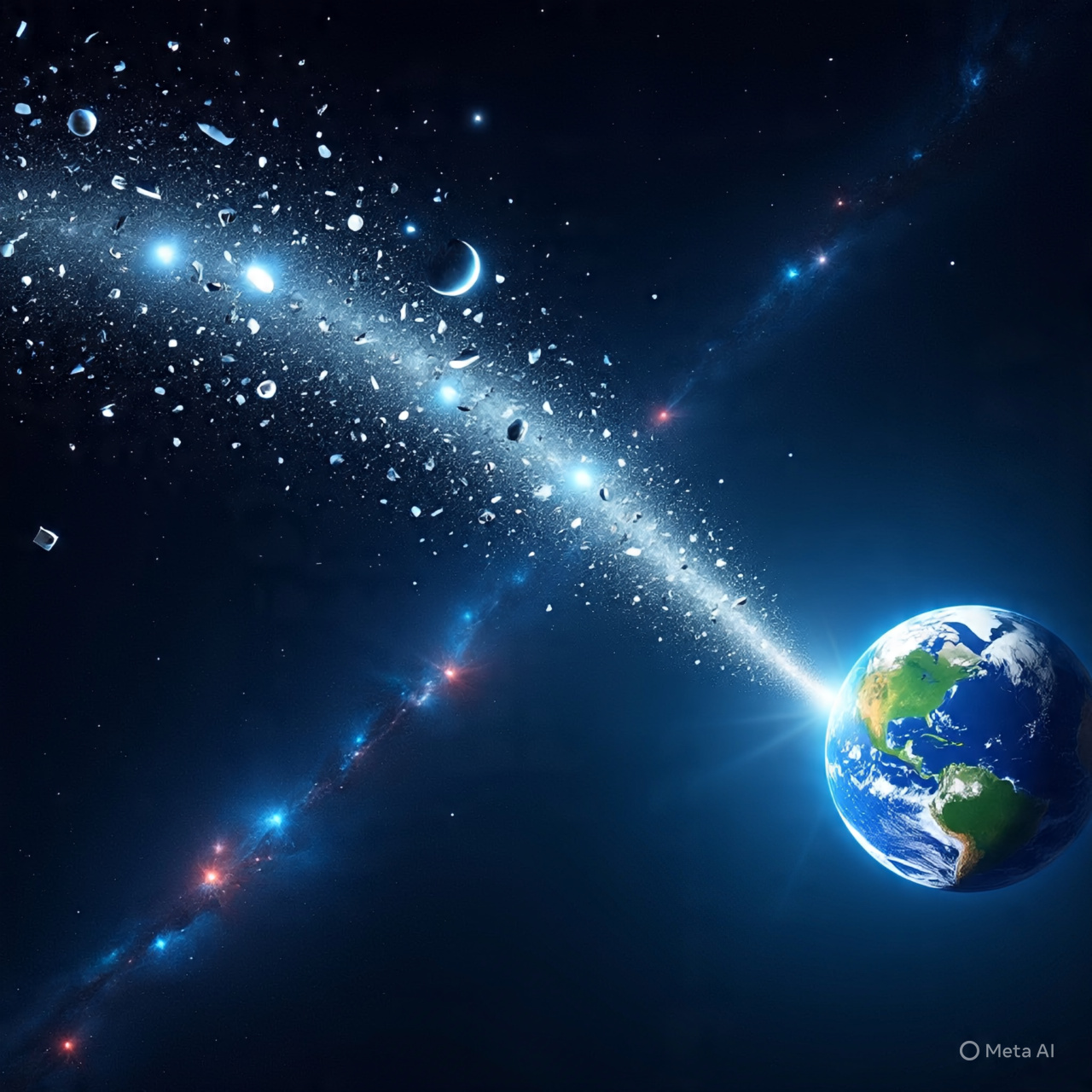
In 2032, an asteroid may impact the Moon, potentially sending debris into orbit and creating stunning meteor showers visible from Earth.

Scientists discover a tiny antibody that targets a hidden vulnerability in the coronavirus, paving the way for new treatments against COVID-19 and other viruses.