New Research Reveals Surprising Insights About Famous Dinosaur
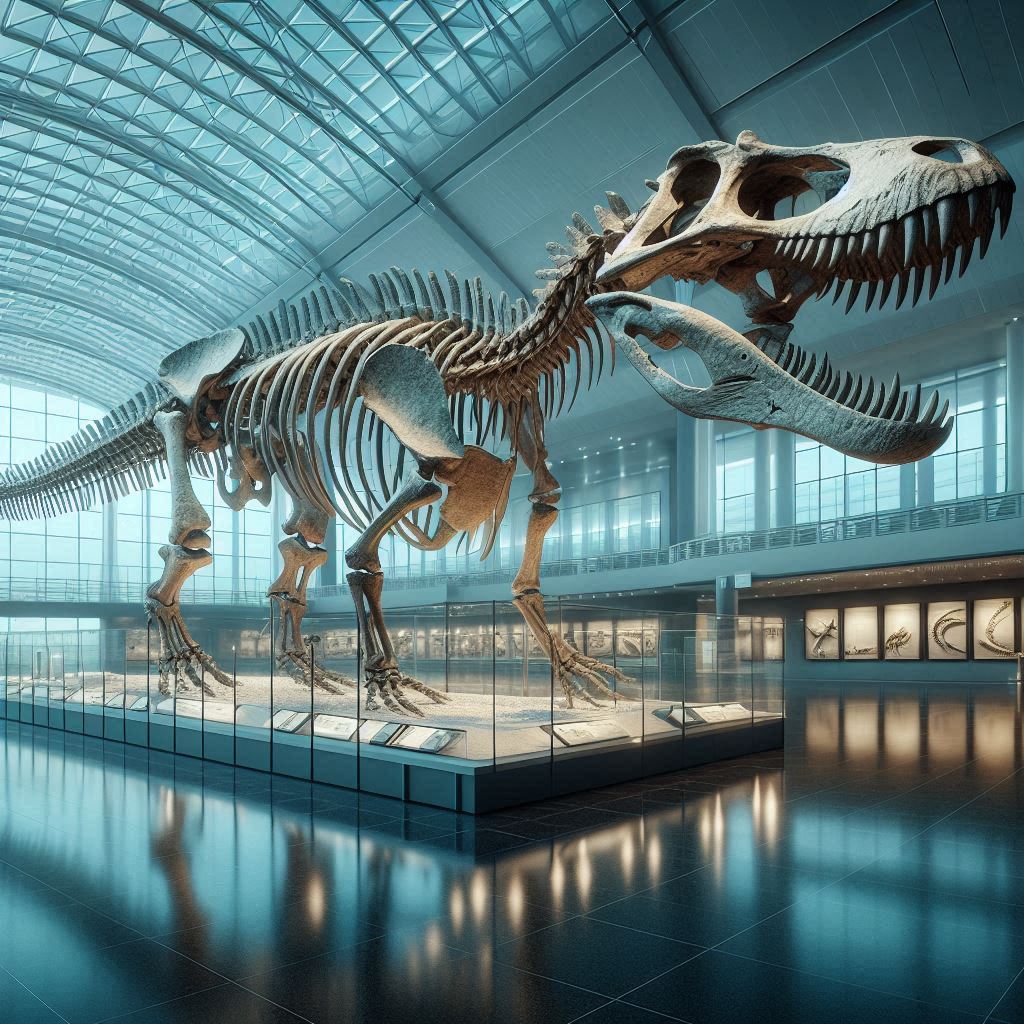
Recent studies reveal that the world's most famous dinosaur may have lived longer and adapted more than previously thought, reshaping our understanding of its life.

Recent studies reveal that the world's most famous dinosaur may have lived longer and adapted more than previously thought, reshaping our understanding of its life.

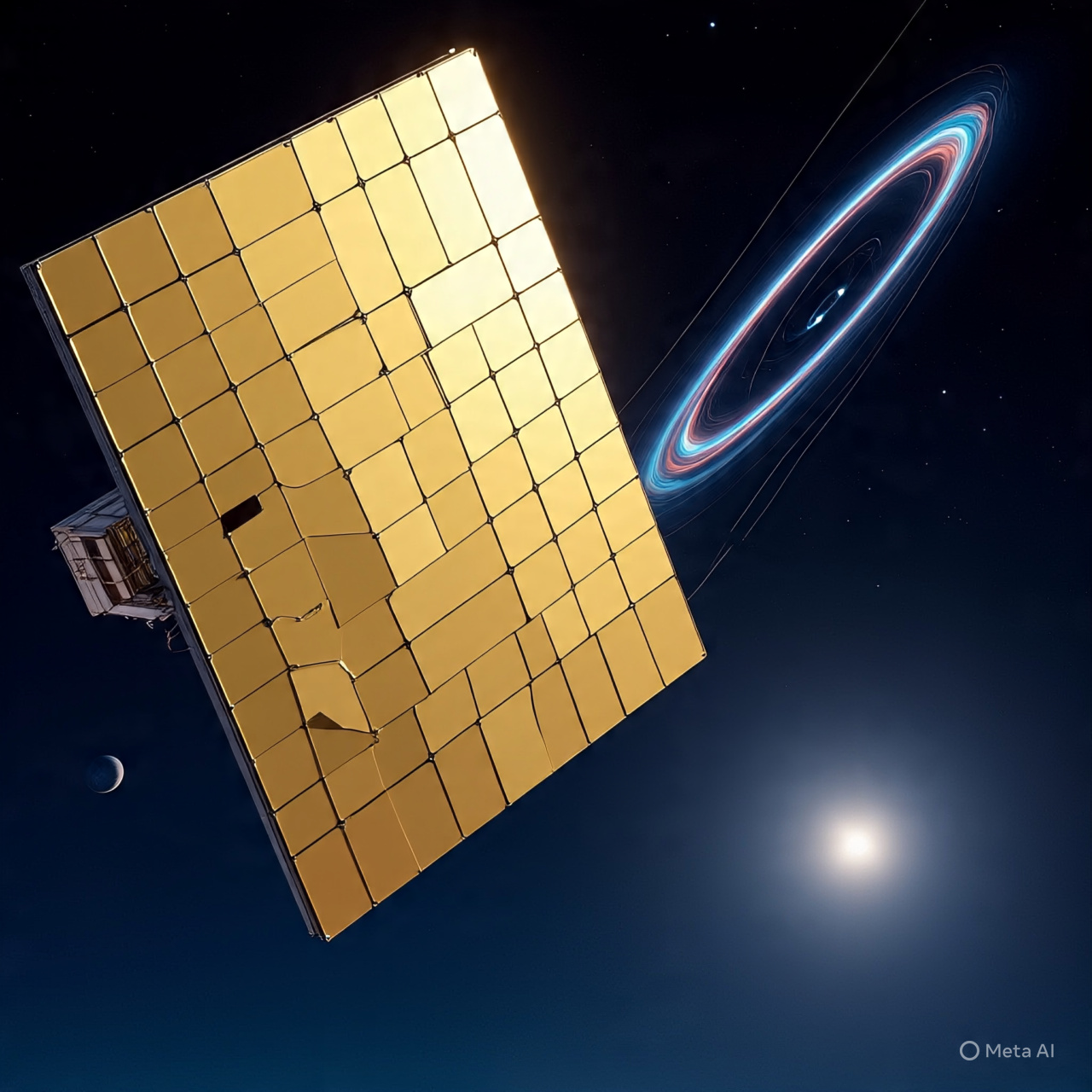
Discover how the James Webb Space Telescope unveils the universe's hidden cosmic web, revealing the intricate structures of dark matter shaping galaxies.

Research shows young bald eagles in Wisconsin carry traces of PFAS, highlighting environmental changes and pollution in river ecosystems.

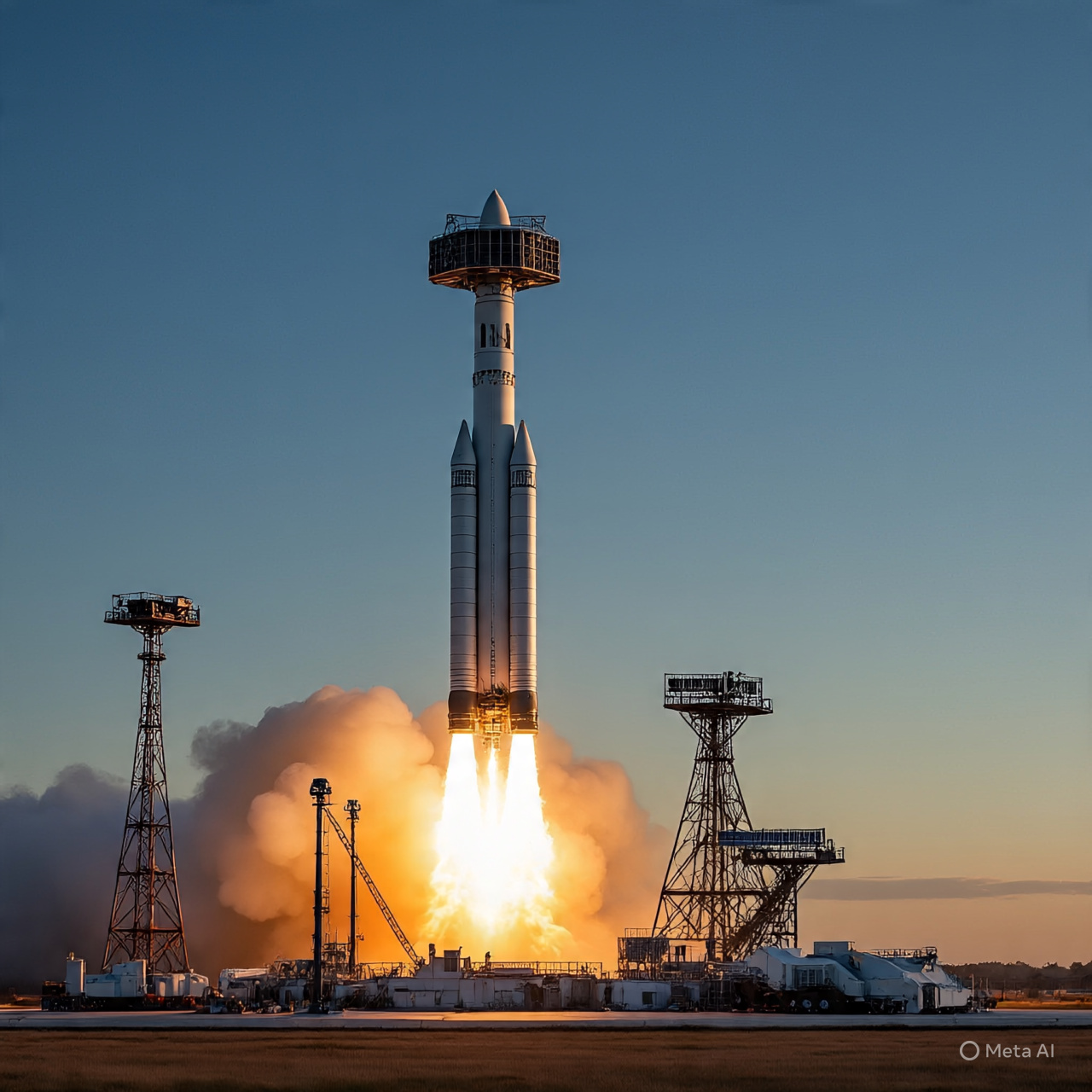
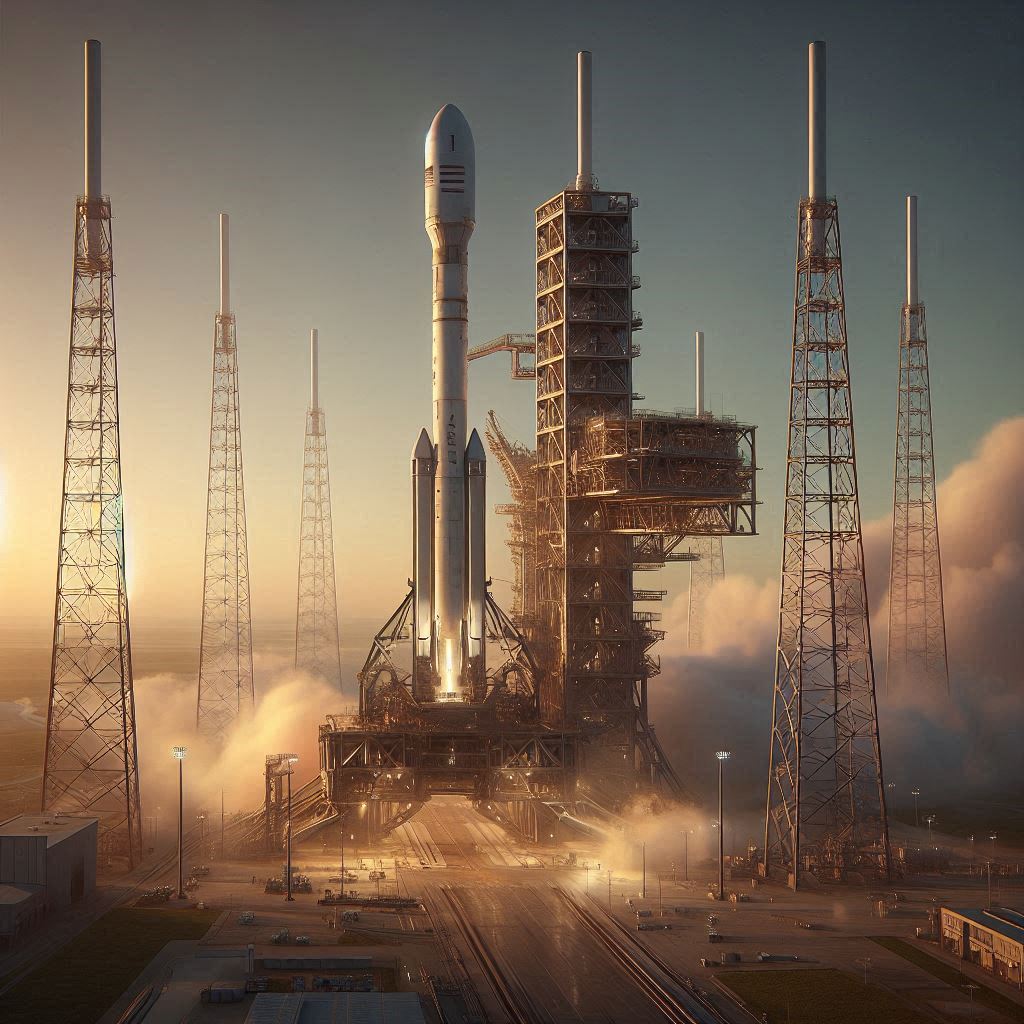
SpaceX's Crew-12 mission, launching on February 11, will send four astronauts to the ISS, restoring its crew for a nine-month science mission.

New images from the James Webb Space Telescope unveil the cosmic web, revealing how galaxies are interconnected by dark matter and gas filaments.

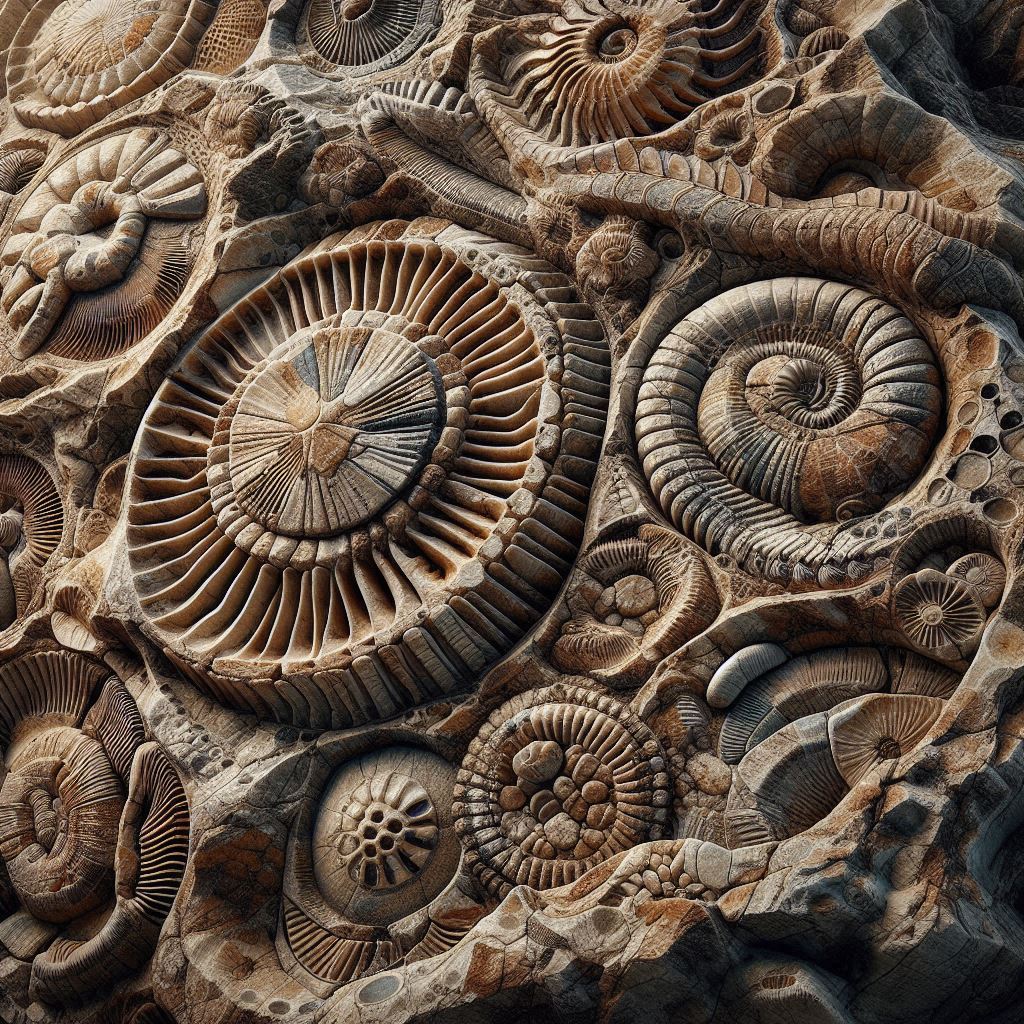
A recent discovery in 500-million-year-old fossils sheds light on early life’s role in Earth's carbon cycle, enhancing our understanding of climate stability.

SpaceX's Falcon 9 rocket is set to launch NASA's Crew-12 mission to the ISS on February 11, marking a significant moment in space exploration.

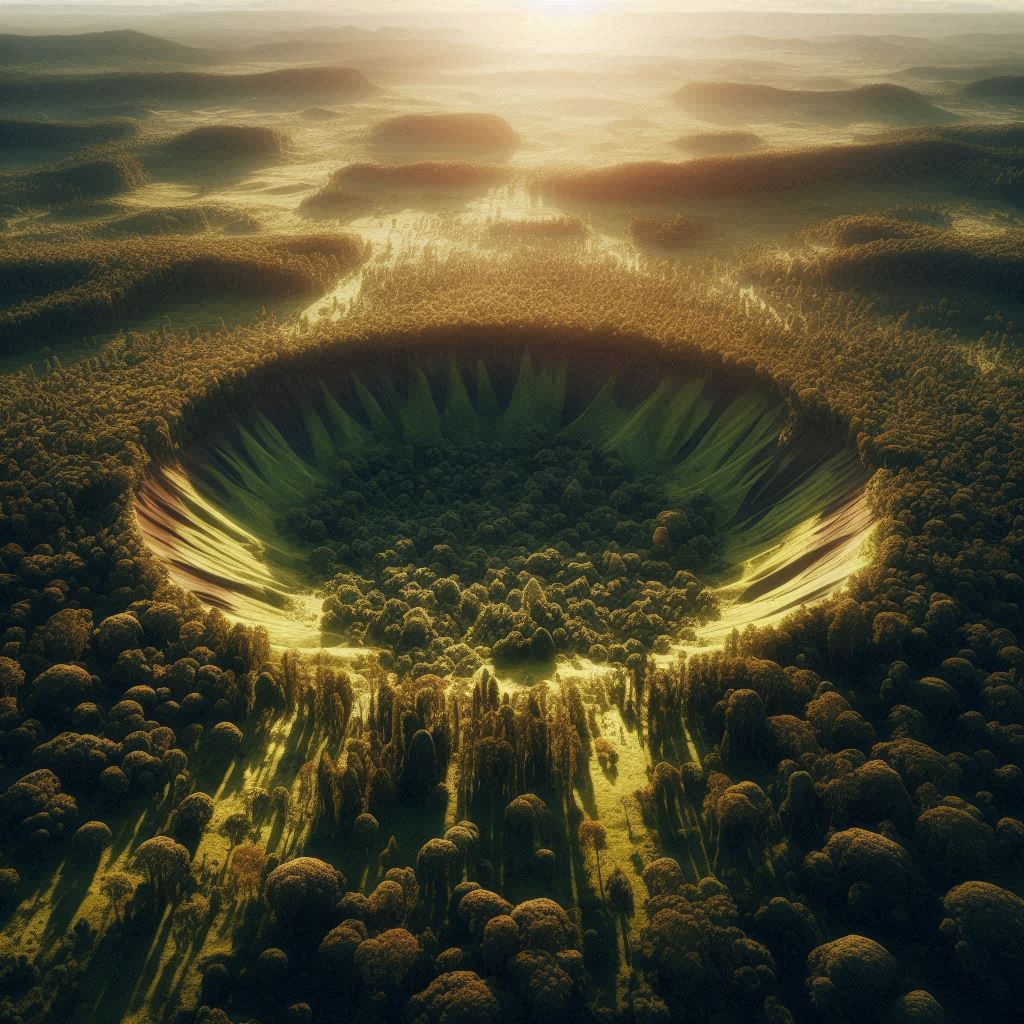
A geological phenomenon in Aceh Tengah reveals piping erosion, not a sinkhole. Experts assess the impact and safety measures for local residents.

Funding cuts in the UK are reshaping scientific research, impacting young scientists and innovation. The future of discovery hangs in the balance.

As funding cuts loom, UK scientists face uncertainty about the future of research, impacting innovation and long-term projects across various fields.

Discover how forest soils play a crucial role in carbon cycling and methane absorption, highlighting their importance in climate regulation and ecosystem health.

Explore the geological processes that lead to gold formation in the Tianshan Mountains, revealing Earth's hidden treasures over millions of years.

Discover how half-billion-year-old fossils reveal insights into Earth's carbon cycle, transforming our understanding of ancient ecosystems and climate change.

New gravitational wave detection reveals the merging of black holes, offering insights into cosmic events that shape galaxies and the universe.

The James Webb Space Telescope uncovers complex organic molecules in a distant galaxy, challenging our understanding of life's building blocks in extreme environments.

Funding cuts are impacting British science, causing uncertainty for researchers and threatening the UK's competitive edge in key scientific fields.

Explore how bacteria persist in food production despite rigorous cleaning, revealing challenges for food safety and hygiene practices in industrial settings.

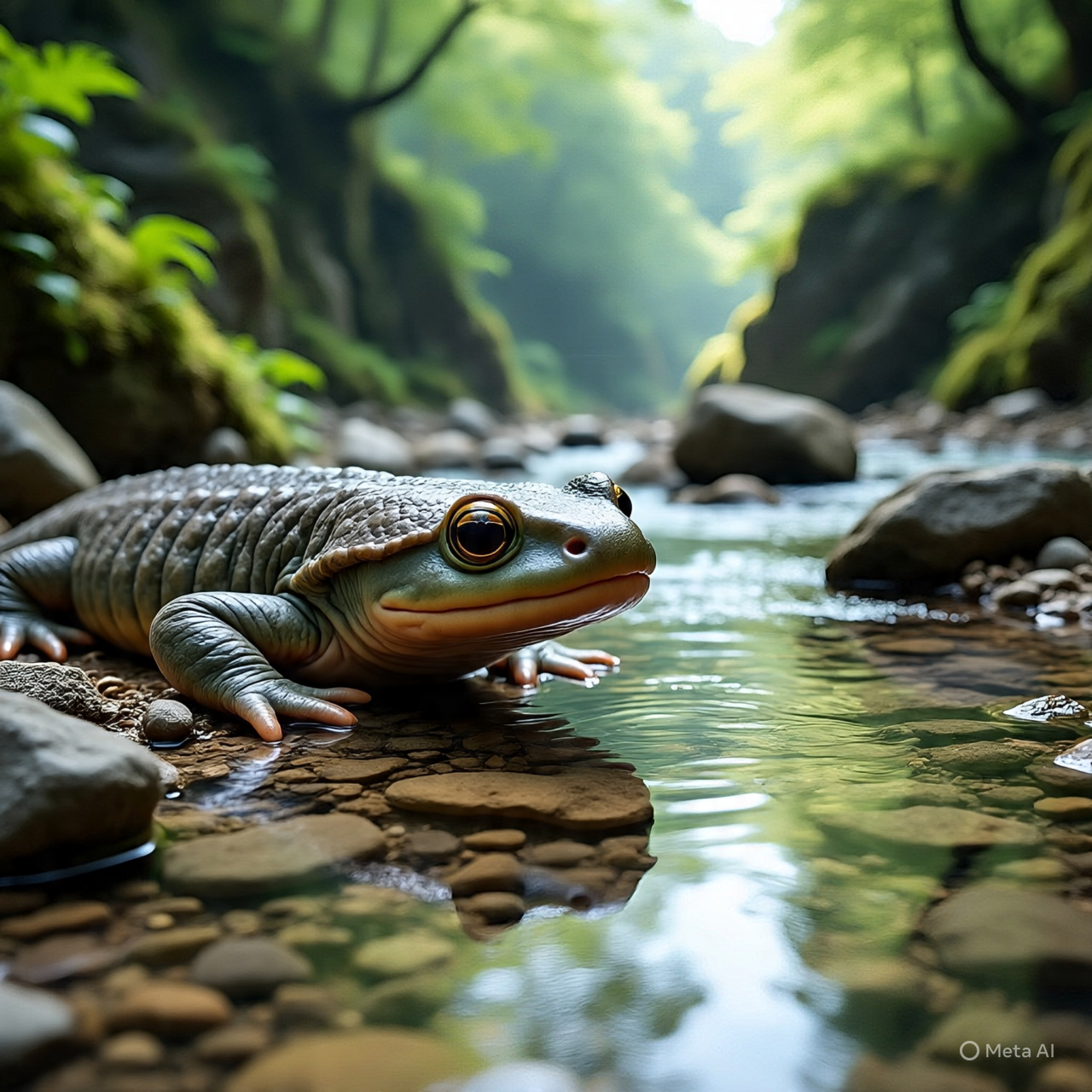
New research reveals how the Japanese giant salamander's growth alters its diet, shifting it from opportunistic feeding to a superpredator role.

New research reveals how ancient bird migration routes can be traced through plant diversity, highlighting ecological connections across time and geography.

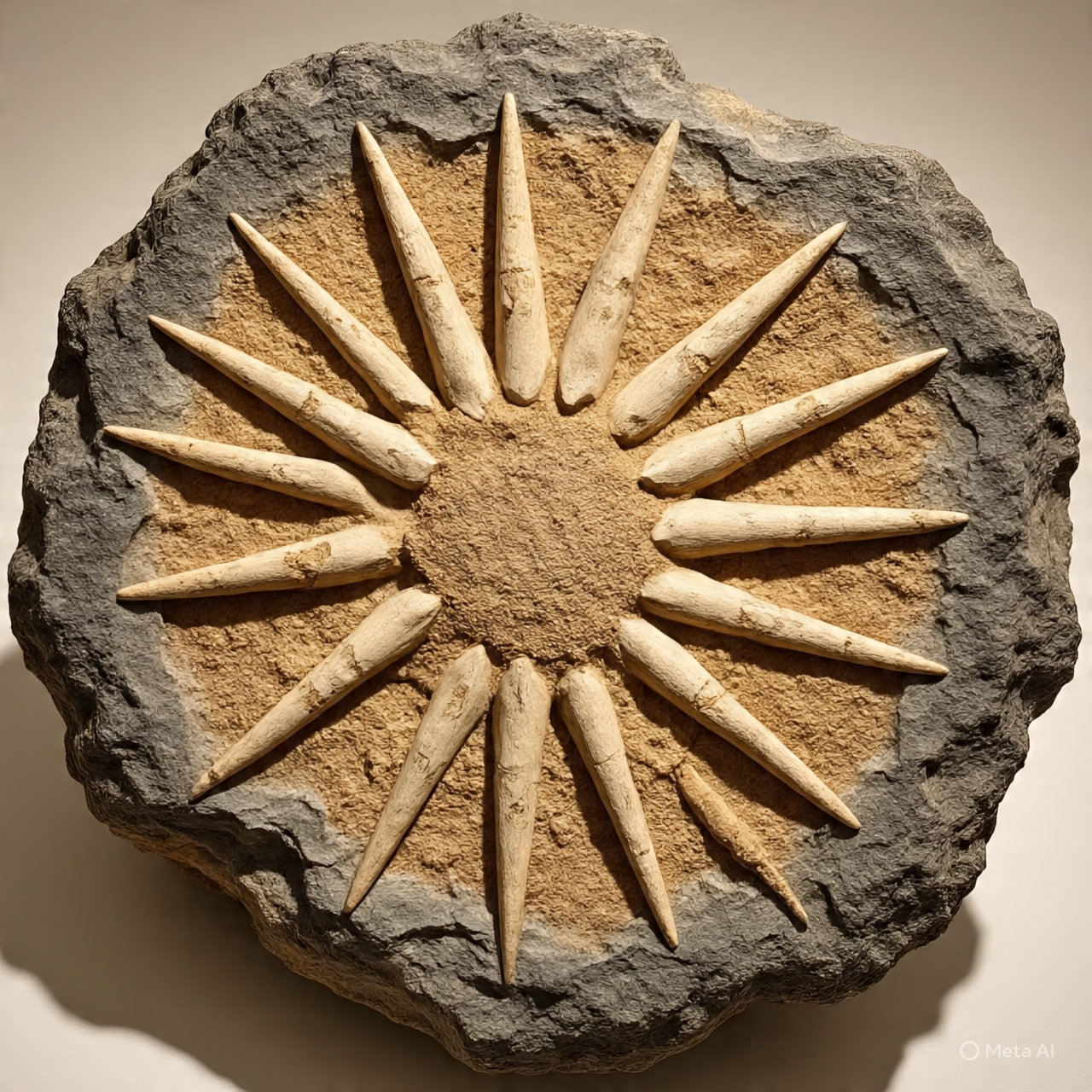
Paleontologists uncover a new dinosaur species in China with unique spike structures, challenging previous assumptions about dinosaur evolution and adaptation.

Discover how mountain birds adapt their energy use to survive in changing climates, focusing on efficiency and metabolic strategies for survival.

Astronomers have discovered a frozen exoplanet resembling Earth, revealing insights into habitability and the fragility of planetary climates.

A newly detected neutrino raises questions about primordial black holes and dark matter, hinting at the universe's hidden mysteries.

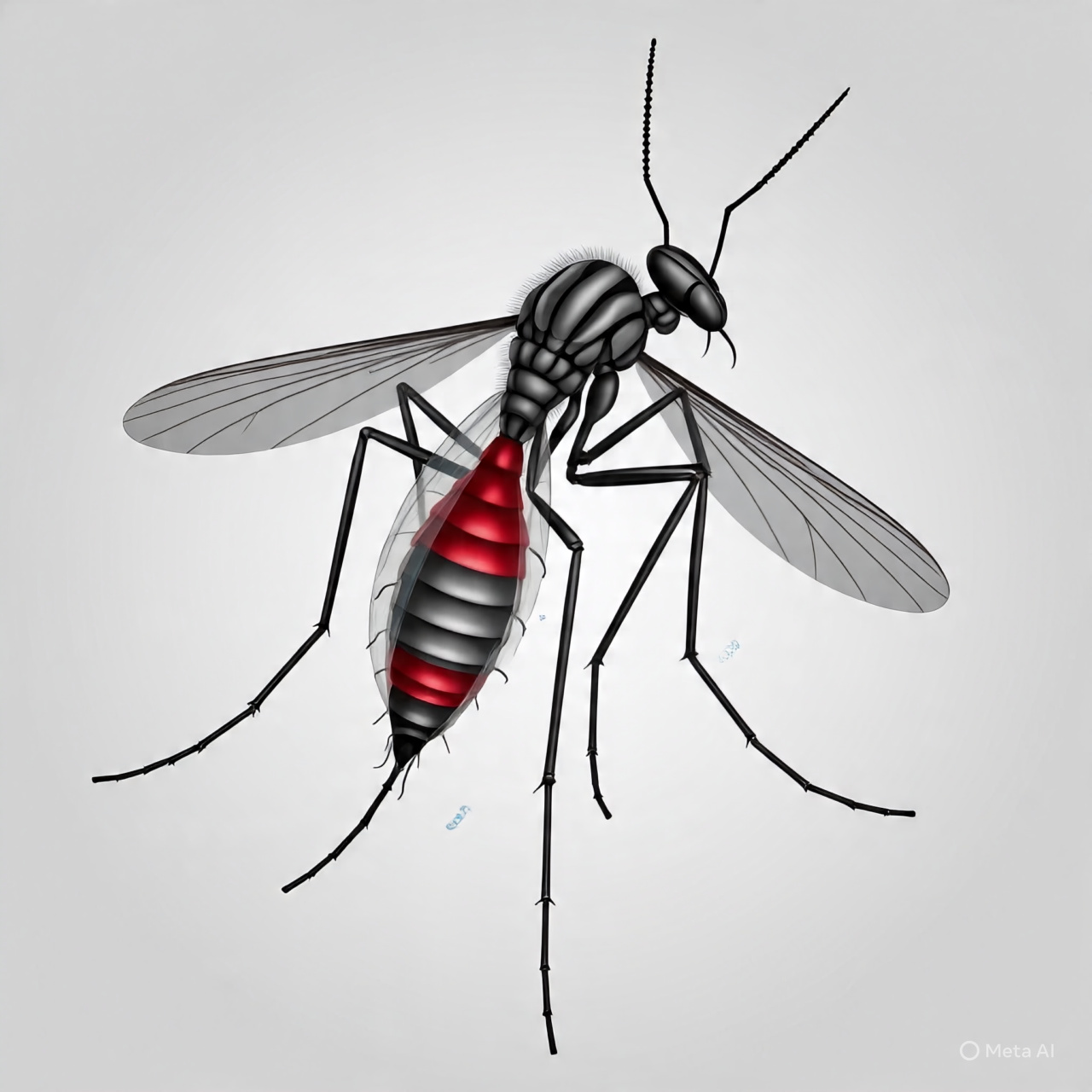
Discover how mosquitoes serve as genetic libraries, preserving DNA from various species and reshaping our understanding of biodiversity and ecosystems.