Inside the Frozen Gut: How an Ice Age Wolf Serves Up Secrets of a Giant
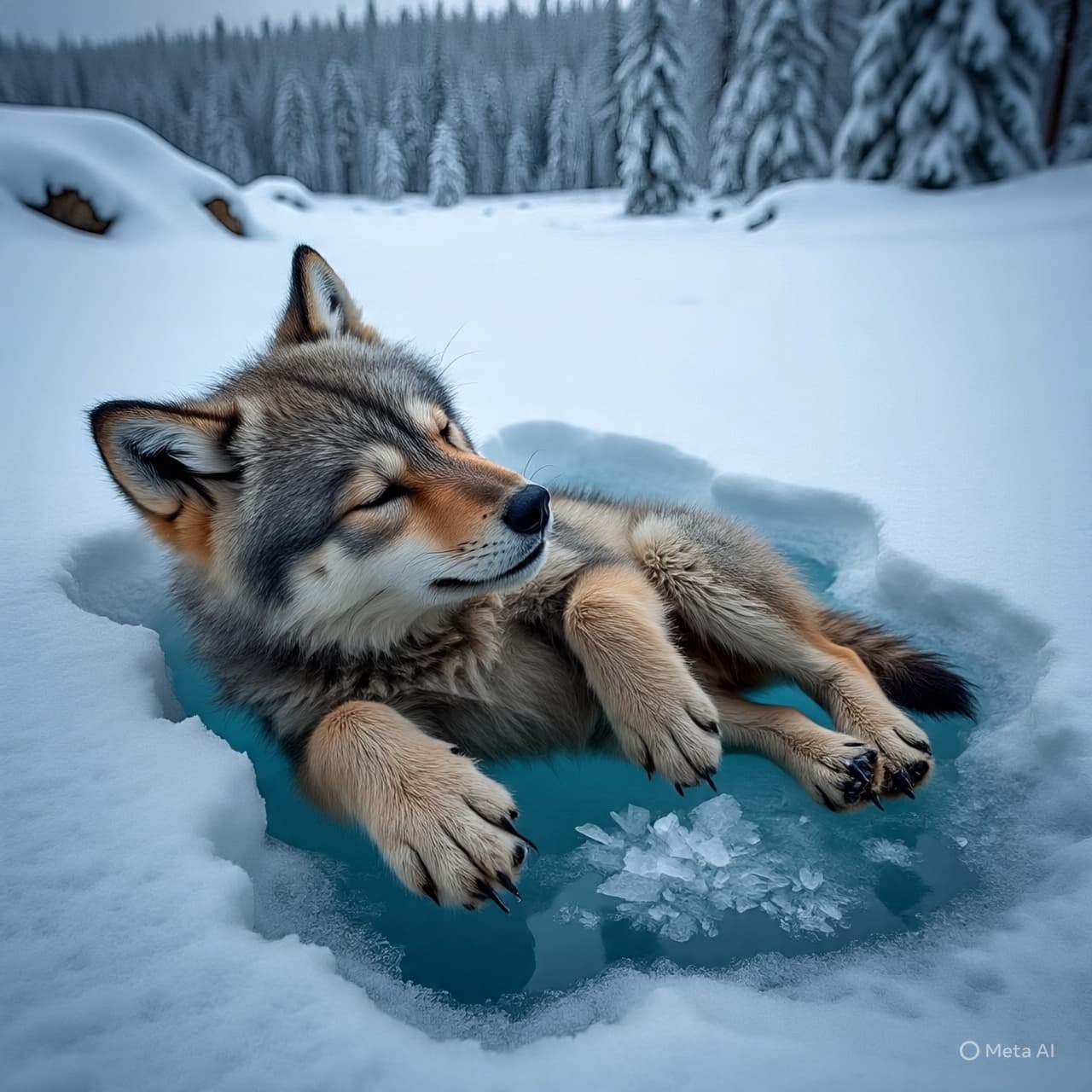
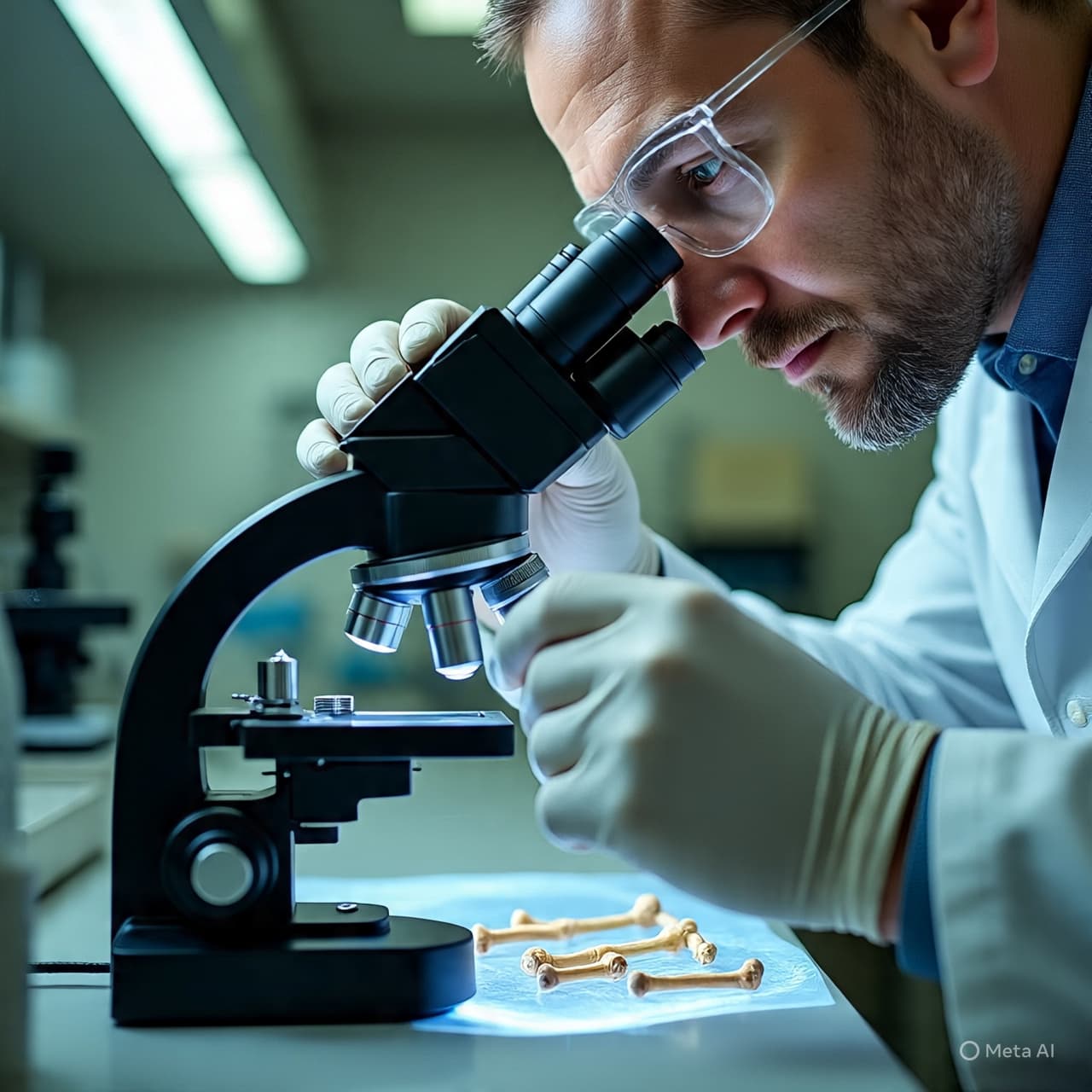
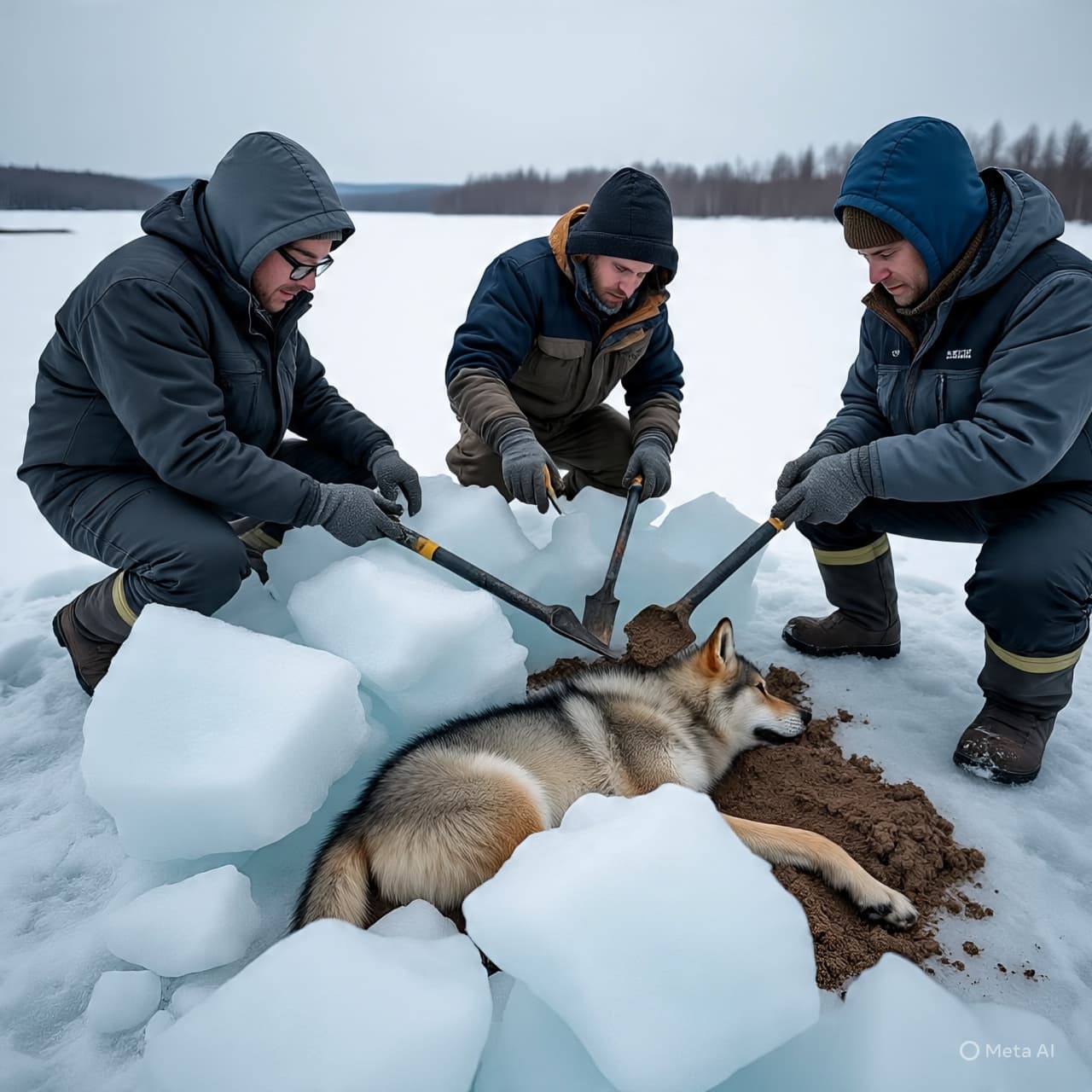
Researchers sequenced a woolly rhino genome from tissue in a 14,400‑year‑old wolf’s stomach, revealing insights into the Ice Age giant’s extinction and population history.

Researchers sequenced a woolly rhino genome from tissue in a 14,400‑year‑old wolf’s stomach, revealing insights into the Ice Age giant’s extinction and population history.

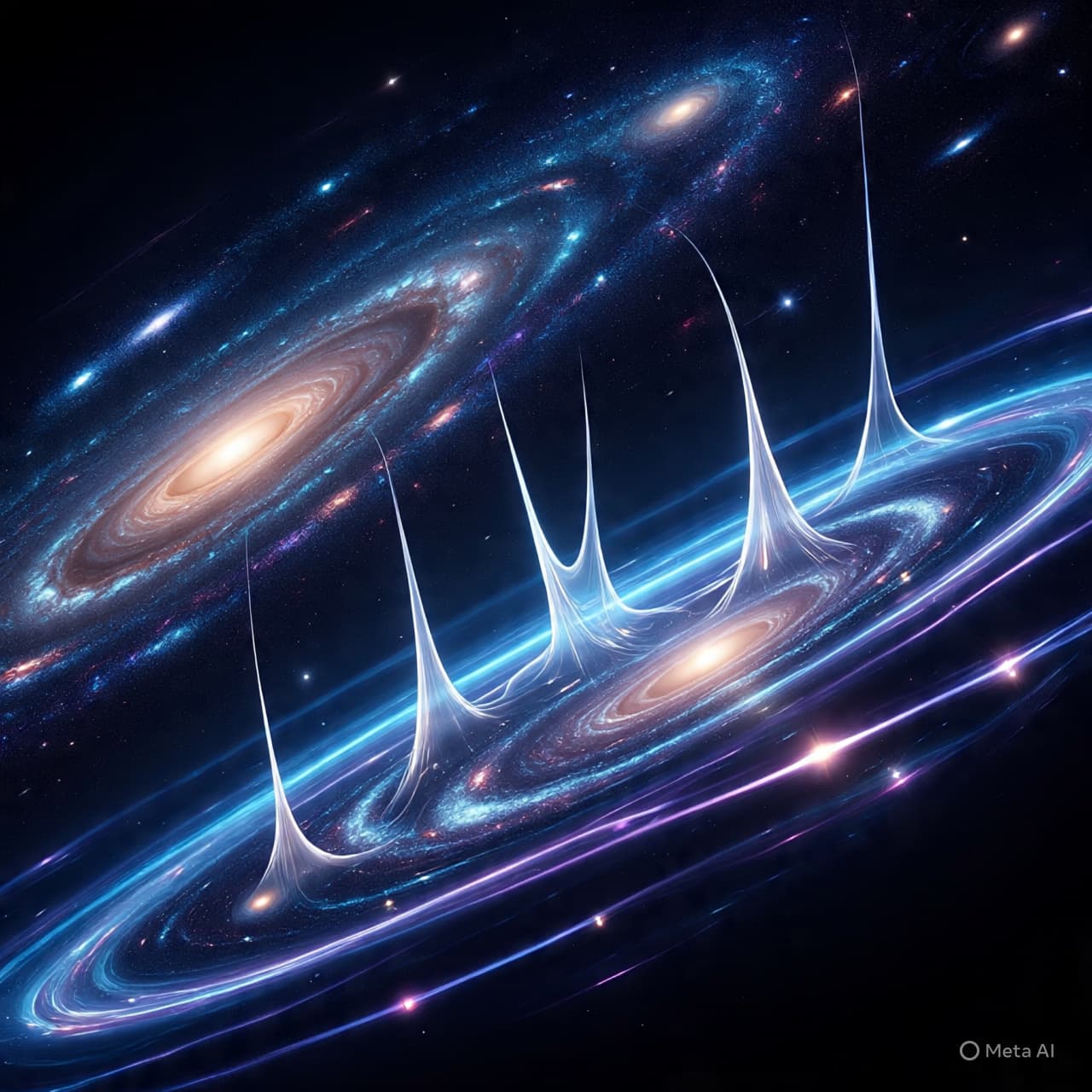
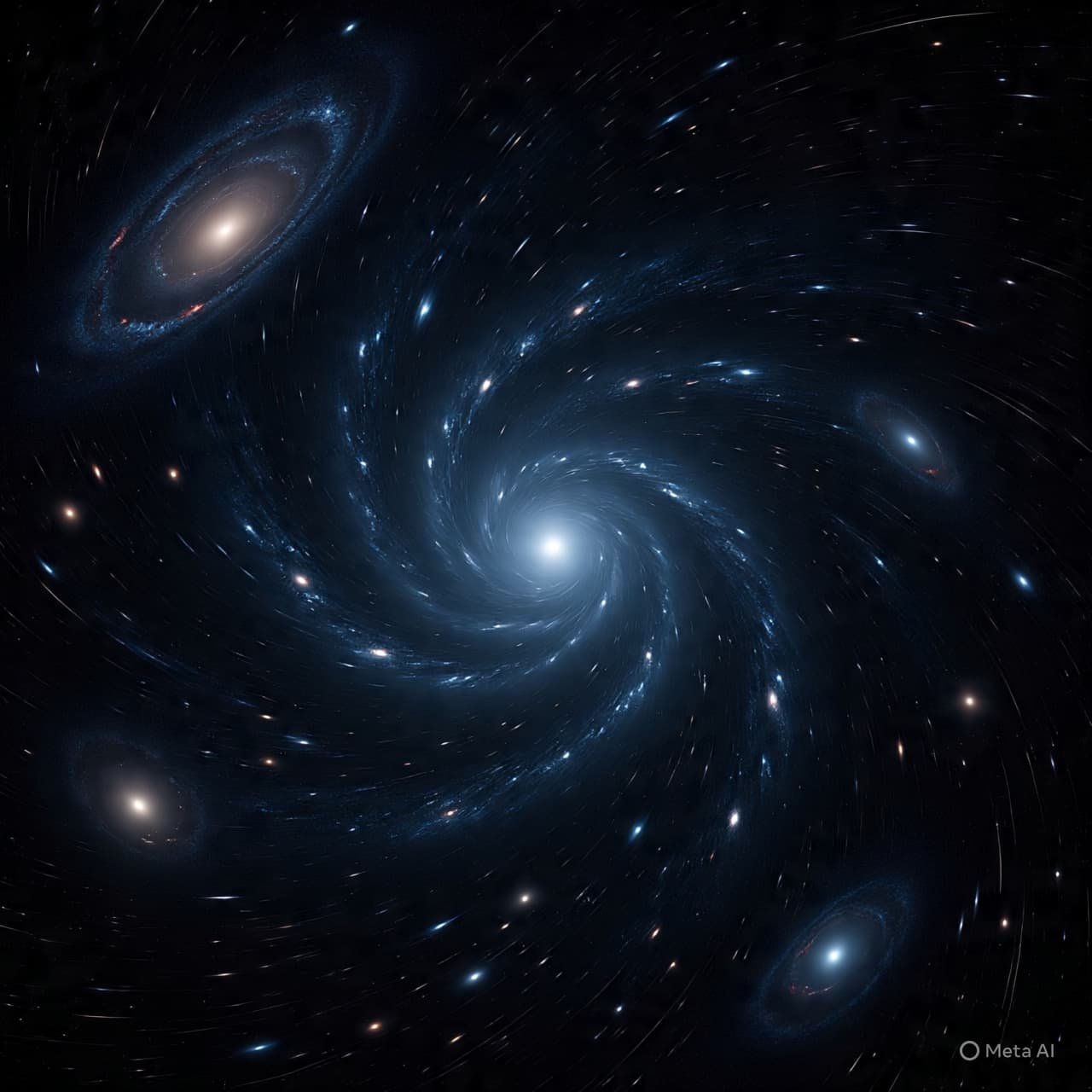
New research suggests our cosmic model may be incomplete: space could behave like a viscous fluid, offering fresh perspectives on expansion and dark energy.

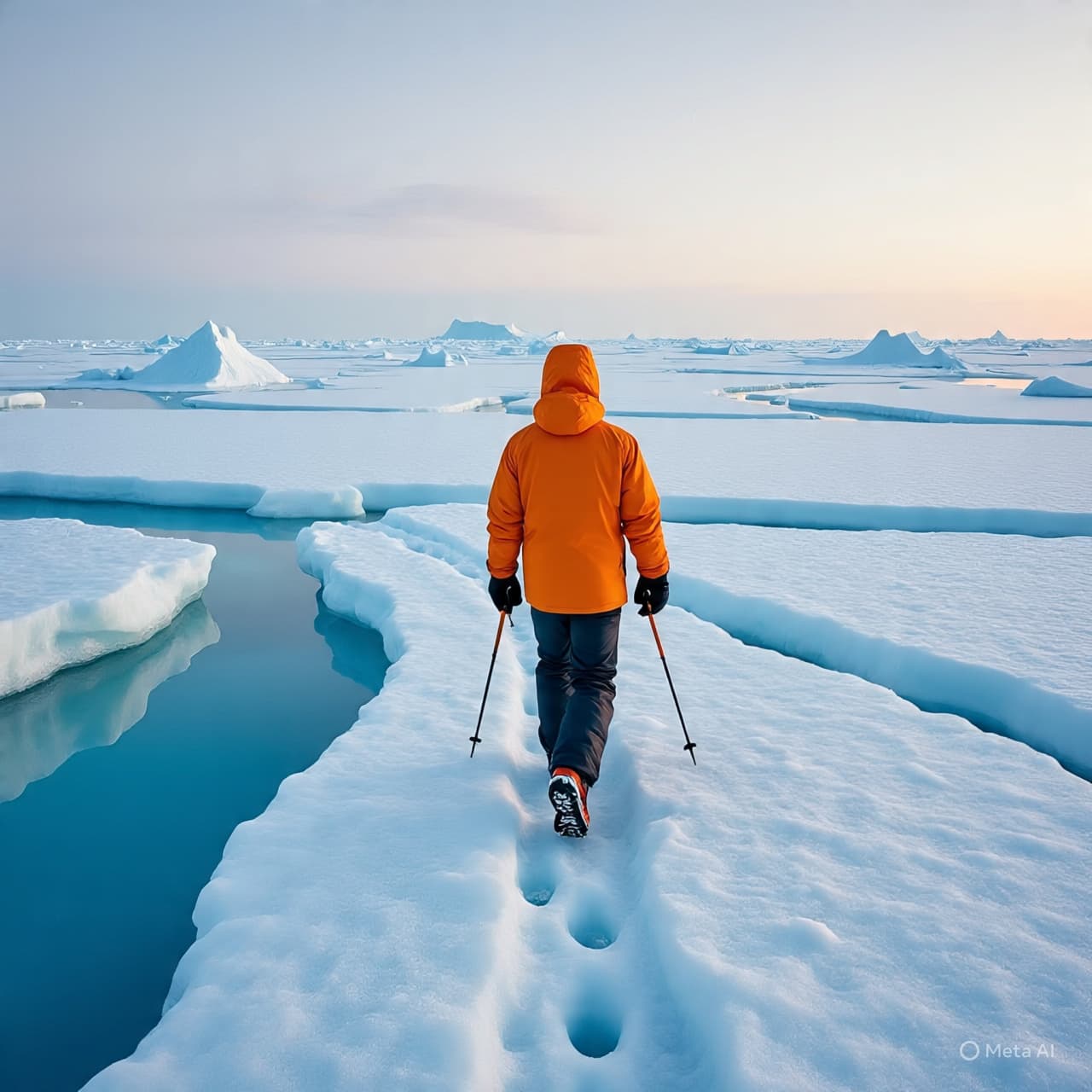
Walking on Antarctic sea ice evokes a deep sense of quiet vastness and stark beauty, shaped by seasonal cycles and changing conditions that reflect broader environmental shifts.

Scientists found a remnant tectonic plate fragment the Pioneer fragment at the junction of the San Andreas and Cascadia faults, offering new insight into deep Earth structure.

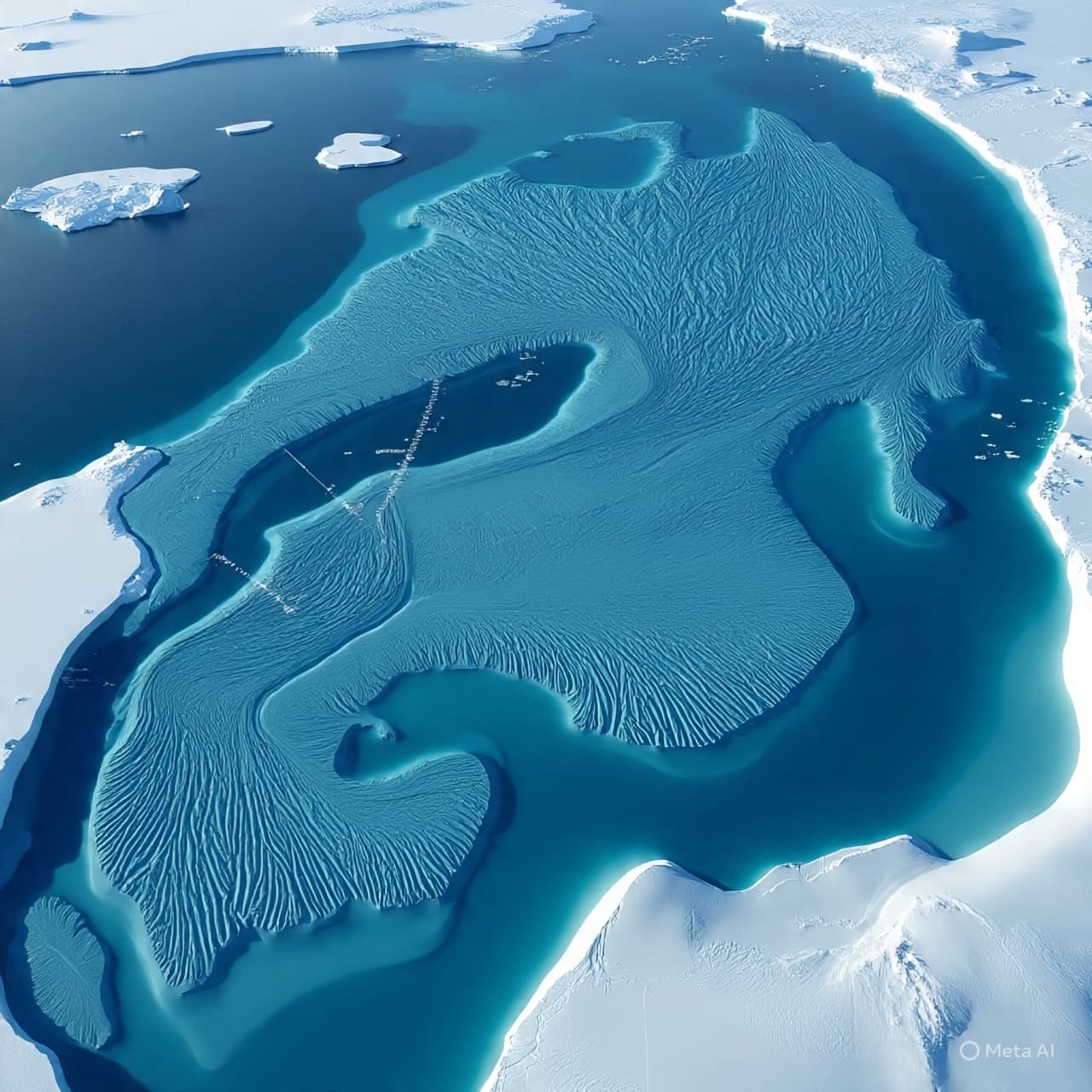
Scientists unveiled the most detailed map yet of the land beneath Antarctica’s ice, revealing buried valleys, mountains, and channels that illuminate Earth’s ancient landscape and aid climate modeling.

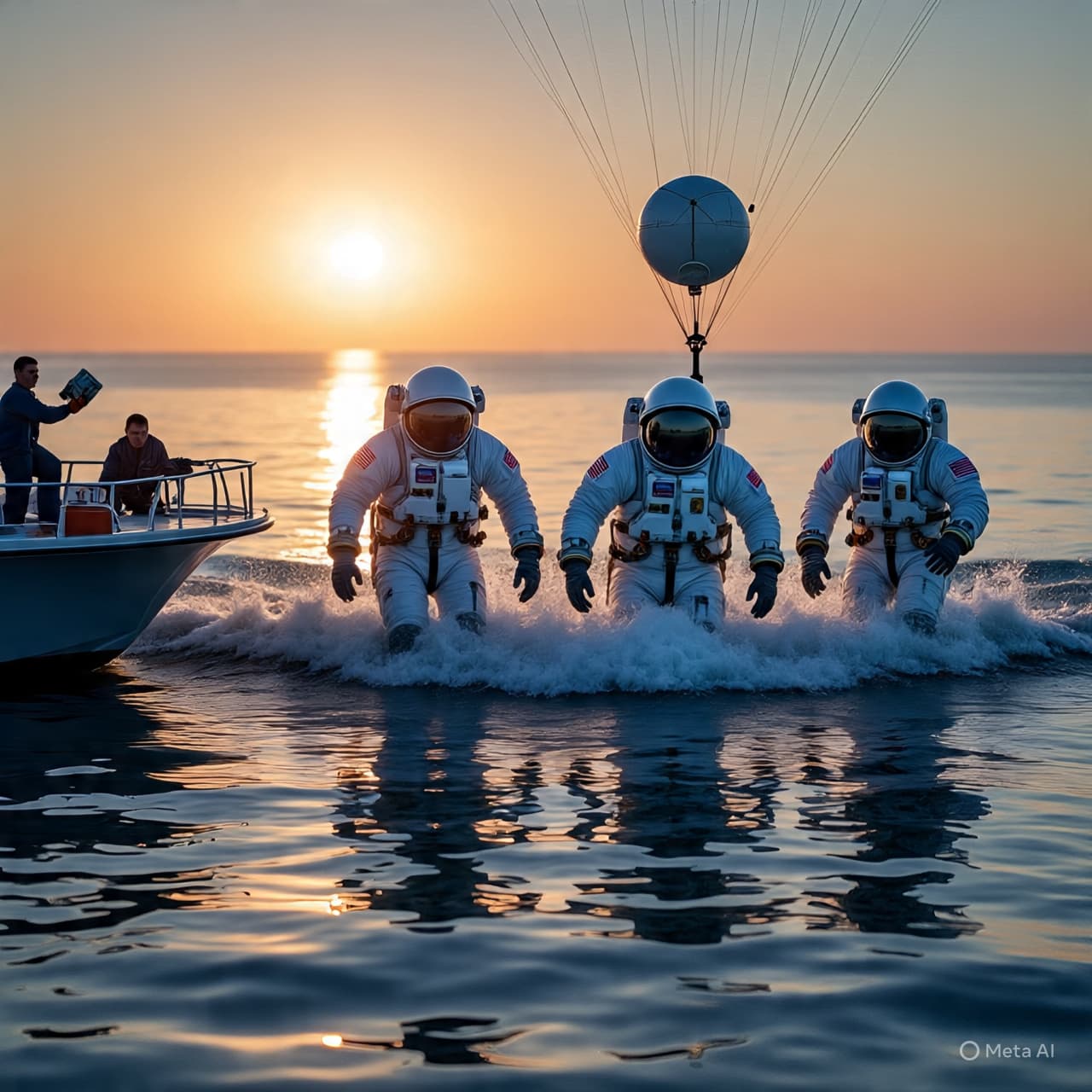
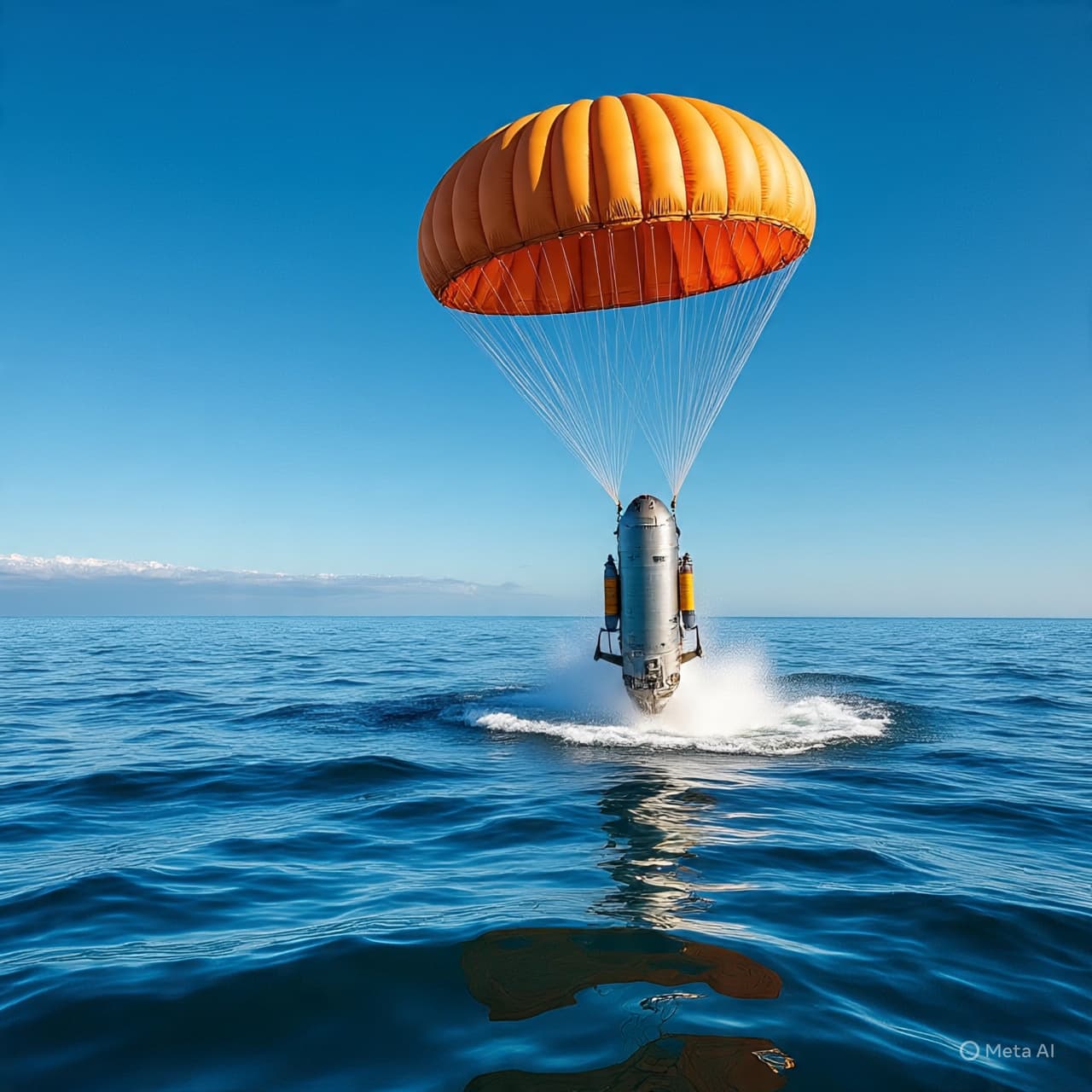
NASA’s Crew-11 returned early from the ISS in its first medical evacuation after one astronaut fell ill; all four splashed down safely and are undergoing evaluations.

NASA conducted its first-ever medical evacuation from the ISS, returning four Crew-11 astronauts early after a medical concern, with all crew stable and splashdown set off California.

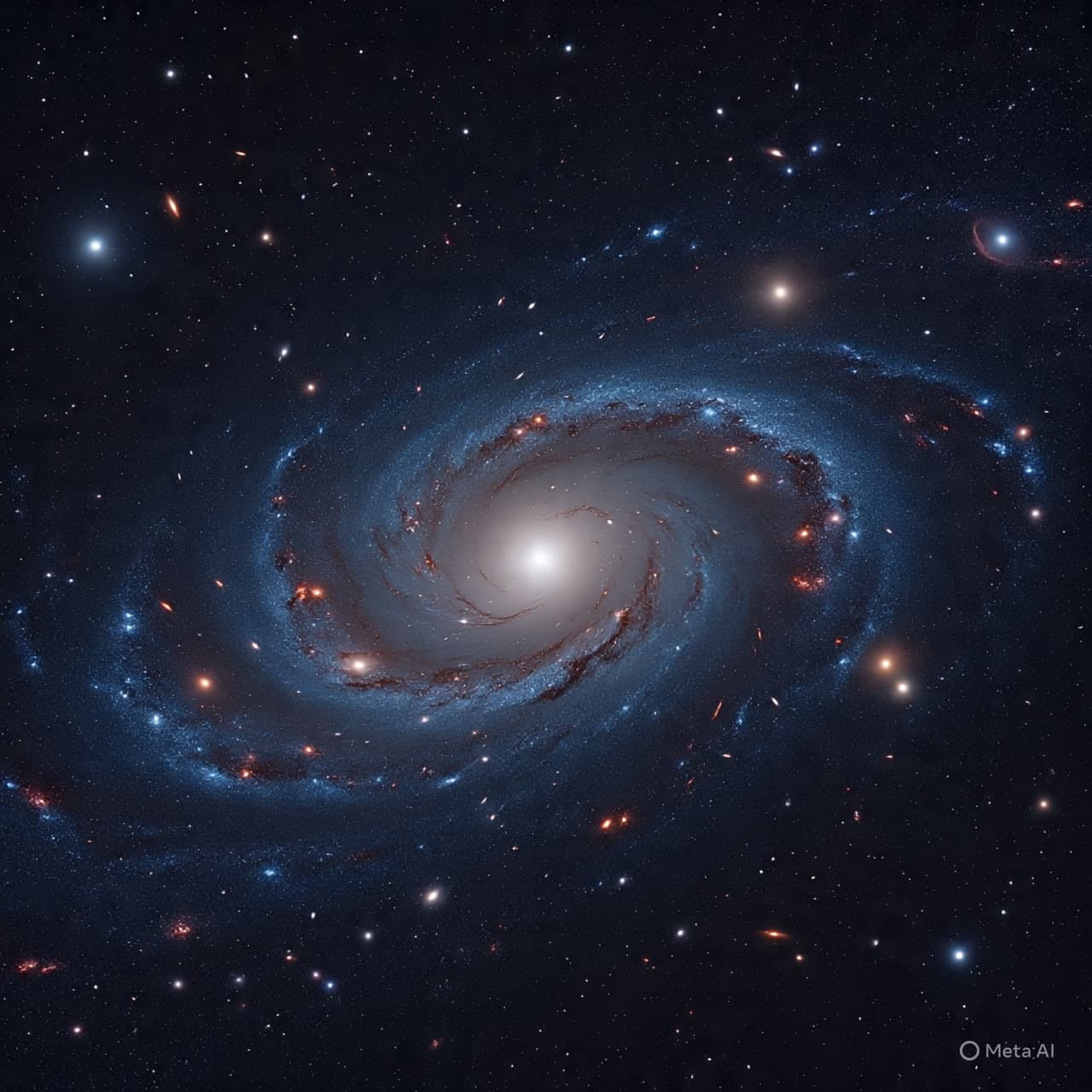
JWST observations reveal fewer small galaxies in the early universe than predicted, challenging existing models and suggesting early cosmic environments were harsher, quieter, and more selective than once believed.

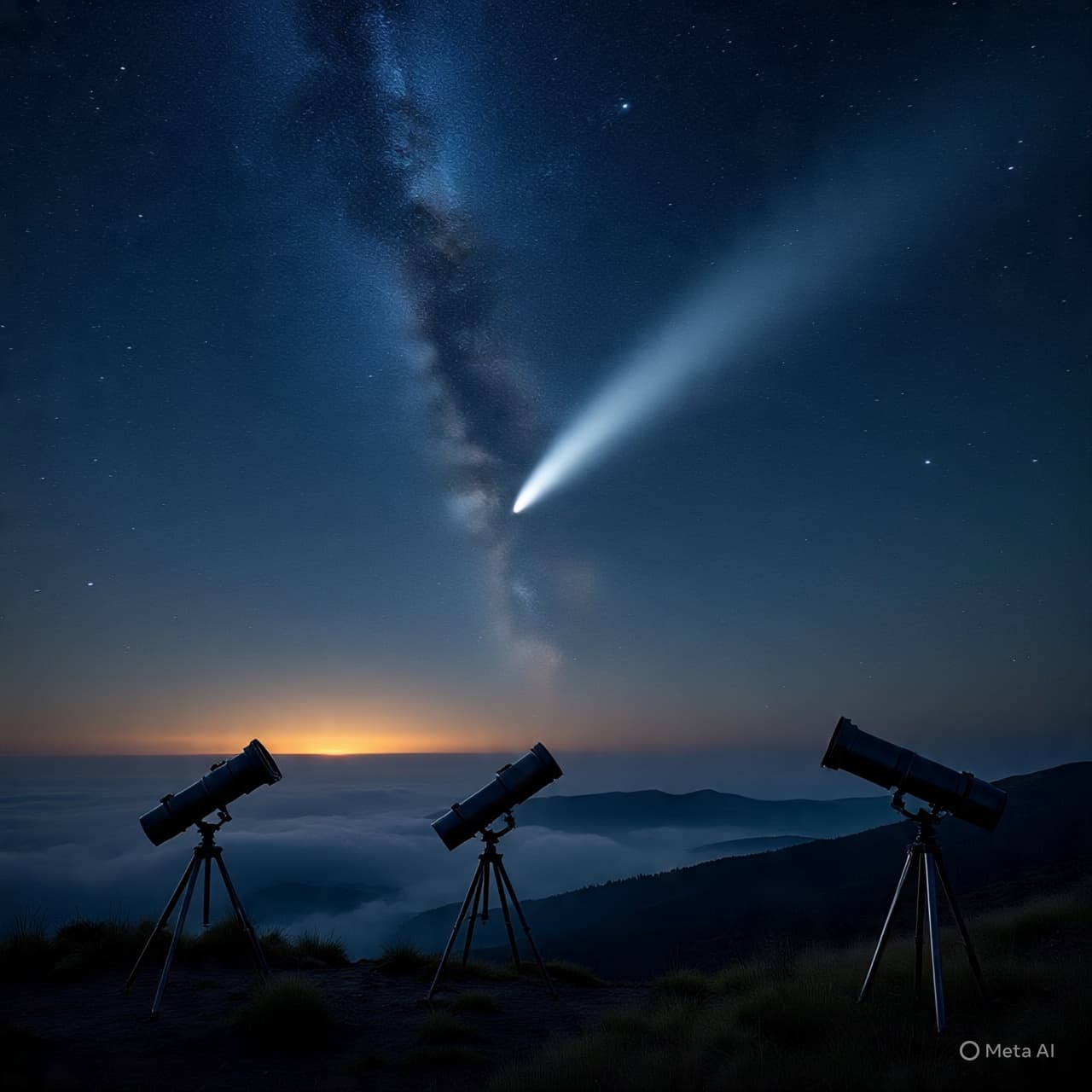
Astronomers track Comet C/2025 R3, potentially visible in April 2026 near Earth. After 3I/ATLAS’s 2025 interstellar visit, skywatchers await this newly discovered comet’s celestial appearance.

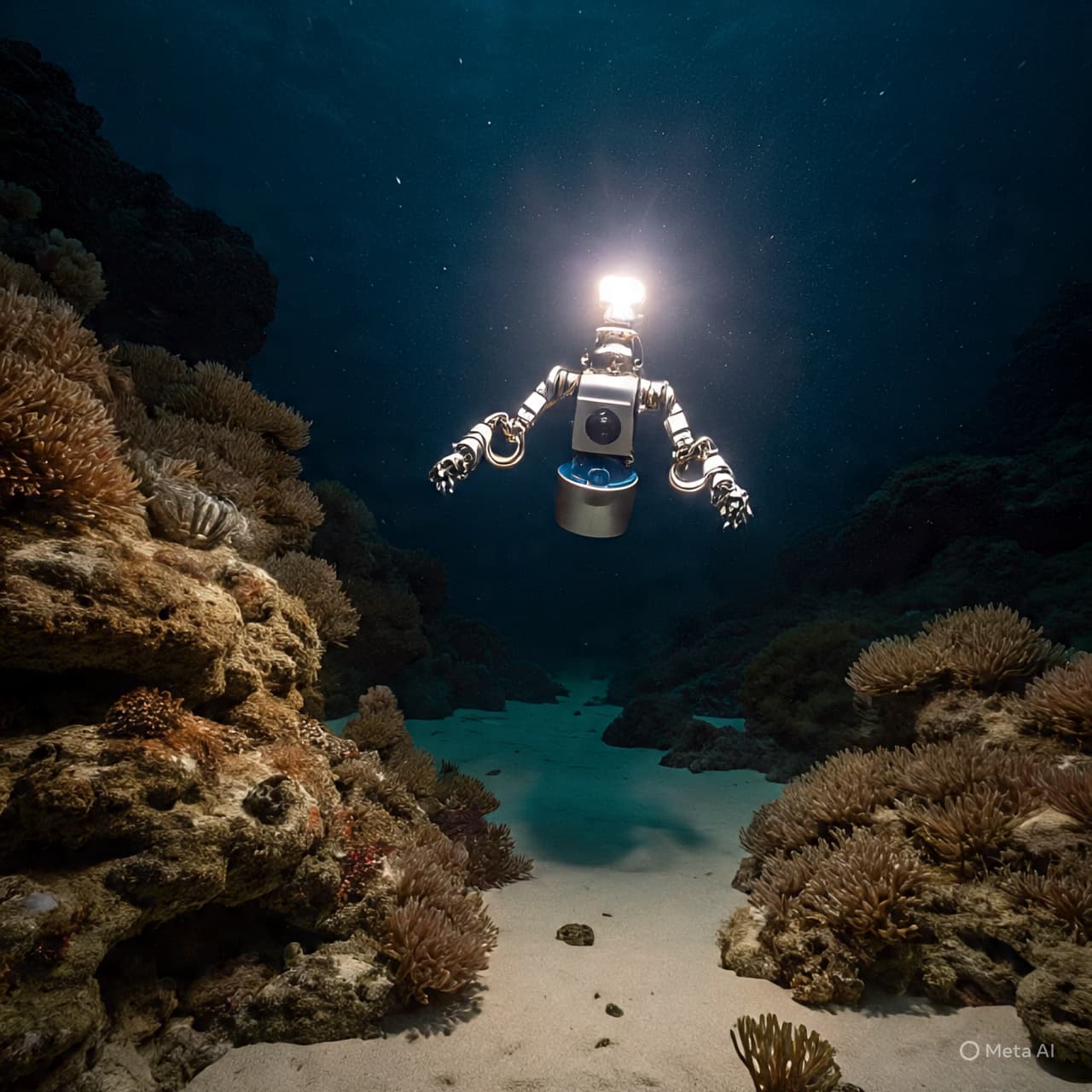
China’s first deep-sea drilling and monitoring robot completed a trial in the South China Sea, gathering data and marking a step forward in underwater exploration technology.

Ancient supermassive black holes may come from early “dark stars” powered by dark matter, collapsing into massive seeds that grow rapidly, offering clues about the young universe.

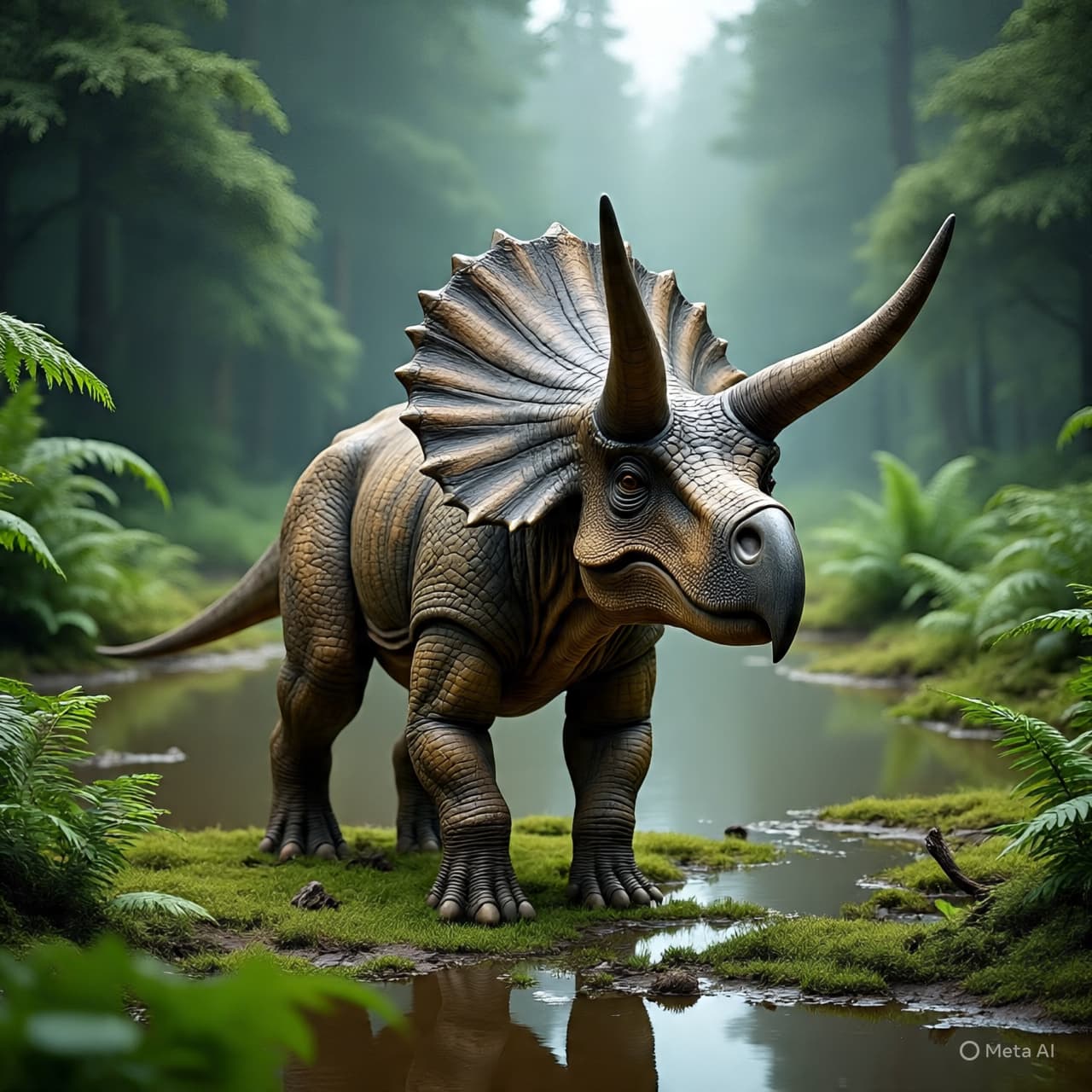
A gentle reflection on Triceratops, the iconic three-horned dinosaur of the Late Cretaceous—its anatomy, possible social life, and place in a vanishing world.

NASA’s SpaceX Crew-11 astronauts returned to Earth about a month early following a medical concern with a crew member aboard the ISS—the first such evacuation in station history.

Four astronauts return early from the International Space Station due to a medical issue, highlighting both human vulnerability and space exploration’s precision.

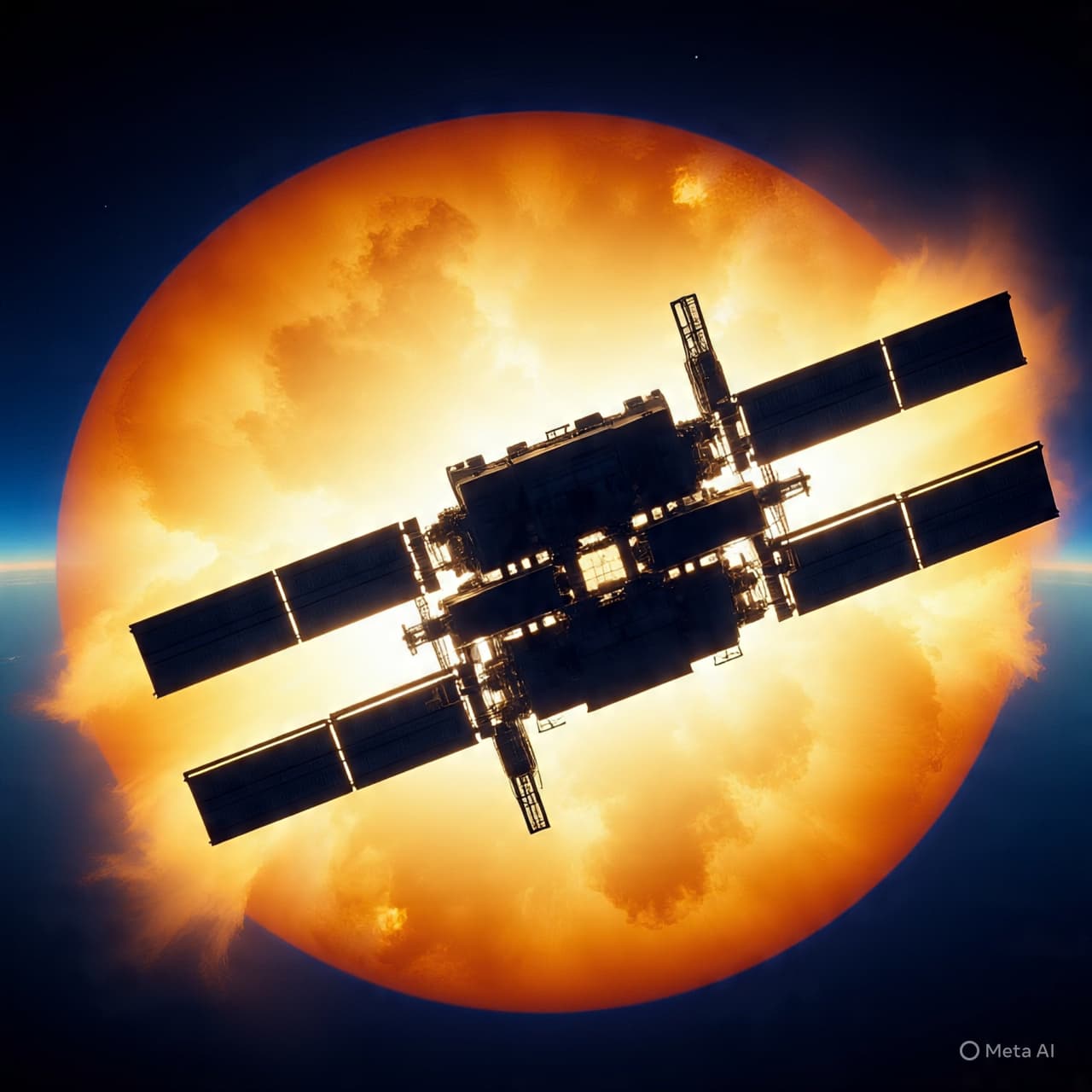
Brief shadows sometimes cross the sun, from space stations to distant planets, reminding us that even our nearest star shares its stage with moving worlds and human-made travelers.

A gentle look at how habit trackers turn intentions into visible routines, offering awareness, consistency, and quiet support for achieving long-term goals in 2026.

This article explores the national strategic efforts to monitor and mitigate Karnal bunt, a fungal threat to wheat. It examines the balance between agricultural trade security and field reality.

SpaceX’s Crew-11 undocked from the ISS to return early to Earth after an astronaut developed a medical issue. The capsule’s descent marks NASA’s first ISS medical evacuation.

New research indicates T. rex grew more slowly and matured around age 40, revising earlier ideas of rapid growth and showing a longer, steadier developmental path.

Frozen in Siberian permafrost, a wolf pup’s last meal yielded woolly rhino DNA, offering fresh insights into the species’ sudden end rather than slow fade.

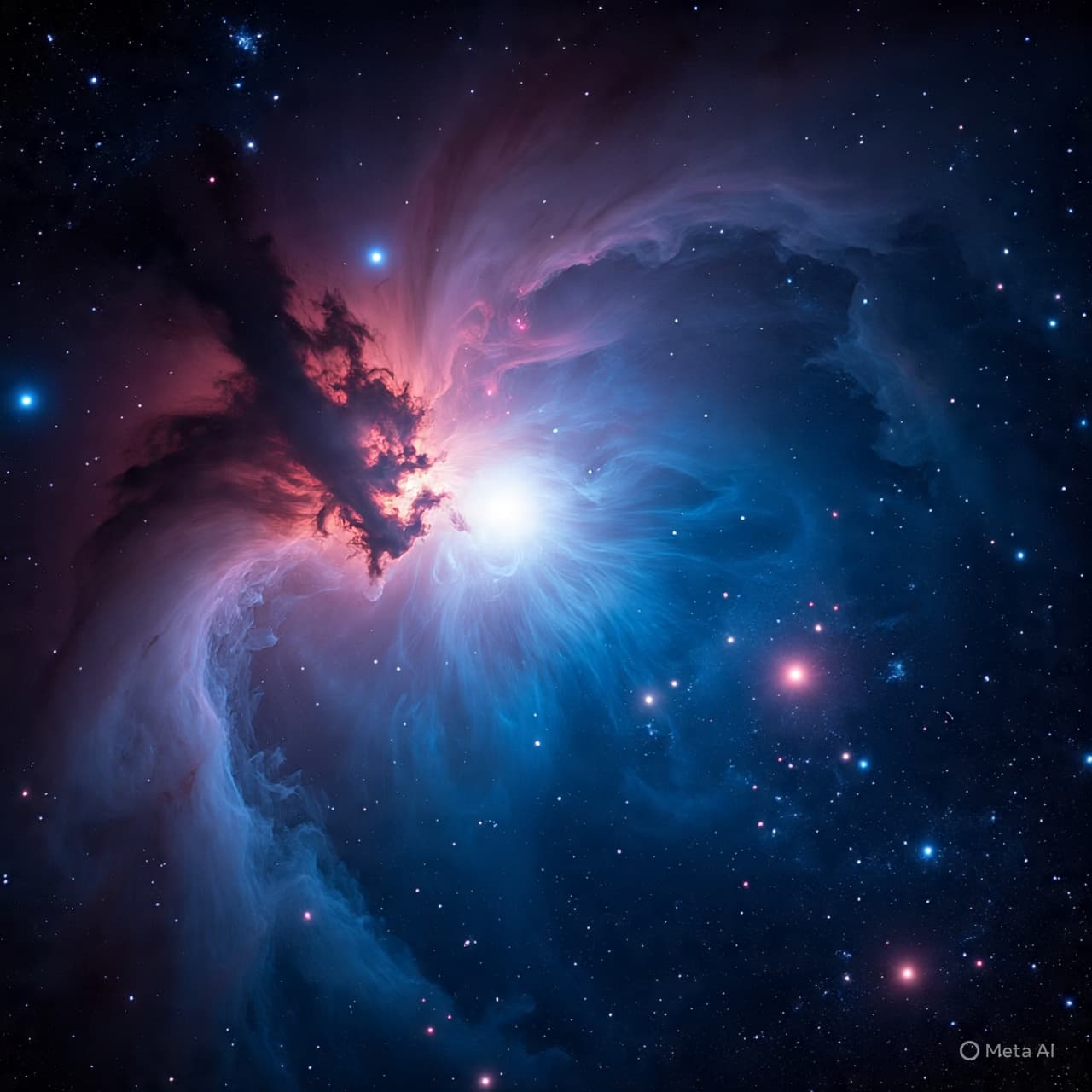
Astrophotographer Joel Martin’s striking image of the Orion Nebula highlights its glowing gas and dust, offering a stunning taste of what you can see through binoculars or a telescope this week.

New research shows particles from Earth’s upper atmosphere, carried by the solar wind and guided by Earth’s magnetic field, have reached and accumulated in the lunar soil for billions of years.

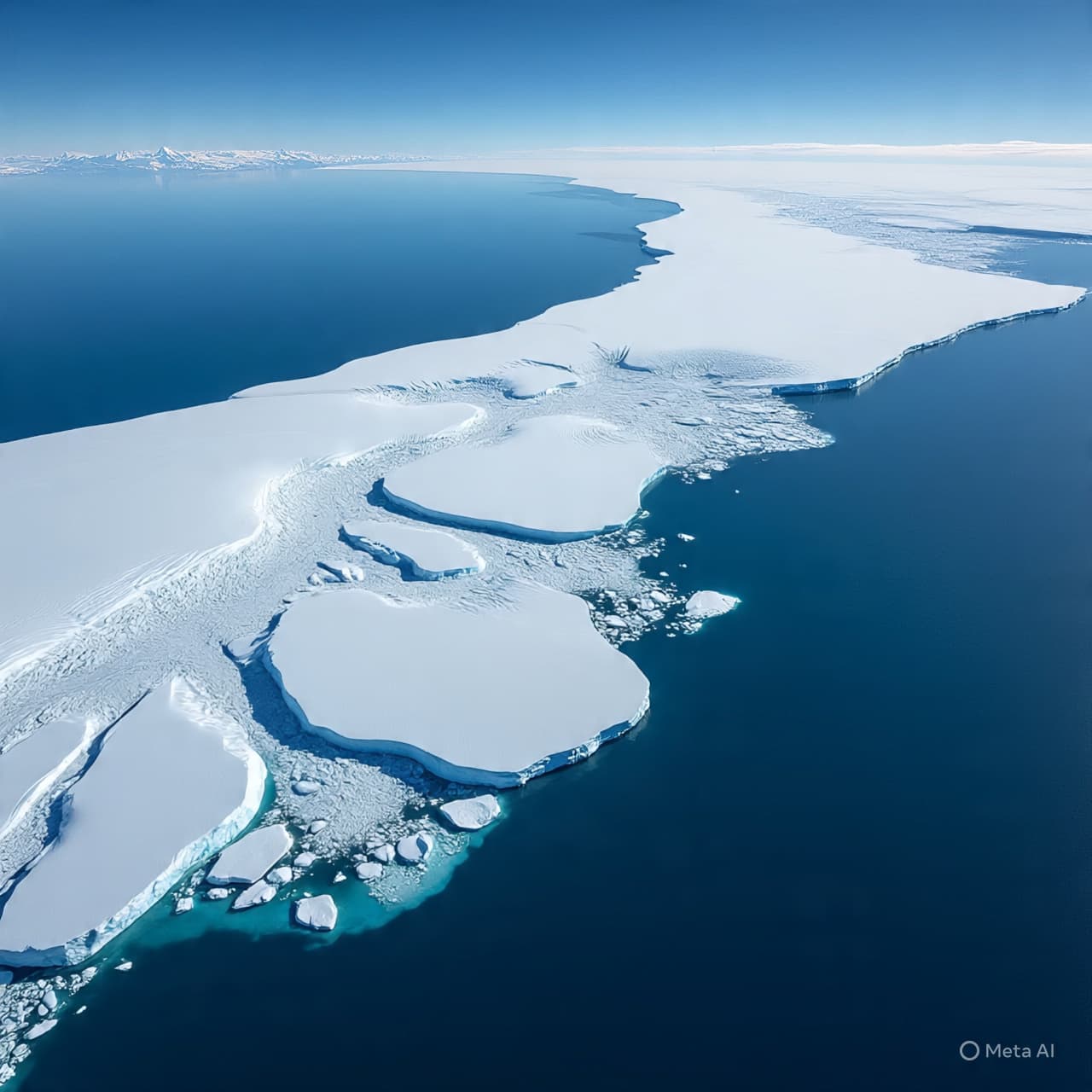
Satellite images show Pine Island Glacier thinning, cracking, and retreating as warm ocean water weakens its ice shelf, making it one of Antarctica’s fastest-melting glaciers.

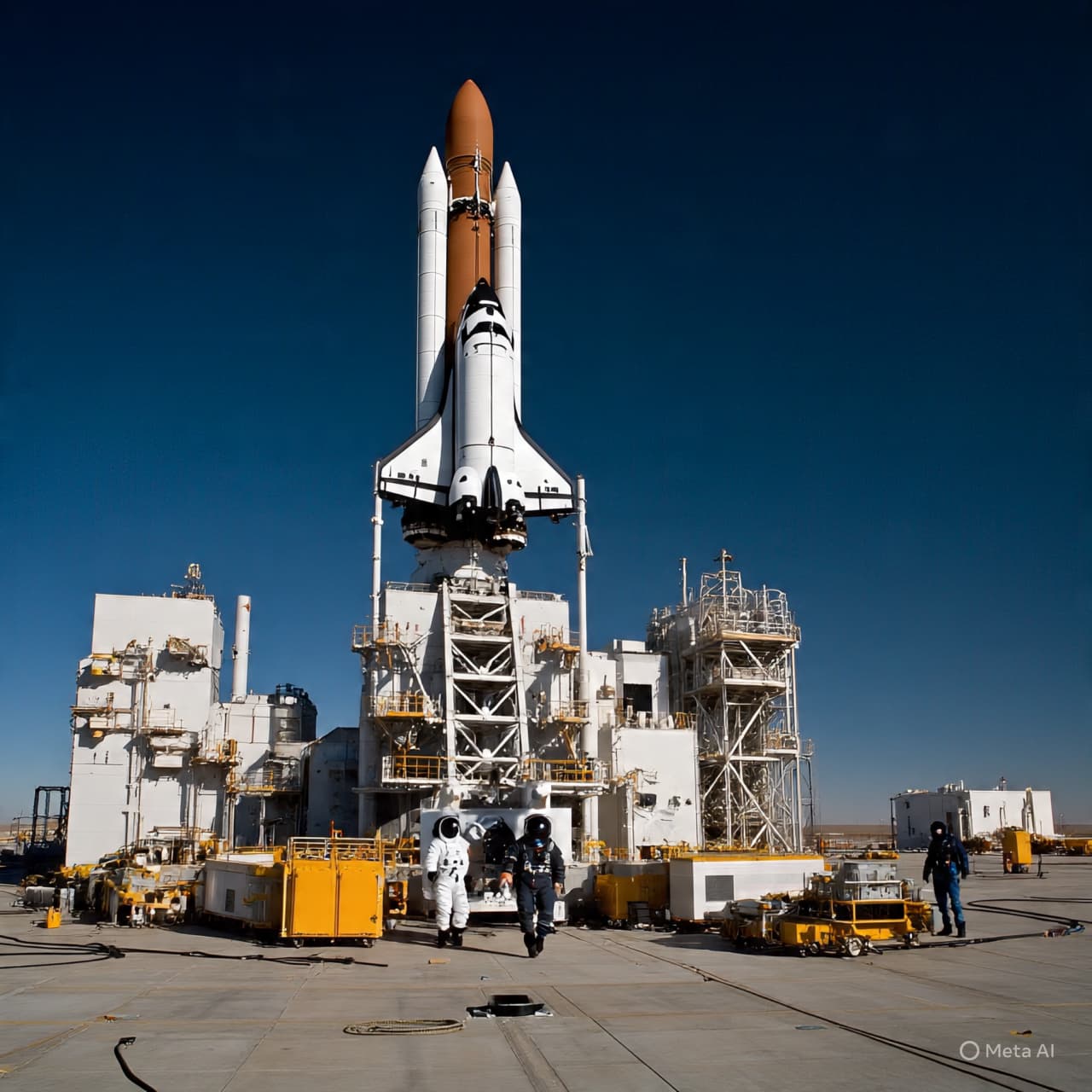
NASA’s Artemis II mission is scheduled to launch as early as Feb. 6–7, 2026, with four astronauts — Wiseman, Glover, Koch and Hansen — set to orbit the Moon and return on a ~10-day mission.