After more than 50 years since humans last traveled beyond low Earth orbit, NASA’s Artemis II mission is poised to make history as the first crewed lunar flight since Apollo 17. This mission will see four astronauts orbit the Moon and return to Earth, testing spacecraft systems and preparing for future lunar surface missions.
NASA is targeting early February 2026 as the launch period for Artemis II, with the earliest possible liftoff around Feb. 6–7, 2026 and additional launch opportunities through March and April 2026. The mission’s exact date will be set once final pre-launch tests, weather conditions and trajectory readiness are confirmed.
Artemis II will launch from Launch Complex 39B at NASA’s Kennedy Space Center in Florida atop the agency’s powerful Space Launch System (SLS) rocket, carrying the Orion spacecraft “Integrity” on a roughly 10-day journey that will send the crew around the Moon and back to a planned Pacific Ocean splashdown.
Who’s Flying on Artemis II? The Artemis II crew includes four seasoned astronauts — three from NASA and one from the Canadian Space Agency (CSA) — selected for this pivotal deep-space mission:
Reid Wiseman (Commander) — NASA astronaut leading the crew, responsible for mission execution and spacecraft operations. Victor Glover (Pilot) — NASA astronaut who will assist in guidance, navigation and control of the Orion spacecraft. Christina Hammock Koch (Mission Specialist) — NASA astronaut and engineer with extensive spaceflight experience. Jeremy Hansen (Mission Specialist) — CSA astronaut, becoming the first Canadian to fly to deep space. Together, this diverse crew will perform in-orbit checks of life-support, communication and navigation systems, validate Orion’s performance with people onboard, and gain experience in deep space operations. While Artemis II won’t land on the Moon’s surface, its success is crucial for paving the way to Artemis III, which aims to touch down on the lunar South Pole.
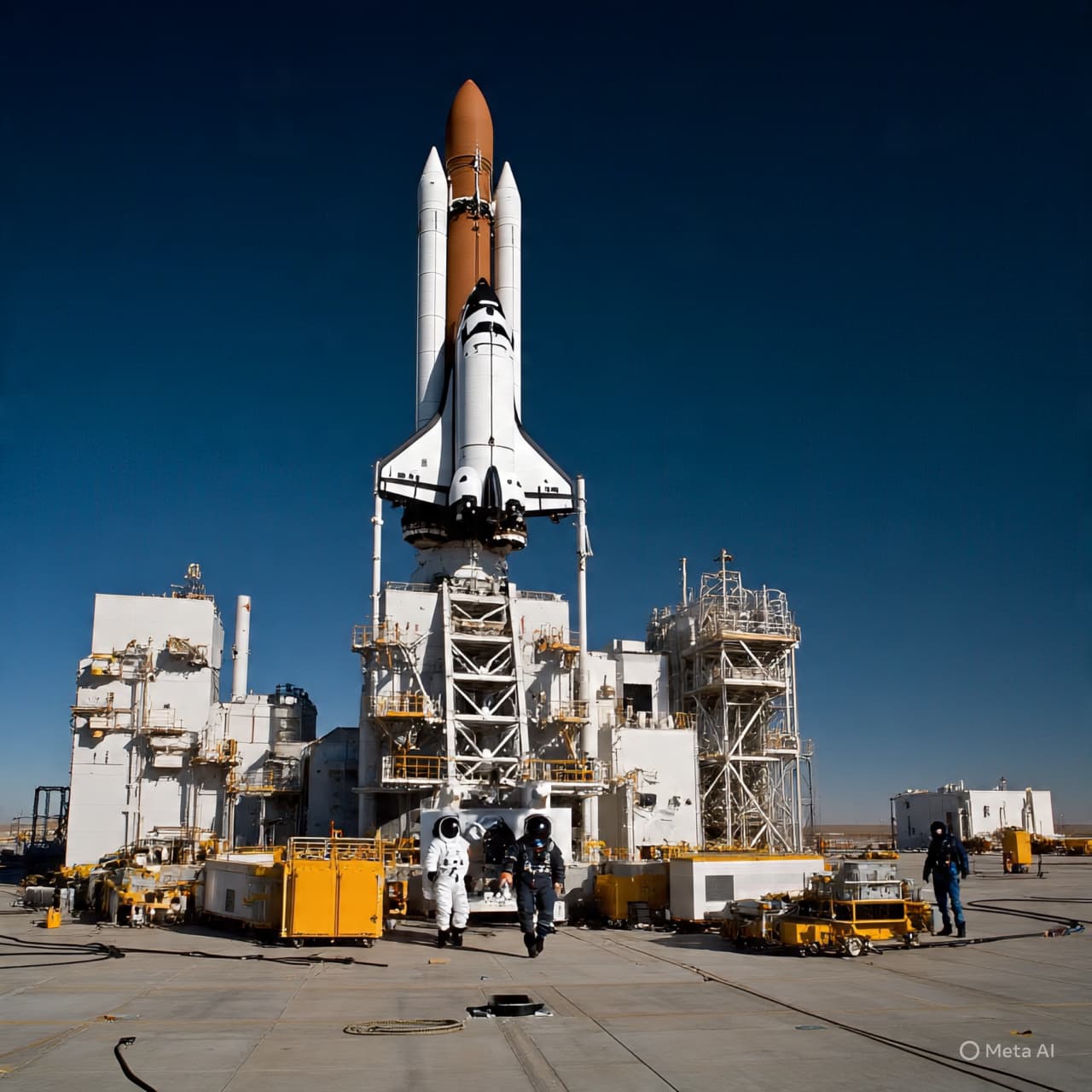
AI Image Disclaimer “Visuals are created with AI tools and are not real photographs.”
Sources NASA overview of Artemis II mission details and crew. Sky at Night Magazine report on earliest possible launch dates. NASA release on refined Artemis II launch windows and operations. NASA feature on Artemis II crew members. Space.com background on the Artemis II crew and mission.
Published by Banx Network. This article is part of the Banx decentralized media programme, powered by the BXE token on the XRP Ledger.