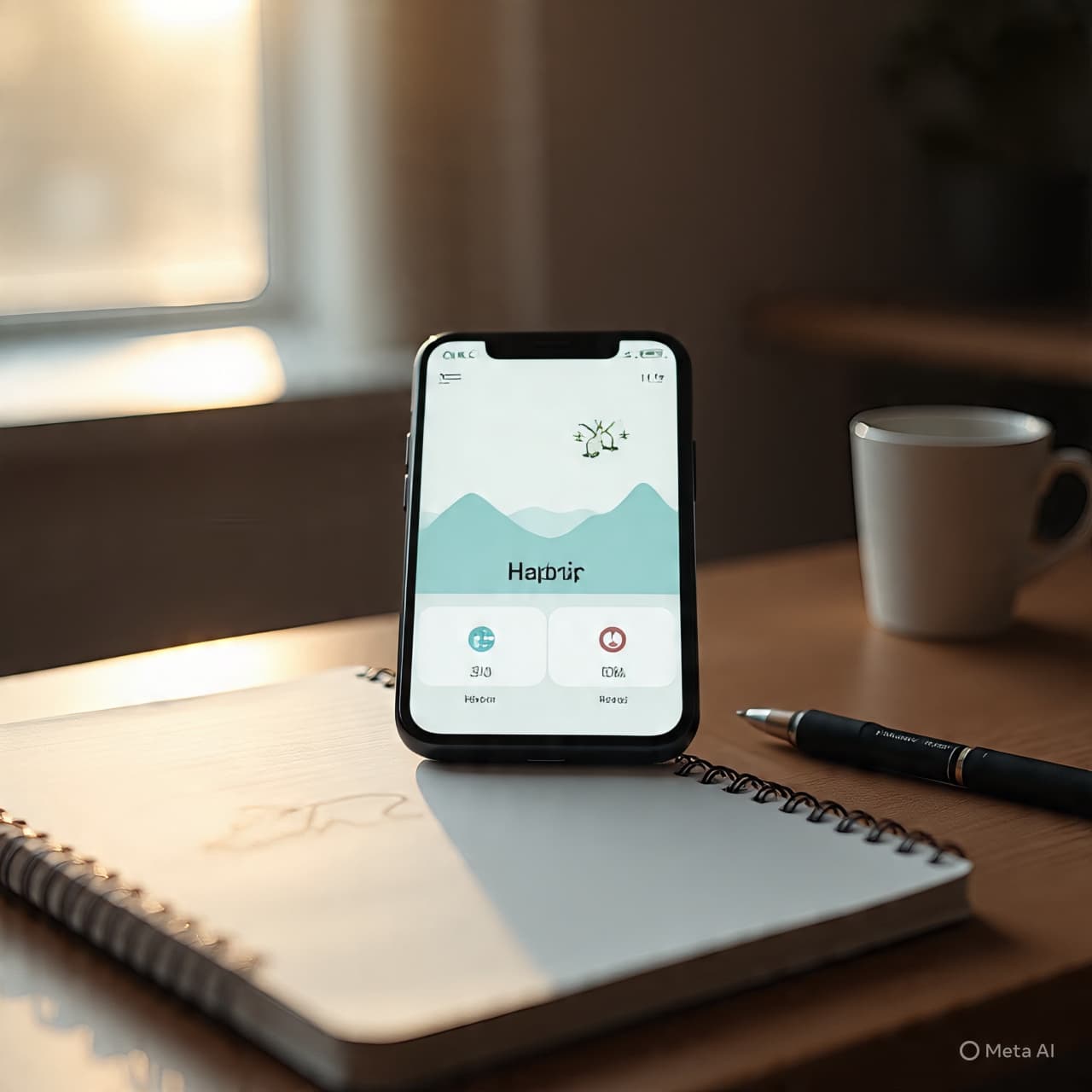
The year often arrives like a quiet morning after rain—fresh, reflective, and filled with intentions that feel sincere in the moment. We tell ourselves that this will be the year of consistency, of follow-through, of promises finally kept. Yet experience has taught many of us that goals, like New Year light, can fade by midseason. Somewhere between intention and action, something small but essential is often missing.
Habit tracking enters this space not as a command, but as a companion. It does not shout or judge. It simply notices. Like leaving footprints in soft soil, a habit tracker records where we have walked, gently revealing patterns that memory alone tends to blur. In doing so, it offers something subtle but powerful: awareness.
Modern research has long suggested that progress is rarely the result of dramatic change. Instead, it is shaped by repetition, environment, and feedback. Habit trackers—whether paper journals, mobile apps, or simple calendars—function as mirrors. They reflect behavior back to us in a form that feels manageable, even kind. A checked box or marked day becomes a small acknowledgment: something was done, and that matters.
There is also comfort in visibility. Goals often fail not because they are unrealistic, but because they remain abstract. “Exercise more” or “write every day” can feel weightless until translated into something observable. A tracker transforms intention into presence. It anchors a goal to a daily moment, making progress tangible without turning it into pressure.
For many, the true value of habit tracking lies not in perfection, but in rhythm. Missed days are no longer silent failures; they are pauses that can be seen and understood. This visibility encourages adjustment rather than abandonment. A broken streak becomes information, not a verdict. In this way, habit trackers quietly support resilience, reminding users that consistency is built over time, not demanded overnight.
As 2026 approaches, the appeal of habit tracking is less about productivity and more about alignment. It asks a gentle question each day: did today reflect what matters to you? Over weeks and months, the answer forms a story one written not in grand declarations, but in small, repeated acts.
In the end, a habit tracker is not a secret formula or a guarantee. It is a tool, modest in appearance, yet meaningful in effect. By making behavior visible and progress kind, it offers a steady hand through the long, uneven path of change. And sometimes, that quiet companionship is exactly what goals need to endure.
AI Image Disclaimer Illustrations were produced with AI and serve as conceptual depictions rather than real-life photographs.
Sources Harvard Business Review; The New York Times; Psychology Today; American Psychological Association; The Atlantic
Published by Banx Network. This article is part of the Banx decentralized media programme, powered by the BXE token on the XRP Ledger.

.jpg&w=3840&q=75 "September 2026 Was the Second-Warmest on Record, With Global Temperatures Above 1.5°C for a Second Month")