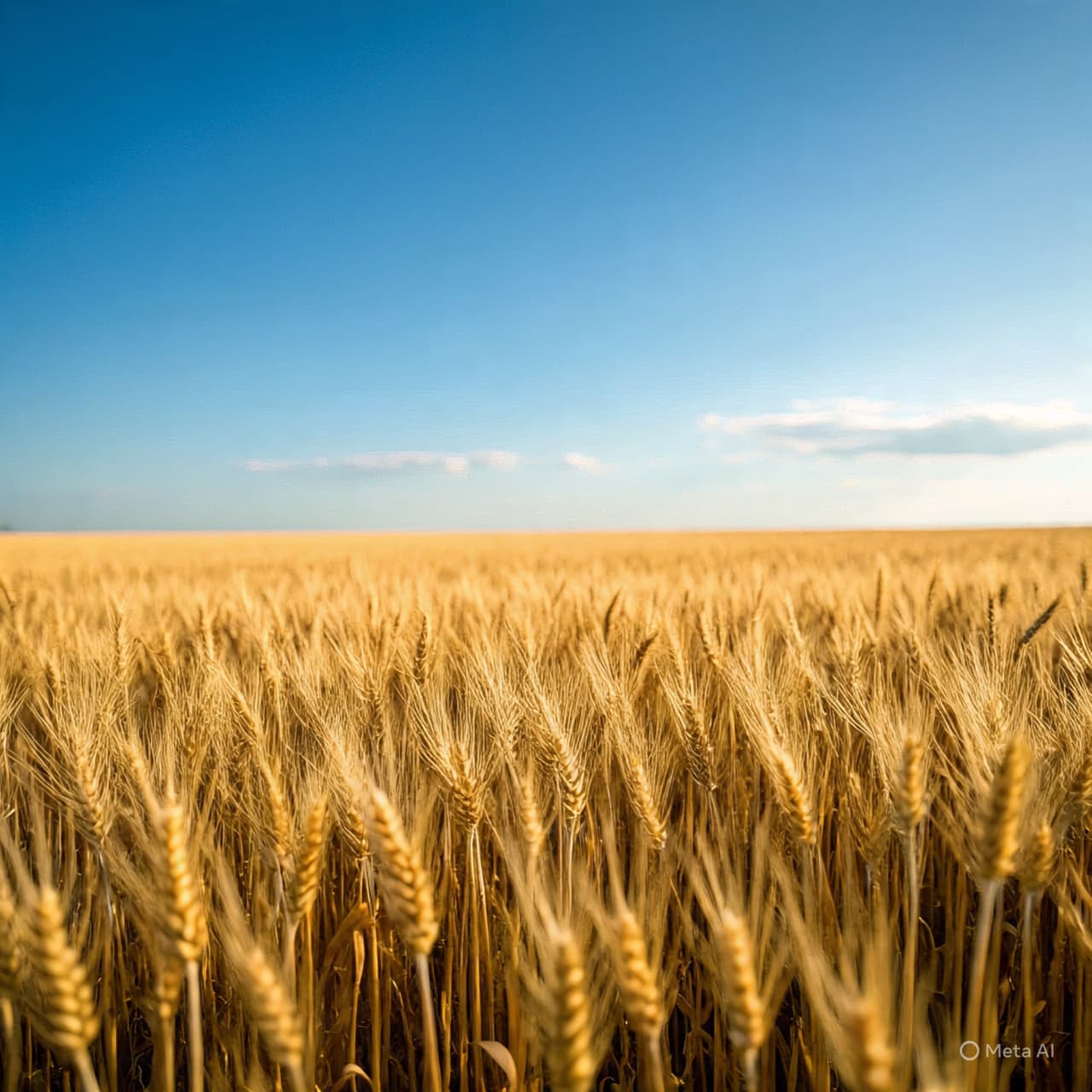
The golden plains of the American heartland have long been more than just a landscape; they are a rhythmic pulse of life, a vast sea of amber waves that feed not only a nation but a hungry world. In this quiet expanse, the wheat stalk bows to the wind, a symbol of resilience and providence. Yet, occasionally, a soft, uninvited shadow falls across these fields—not a storm of clouds and thunder, but one found in a microscopic spore. Karnal bunt, a fungal presence first named for the distant lands of India, carries with it a scent of the sea, a curious fishy aroma that belies its earthly origin. It is a reminder that in the interconnected tapestry of global agriculture, a single kernel can carry the weight of international markets, and the preservation of our harvest requires a vigilance as steady and gentle as the turning of the seasons.
Protecting this harvest is not merely a matter of soil and seed, but a national symphony of coordination and care. The effort to remain prepared for Karnal bunt is akin to a gardener watching for the first sign of a changing climate; it is proactive rather than reactive, rooted in the understanding that the integrity of our grain is our greatest currency. While the fungus itself does not threaten the health of those who consume the bread of the land, its presence can close the heavy doors of global trade, leaving our silos full but our markets quiet. This is why the national strategy focuses so intently on the "what if," weaving together a safety net of rigorous testing, voluntary surveys, and the quiet dedication of researchers who study the spore’s delicate dance with the weather. It is a labor of love for the land, ensuring that the movement of grain from combine to coast remains an uninterrupted flow of golden abundance.
In the current landscape of agricultural management, the focus remains on the "Pest-Free Areas" recognized by federal authorities, a testament to the success of localized containment. In Arizona, where the presence of the fungus has been meticulously monitored since the mid-nineties, the regulatory framework serves as a model of how precision and patience can coexist with productivity. The annual surveys conducted across the country act as a silent pulse check, a way for the industry to whisper back to the world that our fields remain vibrant and clear. This preparedness is not built on fear, but on a profound respect for the complexity of nature and the economic lifelines that sustain our rural communities. By refining our diagnostic tools and maintaining a transparent dialogue with international partners, the national effort ensures that the story of American wheat remains one of quality and trust.
The USDA’s Animal and Plant Health Inspection Service continues to oversee the National Karnal Bunt Survey, a collaborative program involving state departments of agriculture and the private grain industry. Recent reports indicate that the disease remains confined to regulated areas within Arizona, with no new detections in other major wheat-producing states. These ongoing surveillance efforts are designed to provide the necessary phytosanitary certifications required for the export of U.S. wheat to over 20 international markets. Officials emphasize that current protocols for equipment sanitation and seed testing are effective in preventing the spread of the fungal spores. The program remains a permanent fixture of the national agricultural defense strategy to safeguard the economic value of the annual wheat crop.
AI Image Disclaimer
Illustrations were produced with AI and serve as conceptual depictions.
Source Check USDA APHIS (Animal and Plant Health Inspection Service) Texas Department of Agriculture University of Arizona College of Agriculture Economic Research Service (ERS) UK Plant Health Portal
Published by Banx Network. This article is part of the Banx decentralized media programme, powered by the BXE token on the XRP Ledger.