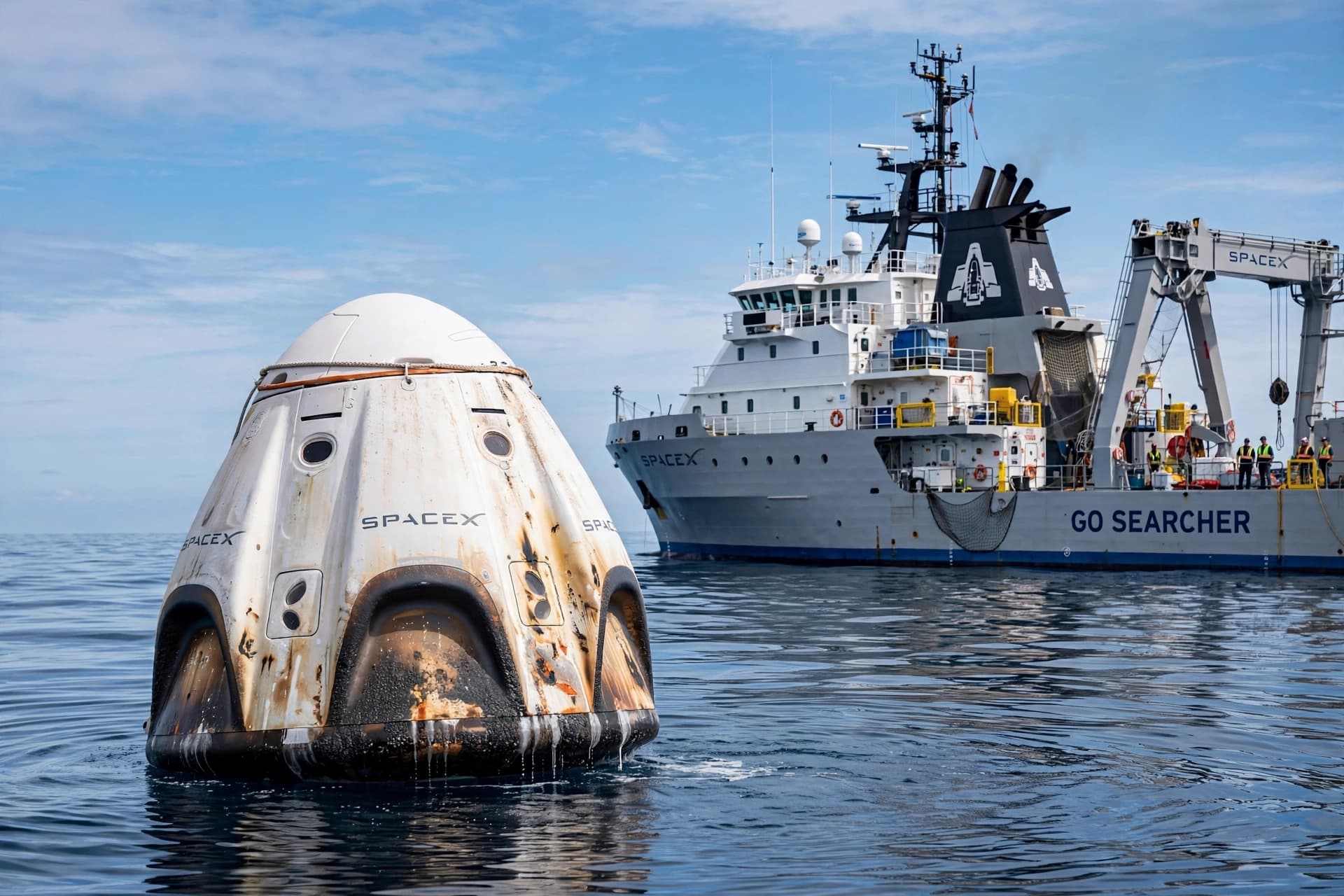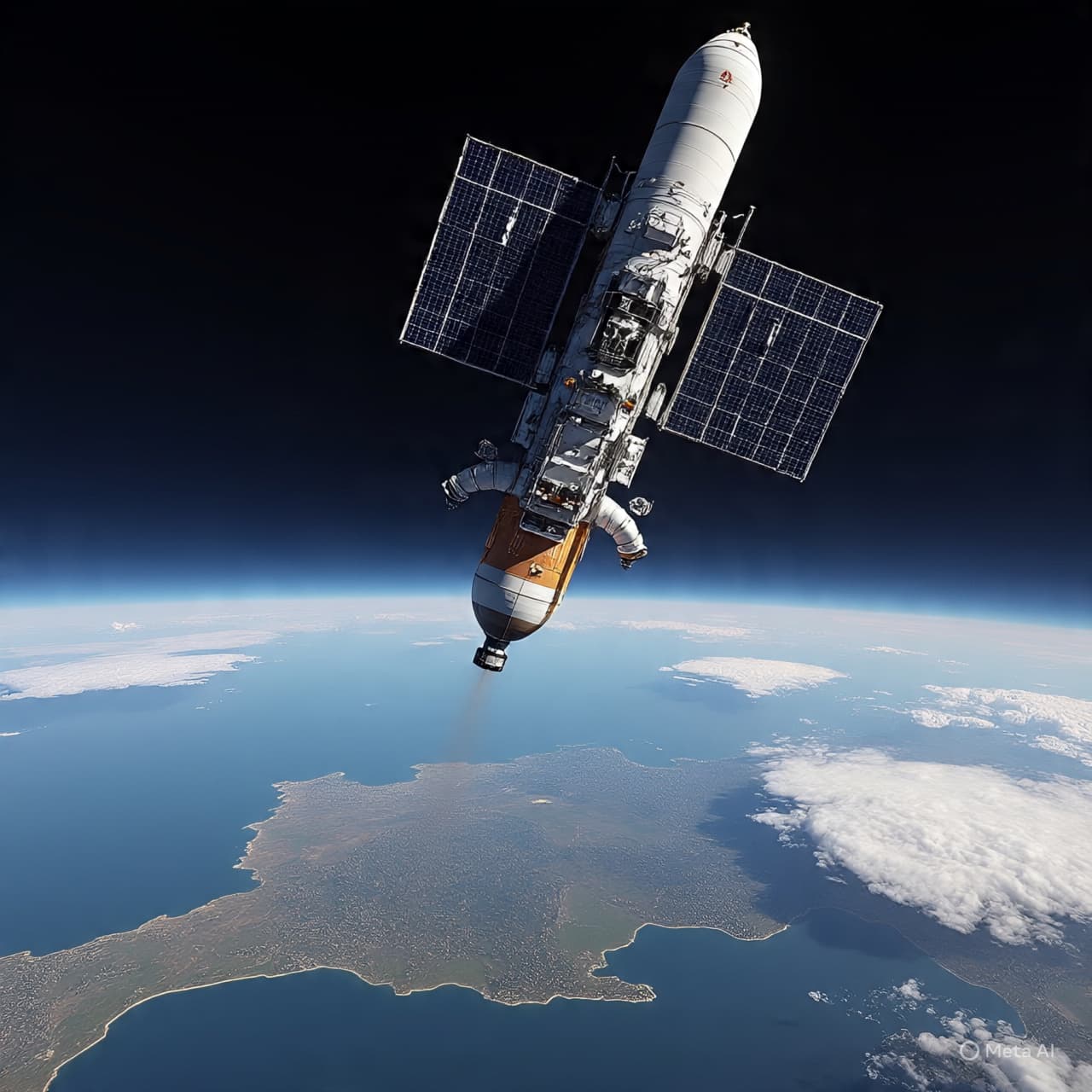
Dawn on any new day brings with it a quiet reckoning of distance and closeness — a sense of how far we have traveled and how near we remain to home. For the four astronauts aboard the International Space Station, that sense has taken on fresh meaning. This week, the orbiting laboratory became both workplace and refuge against an unexpected turn in their mission, prompting a decision that had been planned for but never before enacted: an early return to Earth for medical reasons. Against the tapestry of stars and the gentle curve of the planet below, the SpaceX Crew Dragon Endeavour undocked from the ISS, carrying its crew away from months’ worth of collaboration and research and into the careful trajectory back home.
It was a moment marked by both gravity and grace — a mission originally slated to continue through mid-February cut short by more than a month due to a medical concern affecting one of the astronauts. NASA officials have remained steadfast in their commitment to privacy, declining to name the individual or disclose specific details. Yet they have been equally clear in their reassurance: the affected crew member is stable, and the decision to return was driven by prudence rather than urgent peril. In many ways, this reflects the balance that defines human spaceflight — the interplay between courage to explore and the humility to safeguard life.
The Crew-11 team — NASA astronauts Zena Cardman and Mike Fincke, Japan’s Kimiya Yui, and Russian cosmonaut Oleg Platonov — had shared more than five months in orbit. Their camaraderie was visible not only in shared work and moments of quiet wonder looking out at Earth’s blue sphere but also in the supportive gestures that accompany life both in orbit and on the ground. Before departure, Commander Cardman spoke about how the crew had come together “like a family,” tending to one another in a place where self-reliance intertwines with interdependence.
The undocking, a ballet of physics and precision, unfolded with the same calm efficiency that has characterized the station’s operations for over a quarter century. Mission teams on Earth watched as the capsule eased away, beginning the roughly 11-hour deorbit journey that would culminate in a splashdown off the coast of Southern California early Thursday morning. Though the astronauts’ time in space will be remembered for its scientific achievements and human connections, this return journey also highlights another aspect of spaceflight: the very real intersection of medical care and remote exploration.
Historically, humanity’s ventures beyond Earth have been marked by meticulous planning and meticulous contingencies, yet few could have predicted that this particular necessity would arrive only now. The International Space Station, continuously inhabited since 2000, has weathered countless challenges without prompting such a return. As the Crew Dragon arcs toward Earth, there is a collective sigh — not of surrender, but of careful stewardship, ensuring that the explorers entrusted with advancing knowledge also receive the healing and attention they deserve on solid ground.
In the soft light of recovery operations and scientific reflection, NASA and its partners will now look ahead to staffing the ISS once again, welcoming a new crew and continuing the work that binds nations and hearts above the atmosphere. The return of the Crew-11 astronauts marks not only a historic first in medical evacuation but a testament to how anchored we remain, even in the boundless expanse of space, to the simple truth that home — and care — are always worth returning to.
AI Image Disclaimer (Rotated) Illustrations were produced with AI and serve as conceptual depictions.
Sources Reuters Associated Press The Guardian Space.com France 24
Published by Banx Network. This article is part of the Banx decentralized media programme, powered by the BXE token on the XRP Ledger.