In the vast tapestry of the cosmos, where space itself stretches like strands of silken dust between stars, there are whispers of ancient beginnings that challenge our simplest imaginings. Astronomers peer out across billions of years searching for clues to a mystery that hums at the heart of nearly every galaxy: what gave birth to the supermassive black holes that anchor them? Like echoes long faded yet still faintly heard, emerging theories hint that something unusual perhaps once brilliant, now vanished may have seeded these cosmic titans.
For decades, astrophysicists have known that supermassive black holes objects millions to billions of times the mass of our Sun sit in the centers of galaxies, including our Milky Way. Yet traditional paths, where typical stars end their lives and collapse into black holes, simply cannot build such monsters quickly enough, especially in the early universe near the dawn of time. Observations from modern telescopes have revealed supermassive black holes when the cosmos was young far earlier than expected by conventional stellar evolution.
In recent years, an intriguing idea has gained attention among researchers: the notion of “dark stars.” In this scenario, these hypothetical objects not dark because they were invisible, but because their energy source differed might have blossomed in the young universe before ordinary stars lit up. Instead of generating power by nuclear fusion like regular stars, dark stars would have been fueled by the annihilation of dark matter particles, allowing them to grow to mind-boggling sizes.
Imagine a star that draws its strength not from the familiar hydrogen burning that lights the night sky, but from the shadowy substance that makes up much of the cosmos yet remains unseen. If these dark stars reached gargantuan masses hundreds of thousands to millions of times that of our Sun their eventual collapse could have produced very massive black hole “seeds” almost instantly. Once born, these seeds could then rapidly feed and grow into the supermassive black holes we see at the centers of galaxies.
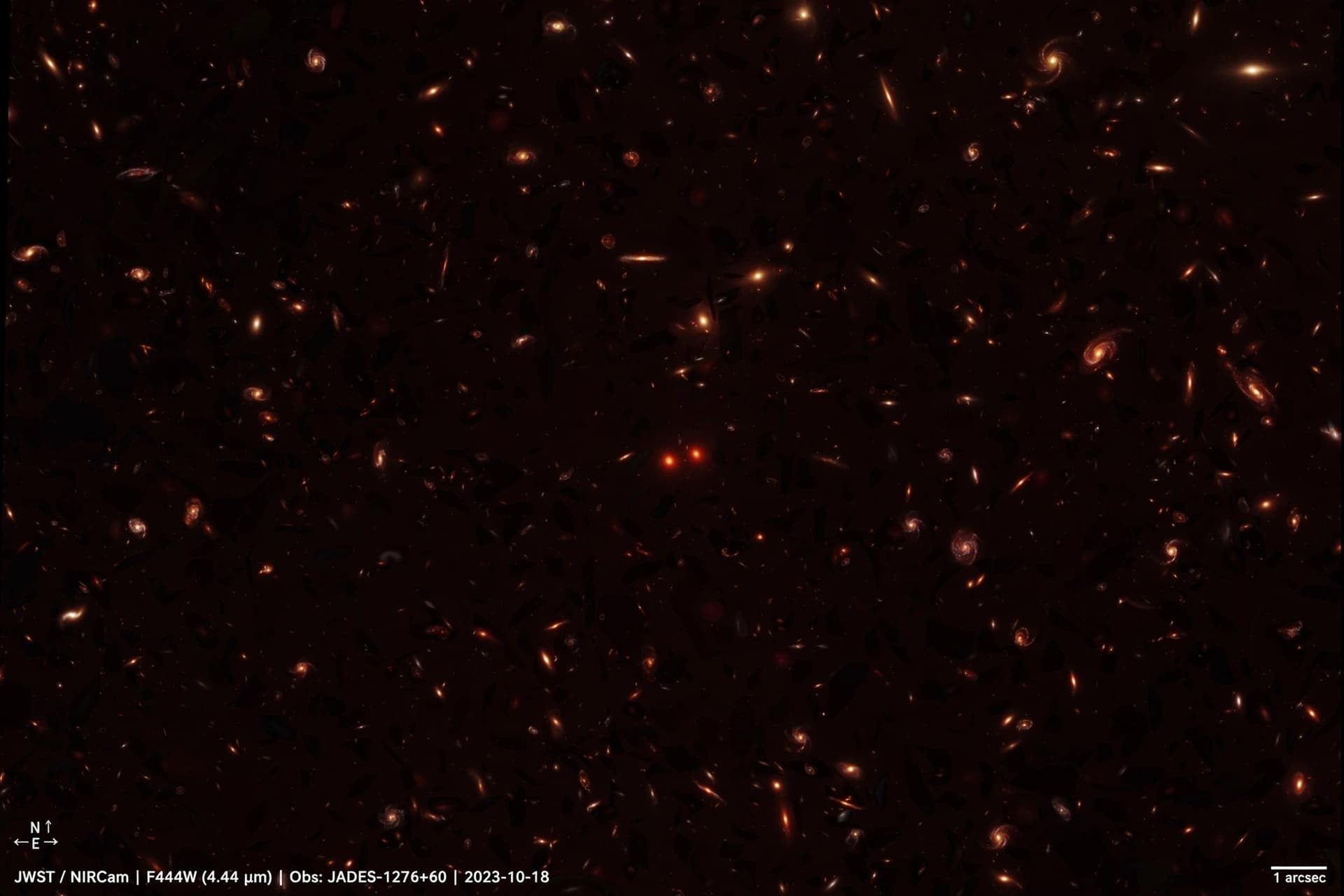
This concept resonates with the challenges posed by discoveries from instruments such as the James Webb Space Telescope. That observatory has identified cosmic objects in the early universe that defy simple classification, including dense, luminous sources and enigmatic “little red dots” that might hide massive collapsed cores. Some researchers speculate these could be lingering signatures of unusual stellar ancestors like dark stars.
Of course, the dark star idea remains speculative. Not all astronomers agree that such stars existed, nor is there direct observational proof yet. Other theories persist, including models in which massive black holes arise from the direct collapse of huge clouds of gas in the young universe or rapidly through mergers and accretion in dense cosmic environments. Nevertheless, the presence of early, supermassive black holes observed when the universe was less than a billion years old suggests that we may need to look beyond standard stellar life cycles to understand these extraordinary objects.
Thus, in the quiet glow of distant galaxies, the story of dark stars serves as an evocative possibility: a gentle reframing of how the cosmos wove its largest threads. Whether or not these mysterious stars once shone, they remind us that the universe’s earliest chapters are still being written, and our quest to interpret them continues with patience and wonder.
In the end, what we do know grounded in observation and theory is that supermassive black holes are real, and their origins are a tapestry woven from many strands of cosmic evolution. Scientists continue to probe these earliest epochs with ever more powerful tools, bringing clarity to questions that just a generation ago seemed beyond our reach.
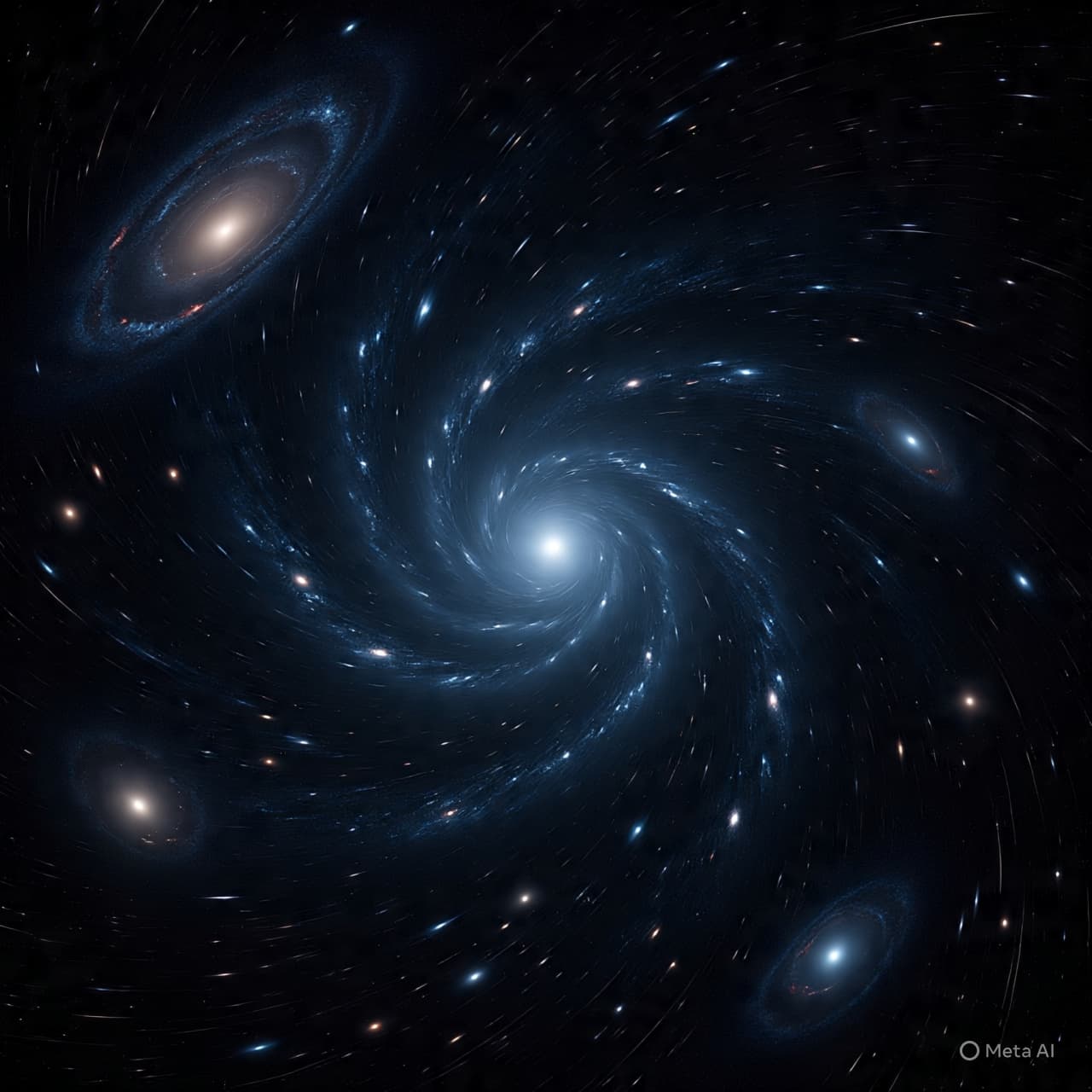
AI Image Disclaimer “Visuals are created with AI tools and are not real photographs.”
Sources:
Space.com Wikipedia (Supermassive black hole) Scientific American NASA Sciencedaily
Published by Banx Network. This article is part of the Banx decentralized media programme, powered by the BXE token on the XRP Ledger.