The Scales of Heat: Re‑Examining Earth’s Increasing Temperatures
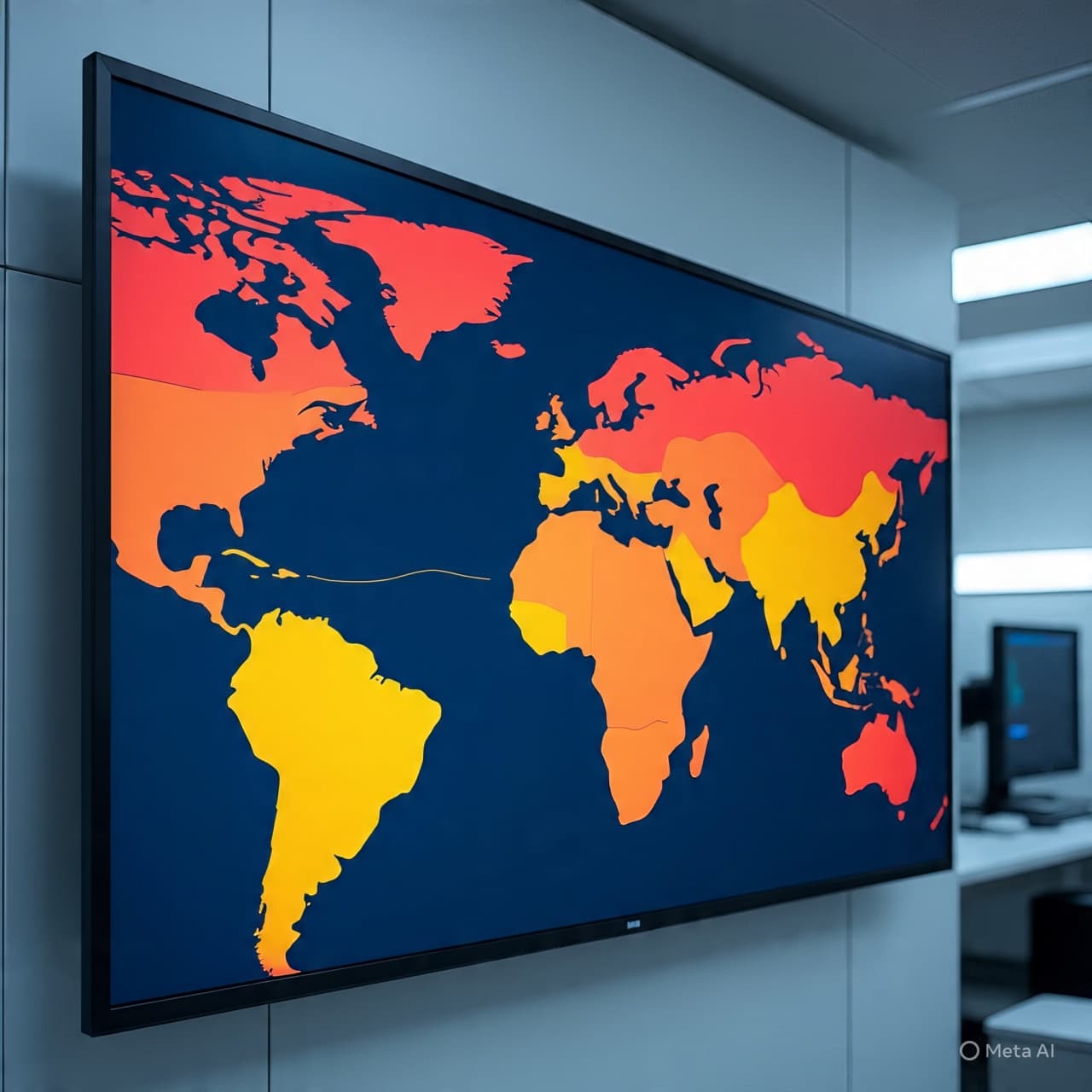
New climate data prompts scientists to reassess how much the Earth has warmed, refining temperature records while reaffirming long‑term warming trends.

New climate data prompts scientists to reassess how much the Earth has warmed, refining temperature records while reaffirming long‑term warming trends.

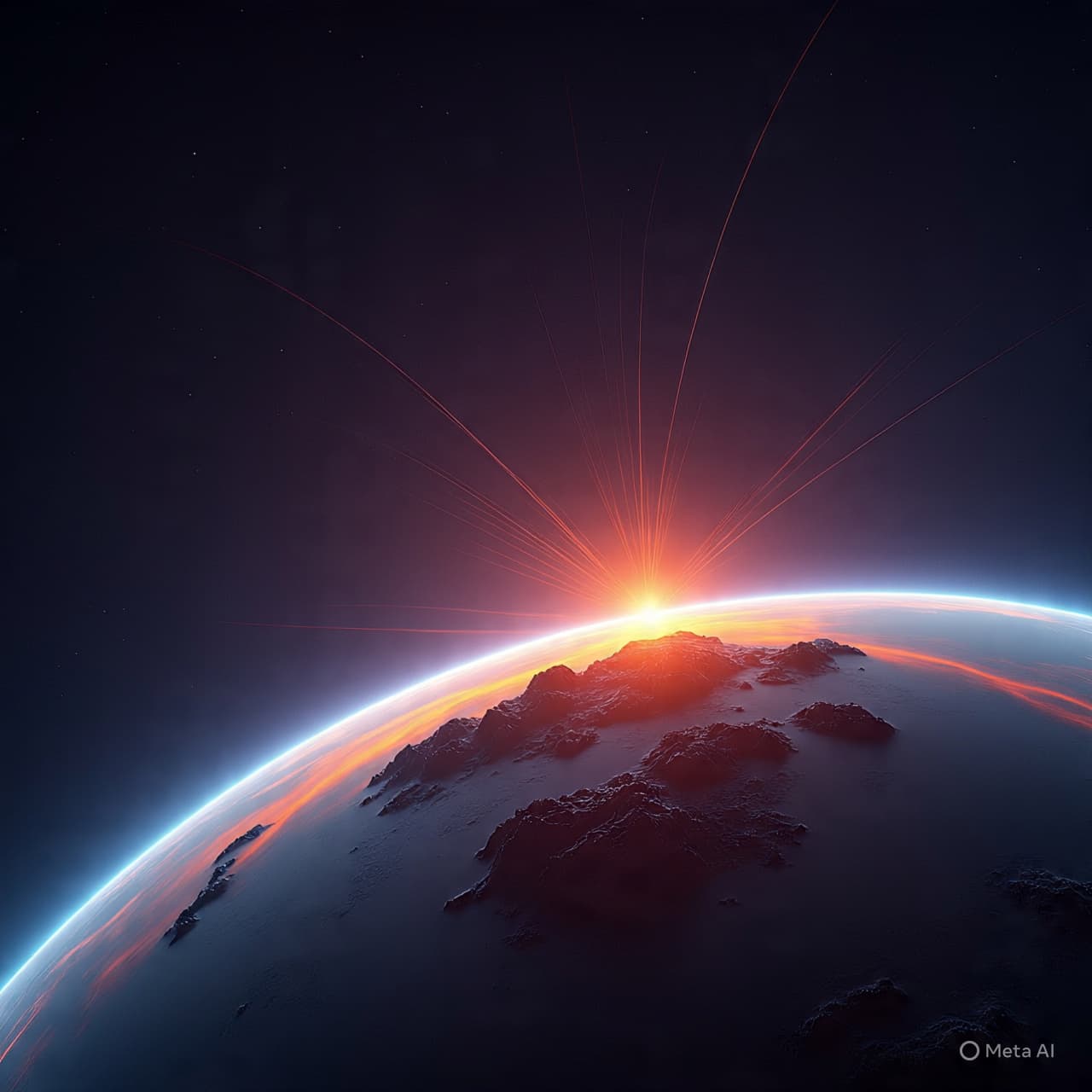
A photographer in Italy has captured a rare luminous atmospheric event over his town for the second time, offering scientists and skywatchers a striking glimpse of a fleeting phenomenon.

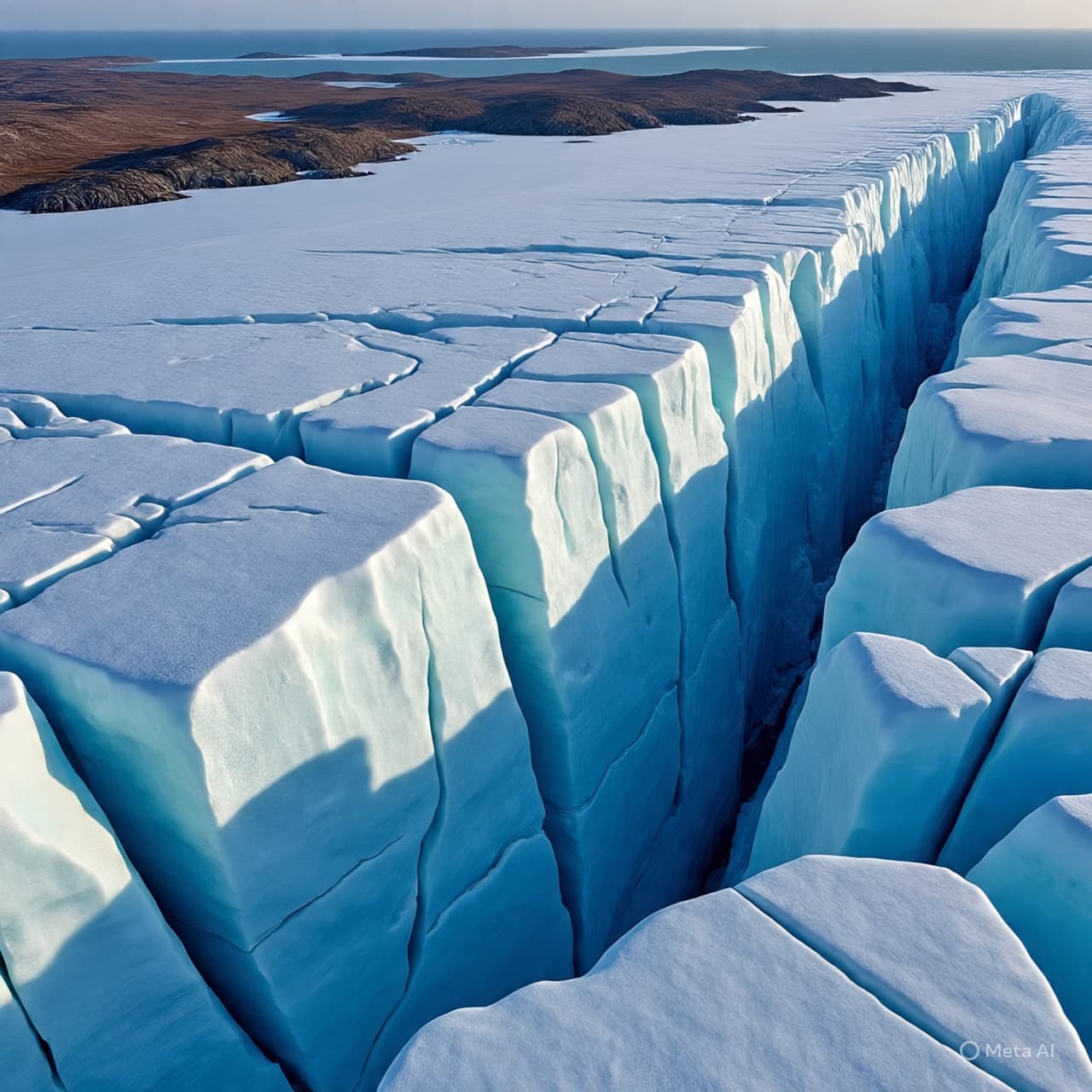
Scientists detected hundreds of small earthquakes beneath Antarctica’s Thwaites Glacier, raising concern and uncertainty about how the unstable ice mass is responding to stress and warming.

Scientists have sequenced the vampire squid’s genome for the first time, revealing how the deep-sea species evolved to survive darkness, pressure, and low oxygen.

Scientists have found evidence that Earth’s mantle may contain the planet’s largest water reservoir, locked inside minerals and reshaping how we understand Earth’s geology.

Astronomers detected a deep-space explosion lasting nearly seven hours, defying known categories of cosmic events and hinting at a phenomenon never seen before.

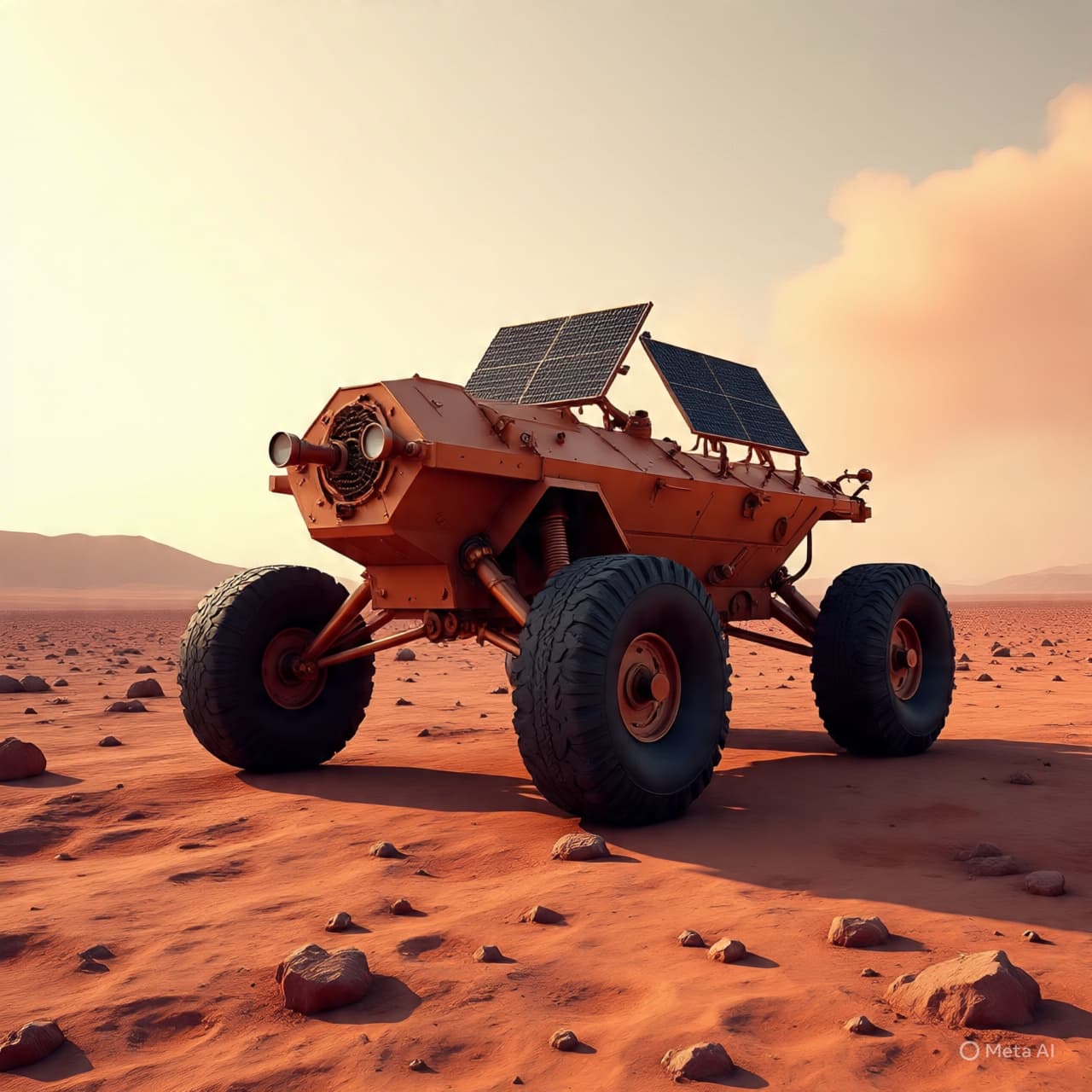
NASA’s Curiosity rover has made an unprecedented chemical discovery at a new Mars location, revealing unexpected complexity in the planet’s ancient geological environment.

Astronomers report the strongest evidence yet that a molten rocky exoplanet has an atmosphere, challenging long-held assumptions about how planets survive extreme heat.

nterstellar comet 3I/ATLAS is passing close to Earth, giving astronomers a rare chance to study material formed around another star and deepen understanding of cosmic origins.

Scientists have identified a mysterious rock layer about 20 kilometers beneath a major Atlantic island, suggesting a more complex geological history than previously believed.

Scientists have discovered a uniquely thick rock layer more than 12 miles beneath Bermuda’s crust — a geological feature unlike any seen elsewhere, raising new questions about Earth’s deep structure.

China’s Taikonauts installed debris protection panels on its Tiangong space station’s exterior during recent spacewalks, bolstering defenses after a debris impact and highlighting orbital hazards.

Scientists have sequenced the massive genome of the vampire squid, uncovering new clues about cephalopod evolution and revealing how it retains ancient chromosome features linking squids and octopuses.

Astronomers have identified a binary star system where one star is being devoured by its companion and is expected to explode as a supernova so bright it could be visible from Earth in broad daylight.

A Japanese astronaut aboard the ISS has shared striking December images of Earth, highlighting seasonal contrasts, glowing cities, and the planet’s quiet unity from orbit.

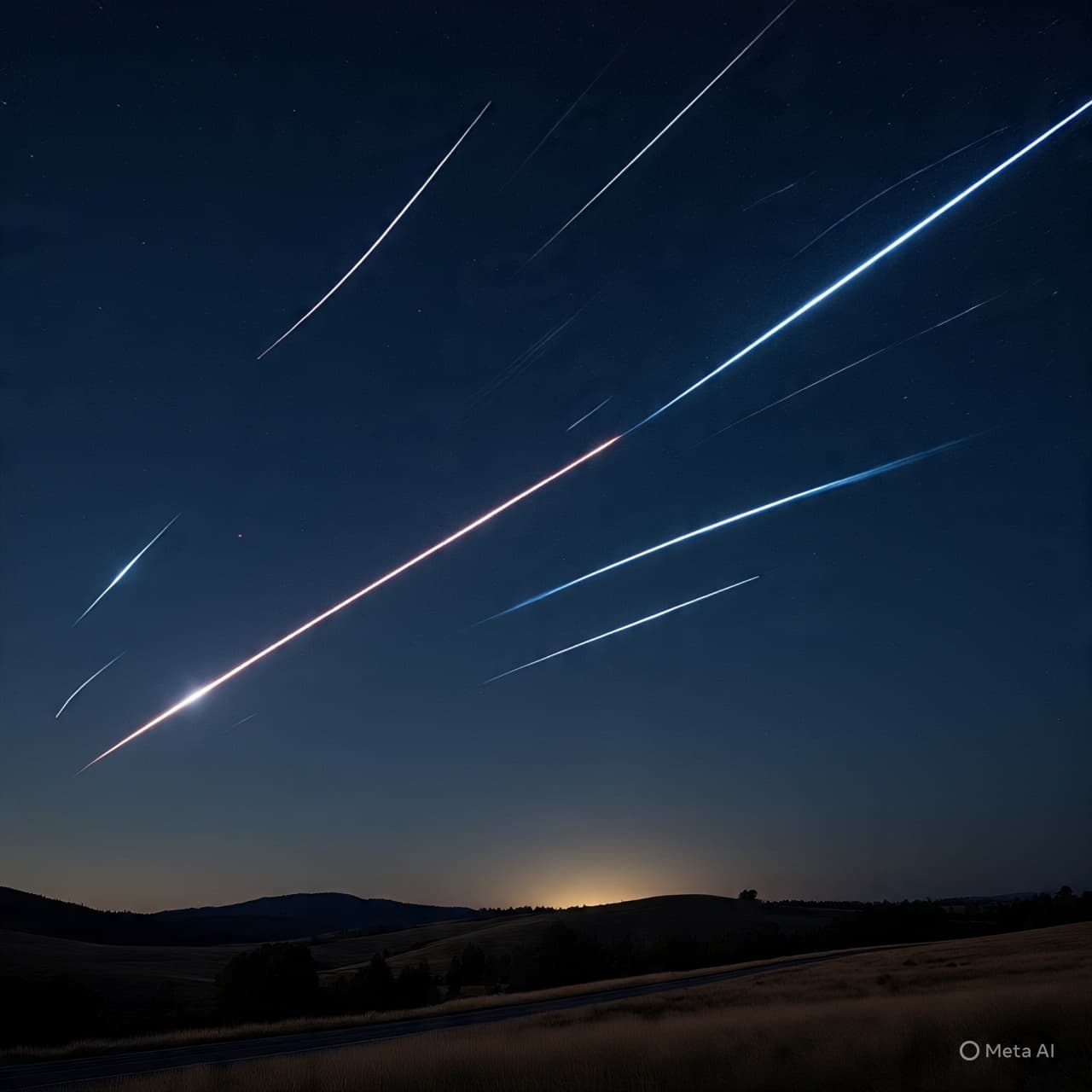
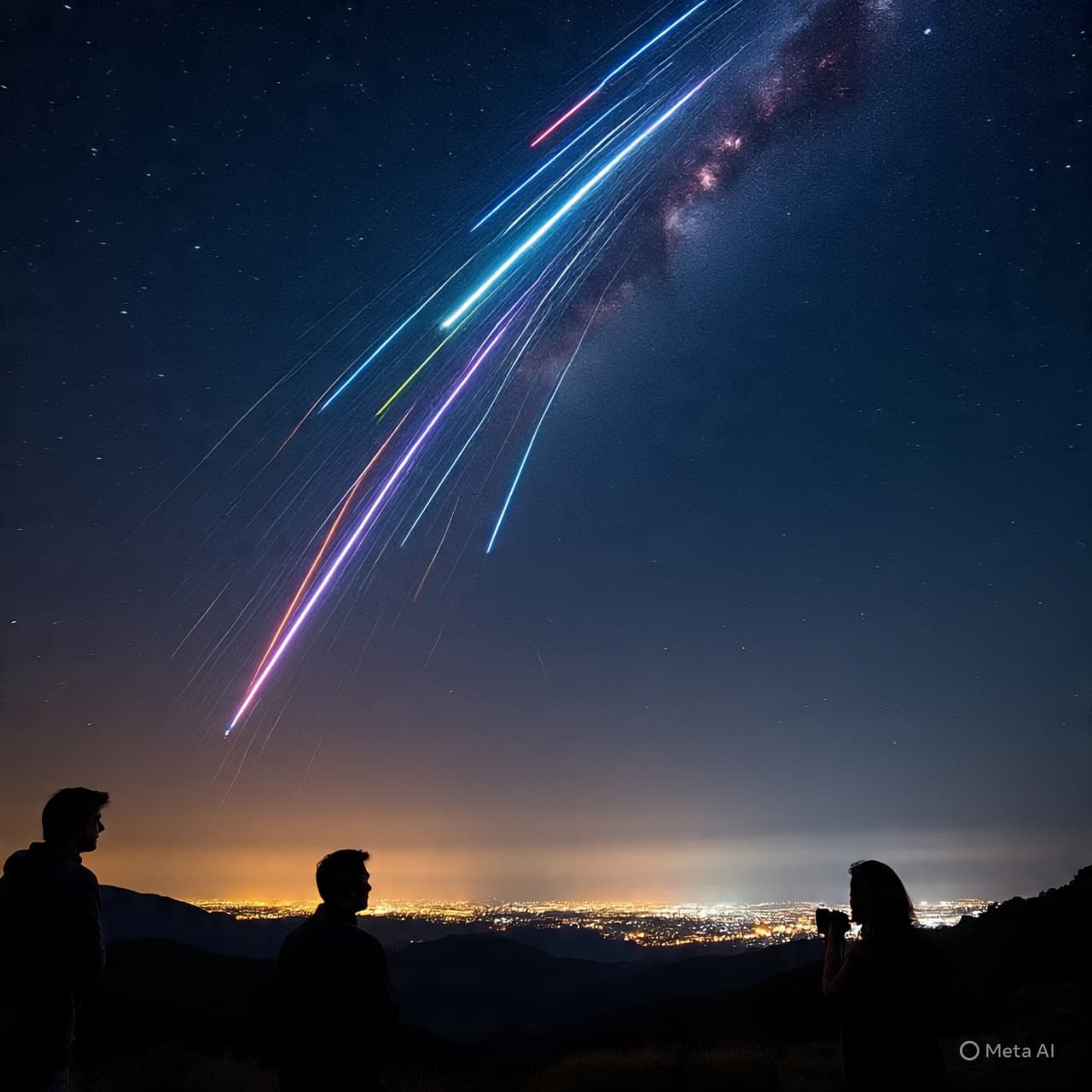
The Geminids meteor shower peaks tonight, offering one of the year’s most reliable celestial displays with bright, frequent streaks visible to patient skywatchers.

Dark stars may have shaped the early universe without shining, using dark matter to influence galaxy formation and cosmic structure before conventional light emerged.

The Bay Area will see the Geminid meteor shower at its peak, with bright lights from debris of the old dead comet-like object 3200 Phaethon streaking across the night sky.

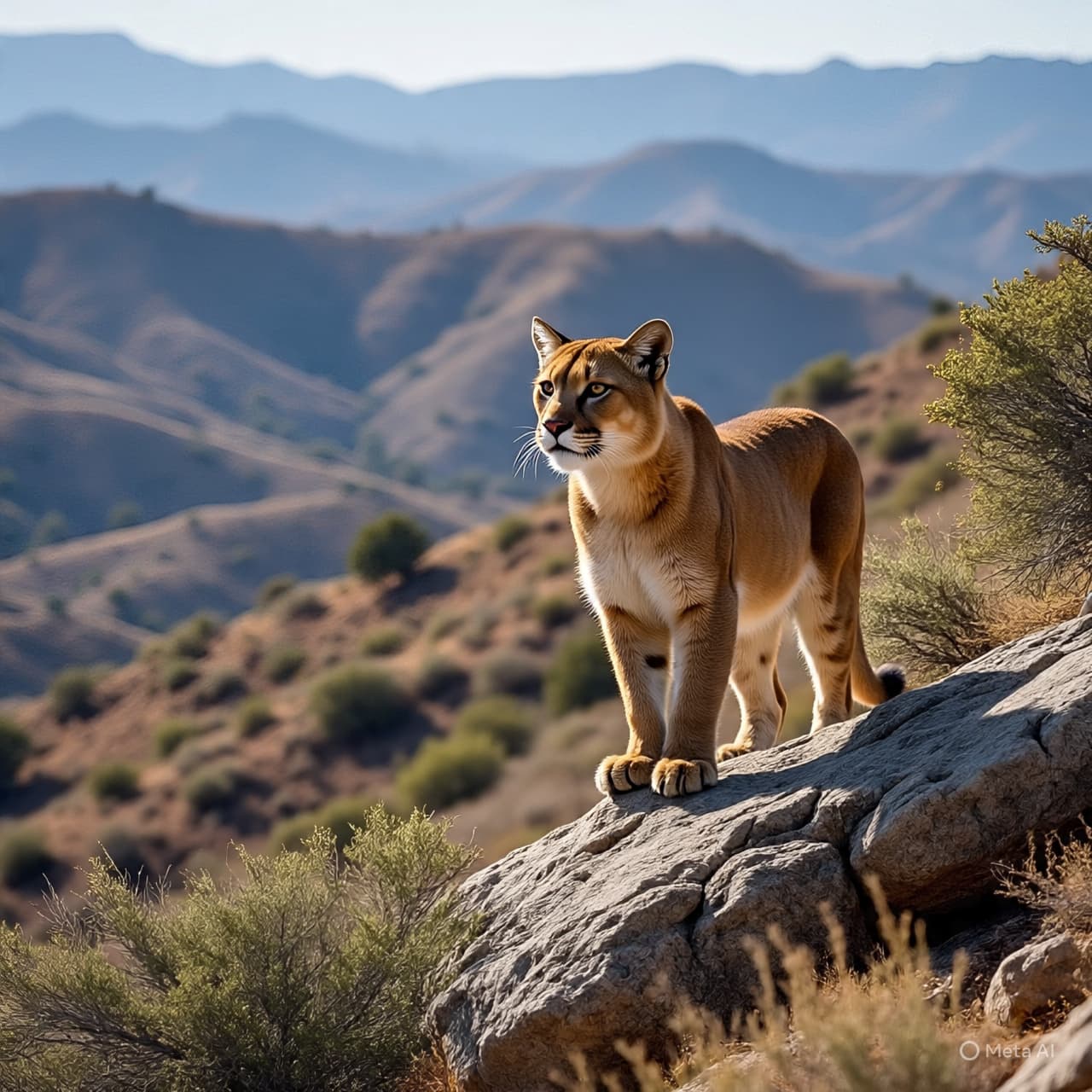
A cougar struck by a vehicle in Michigan’s Upper Peninsula survived and walked away, prompting renewed caution from state wildlife officials about road risks in forested areas.

Scientists recommend threatened status for Southern California’s mountain lions as habitat loss, road dangers, and genetic isolation put long-term survival at risk.

New research shows the Amazon is shifting toward a hotter, drier “hypertropical” climate, threatening tree survival and weakening its role as a global carbon absorber.

Astronomers observed a black hole blasting winds at nearly 130 million mph, revealing a powerful phenomenon that shapes galaxies and expands our understanding of cosmic forces.

A new scientific report urges that human missions to Mars prioritize the search for alien life, arguing astronauts are essential for detecting and protecting potential biological evidence.

NASA astronaut and Los Angeles native Jonny Kim has returned to Earth after 245 days on the International Space Station, completing a long-duration mission focused on science and exploration.