When a Black Hole Breathes: Winds Faster Than Imagination
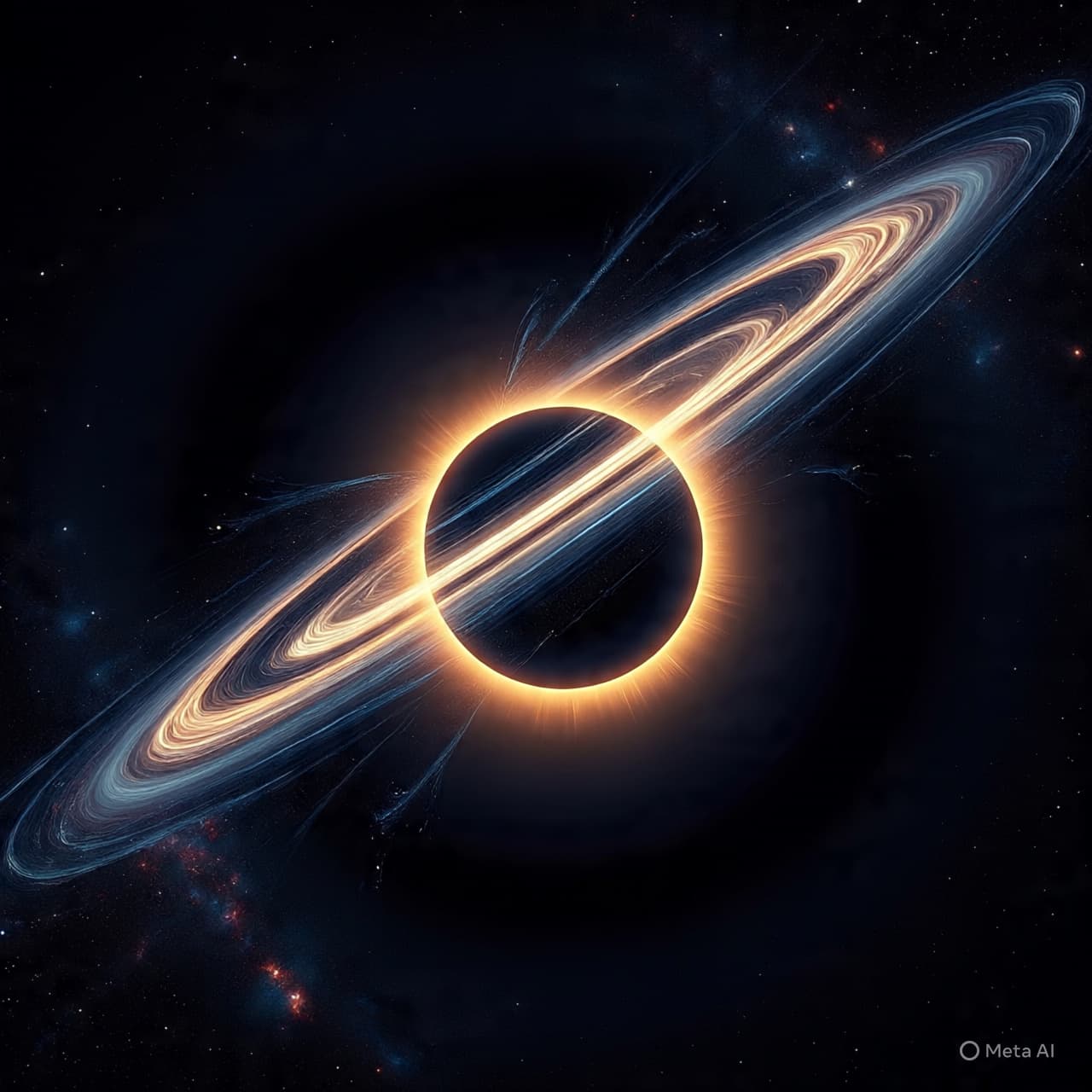
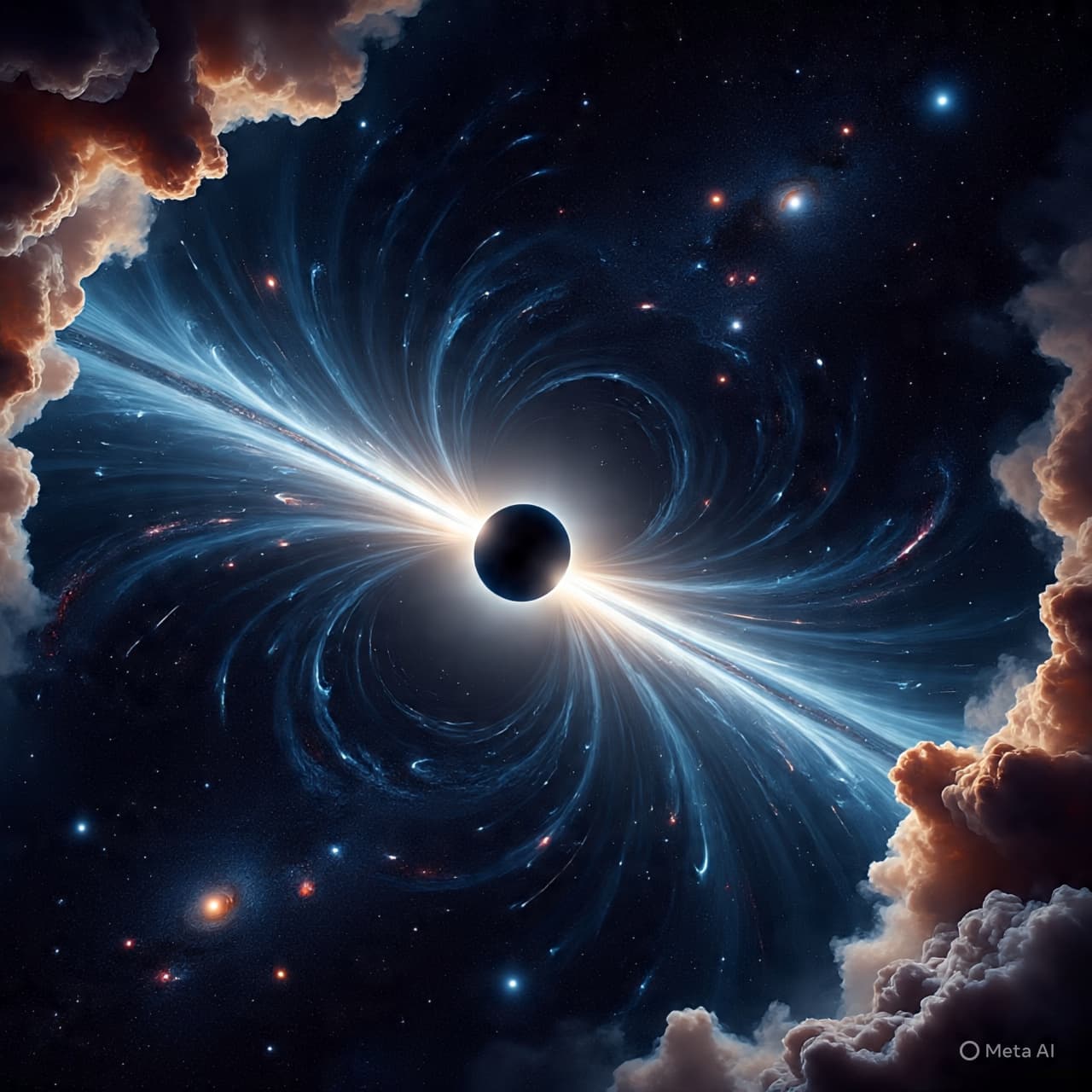
Astronomers observed a black hole blasting winds at nearly 130 million mph, revealing a powerful phenomenon that shapes galaxies and expands our understanding of cosmic forces.

Astronomers observed a black hole blasting winds at nearly 130 million mph, revealing a powerful phenomenon that shapes galaxies and expands our understanding of cosmic forces.

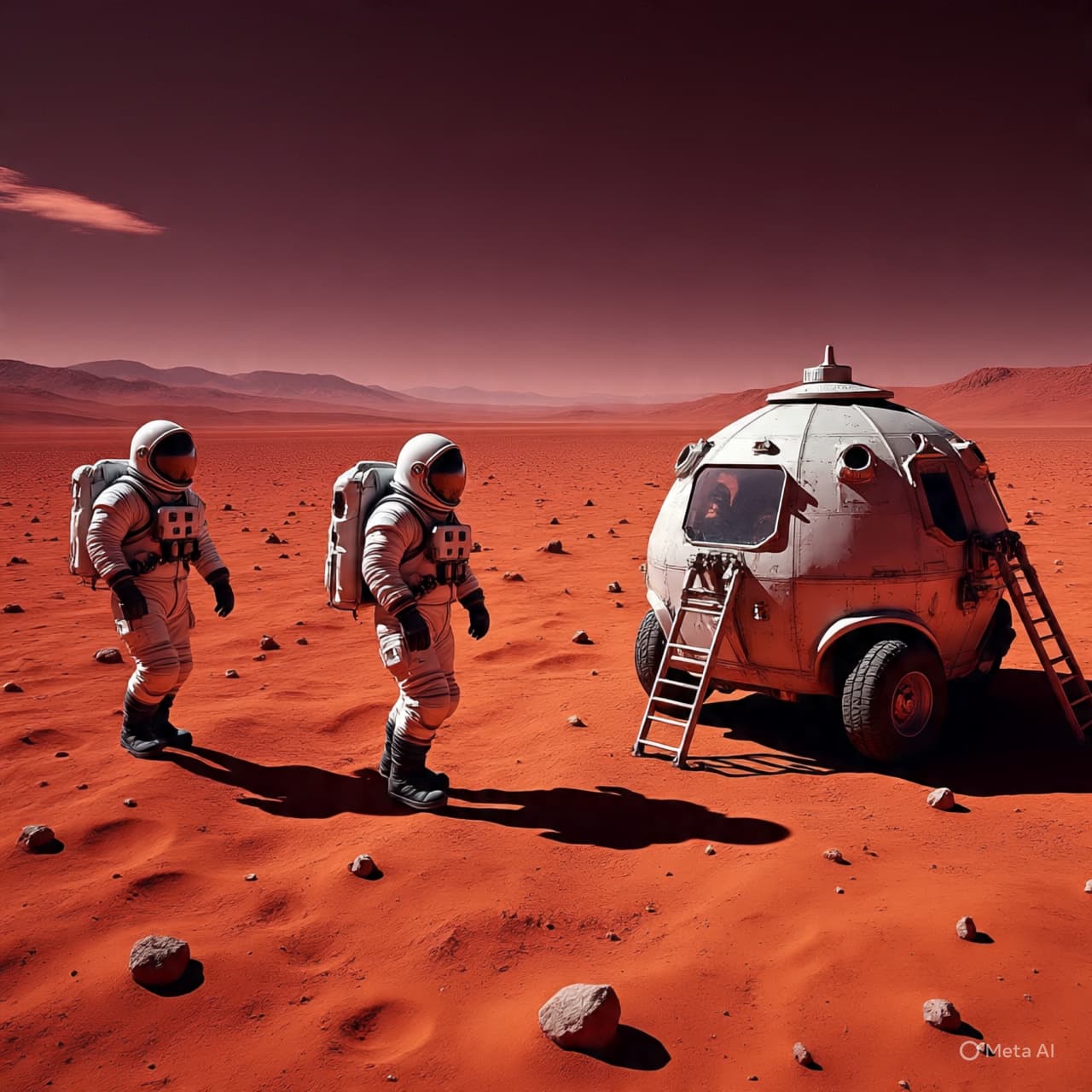
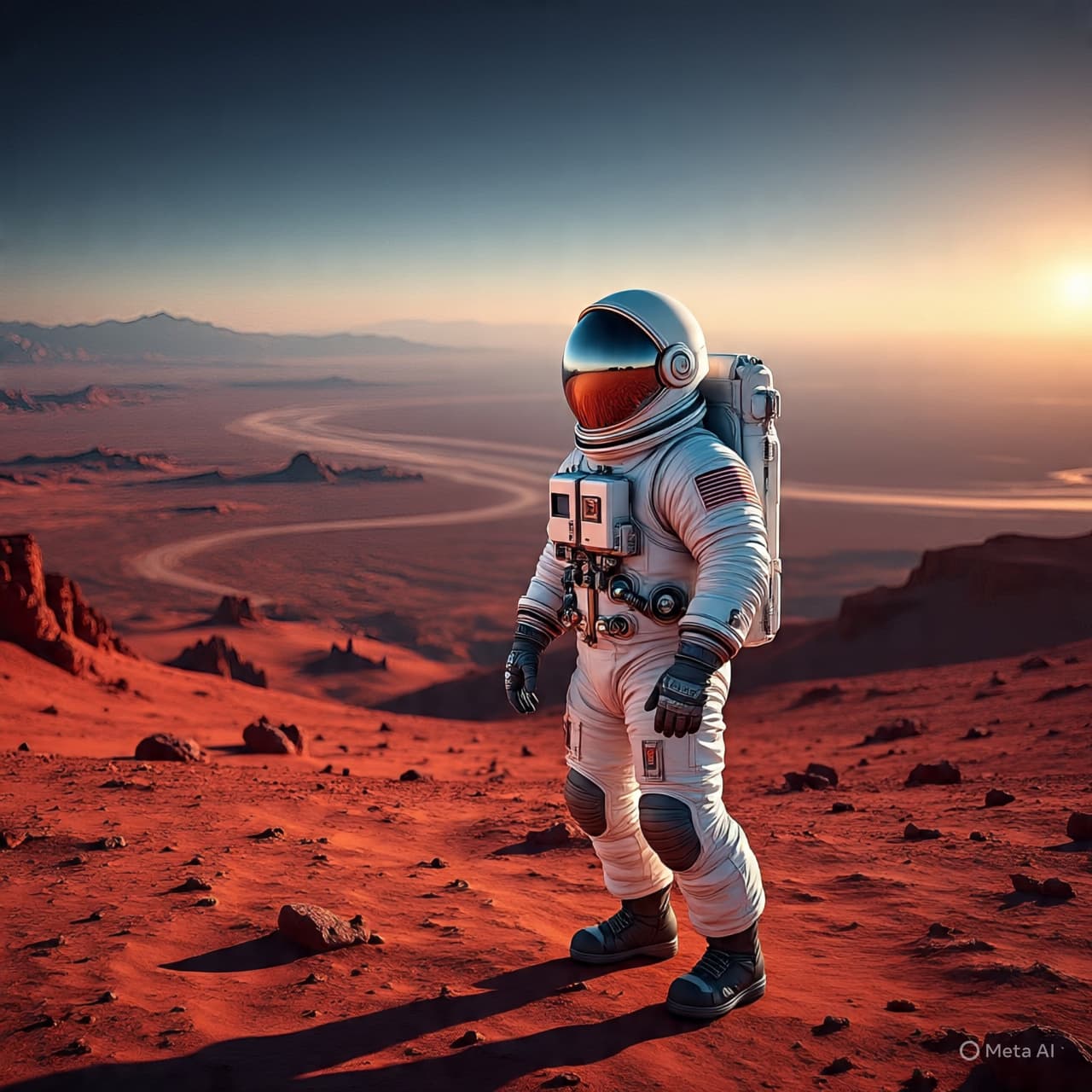
A new scientific report urges that human missions to Mars prioritize the search for alien life, arguing astronauts are essential for detecting and protecting potential biological evidence.

NASA astronaut and Los Angeles native Jonny Kim has returned to Earth after 245 days on the International Space Station, completing a long-duration mission focused on science and exploration.

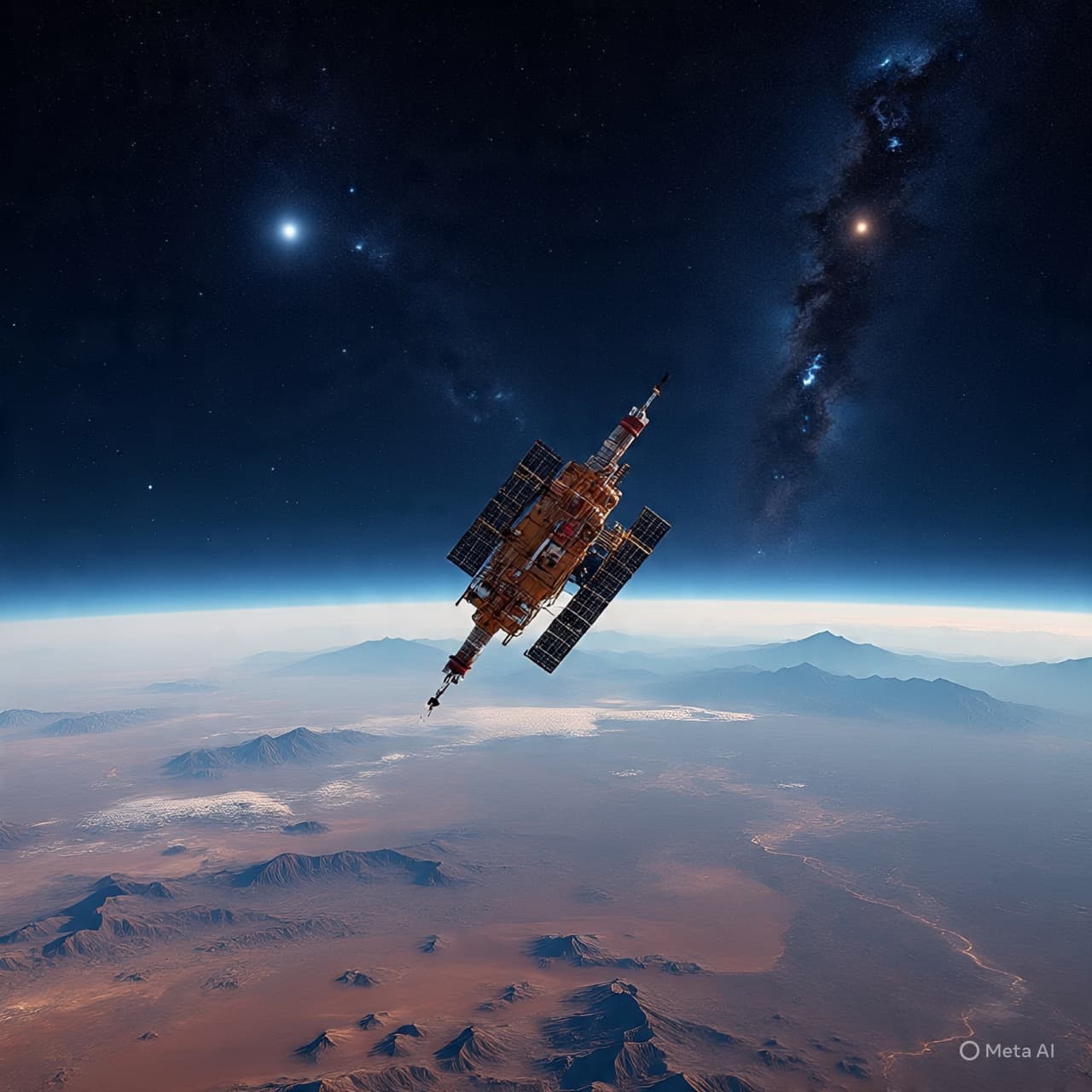
NASA has lost contact with its MAVEN spacecraft after a decade orbiting Mars, prompting efforts to reestablish communication with the long-running atmospheric mission.

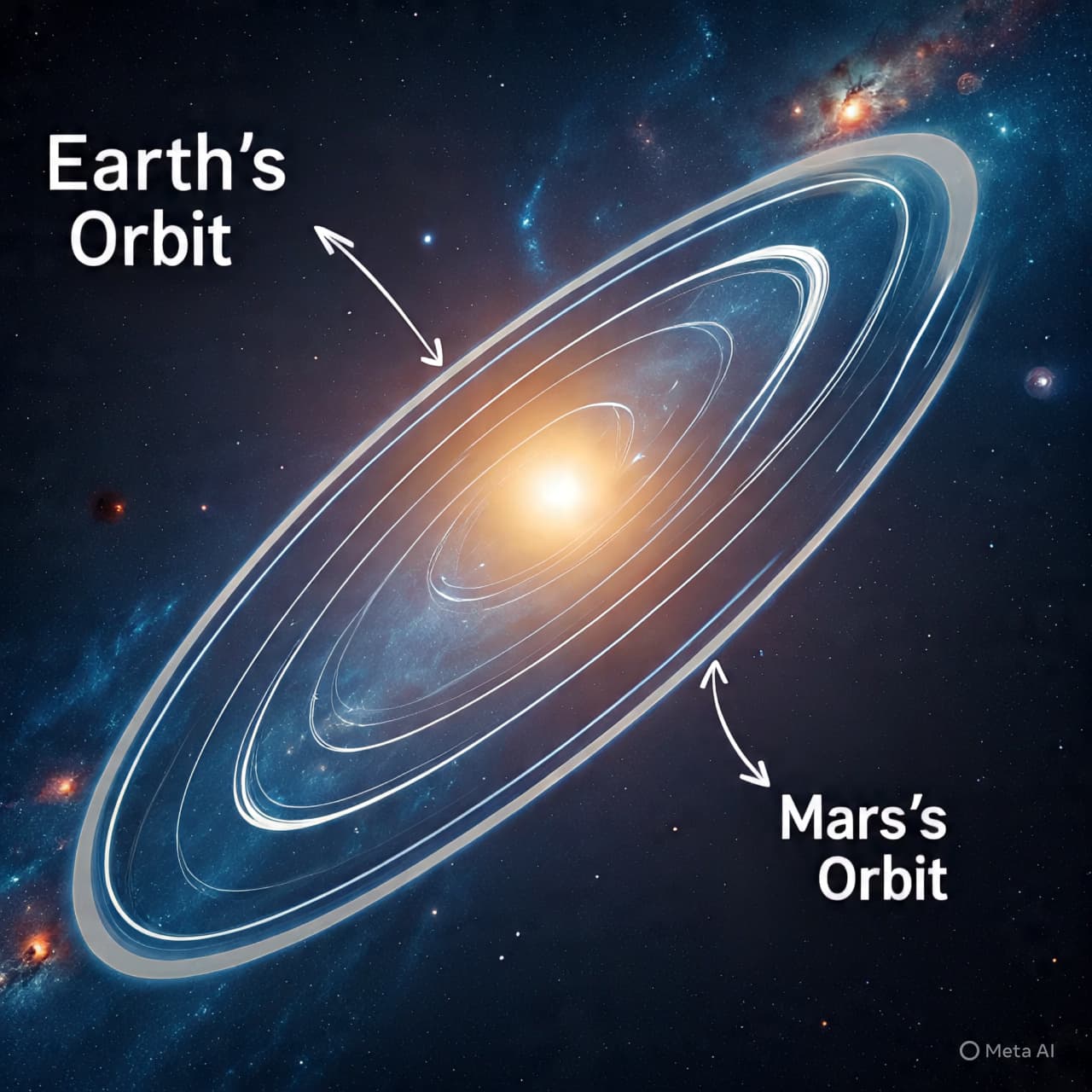
Scientists have determined that clocks on Mars tick about 477 microseconds per Earth day faster than those on Earth due to weaker gravity and orbital motion, a consequence of Einstein’s relativity that must be accounted for in future Mars navigation and communication systems.

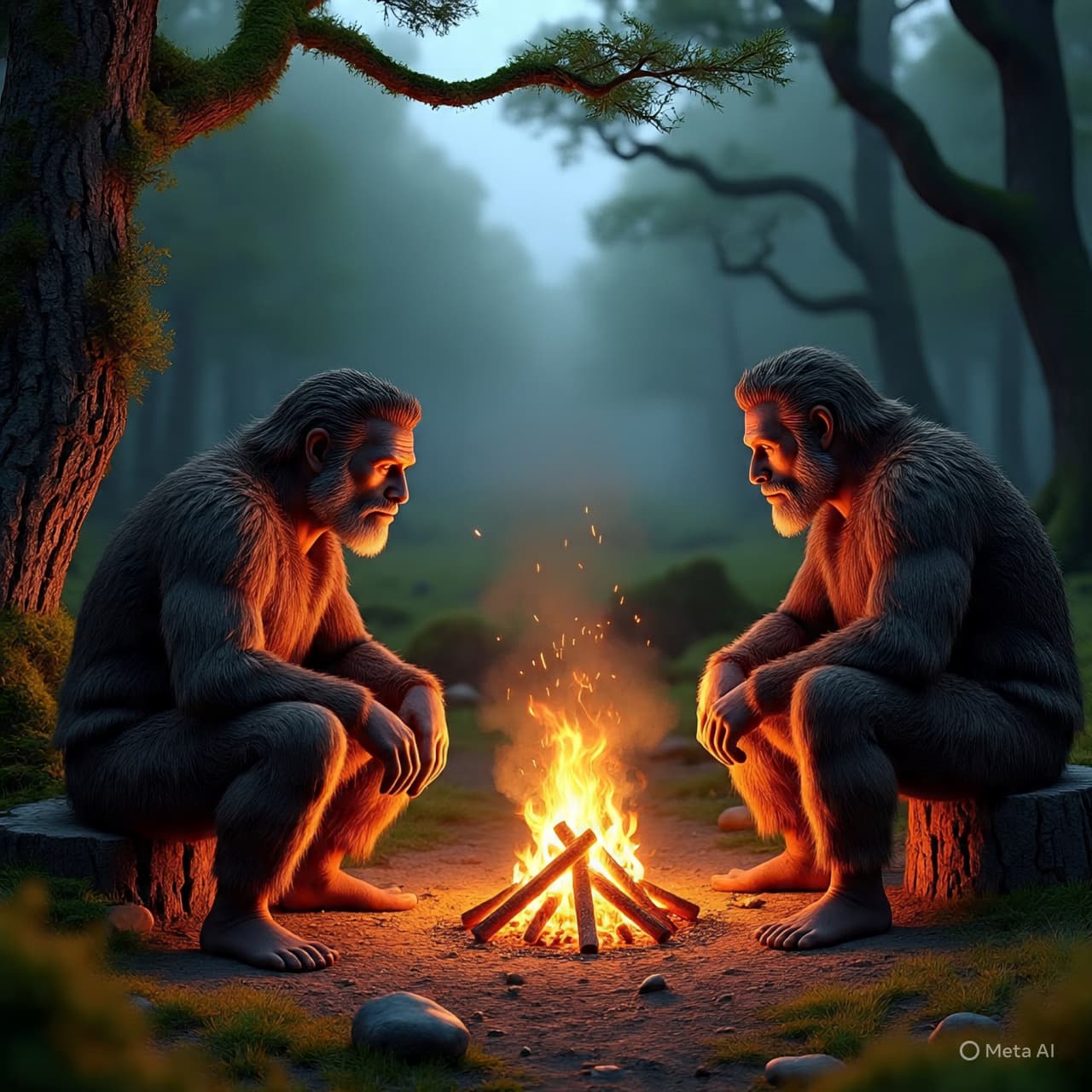
Archaeologists discovered evidence that ancient humans made fire around 400,000 years ago in Suffolk — about 350,000 years earlier than previously believed.

A robotic float drifted under East Antarctica’s ice shelves for eight months — then resurfaced with rare ocean-temperature and salinity data from beneath ice.

SpaceX aims for a mid-2026 IPO, hoping to raise over $30 B and reach a $1.5 T valuation — a record-breaking debut reshaping the boundaries between space and finance.

Chinese astronauts performed a spacewalk to inspect debris damage on Shenzhou-20’s re-entry capsule, triggering safety upgrades and a thorough review of orbital debris risks.

A new scientific report argues that human missions to Mars — focused on life detection, planetary evolution studies, and sustainable exploration — offer unmatched scientific and long-term benefits.

New studies show Roman concrete’s longevity stems from a “hot-mixing” technique and quicklime-laden mix that gives it self-healing properties — cracks triggered by weather, saltwater or stress fill naturally over time, helping structures survive 2,000 years.

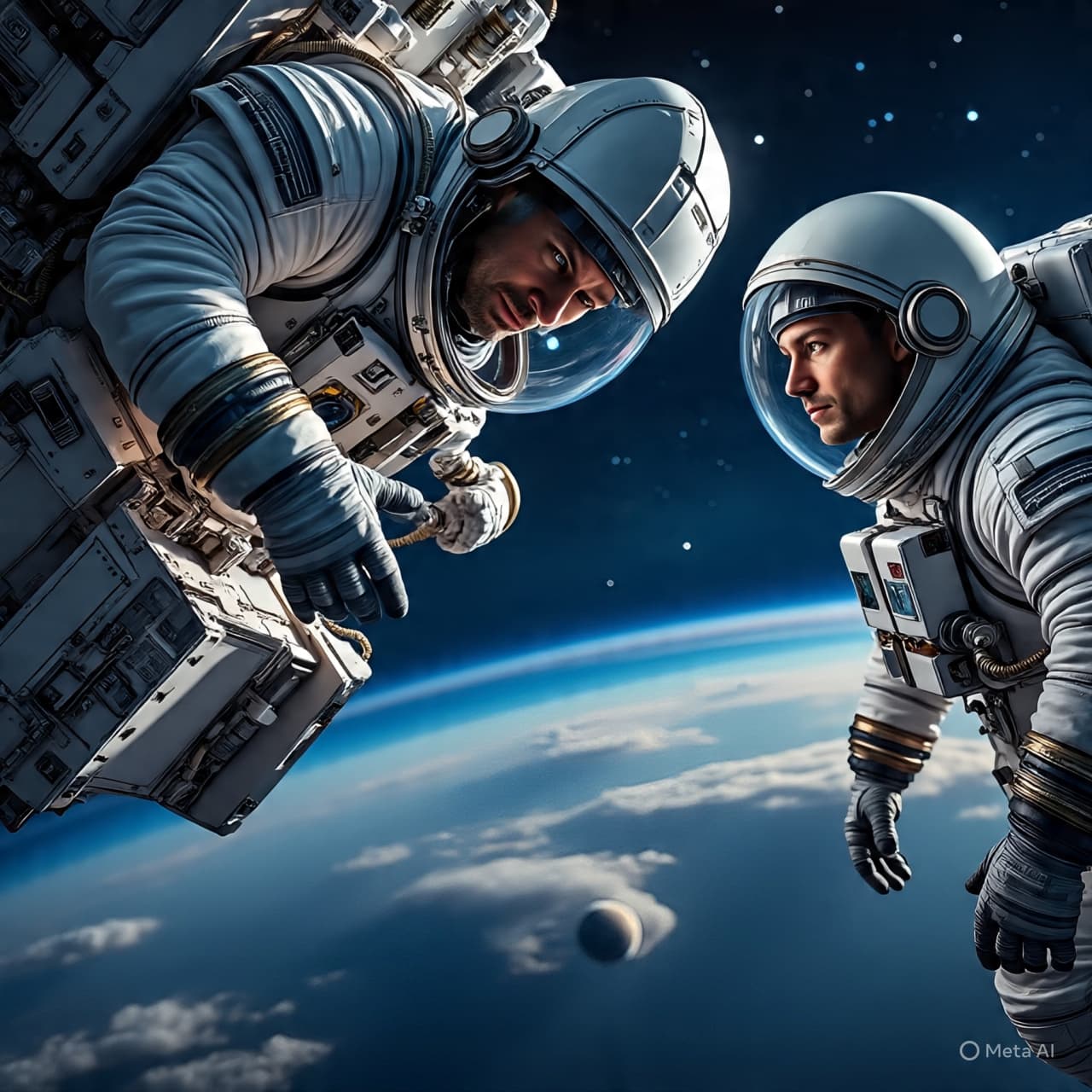
Two astronauts from Shenzhou 21 conducted an eight-hour spacewalk on December 9, 2025, to inspect and document damage to the Shenzhou 20 return capsule — cracked by orbiting debris — while reinforcing shielding on Tiangong.

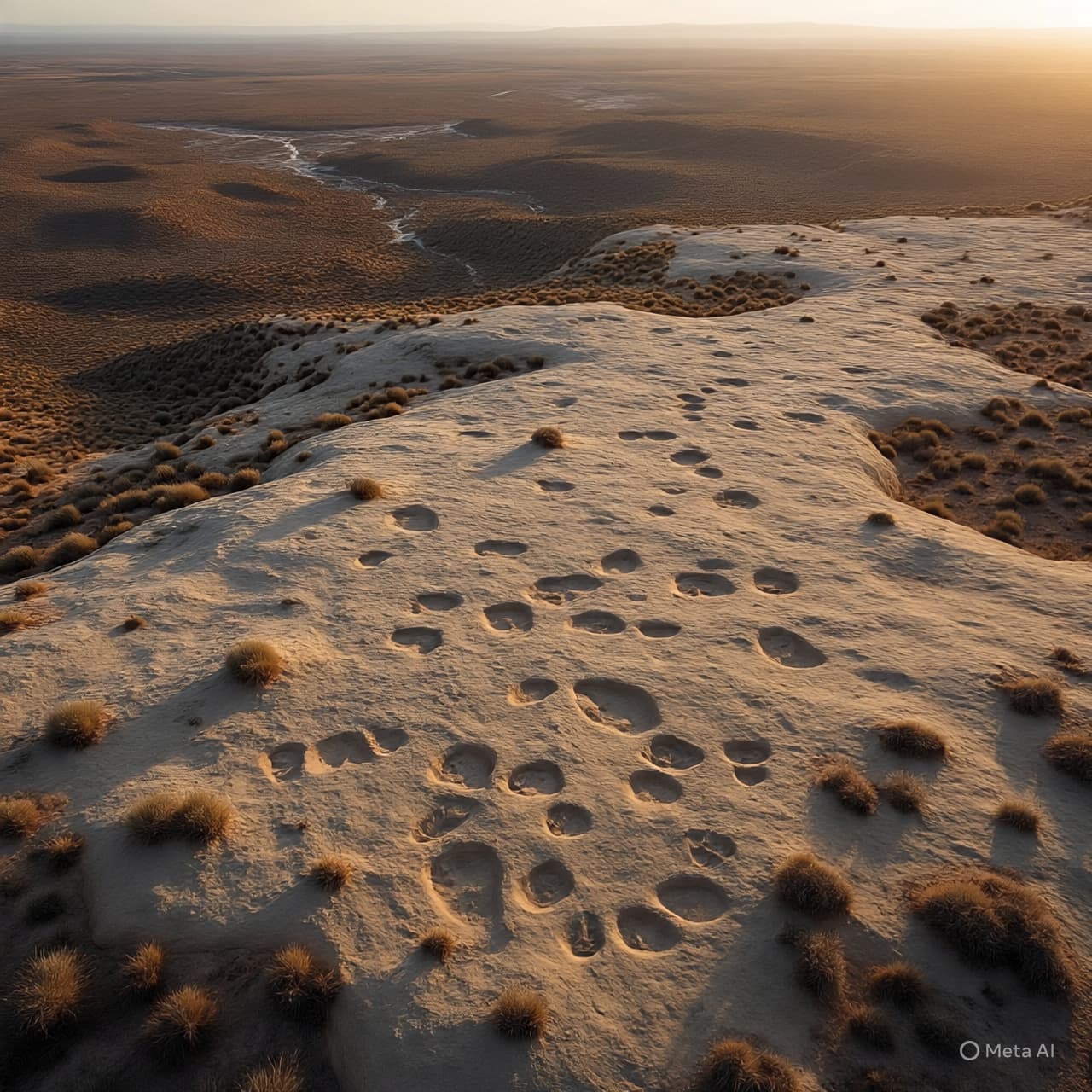
Bolivia’s Torotoro National Park preserves 16,600 dinosaur footprints, including 1,378 swim tracks, offering rare insight into how theropods moved, struggled, and even tried to swim across ancient lakes and muddy waters.

A global environmental assessment by the United Nations surfaced stark warnings about climate, biodiversity, pollution, and fossil‑fuel dependence — but a handful of governments blocked its official summary, leading scientists to call the process “hijacked.”

Astronomers captured a black hole at a critical moment, UFO-like in appearance, marking a scientific first and offering new insights into cosmic phenomena.

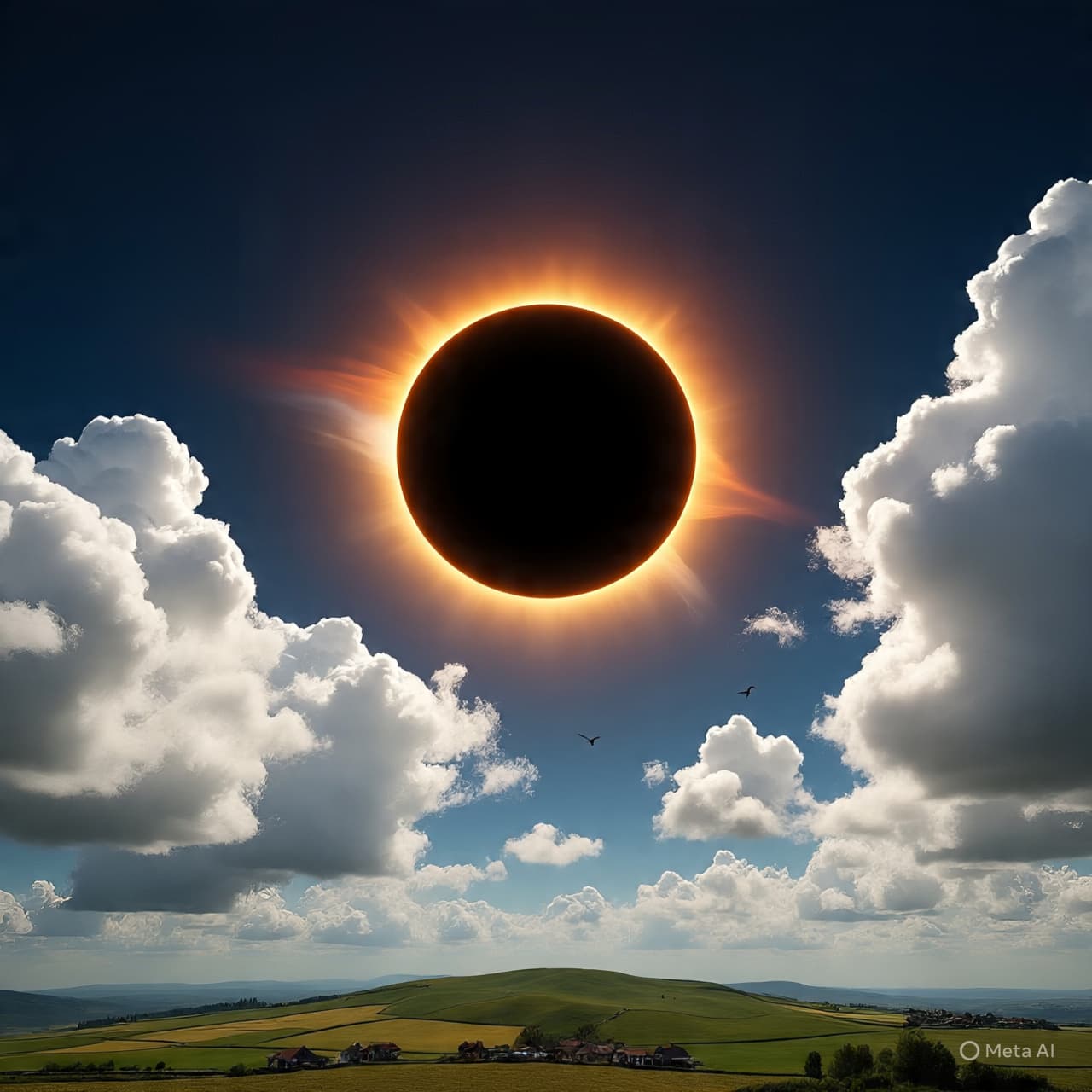
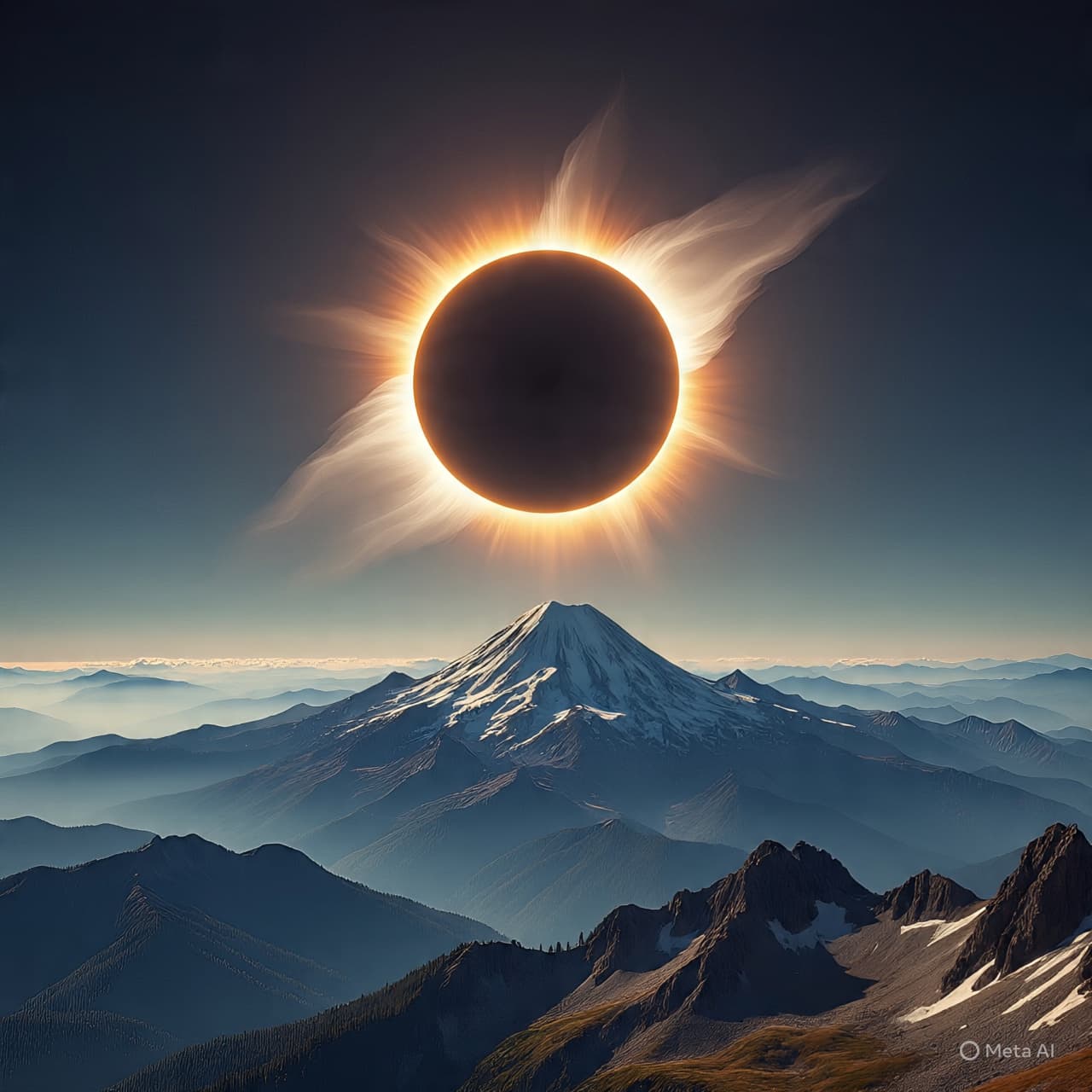
On August 2, 2027, a total solar eclipse will sweep across Europe, North Africa, and the Middle East — lasting 6 minutes 23 seconds, the longest on land in over a century.

Sea level rise projections made 30 years ago are largely confirmed today, highlighting both the accuracy of early climate models and the urgency for adaptive coastal planning.

The longest solar eclipse in 100 years will cross three continents, offering extended totality for scientists and skywatchers to observe and reflect on cosmic rhythms.

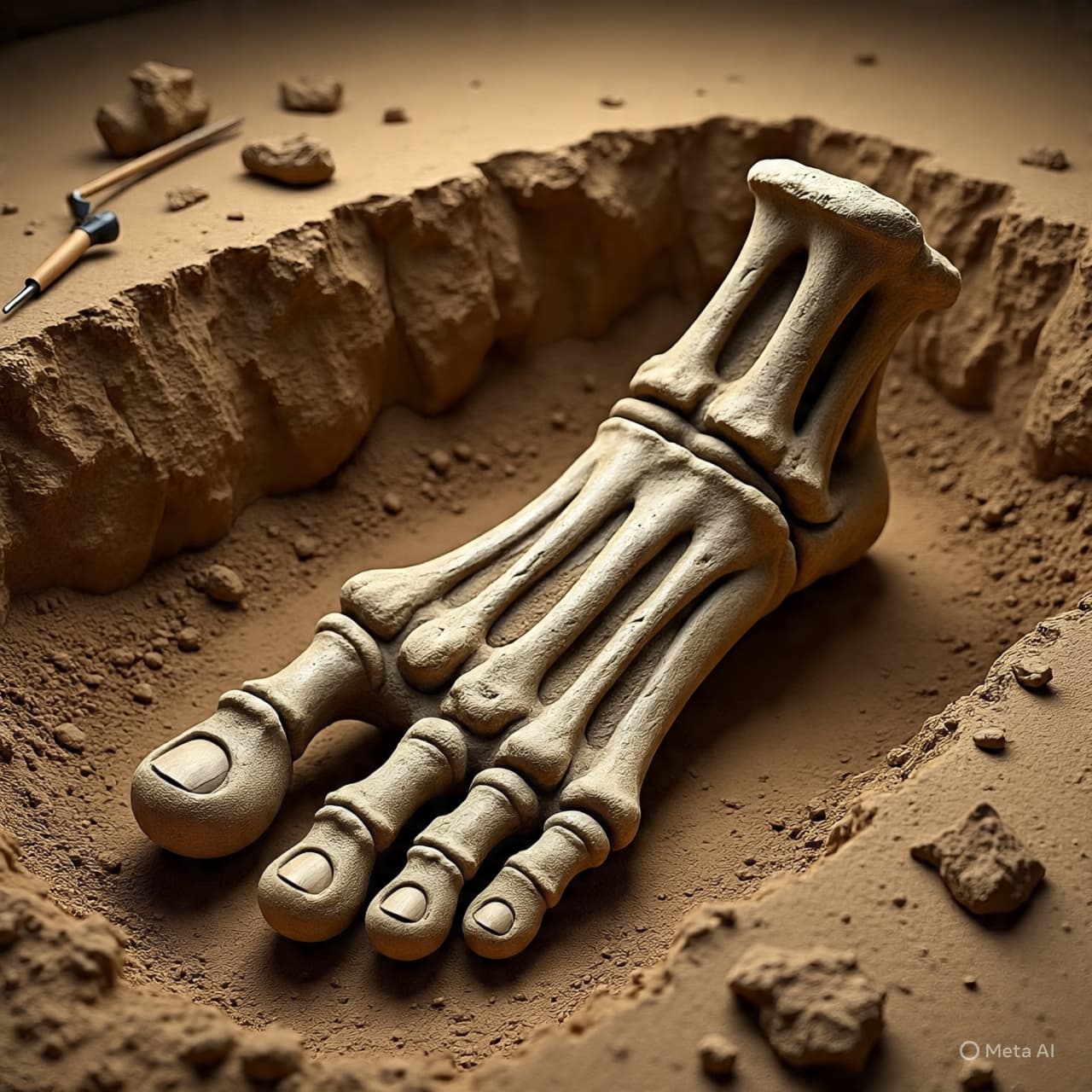
A newly discovered hominin foot fossil may represent a previously unknown species, offering insights that could revise our understanding of human evolution and ancestry.

NASA observed a black hole consuming a star in a record-bright tidal disruption event, offering unprecedented insight into cosmic destruction and energy release.

A monumental stone staircase discovered in the House of Thiasus now helps scholars reconstruct lost towers of Pompeii — revealing a city that once reached upward, not just outward.

The Geminid meteor shower peaks December 13–14, 2025. With minimal moonlight and clear skies, stargazers may spot 120–150 meteors per hour, thanks to debris from asteroid 3200 Phaethon.

SpaceX scrubbed its launch of the 3,000th Starlink satellite in 2025 — aboard booster B1067’s record 32nd flight — due to poor weather at Florida’s launch site.

New research suggests a major volcanic eruption created environmental stress that intensified famine and instability, helping the Black Death spread more rapidly across medieval Europe.