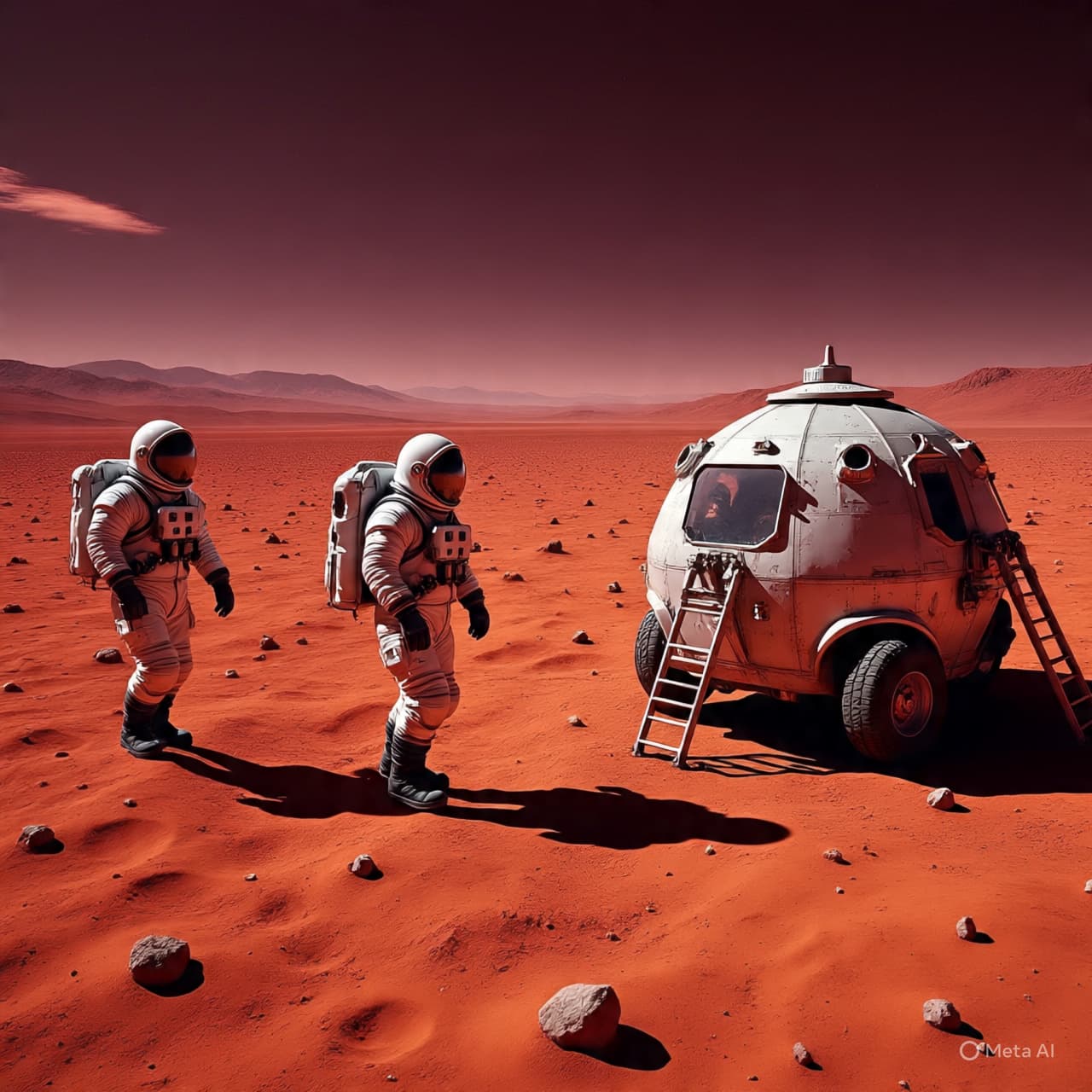
There is something poetic about preparing to step onto another world while wondering whether someone — or something — ever stepped there before us. A new scientific report has brought that question into sharp focus, urging that the first human missions to Mars prioritize a long-standing curiosity: the search for alien life.
For decades, Mars has held a place between science and imagination, a planet close enough to study yet distant enough to mystify. Rovers have roamed its plains, orbiters have mapped its valleys, and instruments have tasted its thin atmosphere. Each mission hinted at a past shaped by water — rivers, lakes, perhaps even oceans — conditions that could once have supported microbial life. But machines, limited by distance and design, can observe only so much. According to the new report, the next chapter must belong to human hands, human judgment, and human intuition.
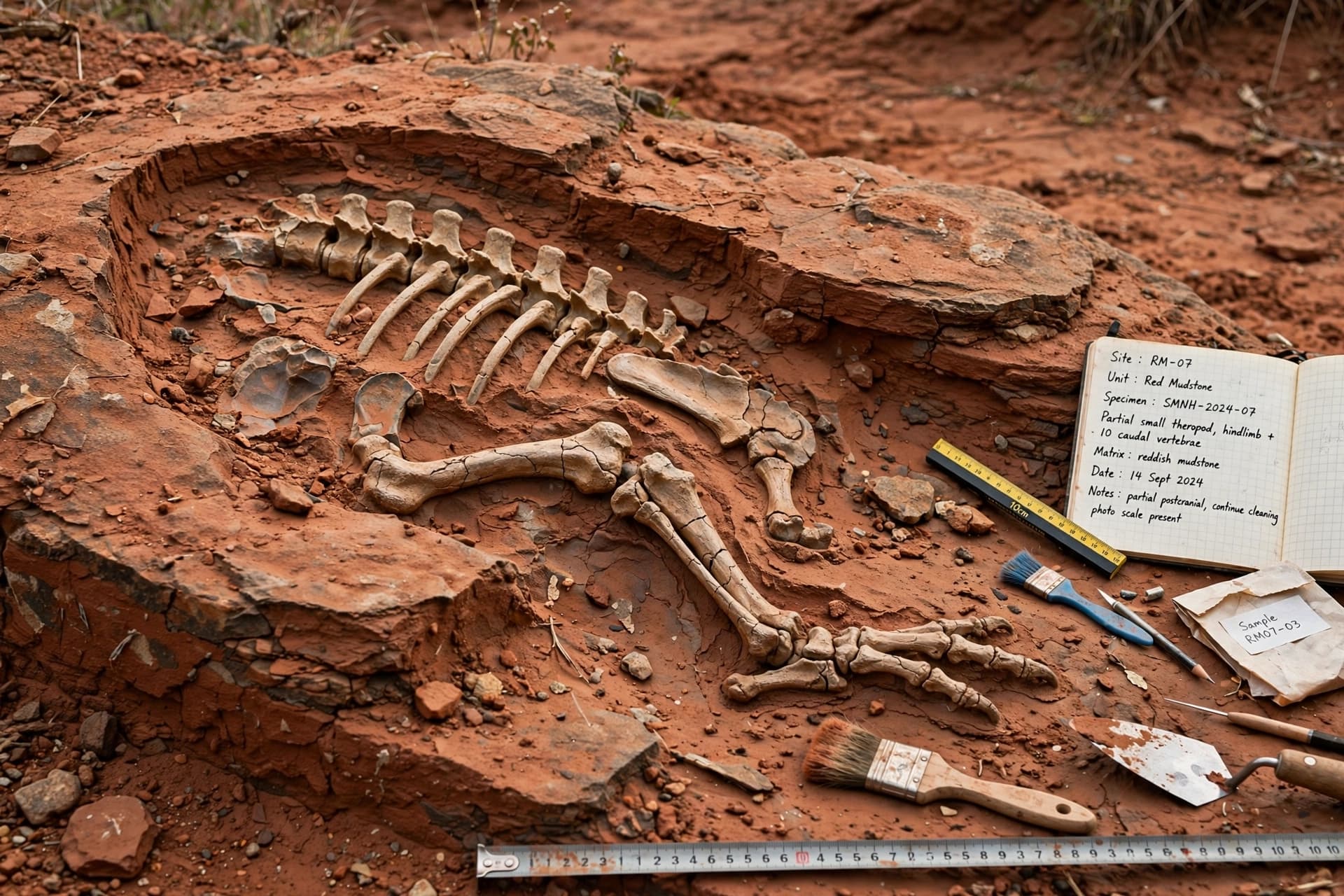
The recommendation reflects a growing consensus among planetary scientists: that humans, with their ability to drill deeper, analyze faster, and adapt instantly, will be the ones capable of answering the fundamental questions robots cannot. The report stresses that future explorers should be trained not only as astronauts but as careful field scientists — mindful of contamination, deliberate in sampling, and prepared to identify signs of ancient or present life hidden within Martian rock.
Searching for life on Mars is not just about discovery; it is about responsibility. The report urges mission planners to balance ambition with protection. Humans will bring microbes from Earth no matter how carefully they sterilize equipment. That reality adds urgency to studying pristine regions before they are unintentionally altered. Mars, after all, is both a destination and a scientific archive spanning billions of years.
NASA and international space agencies have already begun shaping the technologies that will accompany humans to the Red Planet — habitat modules, landing systems, radiation shielding, and biological laboratories compact enough to travel across millions of miles. The report argues that the life-detection tools included on these missions should be as central as any navigation system or survival gear.
As plans progress, the stakes grow clearer. Finding life — even microbial, even ancient — would reshape human understanding of biology, evolution, and our place in the universe. Not finding it, despite our most advanced tools, would be equally meaningful, guiding how we explore other worlds beyond Mars.
When the first crew sets foot on the Red Planet, they will not only represent humanity’s technological achievement — they will carry its oldest question: Are we alone? And now, according to this new report, answering that question must begin the moment they arrive.
Published by Banx Network. This article is part of the Banx decentralized media programme, powered by the BXE token on the XRP Ledger.