In the Ocean’s Quiet Deep: What 20 New Lives Whisper About Our Hidden World
Scientists exploring the Pacific’s mesopelagic “twilight zone” have found at least 20 new species, revealing rich, unseen life forms in deep coral reef habitats.

Scientists exploring the Pacific’s mesopelagic “twilight zone” have found at least 20 new species, revealing rich, unseen life forms in deep coral reef habitats.

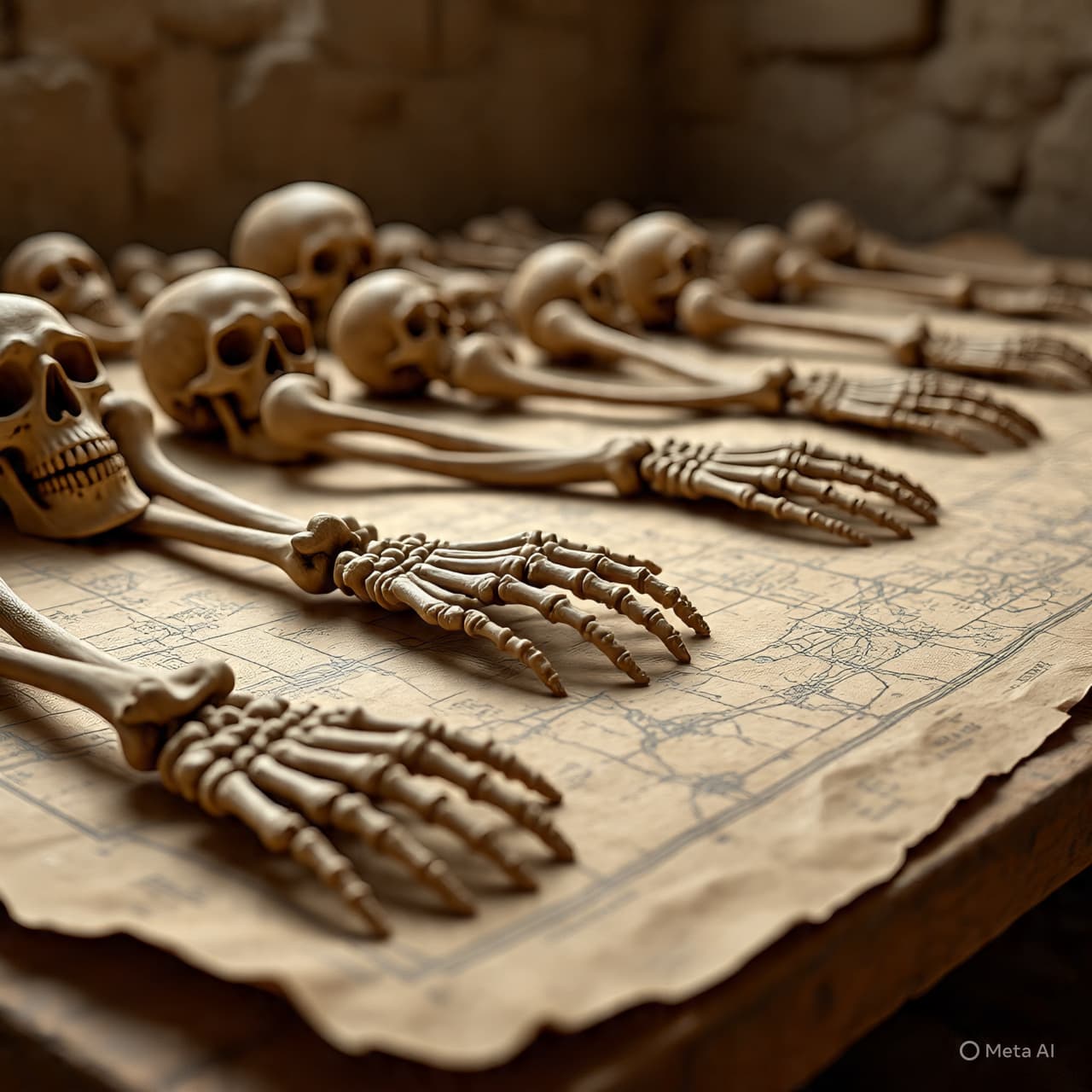
Archaeologists in Buckingham have uncovered at least 73 skeletons at a medieval burial ground believed to be an execution site, with many skeletons found bound and showing signs of hardship.

A new study finds Patagonian pumas that began feeding on penguins are now showing unexpected behavioral changes, highlighting how predator adaptation can reshape ecosystems.

Genetic analysis of 3,700-year-old remains in Italy has revealed the oldest known evidence of a father-daughter incest relationship in the archaeological record.

Microscopic parasites found at Hadrian’s Wall reveal that Roman soldiers frequently suffered from diarrhea and stomach illnesses while stationed on the empire’s northern frontier.

Some Pompeii victims wore wool cloaks during the eruption, puzzling archaeologists and fueling debate over weather, timing, and survival choices in the city’s final hours.

A 1,300-year-old medallion decorated with menorahs was found near Jerusalem’s Temple Mount, offering new insight into Jewish life during a period of transition.

Archaeologists have found evidence that Nubians tattooed toddlers 1,400 years ago, raising new questions about identity, belief, and childhood in the ancient Nile region.

Scientists have traced the origins of a spider-like formation on a moon of Jupiter, revealing it as a product of extreme volcanism rather than anything living.

In a historic milestone for accessibility and representation, a pioneering astronaut in a wheelchair has made her spaceflight dreams come true. This momentous journey marks a significant leap forward for inclusivity in astronautics and challenges the boundaries of what is possible in space exploration.

Scientists using specialized diving equipment explored the ocean’s twilight zone off Guam, collecting thousands of specimens and identifying dozens of species previously unknown to science.

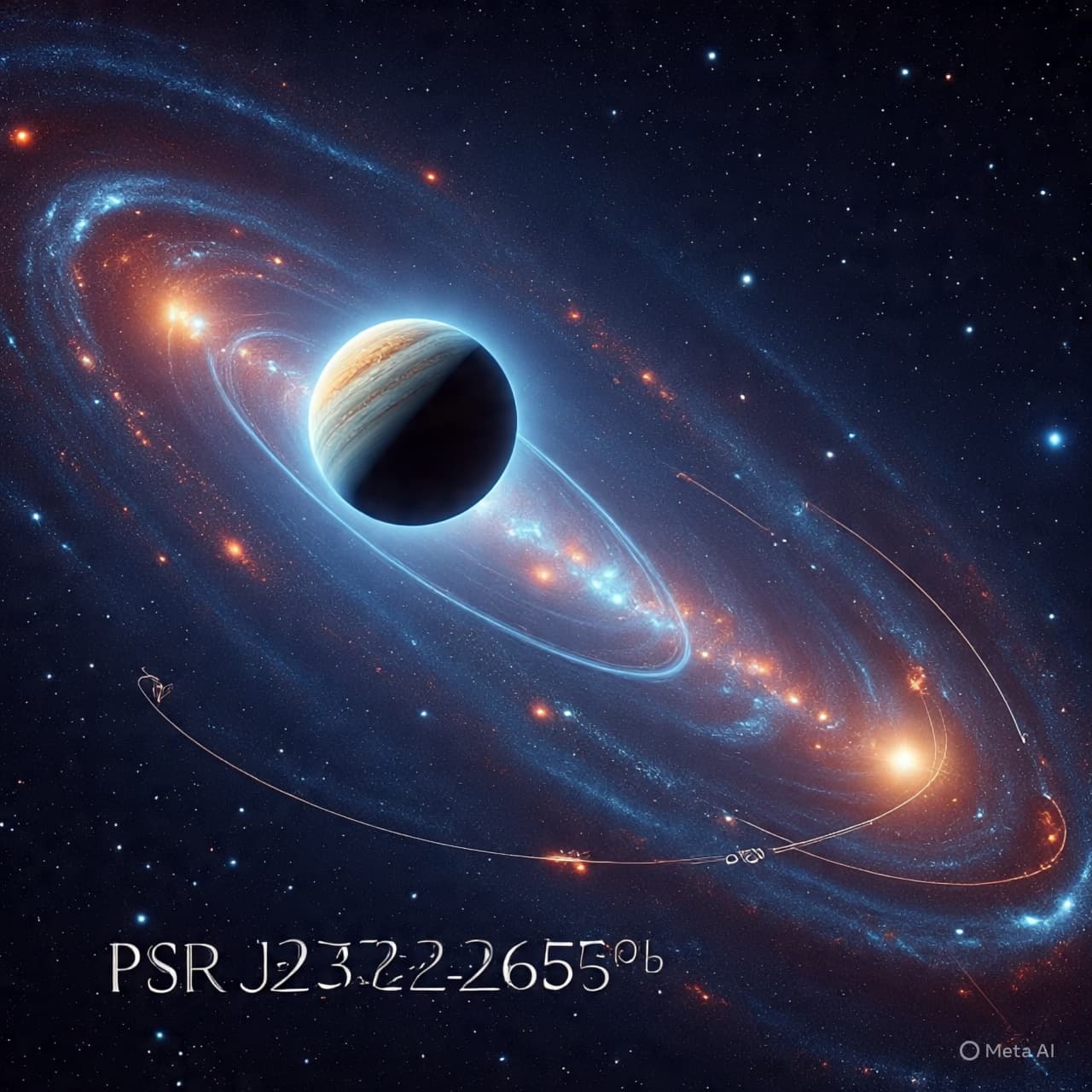
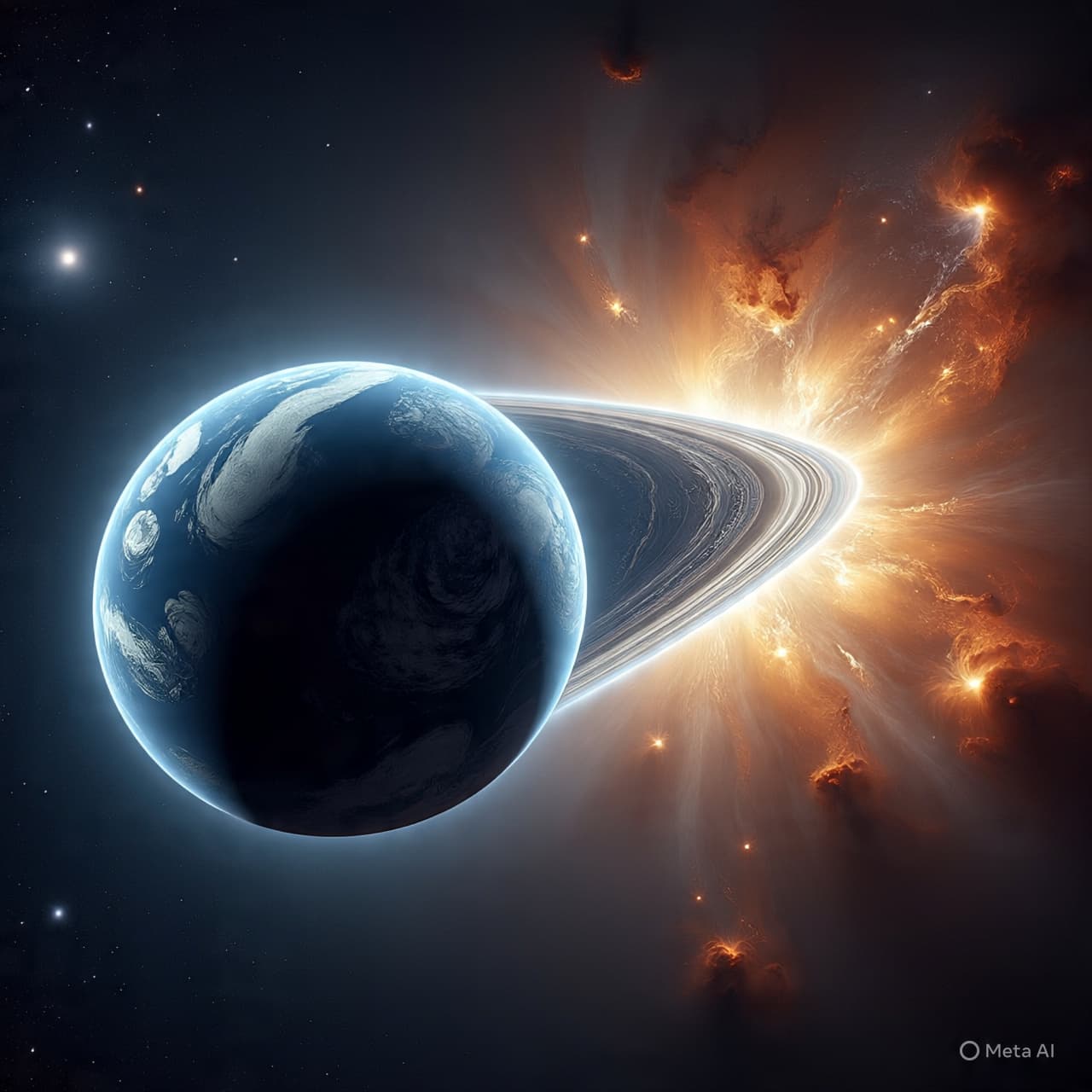
Astronomers using NASA’s Webb telescope found an unusually shaped exoplanet, PSR J2322−2650b. Orbiting a pulsar, its lemon-like form and carbon-rich atmosphere defy conventional planetary science.

President Trump signed a sweeping space policy order directing a U.S. astronaut lunar landing by 2028 and broader measures for space security, exploration, and commercial engagement.

Interstellar comet 3I/ATLAS makes its closest approach to Earth today, passing safely about 168 million miles away and offering telescopic views and livestream opportunities.

A powerful storm sweeping across the Northwest and Rockies has caused significant devastation, resulting in one fatality and multiple injuries. With wind gusts reaching a staggering 232 km/h (144 mph), communities are grappling with downed trees, damaged infrastructure, and widespread power outages.

Blue Origin will send the first astronaut using a wheelchair into space, marking a historic milestone in accessibility and inclusion for human spaceflight.

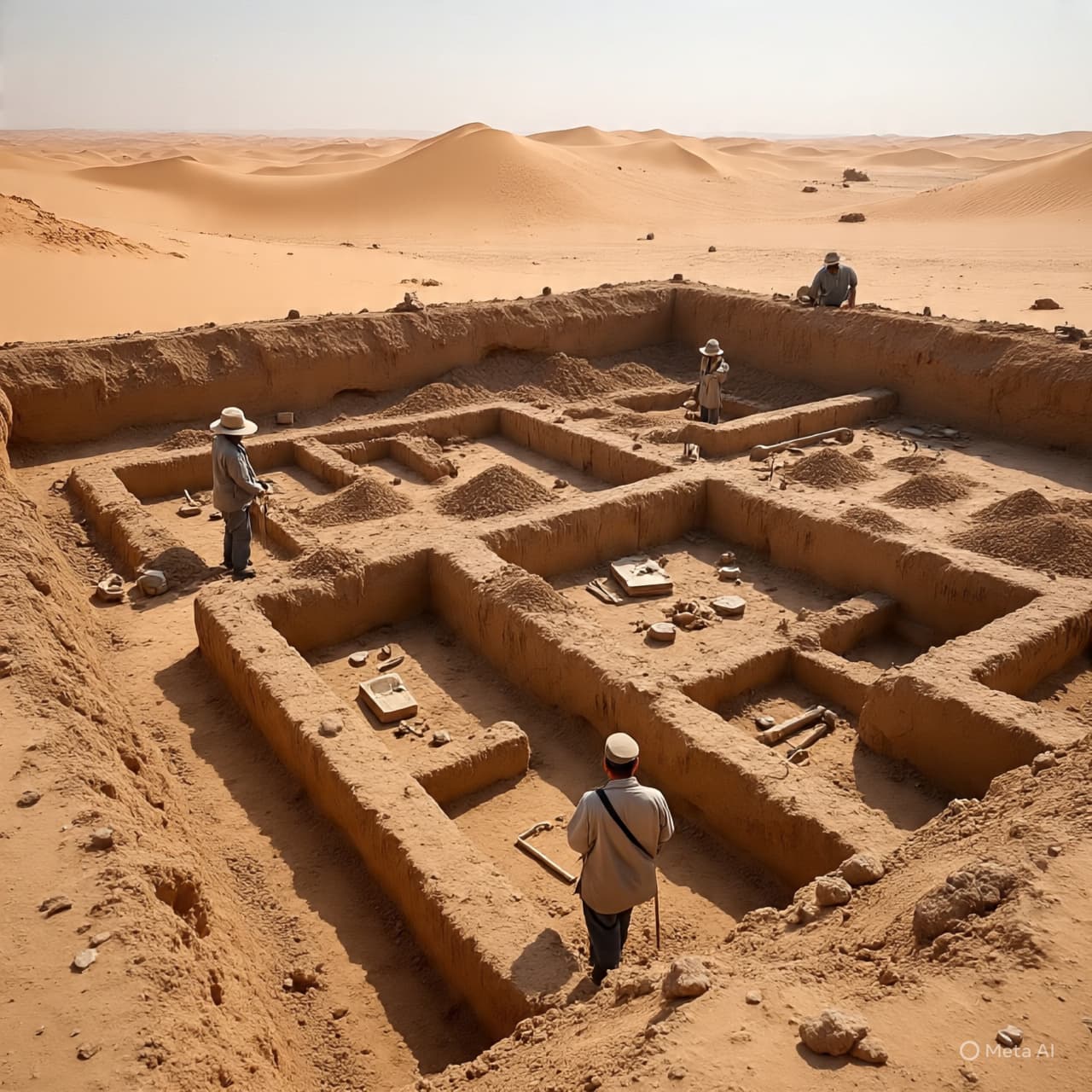
Archaeological evidence suggests people in Northern Mesopotamia used basic geometric concepts around 8,000 years ago, revealing early mathematical thinking rooted in everyday life.

Oxford-linked researchers have contributed to a large genetic study offering new insight into the biological pathways associated with chronic fatigue syndrome.

Scientists are using drones to collect Arctic whales’ breath, searching for viruses and early signs of disease in a non-invasive effort to protect vulnerable marine populations.

The Smithsonian has unveiled a rare, nearly complete dinosaur skull acquired for $1.7 million, a scientifically significant fossil expected to shape research and education for decades.

The Christmas holidays of 2025 bring long nights, bright planets, winter constellations, and subtle meteor activity—ten quiet reasons to slow down and reconnect with the night sky.

The Age of Disclosure features 34 former insiders discussing government secrecy around UAPs, urging transparency and public accountability as the topic moves into mainstream political debate

Astronomers have identified the most distorted planet ever observed, stretched into a lemon-like shape by extreme tidal forces from a nearby star.

The Ursid meteor shower peaks early Monday, offering Mississippi viewers a modest but visible display before dawn, especially under clear, dark skies away from city lights.