
SCIENCE94% credibility
Even the Quietest Night Can Reveal the Universe’s Loudest Secrets.
Astronomers observed evidence of a newly formed magnetar, offering valuable insights into stellar evolution and extreme magnetic fields.
2 min read

Astronomers observed evidence of a newly formed magnetar, offering valuable insights into stellar evolution and extreme magnetic fields.

NASA is designing the Habitable Worlds Observatory to be serviceable in space, allowing for repairs and upgrades to ensure its long-term success in the search for extraterrestrial life.
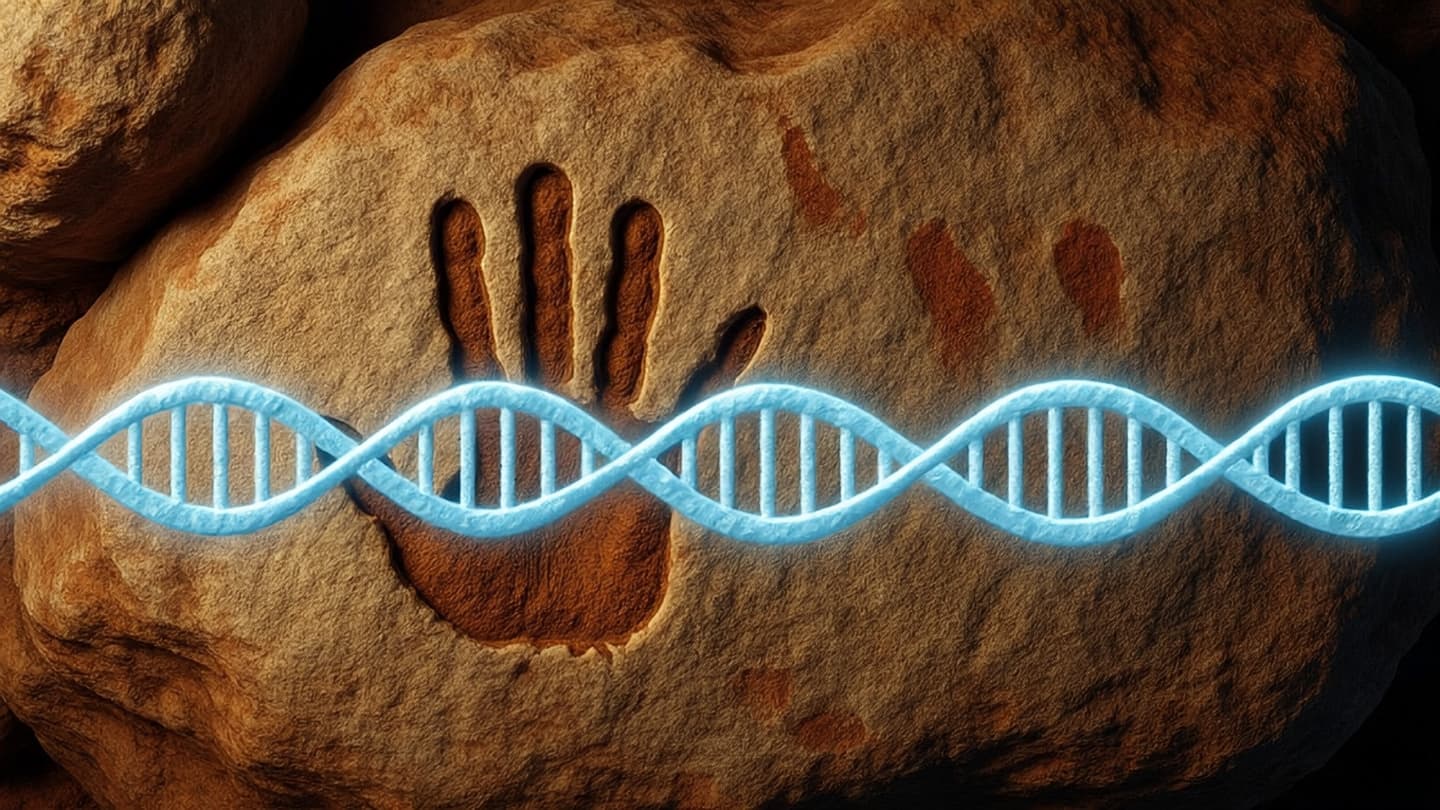
Researchers have recovered ancient human DNA from cave walls and rock art for the first time, enabling direct identification of the prehistoric artists who created them.

University of Georgia researchers have found that marigold flowers contain significant amounts of protein, offering a sustainable and upcyclable source for plant-based food products.
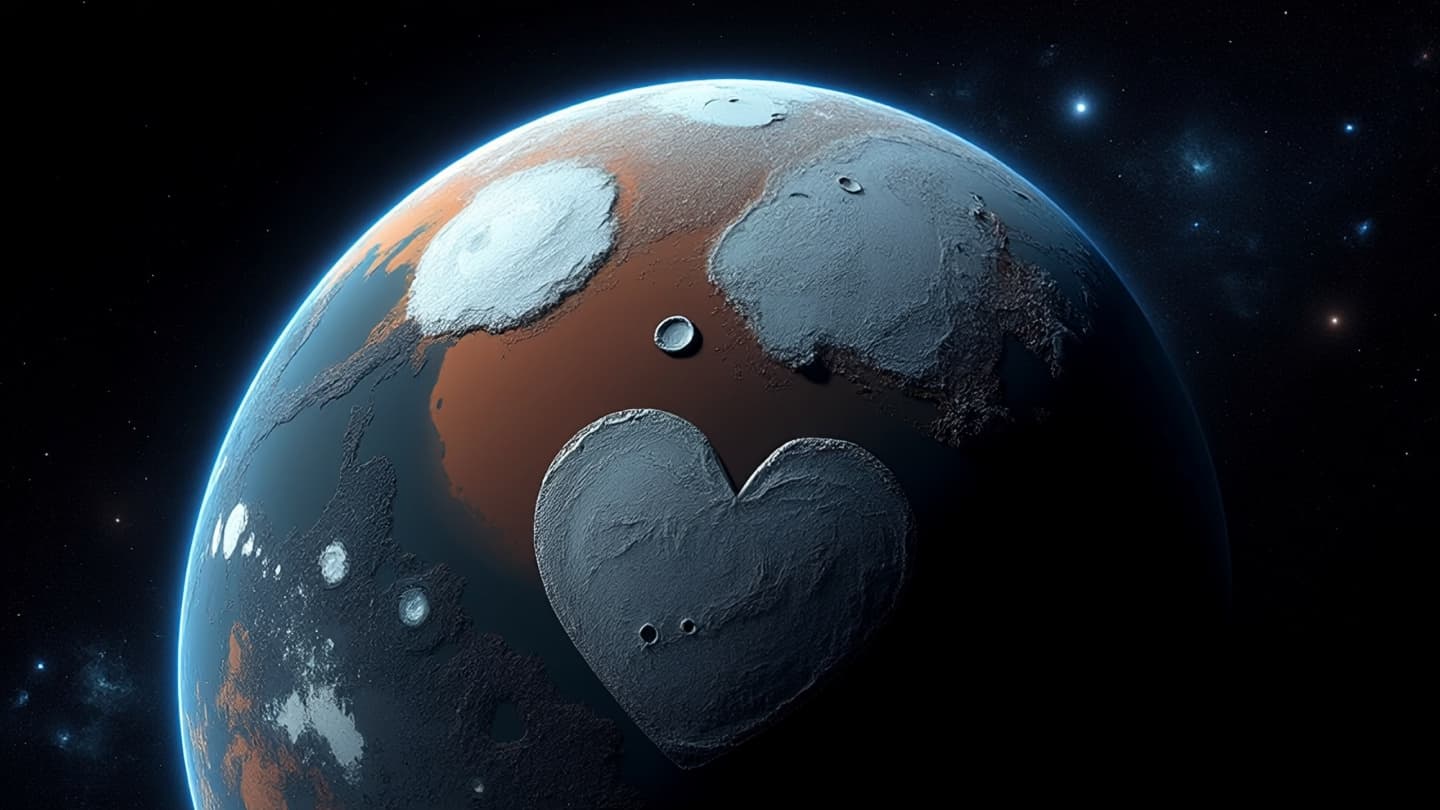
NASA’s New Horizons spacecraft revealed a massive heart-shaped nitrogen ice plain on Pluto during its 2015 flyby, transforming our understanding of the dwarf planet’s geology.

Researchers have proposed creating an artificial plasma shield in space to weaken solar storms, offering a potential defense mechanism for Earth’s technology and infrastructure.

Turkey has intensified restrictions on public life and media ahead of the NATO summit in Ankara, citing security concerns, while critics warn of impacts on civil liberties.

New stellar models suggest Earth will escape being swallowed by the sun during its red giant phase, as planetary orbits expand due to solar mass loss, though habitability will end.
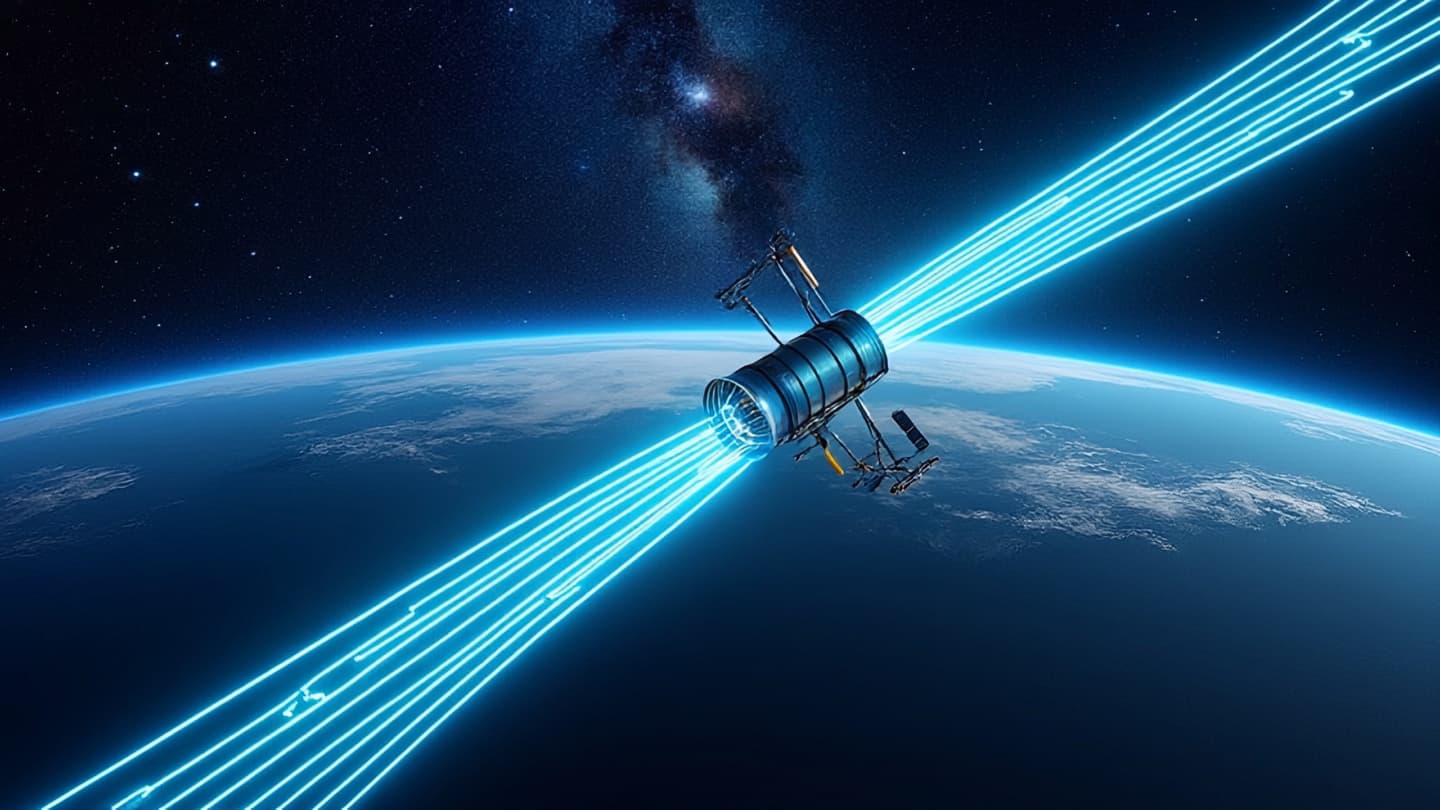
A revolutionary superconducting thruster has successfully tested in orbit, demonstrating the ability to accelerate satellites using Earth’s magnetic field without consuming fuel.

Scientists have detected propylene cyanide, a complex organic molecule, in the atmospheres of both Pluto and Titan, suggesting widespread prebiotic chemistry in the outer solar system.
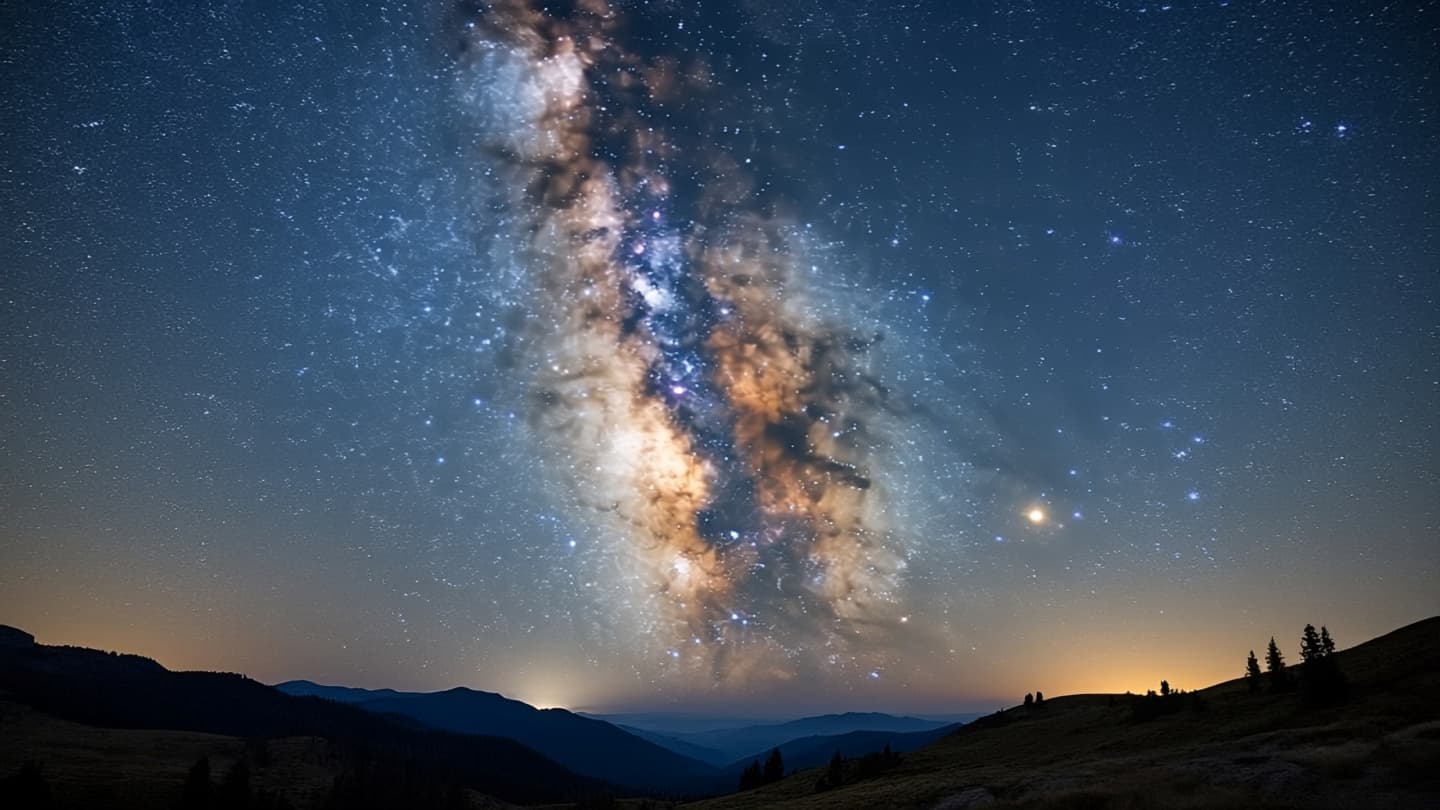
Astronomy enthusiasts can observe the Milky Way and bright planets like Jupiter and Saturn this week, offering a spectacular view of the night sky under clear, dark conditions.

NASA’s Parker Solar Probe has flown closer to the sun than any other object, using a specialized heat shield to protect its instruments from extreme temperatures while traveling at record speeds.
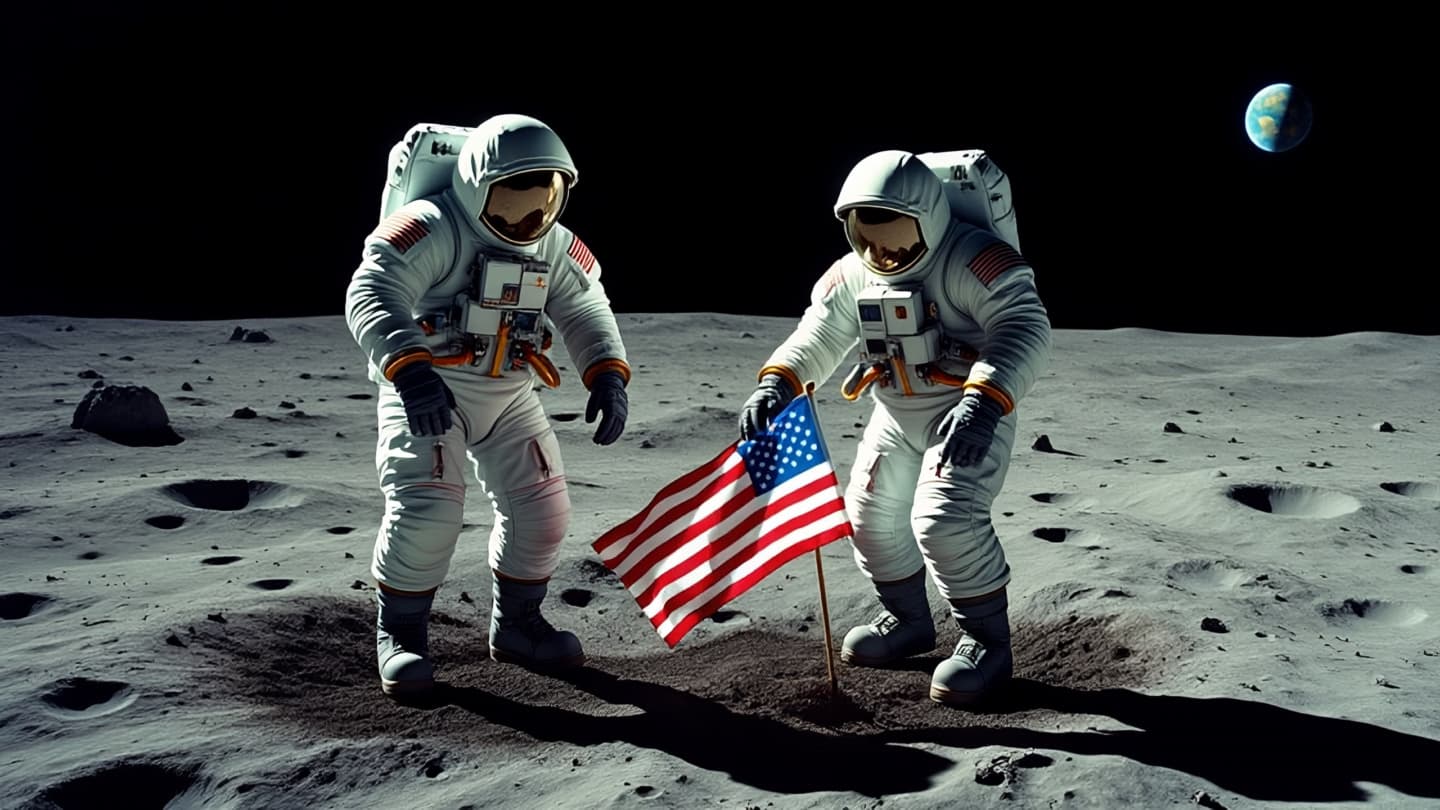
NASA’s administrator states that the US is on track to land astronauts on the moon before China, emphasizing the progress of the Artemis program amidst growing international space competition.
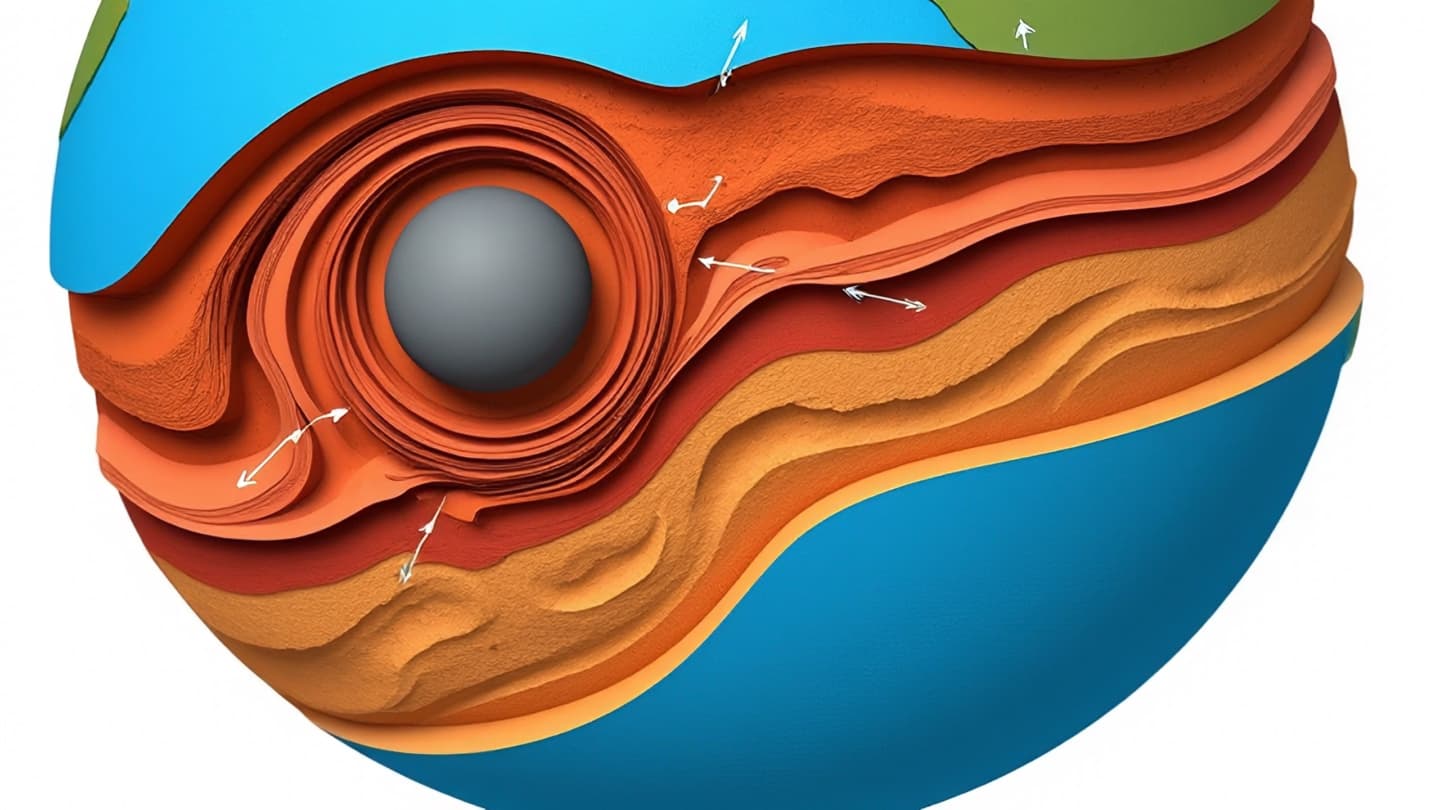
New seismic studies suggest Earth’s inner core has undergone a sudden reversal in rotation, challenging previous models and puzzling geophysicists.

After decades of silence, astronomers have detected radio signals from the rare "Blue Eye Pulsar," a rotating radio transient, offering new insights into neutron star behavior.
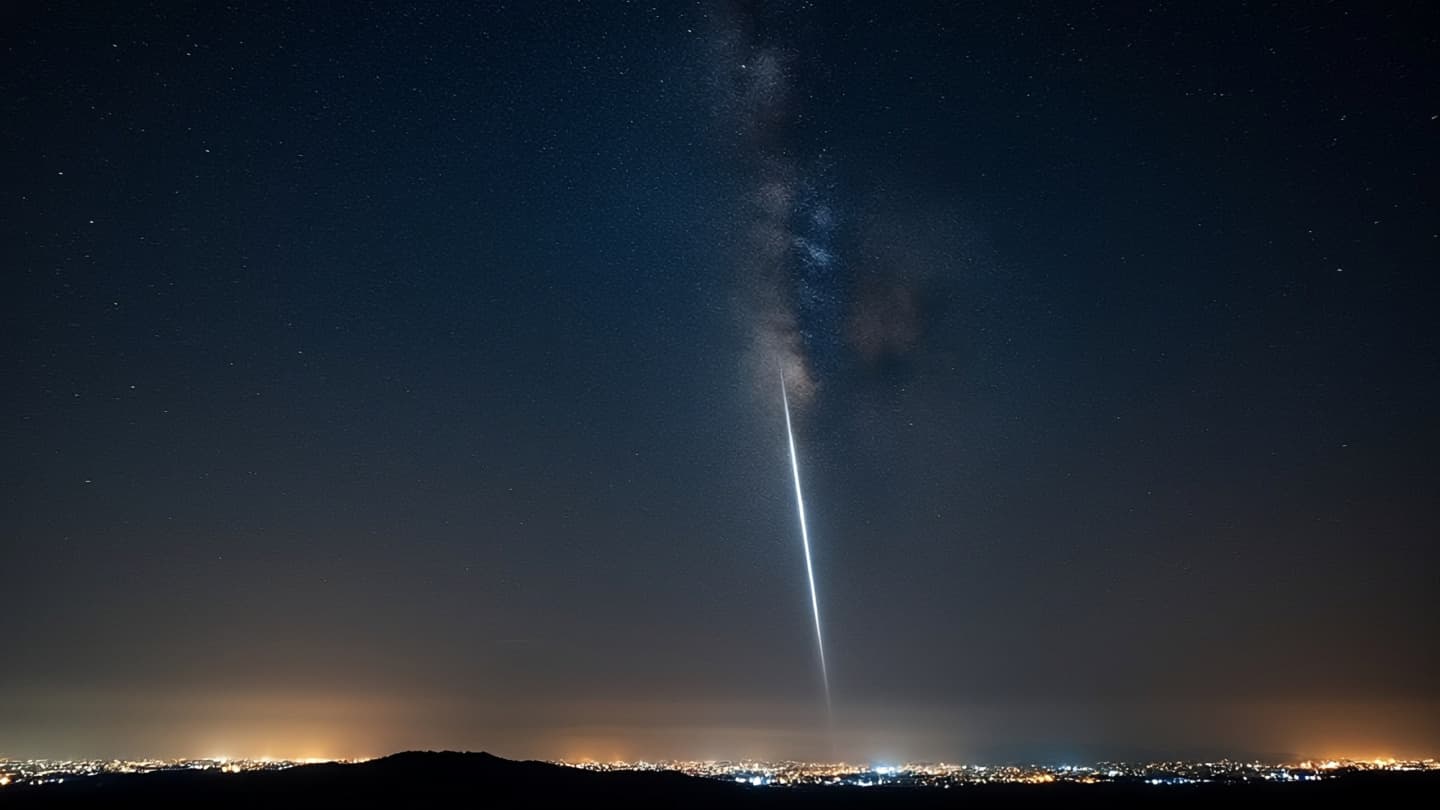
On April 13, 2029, the asteroid Apophis will pass Earth closer than many satellites, visible to the naked eye for billions of people in Europe, Africa, and Asia.

New FireSat satellites are being deployed to provide faster, near-real-time detection of wildfires in California and other regions, enabling quicker response and containment.

A rare, long-lasting black hole outburst is allowing scientists to study the early universe in greater detail, offering insights into black hole growth and intergalactic matter.
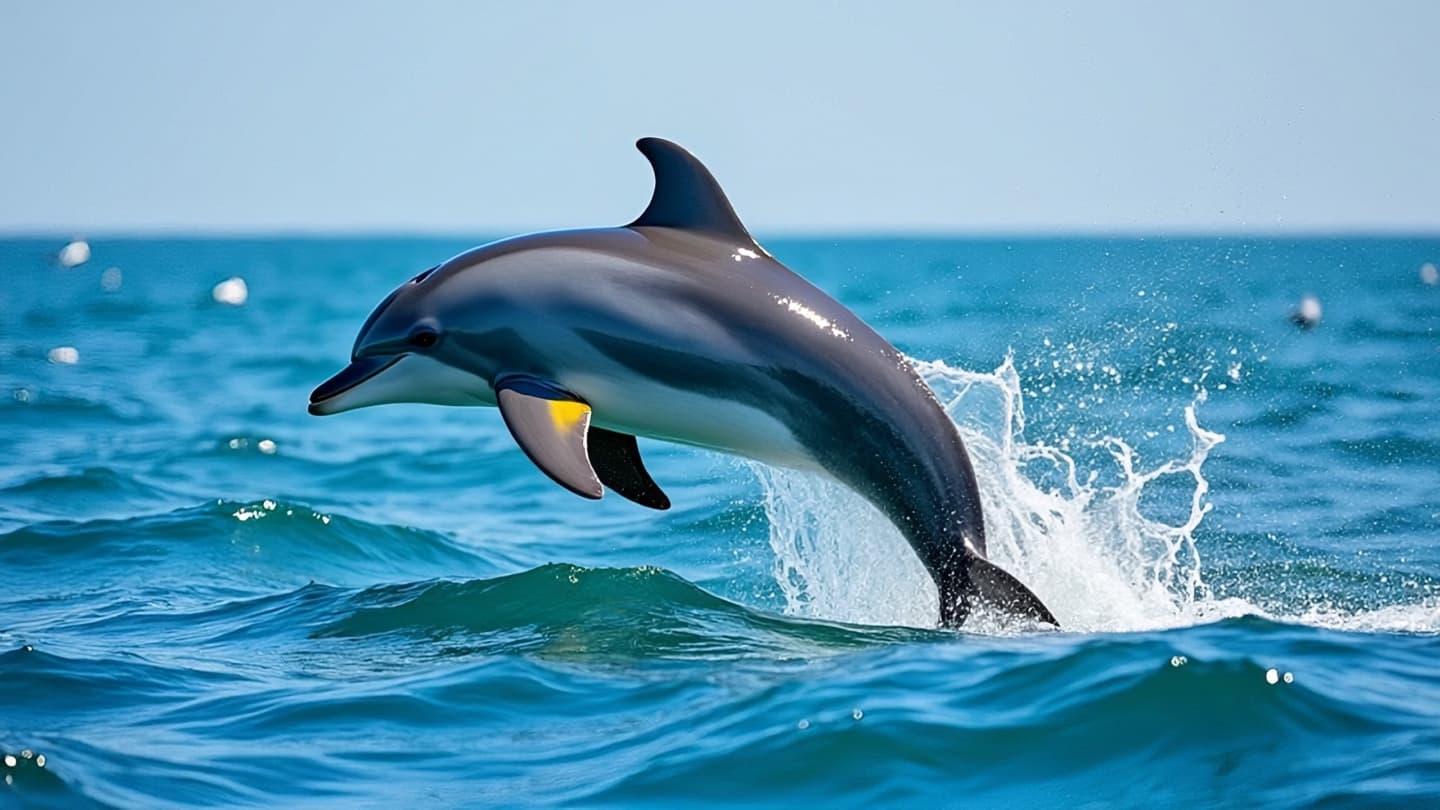
Bottlenose dolphins in the Gulf of Mexico are known for their gentle behavior and acrobatic jumps, often interacting peacefully with swimmers and boaters in their natural habitat.
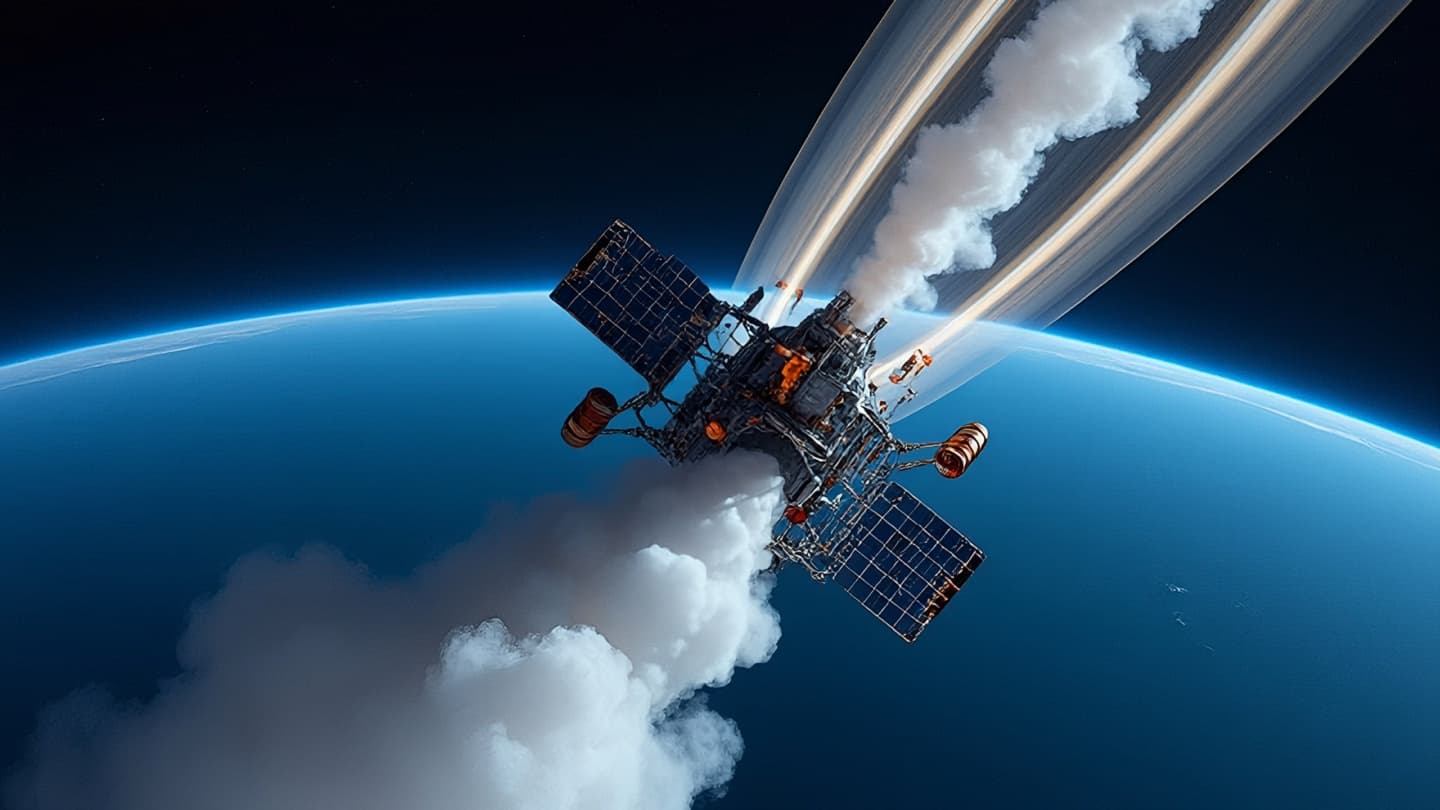
NASA deliberately crashed the Cassini probe into Saturn in 2017 to prevent contaminating Enceladus, a moon with a subsurface ocean that may harbor life.
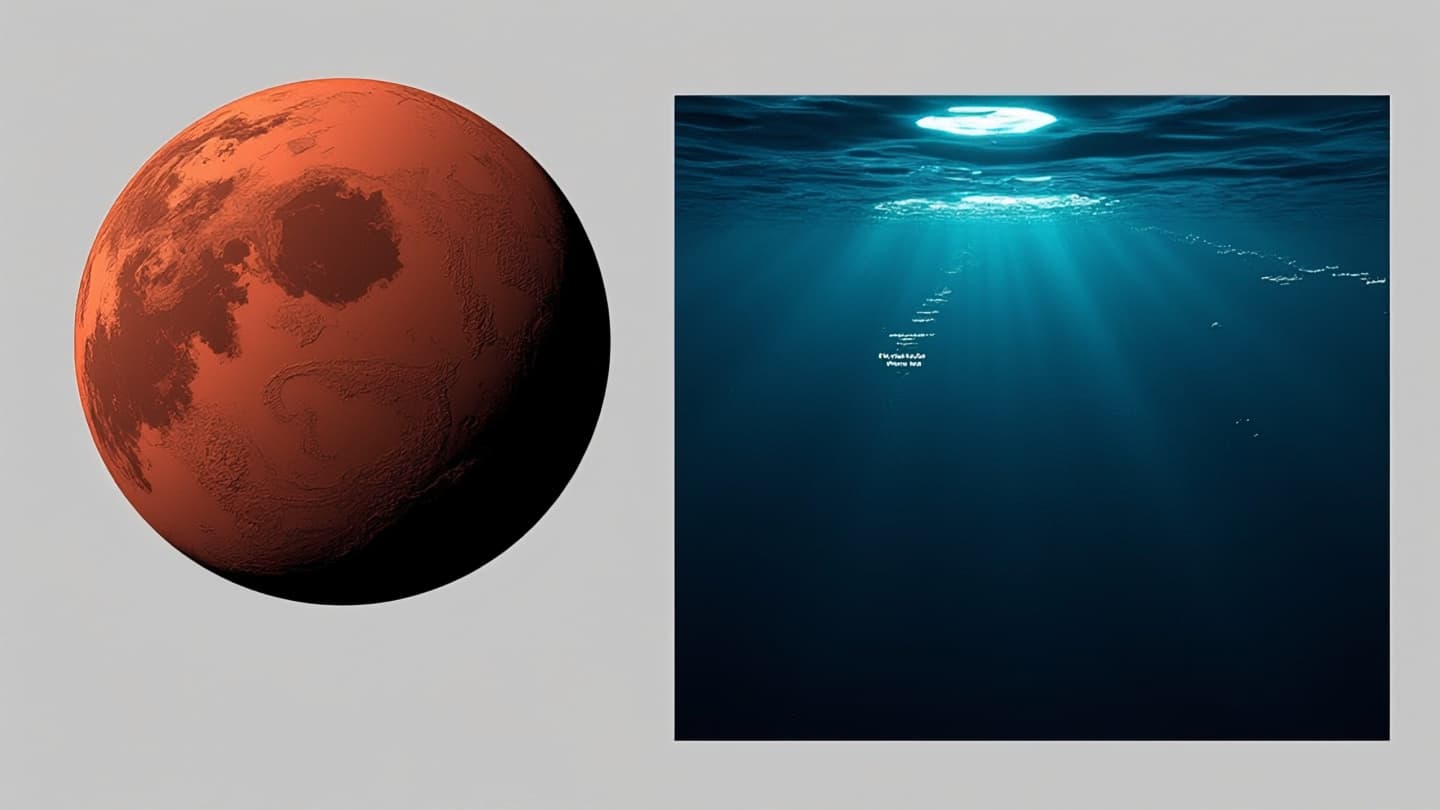
Less than 30% of Earth’s ocean floor has been mapped to modern standards, meaning scientists have higher-resolution data of Mars than of our own planet’s seabed.
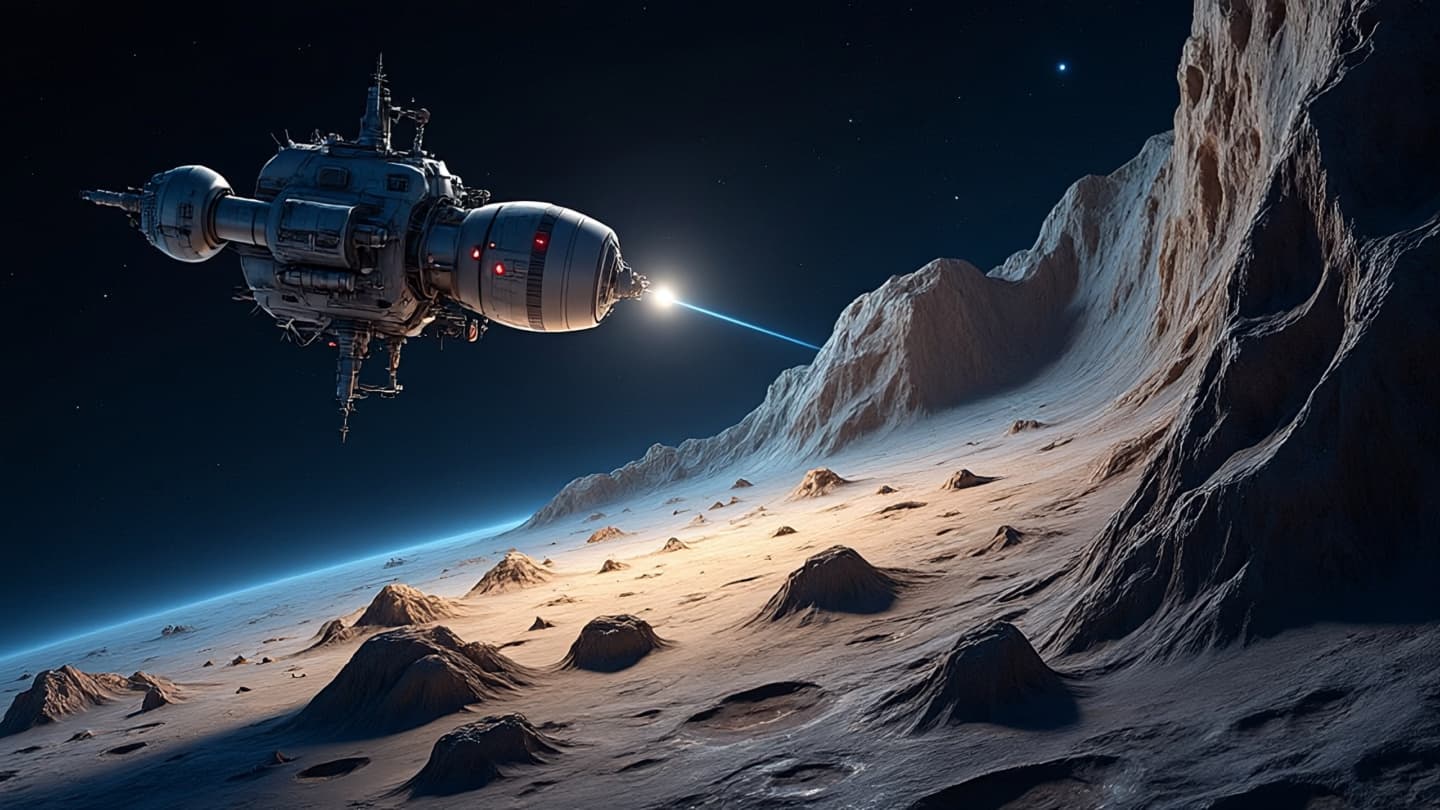
China’s Tianwen-2 space probe has successfully reached its target asteroid, preparing to collect samples that will help scientists understand the early solar system.

Katalyst Space Technologies’ Link spacecraft is pursuing NASA’s Swift Observatory to attach a propulsion module and boost its orbit, preventing its premature reentry.
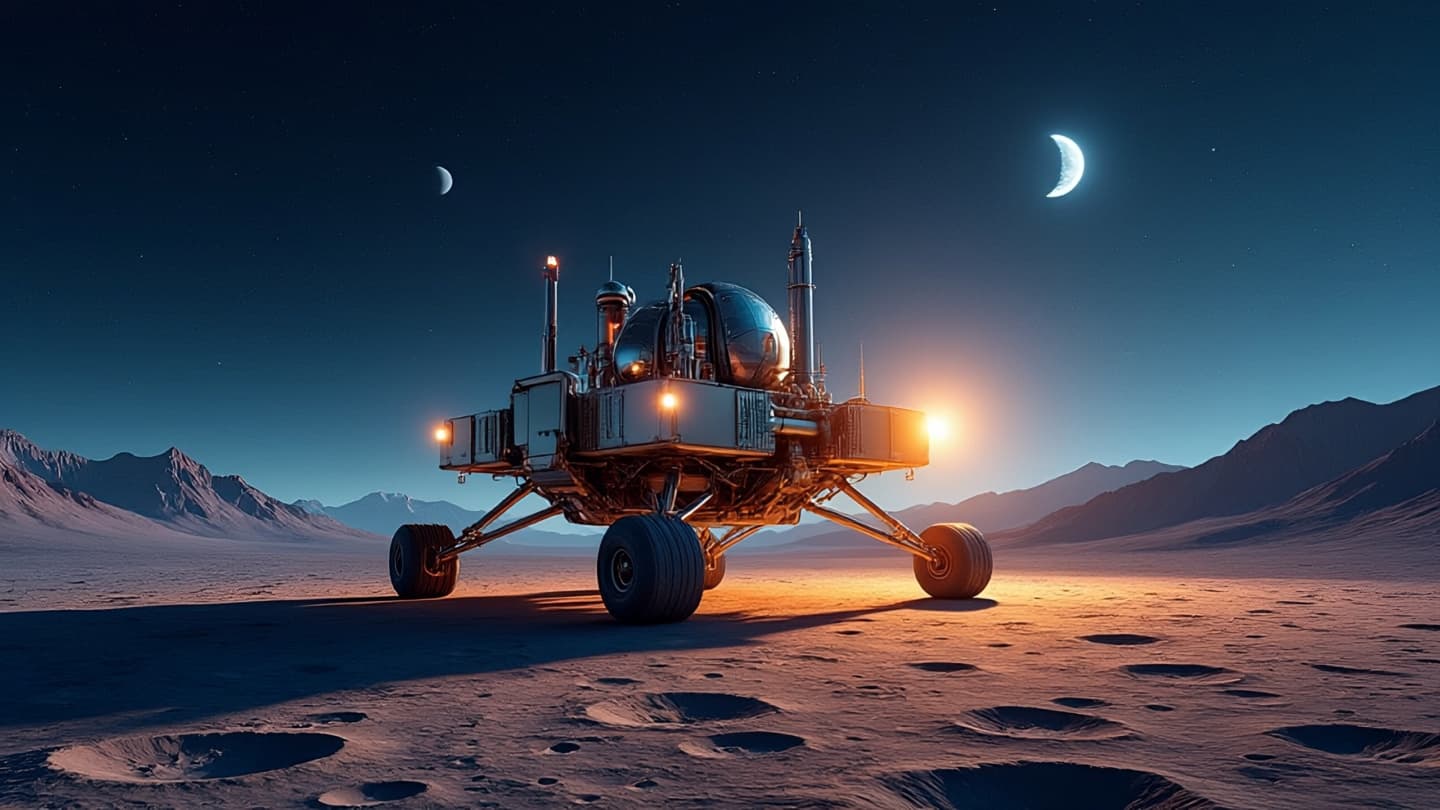
NASA has selected three private companies to develop lunar landers, aiming to ensure the US returns to the moon before China through a competitive commercial partnership model.