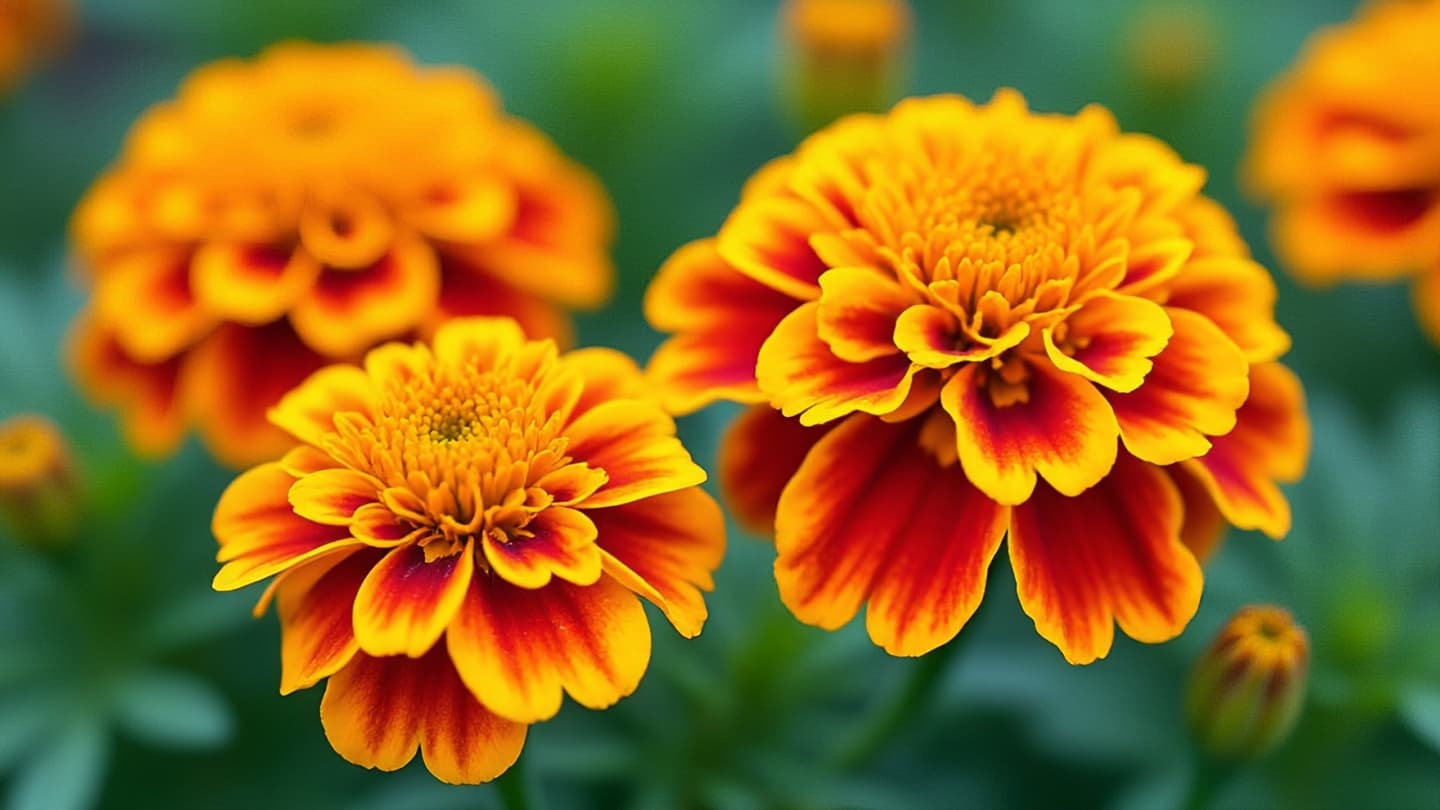
In the search for sustainable and nutritious food sources, scientists are increasingly looking beyond traditional crops to unexpected places. Recently, researchers at the University of Georgia have turned their attention to the humble marigold, a flower commonly found in gardens and used for decoration. Their findings suggest that this vibrant bloom may hold significant potential as a source of plant-based protein. This discovery invites us to reconsider the role of flowers in our diet, not just as garnishes but as viable ingredients in a growing market for alternative proteins.
Body: The study, published in ACS Food Science & Technology, analyzed the protein content and functional properties of marigold flowers. The researchers found that marigolds contain approximately 18% protein by dry weight, a figure comparable to established sources like quinoa and chia seeds. More importantly, the protein extracted from marigolds exhibits excellent functional characteristics, such as solubility and emulsification, which are crucial for creating textured food products like meat alternatives and baked goods.
Marigolds are already widely cultivated for their pigments, particularly lutein, which is used in supplements and food coloring. During this extraction process, large amounts of flower waste are generated. By utilizing this byproduct for protein extraction, the food industry could create a more circular and sustainable system. This approach aligns with the growing interest in upcycling food waste, turning what was once discarded into a valuable nutritional resource.
The environmental benefits of marigold cultivation are also noteworthy. Marigolds are hardy plants that require fewer pesticides and less water than many conventional crops. They can be grown in diverse climates and even help improve soil health by repelling certain pests. Integrating them into agricultural systems could reduce the ecological footprint of protein production, offering a greener alternative to resource-intensive livestock farming.
From a culinary perspective, marigolds have a mild, slightly peppery flavor that can blend well with other ingredients. Their bright orange and yellow hues also add visual appeal to dishes, reducing the need for artificial colorants. Chefs and food developers are beginning to experiment with marigold powder and extracts, exploring their potential in everything from pasta to protein bars. This versatility makes them an attractive option for innovators in the food sector.
Health-wise, marigolds are rich in antioxidants and anti-inflammatory compounds. Consuming them as part of a balanced diet could provide additional health benefits beyond basic nutrition. While more research is needed to fully understand their long-term effects, the initial data is promising. The combination of protein, fiber, and phytonutrients makes marigolds a compelling candidate for functional foods.
Challenges remain in scaling up production and processing. Extracting protein efficiently and cost-effectively requires optimized methods that preserve its quality. Regulatory approval for novel food ingredients also varies by region, requiring careful navigation of safety standards. However, the interest from both academia and industry suggests that these hurdles are surmountable.
As consumer demand for plant-based options continues to rise, the diversity of available proteins will be key to meeting nutritional needs and preferences. Marigolds represent a step toward a more varied and sustainable food future. They remind us that nature offers abundant resources, often hidden in plain sight, waiting to be discovered and utilized.
Closing: Research from the University of Georgia highlights the potential of marigolds as a new source of plant-based protein. With high protein content and sustainable cultivation practices, marigolds could play a role in the future of food. Further development and commercialization efforts will determine their place in the global protein market.
AI Image Disclaimer: The images associated with this article are AI-generated interpretations designed to visualize the context of food science and sustainable agriculture.
Published by Banx Network. This article is part of the Banx decentralized media programme, powered by the BXE token on the XRP Ledger.