Opening: The race to the moon has never been solely about geography; it is a contest of capability, innovation, and national will. In a decisive move to accelerate its return to the lunar surface, NASA has placed significant confidence in three private companies, entrusting them with the critical task of developing lunar landers. This strategy marks a shift from government-led development to a commercial partnership model, leveraging the agility and creativity of the private sector. It is a bold wager that American industry can outpace international competitors, particularly China, in the new era of space exploration.
Body: The three companies selected represent a diverse array of technological approaches. By awarding contracts to multiple vendors, NASA aims to foster competition and reduce the risk of failure. If one company encounters delays or technical issues, the others can step in, ensuring that the timeline for the Artemis program remains intact. This redundancy is crucial in a high-stakes environment where geopolitical prestige is on the line.
China’s space program has made rapid strides, with successful lunar landings and plans for a permanent research station. The urgency felt by NASA is not just scientific but strategic. Establishing a sustainable presence on the moon is seen as a stepping stone to Mars and a way to secure resources and influence in cislunar space. The choice of partners reflects a desire to maintain American leadership in this emerging domain.
The commercial space industry has matured significantly in recent years. Companies like SpaceX, Blue Origin, and others have demonstrated the ability to innovate rapidly and reduce costs. By integrating these players into the lunar architecture, NASA can focus on overarching mission goals while relying on private expertise for hardware development. This division of labor promises greater efficiency and faster progress.
However, the bet is not without risks. Developing lunar landers is technically challenging, requiring solutions for landing on uneven terrain, managing dust, and ensuring crew safety. Past delays in commercial rocket development serve as a cautionary tale. NASA must balance oversight with autonomy, allowing companies to solve problems while ensuring strict adherence to safety and performance standards.
The economic implications are substantial. Successful lunar missions will spur growth in the space sector, creating jobs and driving technological spin-offs. It also establishes a market for lunar services, from transportation to resource extraction. By investing in private companies, NASA is seeding an ecosystem that could sustain long-term exploration and commercial activity.
Public support for such initiatives often hinges on visible progress. High-profile launches and successful landings help maintain momentum and funding. The involvement of well-known private brands adds a layer of public engagement, making space exploration feel more accessible and immediate. It transforms a government project into a national endeavor with broad participation.
As the deadlines approach, scrutiny will intensify. Every test flight and milestone will be watched closely by allies and adversaries alike. The success of this strategy will define the next chapter of space history. It is a test of whether collaboration between public and private entities can achieve what neither could do alone.
Closing: NASA has awarded contracts to three private companies to develop lunar landers, aiming to return Americans to the moon before China. This commercial partnership model seeks to accelerate progress through competition and innovation. The outcome will shape the future of US space leadership and lunar exploration.
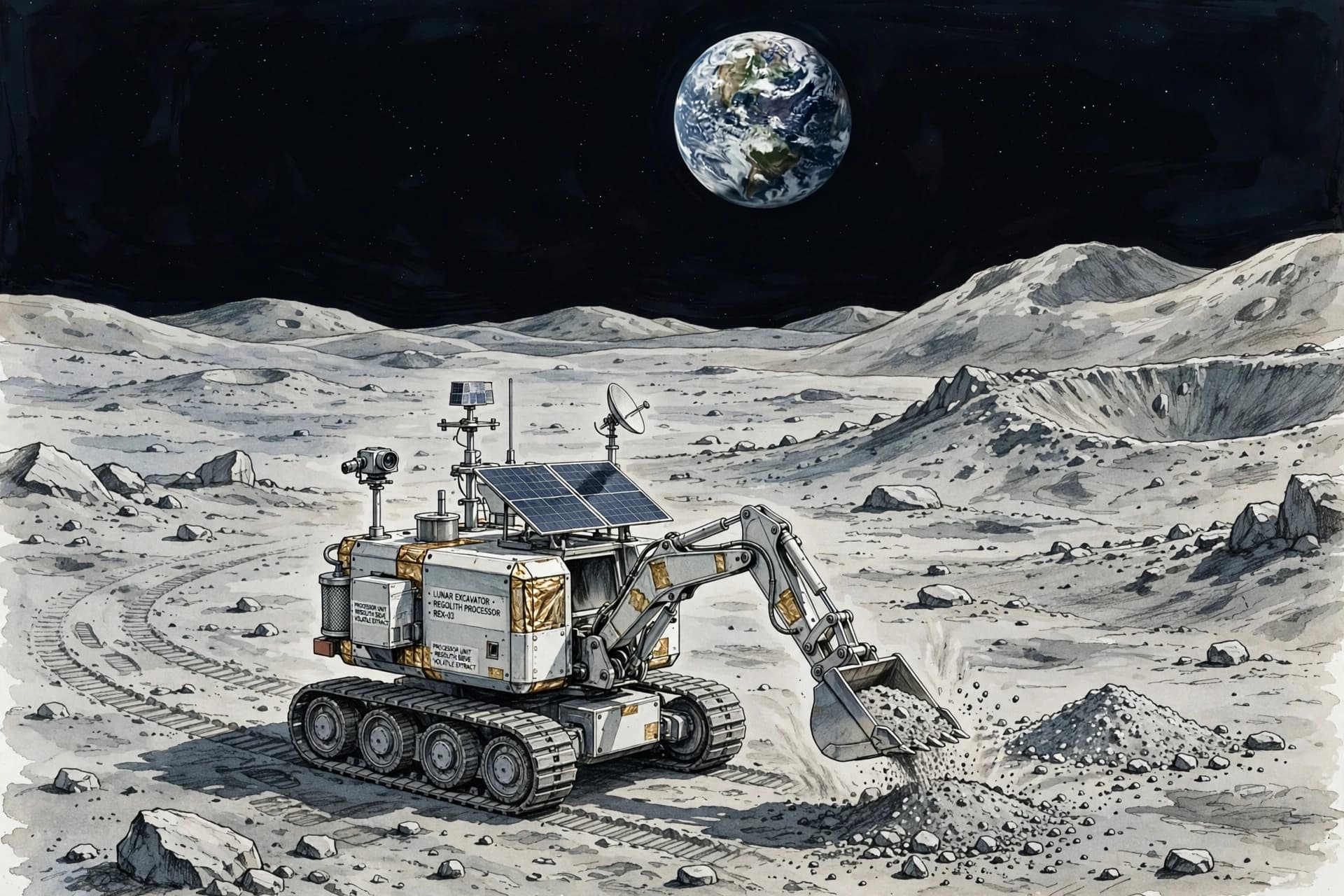
AI Image Disclaimer: Please be aware that the visual aids in this piece are AI-generated interpretations designed to support the narrative of commercial space partnerships.
Sources: NASA Official Releases Reuters SpaceNews The Washington Post
Published by Banx Network. This article is part of the Banx decentralized media programme, powered by the BXE token on the XRP Ledger.