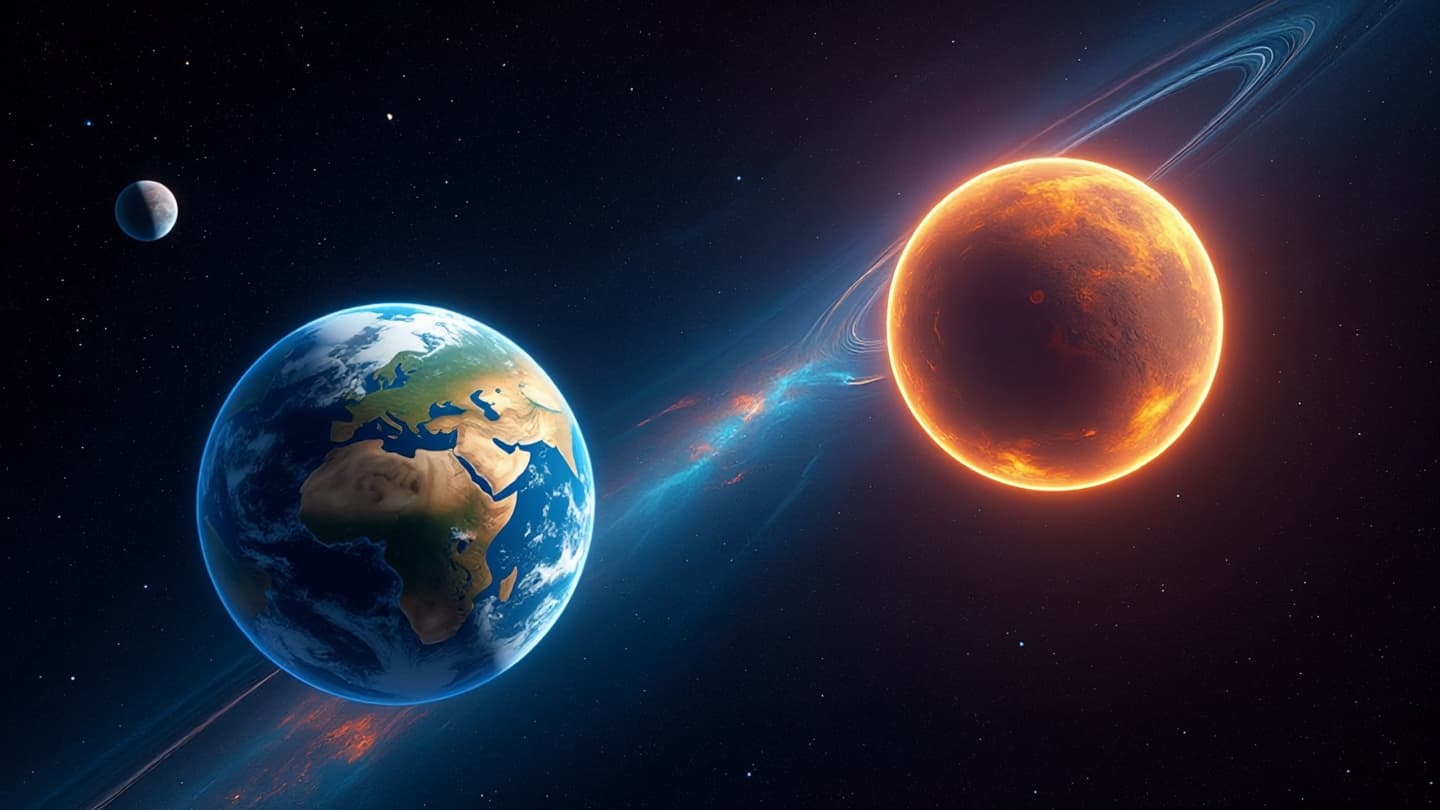
The Earth’s systems and their growing rhythm of extremes
Earth’s climate systems are shifting toward more extreme weather patterns driven by long-term global warming trends.

Earth’s climate systems are shifting toward more extreme weather patterns driven by long-term global warming trends.

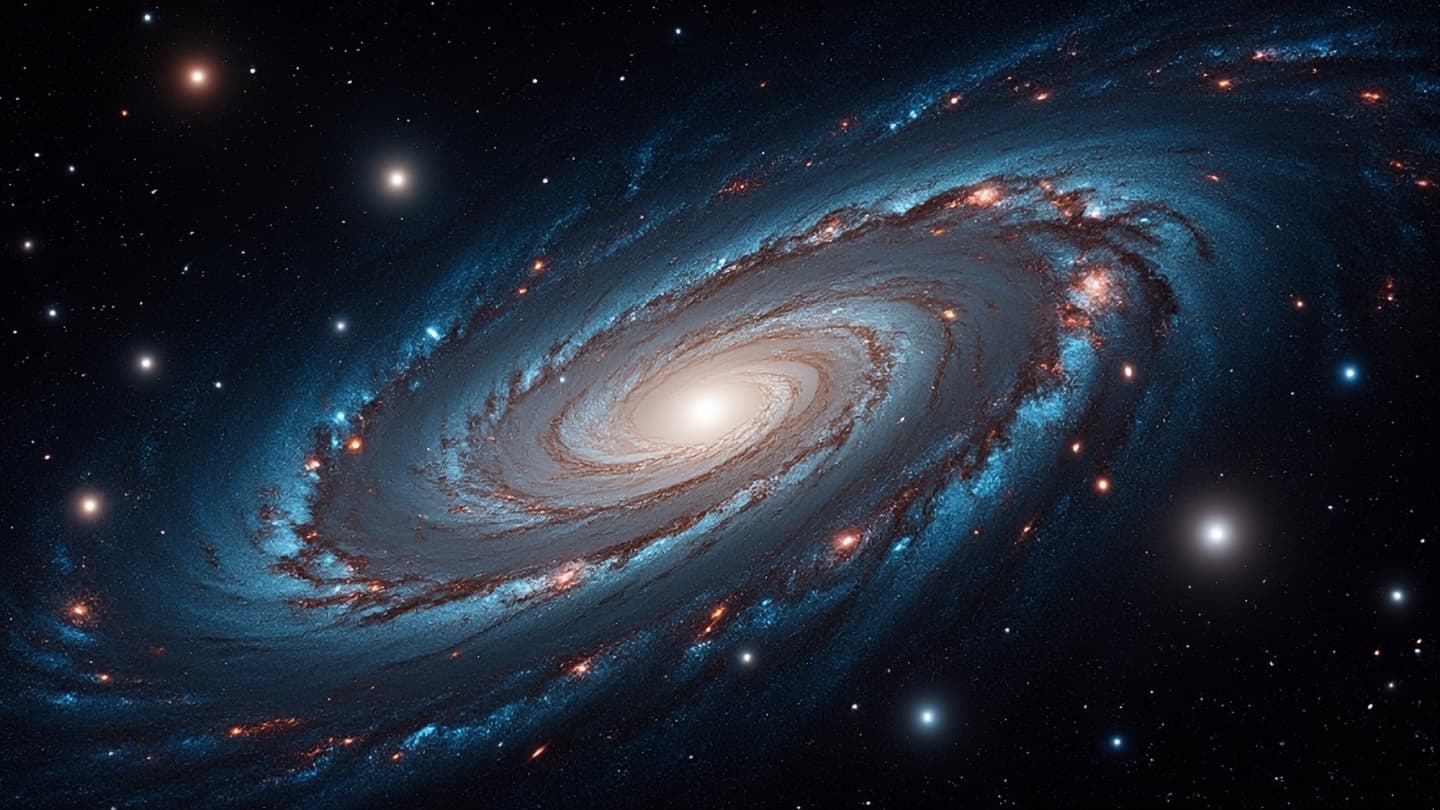
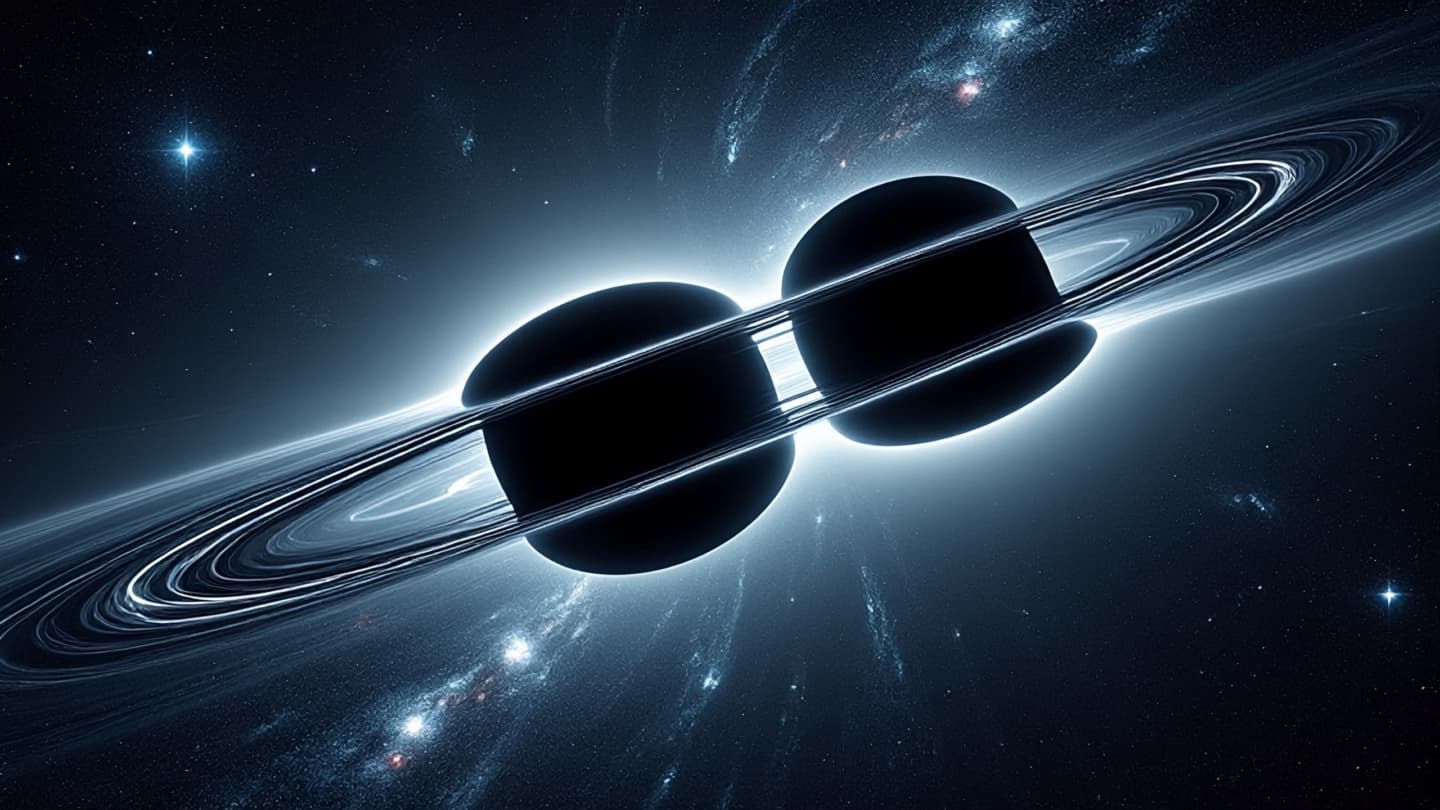
Astronomers discovered a rare black hole pair, offering new insight into gravity and cosmic evolution.

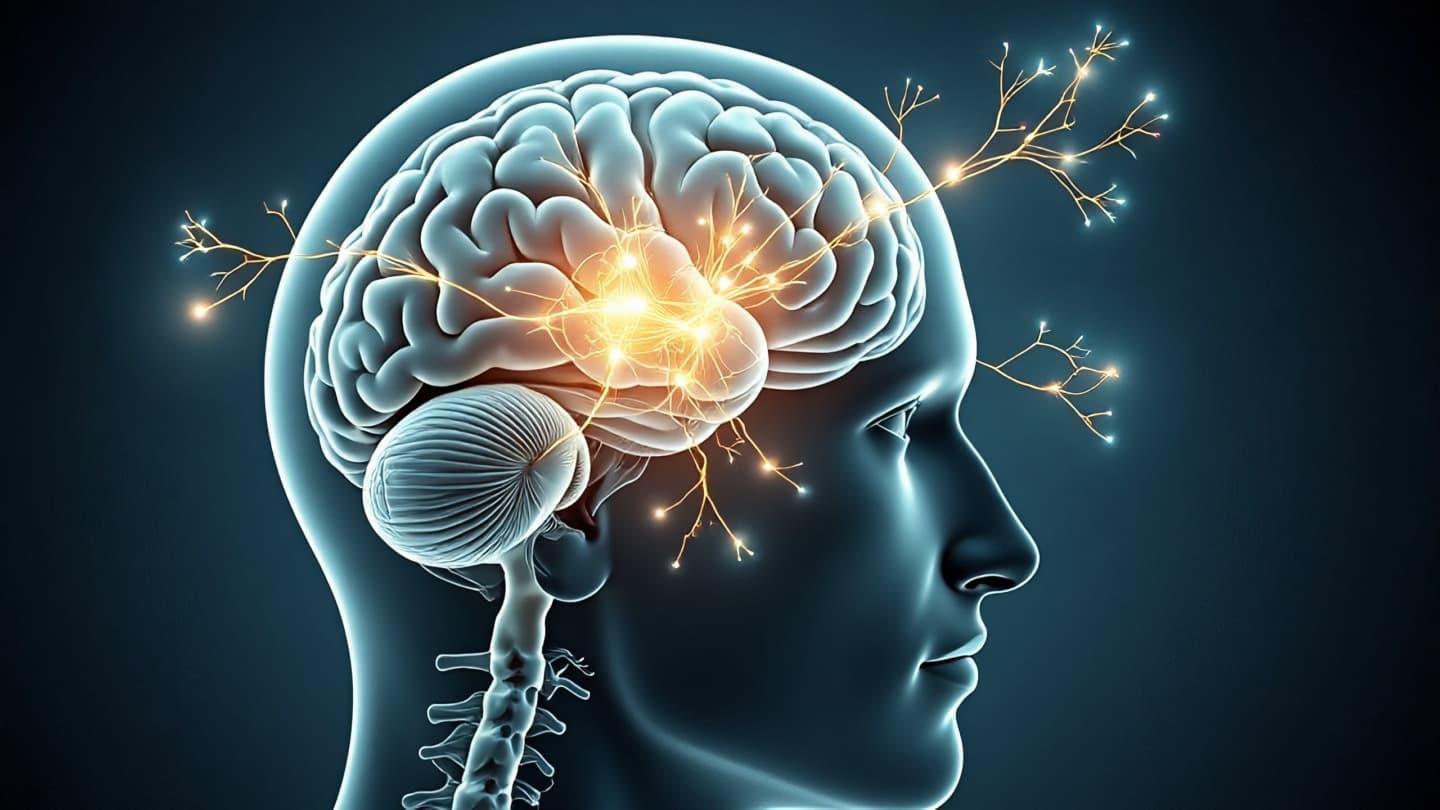
Research shows humans can develop echolocation abilities, revealing how the brain adapts sound into spatial perception.

Emperor penguins face increasing extinction risk due to shrinking sea ice and changing Antarctic conditions.

Ultrasound brain therapy shows early promise in Parkinson’s research as a non-invasive medical treatment approach.

NASA detected an unusually long solar radio burst, offering new data for studying solar activity and space weather patterns.

Karmelo Anthony’s murder trial begins in Texas over a fatal stabbing at a track meet.

Theoretical research suggests disks surrounding supermassive black holes could create billions of planets under the right conditions.

Scientists have identified a binary star system that may explain mysterious long-period radio signals detected across the Milky Way.

May’s Blue Moon, also the smallest full moon of 2026, captivated skywatchers worldwide with striking views and photography.

Studies show honeybees can learn to recognize individual human faces, revealing unexpected sophistication in insect visual processing.

The rougheye rockfish can live for more than a century, with some individuals potentially alive since the era of the American Civil War.

Astronomers believe SN 2023vbw may be a rare pair-instability supernova that completely destroyed an enormous star without leaving a remnant.

SpaceX’s anticipated IPO has become a symbol of strong investor optimism, raising questions about valuations and the current stage of the bull market.

Antarctic ice shelves are weakening due to warming conditions, potentially affecting long-term sea level stability.

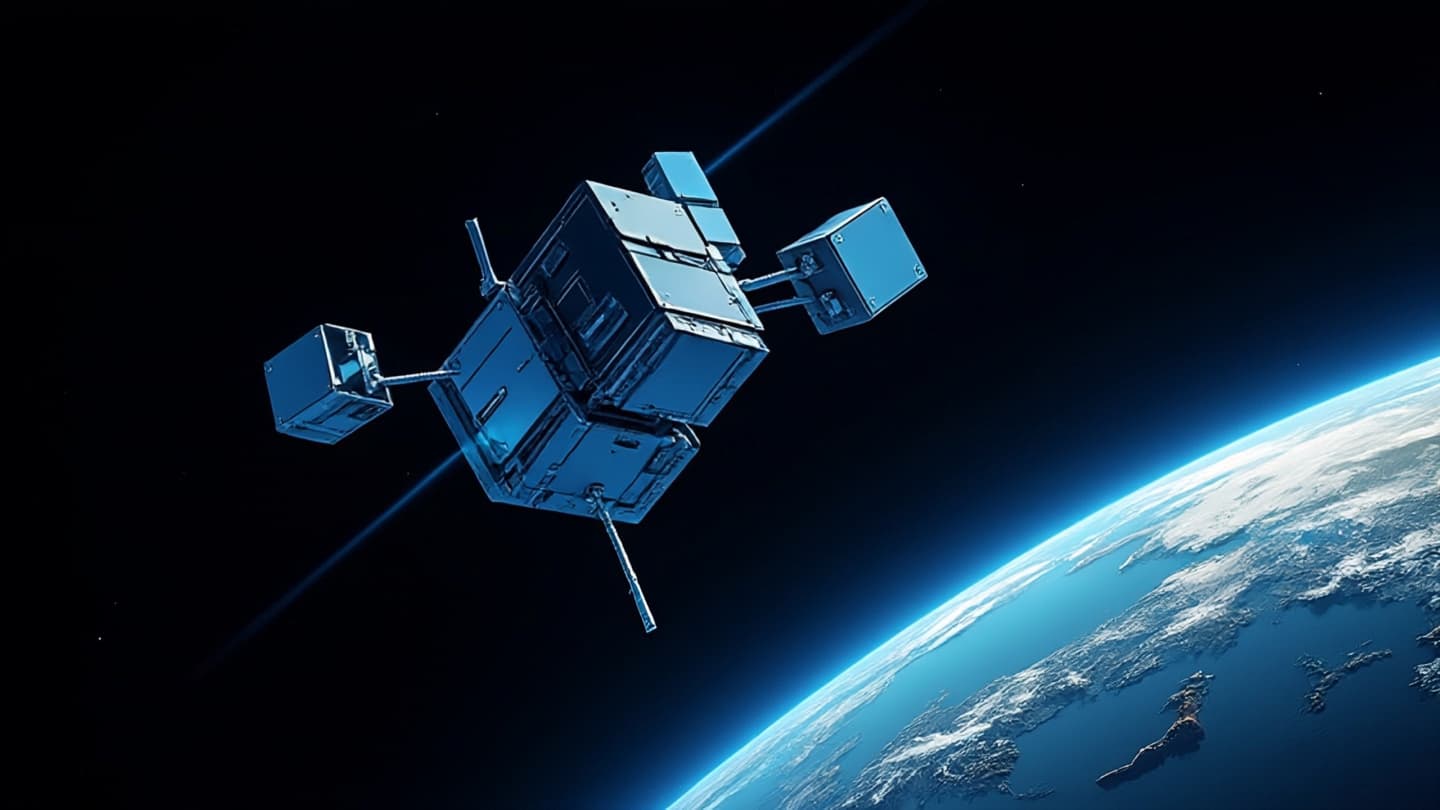
NASA has transferred management of some lunar instruments to a private company to support ongoing Moon research operations.

Scientists successfully transported antimatter by truck using advanced containment systems, marking a physics research milestone.

Fossil evidence suggests early apes may have evolved in North Africa, reshaping parts of primate evolutionary history.

The Arctic is warming over three times faster than the global average, accelerating ice loss and climate feedback effects.

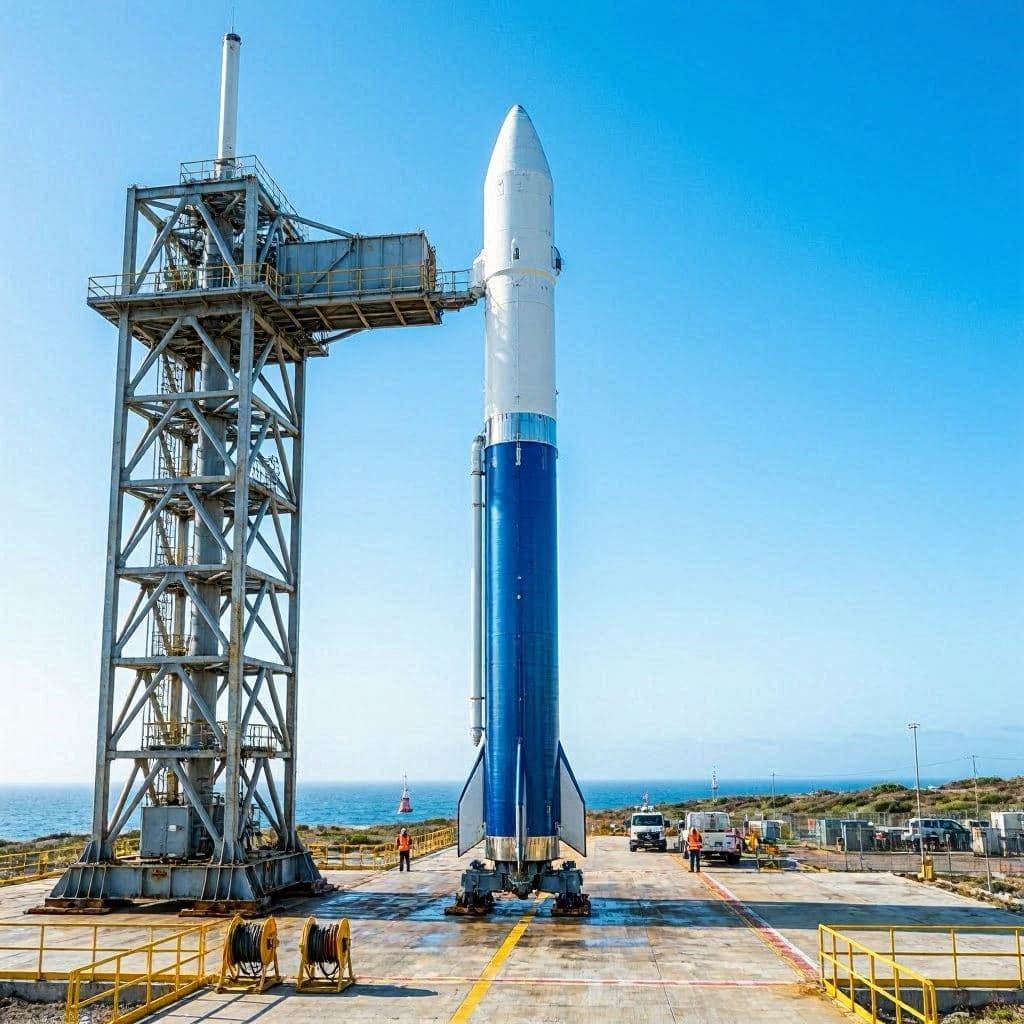
A rocket explosion involving has prompted questions about potential impacts on ’s long-term Moon exploration plans, highlighting the critical role commercial launch providers play in future lunar missions.

Hummingbirds and red flowers share a coevolutionary relationship shaped by vision, nectar structure, and ecological adaptation.

Astronomers studied an unusual cosmic signal that may or may not relate to a primordial black hole, though evidence remains unconfirmed.

Earth’s rotation has slowed over billions of years due to tidal forces from the Moon, lengthening the length of a day

Clear skies in Metro Detroit are expected to provide ideal conditions for viewing a rare Blue Moon.