
SCIENCE81% credibility
When Small Tasks on Earth Lead to Giant Steps Toward Mars.
A science career narrative highlights how early operational roles can lead to leadership positions in Mars exploration teams.
1 min read

A science career narrative highlights how early operational roles can lead to leadership positions in Mars exploration teams.
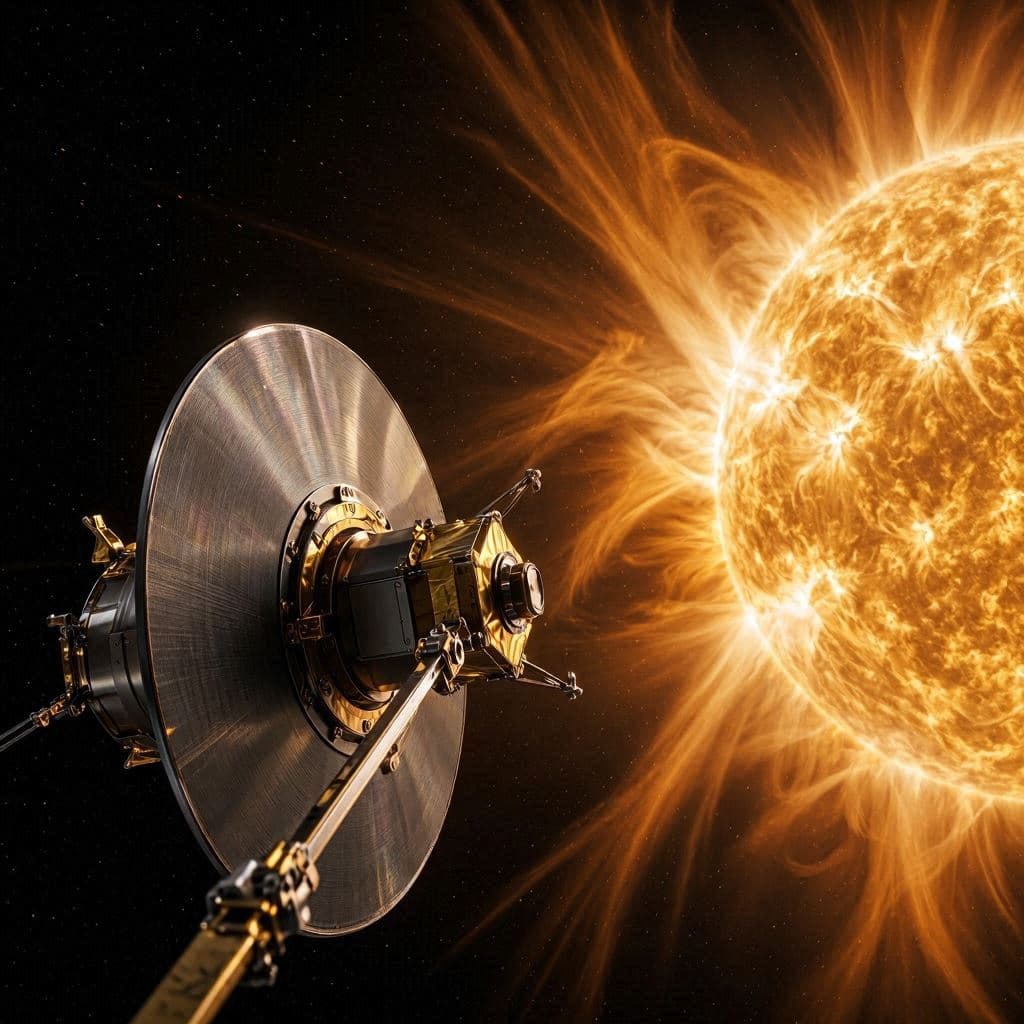
NASA’s fastest spacecraft is not Voyager; newer missions like Parker Solar Probe exceed its speed depending on measurement context.

Australia is accelerating investment in satellite technology through research, industry partnerships, and education to strengthen its growing space sector and support future innovation.
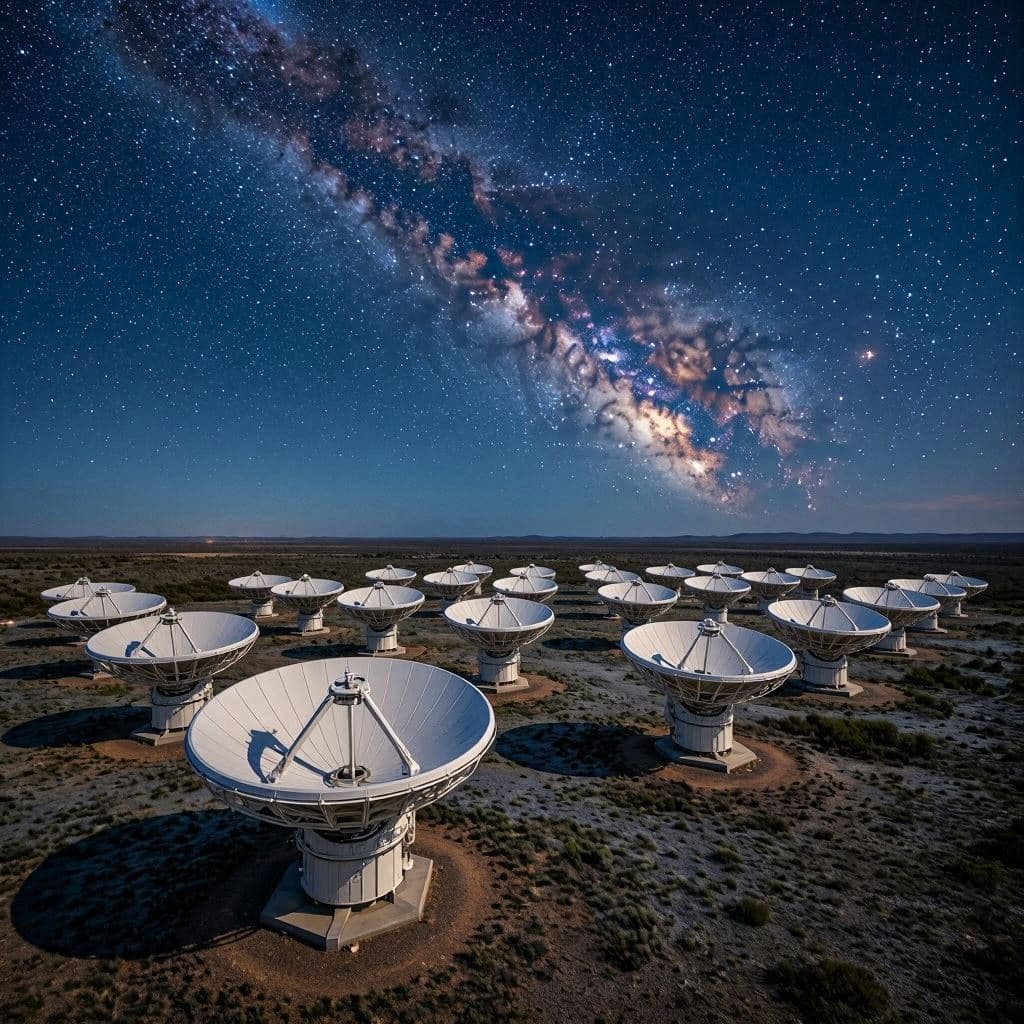
Australia is expanding cooperation with Pacific nations through development, infrastructure, and security initiatives designed to strengthen regional resilience and long-term partnerships.

NASA's James Webb Space Telescope detected methane and atmospheric hazes around WD 1856 b, offering new insight into how planets survive the death of their stars.

An incident at a diabetes conference has prompted wider discussion about conference policies and academic expression.
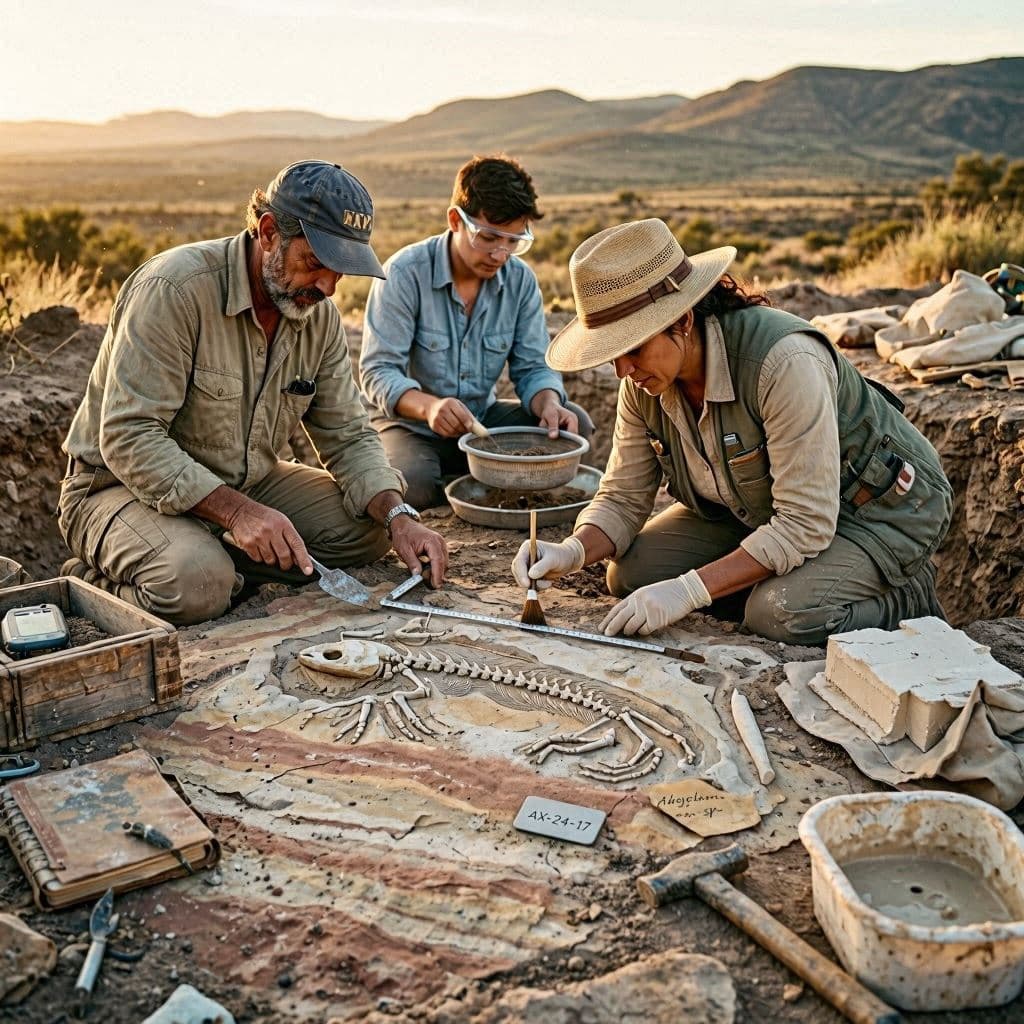
Scientists have identified a new fossil axolotl species in Mexico, offering fresh insight into the evolution and ancient habitats of these unique amphibians.
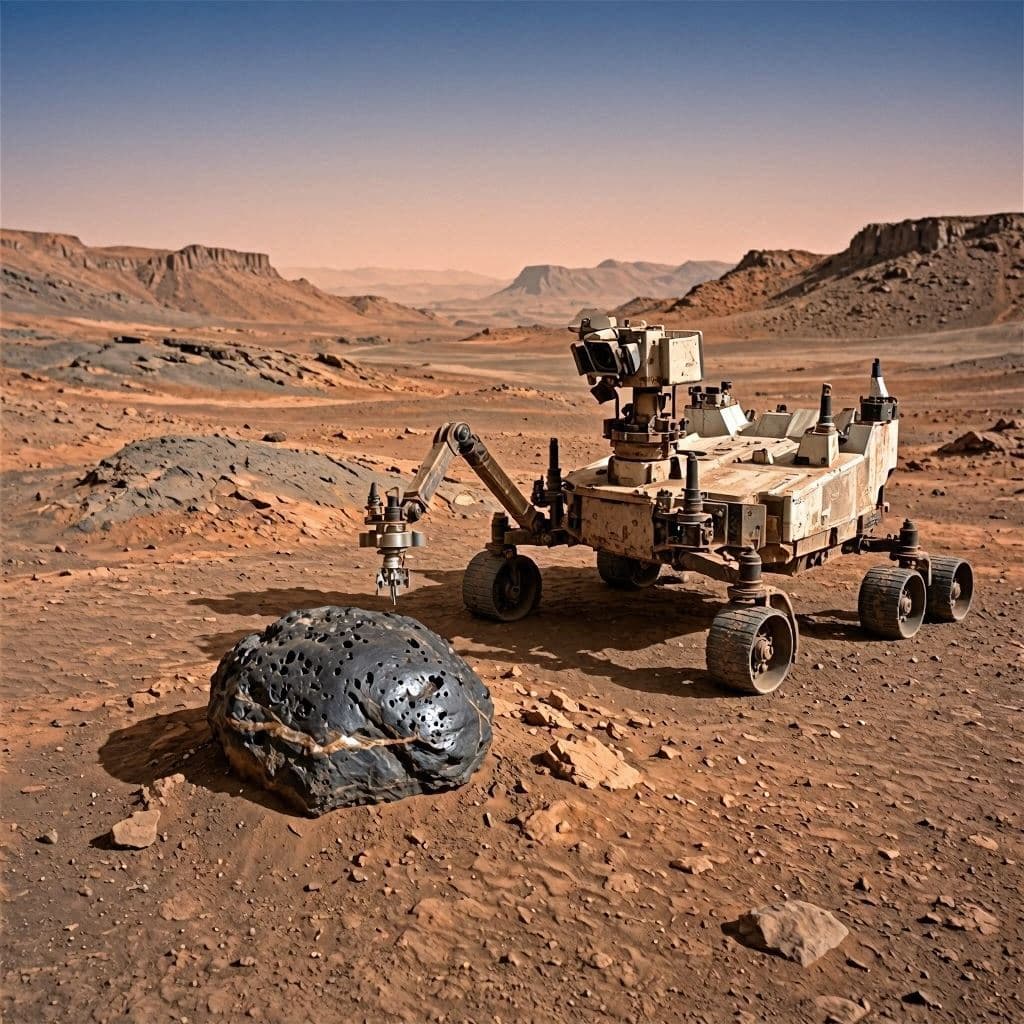
Scientists are investigating why a Martian rock contains an unusually high amount of carbon, but its origin remains uncertain.
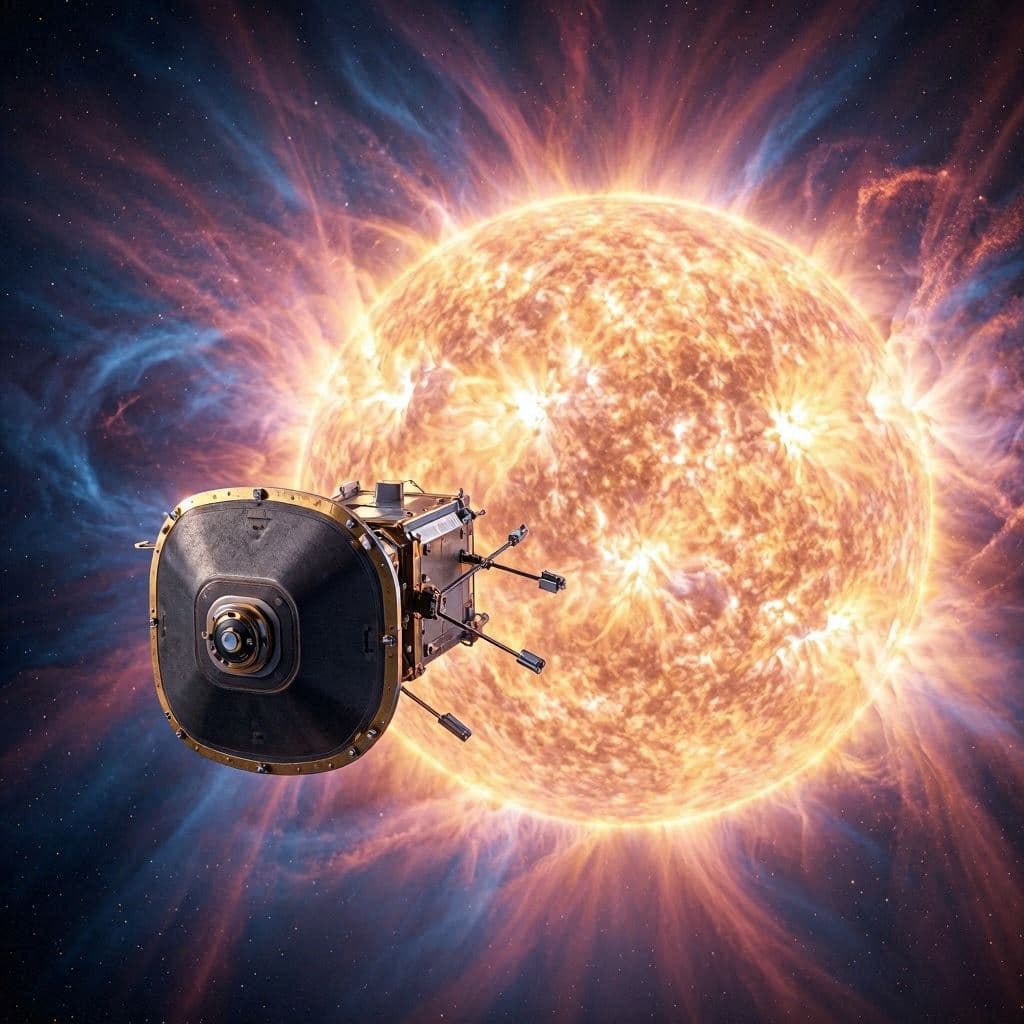
NASA's Parker Solar Probe became the fastest human-made object by using repeated Venus flybys and the Sun's gravity to reach record-breaking speeds.
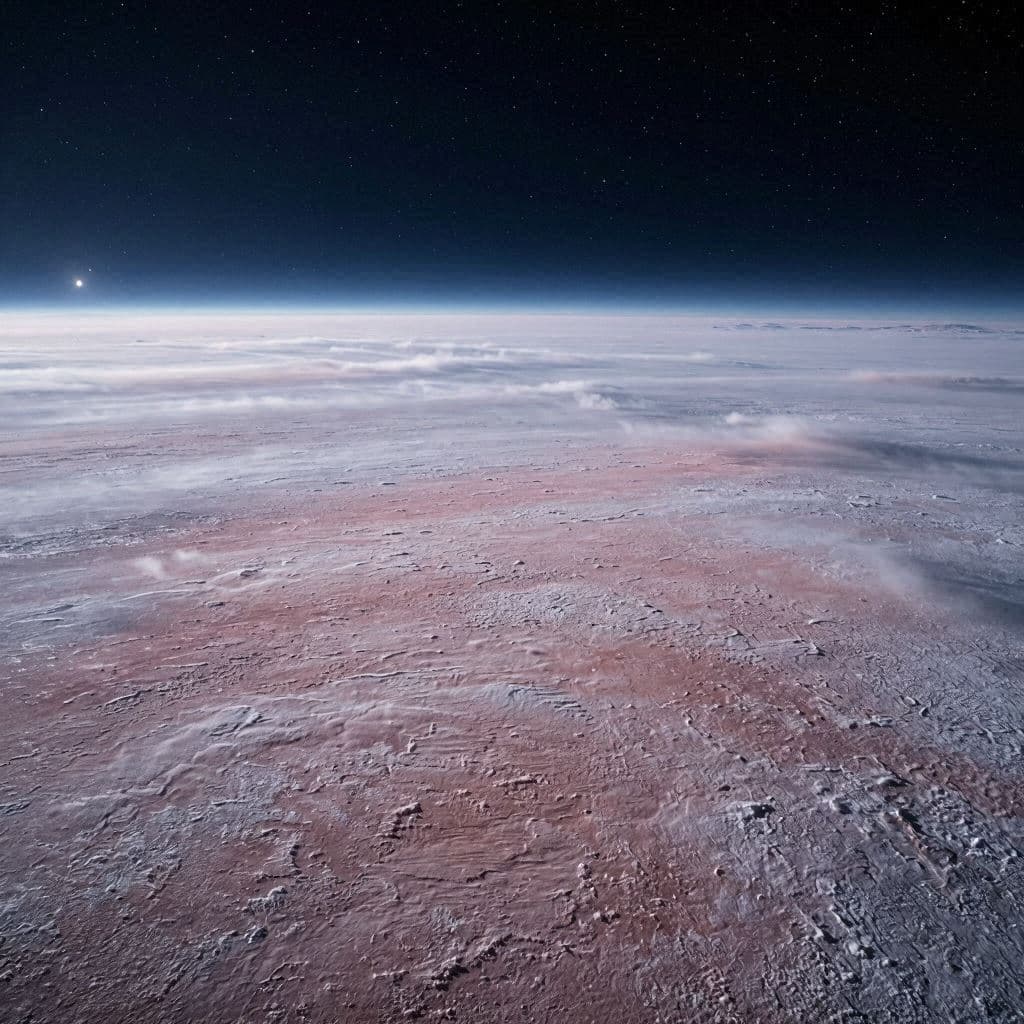
Scientists have identified salt-rich cloud formations around Pluto, offering fresh insights into the dwarf planet's atmosphere and surface chemistry.
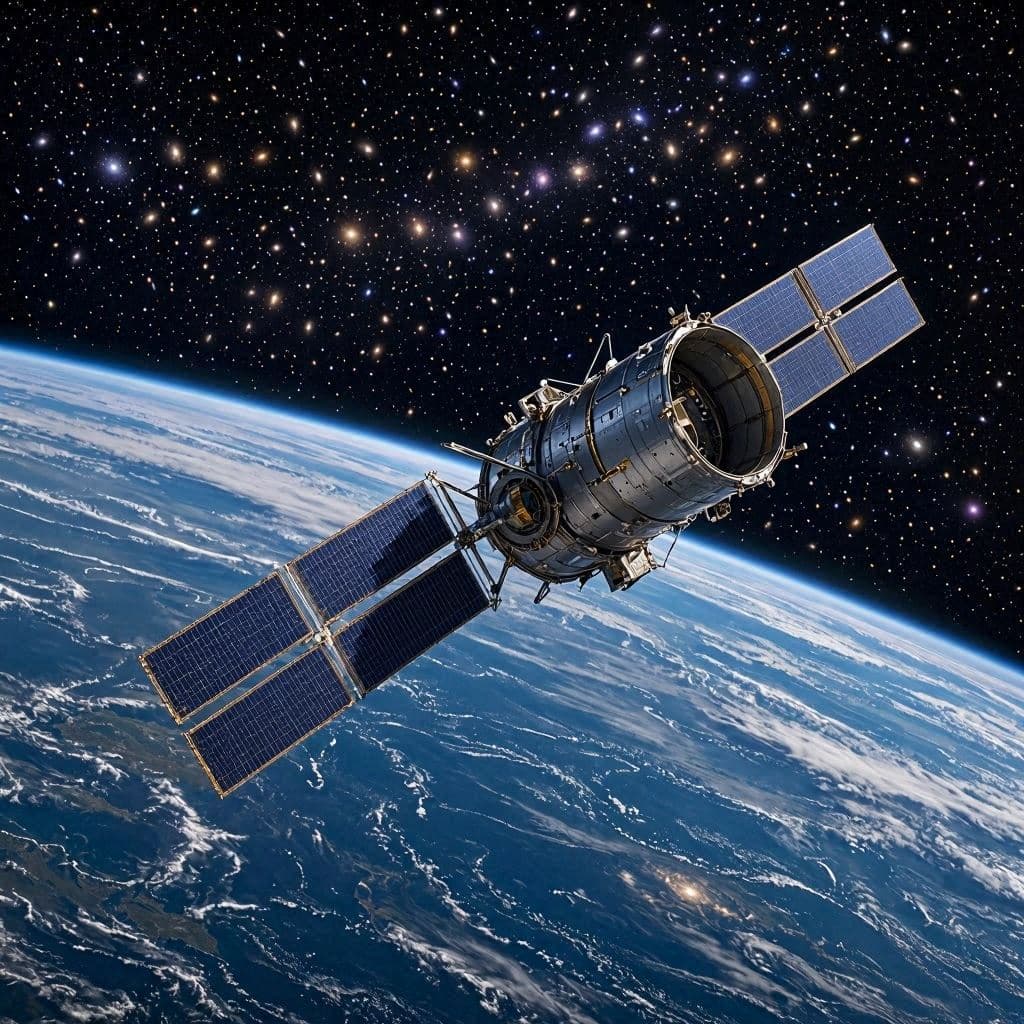
Hubble's 1995 Deep Field observation transformed a seemingly empty region of space into a view containing about 3,000 distant galaxies.
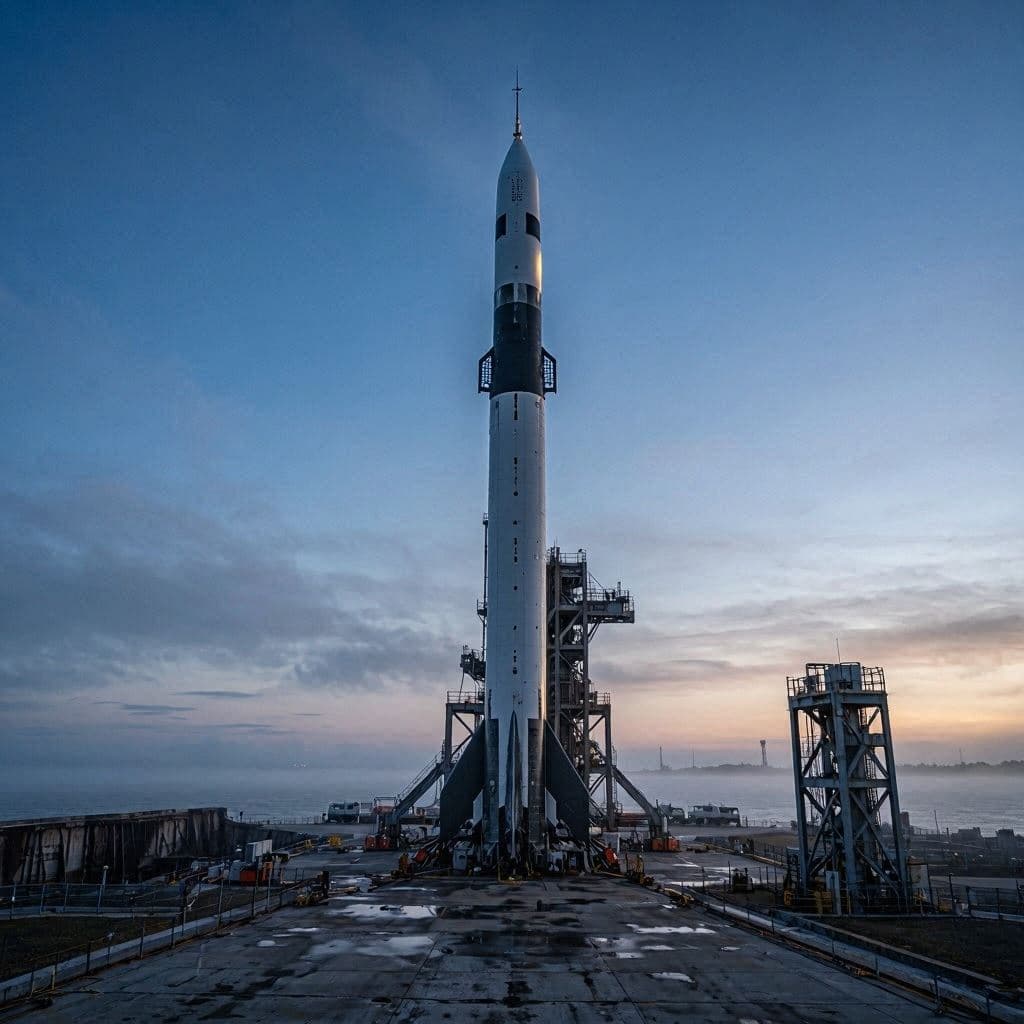
SpaceX prepares a Falcon 9 launch from Florida during the Fourth of July weekend, carrying SiriusXM's newest communications satellite into orbit.
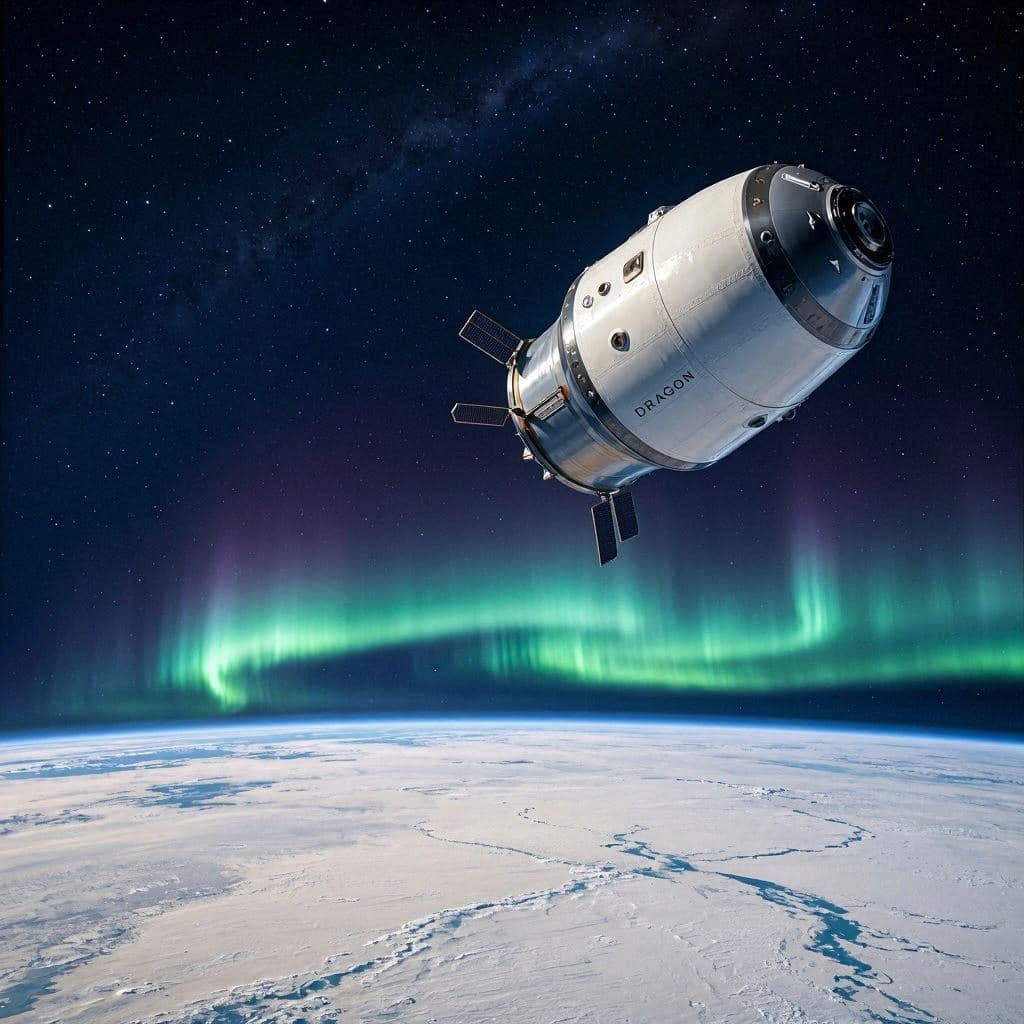
SpaceX's Fram2 mission became the first crewed spaceflight to complete a true polar orbit, opening a new milestone for commercial human space exploration.
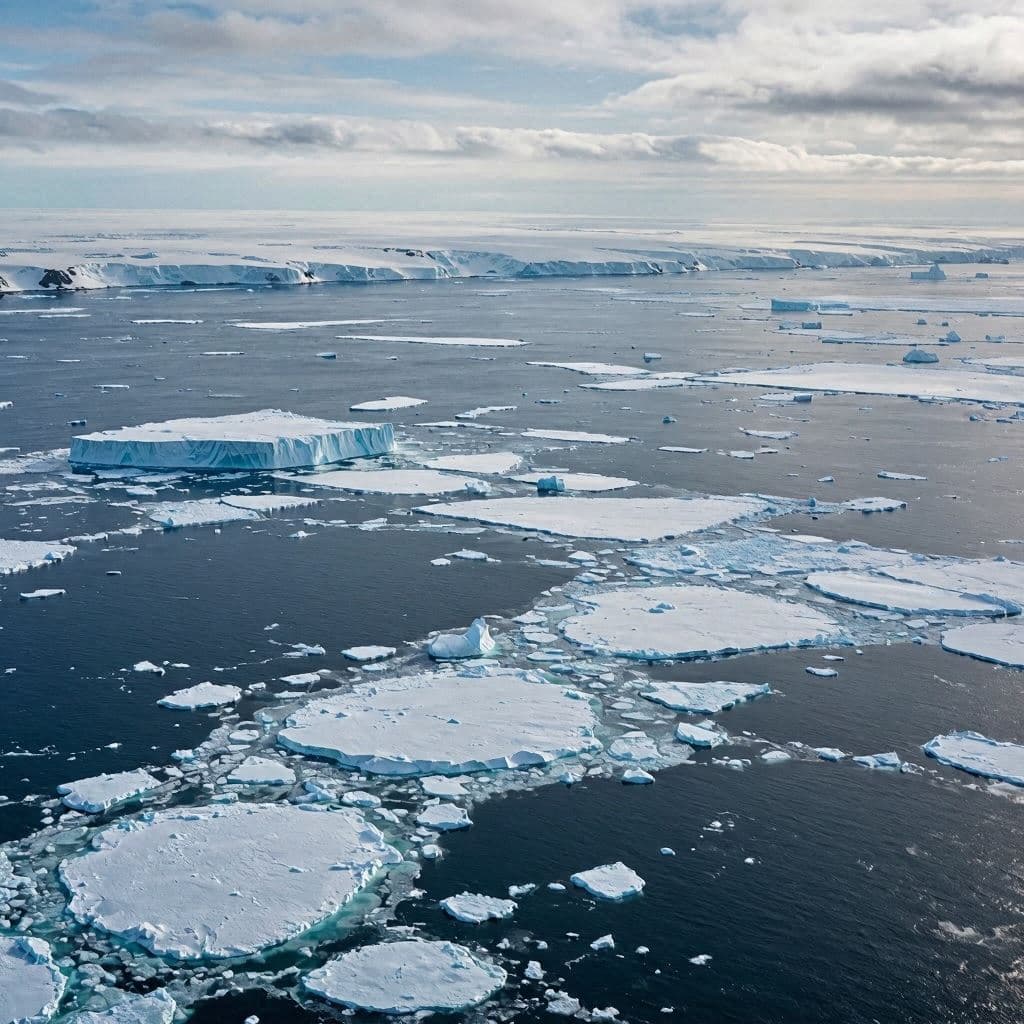
Scientists say Antarctica's unusually low sea ice could influence climate, oceans, and ecosystems far beyond the polar region.
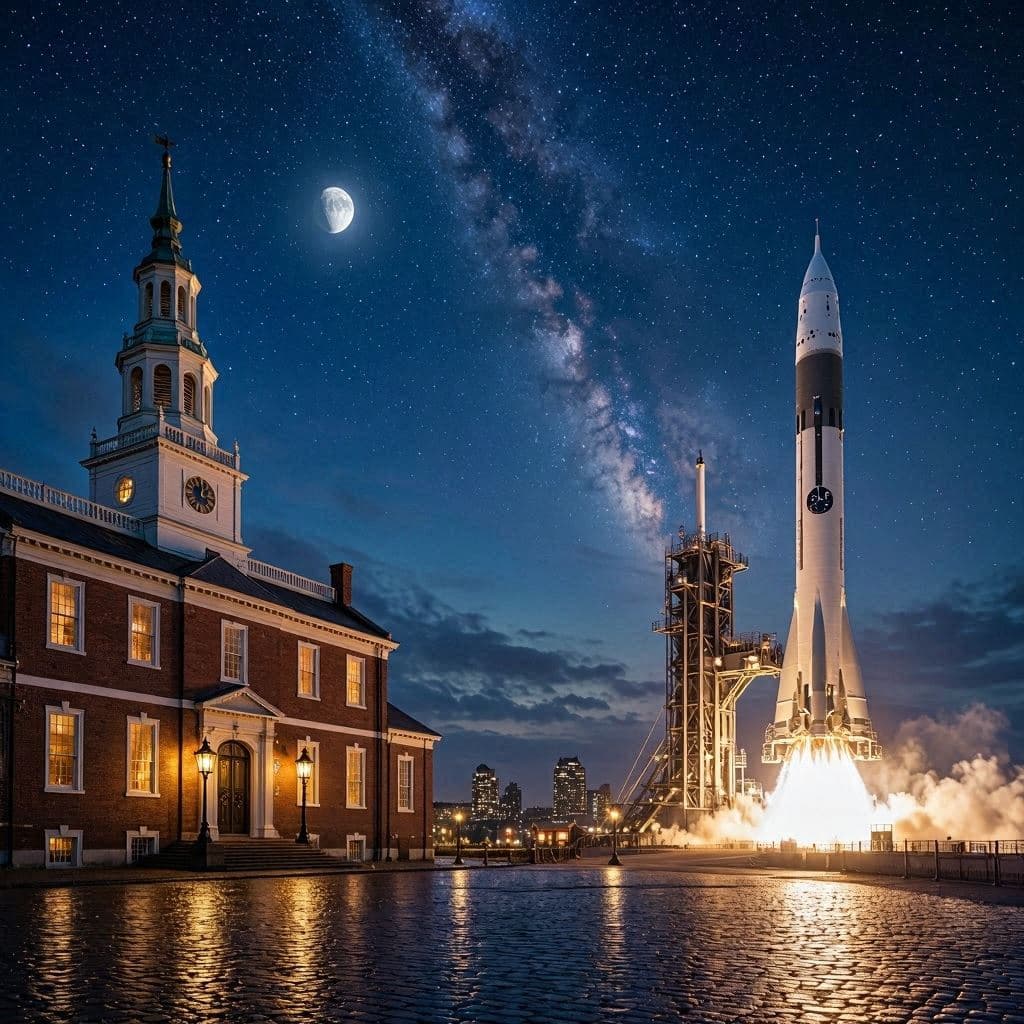
America's 250th anniversary inspires a reflection on how scientific curiosity carried humanity from the era of independence to modern space exploration.
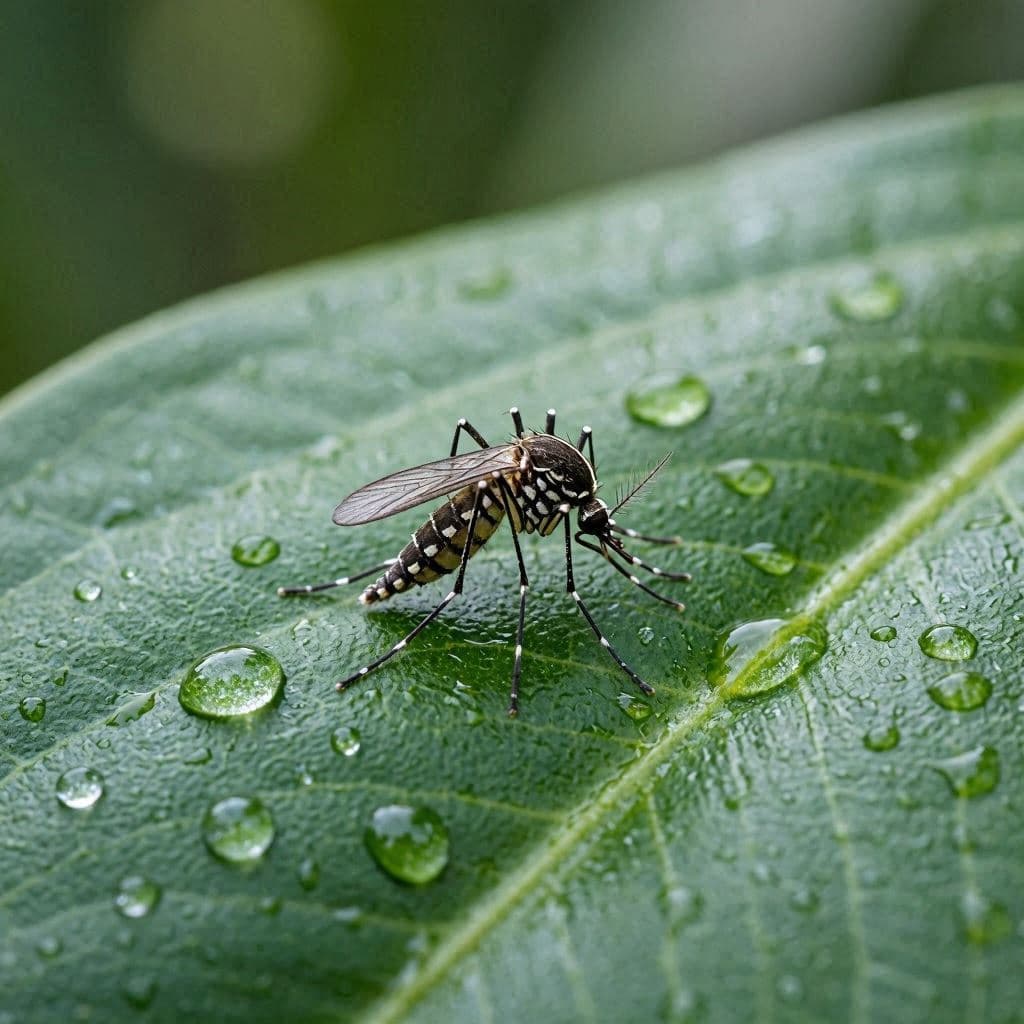
The CDC warns that an early and intense start to the West Nile virus season may indicate a severe year, urging communities to take preventive measures against mosquito bites.

The World Health Organization has declared the hantavirus outbreak on the M/V Hondius cruise ship over, with no new cases reported since May, ending a crisis that claimed three lives.
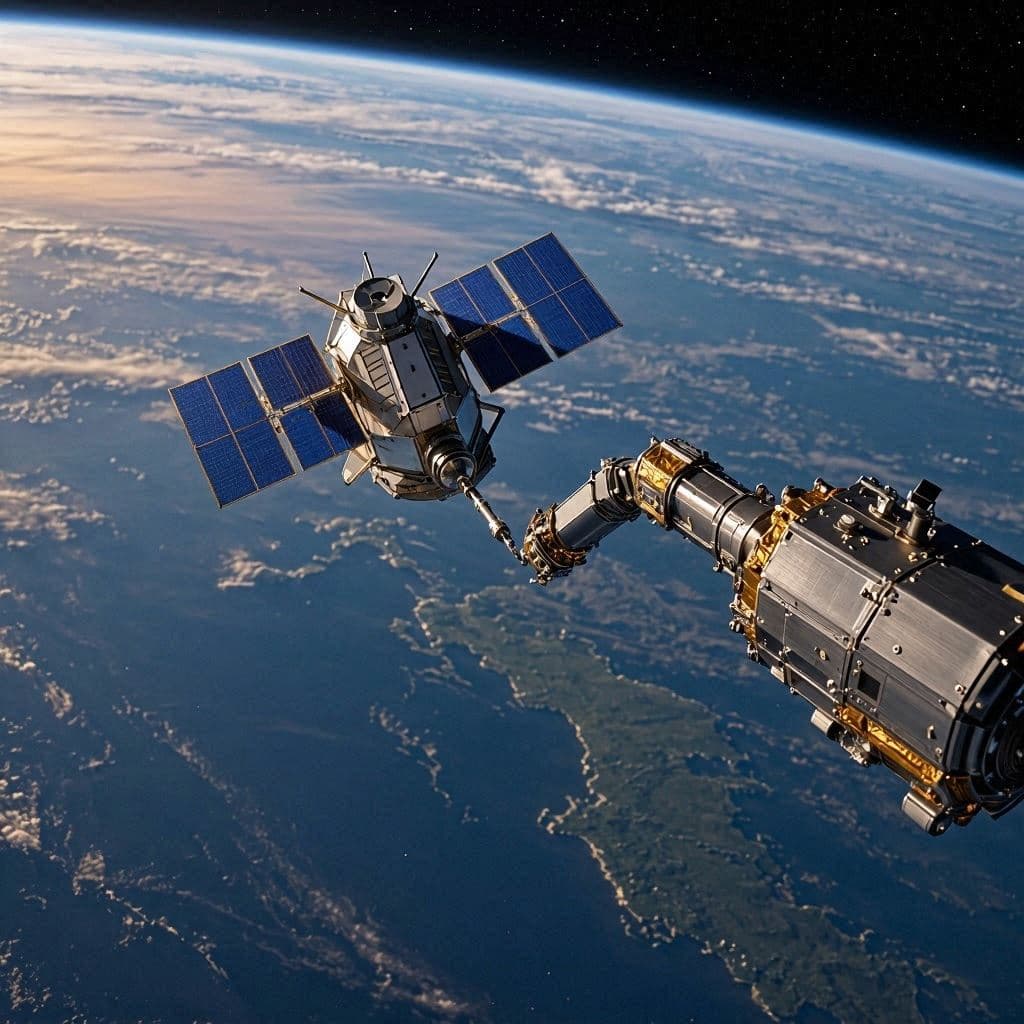
NASA has launched a robotic mission to rescue the Swift Observatory, which is falling toward Earth due to increased atmospheric drag from solar storms, aiming to extend its scientific life.
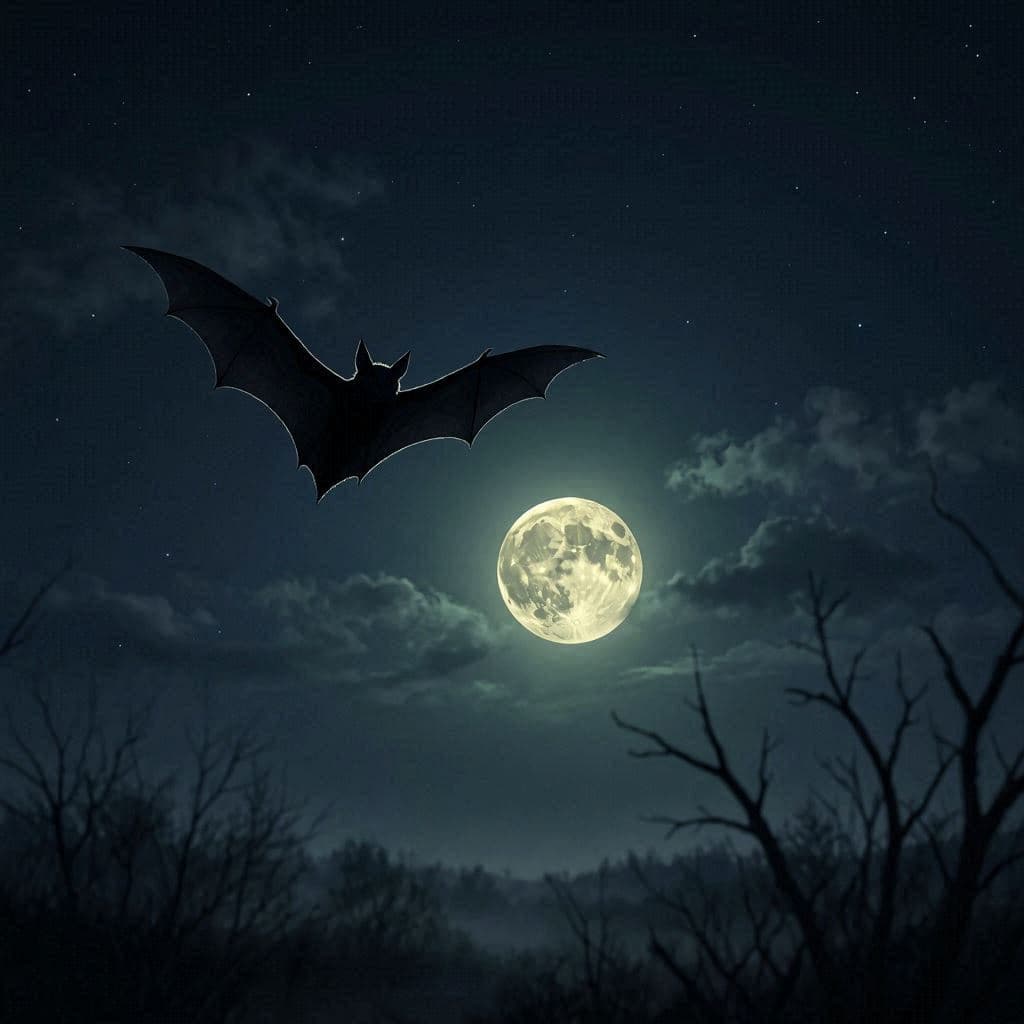
An 11-year-old Canadian boy died from rabies after waking up with a bat on his face, highlighting the critical need for immediate medical attention after potential wildlife exposure.
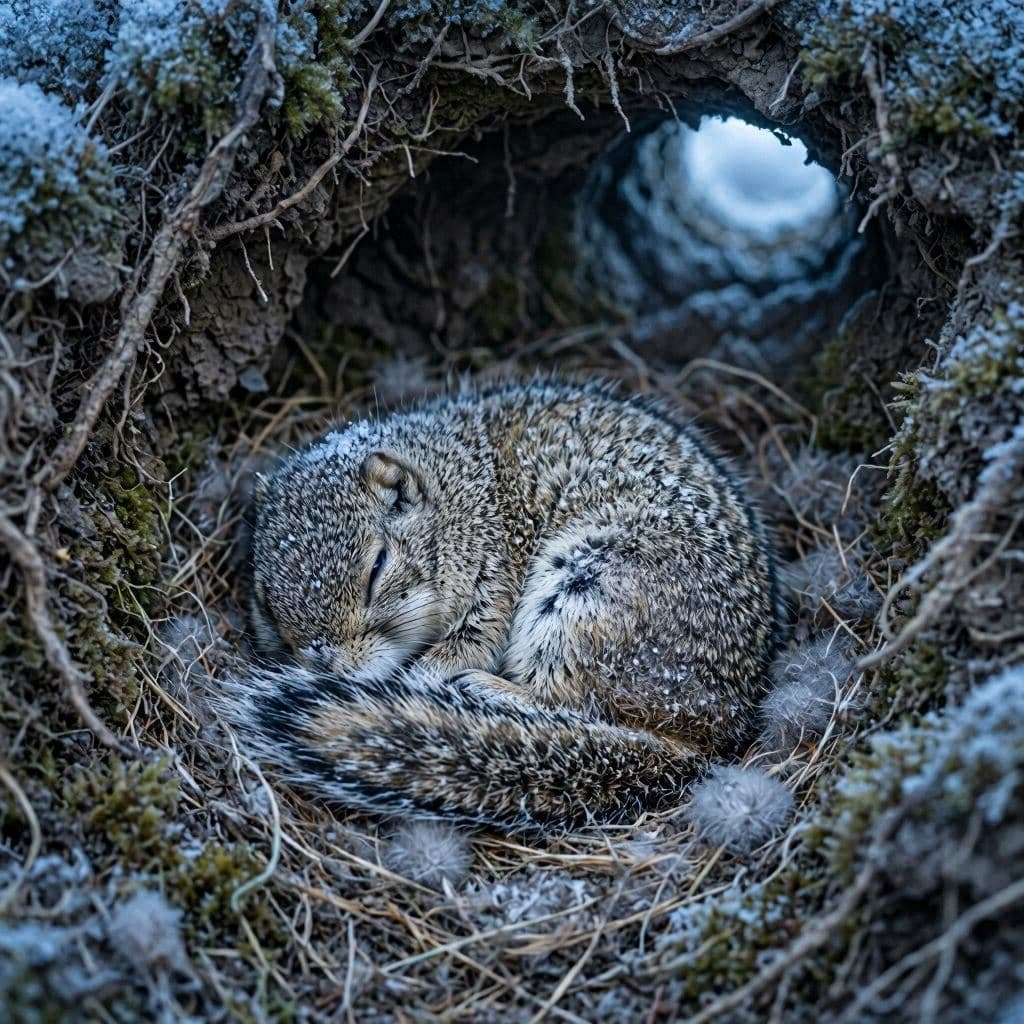
Research into the Arctic ground squirrel’s ability to supercool its body below freezing is providing insights that could revolutionize emergency care, organ preservation, and stroke treatment.
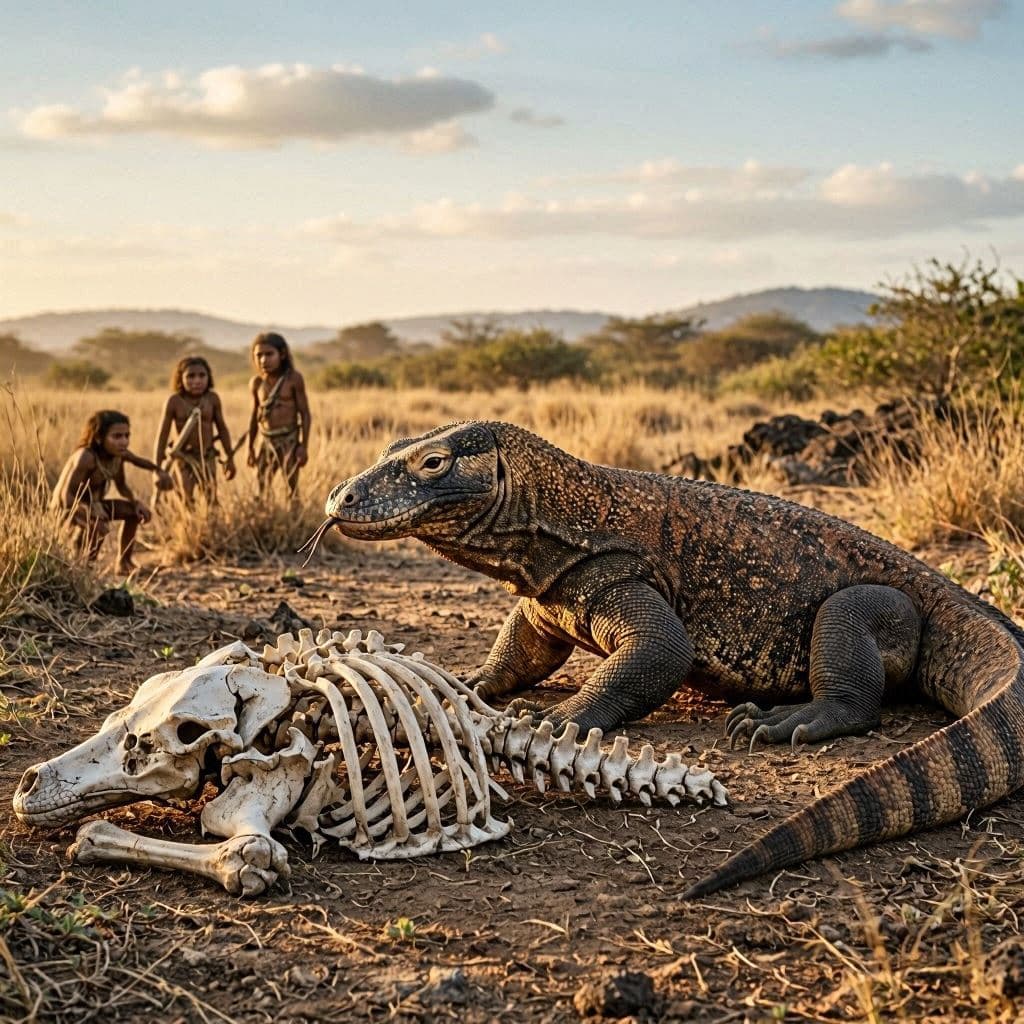
New evidence suggests Homo floresiensis, or "Hobbit" humans, survived on Flores by scavenging meat from Komodo dragon kills, showcasing their adaptive ingenuity.
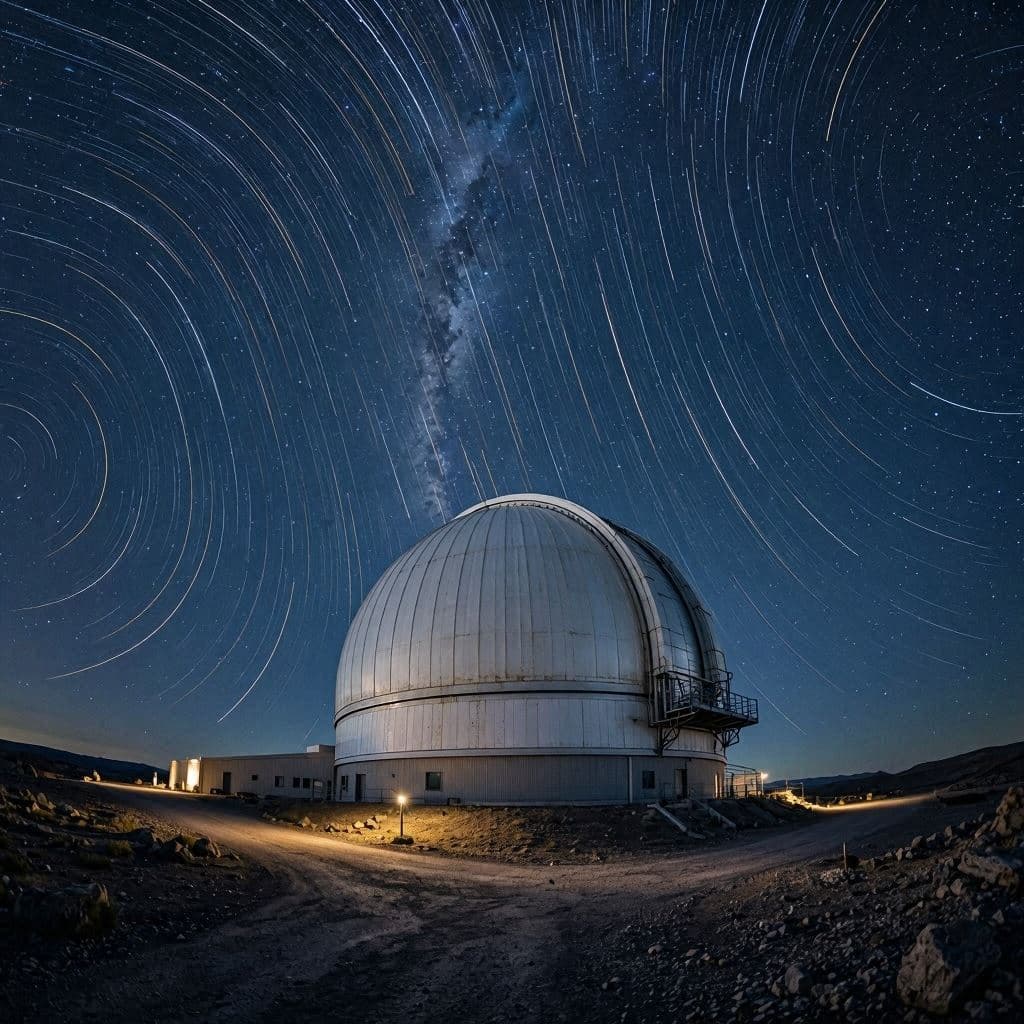
The Vera C. Rubin Observatory will create a ten-year "movie" of the sky, capturing dynamic cosmic events and promising transformative discoveries in astronomy.

Recent scientific highlights include a new substance found by the James Webb Telescope, rapid growth in China’s Great Green Wall, and the solution to a Medici murder mystery.
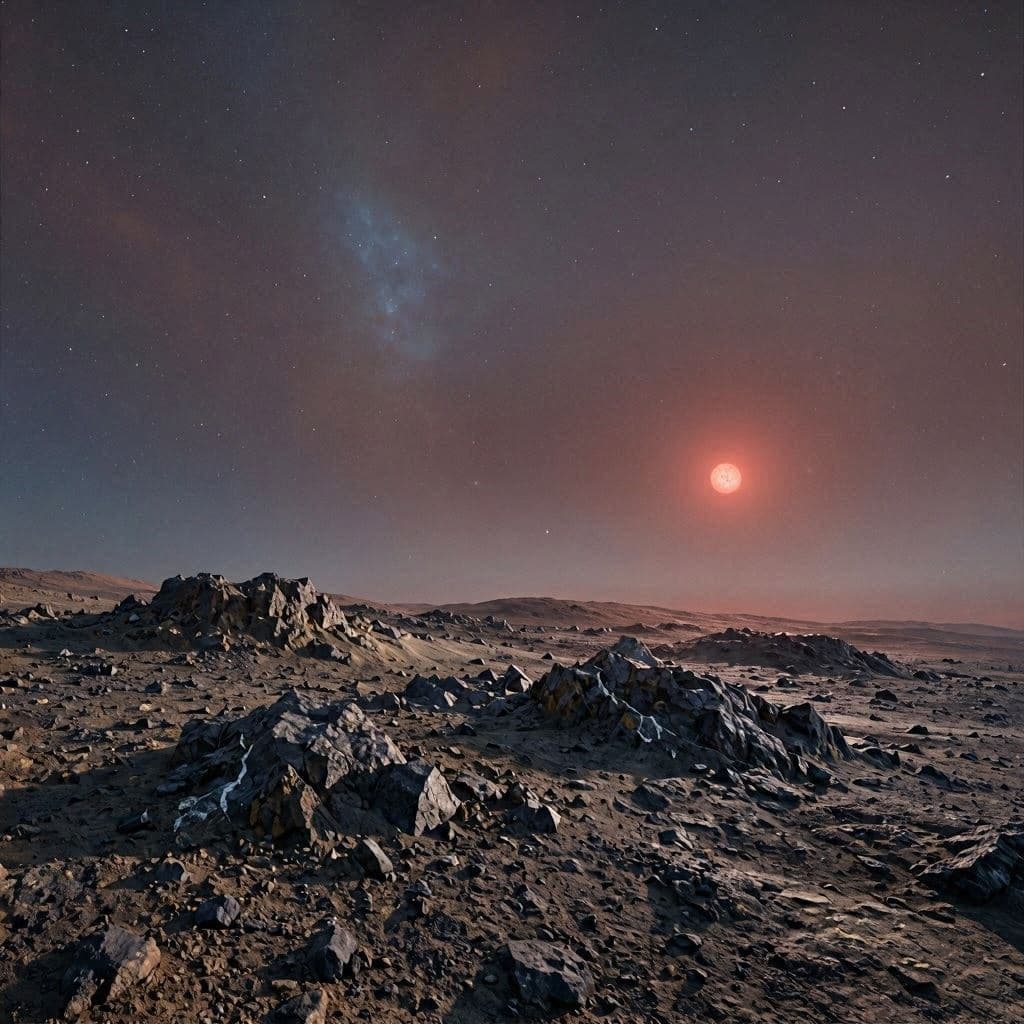
Astronomers have identified a nearby potentially habitable exoplanet, offering a promising target for future observations of planetary environments beyond the Solar System.