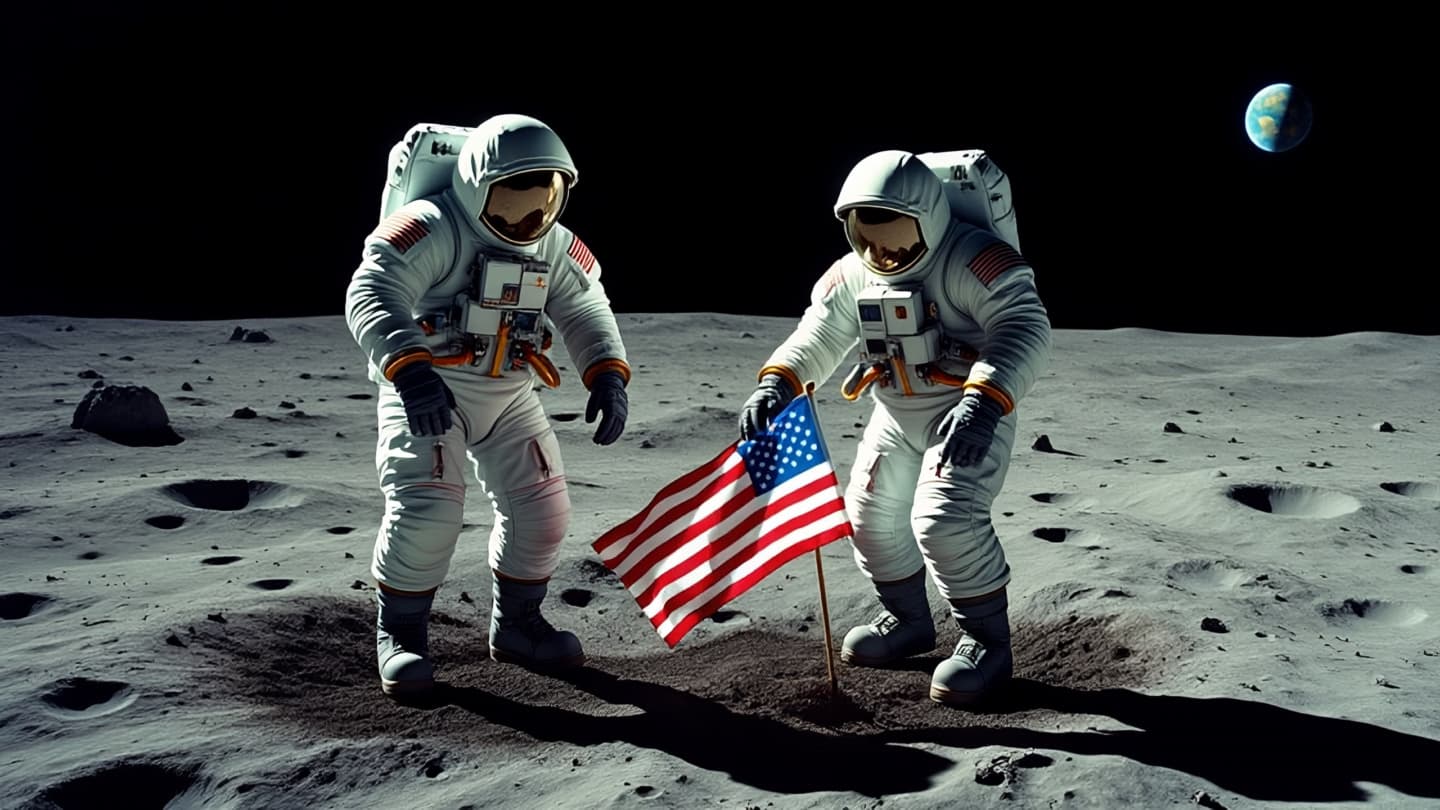
The moon has long served as a mirror for human ambition, reflecting our desires for exploration, discovery, and prestige. In the modern era, this celestial body has become the stage for a renewed space race, not merely between nations but between differing visions of technological progress. Recently, NASA’s administrator expressed confidence that the United States remains on course to return astronauts to the lunar surface before its primary competitor, China. This assertion is more than a statement of logistical capability; it is a declaration of intent in a geopolitical landscape where space dominance is increasingly linked to national influence.
Body: The Artemis program, NASA’s flagship initiative to establish a sustainable presence on the moon, has faced its share of delays and technical hurdles. Yet, despite these challenges, the agency maintains that its timeline is robust. The goal is not just to visit, but to stay, building a foundation for future missions to Mars. This long-term vision distinguishes the current effort from the Apollo era, emphasizing sustainability and international collaboration through the Artemis Accords.
China’s space program, meanwhile, has advanced with remarkable speed and precision. Its Chang’e missions have successfully landed on the far side of the moon and returned samples to Earth, demonstrating sophisticated robotic capabilities. Beijing has also announced plans for a joint Russian-Chinese lunar research station by the 2030s. The competition is thus not just about who arrives first, but who establishes the most enduring and influential footprint.
The administrator’s comments reflect a strategic optimism designed to reassure stakeholders and the public. Confidence in the schedule is crucial for maintaining funding and political support. However, the complexity of human spaceflight means that timelines are always subject to change. Technical issues, supply chain disruptions, or safety concerns can alter even the best-laid plans. The race is less a sprint and more a marathon of endurance and innovation.
International partners play a significant role in this endeavor. Countries from Europe, Japan, Canada, and beyond are contributing modules, technology, and expertise to the Artemis program. This coalition strengthens the mission’s viability and spreads the financial burden. It also creates a diplomatic framework that contrasts with the bilateral nature of the U.S.-China rivalry. Space becomes a domain of alliance-building as much as competition.
The economic implications are substantial. A successful lunar return could spur new industries, from mining resources to manufacturing in low gravity. Private companies like SpaceX and Blue Origin are integral to this ecosystem, providing launch services and landing systems. Their involvement adds a commercial dynamism to the effort, accelerating development through competitive contracts and private investment.
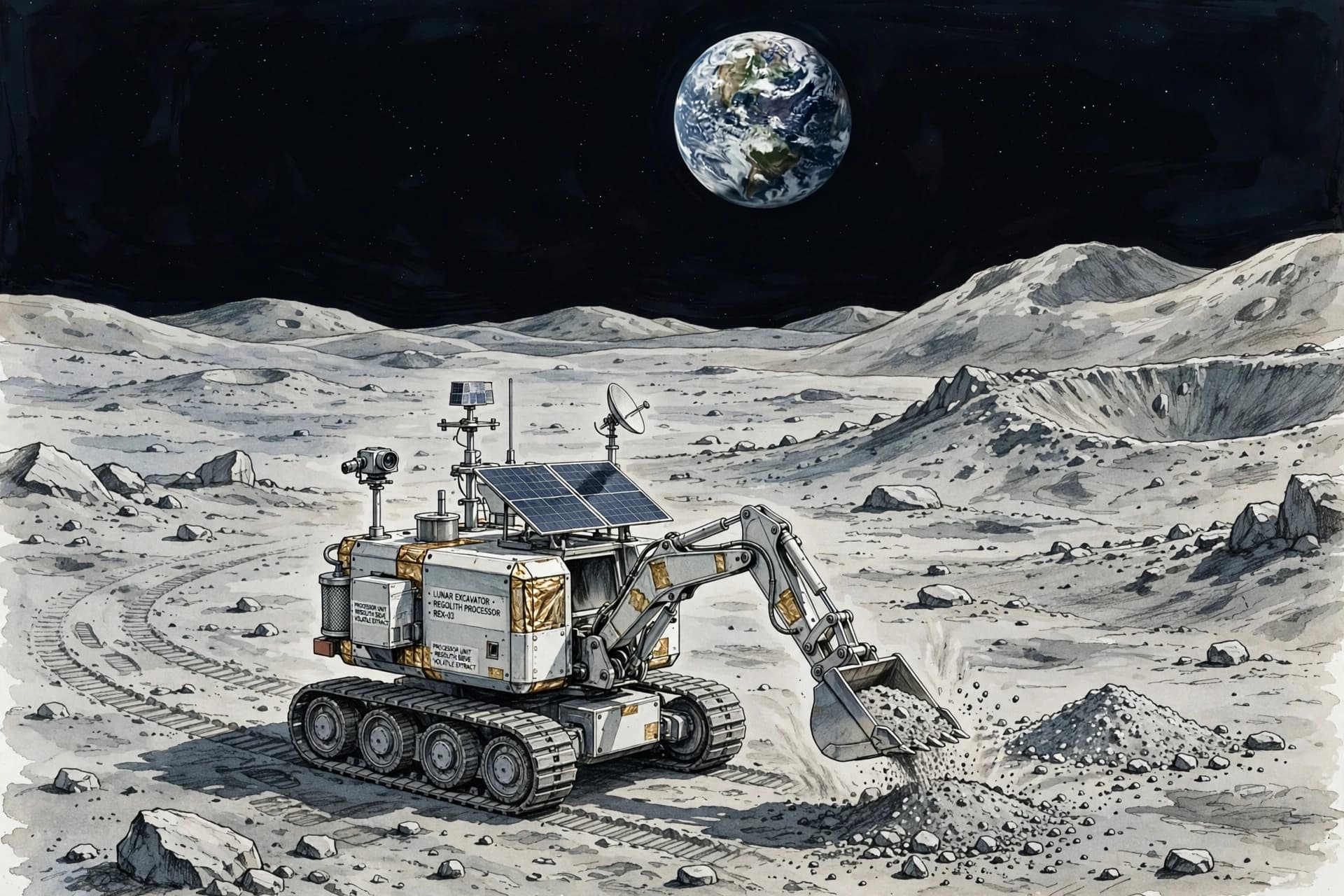
Scientifically, the moon offers unique opportunities. Its polar regions may contain water ice, a critical resource for life support and fuel. Studying the lunar geology can also provide insights into the early history of the solar system. These scientific goals provide a noble justification for the expense and risk, appealing to humanity’s innate curiosity.
As the deadline approaches, scrutiny will intensify. Every test flight, every delay, and every success will be analyzed in the context of the competition. The narrative of "beating China" serves as a powerful motivator, but the ultimate victory lies in the safe and successful execution of the mission. The focus must remain on achieving the objectives with integrity and safety.
Closing: NASA officials assert that the United States is on track to return to the moon before China, highlighting the competitive yet collaborative nature of modern space exploration. The Artemis program aims to establish a sustainable lunar presence, leveraging international partnerships and private sector innovation. The outcome will shape the future of space policy and exploration for decades to come.
AI Image Disclaimer: Please note that the visual illustrations accompanying this article are AI-generated representations intended to contextualize the discussion on lunar exploration and geopolitical competition.
Sources: Reuters SpaceNews The Washington Post NASA Official Releases
Published by Banx Network. This article is part of the Banx decentralized media programme, powered by the BXE token on the XRP Ledger.