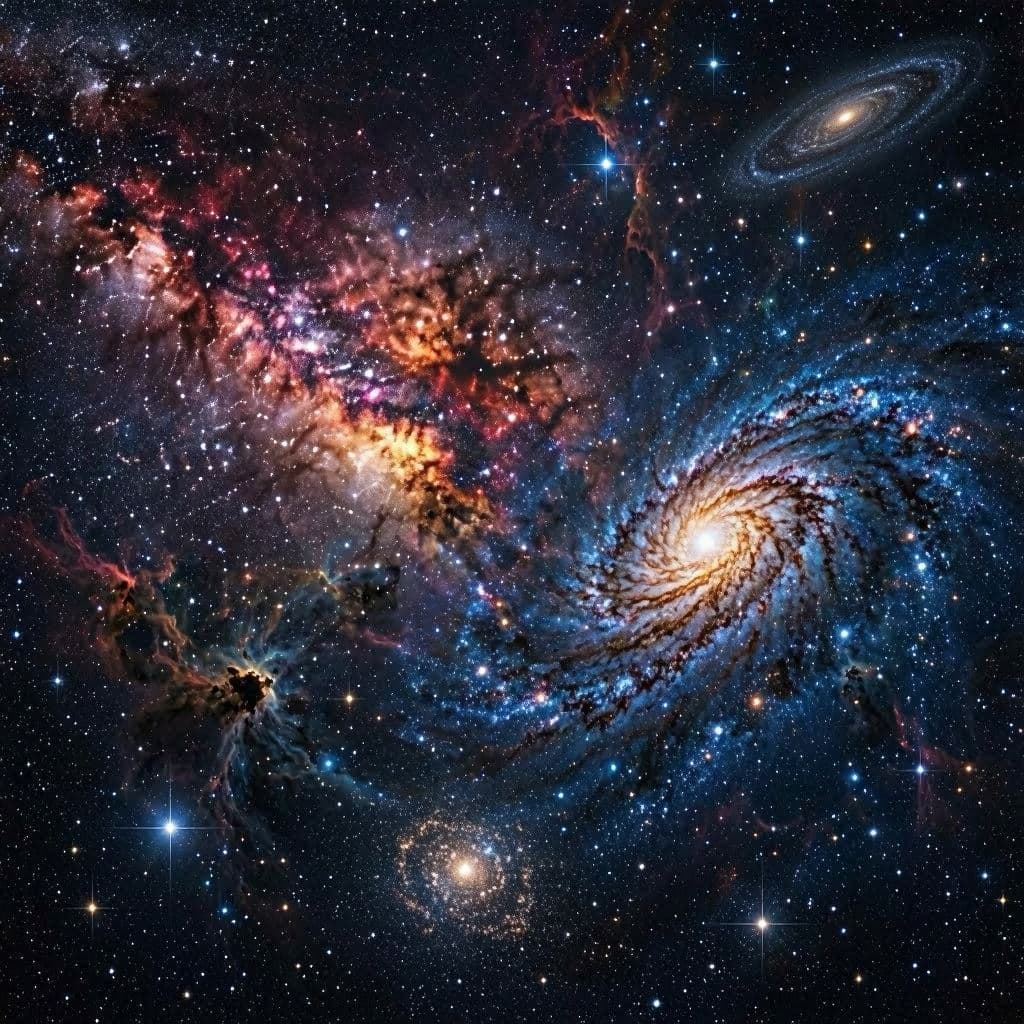
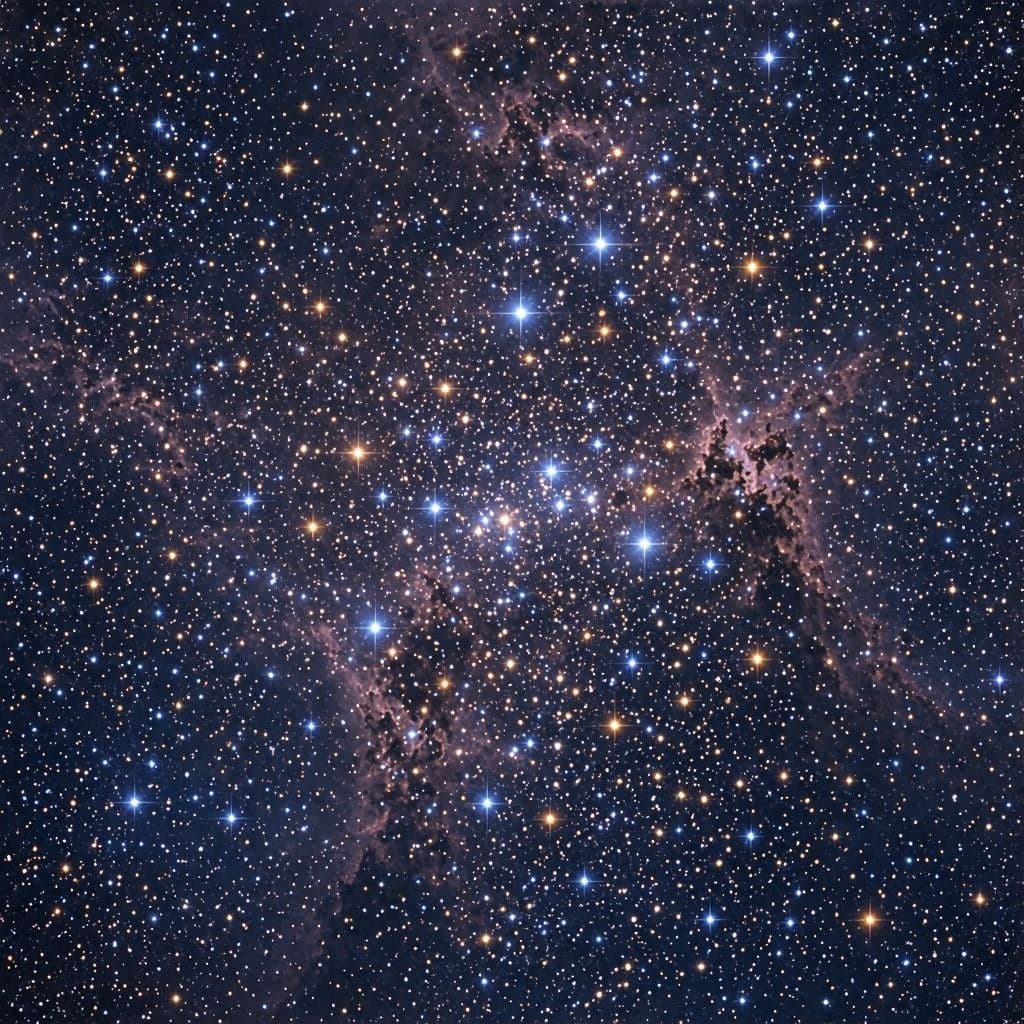
When the universe expands faster than our equations can explain
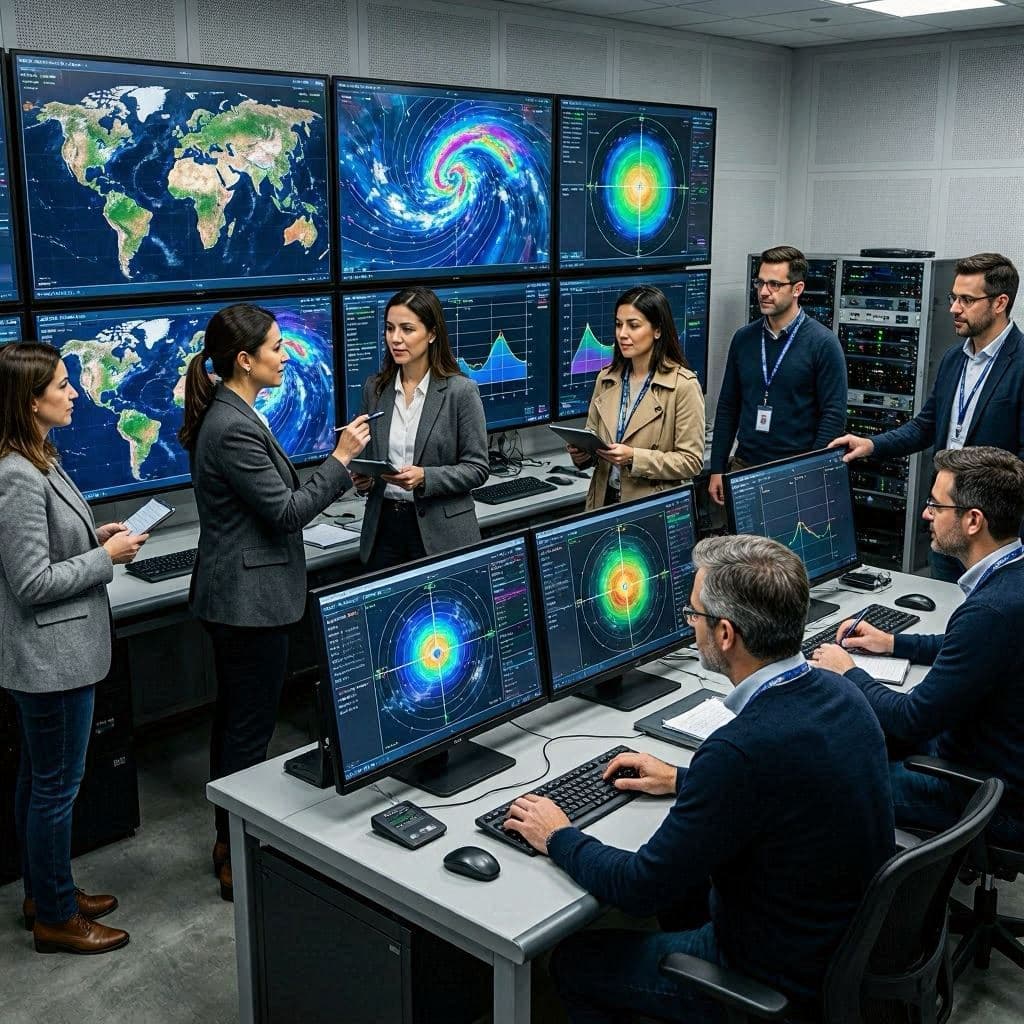
Different measurements suggest the universe may be expanding faster than expected, reinforcing the ongoing Hubble tension debate.

Different measurements suggest the universe may be expanding faster than expected, reinforcing the ongoing Hubble tension debate.

Cosmologists report ongoing differences in measurements of the universe’s expansion rate, known as Hubble tension.

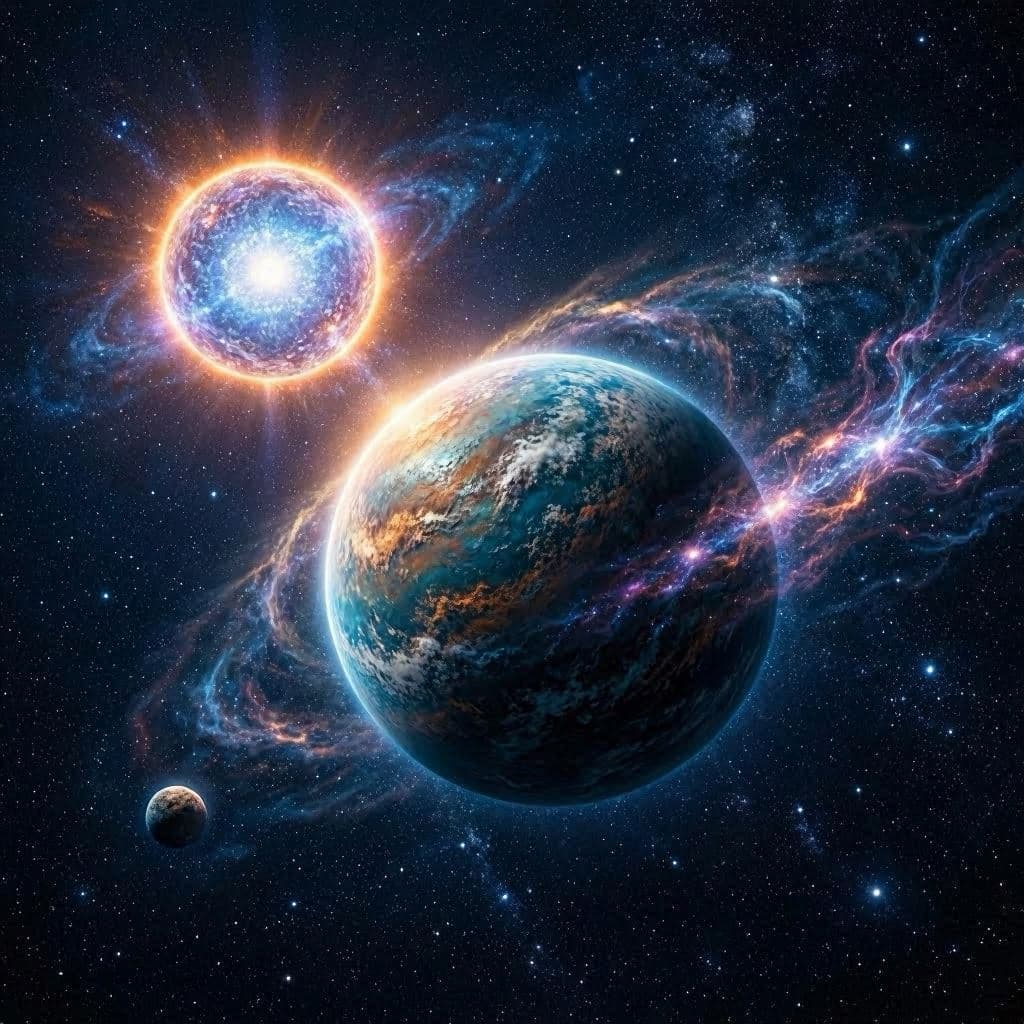
Astronomers found active planet-forming regions in a protoplanetary disk, offering insight into how planetary systems develop.

Asteroid 2026 HW2 safely passed near Earth, with no impact risk confirmed by global monitoring systems.

NASA accelerates plans for a permanent Moon base, focusing on long-term human presence and infrastructure development.

SpaceX Starship V3 completes major test flight, advancing development of a reusable rocket for future Moon and Mars missions.

The only Blue Moon of 2026 rises on May 31, offering skywatchers a rare second full moon in one month.

A major study suggests genomic testing could help millions of breast cancer patients safely avoid chemotherapy.

Scientists found evidence that volcanic atmospheric reactions may help break down methane, offering new insights for climate research.

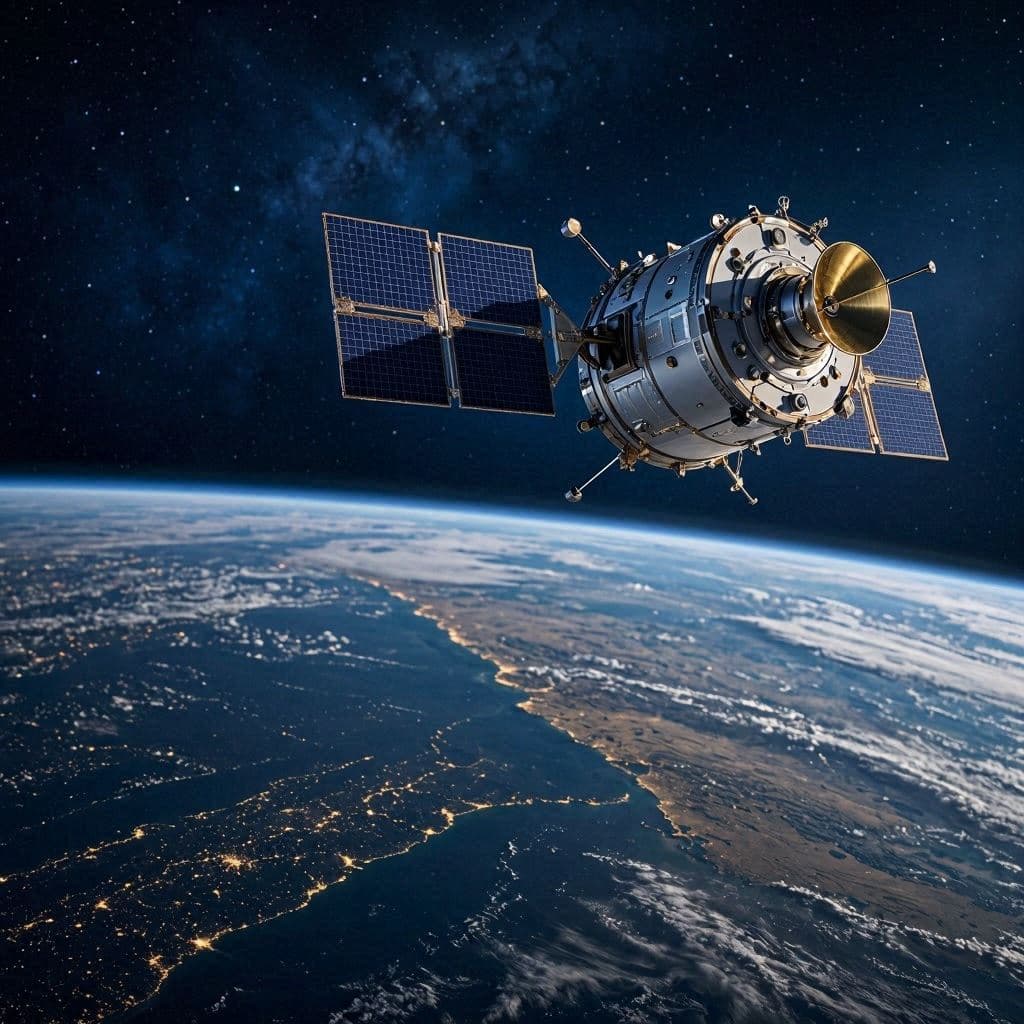
SpaceX completed its 50th Starlink mission of 2026, continuing expansion of its global satellite internet constellation.

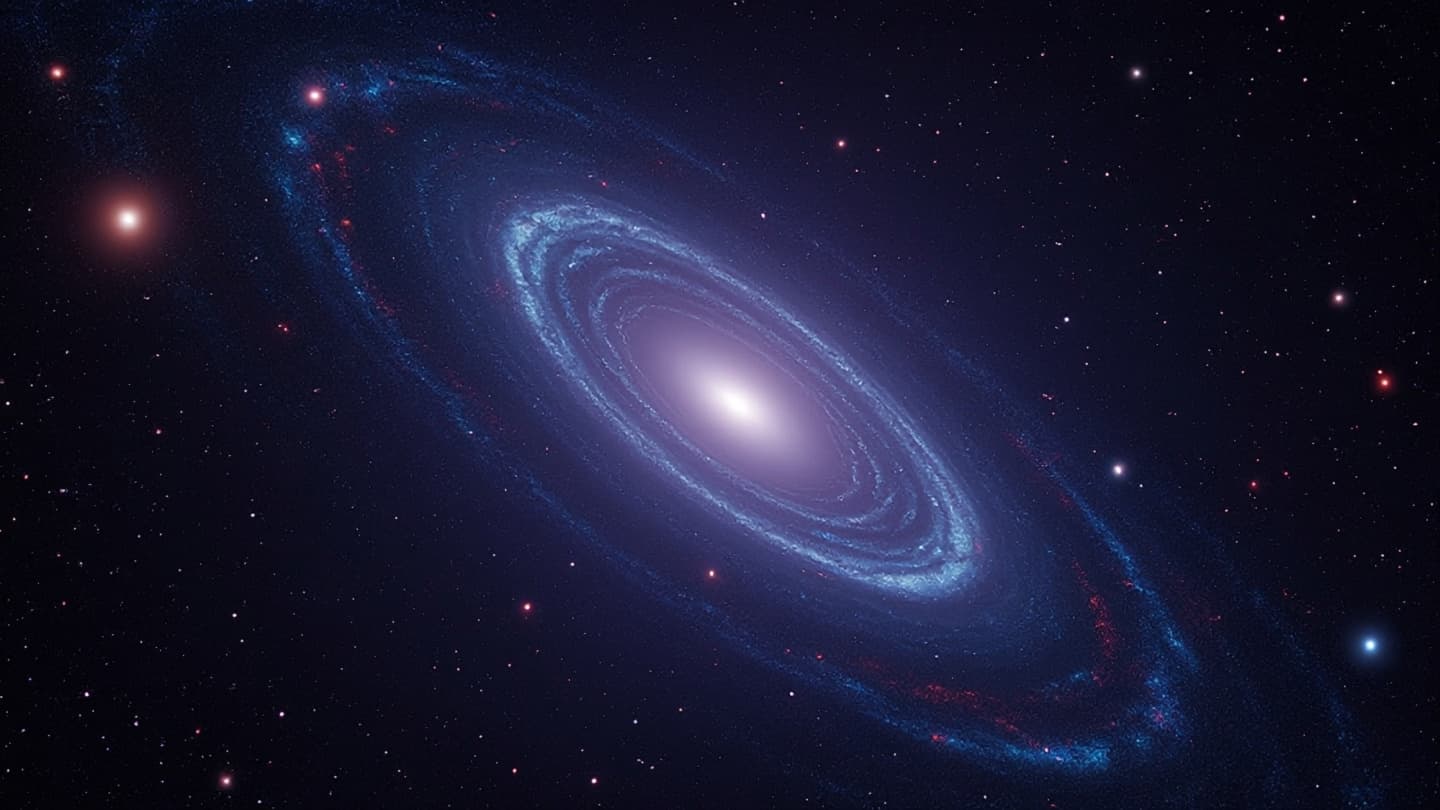
Hubble captured a detailed new image of galaxy M88 as it travels through the Virgo Cluster, revealing signs of cosmic change.

James Webb observations suggest a supermassive black hole may have formed before its host galaxy in the early universe.

Researchers found evidence suggesting pigeons use iron-rich cells in their livers to sense Earth’s magnetic field for navigation.

Researchers continue studying an unusually persistent living tissue sample that has survived for years, offering insights into cellular resilience.

Ancient coral fossils reveal that Earth’s day lasted about 22 hours 380 million years ago due to the planet’s faster rotation.

Researchers discovered a new microscopic worm species living exclusively in Utah’s Great Salt Lake, expanding knowledge of its ecosystem.

NASA’s MAVEN mission detected a previously unseen plasma effect at Mars, offering new insight into how solar wind interacts with the planet.

Scientists explain that the Sun appears yellow from Earth because the atmosphere scatters blue light, while its true visible color in space is white.

NASA’s MAVEN data reveals unusual solar wind interactions affecting Mars’ upper atmosphere.

New observations deepen understanding of dark matter’s role in shaping galaxies and cosmic structure.

James Webb observations suggest a massive black hole may have formed before its host galaxy fully developed.

China's Shenzhou 21 astronauts safely returned after a record 210-day mission aboard the Tiangong space station.

multibillion-dollar award reinforces SpaceX’s position as a critical provider of national security launch capabilities.

A proposal to penalize sanctuary jurisdictions via airport-related measures faces strong political and legal resistance.