
SCIENCE91% credibility
Raw Beauty: The Ocean’s Scavenger Scene
A drone pilot captured stunning footage of great white and tiger sharks feeding on a whale carcass off Bawley Point, offering insights into marine predator behavior.
2 min read

A drone pilot captured stunning footage of great white and tiger sharks feeding on a whale carcass off Bawley Point, offering insights into marine predator behavior.
A new technique uses satellite imagery to create detailed local tide maps, improving coastal planning and flood prediction accuracy.

A deep lunar eclipse will be visible Thursday night, offering a safe and spectacular view of the moon turning red as it passes through Earth’s shadow.

The Pandora space telescope has started analyzing exoplanet atmospheres, using precise spectroscopy to detect gases and assess potential habitability.

Physicists are using surface acoustic waves to protect quantum bits from decoherence, offering a new method to stabilize quantum information for computing.

China has cancelled the Chang’e-7 lunar mission, citing technical challenges, marking a significant setback in its plans to explore the lunar south pole.

NASA’s Chandra X-ray Observatory has released a new gallery of stunning images, showcasing supernovae, black holes, and star-forming regions in vibrant detail.
A new optical-fiber probe uses distributed acoustic sensing to map glacial crevasses, enhancing climate models and explorer safety.

Scientists say an ice avalanche may have triggered a deadly flood in Nepal, sending torrents through communities and worsening destruction.

Researchers find that combining iron ore waste with magnetized water can improve the strength and sustainability of concrete, reducing environmental impact.
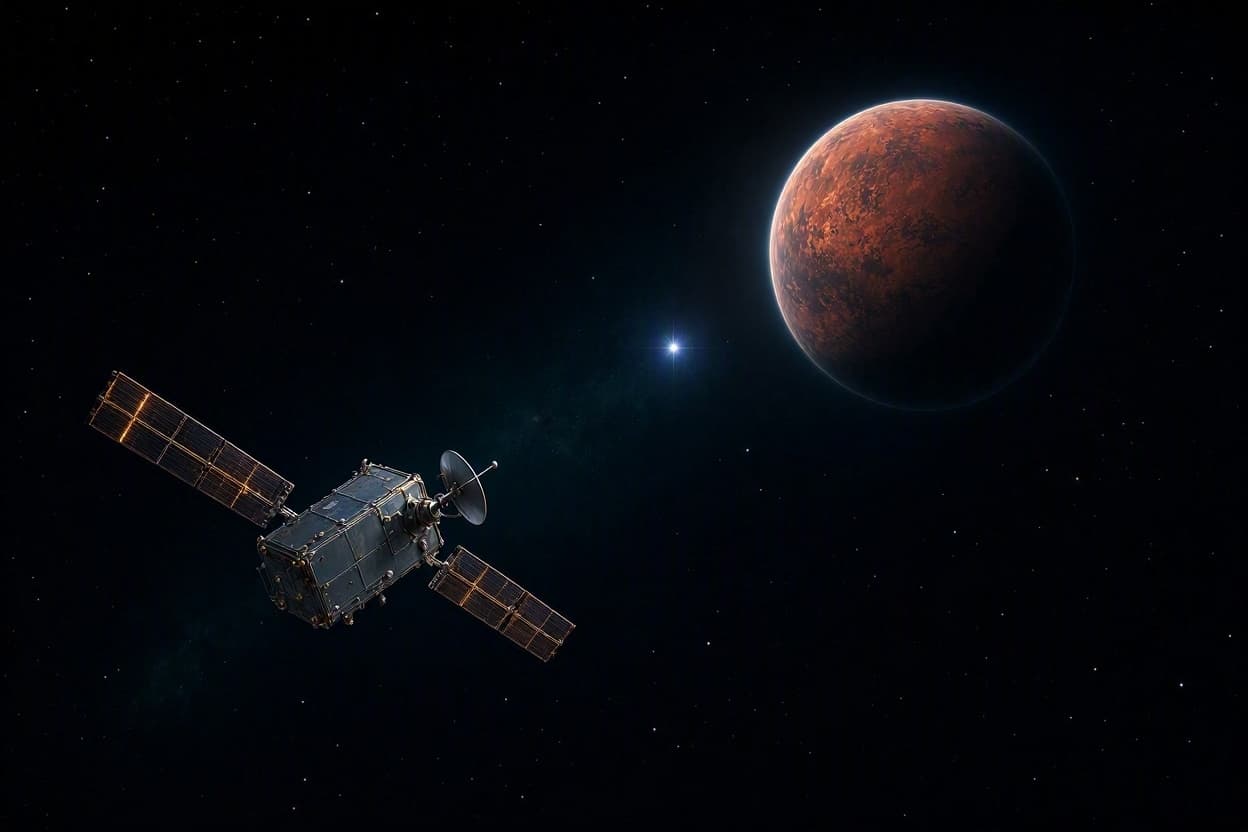
NASA’s Pandora mission will use a small satellite to simultaneously study exoplanets and their host stars, improving our understanding of alien atmospheres.

New research reveals that cells use polyamines as "storage lockers" to safely bind excess iron, protecting themselves from oxidative damage and toxicity.

NASA research indicates that the Sun’s heliosphere collapsed three times in the last 14 million years, each time triggering an ice age on Earth due to increased cosmic radiation.

New data from the James Webb Space Telescope suggests that planets form much faster than previously thought, potentially within hundreds of thousands of years.

NASA’s Chandra X-ray Observatory has released a new gallery of stunning images, blending X-ray data with optical views to reveal the hidden beauty of supernovae and star clusters.
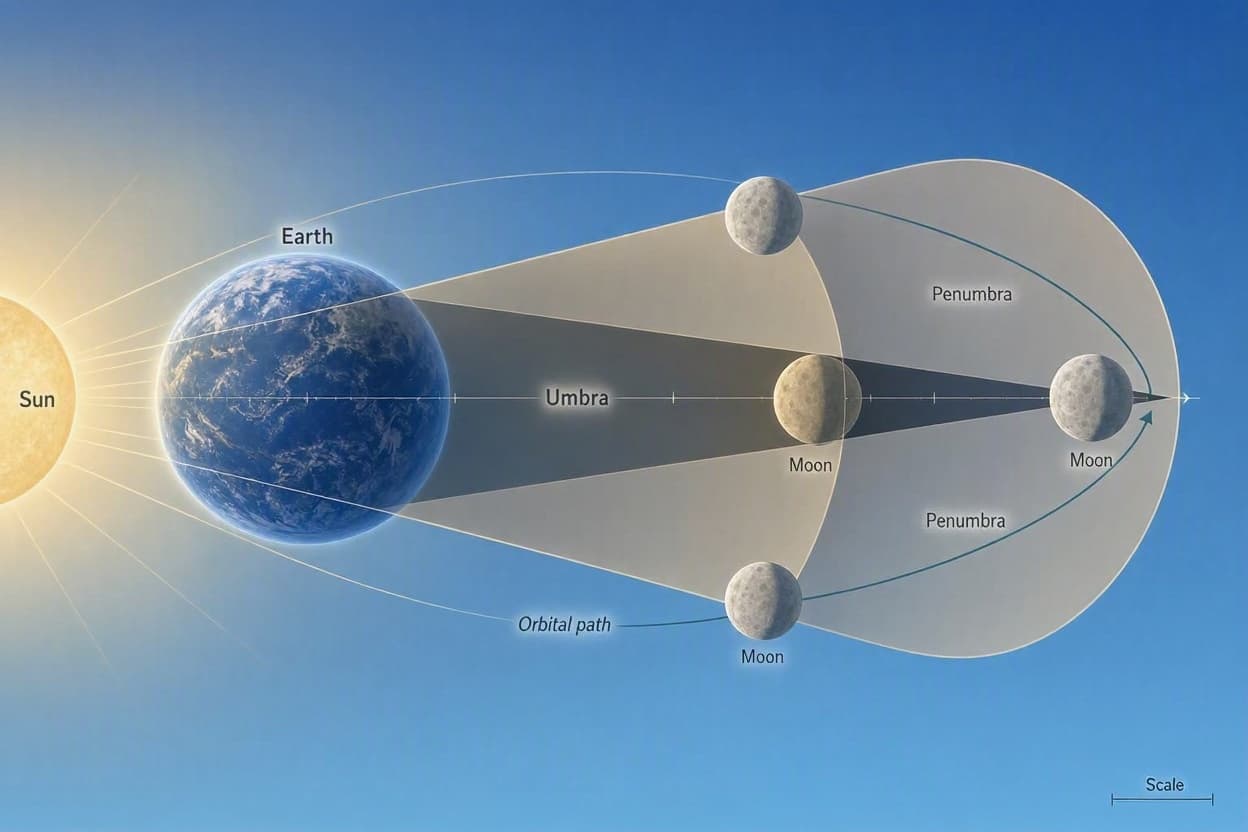
Lunar eclipses come in three types—penumbral, partial, and total—depending on how the moon passes through Earth’s shadow, each offering a unique visual experience.
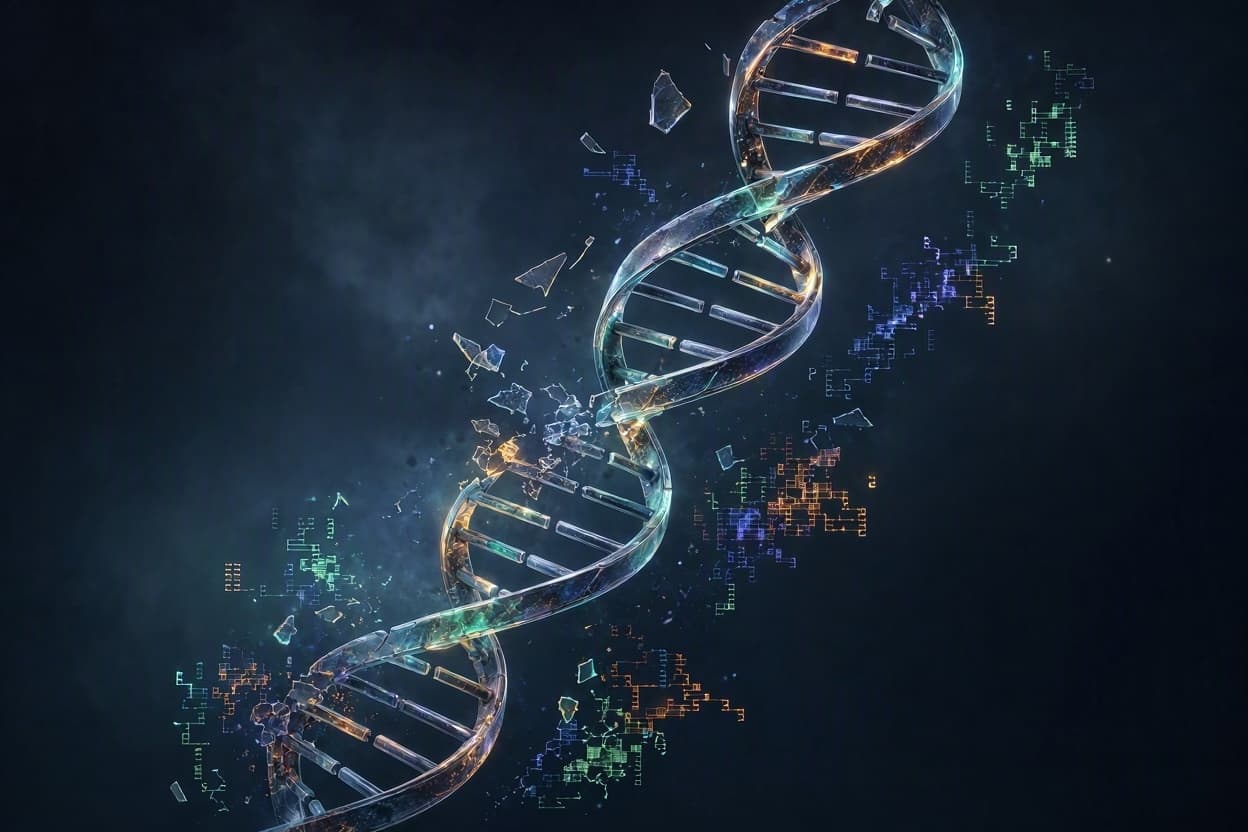
Scientists have identified genetic traces of two unknown "ghost" hominin populations in modern human DNA, suggesting a more complex evolutionary history.
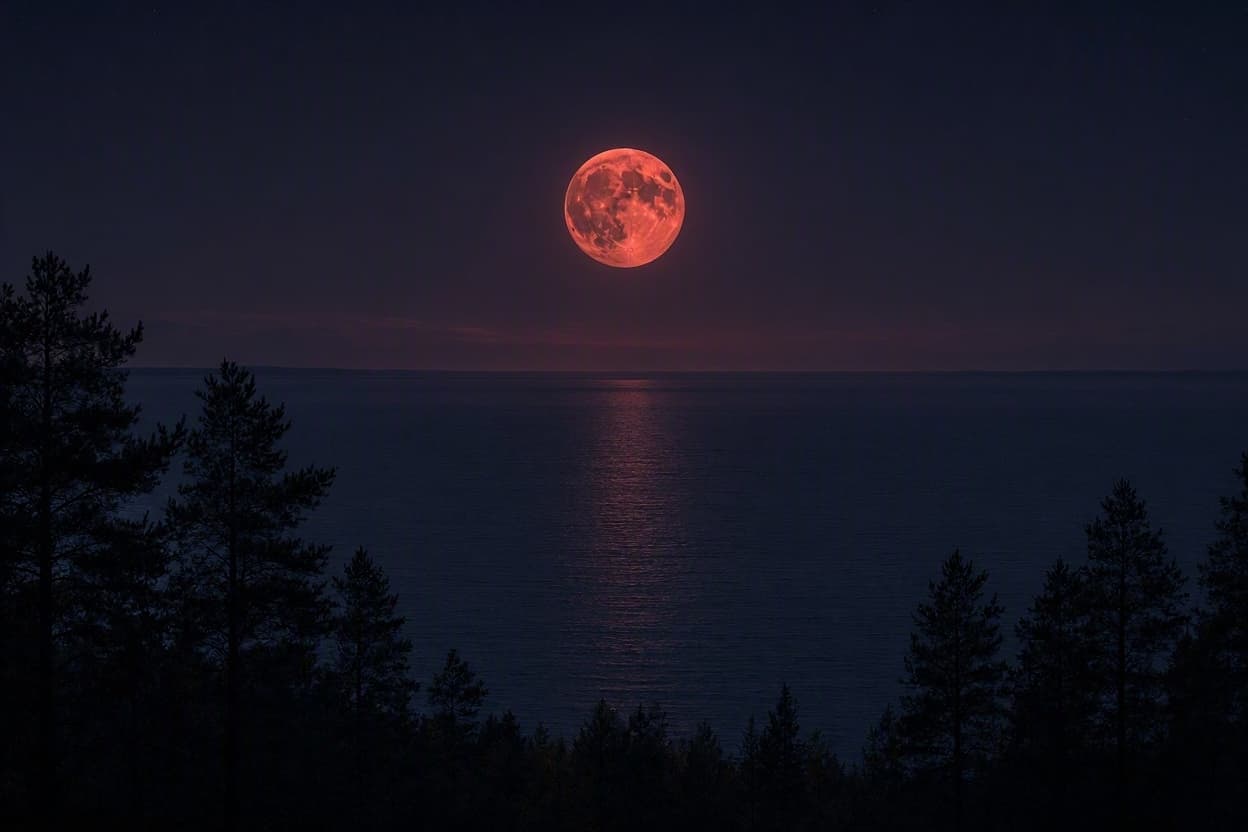
A total lunar eclipse, known as a Blood Moon, will be visible over Lake Superior, offering a stunning view of the reddened moon reflecting on the water.
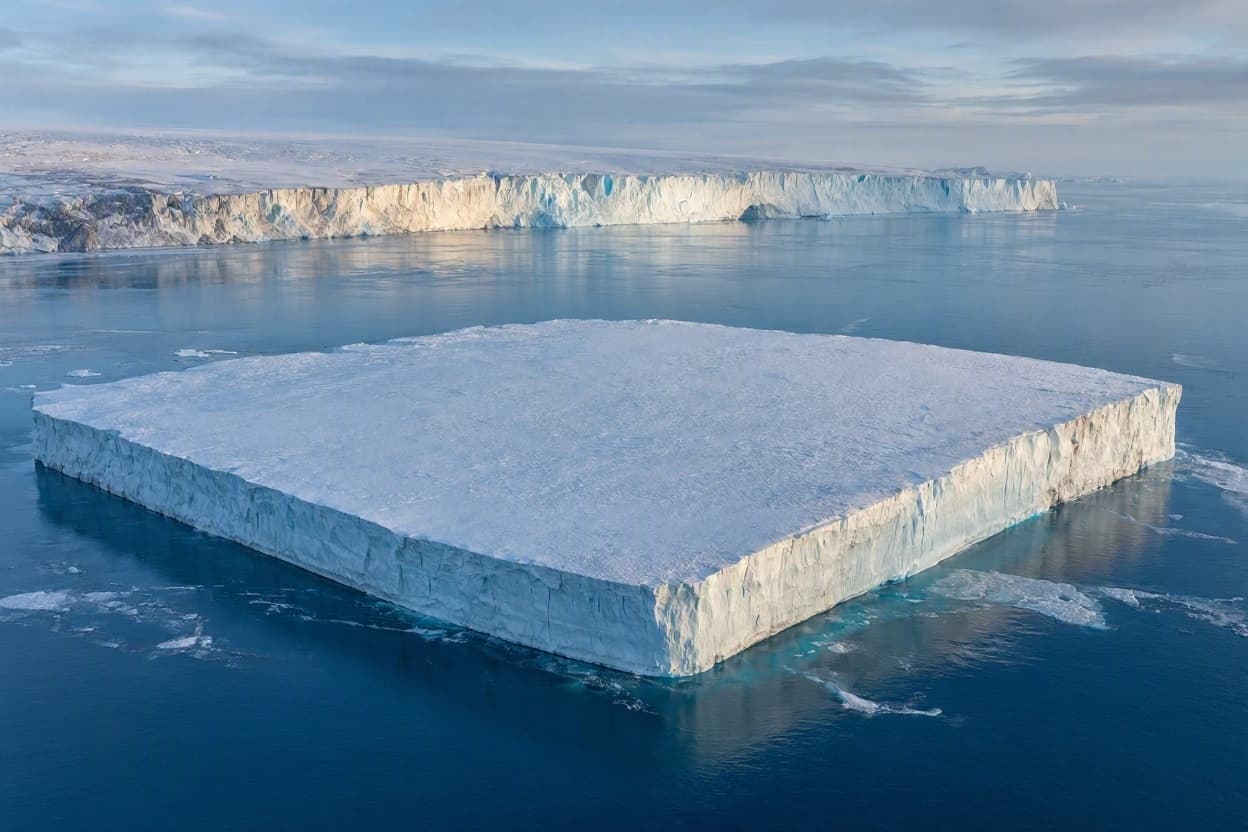
A massive ice island, comparable in size to Manhattan, has calved from Greenland’s Petermann Glacier, highlighting ongoing Arctic ice loss and climate change impacts.

Astronomers warn that proposed massive space mirrors could be 40 times brighter than the full moon, causing severe light pollution and disrupting science and ecology.
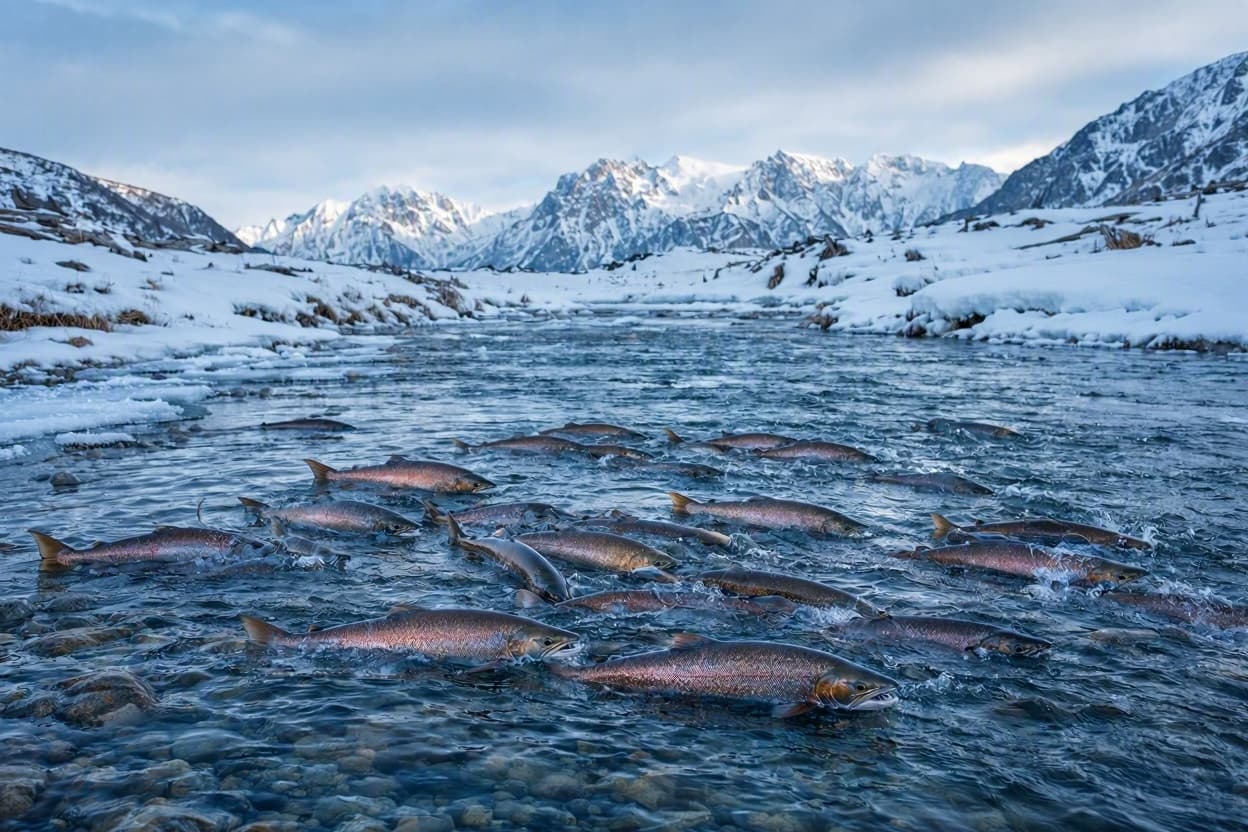
Research reveals how salmon used genetic plasticity and behavioral shifts to survive and thrive during the harsh conditions of the last Ice Age.
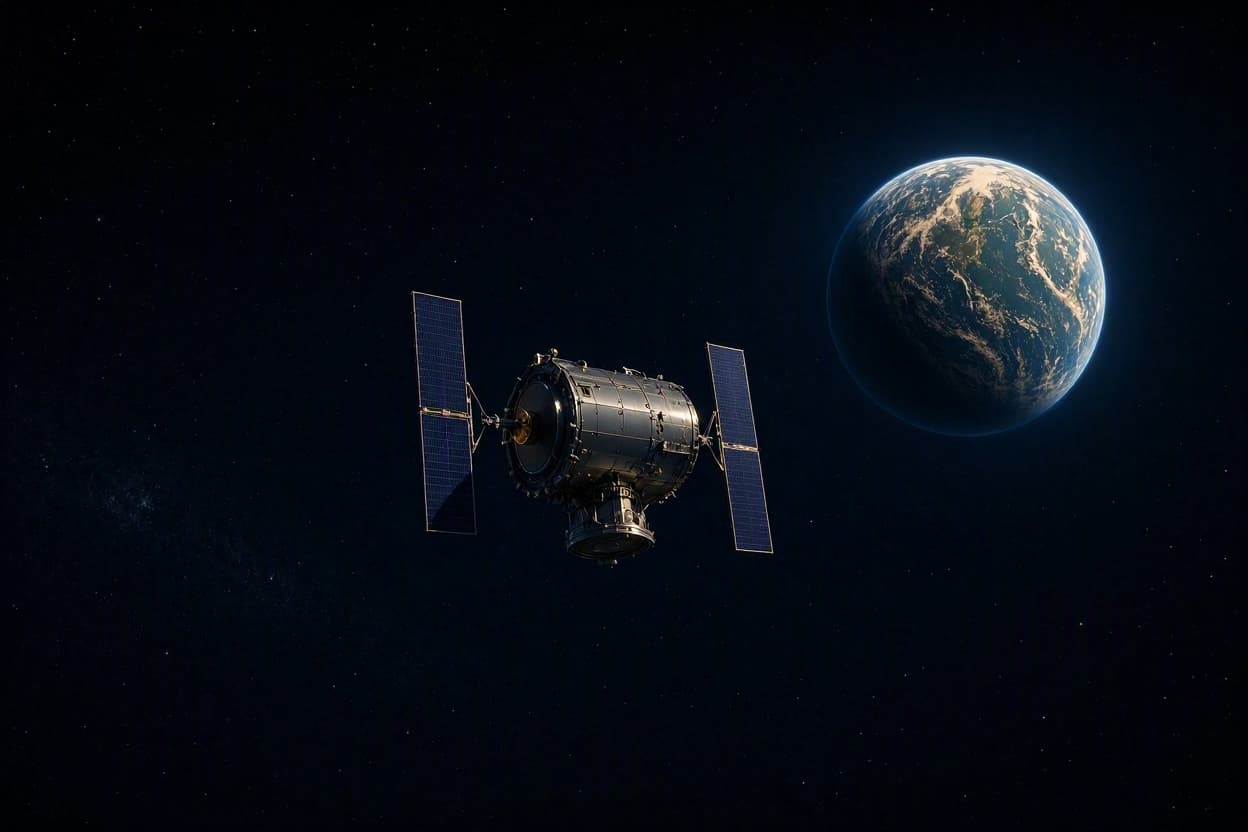
NASA has decided to cancel a rescue mission for a malfunctioning space telescope due to high costs and technical risks, prioritizing other strategic goals.

Rare dinosaur tracks from the Coniacian age were discovered near Tumbler Ridge, BC, offering new insights into Late Cretaceous ecosystems and behavior.

Indonesia launched 14 solar power projects totaling 5.3 GW as part of a plan to add 100 GW of solar capacity by 2029.