In the silent vacuum of space, where machines operate far beyond the reach of human hands, failure is often final. For years, engineers and scientists have dreamed of sending repair crews to save stranded satellites, extending their lives and preserving their valuable data. However, reality sometimes demands difficult choices. NASA has recently made the decision to abandon a planned rescue mission for a space telescope, a move that reflects the harsh constraints of budget, technology, and risk in modern space exploration.
The telescope in question, though not named in the headline, represents a significant investment of resources and scientific hope. When it encountered technical difficulties, the initial response was one of problem-solving ingenuity. Teams explored various options for intervention, including robotic servicing or crewed missions. These efforts were driven by the desire to maximize the return on investment and to demonstrate the feasibility of on-orbit servicing, a capability crucial for future sustainable space operations.
However, as assessments progressed, the challenges became insurmountable. The complexity of the required repairs, combined with the high costs and potential risks to astronaut safety, led to a reevaluation of the mission’s viability. Space agencies must constantly balance ambition with prudence, ensuring that resources are allocated where they can have the greatest impact. In this case, the consensus was that the rescue effort would not yield sufficient scientific or technological benefits to justify the expenditure.
This decision is not made lightly. It involves months of analysis, debate, and emotional investment from the teams who worked on the telescope. For many, the telescope was more than a instrument; it was a project of passion and discovery. Abandoning it feels like a loss, a acknowledgment of limitations in our current capabilities. Yet, it is also a lesson in realism, reminding us that not every challenge can be overcome with existing technology.
The abandonment of the rescue mission also highlights the importance of robust design in future spacecraft. Engineers are increasingly focusing on redundancy and self-repair capabilities, reducing the need for external intervention. Lessons learned from this situation will inform the next generation of telescopes and satellites, making them more resilient and easier to maintain remotely. It is a step toward greater autonomy in space infrastructure.
Furthermore, the decision frees up resources for other critical missions. NASA has a broad portfolio of projects, from planetary exploration to climate monitoring. By redirecting funds and personnel, the agency can ensure that other high-priority goals are met. This strategic reallocation is essential for maintaining momentum in space science and exploration, even when individual projects face setbacks.
Public reaction to such decisions can be mixed. Some may view it as a failure, while others understand the practical necessities of space program management. Transparency in communication is key to maintaining trust and support. By explaining the rationale behind the decision, NASA aims to foster a deeper understanding of the complexities involved in space operations.
While the abandonment of the telescope rescue mission is a disappointment, it is also a pragmatic step forward. It underscores the realities of space exploration and the need for careful resource management. As NASA looks to the future, the lessons from this experience will help build more robust and sustainable systems, ensuring that the quest for knowledge continues despite the inevitable challenges.
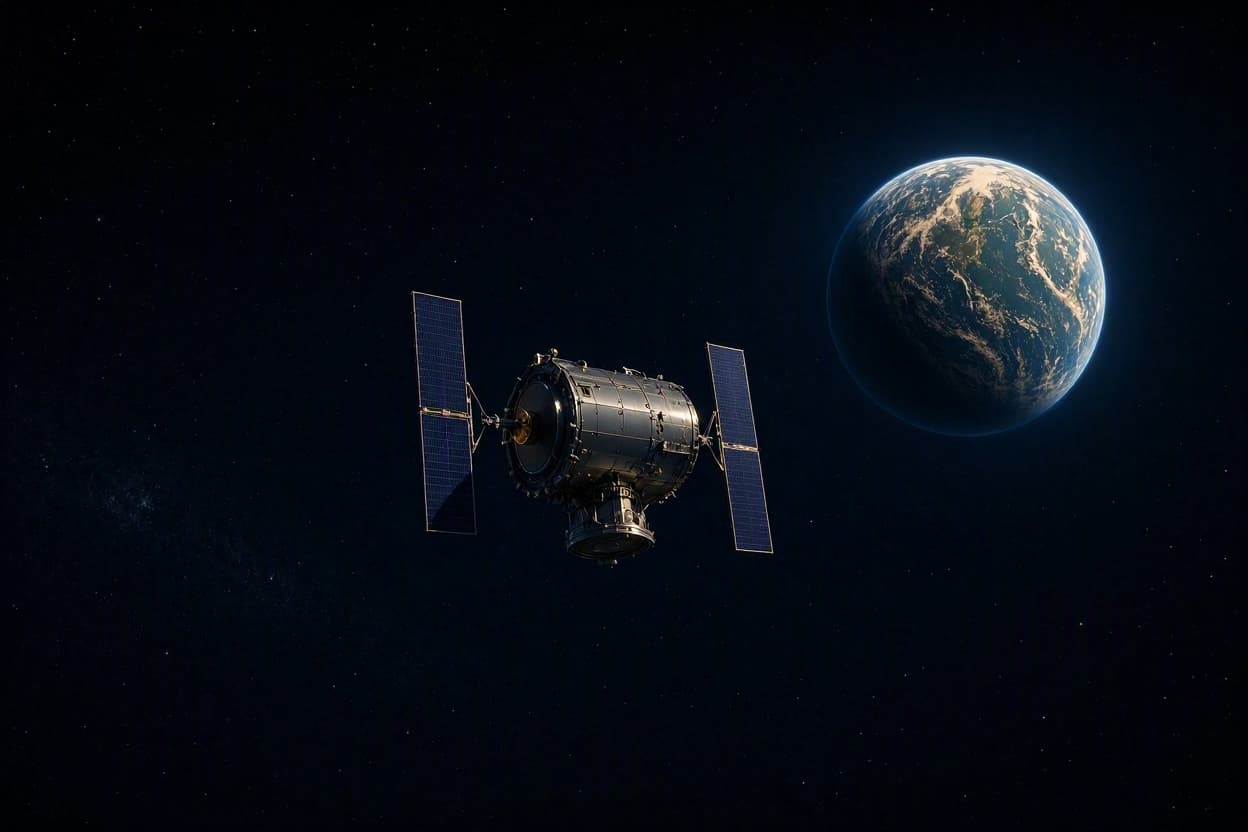
AI Image Disclaimer: Please note that any accompanying visuals for this article are AI-generated representations intended for illustrative purposes only.
Sources: NASA Official Statements, SpaceNews, The Verge, Scientific American
Published by Banx Network. This article is part of the Banx decentralized media programme, powered by the BXE token on the XRP Ledger.