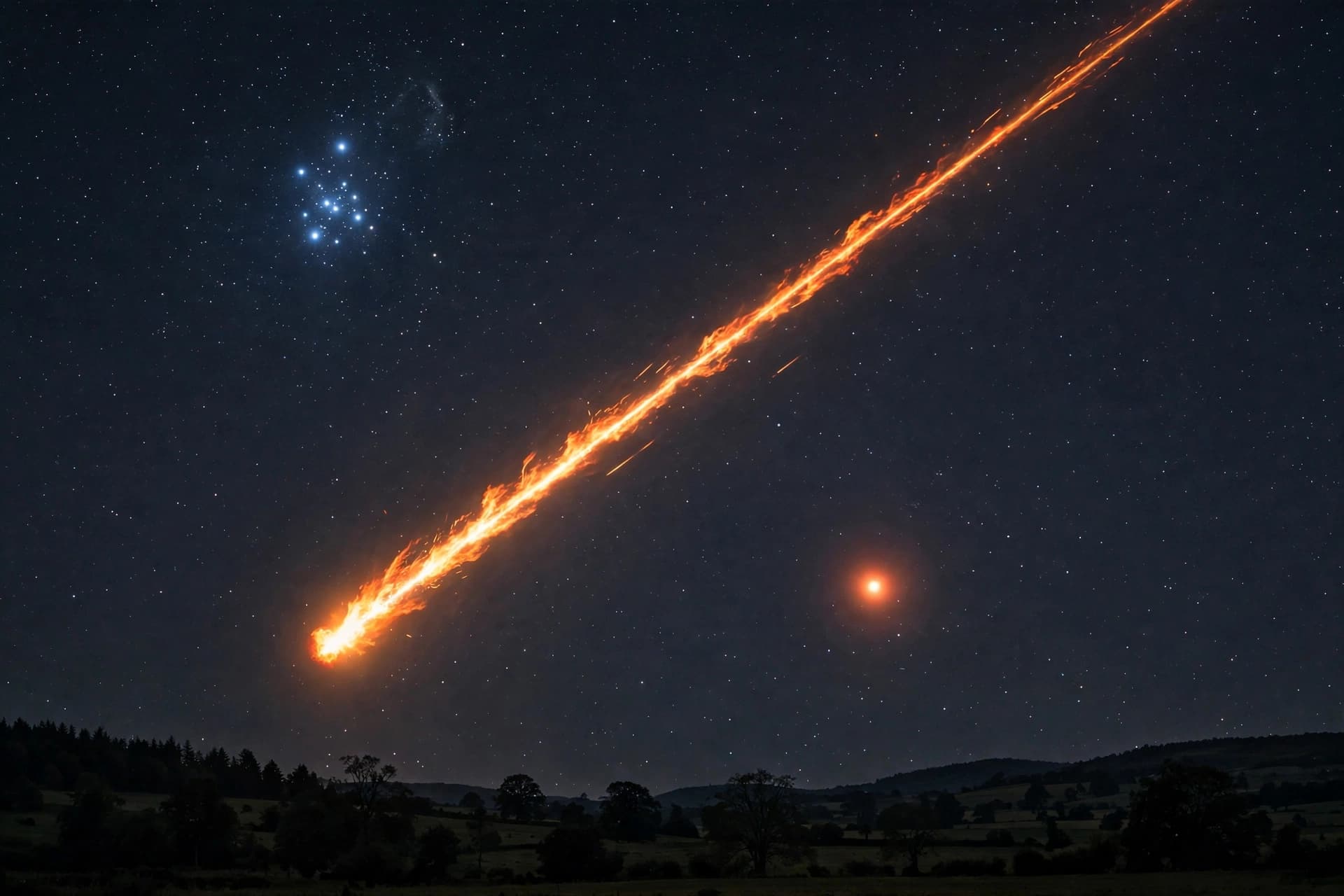
The night sky has long been a sanctuary of darkness, a canvas where stars shine with ancient, unblinking clarity. For astronomers, this darkness is not merely an absence of light but a precious resource, essential for peering into the deepest corners of the universe. However, a new proposal to launch massive reflective structures into orbit threatens to alter this celestial backdrop forever. These proposed space mirrors, designed to illuminate Earth from above, could become forty times brighter than the full moon, casting a glow that experts warn may drown out the stars and disrupt the natural rhythm of the night.
The concept involves deploying large, thin films or mirrors in low Earth orbit to reflect sunlight onto specific regions below. Proponents argue that this technology could provide energy-efficient lighting for remote areas, reduce the need for ground-based infrastructure, and even help mitigate climate change by adjusting solar exposure. The engineering ambition is undeniable, promising a future where night can be turned into day at the flip of a switch. Yet, the scale of such illumination raises profound questions about our relationship with the natural environment.
Astronomers have voiced strong concerns regarding the impact on observational science. Ground-based telescopes rely on dark skies to detect faint signals from distant galaxies and exoplanets. An artificial moon, significantly brighter than its natural counterpart, would create a pervasive skyglow that could render many observations impossible. Unlike city lights, which are localized and can be mitigated by locating observatories in remote deserts, orbital mirrors would affect the entire hemisphere, leaving no escape for sensitive instruments.
The comparison to major urban centers like London highlights the severity of the issue. Light pollution in cities is already a challenge for stargazers, but it is contained within metropolitan boundaries. Space-based reflection, however, would blanket vast swathes of the planet in continuous, intense light. This global brightening could erase the visibility of the Milky Way for billions of people, severing a cultural and spiritual connection to the cosmos that has existed since the dawn of humanity.
Beyond astronomy, the ecological implications are significant. Many species, from migratory birds to nocturnal insects, rely on natural light cycles for navigation, reproduction, and survival. Disrupting these cycles with artificial brightness could have cascading effects on ecosystems. The biological clock of the planet is finely tuned to the rhythms of the sun and moon, and introducing a new, dominant source of light risks unsettling this delicate balance.
Regulatory frameworks for space activities are currently ill-equipped to handle such scenarios. While there are guidelines for satellite constellations and debris, there is little international consensus on the management of orbital illumination. The potential for conflict between commercial interests, national security, and scientific preservation is high. Experts urge for a comprehensive dialogue involving scientists, policymakers, and the public before such projects move from concept to reality.
The debate also touches on ethical considerations. Who has the right to decide when and where the night should be illuminated? The imposition of artificial daylight on unwilling populations raises questions about consent and environmental justice. As technology advances, society must grapple with the power to reshape not just the landscape, but the very atmosphere and sky above us.
The proposal for massive space mirrors serves as a stark reminder of the unintended consequences of technological ambition. While the intent may be to bring light to the dark, the cost could be the loss of the night itself. As astronomers and ecologists raise their voices, the world is invited to consider whether the convenience of artificial illumination is worth the price of a starless sky.
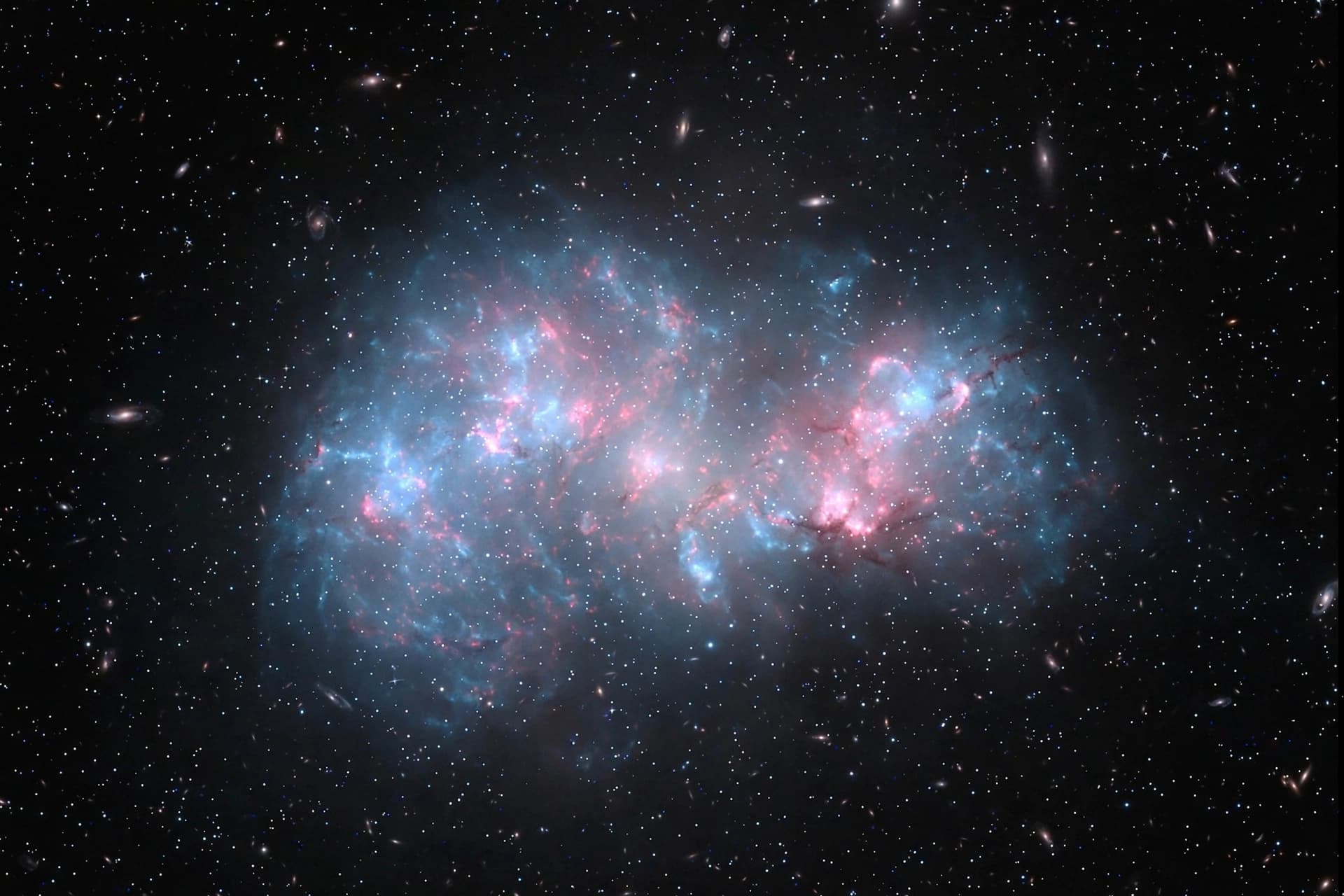
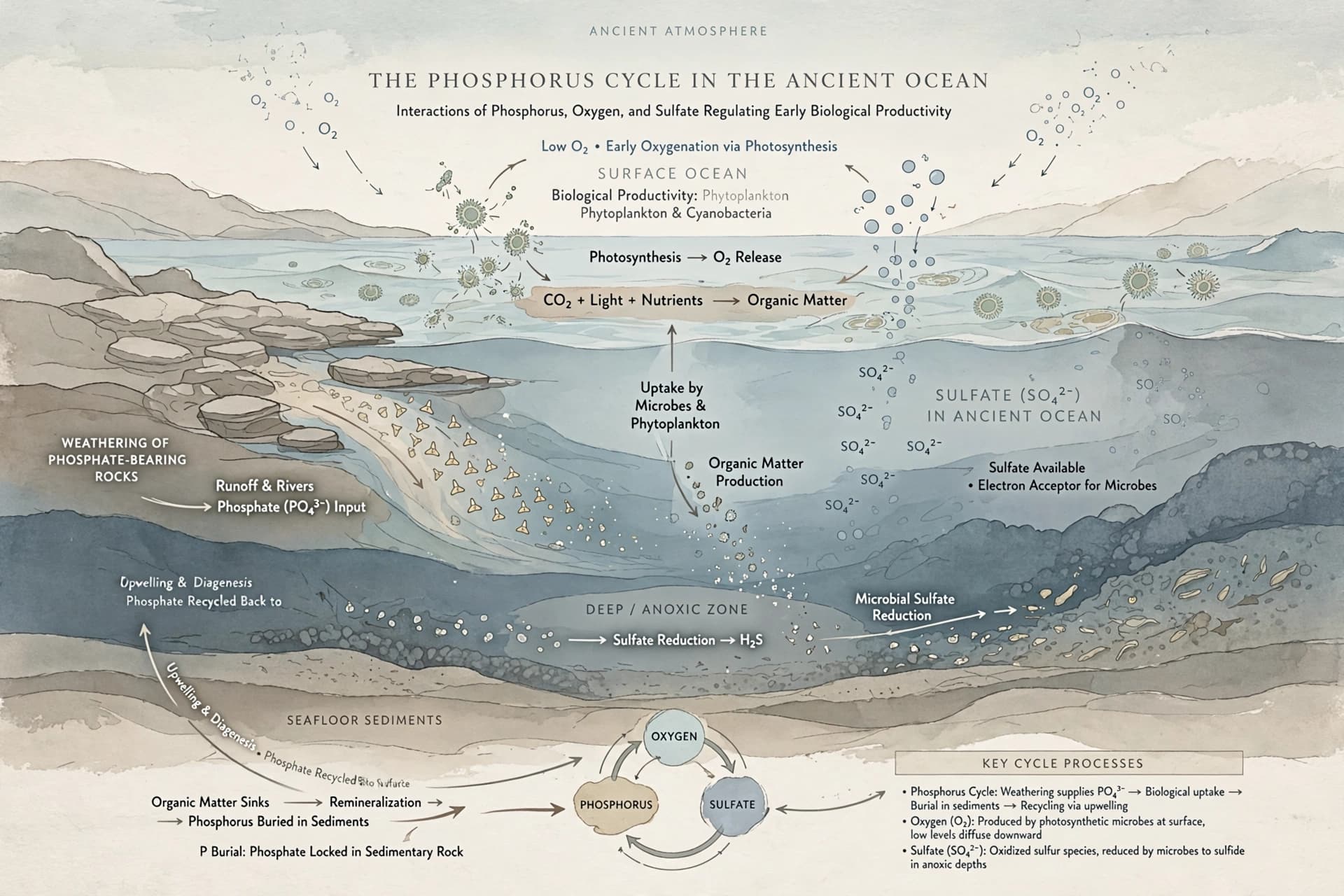
AI Image Disclaimer: Please note that any accompanying visuals for this article are AI-generated representations intended for illustrative purposes only.
Sources: International Astronomical Union (IAU), Nature Astronomy, SpaceNews, The Guardian
Published by Banx Network. This article is part of the Banx decentralized media programme, powered by the BXE token on the XRP Ledger.