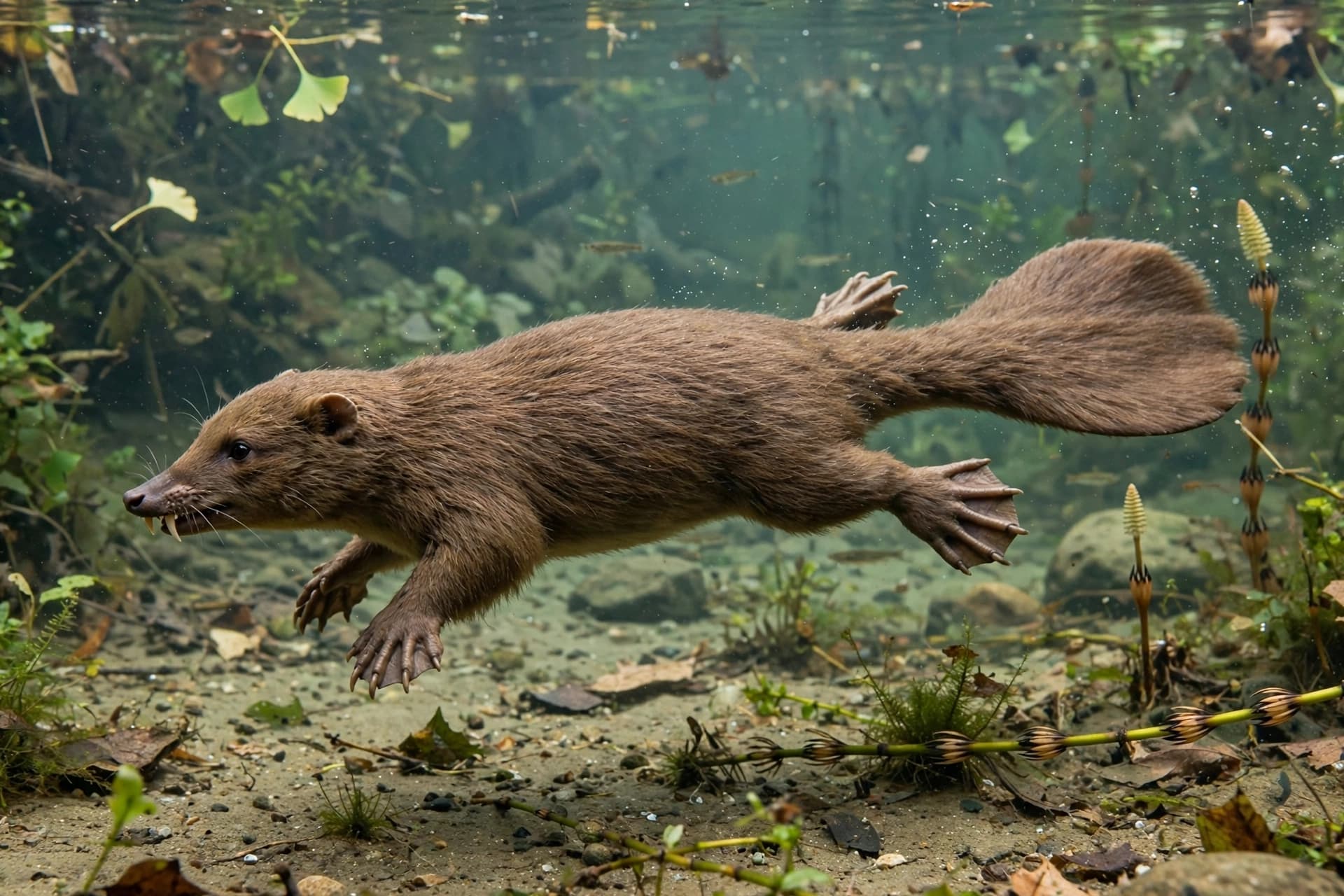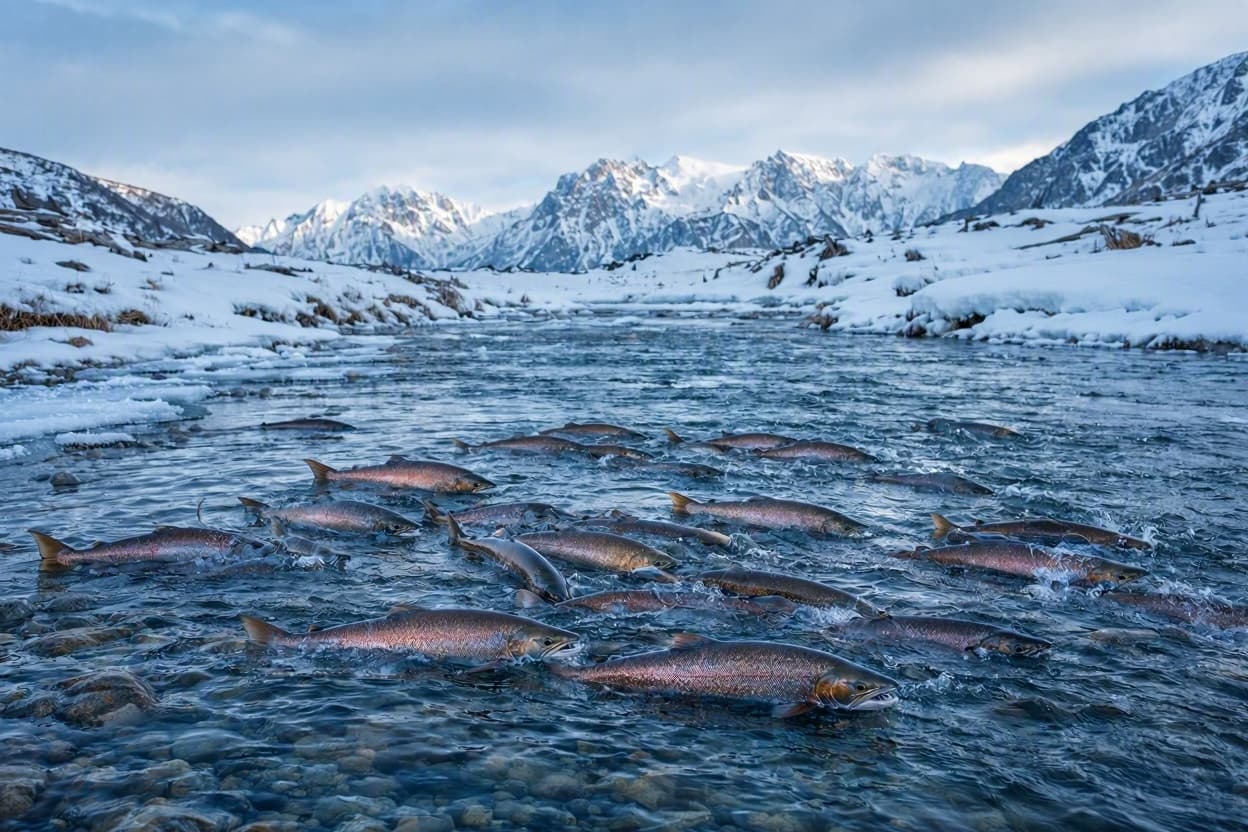
The story of the salmon is one of endurance and adaptation, a narrative written in the genes of a fish that has survived millennia of climatic upheaval. During the last Ice Age, much of the Northern Hemisphere was locked in ice, transforming landscapes and oceans in dramatic ways. Yet, salmon not only survived these harsh conditions but evolved traits that allowed them to thrive. Recent research sheds light on the genetic and behavioral changes that enabled these iconic fish to navigate a frozen world.
The Ice Age presented formidable challenges for aquatic life. Glaciers carved out new river valleys, altered water temperatures, and changed flow patterns. For salmon, which rely on specific conditions for spawning and migration, these changes could have been catastrophic. However, fossil records and genetic studies suggest that salmon populations adapted rapidly, developing flexibility in their life histories. Some populations may have shifted their timing, migrating earlier or later to avoid extreme cold or ice blockages.
Genetic analysis reveals that salmon possess a high degree of plasticity, allowing them to adjust to varying environmental conditions. This adaptability is encoded in their DNA, providing a toolkit for survival in unpredictable climates. Researchers have identified specific genes associated with temperature tolerance and growth rates, which likely played a crucial role during the glacial periods. These genetic variations allowed different populations to specialize in local conditions, creating a diverse and resilient species.
The retreat of the glaciers opened up new habitats, and salmon were among the first colonizers. Their ability to navigate newly formed rivers and lakes helped them expand their range across North America and Eurasia. This expansion was not just a matter of movement but of ecological integration. Salmon brought nutrients from the ocean to inland ecosystems, supporting forests and wildlife in post-glacial landscapes. Their evolution was thus intertwined with the recovery of the entire ecosystem.
Understanding this evolutionary history is crucial for conservation today. As climate change alters river temperatures and flow regimes, salmon face new pressures similar to those of the past. By studying how they adapted to the Ice Age, scientists can predict which traits will be most important for future survival. This knowledge informs management strategies, helping to protect genetic diversity and ensure the resilience of salmon populations.
The research also highlights the importance of refugia, areas where species survived during harsh climatic periods. Identifying these historical safe havens helps pinpoint regions that may serve as buffers against current climate impacts. Protecting these areas is essential for maintaining the genetic reservoirs that allow salmon to adapt. It is a lesson from the past that guides present-day conservation efforts.
Moreover, the story of salmon evolution is a testament to the interconnectedness of life. Their survival depended not just on their own adaptations but on the broader ecological context. Changes in ocean productivity, predator-prey dynamics, and habitat availability all played a role. This holistic view emphasizes the need for comprehensive approaches to environmental management, considering the entire web of life.
The evolution of salmon during the Ice Age is a powerful example of nature’s resilience. It reminds us that life finds a way, even in the face of extreme change. As we confront our own climate challenges, the story of the salmon offers hope and guidance, urging us to protect the diversity and adaptability that sustain life on Earth.
AI Image Disclaimer: Please note that any accompanying visuals for this article are AI-generated representations intended for illustrative purposes only.
Sources: Nature Ecology & Evolution, Smithsonian Magazine, USGS, National Geographic
Published by Banx Network. This article is part of the Banx decentralized media programme, powered by the BXE token on the XRP Ledger.