Courage and Discovery: Celebrating the Artemis Astronauts
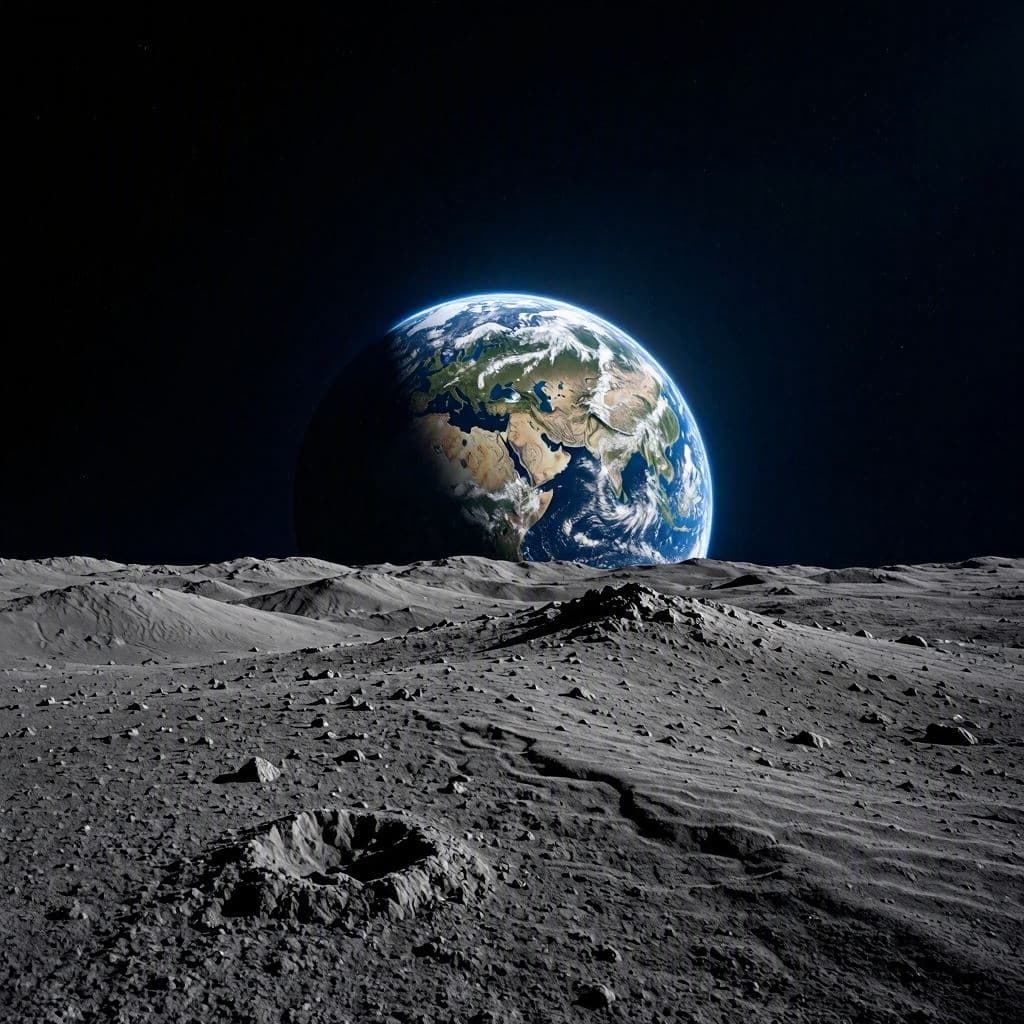
Artemis II astronauts received the nation's highest space honor for their successful lunar flyby, marking a significant milestone in the return to Moon exploration.

Artemis II astronauts received the nation's highest space honor for their successful lunar flyby, marking a significant milestone in the return to Moon exploration.

A 5.1 magnitude earthquake struck Sichuan province, China, causing widespread shaking but minimal damage thanks to strict building codes and effective emergency preparedness measures.

Rescuers are retrieving survivors covered in mud as the death toll rises from severe flooding along the Nepal-China border, highlighting the dangers of glacial outbursts and the need for cross-border cooperation.

Scientific research indicates that El Niño events are becoming stronger due to global warming, leading to more intense weather disruptions and ecological impacts worldwide.

A new theory suggests that a mysterious cosmic radio hum may originate from ancient "dark stars" powered by dark matter, offering a potential explanation for early universe anomalies.

Recent observations of exoplanet atmospheres reveal chemical compositions that contradict current models, prompting astronomers to rethink theories of planetary formation and evolution.

On August 27, 1962, NASA launched Mariner 2, the first successful interplanetary mission, which flew by Venus and revealed its hostile, high-temperature environment.

A liquid gallium experiment has successfully confirmed key flow regimes predicted to exist inside rapidly rotating stars and planets, validating models of magnetic field generation.

The BepiColombo spacecraft, a joint ESA-JAXA mission, is beginning its arrival at Mercury, marking a critical phase in exploring the solar system’s innermost planet.

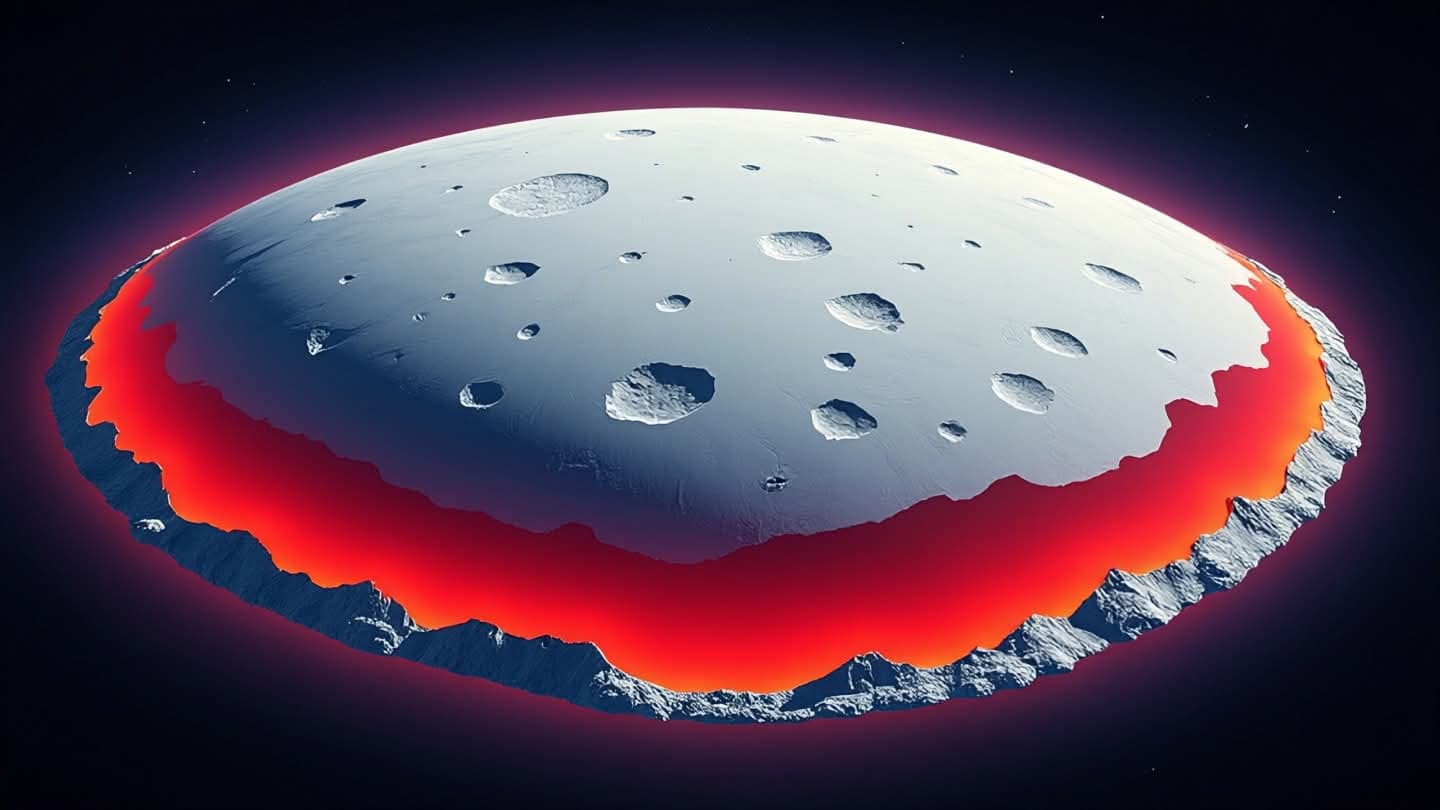
Scientists have discovered a significant heat anomaly under Mars' south pole, adding complexity to the planet's geological dichotomy and suggesting ongoing internal activity.

Physicists have successfully imaged quantum fluctuations in empty space, providing direct visual evidence of vacuum energy and validating key predictions of quantum electrodynamics.

The SuperCDMS experiment has begun operating with 24 cryogenic crystals deep underground, aiming to detect light dark matter particles with unprecedented sensitivity.

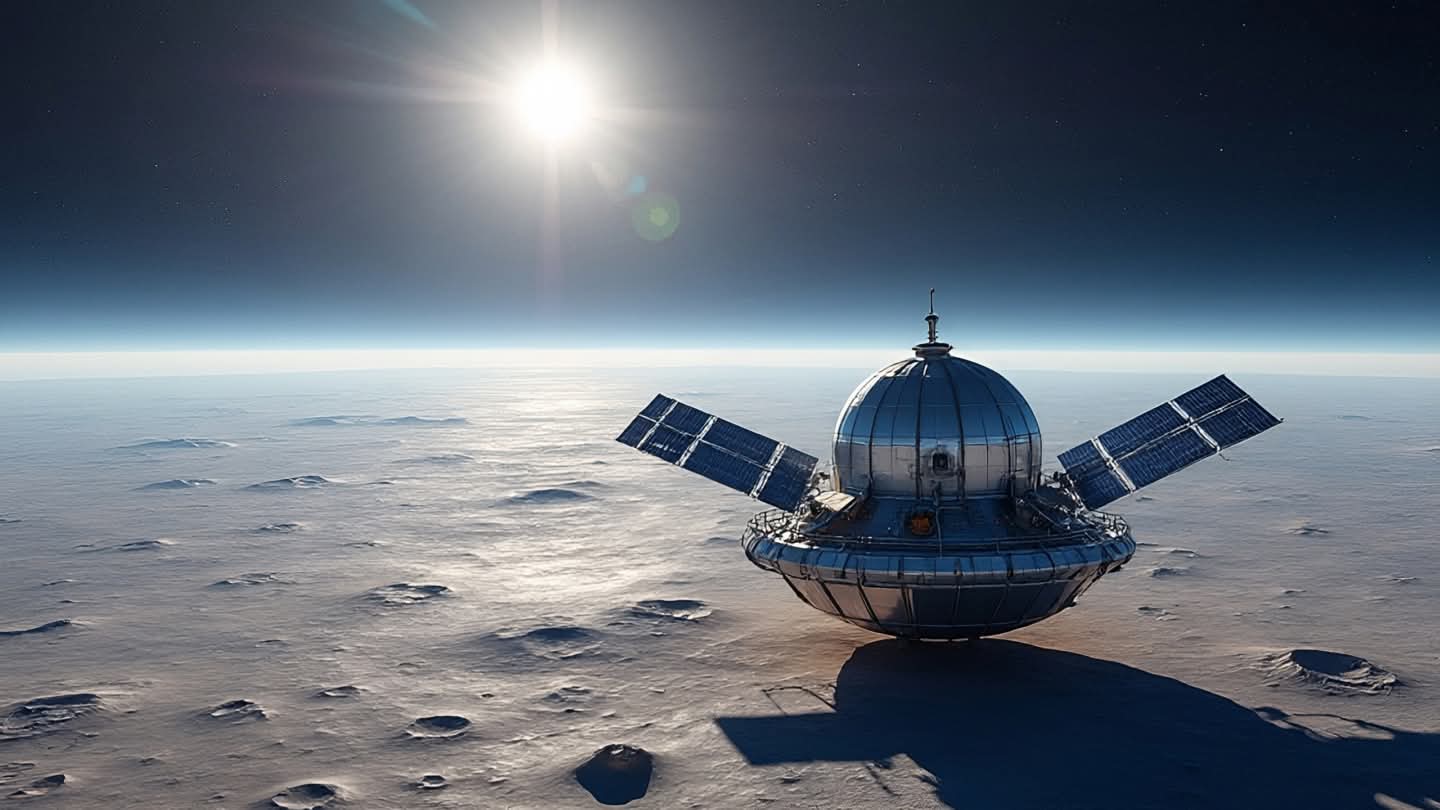
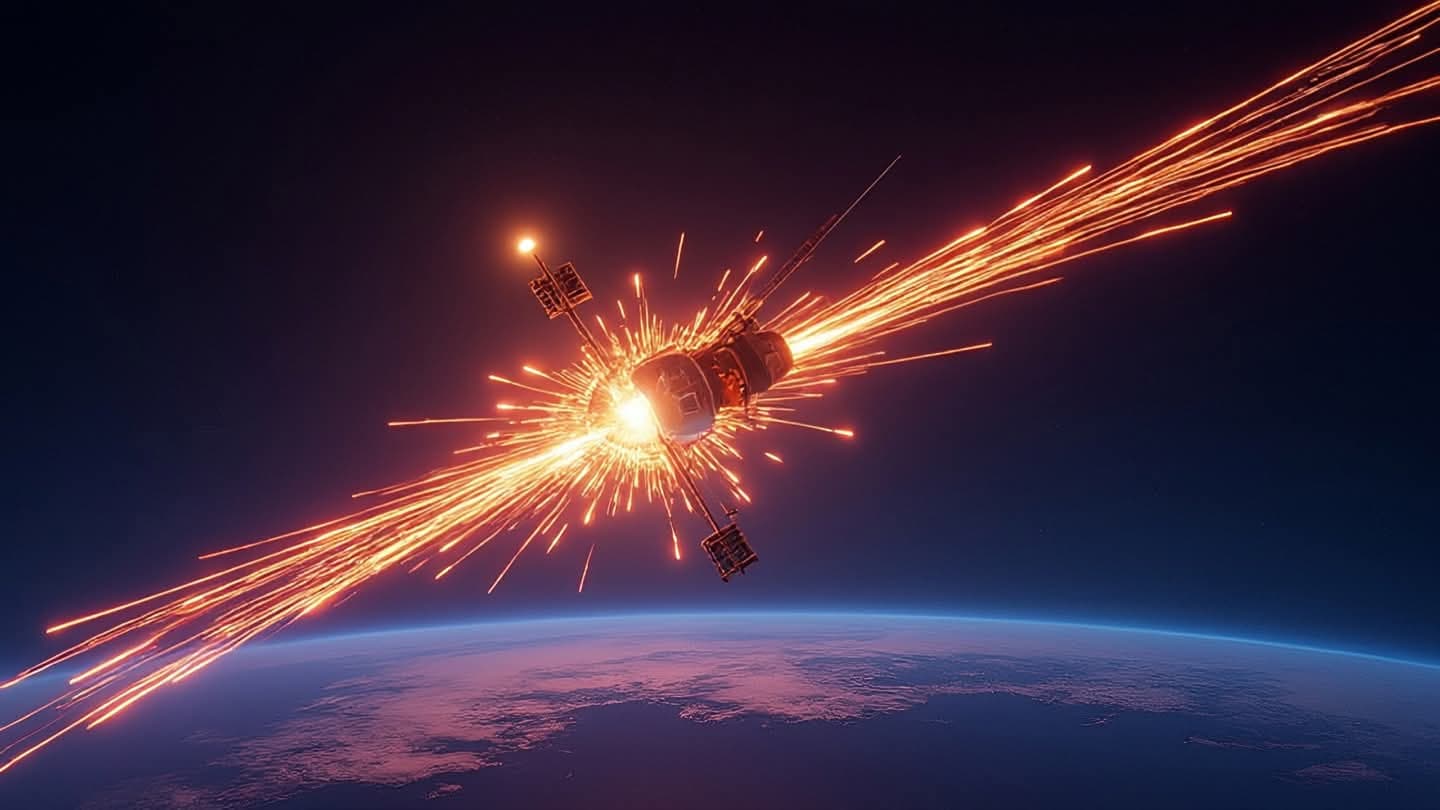
Following a failed private rescue attempt, NASA’s Swift telescope will naturally re-enter Earth’s atmosphere in late 2025 or early 2026, ending its successful 20-year mission.

Advanced galactic simulations are helping scientists narrow down the properties of dark matter by comparing theoretical models with observed galaxy structures, particularly in dwarf systems.

Hubble Space Telescope data has resolved a mystery regarding the ages of globular clusters, showing that the Milky Way’s oldest stars formed in a brief, intense period during its early assembly.

Astronomers are studying the fastest known star in the Milky Way, whose extreme velocity suggests it was ejected by a supermassive black hole, offering clues about galactic dynamics.

New satellite images reveal the gradual fracturing process that led to the calving of a massive iceberg from Greenland’s Petermann Glacier, highlighting the dynamics of ice sheet instability.

Astronaut and former Navy SEAL Jonny Kim has left NASA to return to active military duty, continuing his distinguished career of service in medicine, special operations, and space exploration.

Scientists have identified intact rocks in northern Québec dated to 4.16 billion years ago, the oldest ever found, providing the first physical evidence of Earth’s Hadean Eon crust.

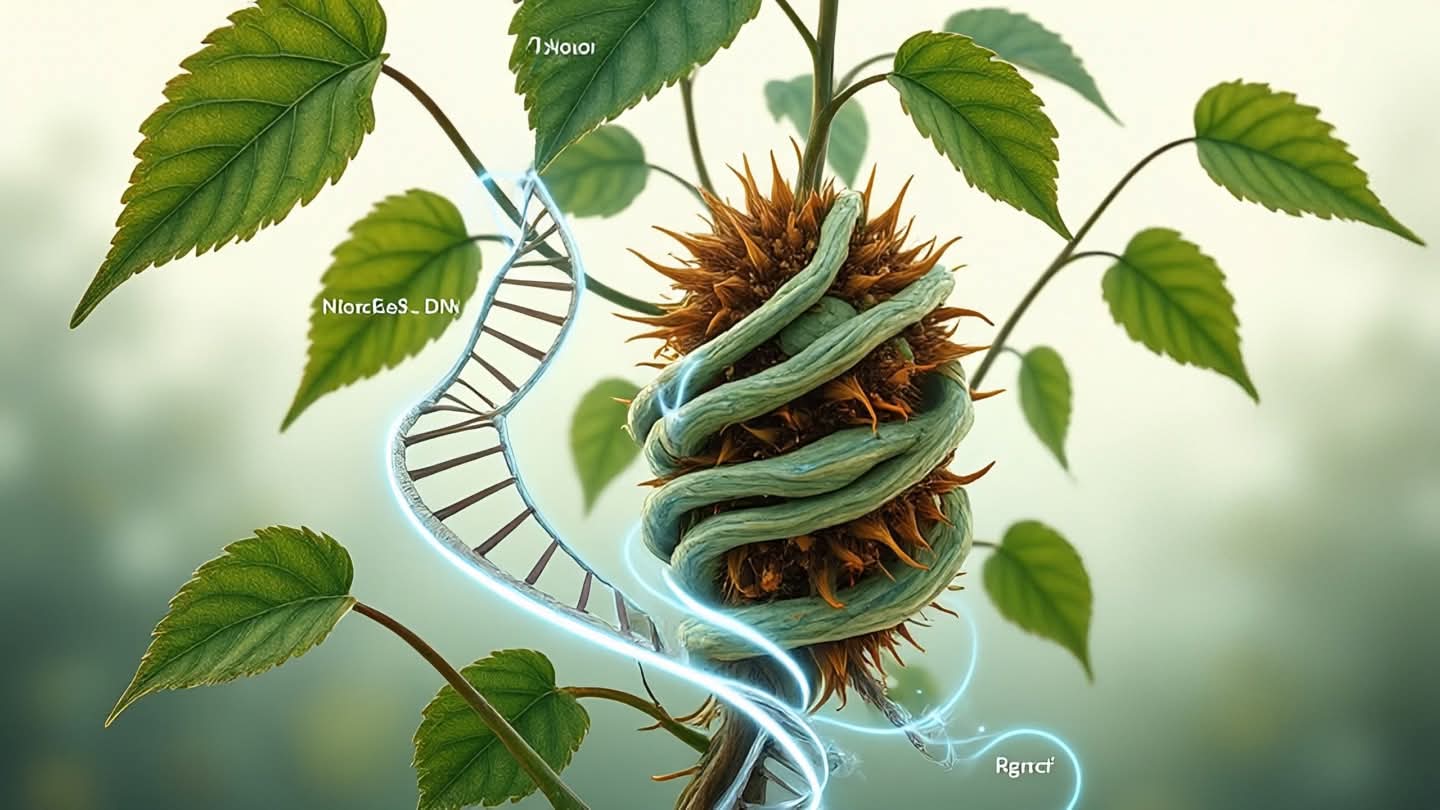
Parasitic plants actively steal and remodel genes from their hosts, acting as natural genetic engineers and challenging traditional views of plant evolution and inheritance.

Astronomers have discovered a hidden companion to the red supergiant Betelgeuse, a surprising finding that challenges models of stellar evolution and adds complexity to the star’s behavior.

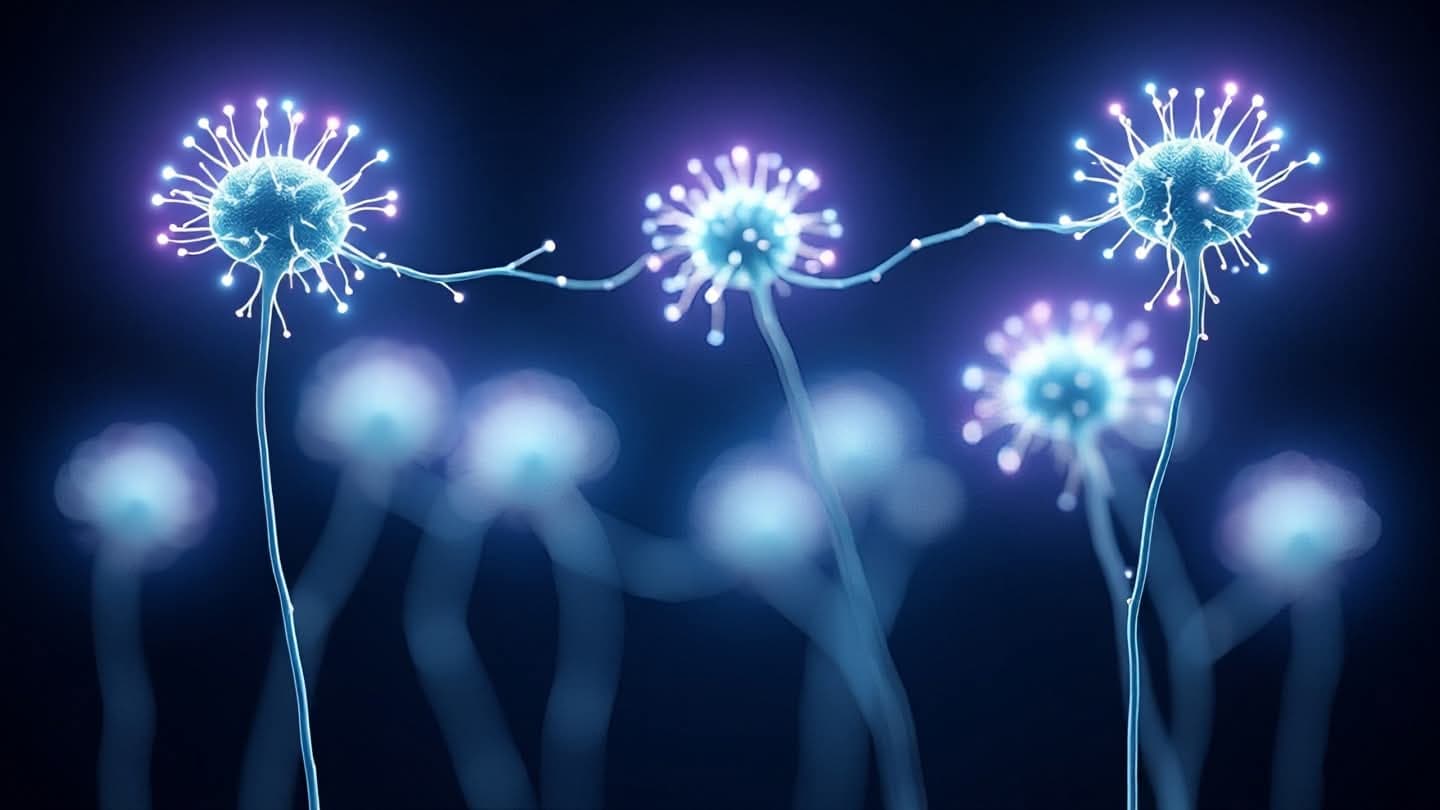
Researchers at the Salk Institute have identified specific neurons that control complex social behaviors, offering new insights into the biological basis of social interaction and potential treatments for related disorders.

NASA’s advanced telescopes, particularly JWST, are detecting and characterizing previously hidden exoplanets by using infrared technology to peer through stellar glare.

NASA’s Nancy Grace Roman Space Telescope aims to solve the mystery of dark energy by mapping billions of galaxies and measuring cosmic expansion.