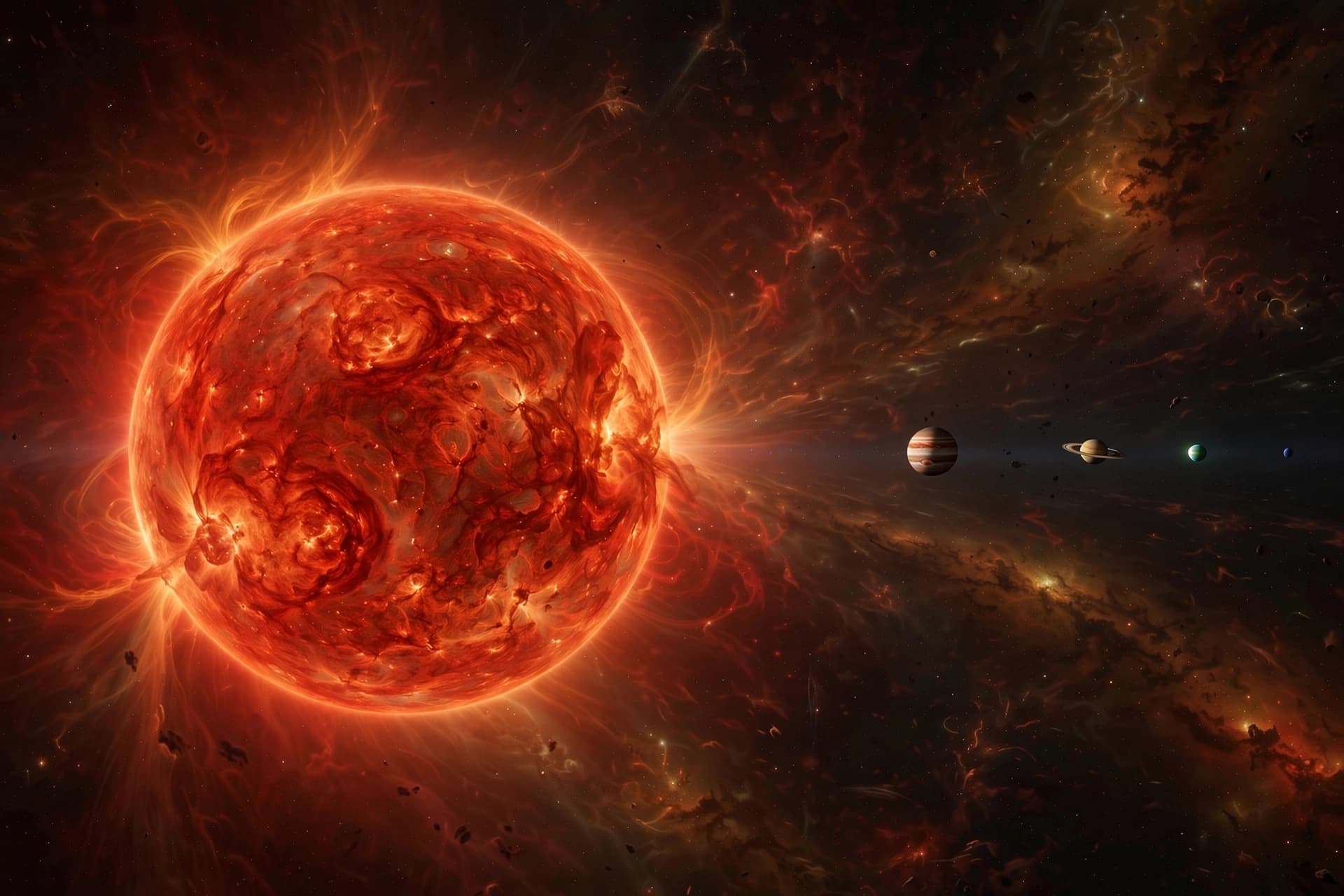
In the velvet darkness of space, where silence reigns and time stretches into infinity, there exist celestial jewels that shine not with reflected sunlight, but with the fierce energy of cosmic violence. The Chandra X-ray Observatory, NASA’s eye on the high-energy universe, has recently curated a collection of these wonders, presenting a gallery of galactic gems that captivate both the scientific mind and the human imagination. These images are more than data; they are portraits of the universe’s most dynamic and beautiful phenomena.
The new gallery highlights a variety of astronomical objects, from swirling supernova remnants to the intense radiation surrounding black holes. Each image is a composite of X-ray data, often combined with optical and infrared observations, to reveal structures invisible to the naked eye. The colors used are not natural but represent different energy levels, translating the invisible language of X-rays into a visual spectrum that humans can appreciate. It is a translation of physics into art, allowing us to see the heat and power that shape our cosmos.
One of the standout features in the collection is the intricate detail of stellar nurseries, where new stars are born amidst clouds of gas and dust. Chandra’s sensitive instruments detect the X-rays emitted by young, hot stars, piercing through the obscuring material to reveal the chaotic beauty of creation. These regions are not static; they are turbulent workshops where gravity and radiation engage in a delicate dance, determining the fate of future solar systems.
Another highlight includes the remnants of exploded stars, known as supernovae. These cosmic graveyards are scattered with heavy elements forged in the final moments of a star’s life. Chandra captures the shock waves rippling through space, painting vivid pictures of destruction that ultimately seed the universe with the building blocks of life. The irony is profound: it is through death that the cosmos creates the materials necessary for existence.
The gallery also features active galactic nuclei, where supermassive black holes devour matter and emit powerful jets of energy. These engines of destruction are among the brightest objects in the universe, outshining entire galaxies. Chandra’s ability to resolve these distant beacons provides crucial insights into how black holes influence their host galaxies, regulating star formation and shaping the large-scale structure of the universe.
For astronomers, this collection is not merely aesthetic but deeply analytical. Each image represents years of observation and complex data processing. They serve as tools for testing theories about stellar evolution, magnetic fields, and high-energy physics. Yet, for the public, they offer a moment of wonder, a chance to contemplate the vastness and complexity of the universe beyond our everyday experience.
The release of this gallery coincides with continued celebrations of Chandra’s longevity and success. Launched in 1999, the observatory has revolutionized our understanding of the high-energy universe. Its enduring performance is a testament to human ingenuity and the desire to explore the unknown. As it continues to send back data, it reminds us that there is always more to discover in the depths of space.
The Chandra Galactic Gems Gallery serves as a reminder of the beauty inherent in scientific discovery. It bridges the gap between rigorous analysis and public engagement, inviting everyone to look up and wonder. As we gaze at these dazzling images, we are reminded of our small place in a vast, energetic, and wonderfully complex universe.
AI Image Disclaimer: Please note that any accompanying visuals for this article are AI-generated representations intended for illustrative purposes only.
Sources: NASA, Smithsonian Magazine, Space.com, The Astrophysical Journal
Published by Banx Network. This article is part of the Banx decentralized media programme, powered by the BXE token on the XRP Ledger.