The moon has long been a symbol of aspiration, a silent partner in humanity’s quest for knowledge. For China, the lunar surface has become a stage for demonstrating technological prowess and scientific ambition. However, the path to the stars is rarely smooth. In a surprising development, reports indicate that the Chang’e-7 mission, a highly anticipated endeavor to explore the lunar south pole, has been called off. This decision marks a significant pause in China’s aggressive lunar exploration timeline, reminding us that even the most robust space programs face unforeseen challenges.
Chang’e-7 was designed to be a landmark mission, targeting the poorly understood lunar south pole. This region is of immense interest due to the presence of water ice in permanently shadowed craters, a resource that could be vital for future human habitation. The mission aimed to deploy a lander, rover, and flying detector to map resources and study the environment. Its cancellation suggests that technical or logistical hurdles have proven more formidable than initially anticipated.
While official statements have been cautious, citing "technical adjustments" and "strategic reevaluation," the implication is clear: the complexity of landing in such a rugged and dark terrain poses unique risks. The lunar south pole is characterized by extreme temperatures and difficult communication lines of sight. Ensuring the safety and success of such a mission requires precision that may not yet be fully attainable with current systems.
This setback does not negate China’s previous successes in lunar exploration. The Chang’e-4 mission, which achieved the first soft landing on the far side of the moon, remains a historic achievement. Similarly, the sample return missions of Chang’e-5 and Chang’e-6 have provided valuable scientific data. However, each step further into the unknown increases the difficulty, and the leap to the south pole represents a significant jump in complexity.
The cancellation also has geopolitical implications. The race to the moon has intensified, with nations and private companies vying for presence and prestige. A delay in China’s timeline alters the dynamics of this competition, potentially opening windows for other players, such as NASA’s Artemis program or international partnerships. It serves as a reminder that space exploration is a marathon, not a sprint, and that setbacks are part of the process.
For the scientific community, the news is disappointing but not unexpected. Exploration is inherently risky, and the decision to halt a mission before launch is often a sign of responsible engineering. It is better to address flaws on Earth than to lose a spacecraft in the vacuum of space. This pause allows engineers to refine technologies, ensuring that when the mission eventually launches, it has the highest chance of success.
Public reaction in China has been mixed, with some expressing frustration and others understanding the need for caution. Space exploration is a source of national pride, and delays can feel like stumbling blocks. However, history shows that resilience in the face of failure is what ultimately leads to breakthroughs. The lessons learned from this cancellation will likely strengthen future missions.
The calling off of the Chang’e-7 mission is a humbling reminder of the difficulties inherent in space exploration. While it represents a temporary setback, it underscores the importance of patience and precision in scientific endeavors. As China reevaluates its approach, the world watches, knowing that the moon will wait, and that the next attempt will likely be stronger for the pause.
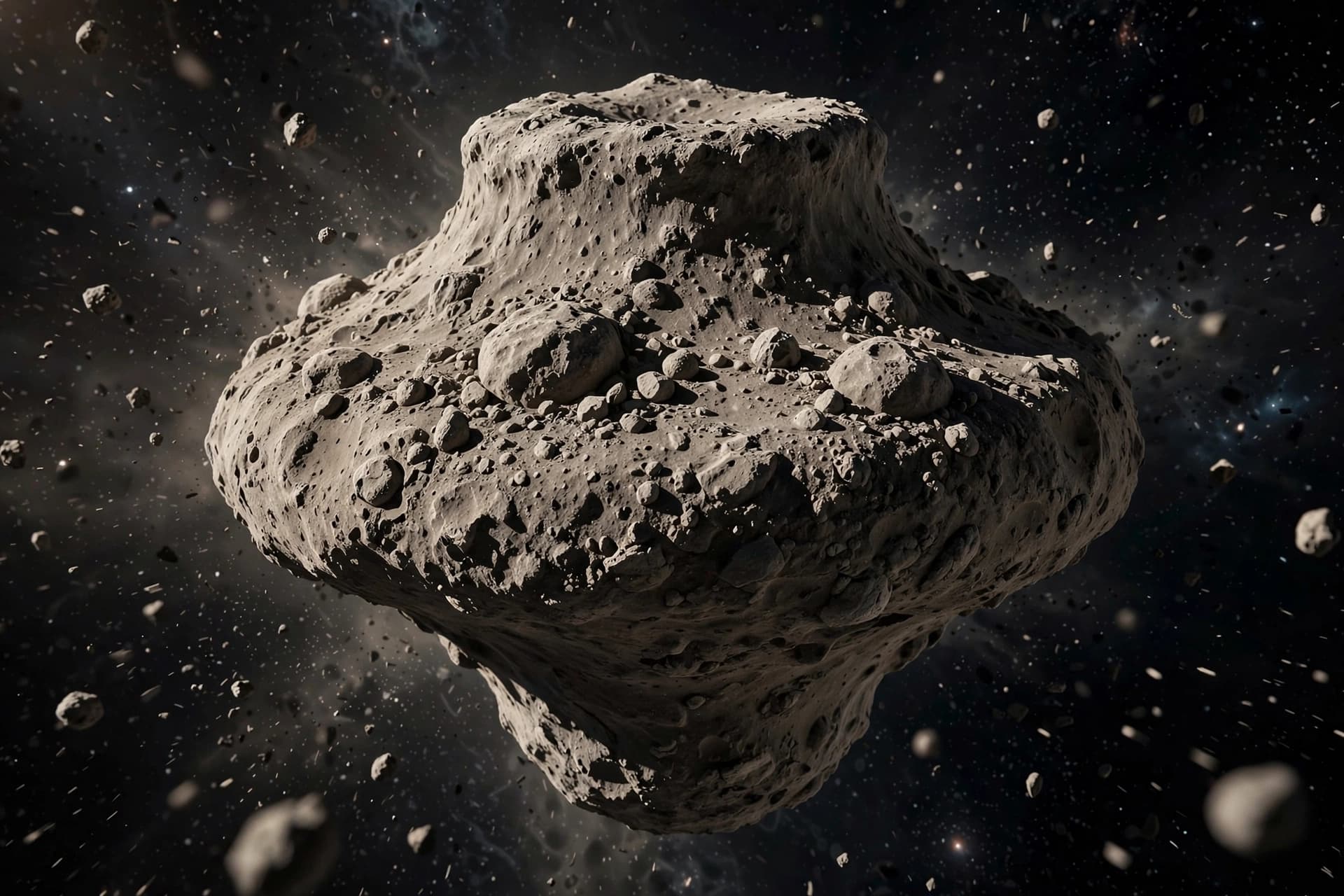
AI Image Disclaimer: Please note that any accompanying visuals for this article are AI-generated representations intended for illustrative purposes only.
Sources: South China Morning Post, SpaceNews, Reuters, CNSA (China National Space Administration)
Published by Banx Network. This article is part of the Banx decentralized media programme, powered by the BXE token on the XRP Ledger.