Lava and Light: A First Look at the Ocean Floor Breaking Apart
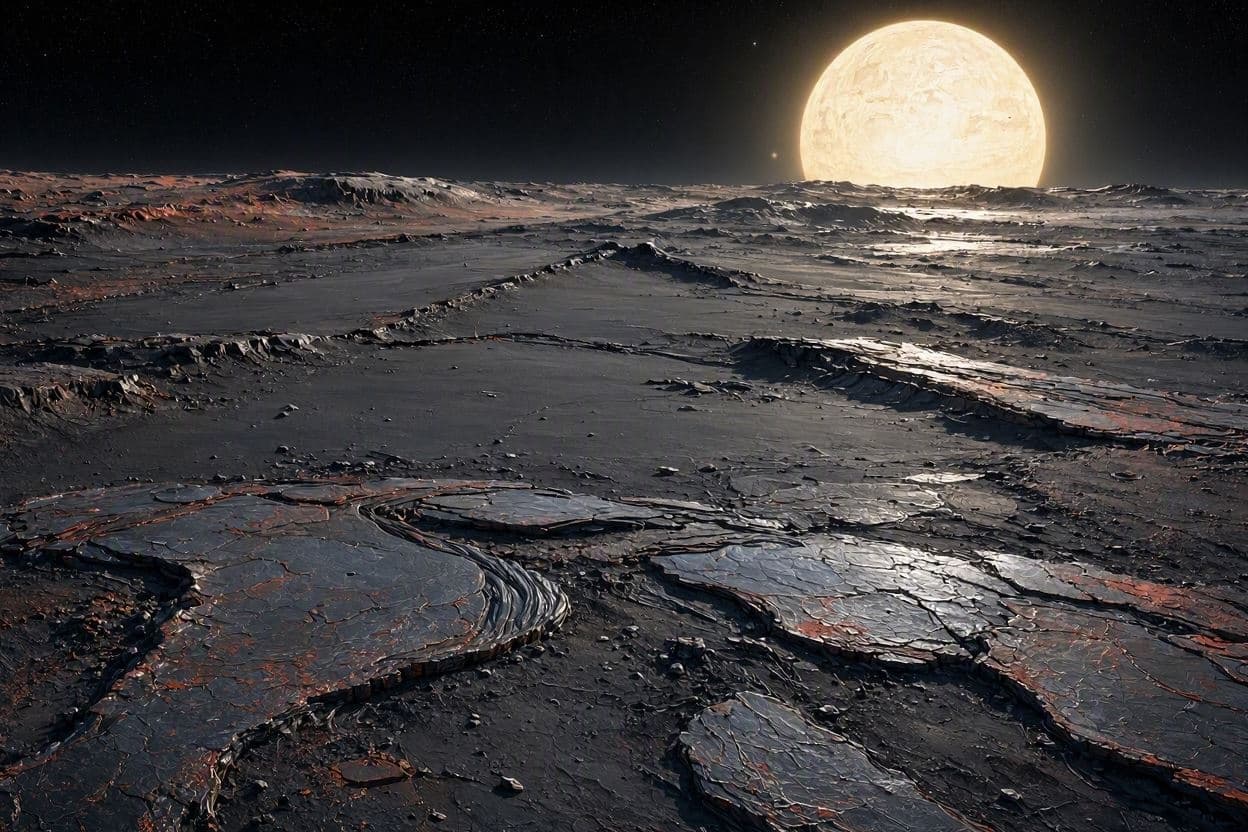
Scientists have observed the ocean floor splitting apart and releasing lava in real time for the first time, providing new insights into seafloor spreading and plate tectonics.

Scientists have observed the ocean floor splitting apart and releasing lava in real time for the first time, providing new insights into seafloor spreading and plate tectonics.

Researchers on the ISS have successfully bioprinted functional human kidney and liver tissue patches, marking a significant advance in regenerative medicine and the potential for future organ fabrication in space.

Astronomers have discovered four white dwarfs hidden in binary systems with red dwarf stars. The find uses advanced data analysis to reveal dense stellar remnants that were previously obscured by their brighter companions.

Physicists claim to have solved a problem regarding electron behavior in magnetic fields that has been debated since 1883. The new framework reconciles theory with experiment, impacting quantum computing and materials science.

2026 features a major skywatching event for North America and Europe, likely involving planetary alignments or meteor showers. Observers are encouraged to find dark skies and join local astronomy clubs for the best experience.

Astronomers suspect that "little red dots" seen by JWST are not galaxies but young black holes surrounded by dense gas. This theory explains their compact size and intense brightness in the early universe.

New research identifies the collapse of tropical forests as the cause of prolonged warming after the Great Dying. This finding highlights the critical role of ecosystems in climate stability and warns of similar risks today.

A T. rex fossil named "Shen" sold for $50.1 million, setting a new record. The sale highlights the high value of complete specimens and raises questions about private ownership versus public access.

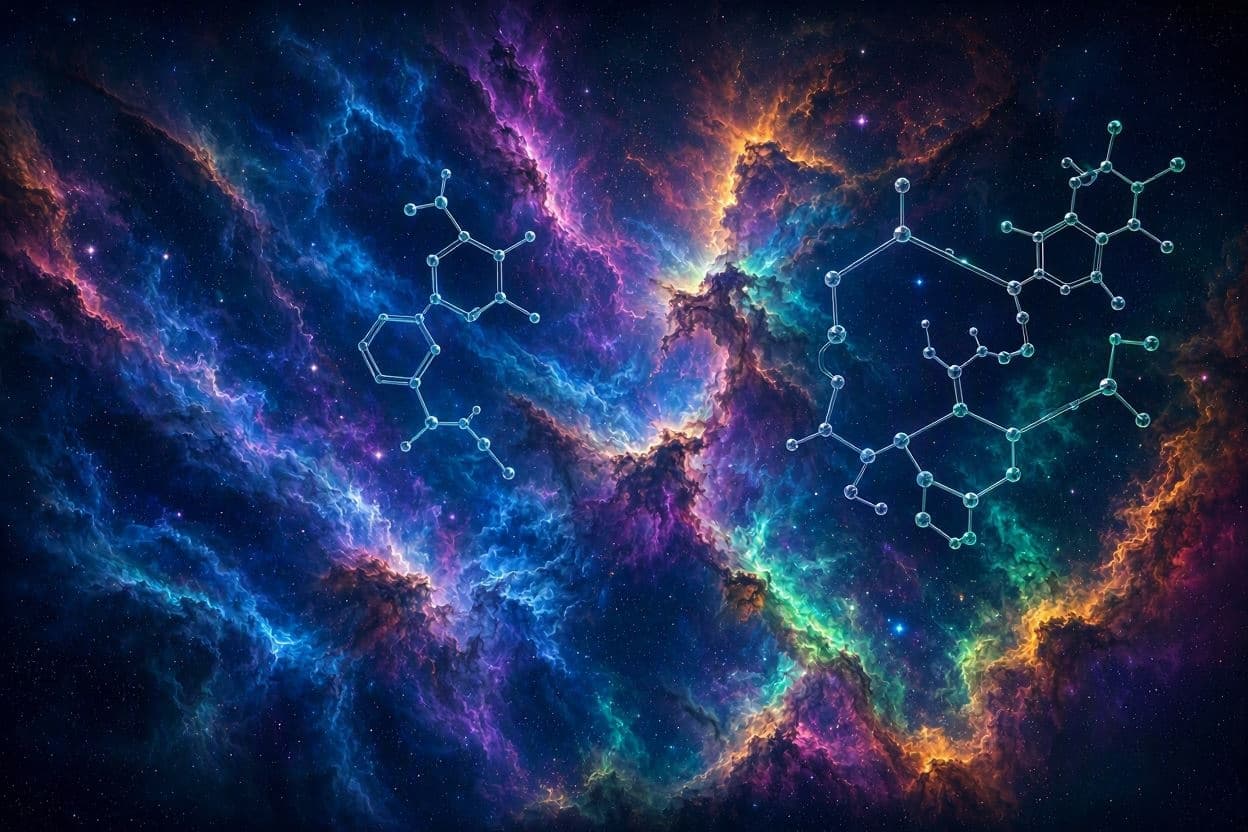
Astronomers have detected erythrulose, a sugar found in raspberries, in a dust cloud near the Milky Way’s center. This discovery supports theories that life’s building blocks can form in space and may seed planets.

Fans expressed concern after a recent video of Rachael Ray showed changes in her appearance and speech. The reaction highlights the deep connection between media figures and their audiences, emphasizing the need for respectful support.

Tiny internal waves in the deep ocean mix heat and nutrients, influencing climate patterns thousands of kilometers away. This discovery improves climate models and highlights the ocean’s role in global regulation.

NASA’s Hubble Space Telescope has discovered the first of several expected black holes in a star cluster, confirming theories of mass segregation. This finding enhances our understanding of stellar evolution and cluster dynamics.

A new genetic map details the functions of genes in stem cell differentiation, offering insights for regenerative medicine and personalized therapies. This breakthrough enhances our understanding of cellular development and disease mechanisms.

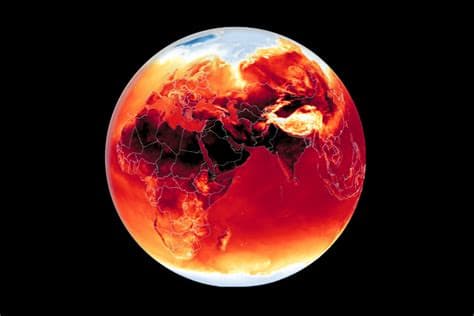
Venus is hotter than Mercury despite being farther from the Sun due to its thick carbon dioxide atmosphere and runaway greenhouse effect, highlighting the critical role of atmospheric composition in planetary temperatures.

A symbiotic partnership between goby fish and shrimp thrives on Caribbean reefs, highlighting the importance of cooperation and biodiversity in marine ecosystems despite environmental challenges.

New research reveals that the visual cortex in blind individuals reorganizes to support higher cognitive functions like language and memory, challenging previous theories of simple sensory substitution.

Melting icebergs from Greenland are releasing fresh water into the North Atlantic, threatening to weaken key ocean currents like the AMOC. This disruption could have severe global climate and ecological consequences.

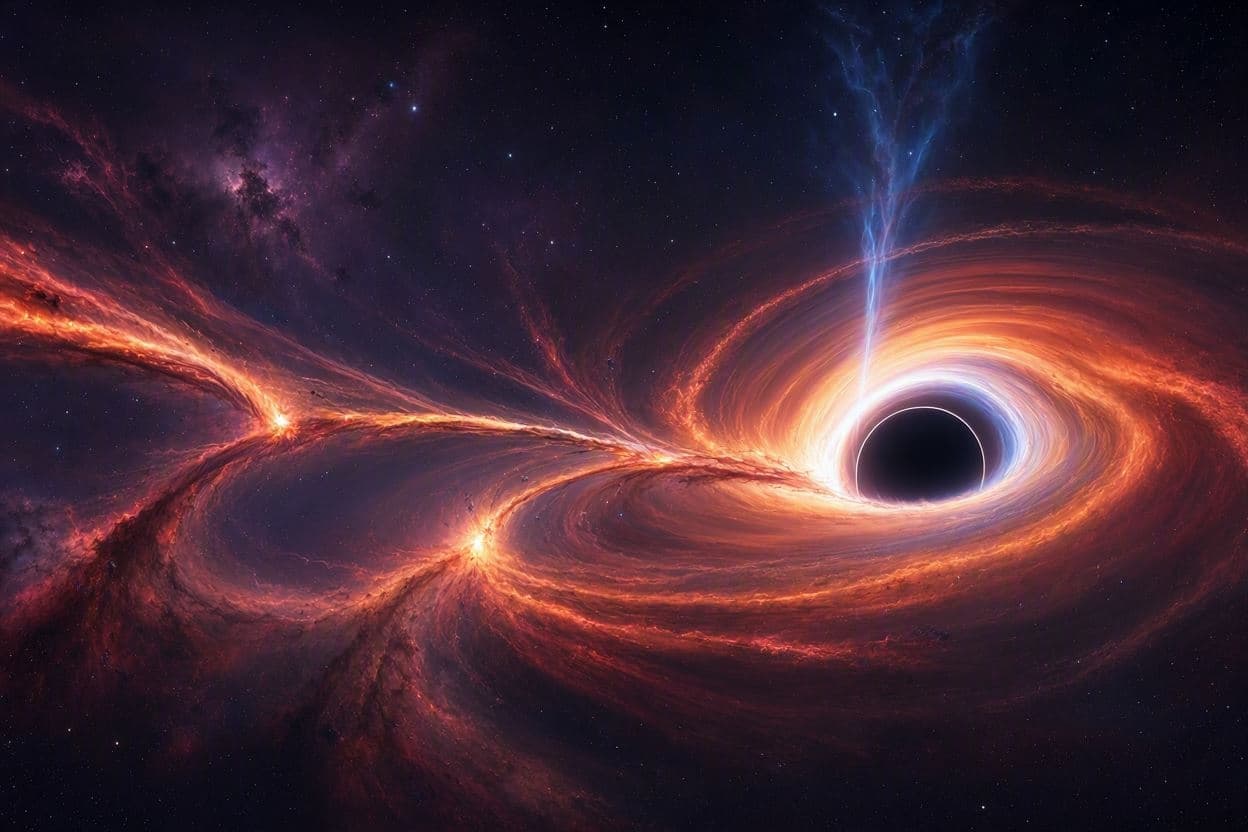
Physicists argue that black hole images are oversimplified static snapshots of dynamic, time-dilated systems. Viewing them as "time machines" reveals the need for more complex, time-resolved observations.

A U.S. seismologist who has researched seismic signatures linked to North Korean nuclear explosions is reported detained in China, raising concern over scientific work and cross-border access.

The White House and FBI are reviewing cases of at least ten U.S. scientists who have died or disappeared, aiming to identify any connections and enhance security for researchers in sensitive fields.

An underwater volcanic eruption near Papua New Guinea has raised the possibility of a new island forming, with satellites tracking the progress and pumice affecting nearby coastal areas.

Scientists have identified new clues, such as unusual infrared signatures, that could help reveal the existence of Dyson Spheres, advancing the search for extraterrestrial technological signatures.

Astronomers are studying an exoplanet that survived the death of its host star, now a white dwarf, providing new insights into planetary resilience and the evolution of stellar systems.

A recent bioprinting experiment on the International Space Station has advanced lab-grown tissue research by leveraging microgravity to create more natural cellular structures, offering hope for future regenerative medicine.