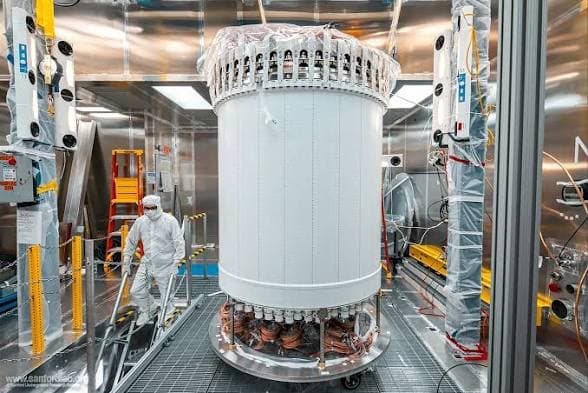
Scientists Report Potential Breakthrough in Search for Dark Matter
The LUX-ZEPLIN experiment detected a single particle interaction consistent with a possible WIMP, though researchers say more evidence is needed.

The LUX-ZEPLIN experiment detected a single particle interaction consistent with a possible WIMP, though researchers say more evidence is needed.

Swiss researchers have developed recyclable airplanes designed to reduce aviation waste and support more sustainable air travel in the future.

Environment Canada confirmed a tornado touched down near Elkhorn, Manitoba, on Sunday, highlighting the region’s severe weather potential and the need for vigilance.

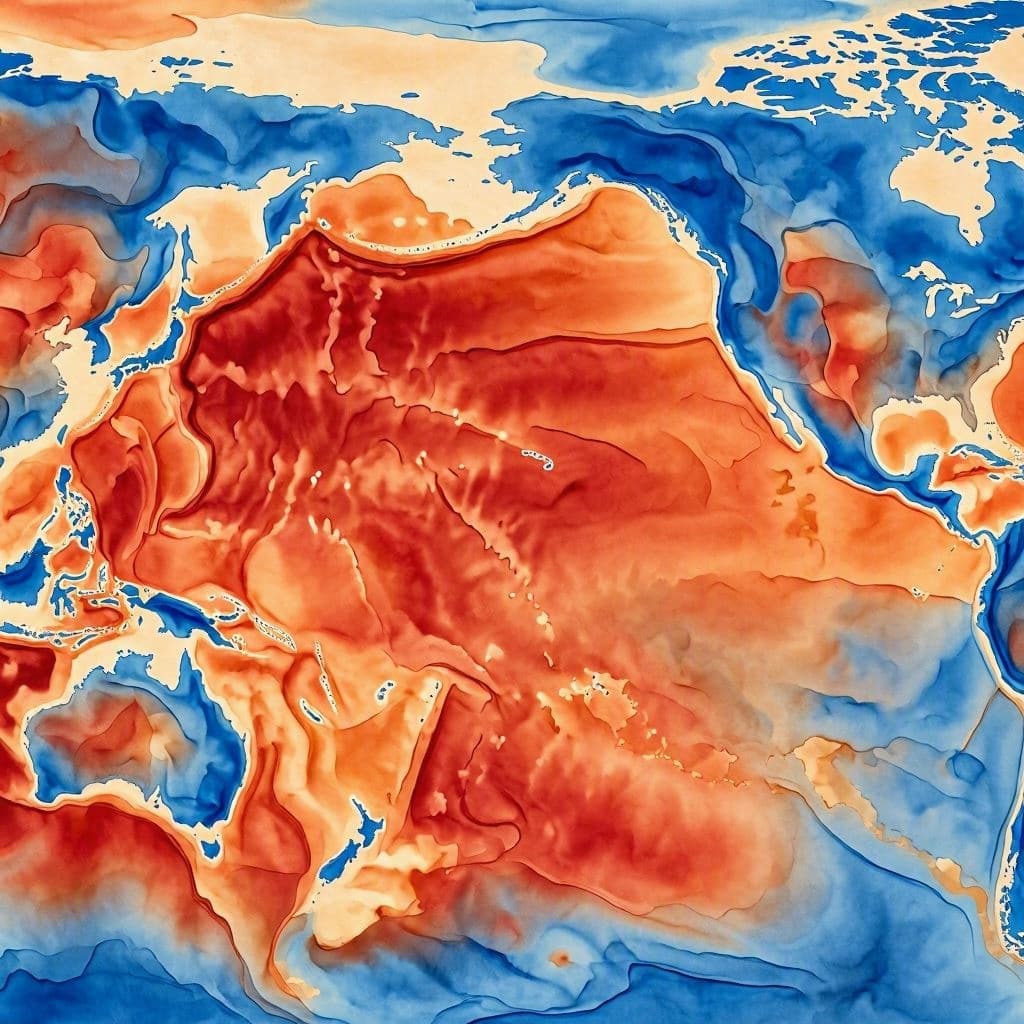
The current El Niño event is projected to be unique compared to the last eight decades due to the compounding effects of record-high global temperatures and natural ocean warming patterns.

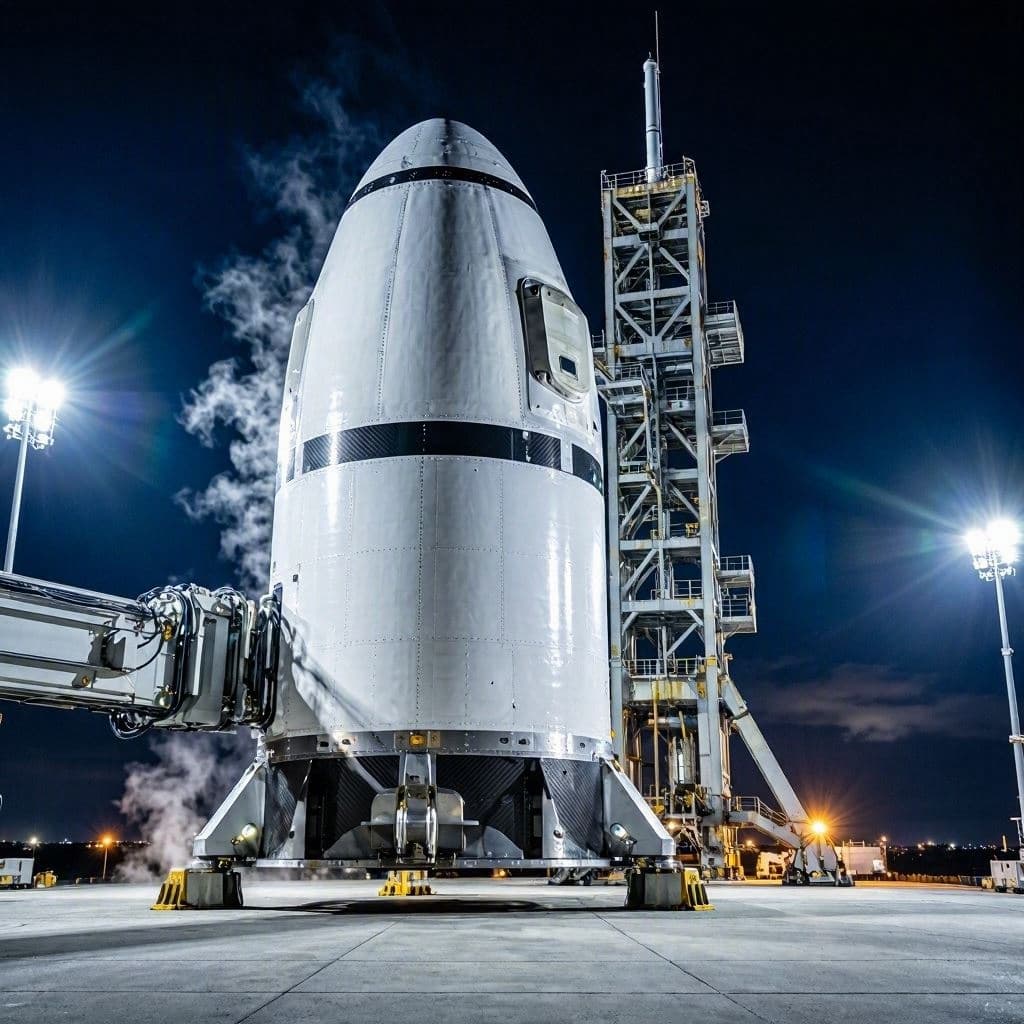
NASA and SpaceX postponed a Crew Dragon launch to the ISS due to a minor coolant leak, prioritizing astronaut safety and system reliability over the original schedule.

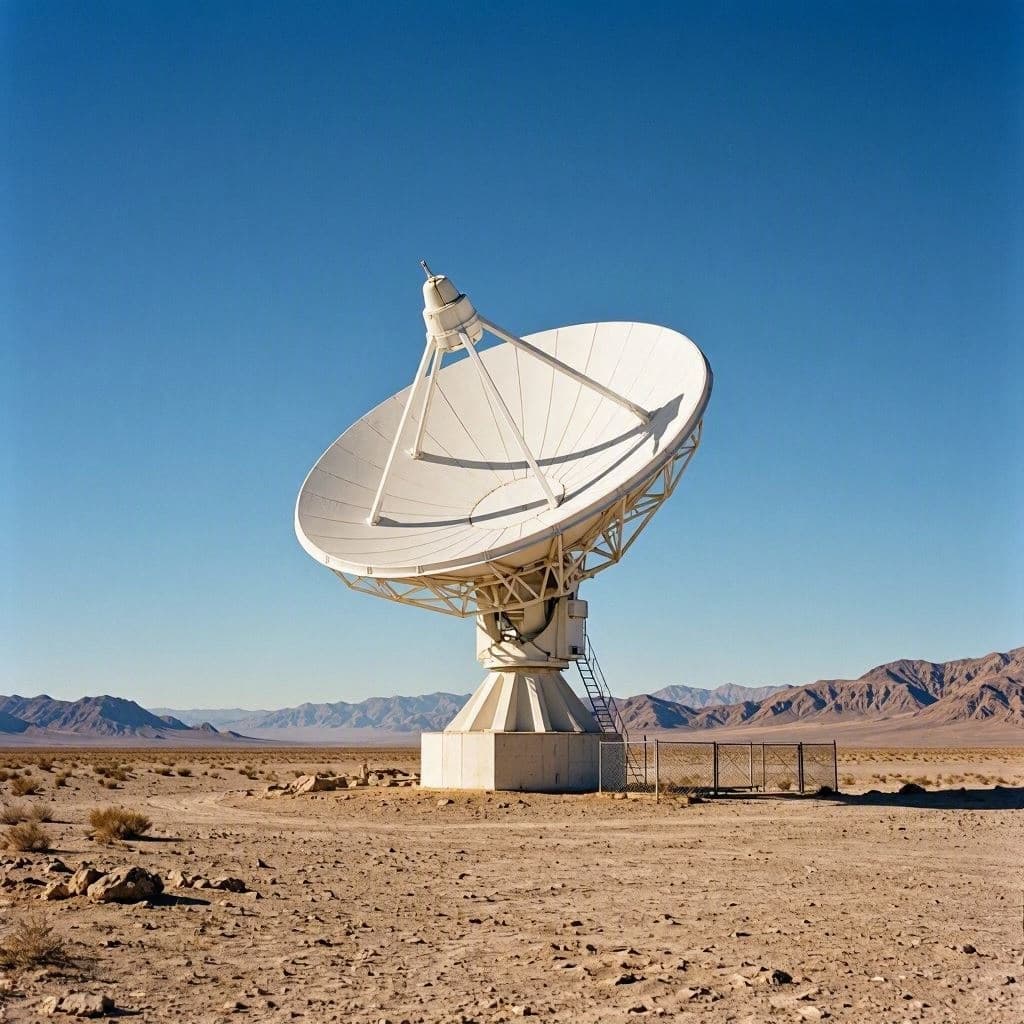
NASA has added a new 34-meter Ka-band antenna to the Goldstone Deep Space Communications Complex, enhancing data transmission rates and tracking capabilities for interplanetary missions.

NASA has launched the 4.3 billion Nancy Grace Roman Space Telescope to investigate dark energy and discover thousands of exoplanets, offering a wide-field view of the cosmos.

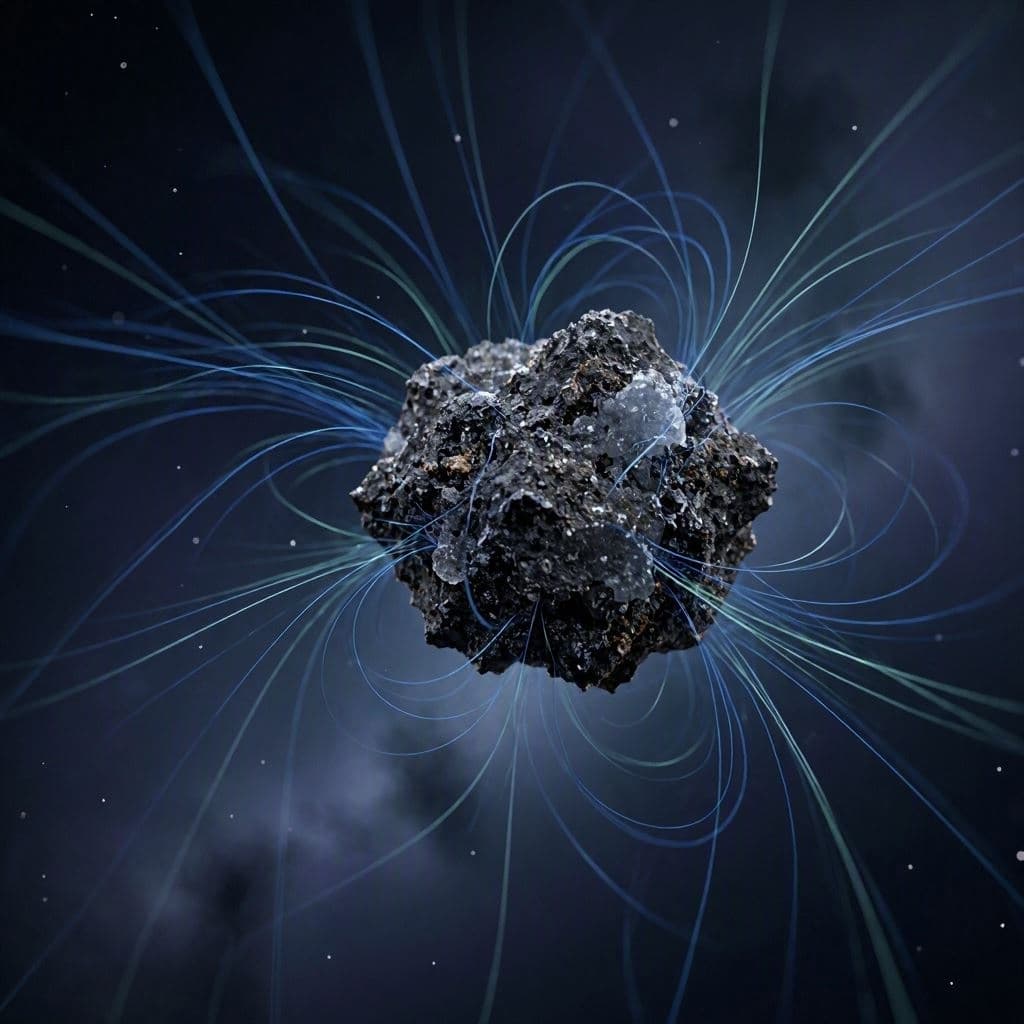
Presolar dust grains in meteorites contain magnetic signatures that provide new insights into the strong magnetic fields present during the formation of the sun and the early solar system.

A new magnetic system using superconducting magnets could deflect ionized plasma during spacecraft reentry, reducing heat loads and enabling reusable, lighter vehicles.

A new satellite-based method allows for highly localized mapping of tidal patterns, offering improved accuracy for coastal management and navigation by capturing detailed water surface changes.

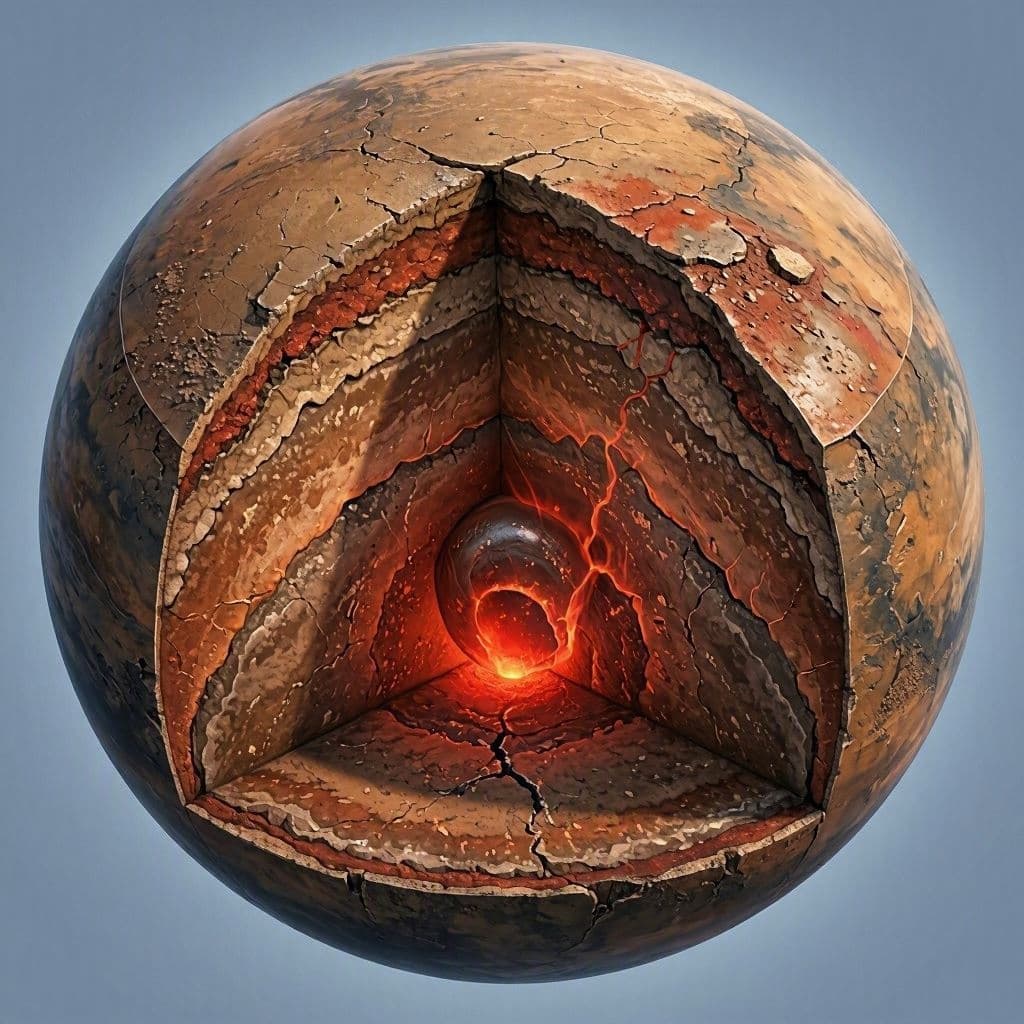
Researchers have discovered a major thermal anomaly in Mars’s southern hemisphere, where temperatures are significantly higher than in the north, reshaping our understanding of the planet’s interior and geological history.

Scientists at CERN have created the smallest quark-gluon plasma droplets yet, offering new insights into the universe’s first moments and challenging existing theories about matter formation.

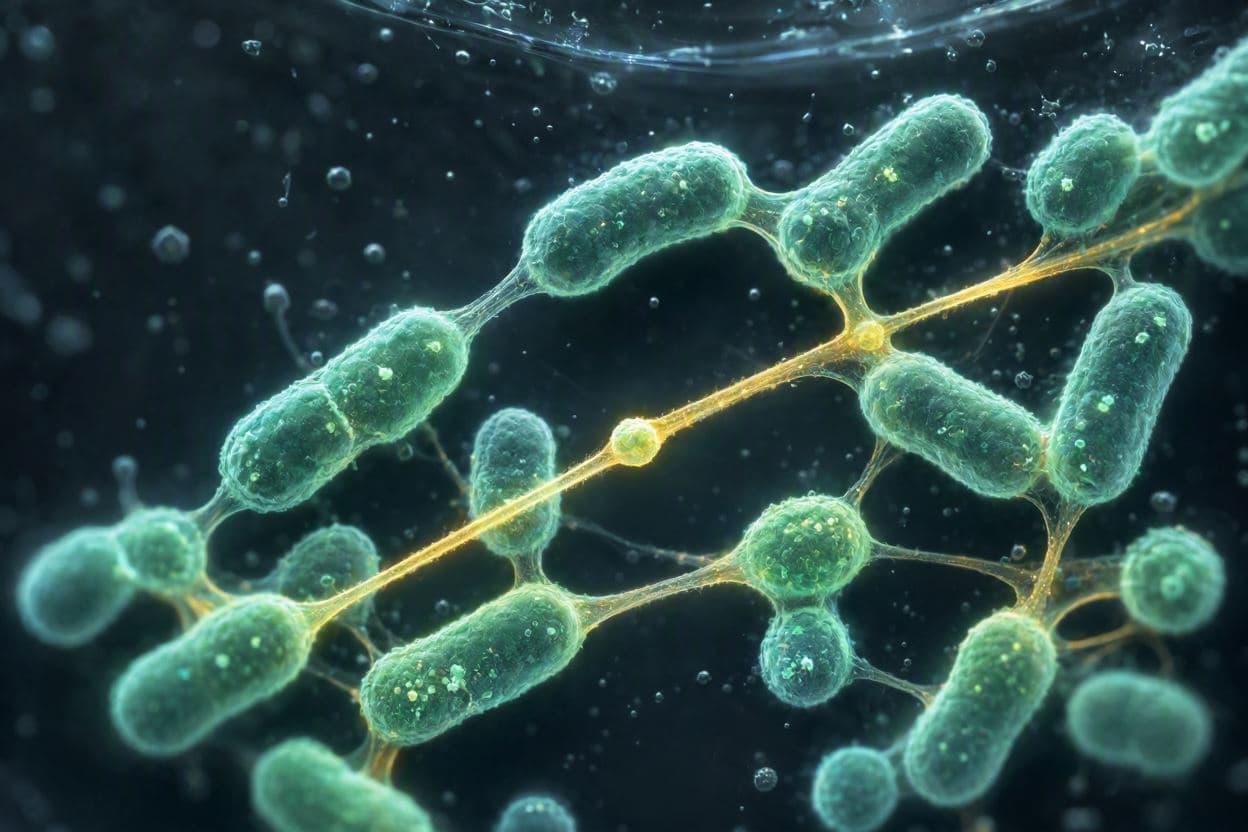
Study reveals ancient bacteria had nanotube structures for intercellular communication similar to human cells, suggesting cooperation and connectivity are foundational traits of life dating back billions of years.

Nature’s visual diversity is built on a foundation of red, yellow, green, and blue, driven by the physics of light and the biological sensitivity of human vision, optimizing survival and communication.

Astronomers have detected a planet only two weeks old within a stellar nursery, challenging traditional formation timelines and offering new insights into the rapid early stages of planetary accretion.

A new calcium-tolerant electrode enables efficient hydrogen peroxide production from natural water, reducing energy use and eliminating the need for pure water inputs in sustainable chemical synthesis.

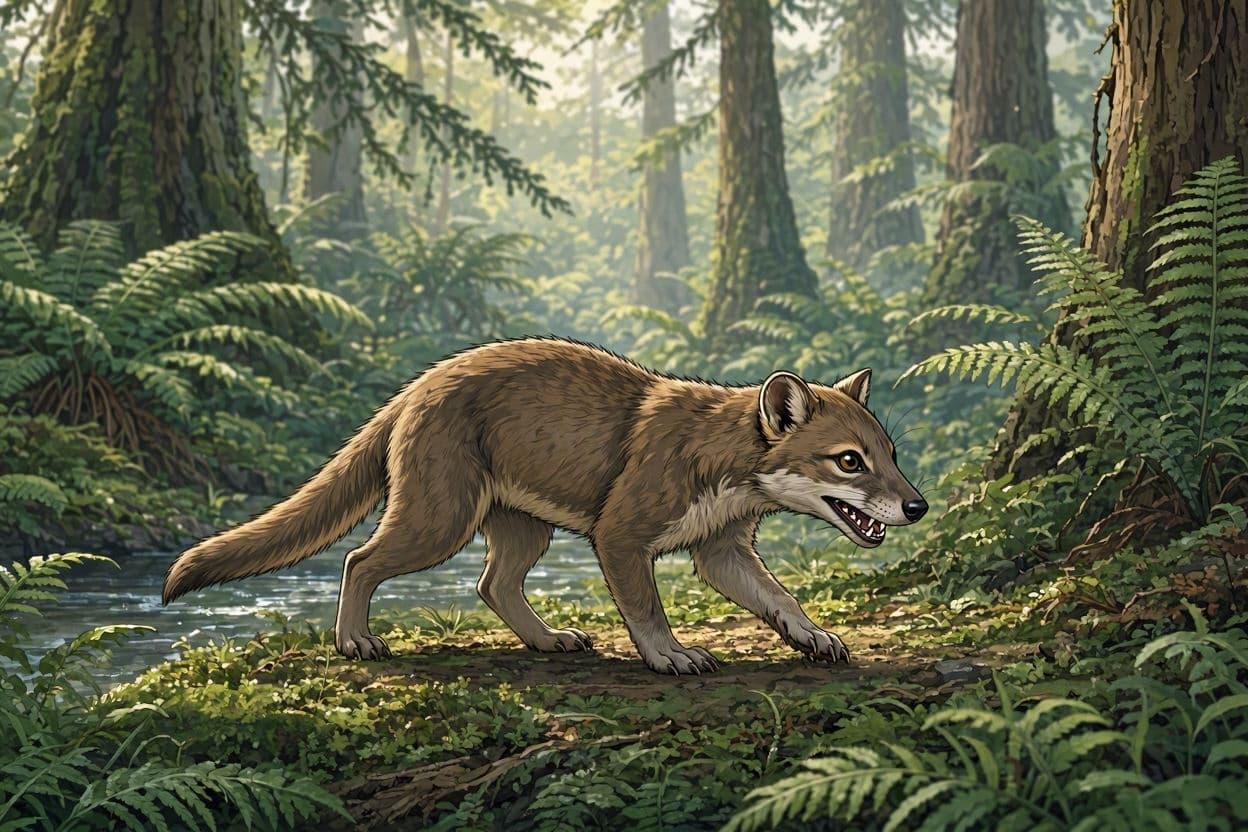
A 55-million-year-old predatory mammal footprint found in Antarctica reveals the continent’s warm, forested past during the Eocene, offering insights into ancient ecosystems and mammalian migration.

Research indicates that the stability of dominant functional plant groups, rather than total species diversity, is key to maintaining ecosystem resilience in Tibetan Plateau grasslands amidst climate change.

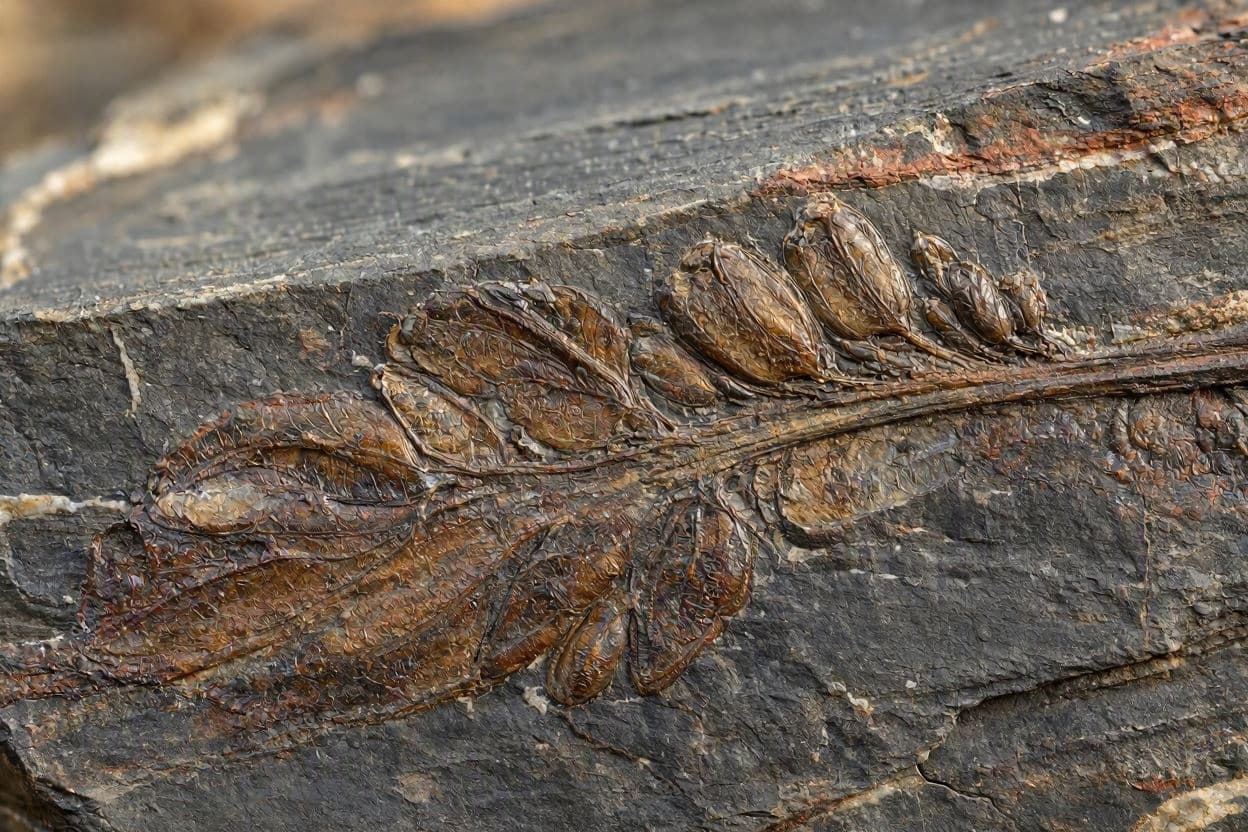
A Permian fossil displaying angiosperm-like features suggests flowering plants may have originated earlier than believed, potentially reshaping our understanding of ancient ecosystems and plant evolution timelines.

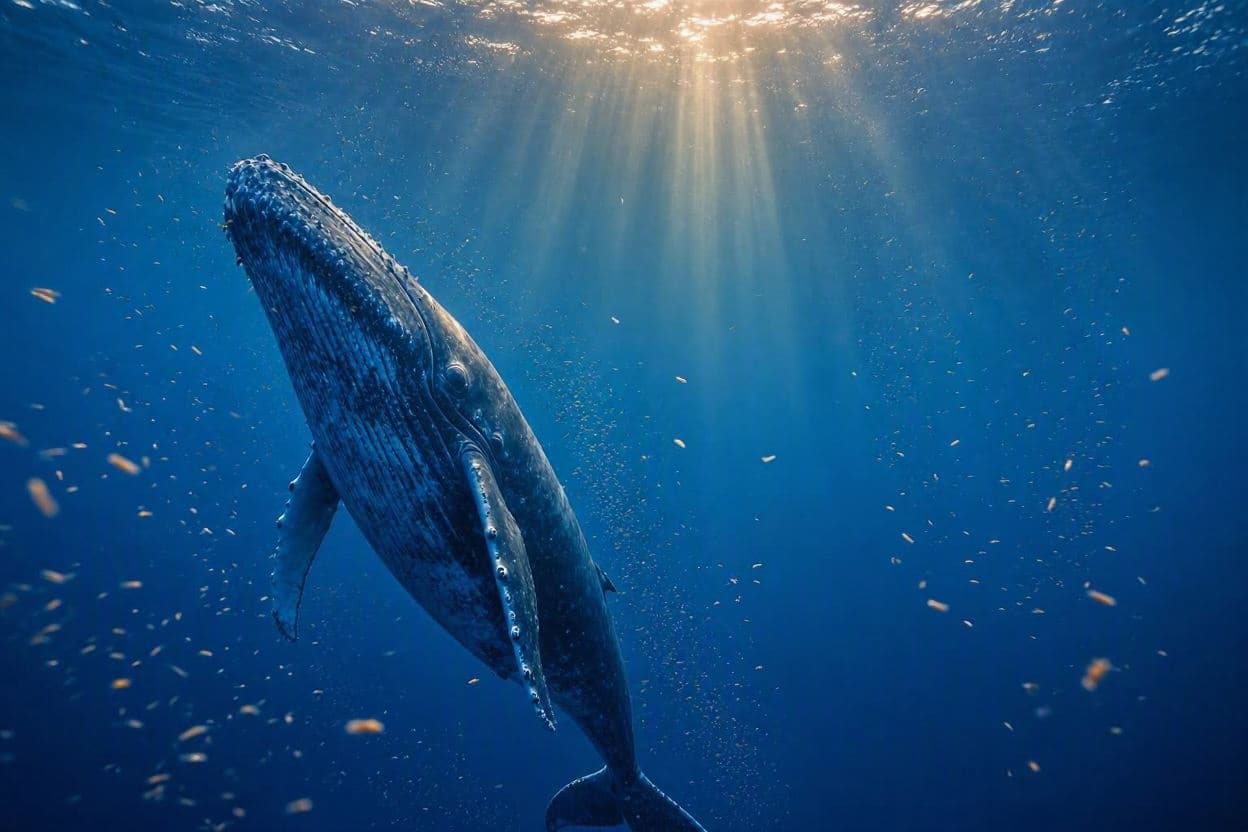
New research shows blue whales use spatial memory and sensory cues to precisely locate krill patches, optimizing energy use and highlighting the need to protect their complex marine habitats from human disruption.

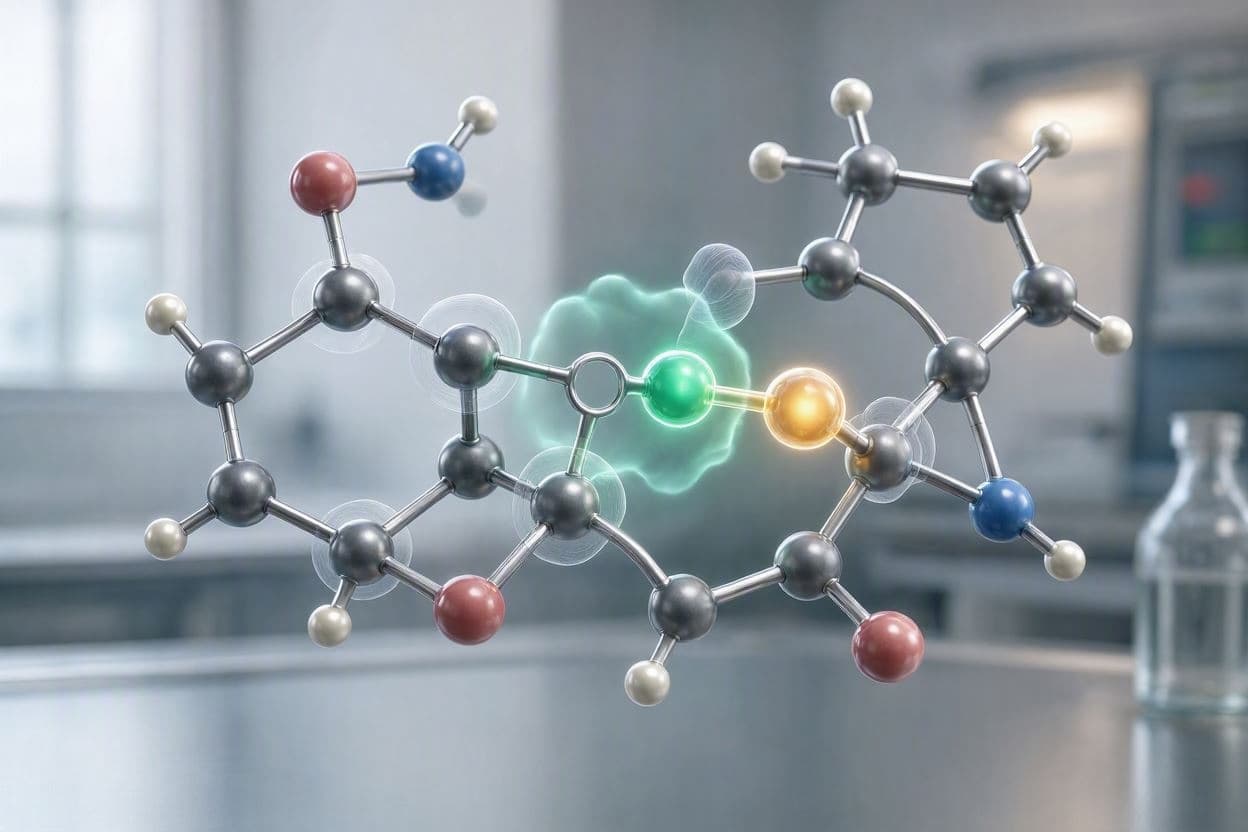
A new technique allowing single-atom swaps in molecules accelerates drug discovery by enabling faster, more precise modifications, reducing synthesis time and waste while expanding access to novel therapeutic compounds.

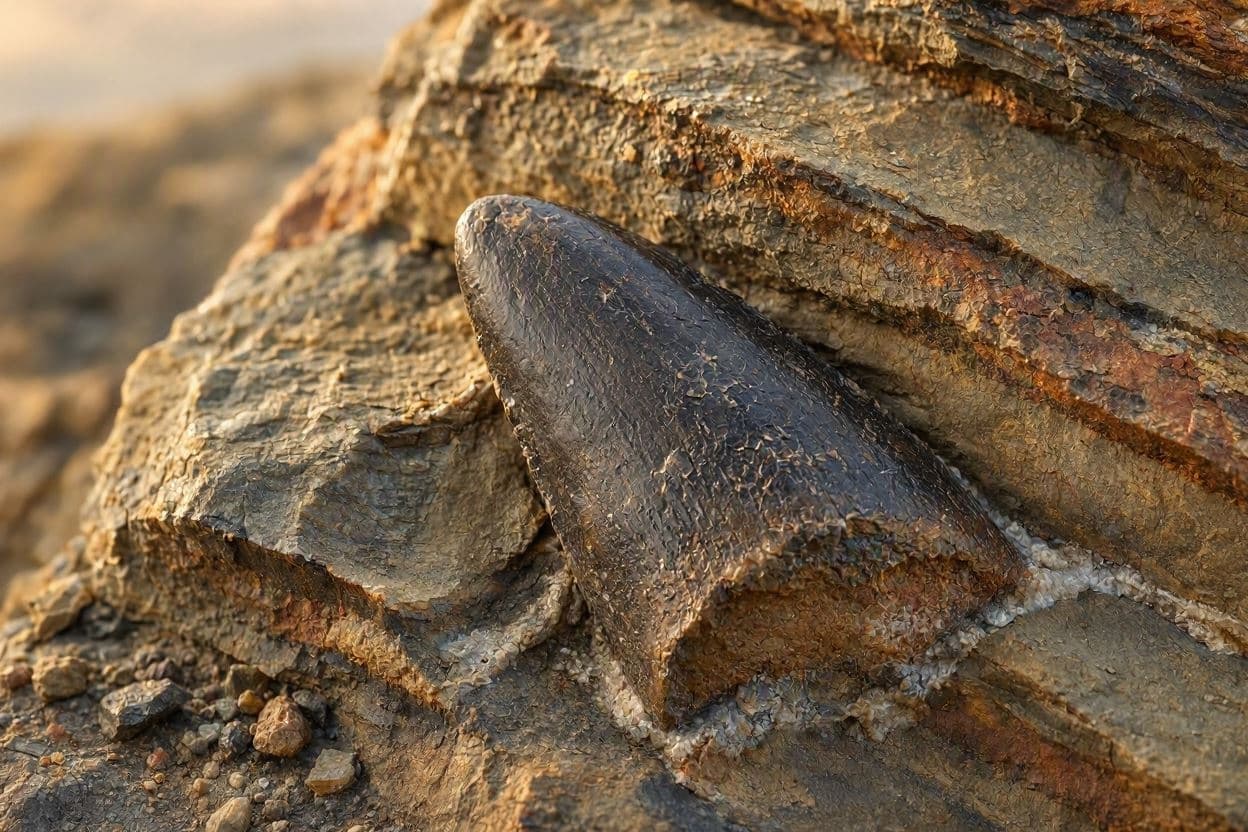
Analysis of dinosaur teeth reveals detailed insights into ancient diets, feeding behaviors, and evolutionary adaptations, enriching our understanding of prehistoric life.

Researchers at UTS have achieved control over quantum spin systems at higher temperatures, paving the way for more practical and scalable quantum technologies.

Norway, India, and New Zealand are preparing for Starlink launches, aiming to improve internet access in remote and underserved regions worldwide.