How Roots Build Soil Stability Through Chemical Dialogue
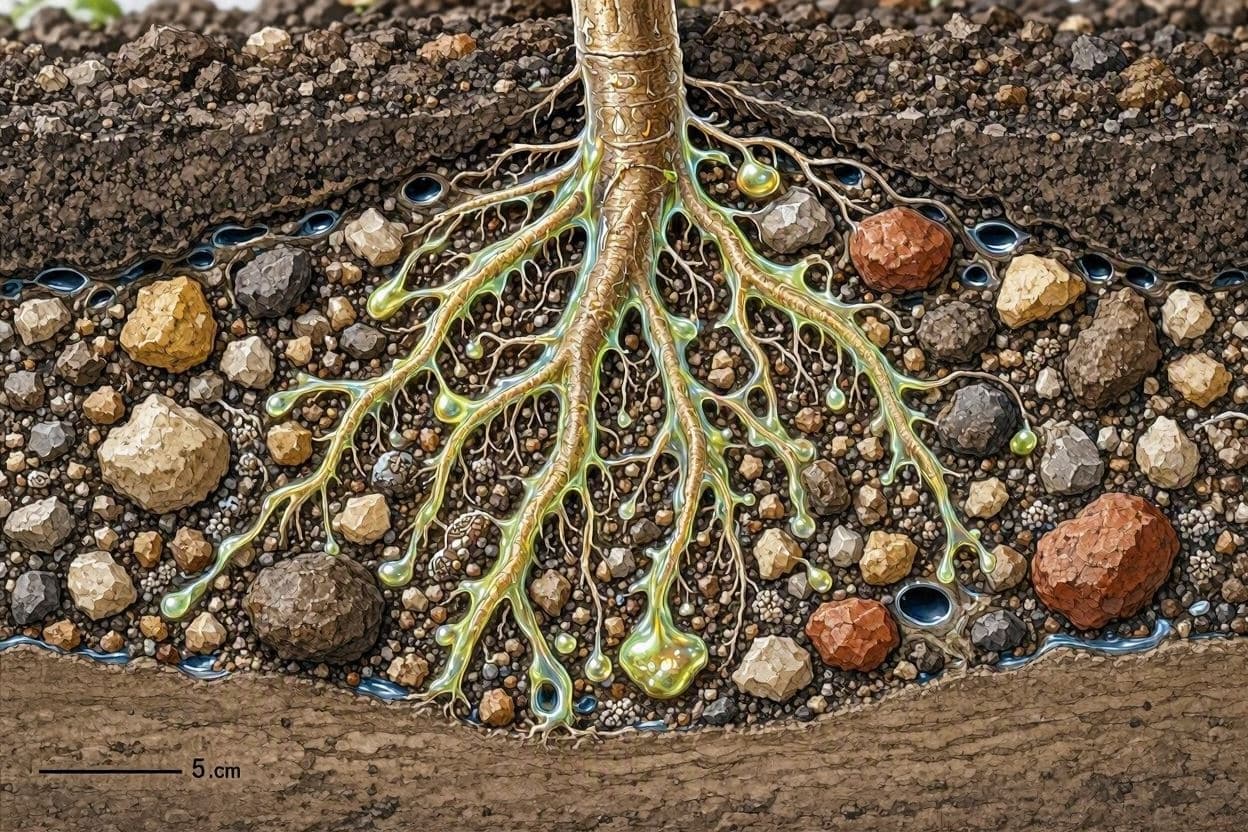
Research shows that root exudates stabilize soil aggregates through direct binding and microbial pathways, varying by plant growth stage, which is vital for sustainable agriculture.

Research shows that root exudates stabilize soil aggregates through direct binding and microbial pathways, varying by plant growth stage, which is vital for sustainable agriculture.

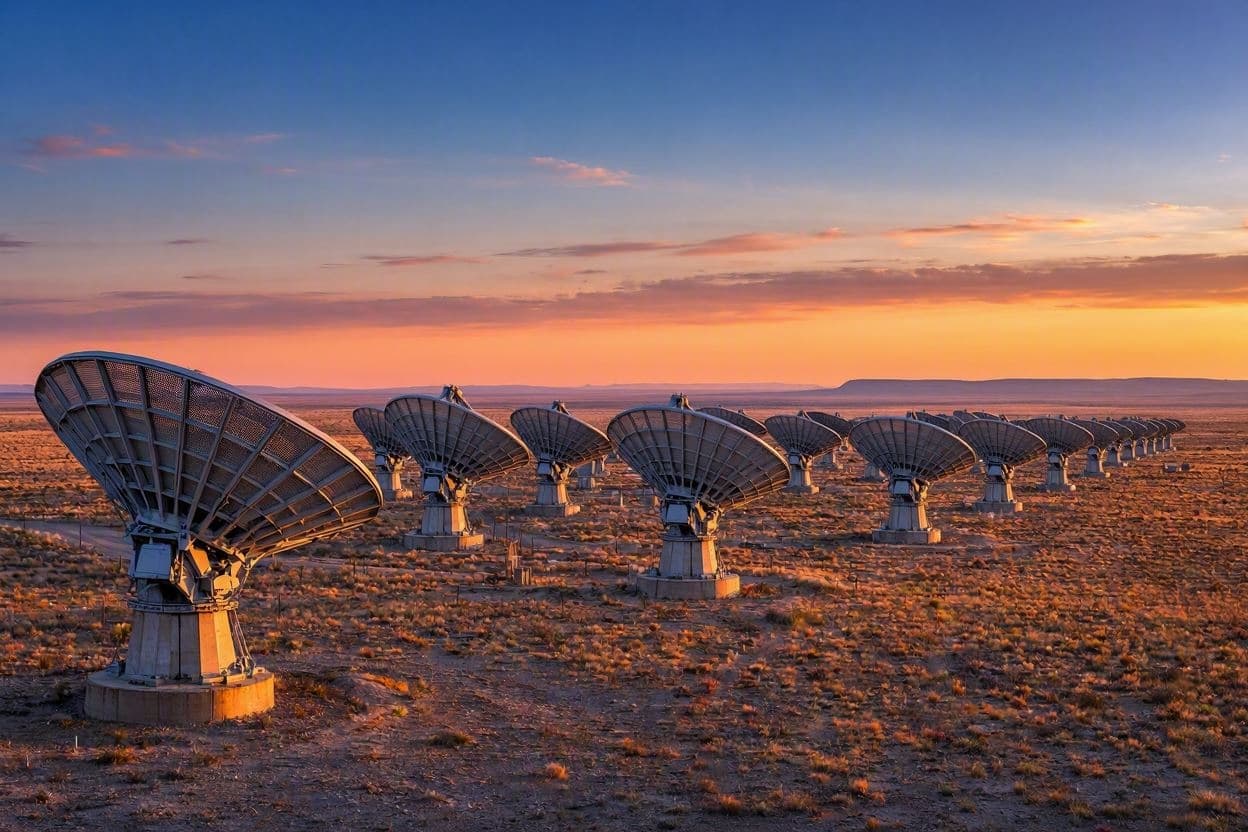
The MeerKAT telescope in South Africa has directly detected faint neutral hydrogen signals from the early universe, providing new insights into cosmic dawn and galaxy formation.

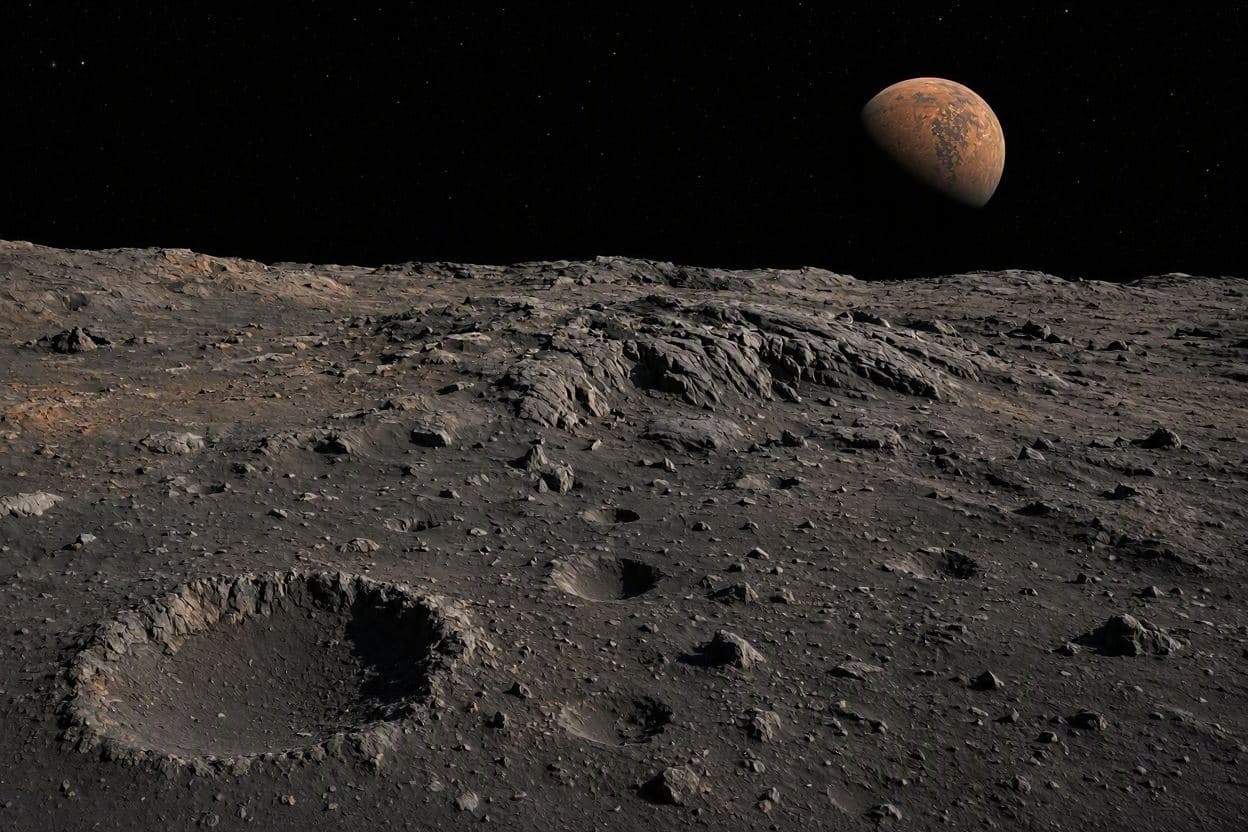
New analysis of Mars' moon Phobos reveals internal structures suggesting it formed from the debris of an ancient catastrophic impact, reshaping our understanding of its origin.

New research reveals that giant sequoias sustain themselves by accessing deep subsurface water, highlighting a key survival mechanism against drought and climate change.

The FAST telescope has detected two massive, starless hydrogen clouds, offering new insights into dark gas reservoirs and the unseen structures of the intergalactic medium.

Research shows that controlling ultrasonic power improves the stability of zein-soybean protein Pickering emulsion gels, offering a cleaner, more effective method for food texture enhancement.

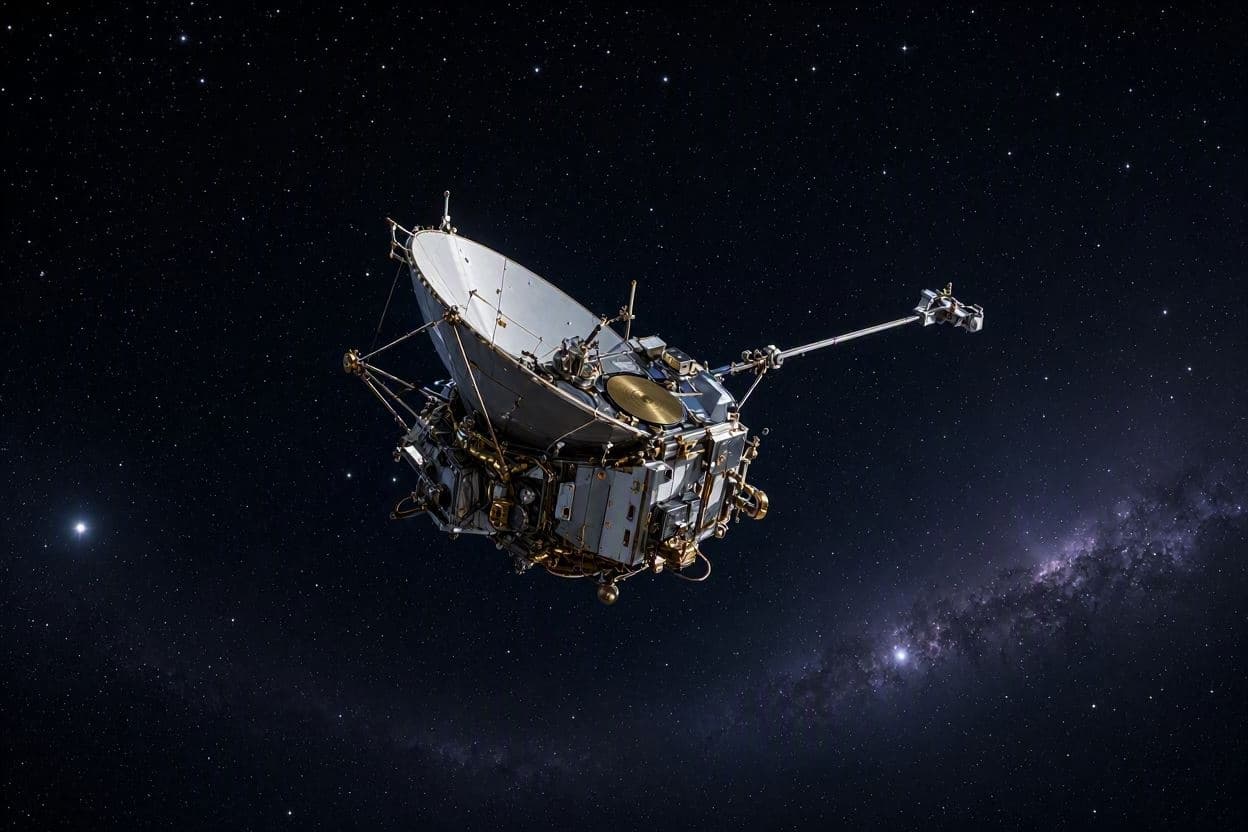
On September 5, 1977, NASA launched Voyager 1, initiating an epic journey that made it the first human-made object to enter interstellar space, carrying a message of peace.

New research confirms that diverse tree species protect forests from climate extremes by distributing risk and enhancing ecological stability, urging a shift away from monoculture forestry.

Krakatau volcano erupted on September 4, sending an ash plume to 45,000 feet, prompting aviation advisories and highlighting the ongoing monitoring of this active geological site.

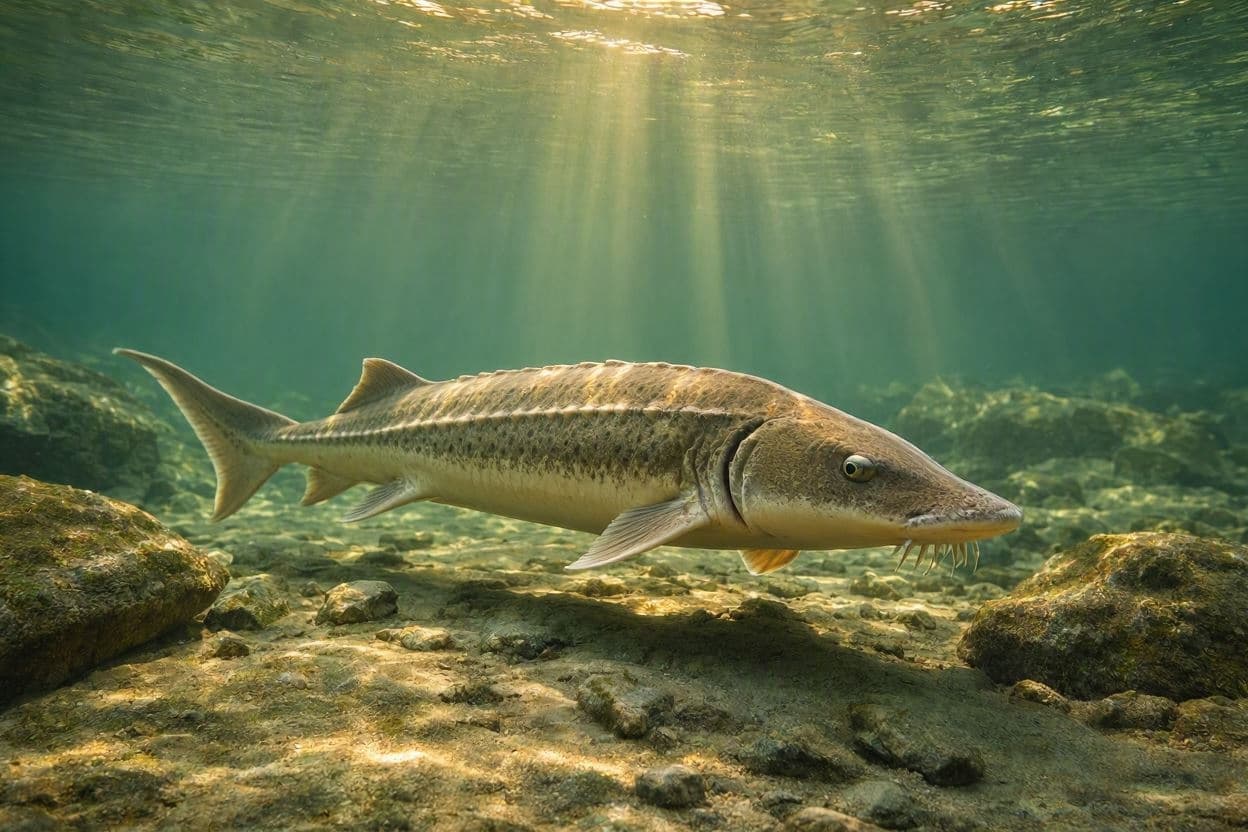
With some Great Lakes sturgeon living up to 400 years, scientists are adopting new, long-term conservation strategies to protect these slow-maturing, ancient fish from modern threats.

Research shows that peptides can survive in harsh acidic conditions similar to Venus’s clouds, reigniting scientific interest in the potential for microbial life in the planet’s atmosphere.

A new study reveals that climber urine contributes to melting 154 tons of ice on Everest’s Khumbu Glacier annually, highlighting the environmental impact of high-altitude tourism.

Satellite imagery tracked a floating island in British Columbia’s Williston Lake that vanished from its original spot and reappeared 20 miles away, revealing the dynamic nature of peatlands.

This year’s Ig Nobel Prizes honored quirky research including bonobo kissing behavior and anti-splash urinals, highlighting the joyful and insightful side of scientific exploration.

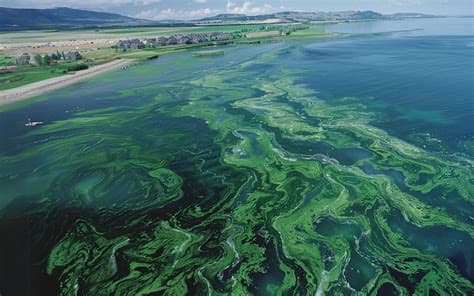
An extremely rare microalgae bloom has disrupted Israel’s desalination network, forcing plants offline and raising concerns about water security nationwide.

French astronaut Sophie Adenot has completed her third spacewalk, continuing a major international mission outside the Earth’s atmosphere.

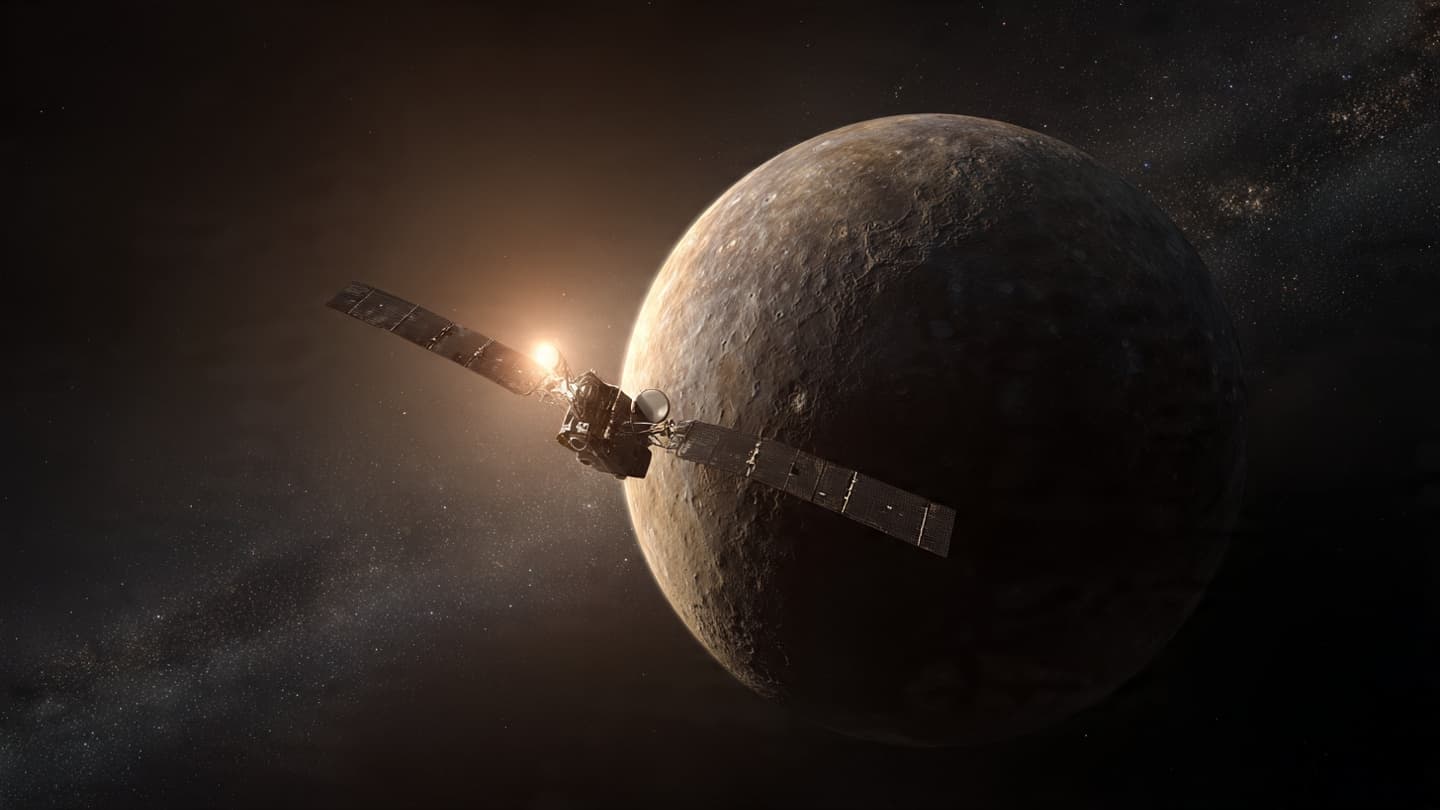
The BepiColombo mission has reached another major stage as its spacecraft separates into two probes ahead of its arrival at Mercury.

The Academy of Natural Sciences of Drexel University will close its public museum on September 30 due to financial and strategic reasons, shifting focus to research while preserving its extensive scientific collections.

New data indicates a looming Super El Niño, which could bring significant snowfall to the American West, offering drought relief but also posing risks of extreme weather and flooding.

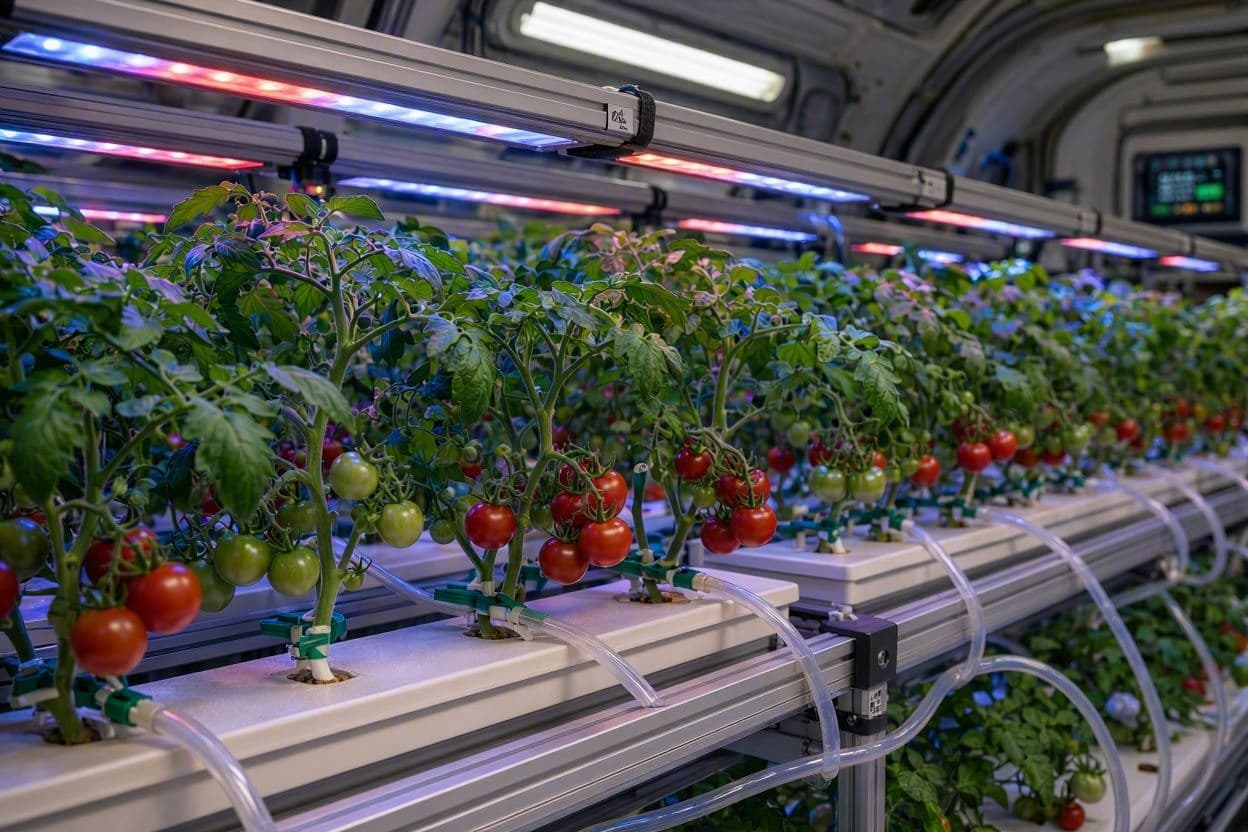
A NASA study reveals that tomato plants grown in space switch thousands of genes, using light instead of gravity as a growth signal, offering key insights for future space agriculture and crop resilience.

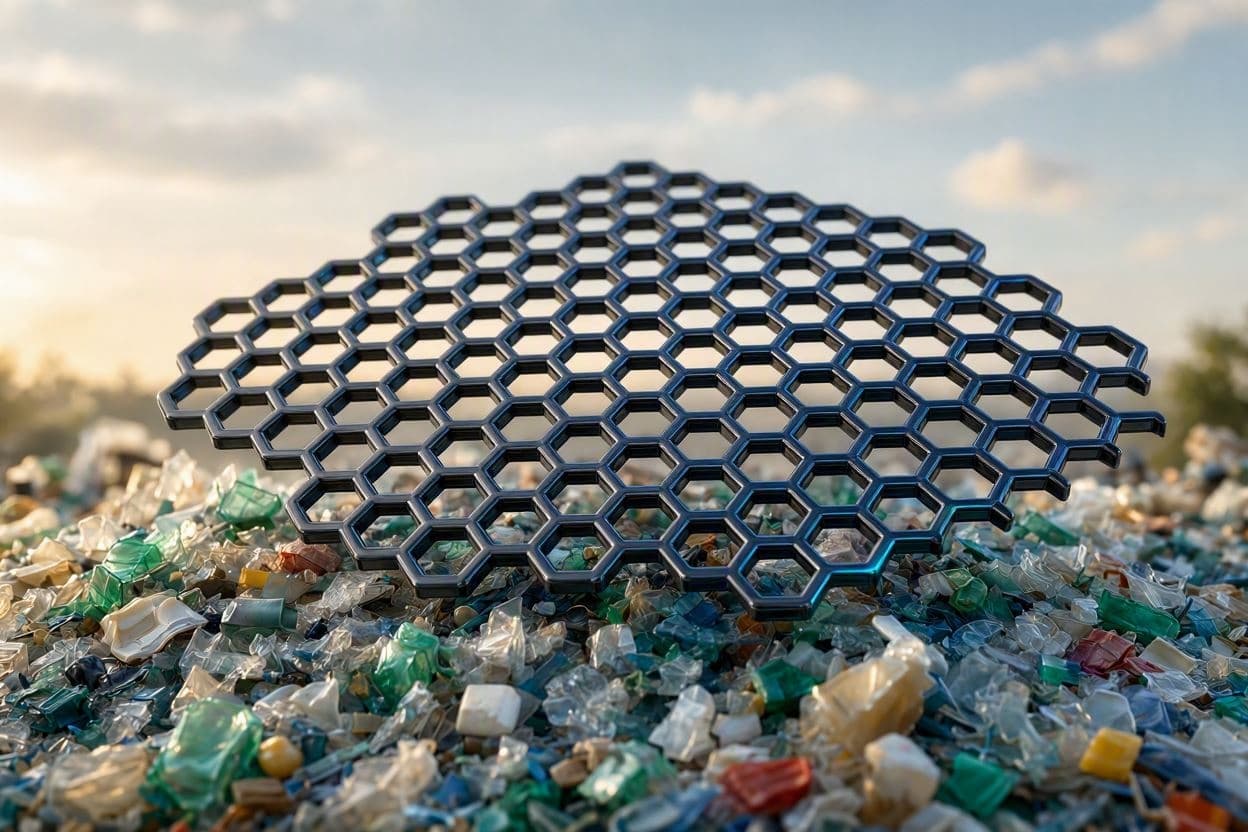
A new low-temperature method for growing graphene allows for the use of recycled carbon sources, promoting sustainable resource recycling and reducing the environmental impact of advanced material production.

A young sunlike system reveals that comets may transport water to forming planets, offering insights into the origins of Earth's oceans and the potential for habitable worlds in other star systems.

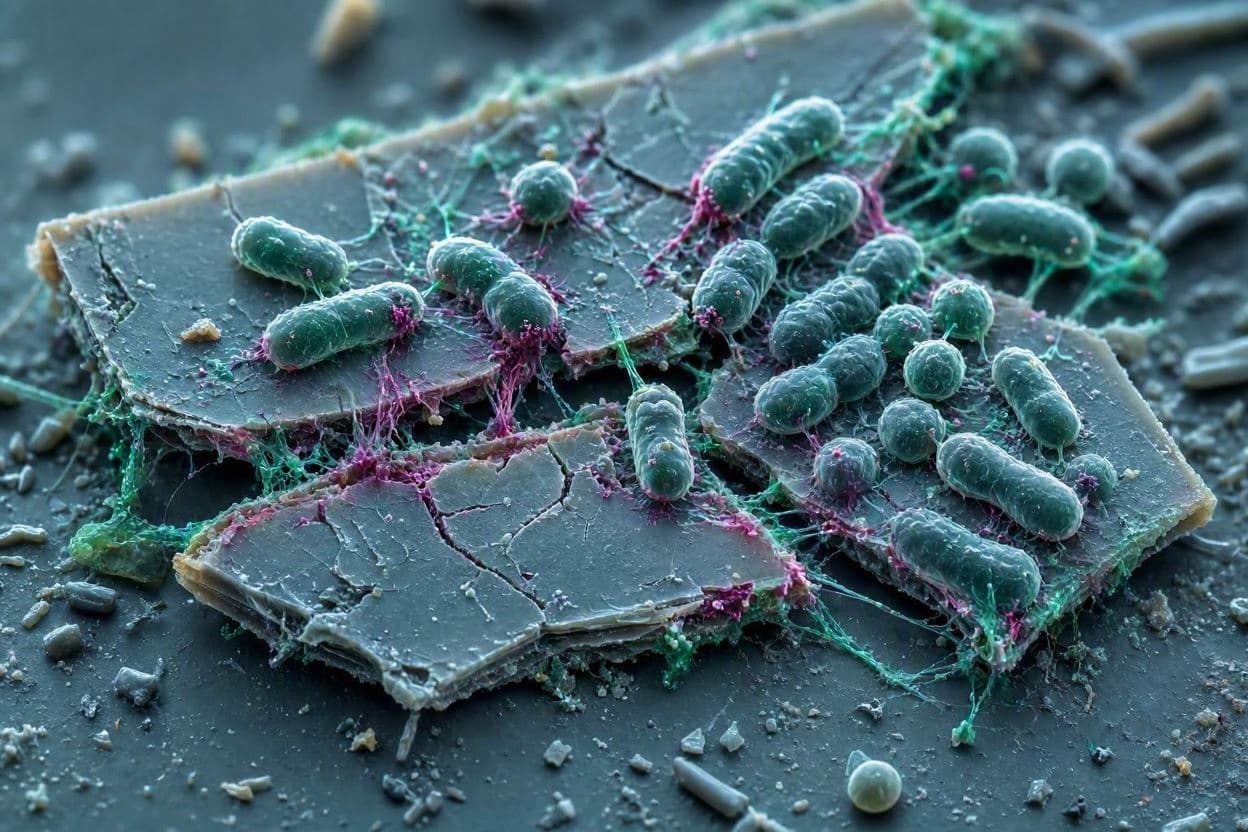
Scientists have discovered a new plastic-degrading enzyme in bacteria, offering a promising biological approach to reducing plastic pollution and supporting sustainable waste management through enhanced recycling capabilities.

NASA’s Swift Observatory has shortened its orbital lifetime to maximize scientific data collection in its final years, prioritizing discovery over longevity and ensuring responsible deorbiting.