Antarctica is often described as a frozen desert, a place of extreme cold and isolation where life seems barely possible. Yet, beneath the ice and within the rocky soils, a hidden world thrives. Recent studies have revealed that this remote continent is home to unique microbes found nowhere else on Earth. These tiny organisms, adapted to survive in some of the harshest conditions imaginable, offer a window into the resilience of life and the secrets of our planet’s most inaccessible regions.
These extremophiles have evolved specialized mechanisms to withstand freezing temperatures, high salinity, and limited nutrients. Some produce antifreeze proteins to prevent ice crystal formation within their cells, while others enter dormant states for centuries, waiting for brief moments of thaw to metabolize. Their existence challenges our understanding of the limits of life, suggesting that biology is more adaptable than we once thought.
The discovery of these unique microbes is significant not only for ecology but for astrobiology. If life can persist in the icy depths of Antarctica, it raises the possibility that similar organisms could exist on icy moons like Europa or Enceladus. Studying Antarctic microbes provides a terrestrial analog for exploring potential life in outer space, helping scientists refine their search strategies and instrumentation.
Furthermore, these microbes play a crucial role in the Antarctic ecosystem. They contribute to nutrient cycling in soils and waters, supporting larger forms of life such as mosses, lichens, and invertebrates. Understanding their function is essential for assessing the health of the Antarctic environment, which is increasingly vulnerable to climate change.
Climate warming poses a threat to these unique communities. As ice melts and temperatures rise, the delicate balance of their habitats may be disrupted. Invasive species from warmer regions could outcompete native microbes, leading to a loss of biodiversity before we even fully understand what exists. Protecting these microscopic inhabitants is part of preserving the continent’s ecological integrity.
Research in Antarctica is logistically challenging and strictly regulated to minimize human impact. Scientists work under rigorous protocols to ensure that their presence does not contaminate the pristine environments they study. This caution reflects a growing respect for the fragility of polar ecosystems and the importance of preserving them for future scientific inquiry.
The uniqueness of Antarctic microbes also holds potential for biotechnology. Enzymes and compounds derived from extremophiles have applications in medicine, industry, and environmental cleanup. By studying how these organisms survive, we may unlock new tools for solving human problems, turning ancient adaptations into modern innovations.
As we continue to explore the white continent, each discovery adds to our appreciation of Earth’s biological diversity. The microbes of Antarctica are silent survivors, holding stories of evolution and endurance. They remind us that life finds a way, even in the most unlikely places, and that there is still much to learn from the edges of our world.
The discovery of unique microbes in Antarctica highlights the resilience of life in extreme environments and underscores the importance of protecting these fragile ecosystems. As climate change alters the continent, understanding these hidden inhabitants becomes crucial for both ecological preservation and scientific advancement.
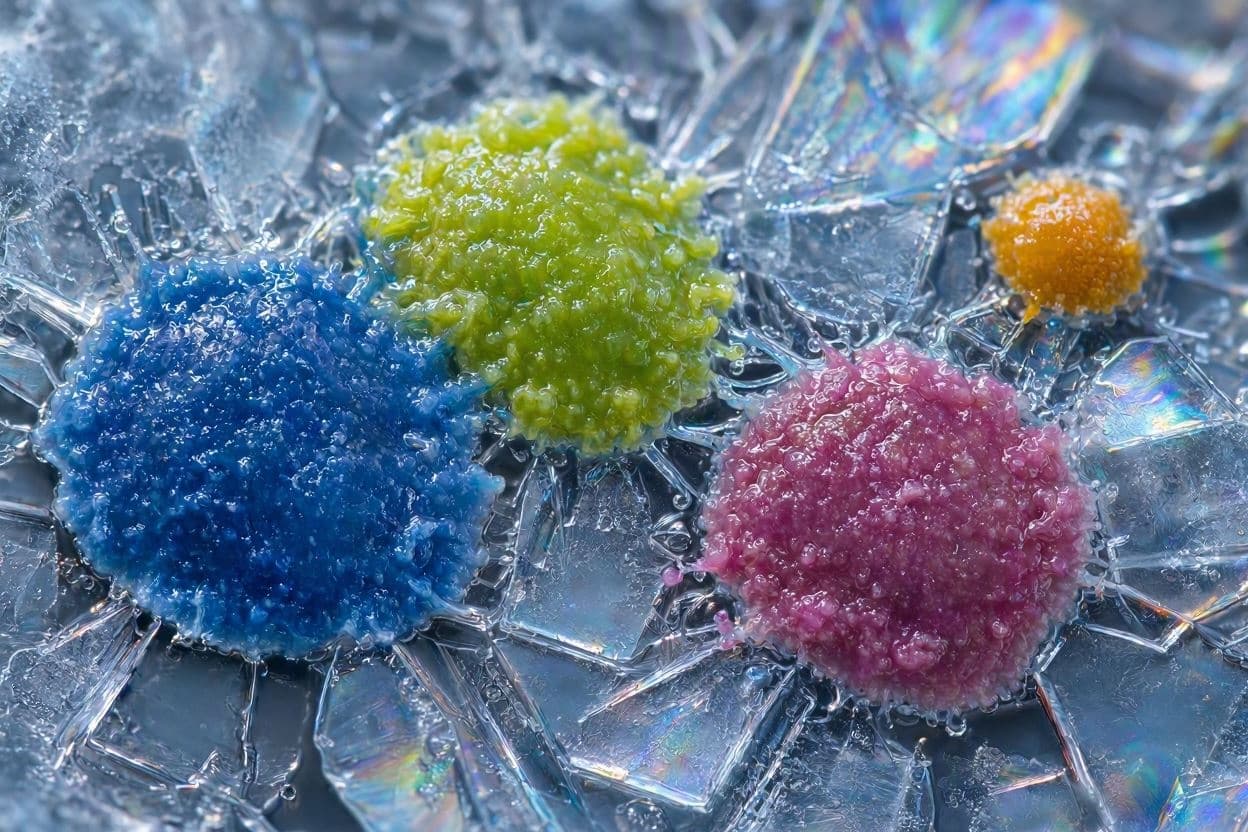
AI Image Disclaimer: The visual elements accompanying this article are AI-generated interpretations designed to illustrate microscopic life and Antarctic landscapes, using clean and natural imagery.
Sources: Nature Microbiology British Antarctic Survey National Science Foundation
Published by Banx Network. This article is part of the Banx decentralized media programme, powered by the BXE token on the XRP Ledger.