France Looks Toward Long-Term Climate Resilience After Extreme Weather Events
France continues developing long-term climate resilience strategies after experiencing increasing pressure from extreme weather events.

France continues developing long-term climate resilience strategies after experiencing increasing pressure from extreme weather events.

France continues improving environmental monitoring systems to better understand and respond to changing climate conditions.

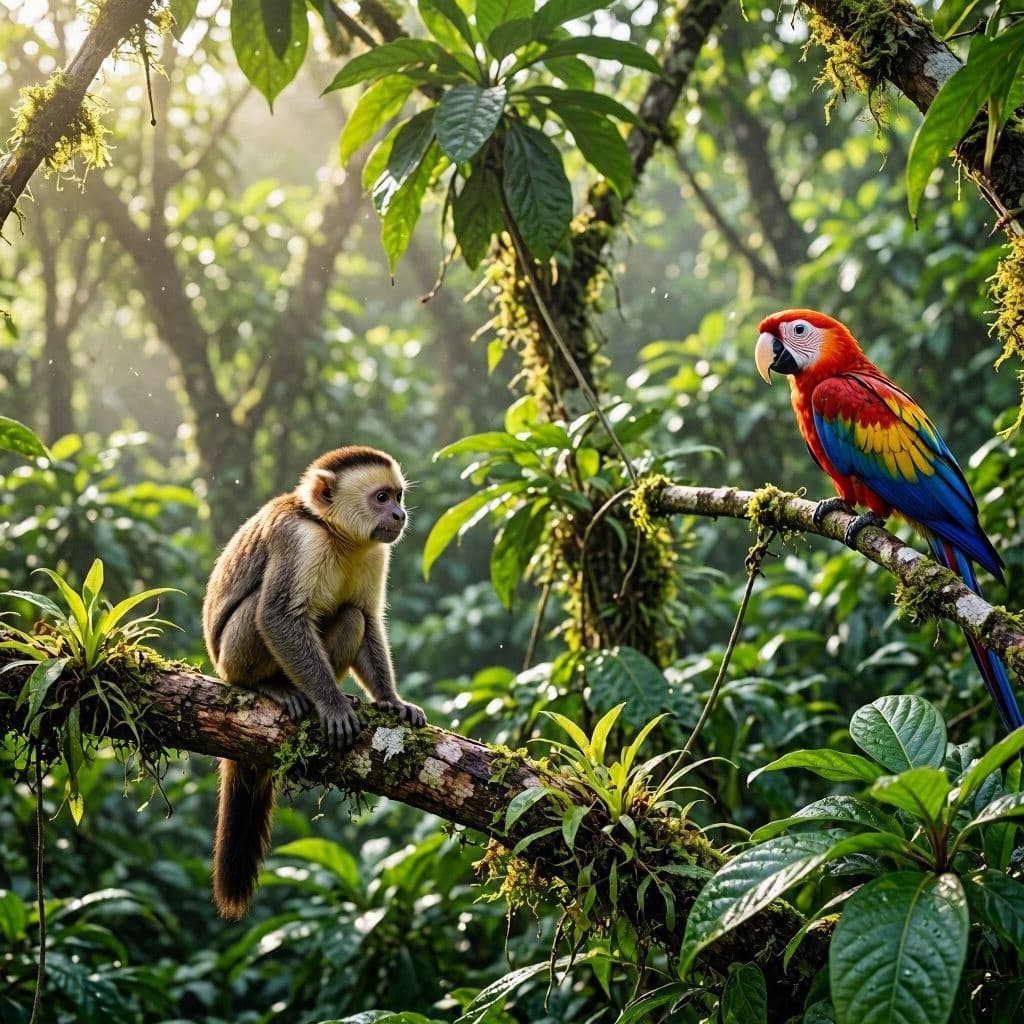
Scientists have discovered a new species of monkey, distinguished by unique physical and genetic traits. The find highlights the importance of conservation and the rich biodiversity remaining in remote habitats.

Scientists believe they have found the "missing matter" of the universe in the form of warm-hot intergalactic gas. This discovery resolves a decades-old cosmological mystery and validates Big Bang models.

Research reveals that seals have a unique ear structure allowing them to equalize pressure during deep dives. This evolutionary adaptation offers insights into marine mammal survival and potential human medical applications.

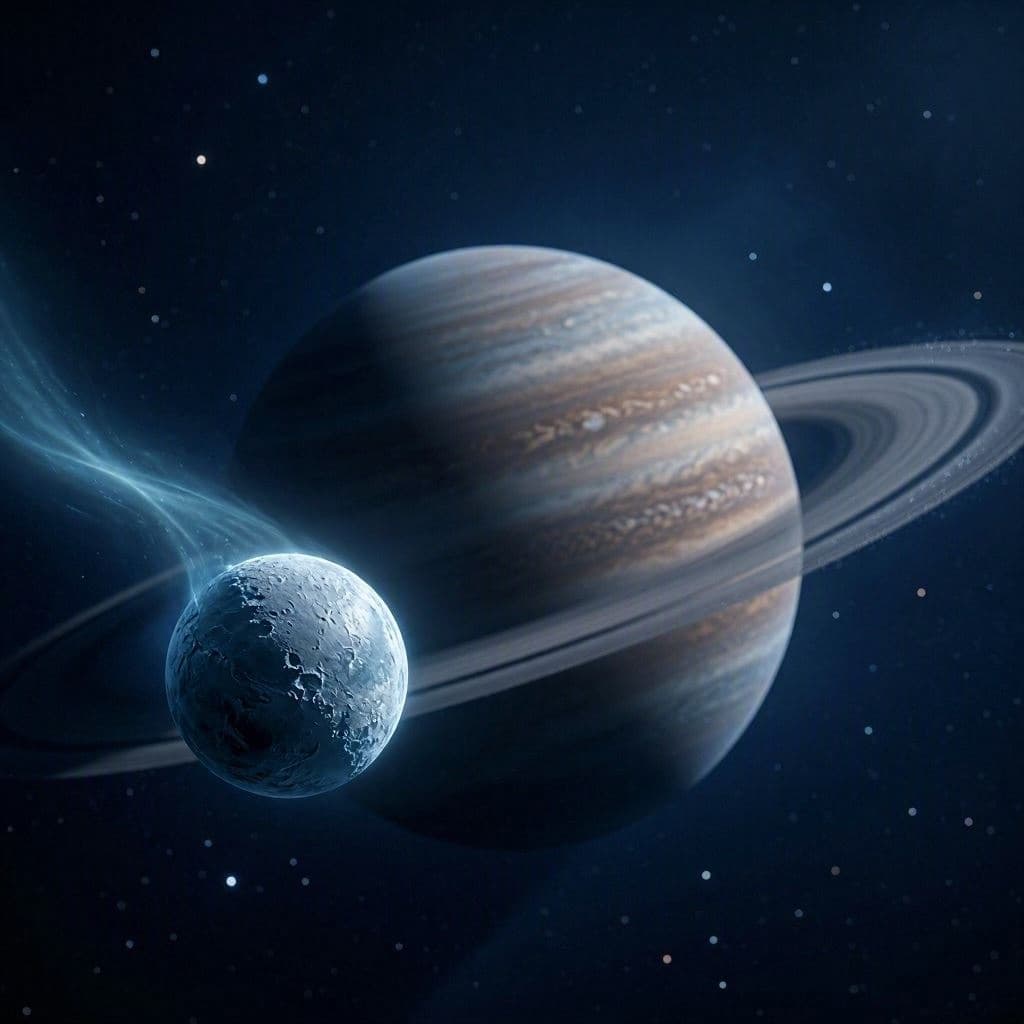
Europa, a moon of Jupiter, likely harbors a subsurface ocean with more water than Earth’s combined oceans, heated by tidal forces. This discovery expands the search for life beyond traditional habitable zones.

Astronomers discovered four nearby white dwarf stars using infrared data. These faint stellar remnants highlight the incompleteness of star catalogs and the value of advanced detection methods.

University astronomers used NASA telescopes to discover a black hole with unusual accretion behavior. The finding challenges existing models and highlights the value of collaborative space science.

Research shows greater gliders are less efficient at gliding than thought, relying on steep descents. Despite this, they remain iconic Australian marsupials, highlighting the need for accurate wildlife observation.

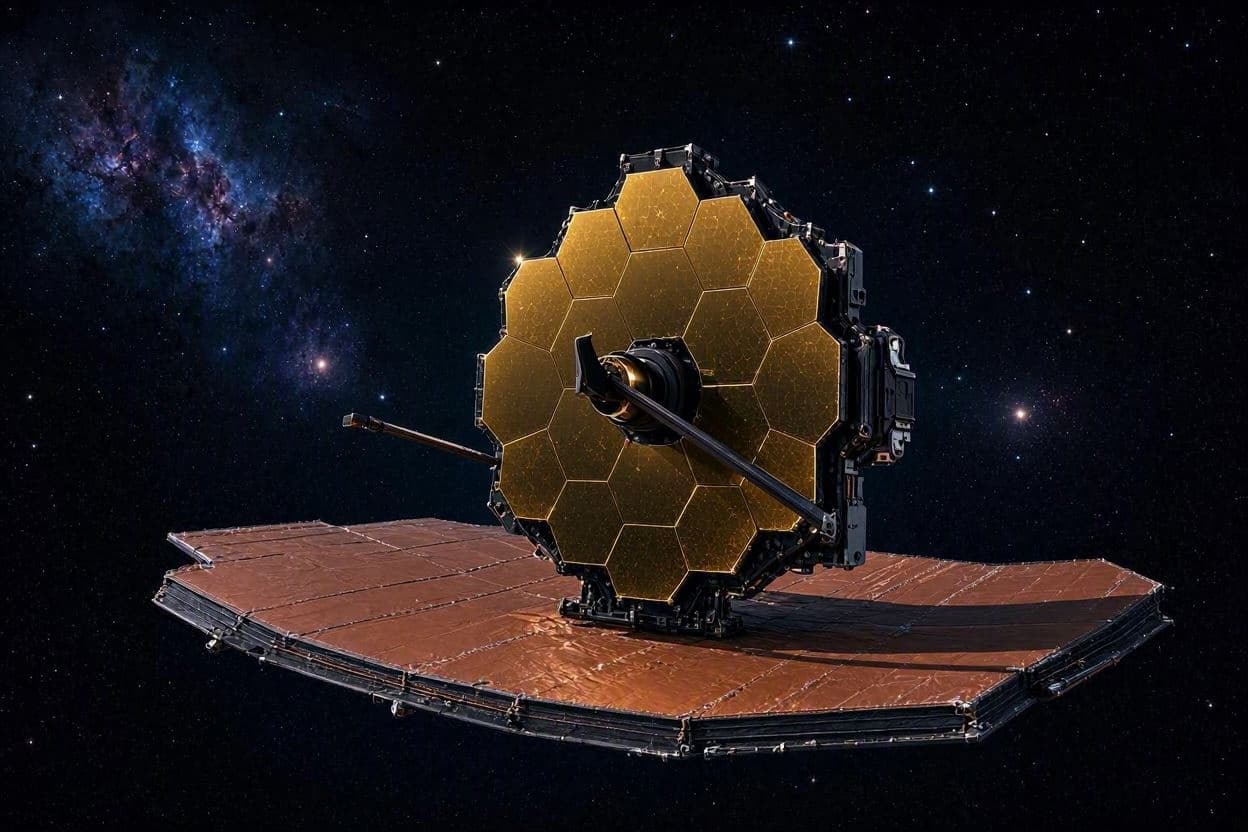
NASA’s Roman Space Telescope will survey the sky to study dark energy and exoplanets. Its wide-field capabilities promise to unlock major cosmic mysteries and inspire future discovery.

Physicists explain the basics of quantum mechanics, including entanglement, which Einstein called "spooky." The article explores how these counterintuitive principles are now verified and applied in modern technology.

The Voyager Grand Tour’s journey to Neptune utilized complex gravity assists, akin to solving the Three-Body Problem. This mission revealed Neptune’s dynamic nature and showcased the power of orbital mechanics.

Voyager 1 discovered a turbulent, porous boundary at the edge of the solar system, challenging models of the heliopause. This finding reveals complex interactions between solar and interstellar magnetic fields.

Satellite imagery from July 15, 2026, captures the flow of Himalayan glaciers. This data is crucial for monitoring climate change impacts and managing water resources for billions of people.

Researchers at Armagh Observatory are studying interstellar chemistry to understand how life began. Their work suggests that the building blocks of life are common in the universe, offering insights into our cosmic origins.

Maynooth University in Kildare will host a public event for the August 2026 solar eclipse, offering safe viewing and expert insights. The celebration aims to foster community engagement and scientific curiosity.

The Perseid meteor shower returns this week, accompanied by the subtle glow of earthshine on the moon. This unique combination offers a beautiful viewing experience, highlighting the interplay of light in our solar system.

New insights reveal sharks are capable of math, have musical preferences, and exhibit complex social behaviors. These facts challenge stereotypes and highlight the intelligence and ecological importance of sharks.

Scientists have detected glycolaldehyde, a simple sugar, in a star-forming region of the Milky Way. This discovery suggests that the building blocks of life are common in the universe and may seed emerging planets.

French farmers continue adapting agricultural practices as changing weather patterns influence crops, water use, and production methods.

France continues improving water management strategies as changing climate conditions create new challenges for communities and ecosystems

Researchers across France continue monitoring biodiversity changes as environmental conditions influence ecosystems and wildlife.

French scientists continue studying the effects of extreme weather patterns to better understand environmental changes and future risks.

Renowned Russian scientist Artem Oganov states that China has become the world’s number one science power, citing its high output and quality of research in key technological fields.