A Hat of Stone: Curiosity Captures Mars’ Sand-Capped Butte
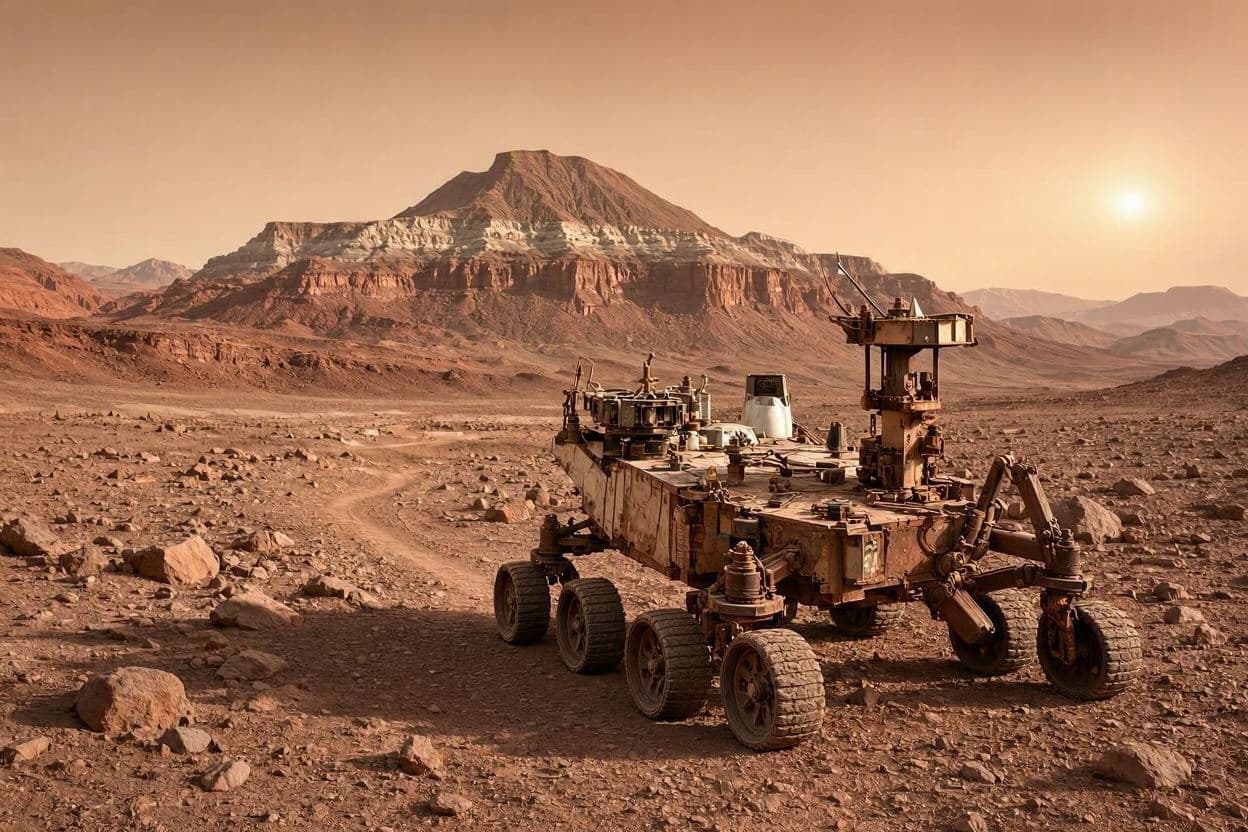
NASA’s Curiosity rover has imaged a sand-capped butte in Gale Crater, offering insights into Mars’ geological history, erosion patterns, and past climate conditions.

NASA’s Curiosity rover has imaged a sand-capped butte in Gale Crater, offering insights into Mars’ geological history, erosion patterns, and past climate conditions.

Australians are invited to witness the spectacular "Buck Moon" rising in July, offering a bright and large lunar display best viewed after sunset in clear, dark skies.

Using data from the James Webb Space Telescope, astronomers are mapping the evolutionary relationships of distant galaxies, creating a "family tree" that traces cosmic history back to the early universe.

Astronomers have discovered that winds from supermassive black holes can reach up to 300,000 light-years, significantly impacting galaxy evolution and star formation.

A new study identifies the gene responsible for the daily sex change in avocado flowers, offering insights into pollination mechanics and potential improvements in crop breeding.

Scientists have created the first complete map of the Great Barrier Reef’s microbiome, identifying key microbial communities that influence coral health and resilience against climate stress.

Exceptionally preserved fossils of a marine reptile have revealed soft tissues including the heart and lungs, offering new insights into their metabolism and diving abilities.

A new trace additive allows PLA bioplastics to break down efficiently in home composting systems, addressing a major limitation of current biodegradable materials and promoting sustainable waste management.

NASA’s ESCAPADE mission has captured impressive images of Earth and the Moon during a gravity assist maneuver, providing both scientific data and a breathtaking view of our home.

Researchers studying marmots have turned to OnlyFans to fund their work after facing grant shortages, using the platform to share educational content and raise conservation awareness.

Physicists have discovered a previously unknown substance formed during the Hiroshima atomic bombing, offering new insights into nuclear physics and historical forensics.

Astronomers have confirmed the presence of a companion star orbiting the red supergiant Betelgeuse, resolving a long-standing mystery about the star’s behavior.

NASA’s Nancy Grace Roman Space Telescope is set to launch, promising a wide-field view of the universe to study dark energy and discover exoplanets.

Scientists have observed the deep ocean floor tearing apart in real time, providing unprecedented data on seafloor spreading and tectonic plate mechanics.

An abandoned Falcon 9 rocket stage is predicted to impact the Moon on August 5, 2026, raising discussions about space debris and sustainable exploration.

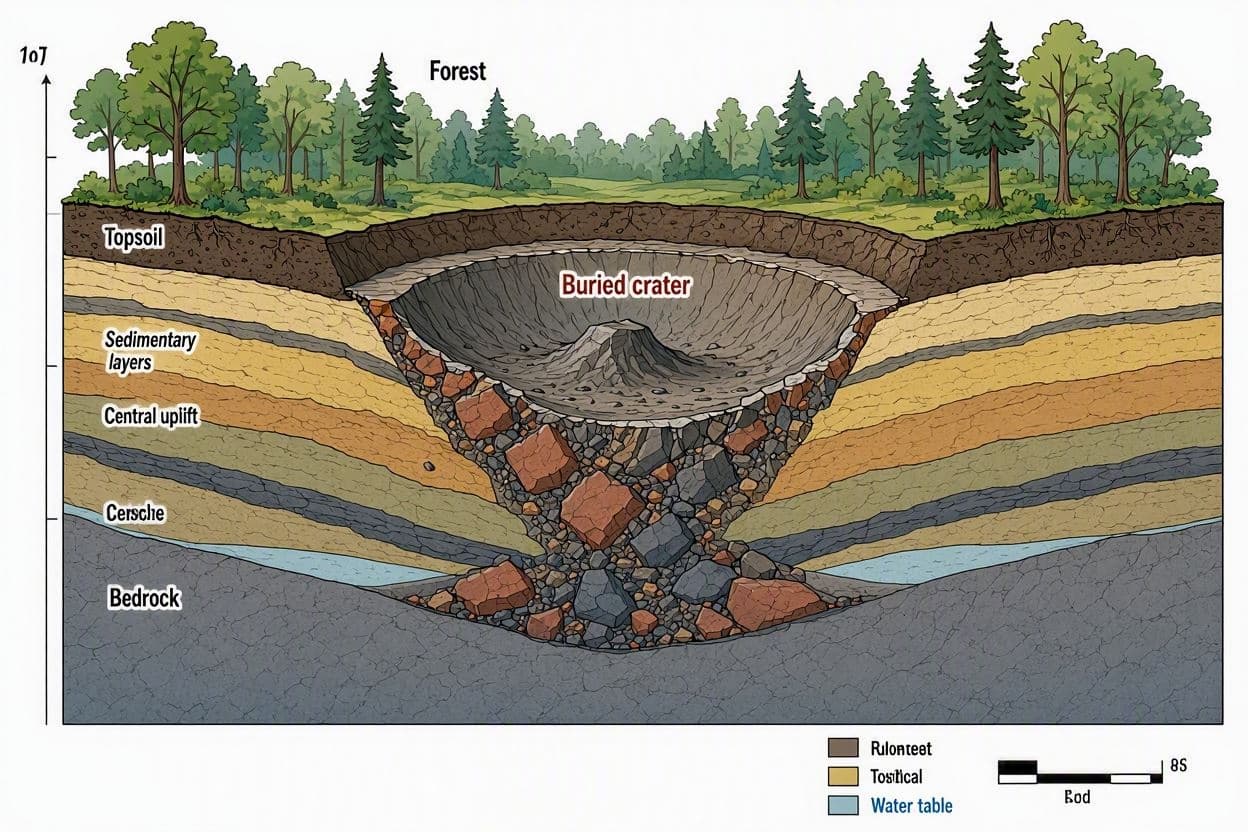
Amateur astronomer Joël Lapointe discovered a 390-million-year-old meteorite crater in Quebec using Google Maps, demonstrating the potential of citizen science.

Health units have issued warnings after detecting West Nile virus in local mosquito traps, urging residents to take preventive measures against bites.

A rare meteor shower is expected to provide one of the best sky shows in years, with high activity levels and dark skies enhancing visibility for observers.

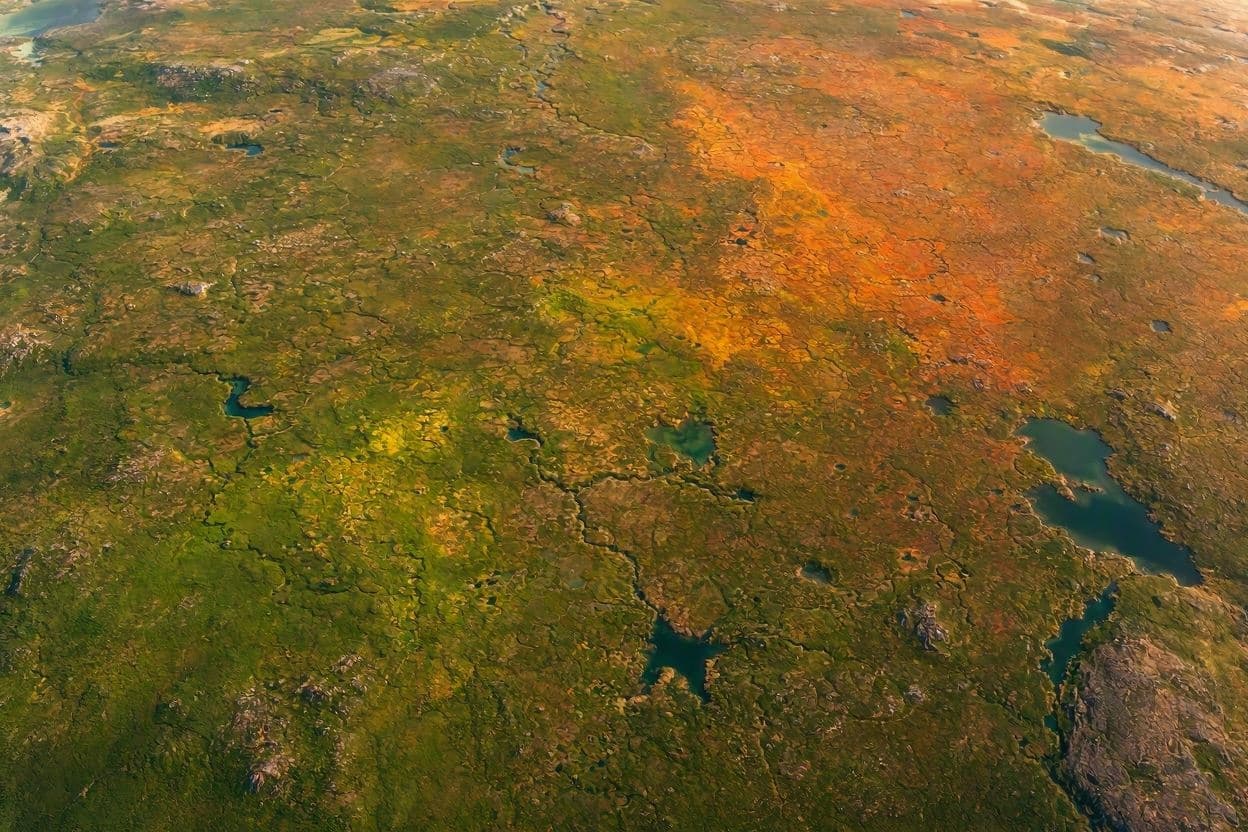
Residents of Nain, Labrador, are facing infrastructure challenges as thawing permafrost shifts the ground beneath their community, highlighting the impacts of climate change.

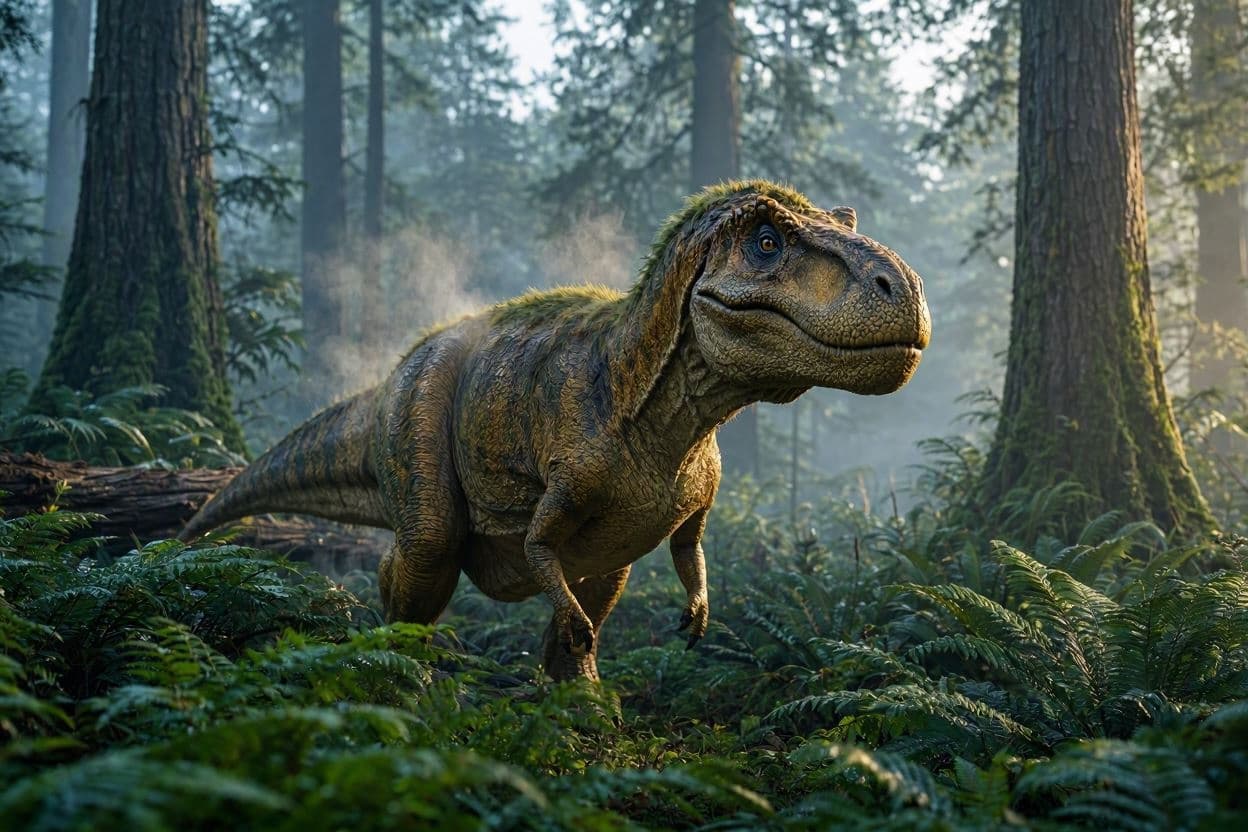
Scientists suggest that dinosaurs were killed by intense thermal radiation trapped by asteroid dust, effectively roasting them alive shortly after the impact.

July’s full Buck Moon peaks on July 29, offering a spectacular view for observers who look to the southeastern sky after sunset.

A stunning daylight photo captures the International Space Station passing near Venus, showcasing a rare celestial conjunction and the beauty of space observation.

NASA’s gravity-based models reveal Earth’s true geoid shape, an irregular form that reflects variations in mass and gravity, crucial for climate and ocean studies.

Astronomers have captured the clearest image yet of a suspected companion star orbiting the red supergiant Betelgeuse, resolving a long-standing mystery.