
In the quiet layers of ancient rock, history waits to be read. For decades, the origin of starfish, those iconic five-armed echinoderms, was shrouded in mystery. Fossils from the Cambrian period were scarce, leaving gaps in our understanding of how these creatures evolved. But a remarkable discovery of half-billion-year-old fossils has begun to fill those voids, rewriting the narrative of starfish ancestry and revealing a surprising connection to their modern relatives.
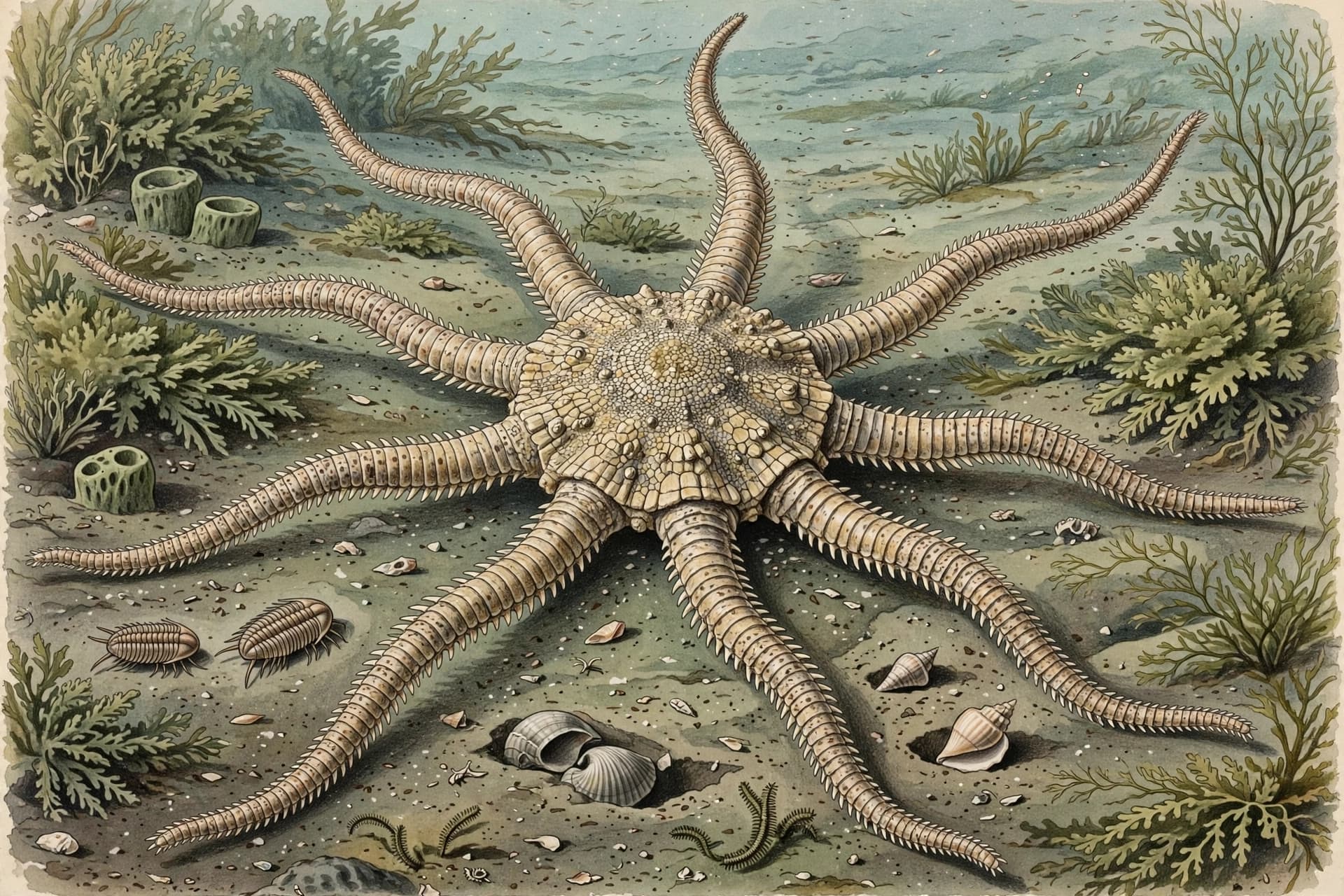
The fossils, found in Morocco and dated to approximately 480 million years ago, belong to a species named Cantabrigia asteris. Unlike modern starfish, this ancient creature had a more complex body plan, with multiple arms and a distinct central disc. However, detailed analysis using advanced imaging techniques revealed that its internal structure shared key features with today’s starfish, particularly in the arrangement of its water vascular system. This system, used for movement and feeding, is a defining characteristic of the group.
This discovery pushes back the timeline for the emergence of starfish-like features, suggesting that the basic body plan evolved earlier than previously thought. It challenges the idea that starfish appeared suddenly in the fossil record, instead pointing to a gradual evolution from more complex ancestors. The find provides a missing link between early echinoderms and the streamlined forms we see today, offering a clearer picture of evolutionary progression.
For paleontologists, the significance lies in the detail preserved in the fossils. The soft tissues and internal structures, rarely fossilized, were captured in exquisite detail due to the unique conditions of the burial site. This allowed researchers to reconstruct the animal’s anatomy with high precision, confirming its place in the starfish family tree. It is a testament to the power of modern technology in unlocking ancient secrets.
The implications extend beyond starfish to the broader understanding of echinoderm evolution. Sea urchins, sea cucumbers, and sand dollars all share a common ancestor, and understanding one group helps clarify the history of others. The new findings suggest that the diversification of these animals was driven by changes in their feeding strategies and mobility, adaptations that allowed them to thrive in changing marine environments.
Moreover, the discovery highlights the importance of exploring less-studied regions for fossil evidence. Morocco, known for its rich Cambrian deposits, continues to yield surprises that reshape our knowledge of early life. It reminds us that the Earth’s history is written in stone, waiting for curious minds to decipher it. Each new find adds a piece to the puzzle of life’s origins.
As we reflect on this ancient starfish, we are reminded of the continuity of life. The creatures that crawled across the sea floor half a billion years ago are distant cousins of the ones we find on beaches today. Their survival and adaptation speak to the resilience of life in the face of environmental change. It is a story of persistence, written in calcium carbonate and time.
In the end, the rewriting of the starfish origin story is a celebration of scientific progress. It shows how patience, technology, and collaboration can illuminate the dark corners of the past. By understanding where these creatures came from, we gain a deeper appreciation for the diversity and complexity of life on Earth.
AI Image Disclaimer: The visual aids included here are AI-generated illustrations of prehistoric marine life and fossil reconstructions, not actual photographs of the specific fossils.
Published by Banx Network. This article is part of the Banx decentralized media programme, powered by the BXE token on the XRP Ledger.



