Hungary to Shut Sole Nuclear Plant for First Time on Sunday as Danube Water Levels Hit Lows
Hungary plans to shut its lone nuclear plant on Sunday after record-low Danube water levels forced it offline.

Hungary plans to shut its lone nuclear plant on Sunday after record-low Danube water levels forced it offline.

August 2026 features a partial solar eclipse on the 12th and a partial lunar eclipse on the 27th–28th, offering skywatchers in various regions a chance to observe these celestial events.

Boeing’s Starliner, initially intended for crew transport, faced technical issues leading to an uncrewed return, requiring SpaceX to rescue the astronauts, highlighting the importance of redundancy in space missions.

To safely watch the August 2026 total solar eclipse, viewers must use ISO-certified eclipse glasses or indirect methods like pinhole projectors, avoiding direct sunlight exposure except during totality.

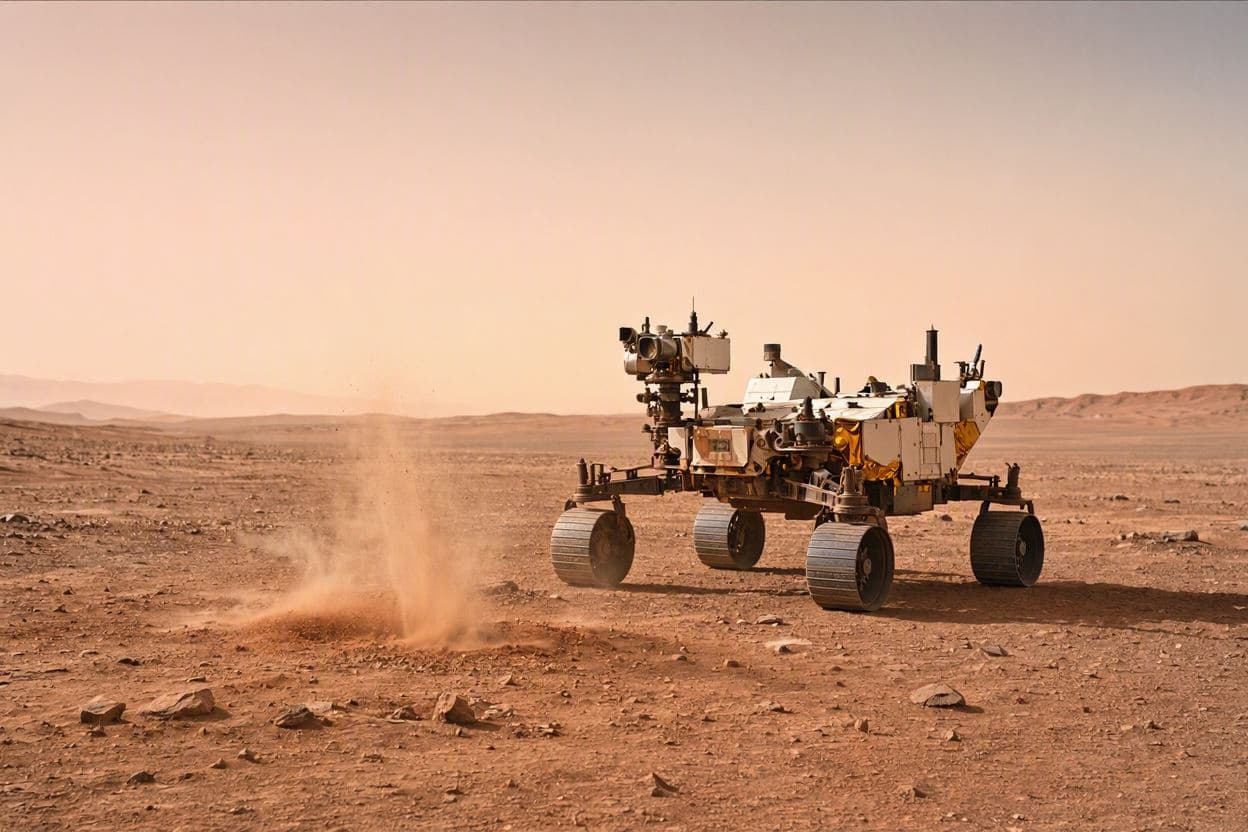
NASA’s Curiosity rover discovered a vast field of polygon-shaped formations on Mars, offering new clues about the planet’s ancient geological history.

The Southern Delta Aquariids and Alpha Capricornids meteor showers will peak together, offering skywatchers a chance to observe bright meteors without special equipment.

Scientists use ancestral recombination graphs to uncover ancient genetic exchanges between modern humans and archaic hominins preserved in DNA.

Astronomers discovered the first known three-lobed asteroid with a small moon, offering new insights into asteroid formation and cosmic evolution.

A Tulane University study explores how bats manage viral infections, revealing immune mechanisms that help them tolerate viruses without severe illness.

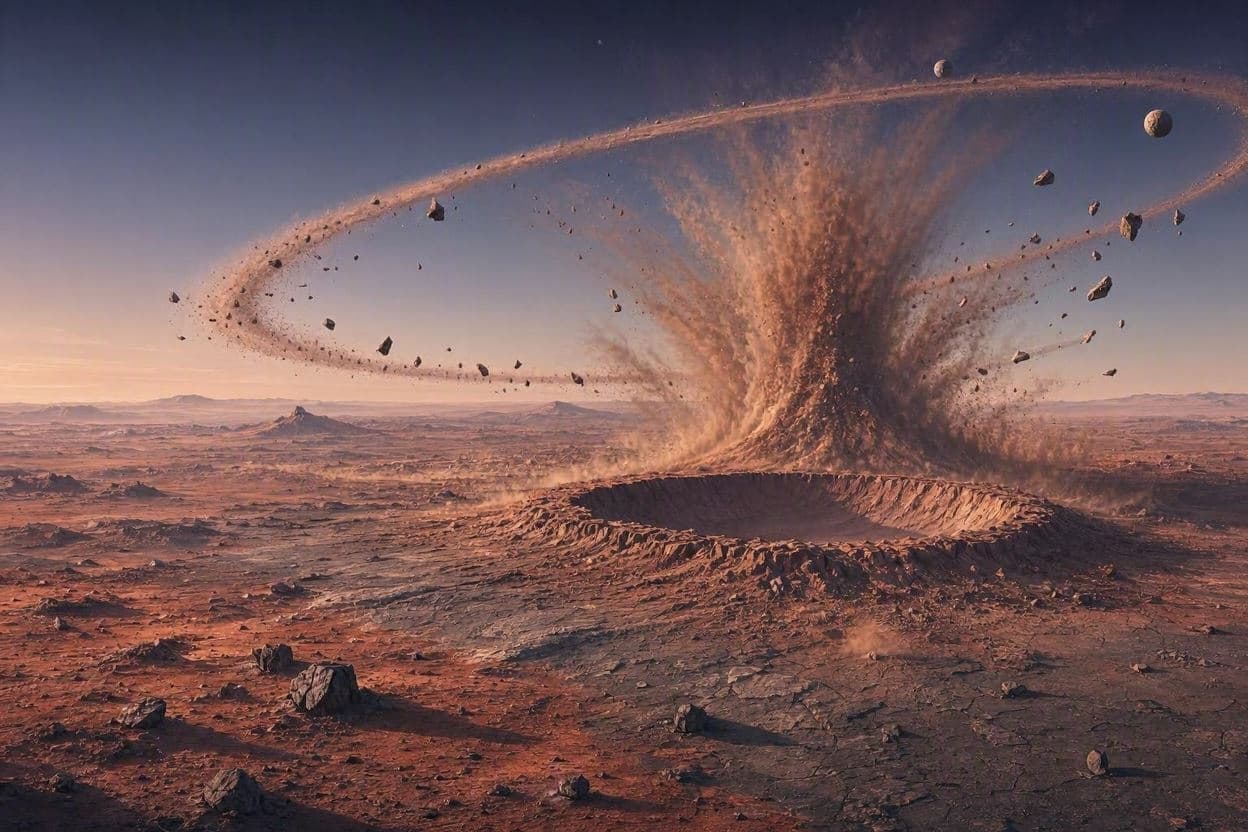
Scientists explain how the world would respond if a massive asteroid threatened Earth, highlighting detection, international cooperation, planetary defense, and emergency planning.

Scientists found evidence that an ancient nearby supernova left radioactive traces on Earth, revealing how stellar explosions can influence our planet without causing a confirmed mass extinction.

Scientists identified six previously unknown submarine volcanoes off southwestern Sicily, providing new insight into Mediterranean tectonics and ancient volcanic activity.

Scientists identified Nagatitan chaiyaphumensis, the largest dinosaur found in Southeast Asia, providing new insights into giant sauropod evolution during the Early Cretaceous.

NASA previewed three upcoming ISS spacewalks that will upgrade power systems, replace communications hardware, and support continued station operations.

Astronomers confirmed an atmosphere around the rocky exoplanet LHS 1140 b, marking a milestone in the search for potentially habitable worlds without providing evidence of life.

Researchers demonstrate that measurement-based feedback can create nonlinear behavior in photonic circuits, opening new opportunities for adaptive optical technologies and future photonic computing.

A laboratory study found that cigarette smoke extract increased the vulnerability of human airway cells to nanoplastic exposure, highlighting the need for further research into combined environmental risks.

A rare Cretaceous fossil preserves multiple marine predators within one another, providing scientists with exceptional evidence of ancient ocean food webs.

JWST has detected possible signs of heavy water on a distant exoplanet, offering scientists new insights into planetary formation and atmospheric evolution.

The FCC approved Reflect Orbital's experimental space mirror satellite, prompting debate over whether current national and international laws adequately regulate artificial light in Earth's orbit.

NASA's Curiosity rover discovered a vast field of honeycomb-like polygonal fractures in Valle Grande, offering new clues about ancient water and geological processes on Mars.

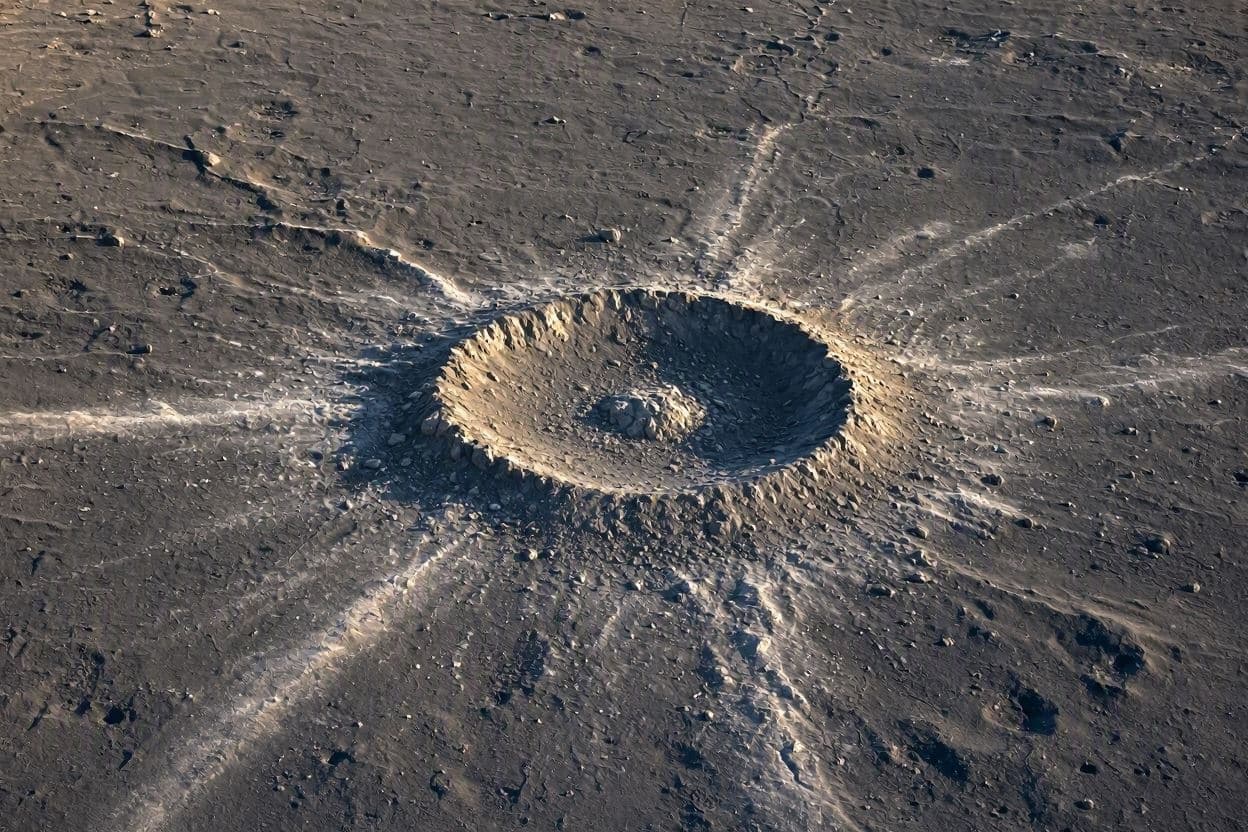
A spent SpaceX Falcon 9 upper stage is expected to strike the Moon on August 5, 2026, providing scientists with a rare opportunity to observe an artificial lunar impact.

NASA's Astronomy Picture of the Day has showcased a different astronomy image every day since 1995, combining scientific explanations with remarkable views of the universe.

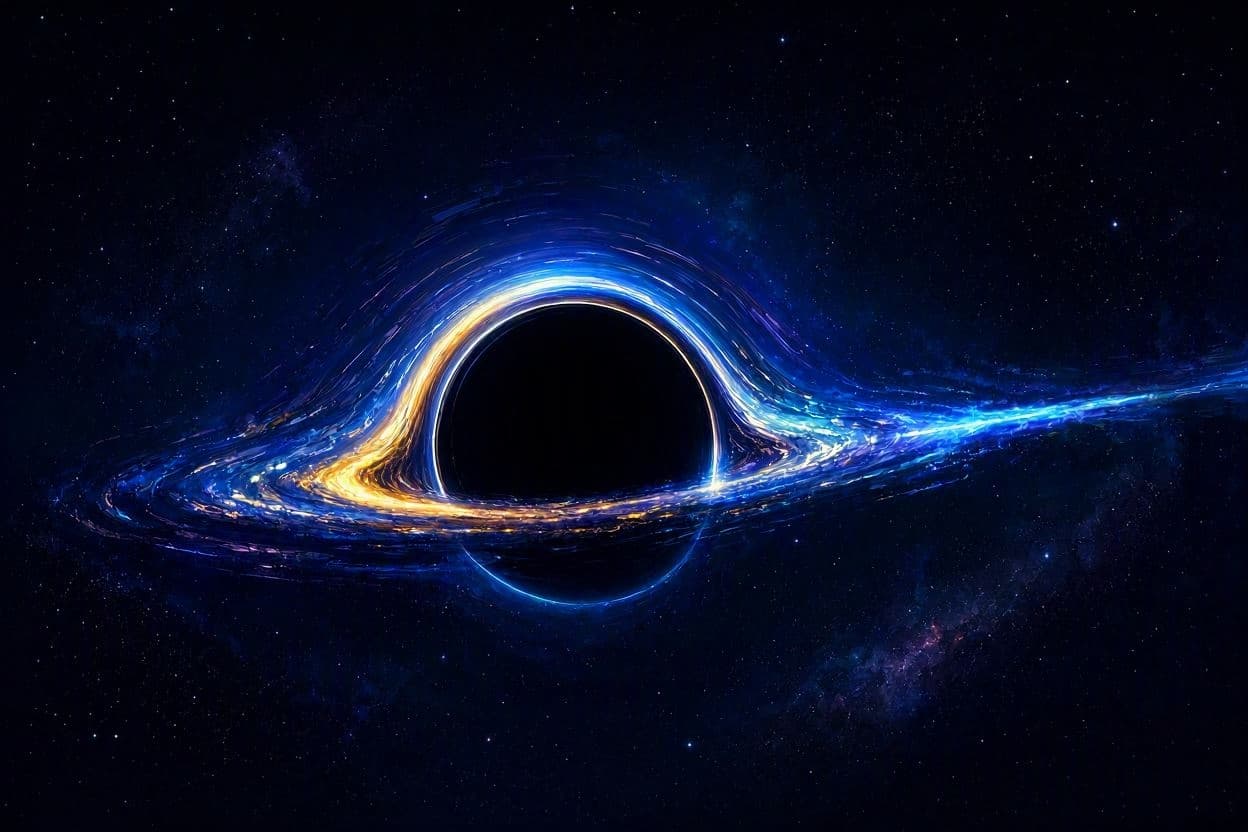
Astronomers found that some supermassive black holes emit delayed radio outbursts years after consuming stars, revealing new details about tidal disruption events and black hole evolution.