
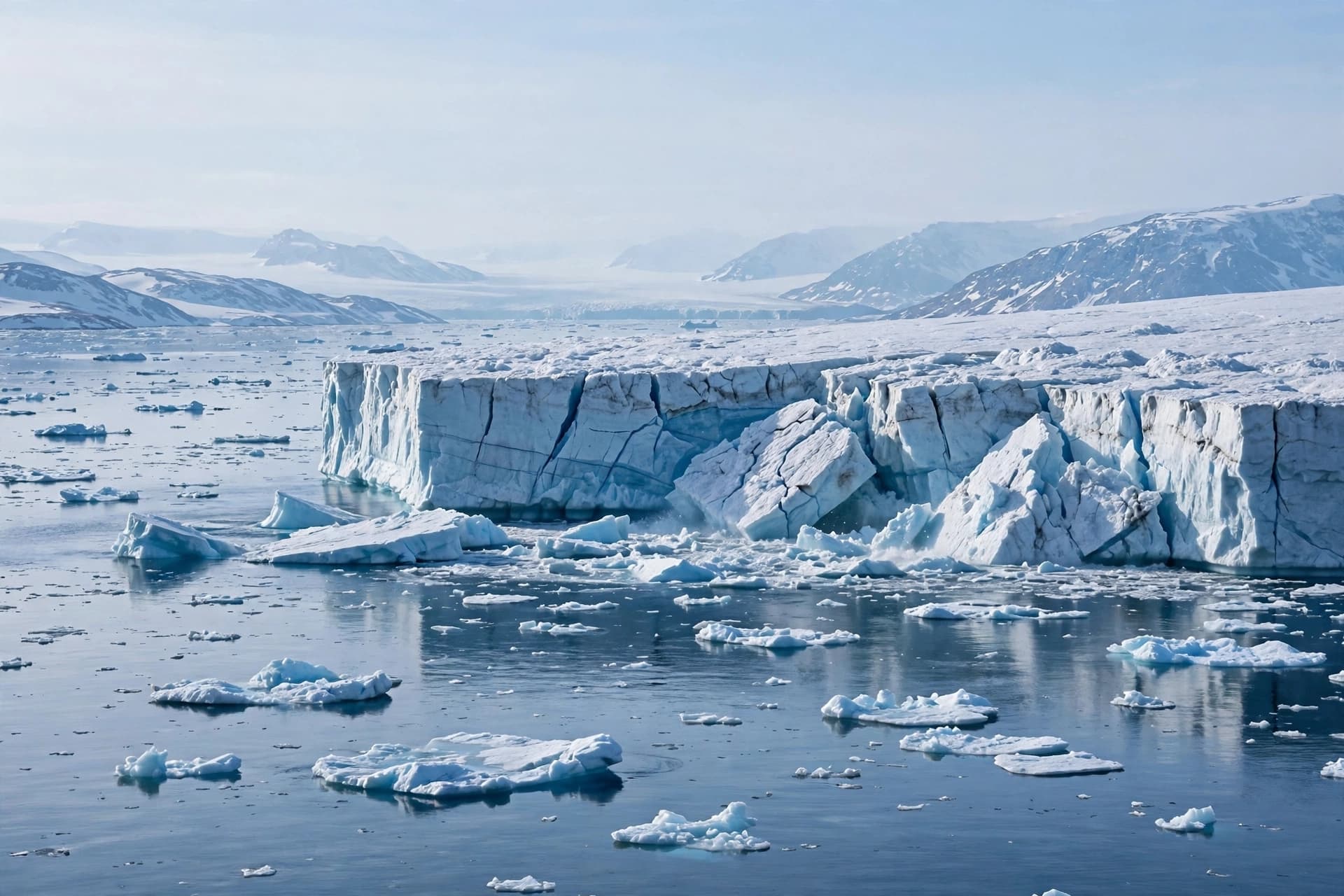
In the remote and icy reaches of the Canadian Arctic, there existed a rare and delicate natural wonder: an epishelf lake. These unique bodies of freshwater float atop denser saltwater, held in place by a thick ice shelf that acts as a dam. For thousands of years, the Milne Fiord epishelf lake on Ellesmere Island remained intact, a testament to the stability of the polar climate. But recent studies confirm what scientists have feared for years: this last remaining example in Canada has vanished, drained into the ocean following the collapse of its icy barrier.
The disappearance is not a temporary fluctuation but a permanent loss. The Milne Ice Shelf, which had served as the container for this freshwater ecosystem, suffered a major calving event in 2020, losing nearly half of its mass in just two days. Without this crucial plug, the freshwater layer slowly leaked out into the Arctic Ocean, mixing with the saltwater and destroying the distinct stratification that defined the lake. Researchers who returned to the site in recent years found only open water where the lake once stood.
This event marks the end of an era for Arctic hydrology. Epishelf lakes are incredibly rare globally, with only a few known examples in Antarctica and Greenland. Their existence depends on a precise balance of temperature and ice thickness, conditions that are becoming increasingly unstable in a warming world. The loss of the Milne Fiord lake is a stark indicator of how rapidly the Arctic environment is changing, shifting from a state of relative permanence to one of dynamic and often irreversible transformation.
The ecological implications are profound. These lakes supported unique microbial communities adapted to the specific conditions of low salinity and limited light. With the lake gone, these specialized ecosystems have been wiped out, reducing biodiversity in an already fragile region. Scientists describe it as the loss of a living laboratory, a natural archive that offered insights into how life survives in extreme environments. Its absence leaves a gap in our understanding of polar ecology.
For the Inuit communities and researchers who have long studied the area, the change is both scientific and cultural. The landscape they knew is altering before their eyes, with consequences for local wildlife and traditional ways of life. The melting ice affects hunting patterns and travel routes, forcing adaptations that are difficult and costly. The vanishing lake is a visible symbol of the broader disruptions affecting the North.
Climate models had predicted such losses, but witnessing them firsthand brings a somber reality. The speed of the ice shelf’s collapse exceeded many expectations, highlighting the non-linear nature of climate change. Small changes in temperature can trigger large, sudden shifts in glacial structures, leading to rapid environmental degradation. This event serves as a warning for other ice shelves around the world that may be nearing their tipping points.
Efforts to monitor the remaining ice shelves in the Arctic have intensified, with satellites and ground-based sensors tracking their stability. However, the technology can only observe; it cannot reverse the trend. The focus now shifts to understanding the cascading effects of these losses on global sea levels and ocean circulation. Each melted ice shelf contributes to a complex web of climatic feedback loops that affect the entire planet.
As we reflect on the loss of the Milne Fiord epishelf lake, we are reminded of the fragility of our natural world. It is a quiet tragedy, unfolding far from the public eye, yet significant in its message. The lake is gone for good, a permanent reminder of the cost of a warming planet and the urgent need for global action to protect what remains.
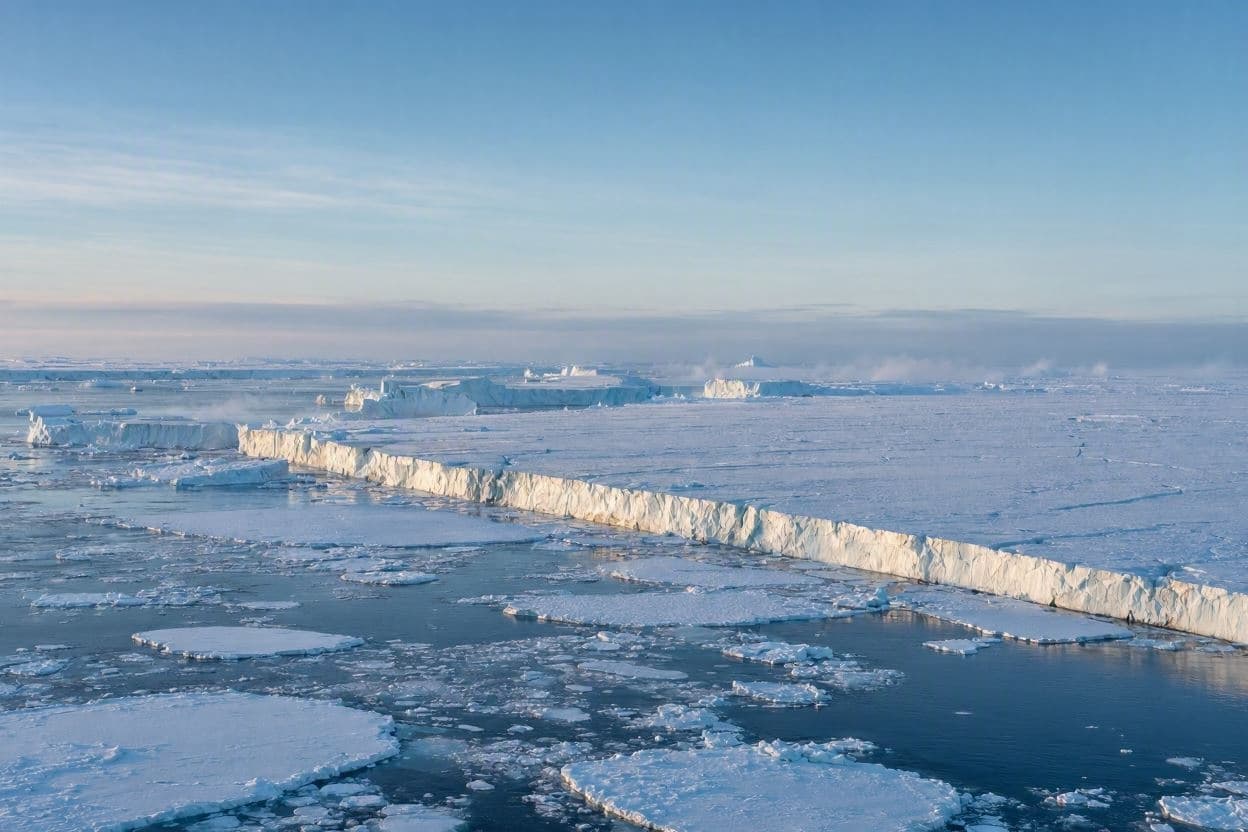
AI Image Disclaimer: The visual representations included here are AI-generated illustrations designed to depict Arctic landscapes and glacial features, not actual satellite imagery or photographs of the specific site.
Sources: CBC News Phys.org IFLScience
Published by Banx Network. This article is part of the Banx decentralized media programme, powered by the BXE token on the XRP Ledger.

.jpg&w=3840&q=75 "New Wild Cat Species Identified for First Time in 100 Years, Researchers Say")