In the serene landscapes of northeastern British Columbia, where lakes mirror the vast sky and mountains stand as silent sentinels, a quiet struggle is unfolding beneath the surface. For years, residents and boaters in communities like Fort St. John and Dawson Creek have watched as thick mats of aquatic weeds choked the waters of Charlie Lake and Swan Lake. These invasive plants, while natural in moderation, have grown to nuisance levels, impeding recreation, altering ecosystems, and frustrating those who cherish these local treasures. Now, a new approach is being tested to restore balance to these watery realms.
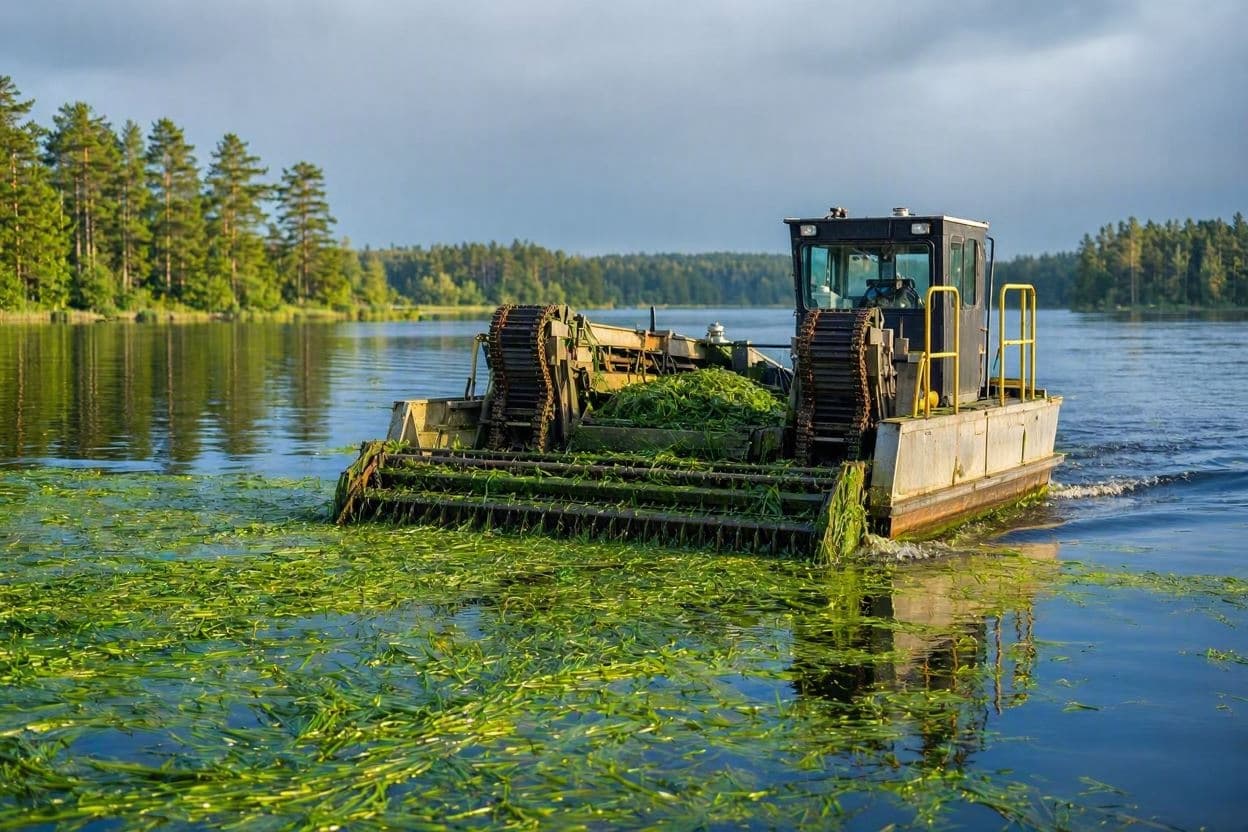
The Peace River Regional District has launched a two-year pilot project aimed at mechanically harvesting these excessive aquatic plants. Unlike chemical treatments, which can have broader ecological impacts, mechanical harvesting involves using specialized equipment to cut and remove the vegetation from the water column. This method is seen as a more targeted and environmentally friendly solution, allowing for the removal of biomass without introducing foreign substances into the delicate lake ecosystems. It is a hands-on effort to reclaim the clarity and usability of the water.
For locals, the presence of these weeds has been more than an aesthetic issue. The dense growth makes swimming difficult, clogs boat propellers, and can create unpleasant odors as the plants decay. In some areas, the weeds have become so thick that they alter the flow of water and affect fish habitats. The pilot project aims to alleviate these pressures, providing relief to residents who have long dealt with the encroaching greenery. It is a response to a community’s desire for cleaner, more accessible waterways.
The selection of Charlie Lake and Swan Lake for this pilot is strategic. These bodies of water are central to local life, serving as hubs for fishing, boating, and summer leisure. By focusing efforts here, authorities hope to demonstrate the effectiveness of mechanical harvesting and gather data that could inform future management strategies across the region. The two-year timeline allows for seasonal variations to be accounted for, ensuring a comprehensive understanding of the weed cycles.
Environmental experts note that while harvesting provides immediate relief, it is not a permanent cure. Aquatic plants play a vital role in oxygenating water and providing habitat for wildlife. The goal is not eradication but management—keeping the growth at levels that are compatible with human use and ecological health. This balanced approach requires ongoing monitoring and adjustment, recognizing that nature is dynamic and responsive.
The project also highlights the challenges of managing shared resources in a changing climate. Warmer temperatures and nutrient runoff can accelerate plant growth, making maintenance more demanding. By investing in mechanical solutions, the regional district is adapting to these new realities, seeking sustainable ways to preserve the quality of local lakes. It is a proactive step toward environmental stewardship.
Community feedback will be crucial in evaluating the pilot’s success. Residents are encouraged to report changes in water quality and weed density, helping officials refine their techniques. This collaborative model ensures that the voices of those most affected are heard, fostering a sense of ownership and partnership in the preservation process. It transforms a technical intervention into a community endeavor.
As the harvesters begin their work, there is hope that the lakes will return to their former clarity. The pilot represents a commitment to maintaining the natural beauty and utility of northeastern B.C.’s waterways. By addressing the weed problem with care and precision, the region is taking a significant step toward a healthier, more vibrant aquatic environment.
AI Image Disclaimer: The visual representations included here are AI-generated illustrations designed to depict lake environments and mechanical harvesting concepts, not actual photographs of the specific operations in Charlie or Swan Lake.
Sources: CBC News Peace River Regional District Yahoo News
Published by Banx Network. This article is part of the Banx decentralized media programme, powered by the BXE token on the XRP Ledger.