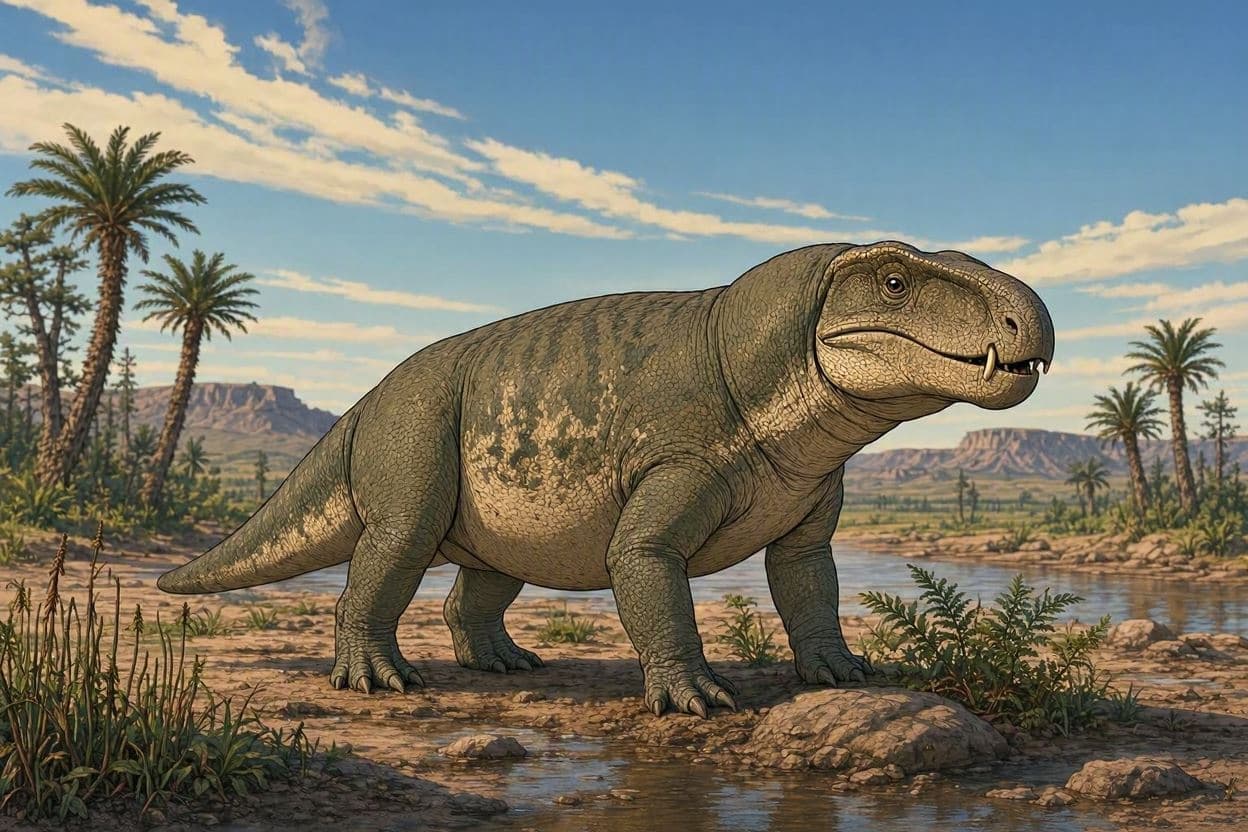
In the red soils of Tanzania, a discovery has emerged that promises to rewrite the early chapters of dinosaur history. Scientists have identified a new species of prehistoric animal, Dinodontosaurus isiyavamanda, dating back 240 million years. This find is not just another addition to the fossil record; it serves as a crucial link in the evolutionary chain, helping researchers refine the timeline of when and how dinosaurs rose to dominance. It is a reminder that the past is always yielding new secrets.
The species belongs to a group of archosaurs, the broader family that includes dinosaurs, crocodiles, and their relatives. By analyzing the fossils, researchers from the University of Bristol and other institutions have determined that Dinodontosaurus lived during a period that was previously poorly understood. Its existence helps fill a gap in the Triassic period, a time of significant ecological change following the mass extinction that ended the Permian era. This context is vital for understanding the conditions that allowed dinosaurs to thrive.
The discovery challenges existing models of dinosaur origins, which often rely on fragmented evidence from South America and other regions. With a South American link emerging, the findings suggest that early archosaurs were more widespread and diverse than previously thought. This global distribution implies that the evolutionary pressures shaping dinosaurs were complex and varied across different continents. It paints a picture of a dynamic world in flux.
For paleontologists, the significance lies in the precision of the dating. By refining the age of Dinodontosaurus, scientists can better correlate fossil finds from different parts of the world. This synchronization allows for a more accurate reconstruction of evolutionary events, such as the emergence of key traits like bipedalism or changes in diet. It turns isolated discoveries into a coherent narrative of life’s history.
The name isiyavamanda reflects the local heritage and the collaborative nature of the research. It honors the communities in Tanzania that have supported scientific exploration in the region. This cultural connection underscores the importance of inclusive science, where local knowledge and international expertise work together to uncover the past. It is a model for future discoveries in other parts of the world.
As the study of Dinodontosaurus continues, it may lead to further revisions of the dinosaur family tree. Each new species adds depth to our understanding of how life adapted to changing environments. The resilience of these ancient creatures offers insights into the mechanisms of survival and evolution, themes that remain relevant in the face of modern biodiversity challenges.
For the public, the discovery is a testament to the enduring mystery of the natural world. It reminds us that even after centuries of exploration, there are still new species to be found and stories to be told. The excitement of such finds inspires curiosity and a deeper appreciation for the history of life on Earth. It invites us to look at the ground beneath our feet with new eyes.
In the end, Dinodontosaurus isiyavamanda is more than a fossil; it is a key to unlocking the past. By reshaping the timeline of dinosaur evolution, it helps us understand our own place in the long arc of biological history. It is a humble yet profound contribution to the grand story of life.
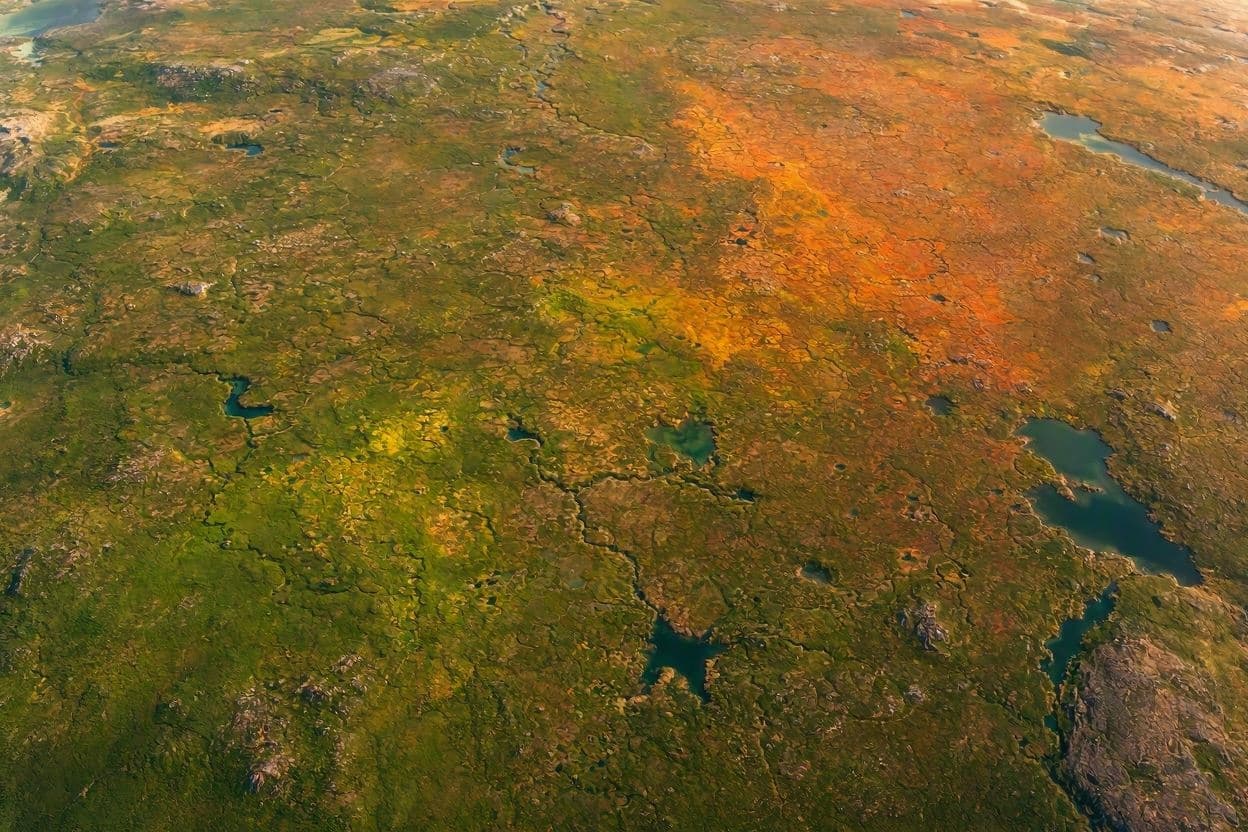
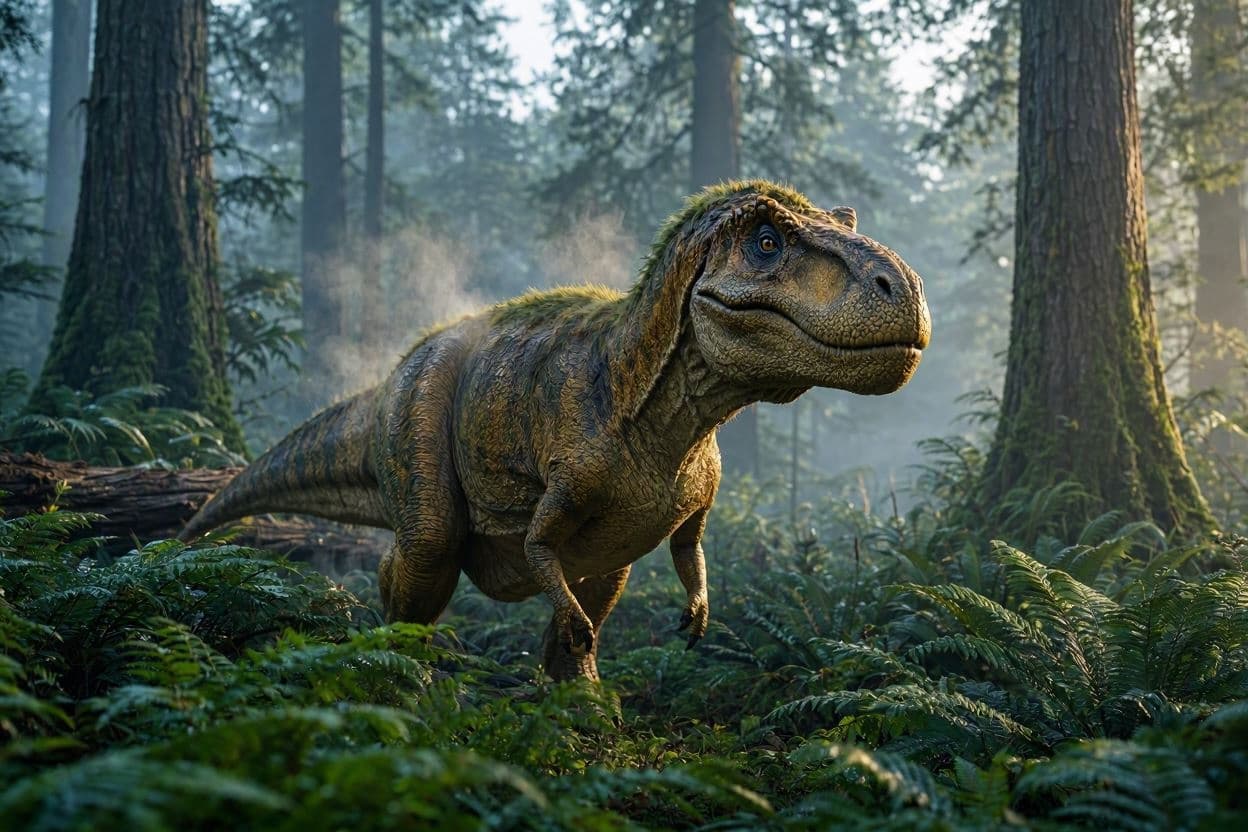
AI Image Disclaimer: The visual aids included here are AI-generated illustrations of prehistoric animals and fossil sites, not actual photographs of the specific Dinodontosaurus fossils.
Sources: Phys.org University of Bristol CTV News
Published by Banx Network. This article is part of the Banx decentralized media programme, powered by the BXE token on the XRP Ledger.