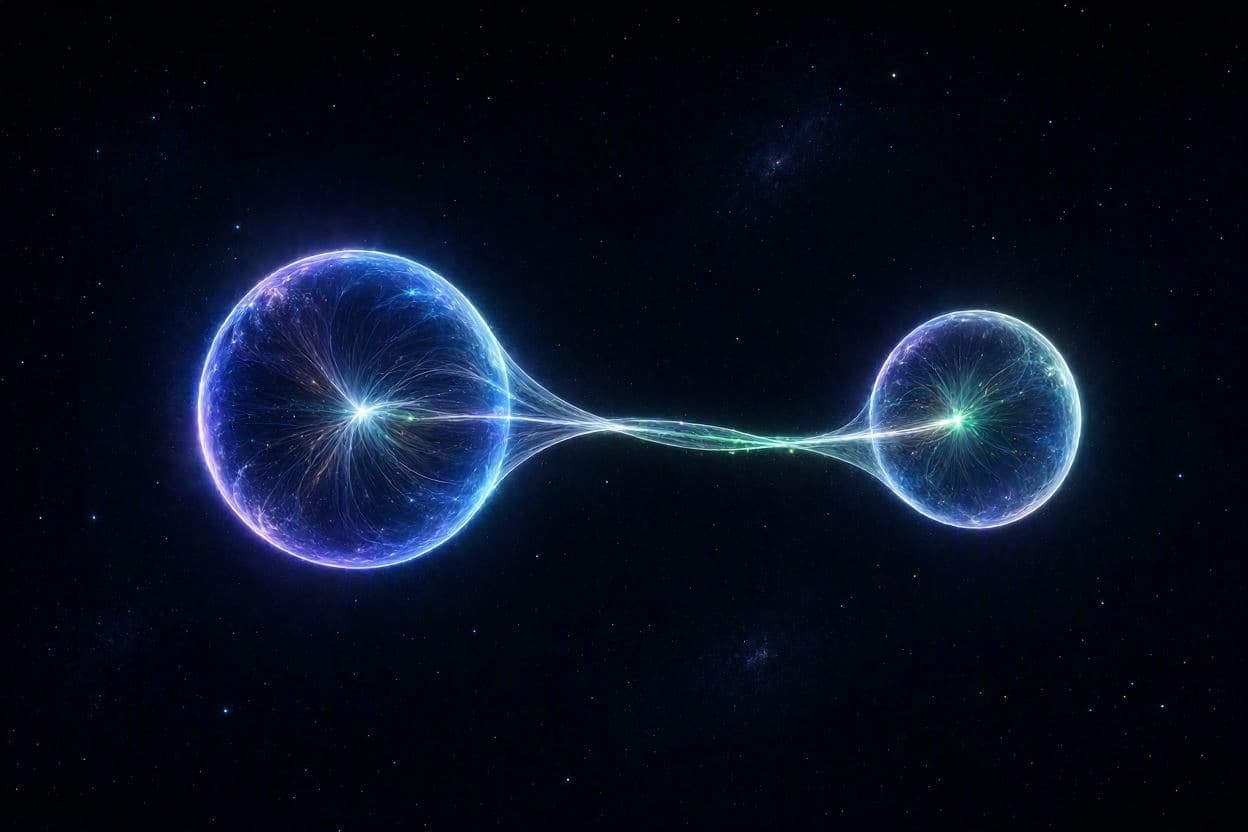
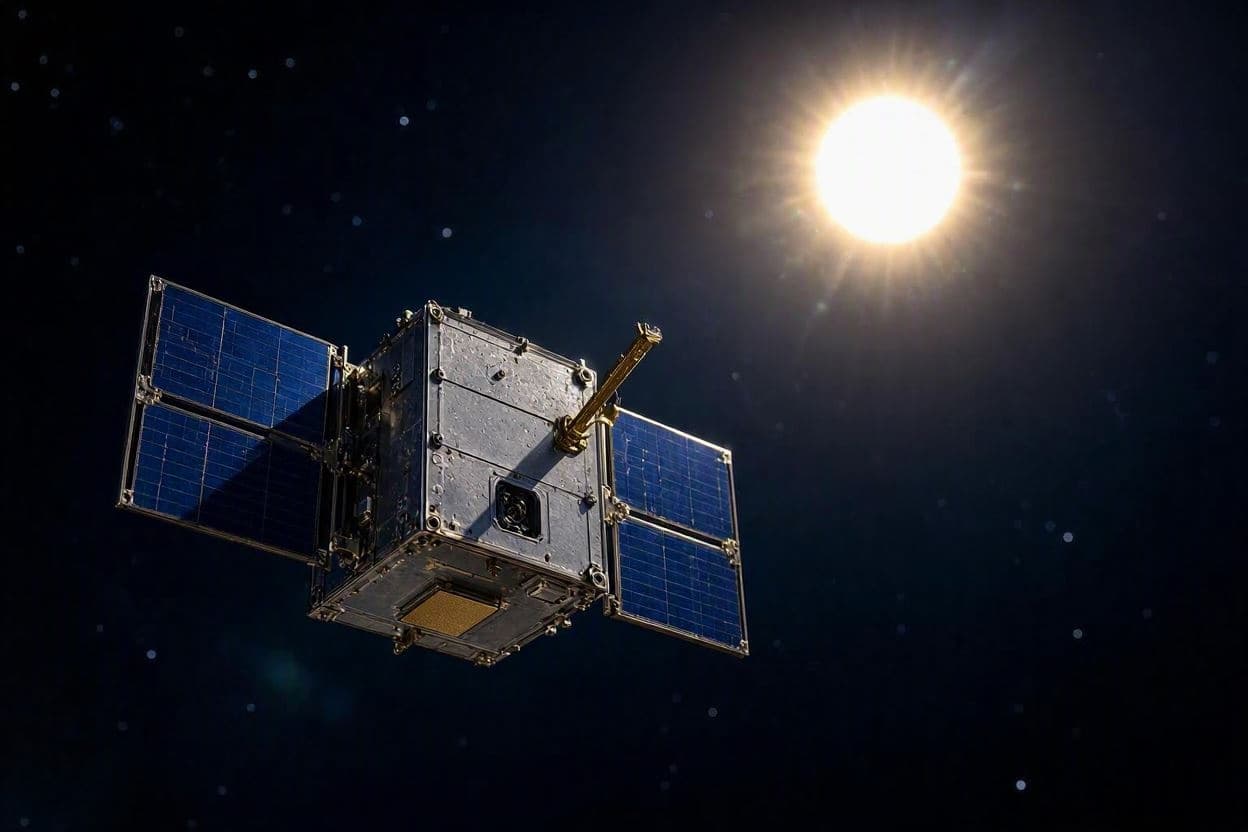
Cosmic Cannibalism: A Black Hole Feeds
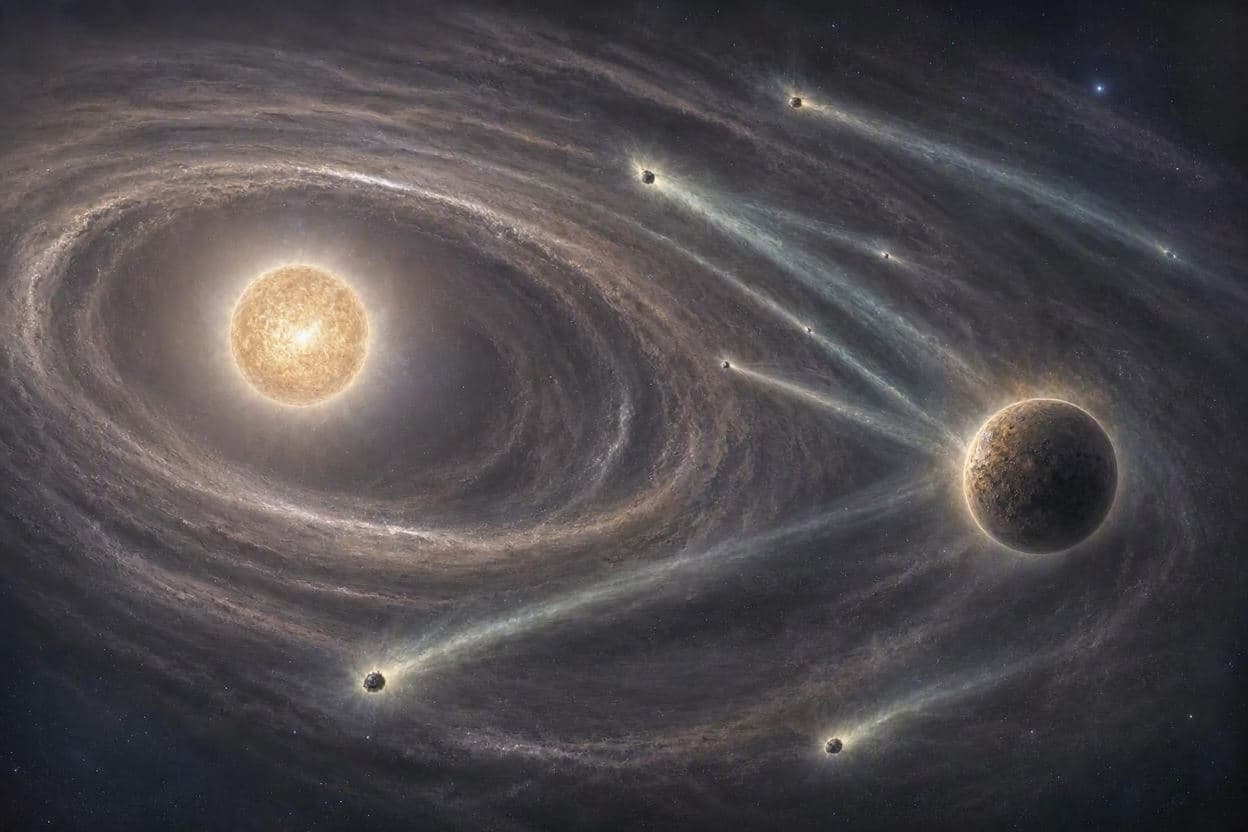
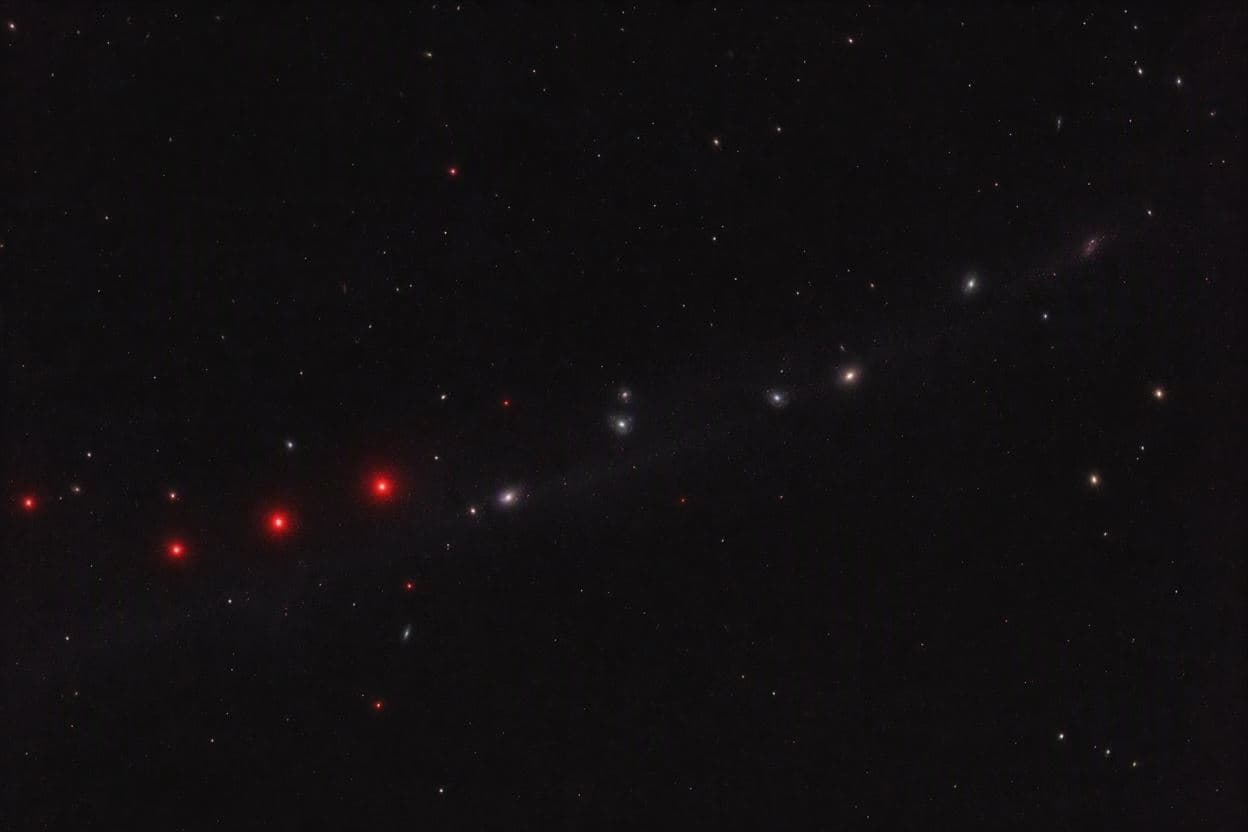
NASA telescopes captured a rare tidal disruption event where a supermassive black hole tore apart and consumed a passing star, offering new insights into cosmic physics.

NASA telescopes captured a rare tidal disruption event where a supermassive black hole tore apart and consumed a passing star, offering new insights into cosmic physics.

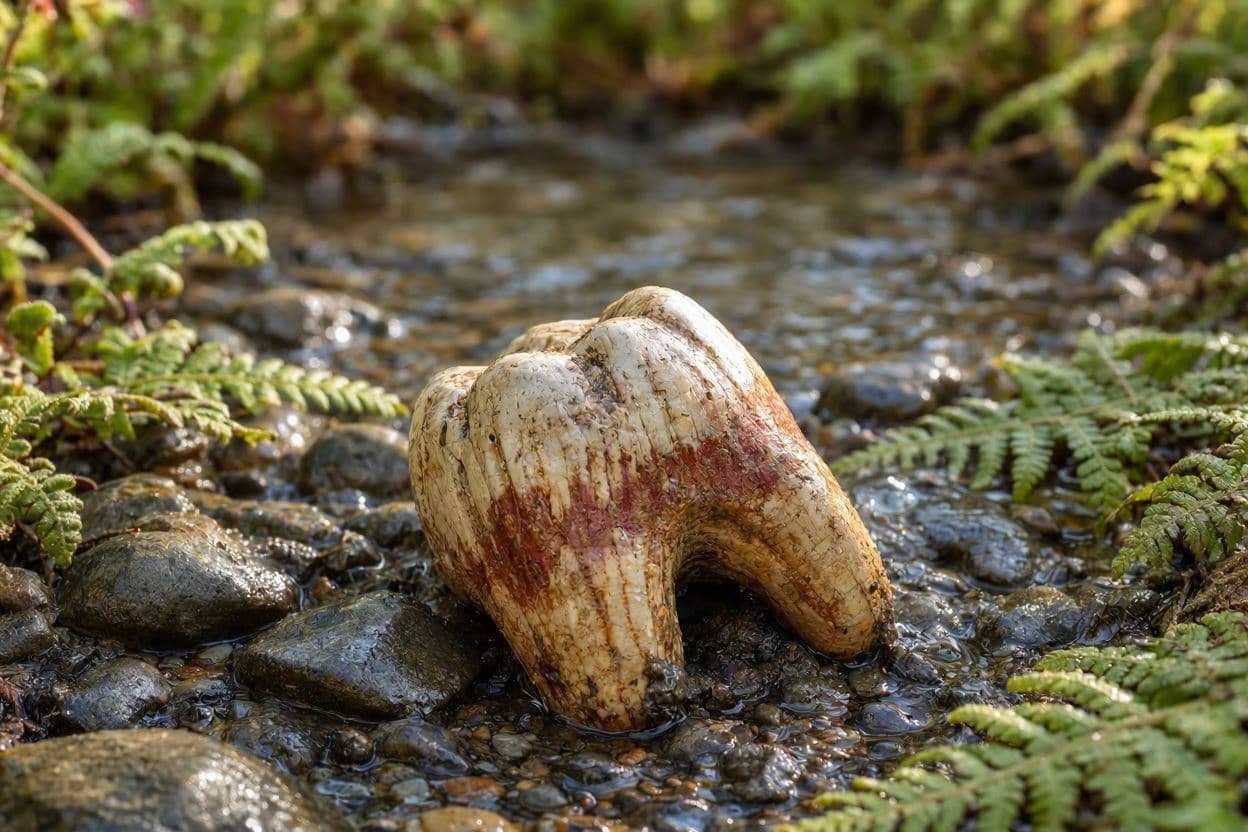
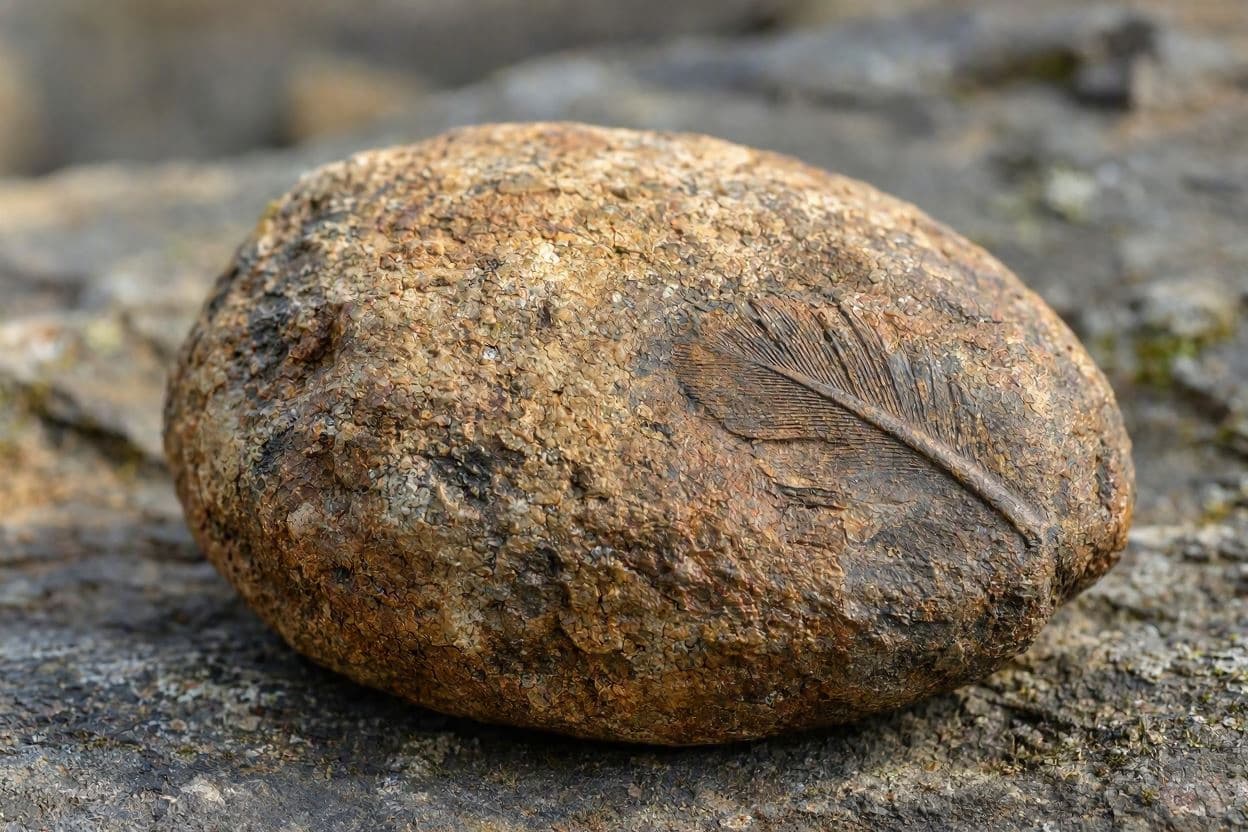
Fossil footprints attributed to Paranthropus boisei, or "Nutcracker Man," offer new insights into the locomotion and behavior of this extinct hominin species.

A 606-ton steel vessel for Canada’s first small modular reactor is being manufactured in Ontario, marking a major milestone for the Darlington New Nuclear Project.

Edmonton has experienced its wettest summer on record, with more storms expected in August, prompting calls for preparedness and infrastructure resilience.

Astronomers have discovered giant concentric rings in Venus’s upper atmosphere using polarimetry, revealing new insights into its atmospheric dynamics.

An abandoned SpaceX Falcon 9 upper stage is predicted to crash into the Moon in August 2026, highlighting concerns about space debris and lunar contamination.

Jodrell Bank Observatory faces closure after losing STFC funding amid a 30% cut to UK astronomy and physics budgets, sparking concern among scientists.

Physicists at NYU have disproven Richard Feynman’s theory on reverse sprinklers, showing they rotate due to angular momentum from inflowing water.

Studies suggest that mass extinctions on Earth occur in a 27-million-year cycle, linked to asteroid impacts and volcanic activity.

California experts warn that warming seas are losing oxygen, threatening marine life and ecosystems through a process known as deoxygenation.

A rare sighting in Costa Rica shows an olive ridley sea turtle emerging to nest with a remora attached to its shell, surprising researchers.

Black holes sustain their activity through efficient accretion disks and abundant surrounding matter, allowing them to remain active for billions of years.

Scientists discover Theridion himalayana, a new Himalayan spider species with a smiley face pattern, distinct from its Hawaiian counterpart despite visual similarities.

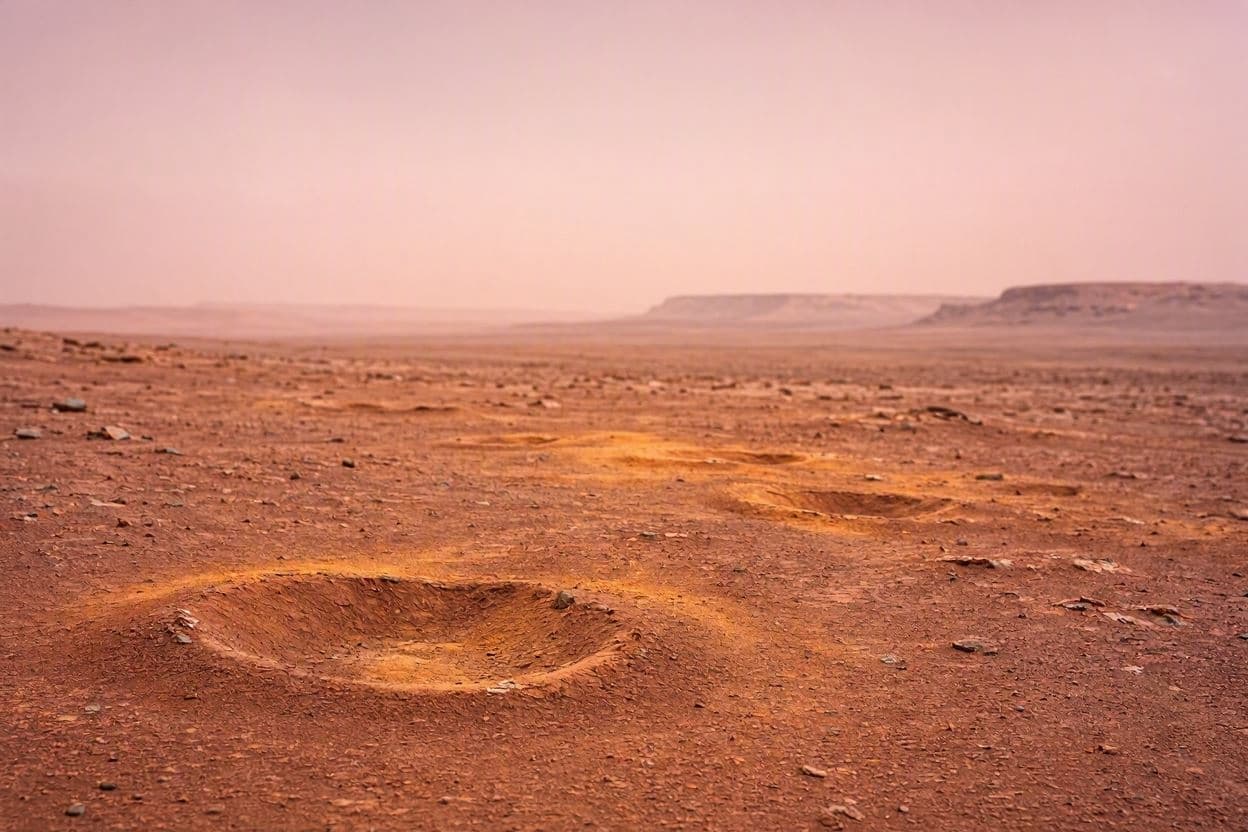
Ancient footprints in Ethiopia, dated to 1.4 million years ago, reveal details about the walking style and social structure of Homo erectus.

UNC astronomers observed a rare tidal disruption event where a black hole tore apart a star, providing valuable data on black hole physics.

A world-first fossil from Queensland captures a rare predatory attack, offering detailed insights into dinosaur behavior and Mesozoic ecosystems.

Bali’s first waste-to-energy plant is operational, aiming to cut emissions by 640,000 tons annually and create 1,200 green jobs.

Health officials have identified seven suspected cases of avian influenza in native wildlife species, prompting calls for public vigilance and hygiene.

The Southern Delta Aquariids and Alpha Capricornids meteor showers peak this week, offering a chance to see shooting stars despite the bright Full Buck Moon.

NASA’s Curiosity rover inspects a cracked wheel on Mars, showcasing its durability and continued scientific operation after more than a decade on the Red Planet.

The Full Buck Moon peaks this week, offering a bright and colorful display in the summer sky, with tips for viewing and photography.

This week, skywatchers can enjoy the Full Buck Moon and the Southern Delta Aquariid meteor shower, offering a beautiful combination of lunar glow and shooting stars.

A new study finds that certain moths can detect floral scents through specialized pores on their wings, enhancing their ability to locate nectar sources.

NASA’s Psyche spacecraft performed a gravity-assist flyby of Mars to adjust its trajectory toward the metal-rich asteroid 16 Psyche, scheduled for arrival in 2029.