When Gravity Sculpts the Stars: A Warped Galaxy
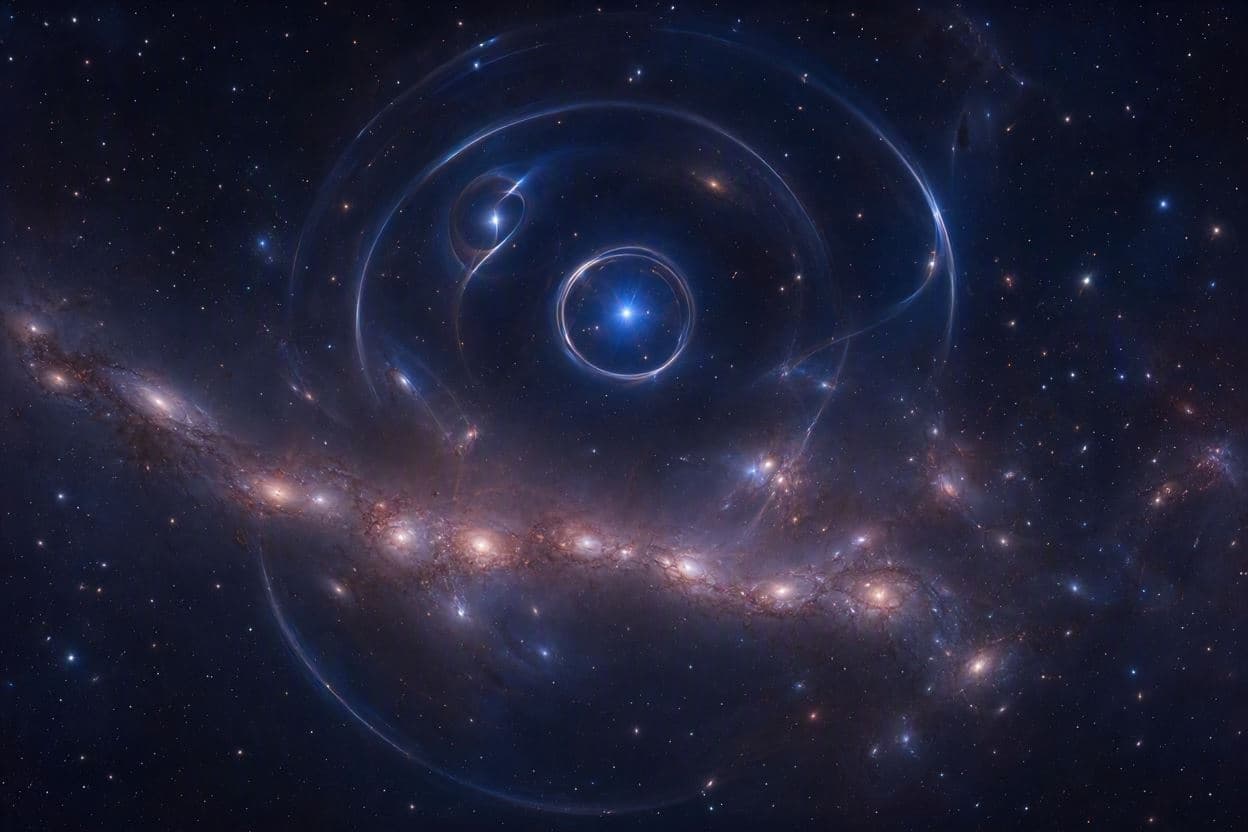
The Hubble Space Telescope has captured an image of a spiral galaxy distorted by tidal forces from a nearby galaxy cluster, revealing the impact of gravity on cosmic structures.

The Hubble Space Telescope has captured an image of a spiral galaxy distorted by tidal forces from a nearby galaxy cluster, revealing the impact of gravity on cosmic structures.

Archaeologists discovered a 480,000-year-old elephant bone fragment used as a hammer to sharpen stone axes, revealing advanced toolmaking skills in ancient Britain.

NASA astronaut Chris Williams shares insights from his ISS mission, highlighting scientific research, international cooperation, and the overview effect.

The Emirates Mars Mission Hope probe, after recovering from a communication blackout, revealed how localized magnetic fields create discrete auroras on Mars.

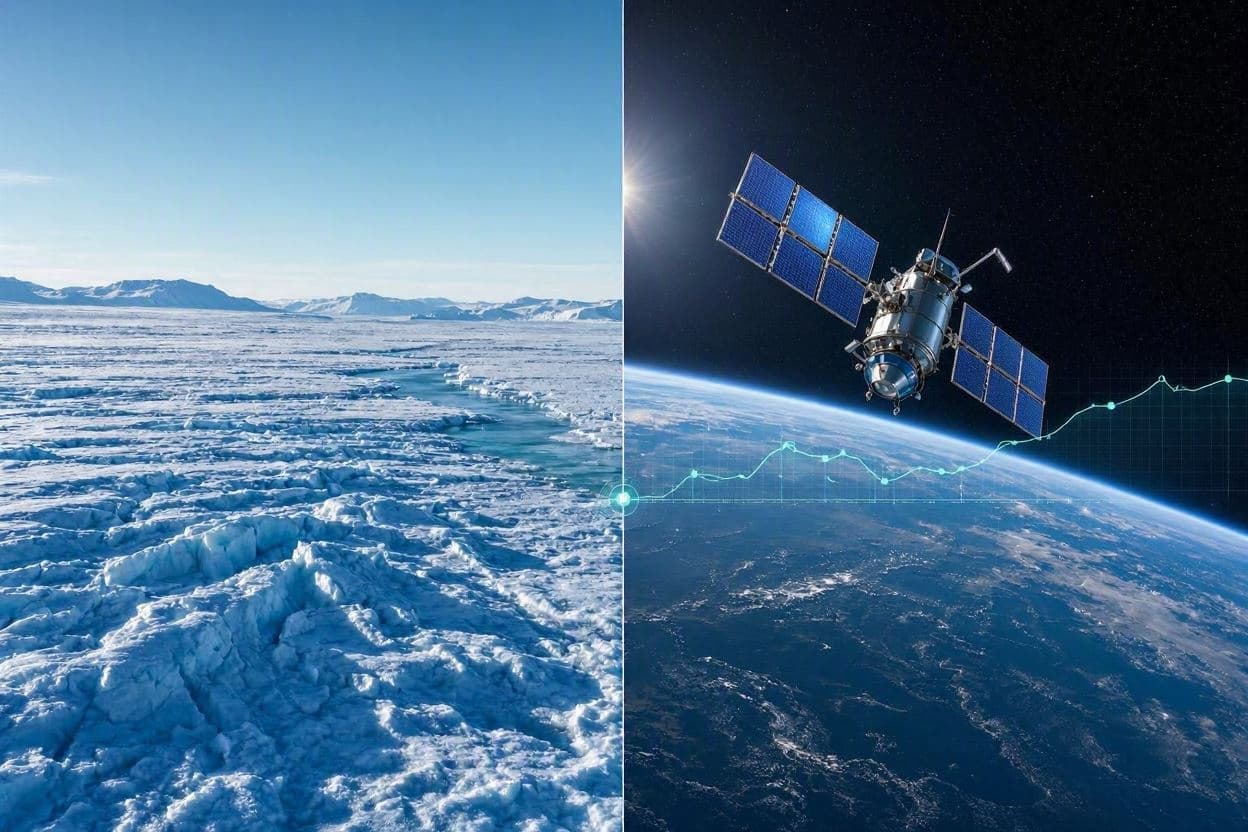
A massive iceberg suddenly fractured and toppled near a Greenland settlement, triggering powerful coastal waves. Stunned residents witnessed the dramatic collapse, which caused no injuries.

A new exhibition connects Indigenous astronomical knowledge from Australia and South Africa, highlighting shared cultural traditions and the significance of the Milky Way in First Nations cosmologies.

The Royal Observatory Greenwich has announced the 29 finalists for the 2026 Astronomy Photographer of the Year, showcasing stunning images of nebulae, eclipses, and aurorae from around the world.

The July 2026 Buck Moon serves as a seasonal marker and precursor to the upcoming total solar eclipse, offering stargazers a chance to observe the lunar cycle’s role in celestial alignments.

Jupiter’s moon Io is the most volcanically active body in the solar system, with plumes shooting 500km high, a phenomenon initially mistaken for camera errors by Voyager scientists.

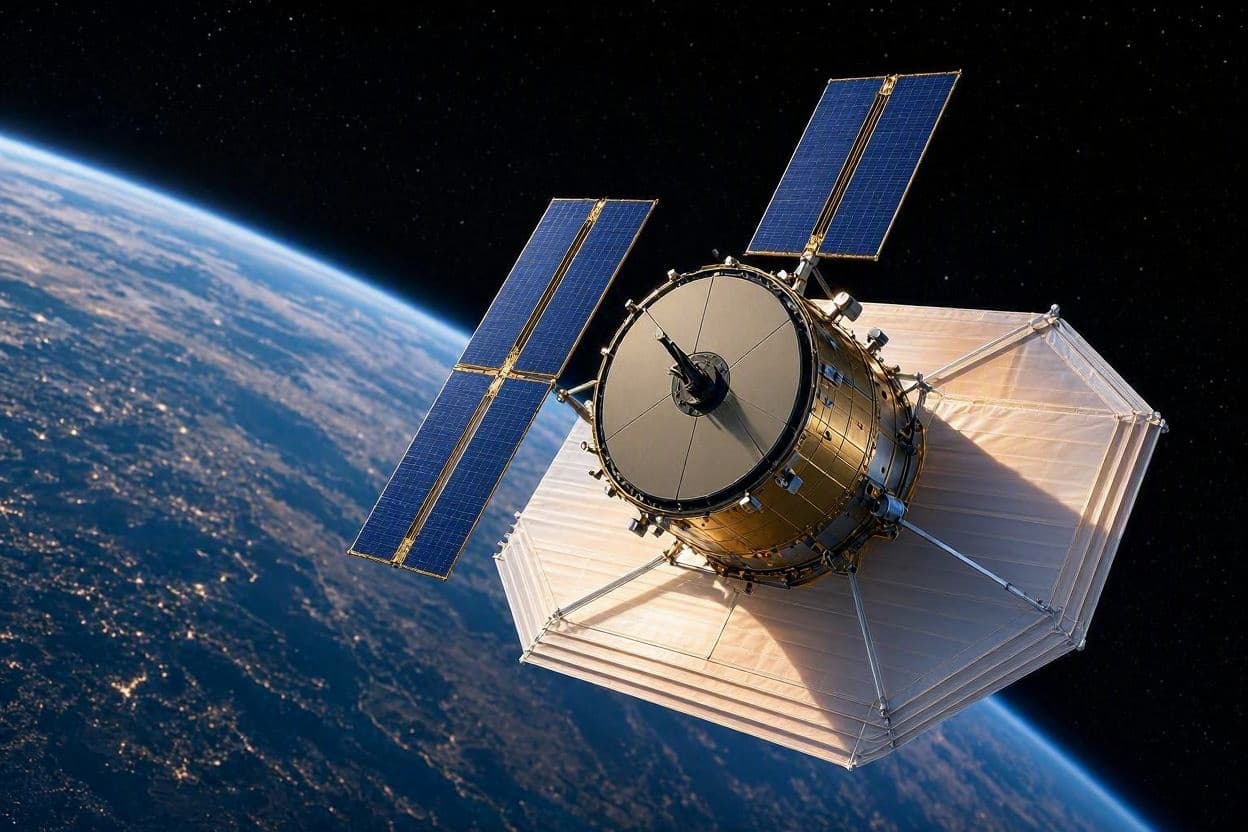
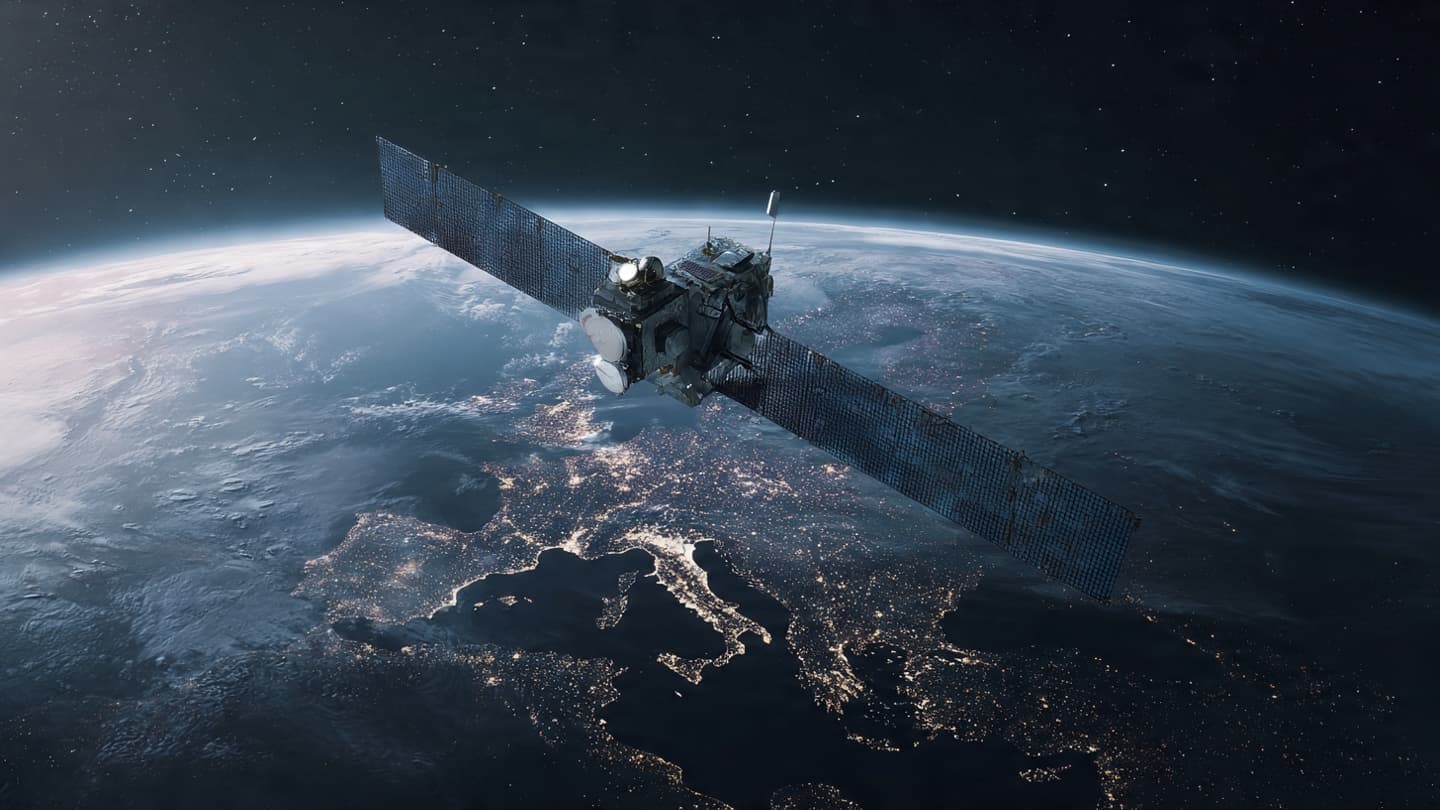
Advanced robotic servicing satellites are now capable of docking with and extending the life of aging spacecraft, marking a shift toward sustainable space infrastructure and debris reduction.

Theoretical physicists found that "cutting" a photon with an optical shutter doesn’t split it but creates a complex state with infinite photons due to quantum vacuum effects.

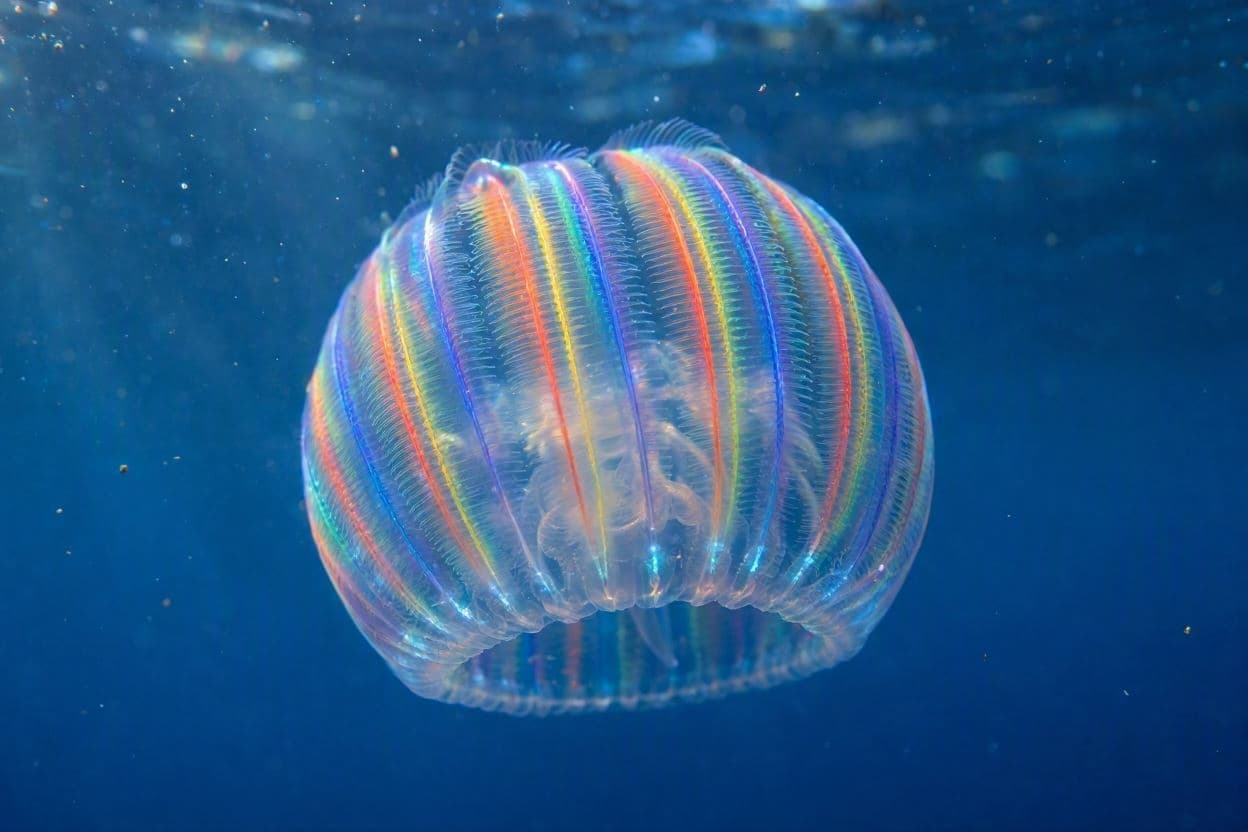
Scientists exploring Lake Tanganyika, one of Africa’s deepest lakes, have highlighted unique species like freshwater jellyfish and rare cichlids, emphasizing the lake’s rich biodiversity.

Researchers tagged 42 sperm whales in the Arctic and discovered they release bubbles to control buoyancy while sleeping vertically, preventing them from floating to the surface.

A 12-foot great white shark named Ernst has been tracked near Montauk, with speculation that the Atlantic’s largest tagged great white, Contender, may also be in the area.

Scientists have discovered active coral communities in a deep-sea reef system off West Africa that was previously presumed dead, highlighting the resilience of marine ecosystems.

A geomagnetic storm may make the aurora borealis visible from nine northern U.S. states this Thursday, offering a rare chance to witness the northern lights due to heightened solar activity.

The Hoba meteorite, the largest intact meteorite on Earth, landed in Namibia without creating a crater, likely due to a shallow entry angle and atmospheric slowing.

Scientists tracking crop pests discovered the invasive spotted lanternfly, an "alien"-looking insect that threatens agriculture by feeding on a wide range of plants and trees.

NASA’s Skylab was saved by an improvised sunshade after a launch mishap, and its 1979 re-entry led to a humorous 400 littering fine from an Australian town.

NASA astronaut Chris Williams and two Russian cosmonauts returned safely to Kazakhstan after 241 days aboard the ISS.

India unveiled its first indigenously built hydrogen train, aiming to expand clean energy use on rail routes in Haryana.

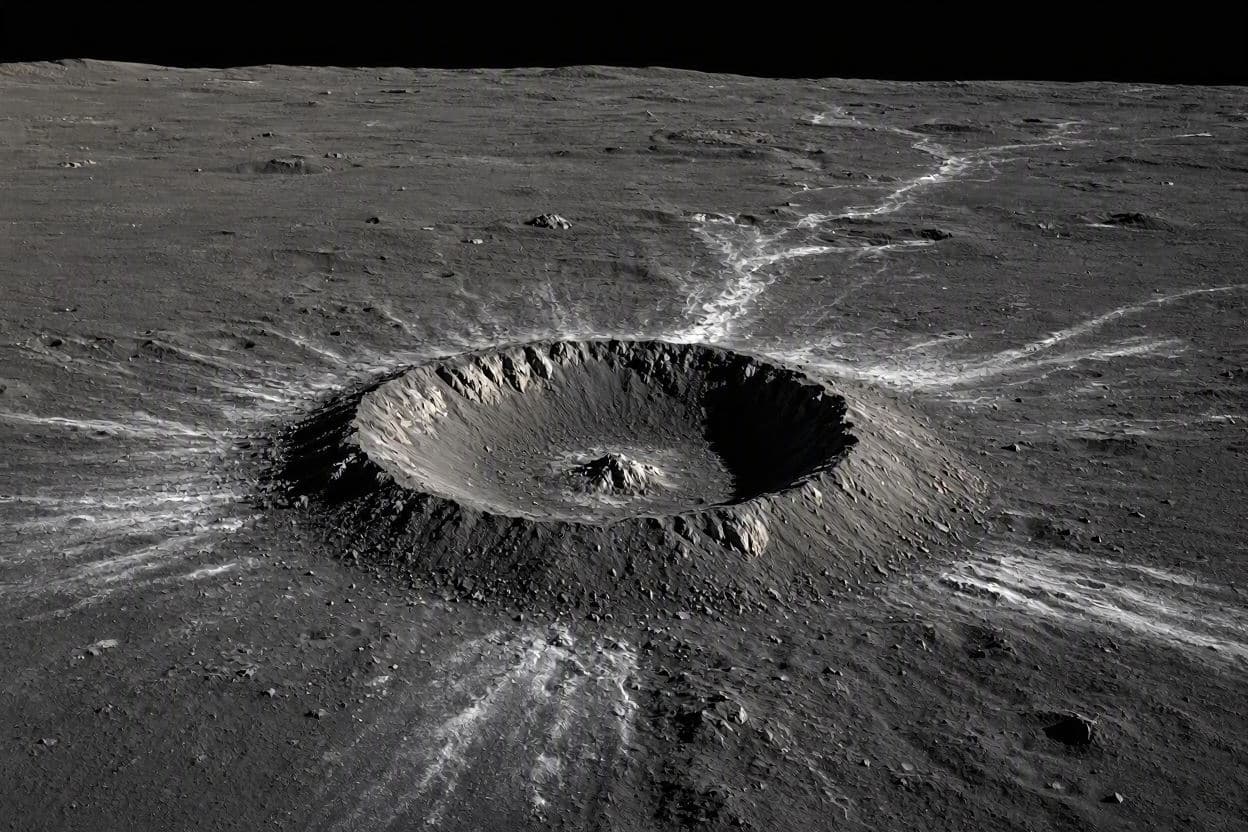
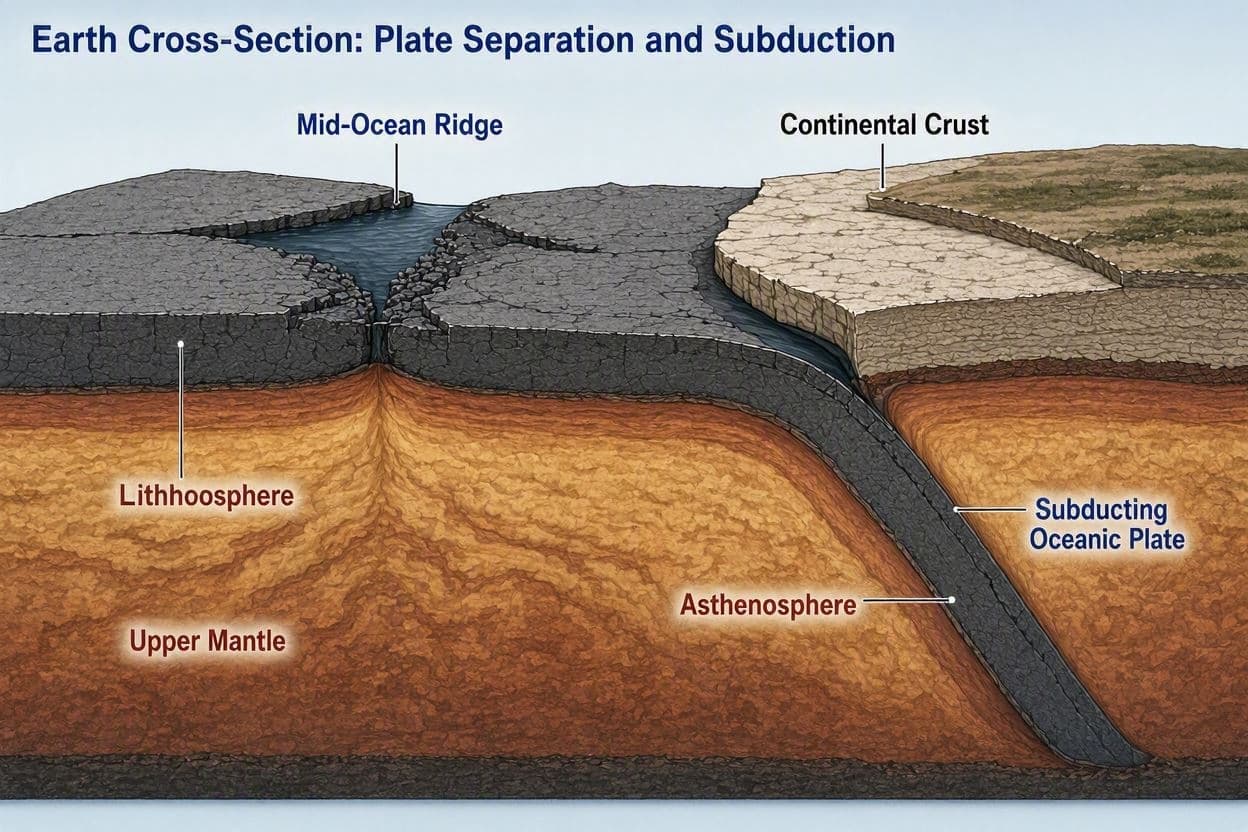
Smithsonian scientists discovered over 1,000 new tectonic ridges on the Moon, proving it is still shrinking and seismically active. This finding impacts future lunar mission planning.

Scientists use Raman spectroscopy and X-ray fluorescence to analyze Martian rocks, revealing details about the planet’s ancient water history and potential habitability.

Scientists discovered massive landslides on Pluto, some large enough to cover a small city. These features suggest ongoing geological activity driven by sublimation and ice dynamics.