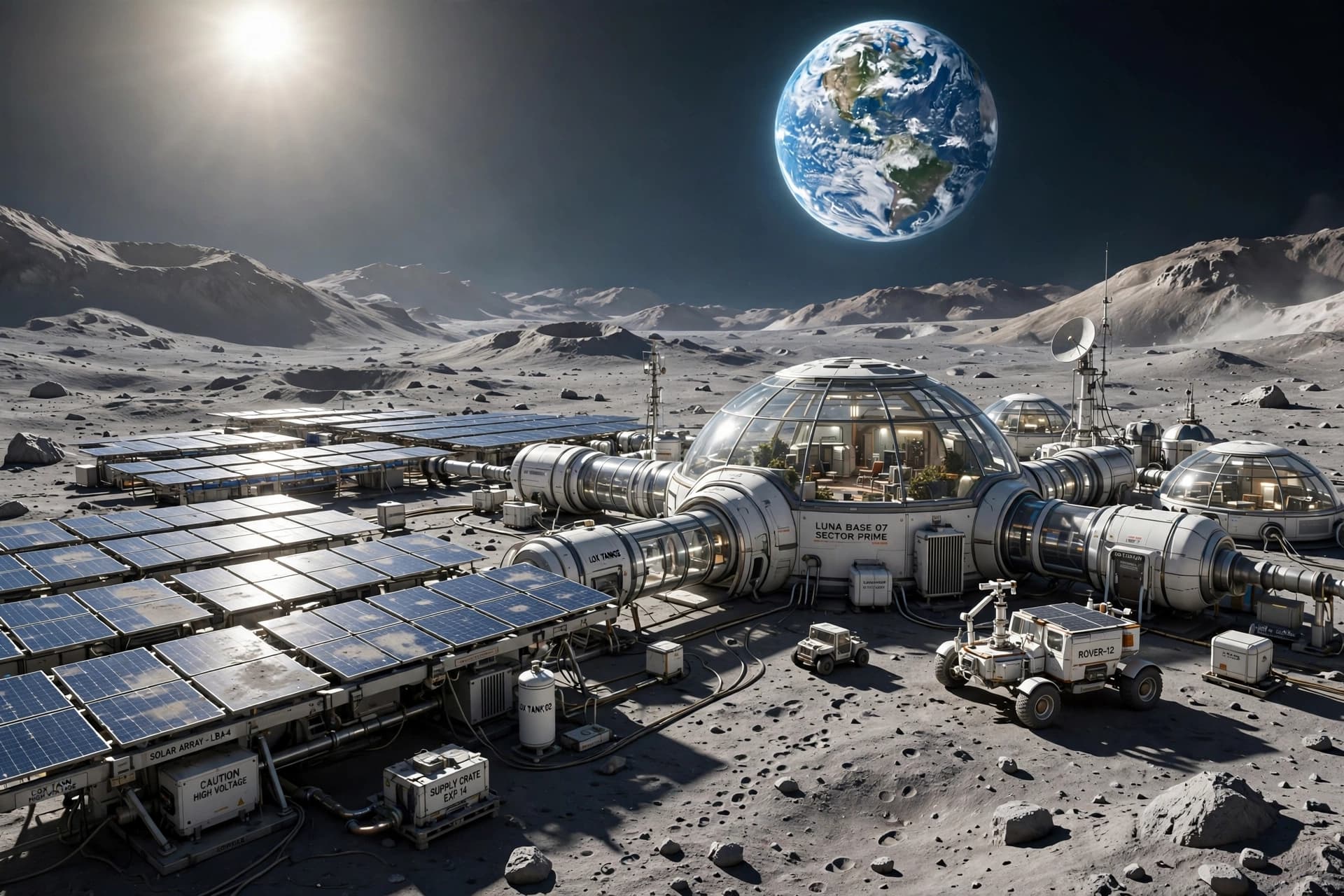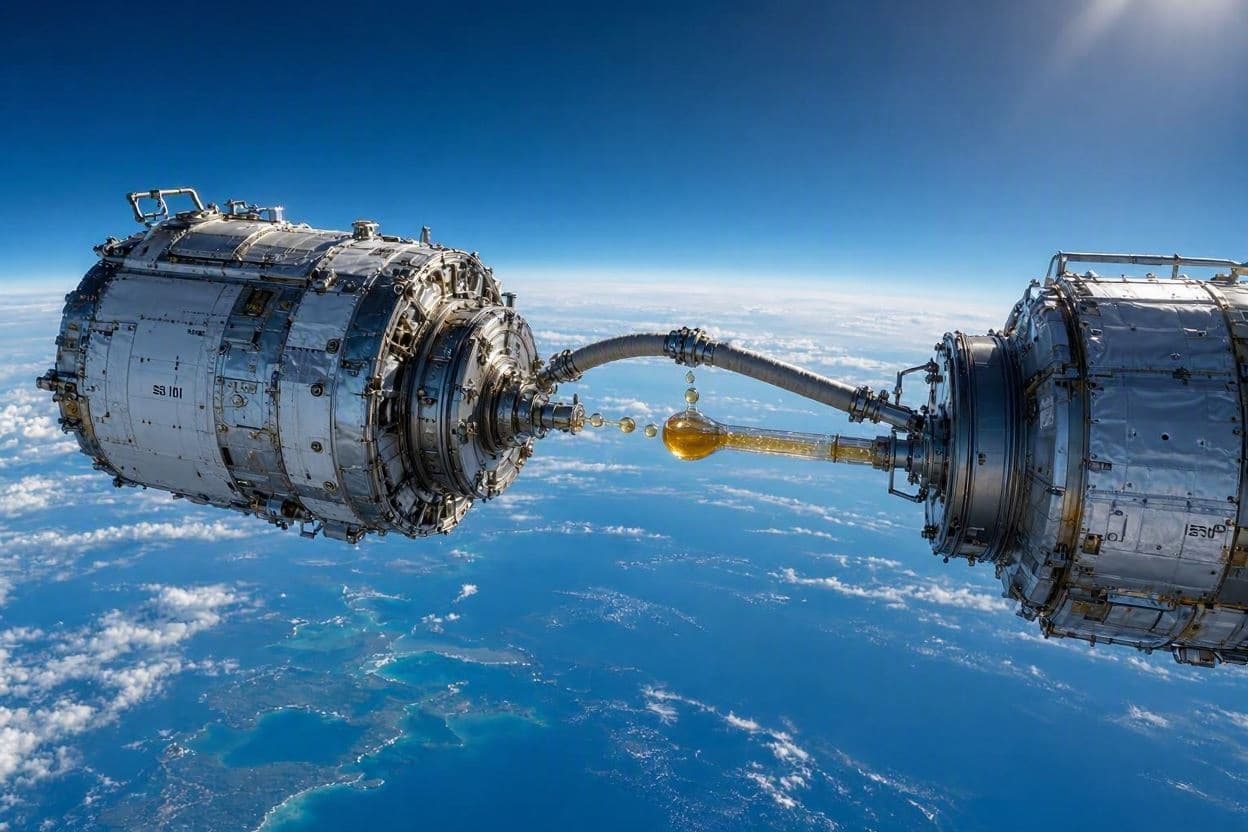
The dream of returning to the Moon has long been constrained by the tyranny of the rocket equation, a fundamental principle that dictates how much fuel is needed to lift mass into space. For decades, spacecraft were designed to carry all their propellant from launch, limiting their size, range, and payload capacity. However, a new paradigm is emerging: in-orbit refueling. This technique, which involves transferring fuel between spacecraft in space, is now seen as the key to unlocking sustainable lunar exploration and beyond.
NASA’s Artemis program, which aims to land astronauts on the lunar surface again, relies heavily on this technology. The Starship Human Landing System, developed by SpaceX, is designed to be refueled in Earth’s orbit before heading to the Moon. By launching multiple tanker flights to fill the landing vehicle’s tanks, the spacecraft can carry enough propellant to descend to the lunar surface and return to orbit. Without this capability, the mission architecture would be vastly different and likely less efficient.
In-orbit refueling changes the economics of space travel. Instead of building massive rockets capable of lifting enormous amounts of fuel in a single launch, engineers can use smaller, more frequent launches to assemble and fuel a spacecraft in orbit. This modular approach reduces the technical challenges of each individual launch and allows for greater flexibility in mission planning. It transforms space infrastructure from a disposable model to a reusable one.
The technology itself is complex, requiring precise docking mechanisms and safe transfer systems for cryogenic fuels like liquid methane and oxygen. Recent tests have demonstrated the feasibility of these operations, but scaling them up for regular use remains a challenge. Engineers must ensure that fuel lines do not freeze, leaks are prevented, and the process is reliable enough to support human missions. Success in this area will define the next era of spaceflight.
Beyond the Moon, in-orbit refueling is essential for deeper space exploration. Missions to Mars and other planets require significant energy to escape Earth’s gravity and traverse vast distances. By refueling in orbit, spacecraft can depart with full tanks, maximizing their speed and payload. This capability turns the Earth-Moon system into a stepping stone rather than a final destination, opening up the solar system for human presence.
Critics argue that the complexity of orbital refueling introduces new risks, such as potential failures during transfer or delays in scheduling tanker launches. However, proponents believe that the benefits outweigh the risks, offering a path to sustainable exploration that was previously impossible. The ability to refuel in space is akin to having gas stations on the highway, making long-distance travel practical and routine.
As private companies and government agencies collaborate on these technologies, the timeline for implementation is accelerating. Demonstrations of propellant transfer are scheduled in the coming years, paving the way for operational missions. The success of these early efforts will determine the pace of lunar return and the future of interplanetary travel.
In the end, in-orbit refueling is not just a technical innovation but a strategic shift. It represents a move from visiting space to living in it, creating an infrastructure that supports continuous presence and exploration. By mastering this skill, humanity takes a significant step toward becoming a multi-planetary species.
AI Image Disclaimer: The images accompanying this article are AI-generated artistic interpretations of spacecraft refueling and lunar missions, not actual photographs of specific hardware or events.
Sources: NASA SpaceX Ars Technica
Published by Banx Network. This article is part of the Banx decentralized media programme, powered by the BXE token on the XRP Ledger.