SCIENCE94% credibility
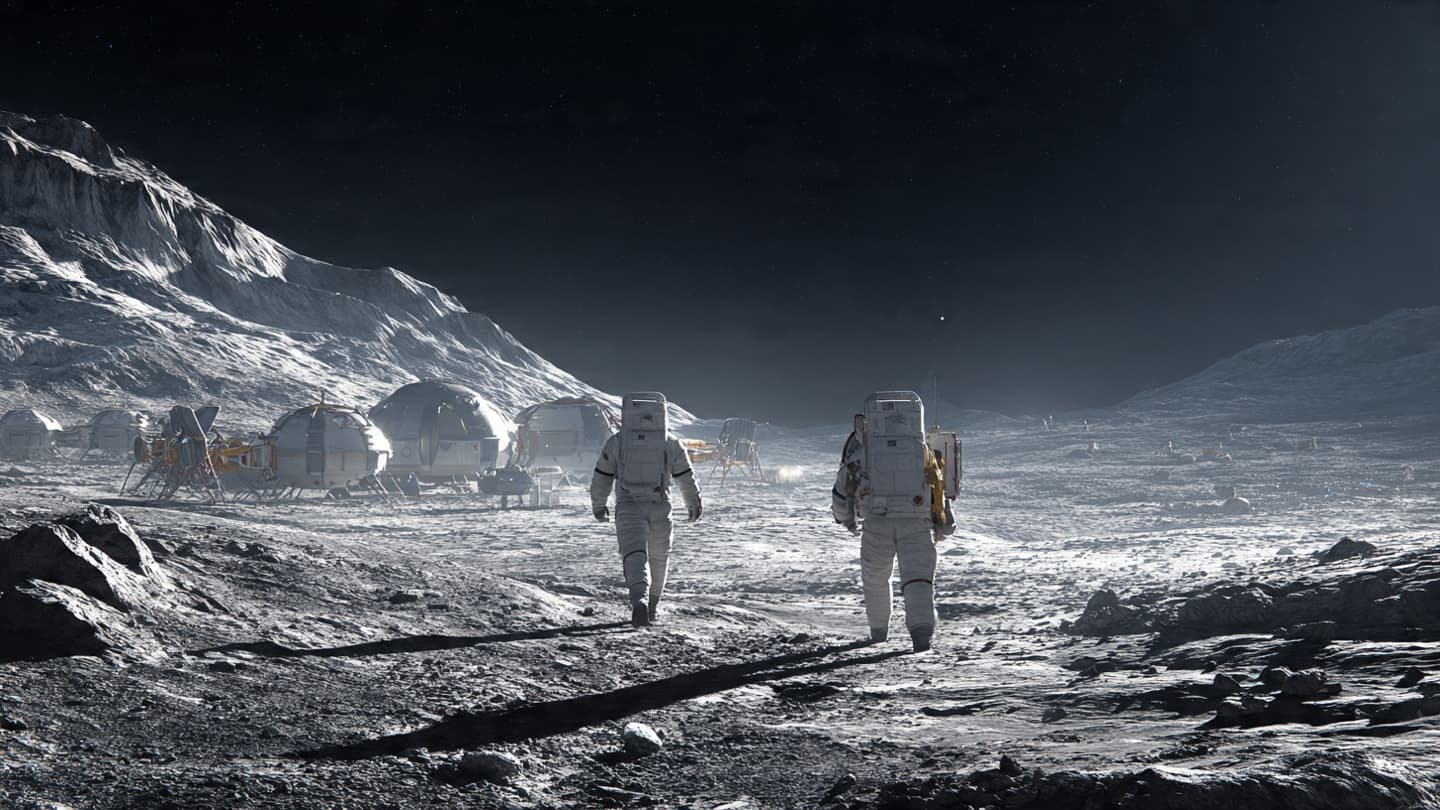
Every Journey to the Moon Begins Long Before Liftoff.
NASA continues advancing Artemis technologies to support future lunar missions and long-term human exploration of the Moon.
1 min read

NASA continues advancing Artemis technologies to support future lunar missions and long-term human exploration of the Moon.
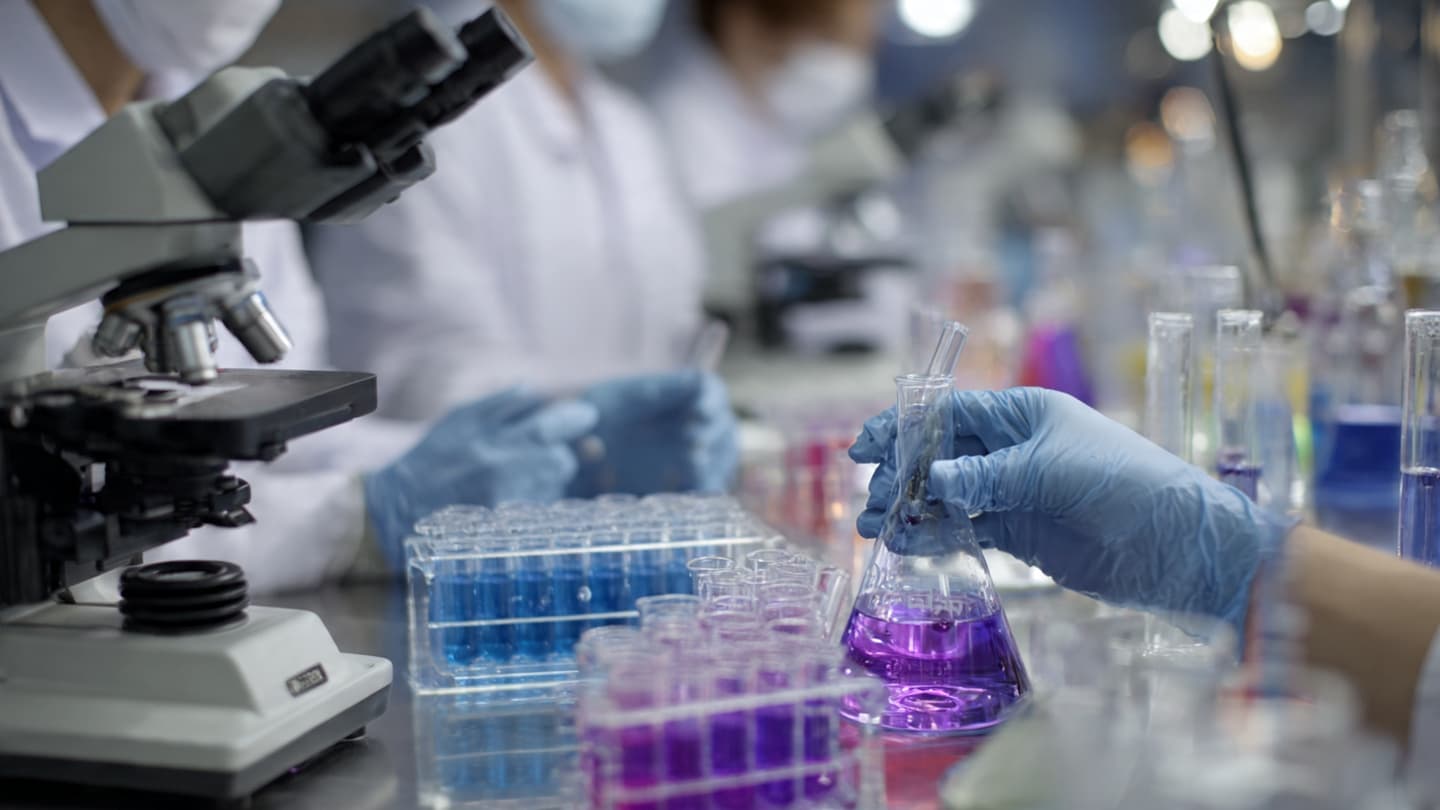
Australian researchers found that blood protein analysis may help improve understanding of healthy aging and support future personalized healthcare.

American researchers have developed a more efficient carbon capture technology that may improve industrial emissions reduction.
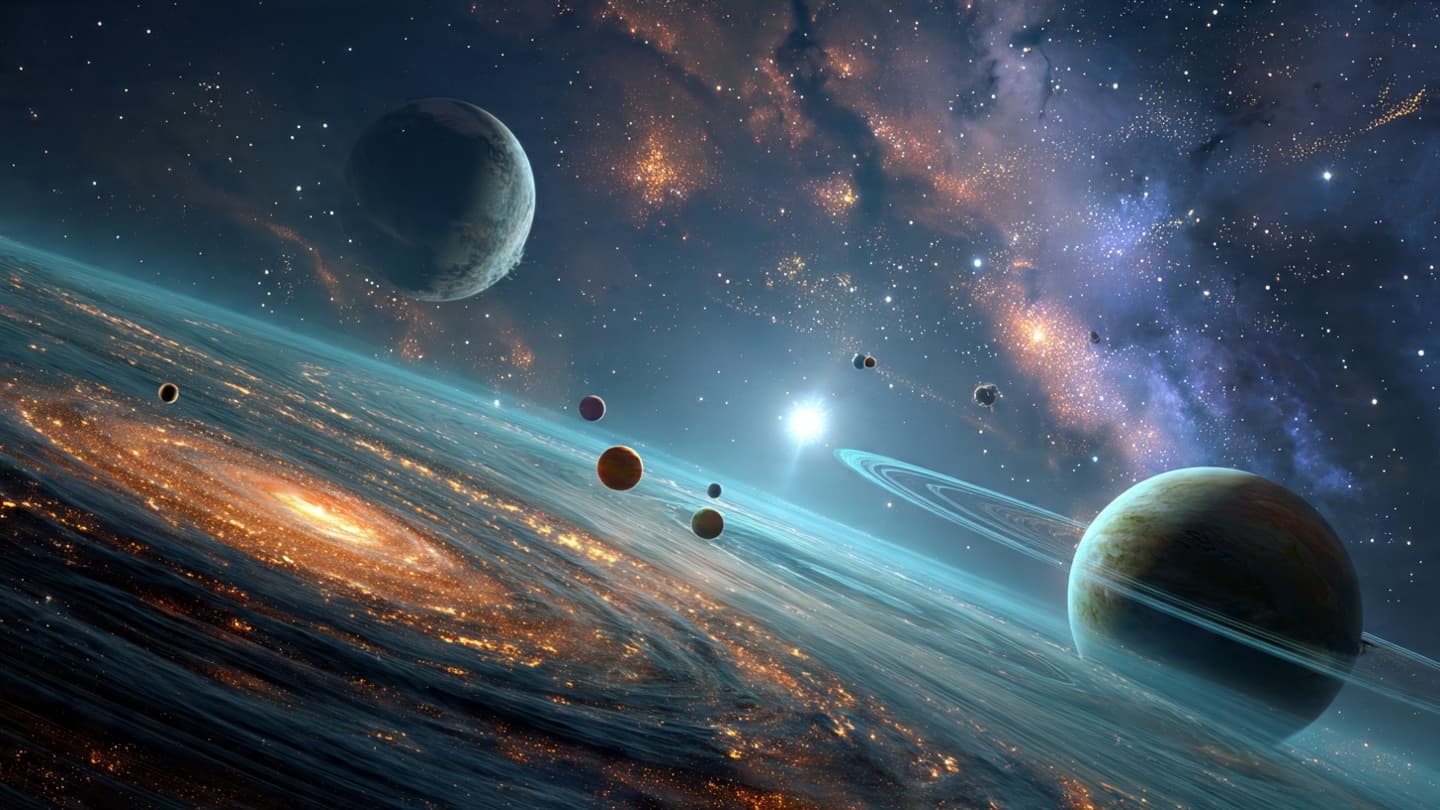
NASA scientists have identified hundreds of potential exoplanets using advanced AI systems that accelerate astronomical data analysis.

Australia is expanding international partnerships in space research to support future scientific missions and technological innovation.

Researchers compared carbon capture technology and renewable energy, finding that both may play complementary roles in reducing emissions.
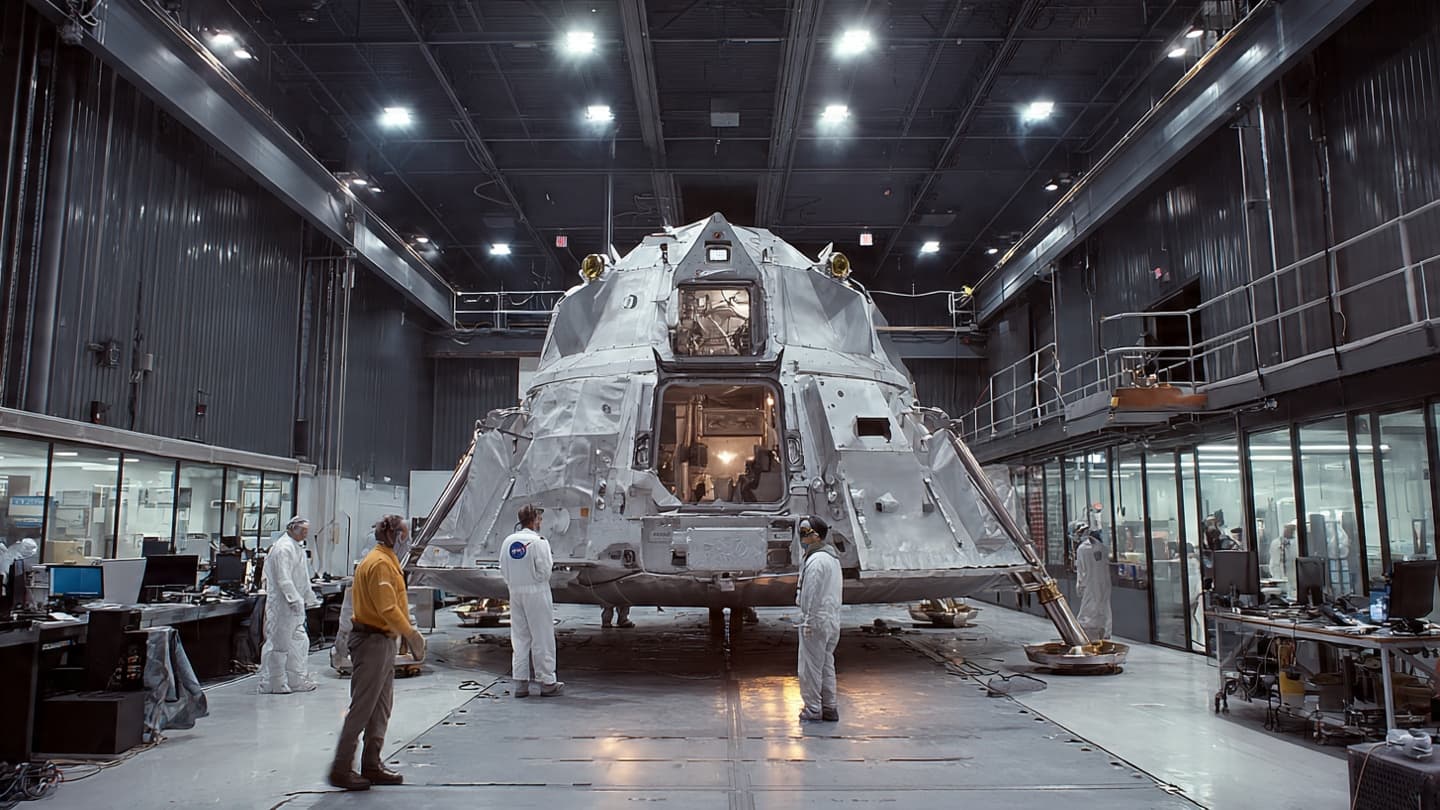
NASA is expanding tests of advanced landing technologies to support upcoming Artemis missions and future human exploration of the Moon.

Australian researchers are studying how carbon dioxide influences blood chemistry to improve medical understanding and patient care.
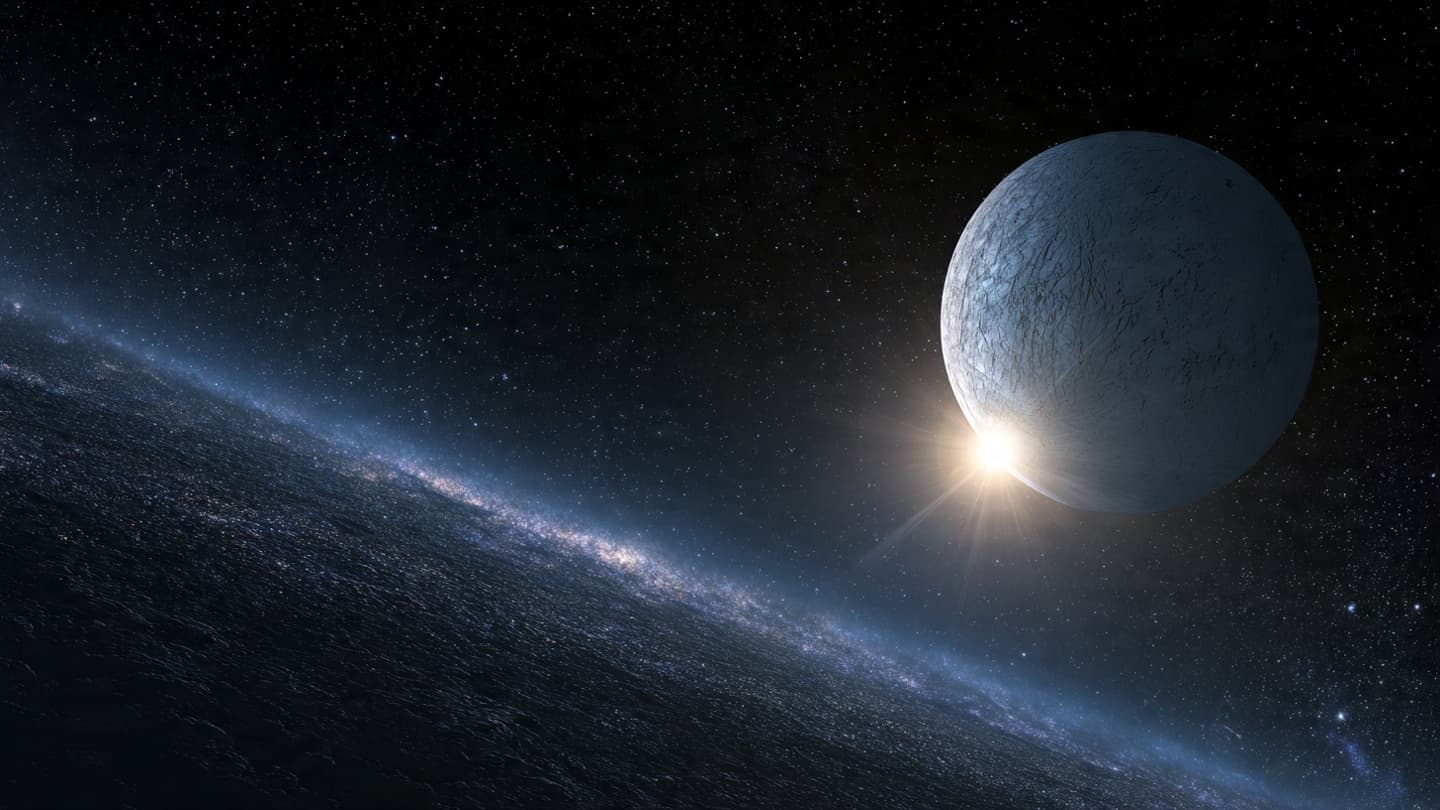
Australian astronomers helped identify evidence of a thin atmosphere surrounding a distant trans-Neptunian object.
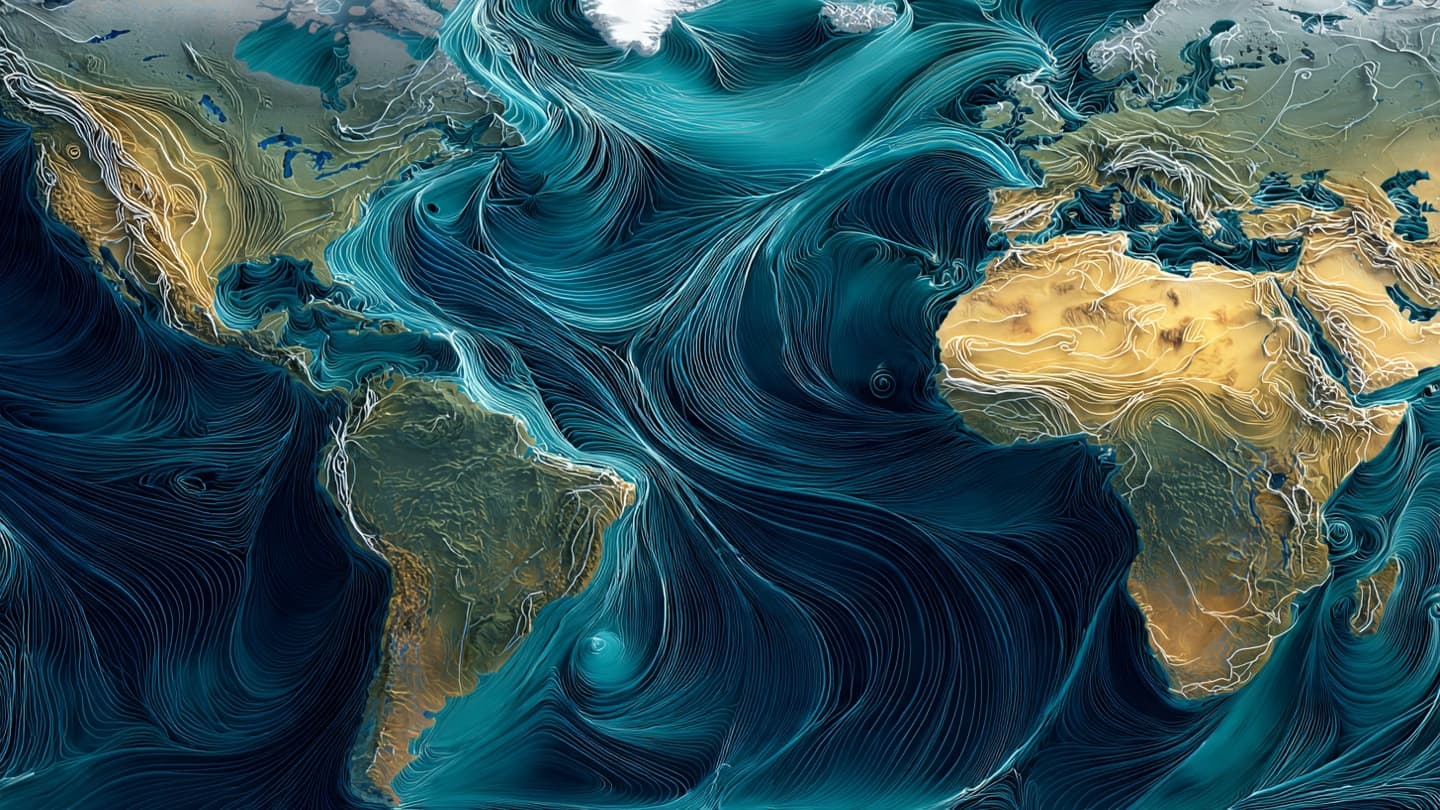
A new study suggests the Atlantic Ocean's major circulation system may weaken faster than previously estimated under certain climate conditions.

Researchers have developed an AI model capable of predicting wave behavior on other planets to support future space exploration.
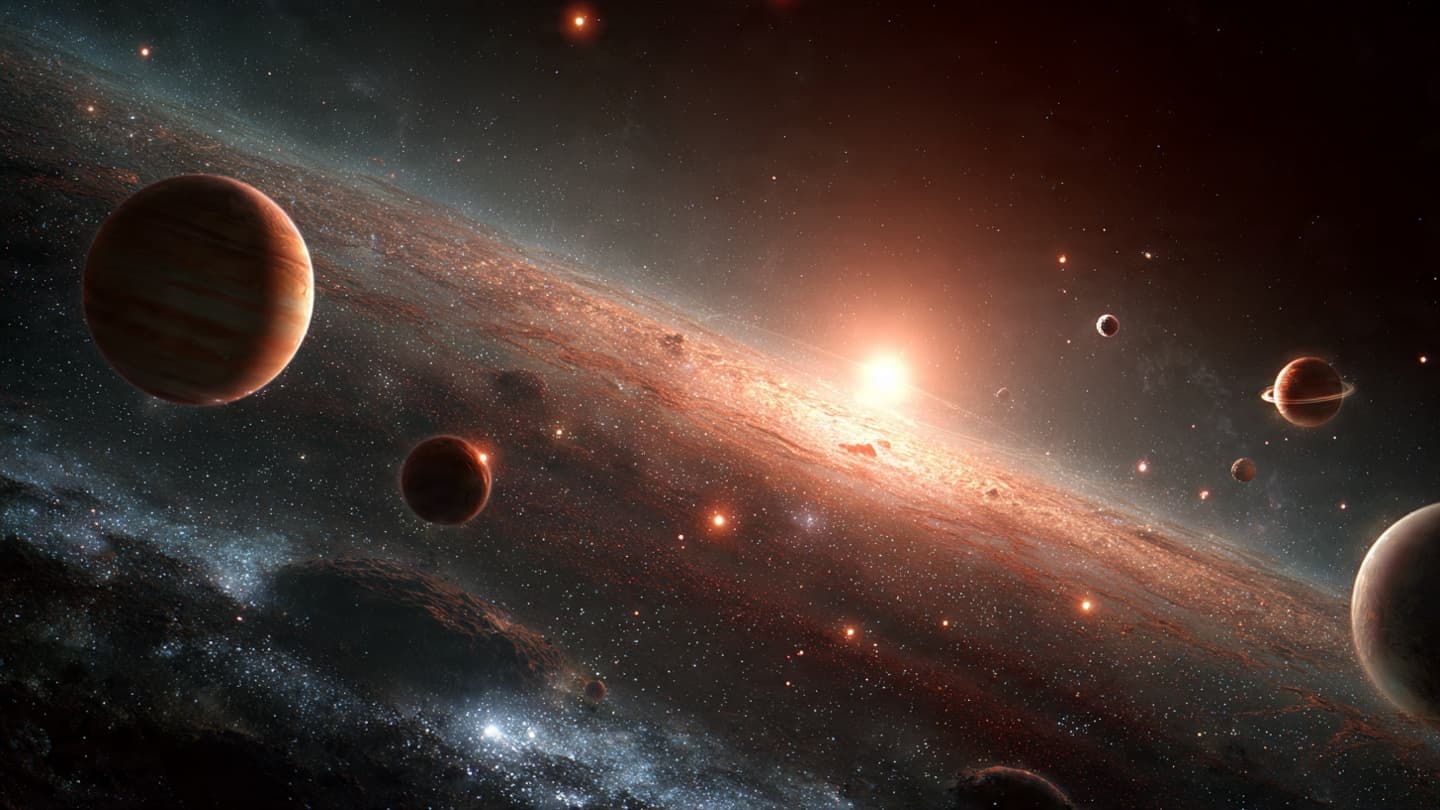
Scientists have used artificial intelligence to identify more than 100 potential new exoplanets from large astronomical datasets.
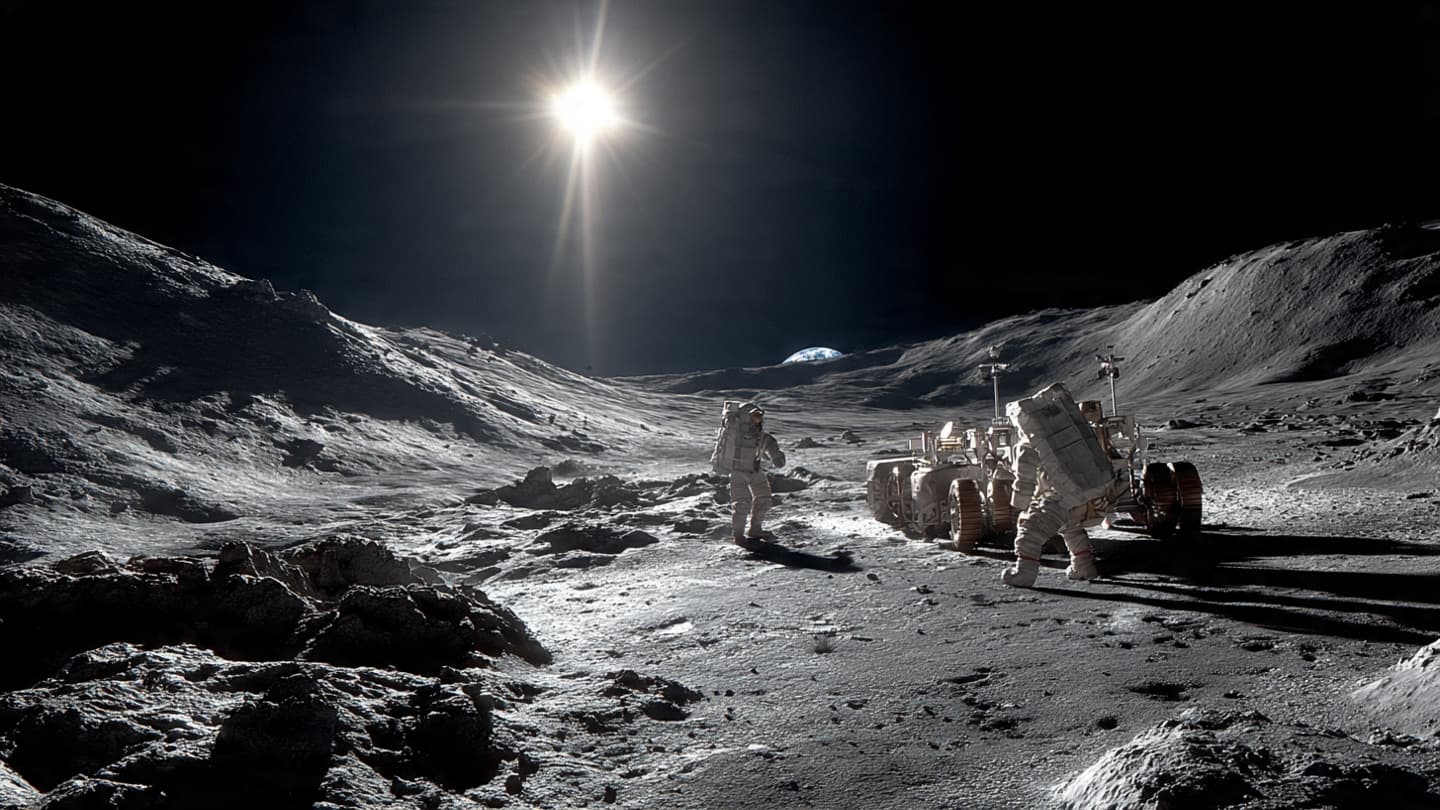
NASA is advancing new technologies to support future Moon and Mars missions, focusing on sustainability, safety, and long-term space exploration.

European scientists have developed an improved model to predict heatwaves more accurately, helping strengthen early warning systems.
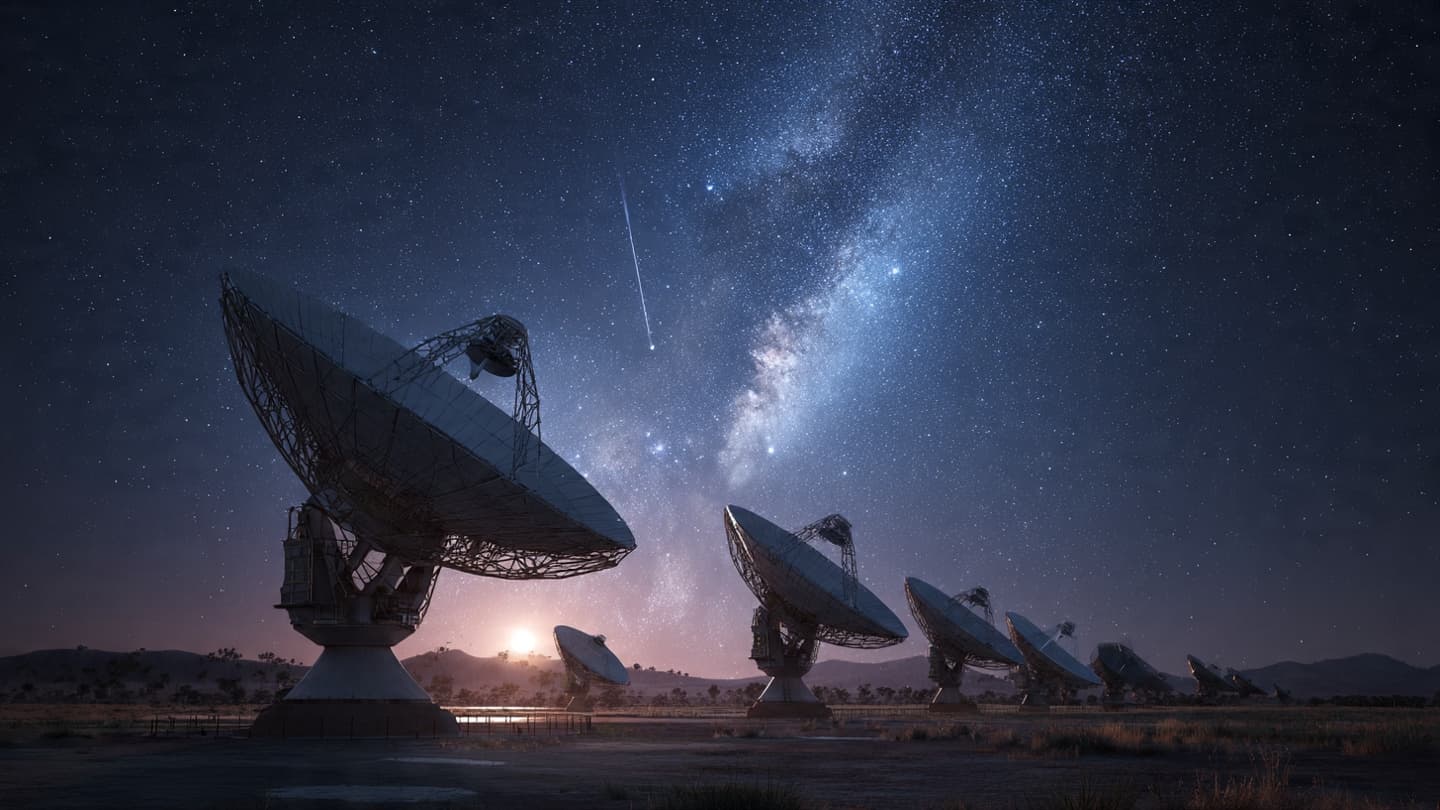
The SKA Observatory has produced the most detailed map of cosmic magnetic fields, offering new insights into galaxy formation and cosmic evolution.
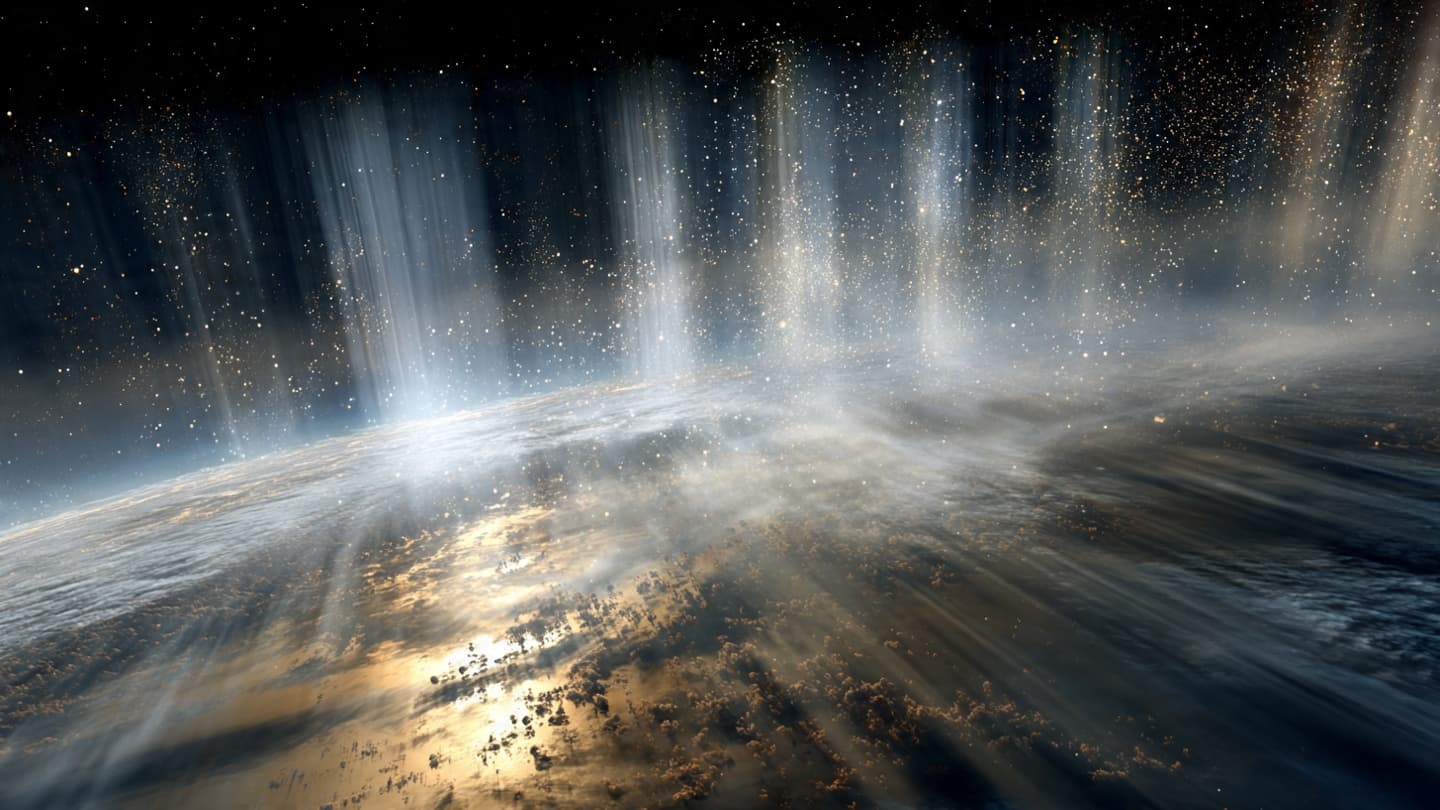
Scientists are debating solar geoengineering as a potential climate intervention, while concerns remain about risks, ethics, and global governance.
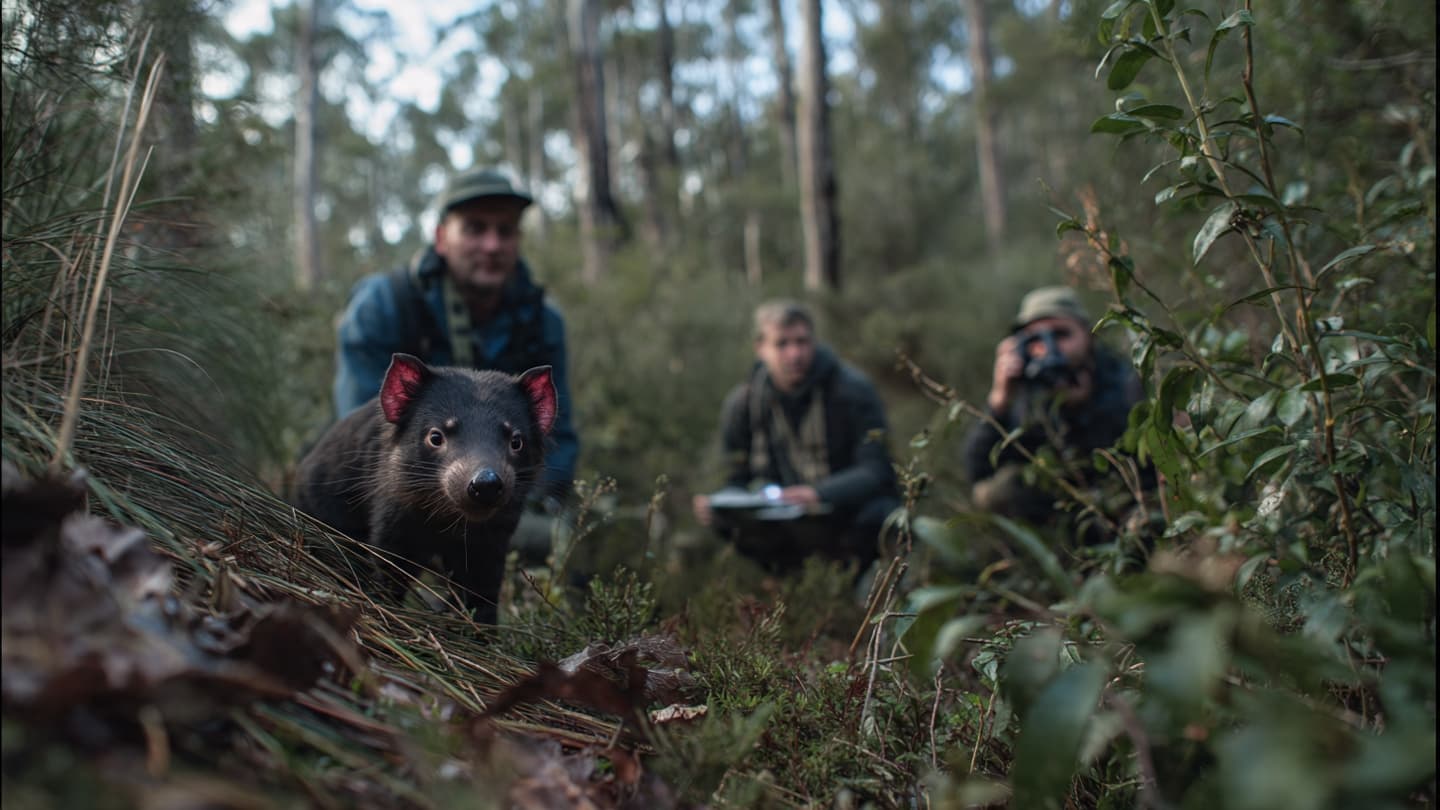
Scientists are monitoring potential risks of bird flu spreading to native Australian mammals, including marine and terrestrial species.
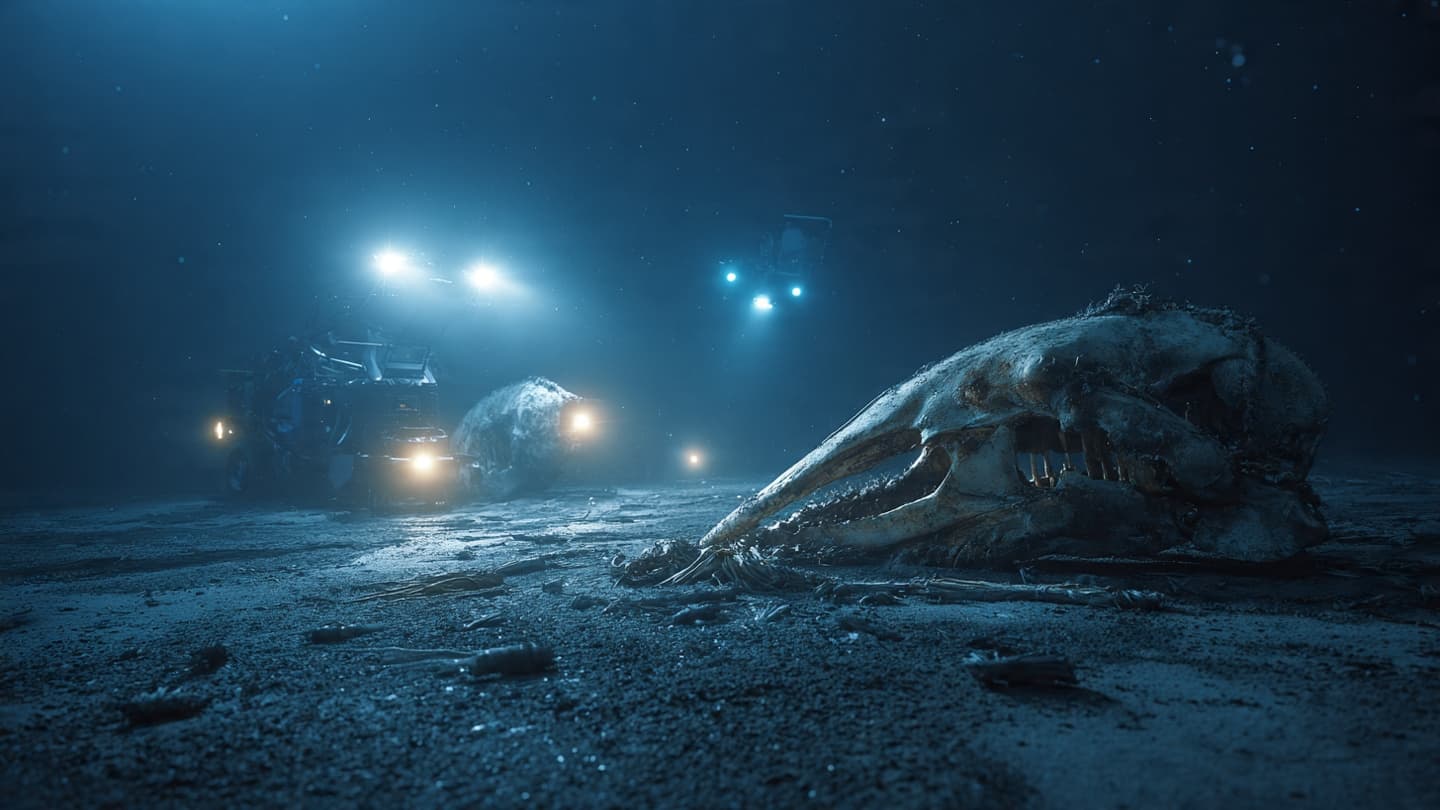
Scientists have discovered what may be the world's largest whale graveyard, offering new insights into ancient marine ecosystems and whale evolution.

Scientists have reconfirmed Western Australia's Pilbara impact structure as the oldest known meteorite crater on Earth.
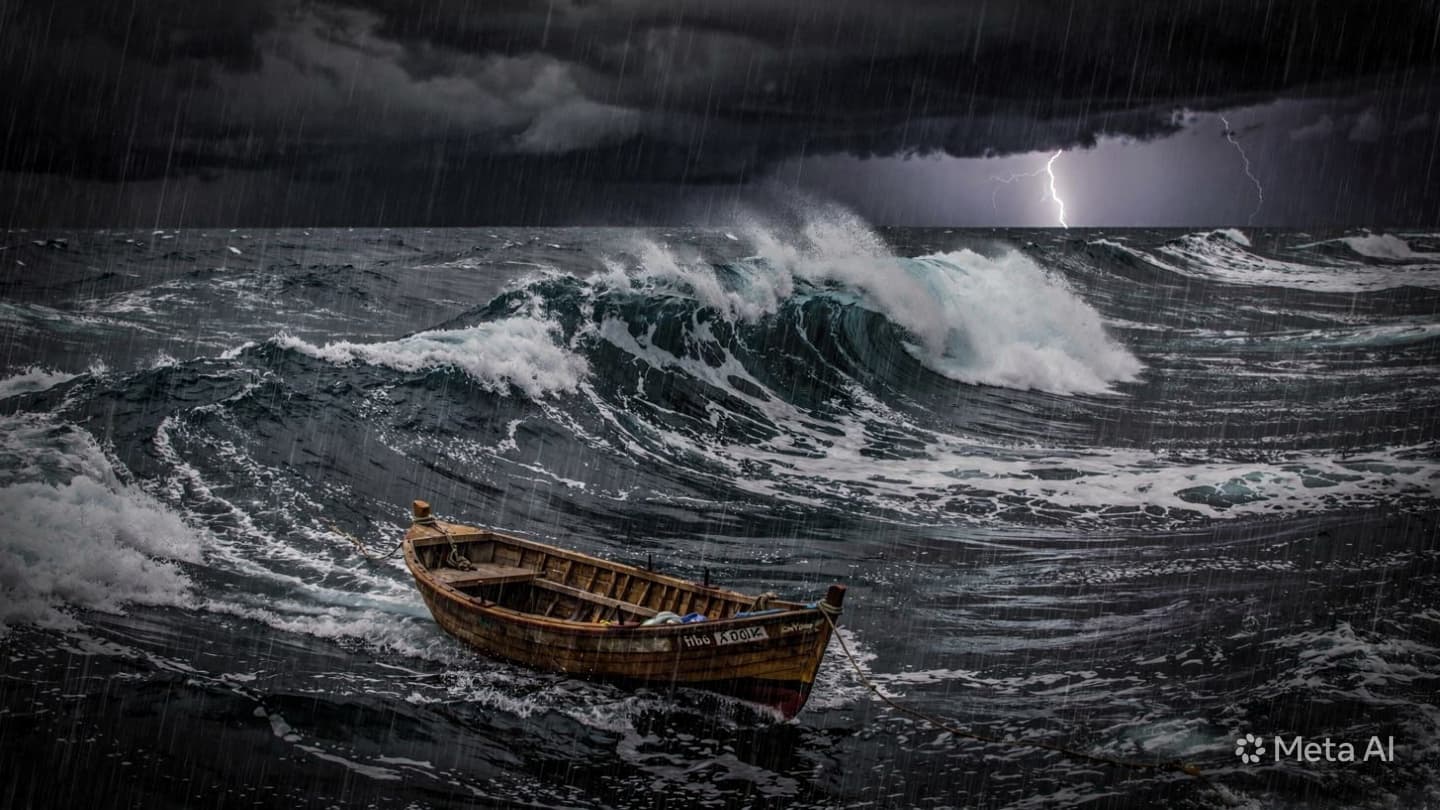
Fijian search and rescue crews successfully saved five people after their fishing vessel suffered a catastrophic engine failure during a violent storm near Kadavu Island.
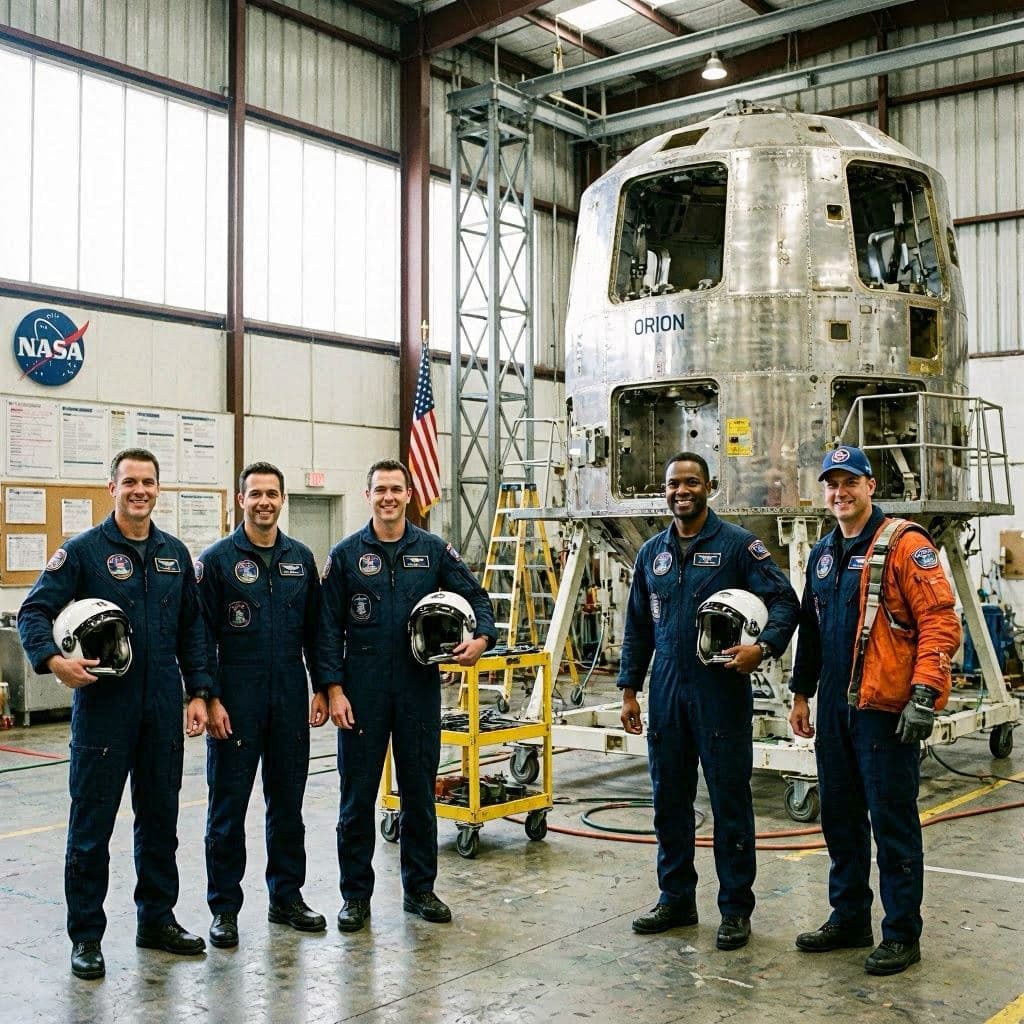
NASA has announced a new Artemis crew as preparations continue for future lunar exploration missions.
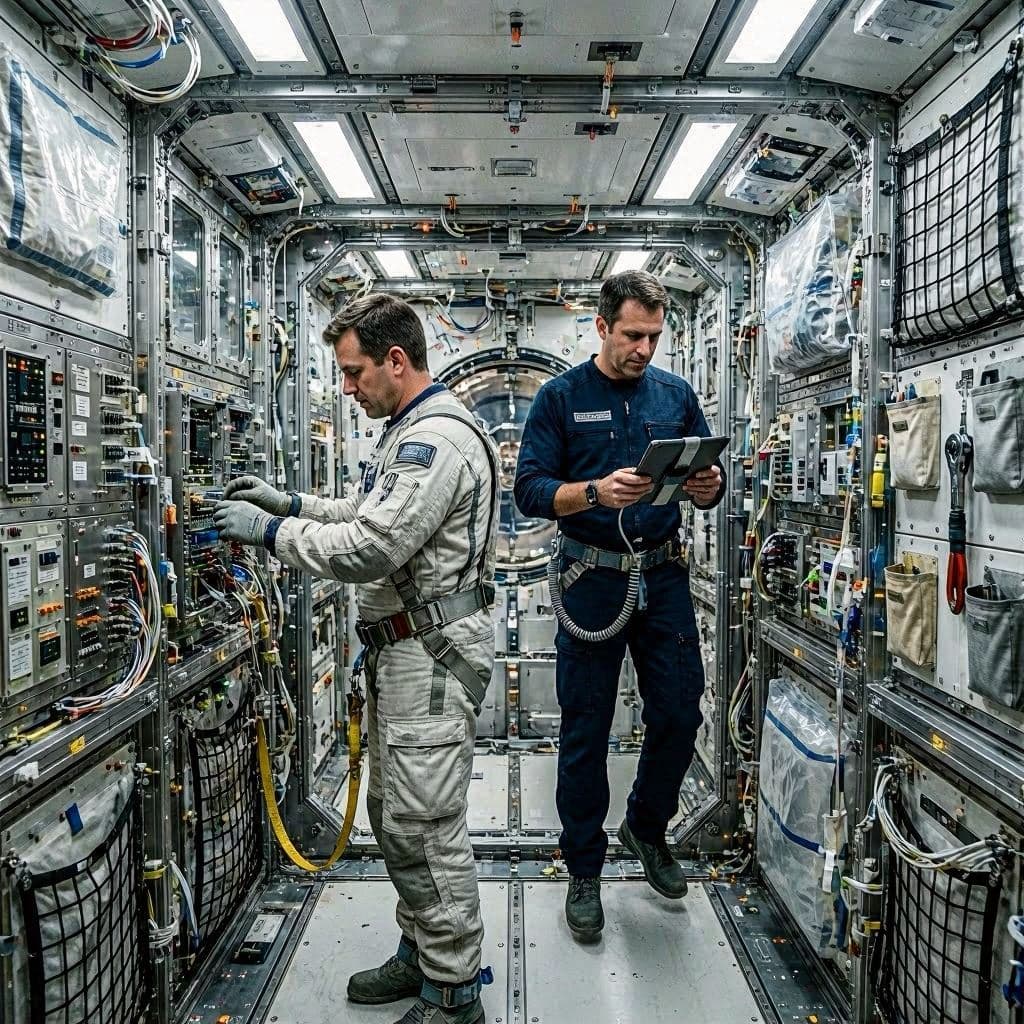
NASA temporarily placed ISS astronauts on alert while engineers assessed worsening concerns surrounding a long-monitored air leak.
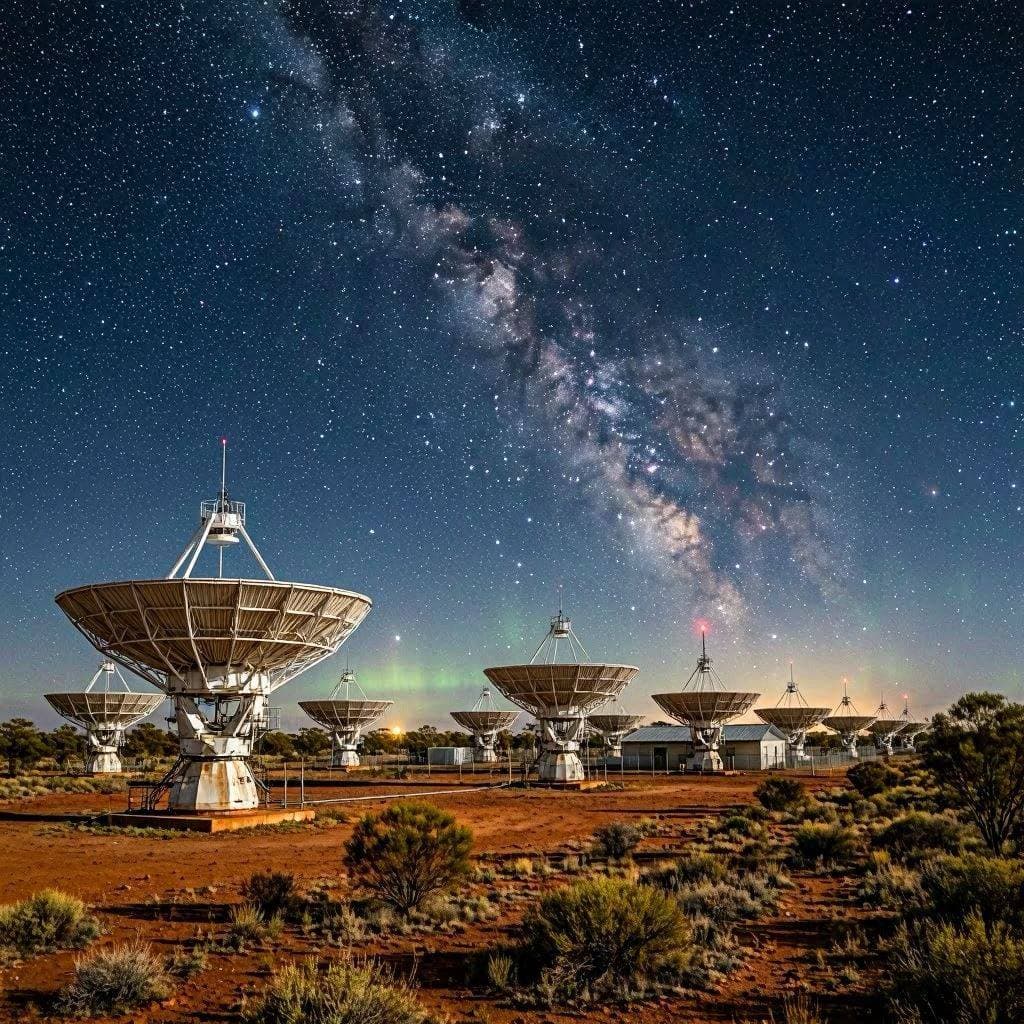
Scientists using the SKA Observatory have created the largest magnetic map of the universe ever assembled.
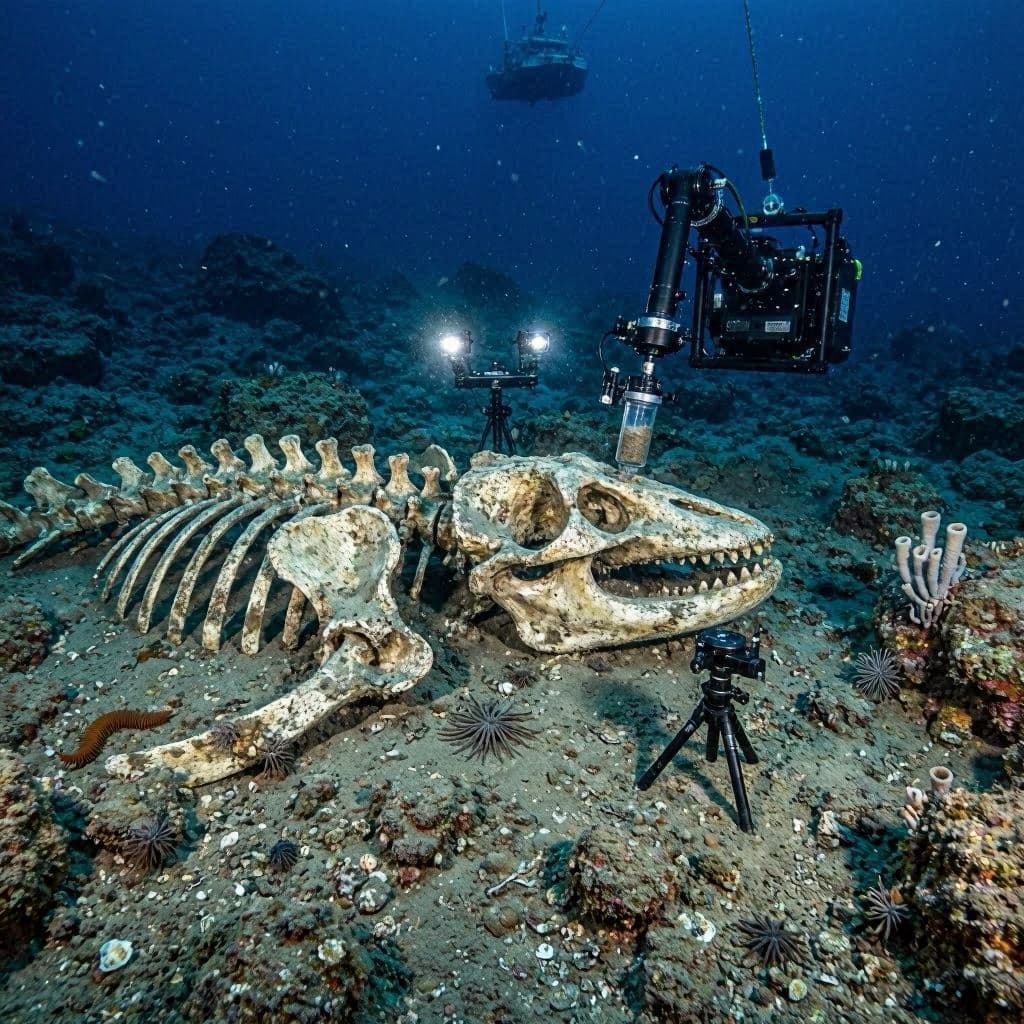
Scientists have discovered what may be the world's largest whale graveyard, offering new insights into ancient marine ecosystems.